Spot stroke-like signs in dogs fast: sudden imbalance, head tilt, nystagmus, one-sided weakness, disorientation, seizures, or collapse. Learn what to do now ...
Article
•
Designer Mixes
Symptoms of Stroke in Dogs

Shari Shidate
Designer Mixes contributor
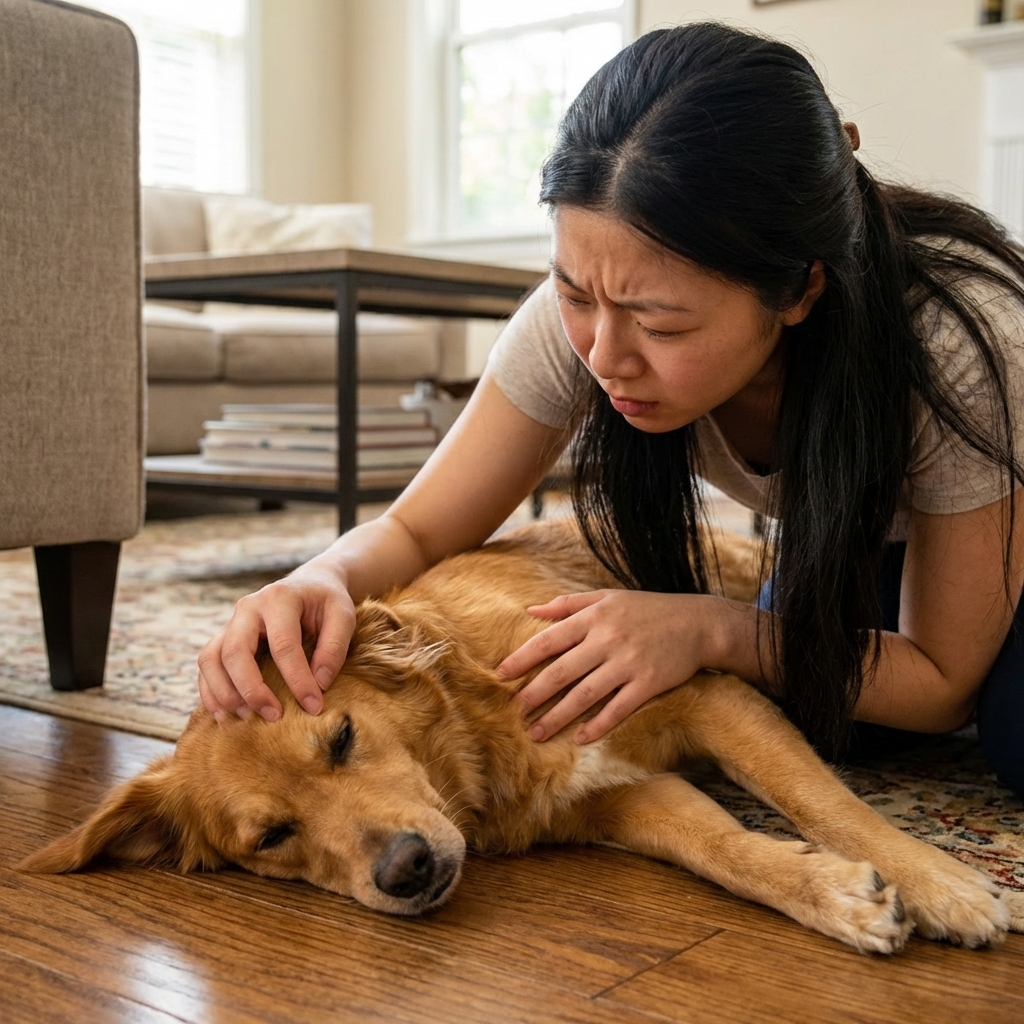
If your dog suddenly cannot walk straight, has a head tilt, or seems confused, it is normal to panic. As a veterinary assistant, I want you to know two things: you are not overreacting, and quick action truly matters. Strokes can happen in dogs, but many other conditions can look like a stroke too, including vestibular disease, seizures, toxin exposure, low blood sugar, heat-related illness, severe ear infection, or other neurologic problems.
This guide walks you through the proven signs to watch for, what to do right now, what your veterinarian may test for, and how recovery and home care usually look.
Medical note: This article is for education and support. It cannot replace an exam or diagnosis from your veterinarian. If symptoms are sudden or severe, call an emergency clinic.
What is a stroke in dogs?
A stroke happens when blood flow to part of the brain is interrupted (ischemic stroke) or when bleeding occurs in or around the brain (hemorrhagic stroke). Without oxygen and nutrients, brain cells can be injured quickly, which is why symptoms often appear suddenly.
Dogs do not always show the classic human stroke signs. Instead, you may notice balance issues, abnormal eye movements, or a sudden change in awareness.
Symptoms of stroke in dogs
Most stroke-like episodes in dogs come on fast, within minutes to hours. The exact signs depend on which part of the brain is affected.
Common signs you may see at home
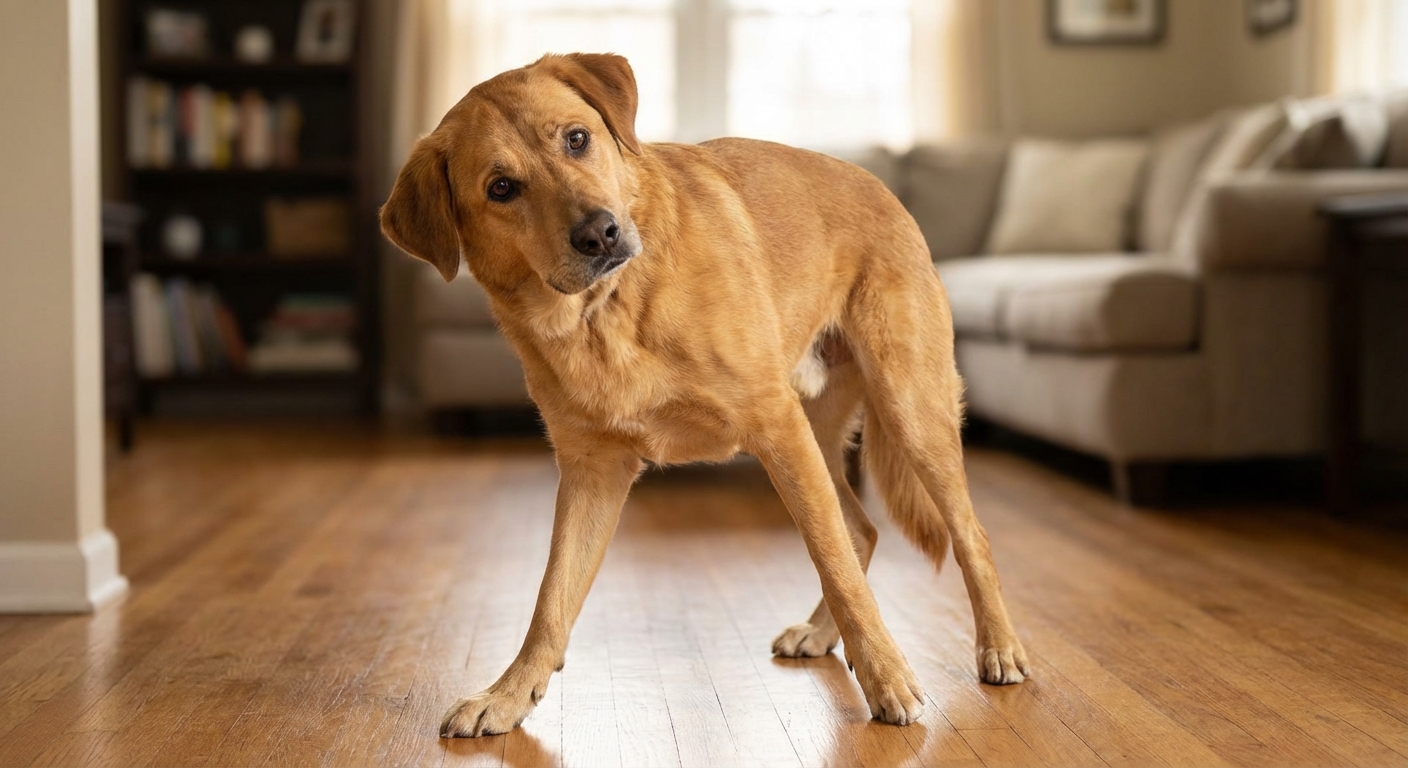
- Sudden loss of balance, stumbling, or falling to one side
- Head tilt that was not present earlier
- Circling in one direction
- Weakness or paralysis on one side of the body
- Confusion, staring, seeming “not there,” or acting lost in familiar spaces
- Abnormal eye movements (nystagmus), where the eyes flick side to side or up and down
- Unequal pupil size or unusual pupil responses
- Difficulty standing or inability to walk
- Sudden collapse
- Changes in facial symmetry (droopy lip or eyelid on one side)
- Vomiting (often tied to severe dizziness)
- Seizures can occur with some brain events
Subtle signs that still count
- Sudden reluctance to use stairs or jump
- New clumsiness, bumping into walls or furniture
- Unusual vocalizing, restlessness, or hiding
- New accidents in the house in a previously trained dog
Emergency signs
Seek emergency veterinary care right away if you notice any of these:
- Collapse, inability to stand, or severe weakness
- Continuous seizure activity, or multiple seizures close together
- Trouble breathing, uncontrolled vomiting, or signs of shock (very pale gums, extreme weakness)
- Sudden severe disorientation plus abnormal eye movements
Trust the “sudden change” rule. If your dog was normal this morning and now cannot coordinate their body, that is an urgent situation.
Stroke vs. vestibular disease
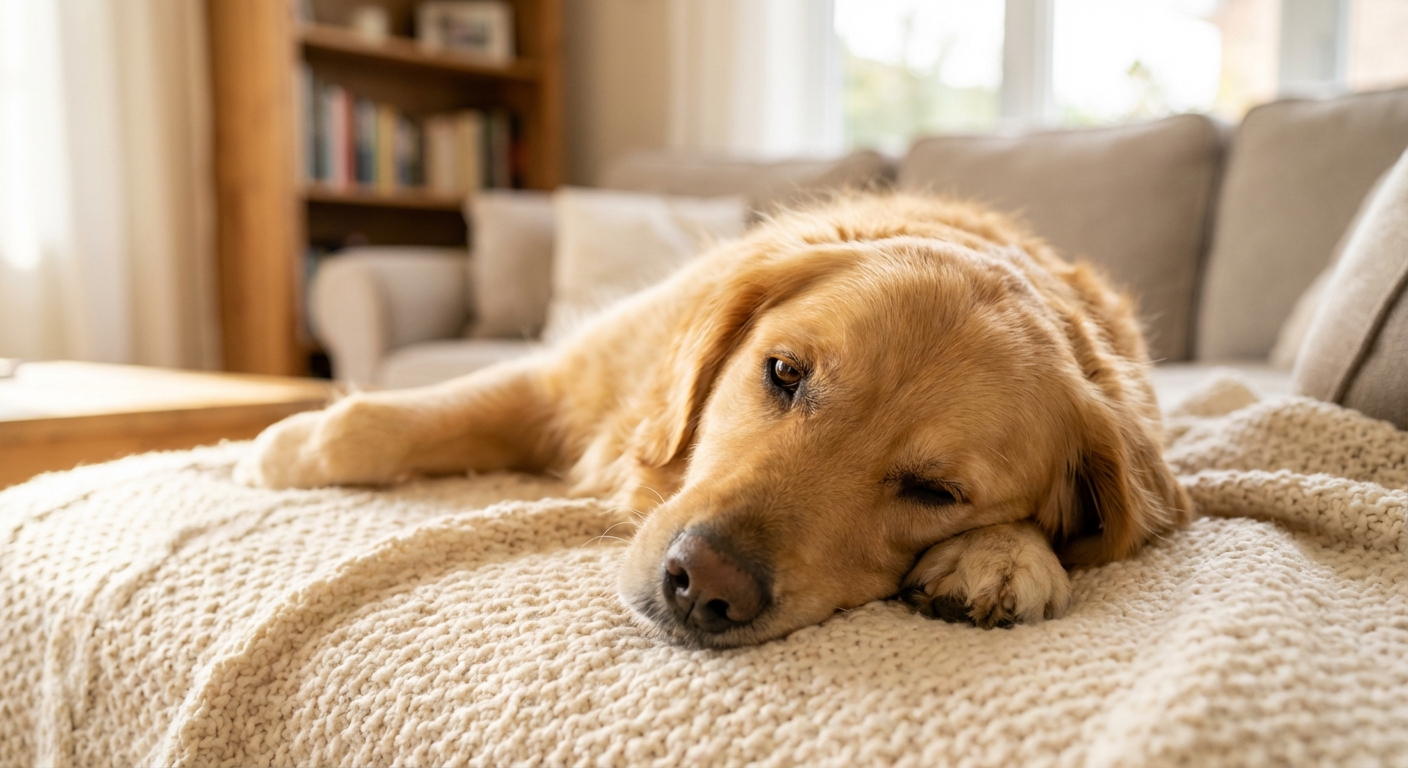
One of the biggest reasons pet parents feel blindsided is that peripheral vestibular disease (a balance disorder often tied to the inner ear) can look extremely similar to a stroke. Both can cause head tilt, nystagmus, and wobbliness.
In many idiopathic or peripheral vestibular cases, dogs often start to improve within 24 to 72 hours, but full recovery can take days to weeks. That said, some dogs recover more slowly, and central (brain-related) causes can look similar. You should not try to diagnose this at home. Your vet will use the exam to help determine whether the problem is more likely in the inner ear (peripheral) or in the brain (central), and whether advanced imaging is needed.
What causes strokes in dogs?
Sometimes we never find a single clear trigger, but veterinarians commonly look for underlying conditions that can increase stroke risk or cause stroke-like neurologic signs.
Possible contributing factors
- High blood pressure (often secondary to other disease)
- Kidney disease
- Heart disease
- Cushing’s disease (hyperadrenocorticism)
- Diabetes
- Clotting disorders or conditions that increase clot risk
- Toxins (can cause neurologic signs that mimic stroke)
- Infectious or inflammatory disease affecting the brain
- Cancer or complications related to tumors
- Other issues your vet may evaluate depending on the case, such as thyroid disease, especially if other signs point that direction
What to do if you suspect a stroke
Your job is not to confirm “stroke” at home. Your job is to get your dog safely evaluated as quickly as possible.
Step-by-step
- Call your vet or emergency clinic immediately. Tell them your dog has sudden neurologic signs (balance loss, head tilt, weakness, abnormal eye movements).
- Keep your dog safe and as still as possible. Block stairs, use a towel as a sling under the belly for support, and keep lighting low if they seem nauseated or dizzy.
- Do not give human medications. Aspirin, ibuprofen, and other medications can be dangerous, especially if bleeding is involved.
- Record a short video. A 10 to 20 second clip of walking, eye movement, or circling can help your veterinarian tremendously, especially if signs improve on the way in.
- Bring notes. Include timing of onset, any toxin risks (marijuana, xylitol, rodent bait), current medications, and recent illnesses.
What not to do
- Do not force your dog to walk if they are falling or panicking. It increases the risk of injury.
- Do not offer food or water if they are actively vomiting or too uncoordinated to swallow safely. Aspiration is a real risk. Your clinic can guide you.
- Do not wait to see if it passes when symptoms are sudden, severe, or worsening.
How to transport your dog
- Use a crate for small dogs if possible.
- For large dogs, use a blanket as a stretcher with two people.
- Keep their head and body supported and minimize sudden movements.
How veterinarians diagnose a stroke
Because many conditions mimic stroke, diagnosis usually starts with a thorough neurologic exam and baseline testing.
Common tests
- Physical and neurologic exam (checks reflexes, gait, cranial nerves, eye position)
- Bloodwork (CBC and chemistry to look for infection, organ issues, blood sugar problems)
- Blood pressure measurement
- Urinalysis (kidney function and systemic clues)
- Clotting tests when indicated
- Chest radiographs or heart evaluation depending on history
- Advanced imaging like MRI or CT when needed to confirm a brain lesion and rule out tumors or inflammation
MRI is often the best tool for detecting many strokes, especially ischemic events. CT may also be used and can be particularly helpful when bleeding is suspected. If advanced imaging is not immediately available, your vet can still stabilize your dog and treat symptoms safely while deciding on next steps.
Treatment and recovery
There is not a single universal “stroke medicine” for dogs the way many people imagine. Treatment is usually supportive and targeted to the underlying cause when one is found. The goal is to protect your dog, reduce nausea and dizziness, control seizures if present, and address contributing problems like hypertension or endocrine disease.
What treatment may include
- IV fluids if needed for hydration and stability
- Anti-nausea medication and motion-sickness support
- Medications to control seizures if they occur
- Blood pressure management if elevated
- Treatment for contributing disease (kidney, endocrine, diabetes, heart)
- Hospital monitoring if your dog cannot stand or is at risk of injury
Recovery timeline
Recovery varies. Vestibular episodes often start improving in a few days, with continued progress over weeks. Strokes and other brain events can also improve over days to weeks, but some dogs have lingering deficits (like a head tilt or mild coordination changes) that may take longer or become permanent. Rehabilitation, harness support, and structured home setup can make a big difference.
Prognosis
Many dogs improve significantly over days to weeks, especially if the event is mild and the underlying cause is identified and controlled. Some dogs have lingering head tilt or mild coordination changes. Others may need ongoing rehabilitation.
Home care after a stroke-like event
Once your veterinarian says it is safe to recover at home, your goal is to prevent falls, keep meals and potty breaks predictable, and track progress.
Helpful at-home tips
- Confine and cushion: use a small room or playpen, add non-slip rugs, and block stairs.
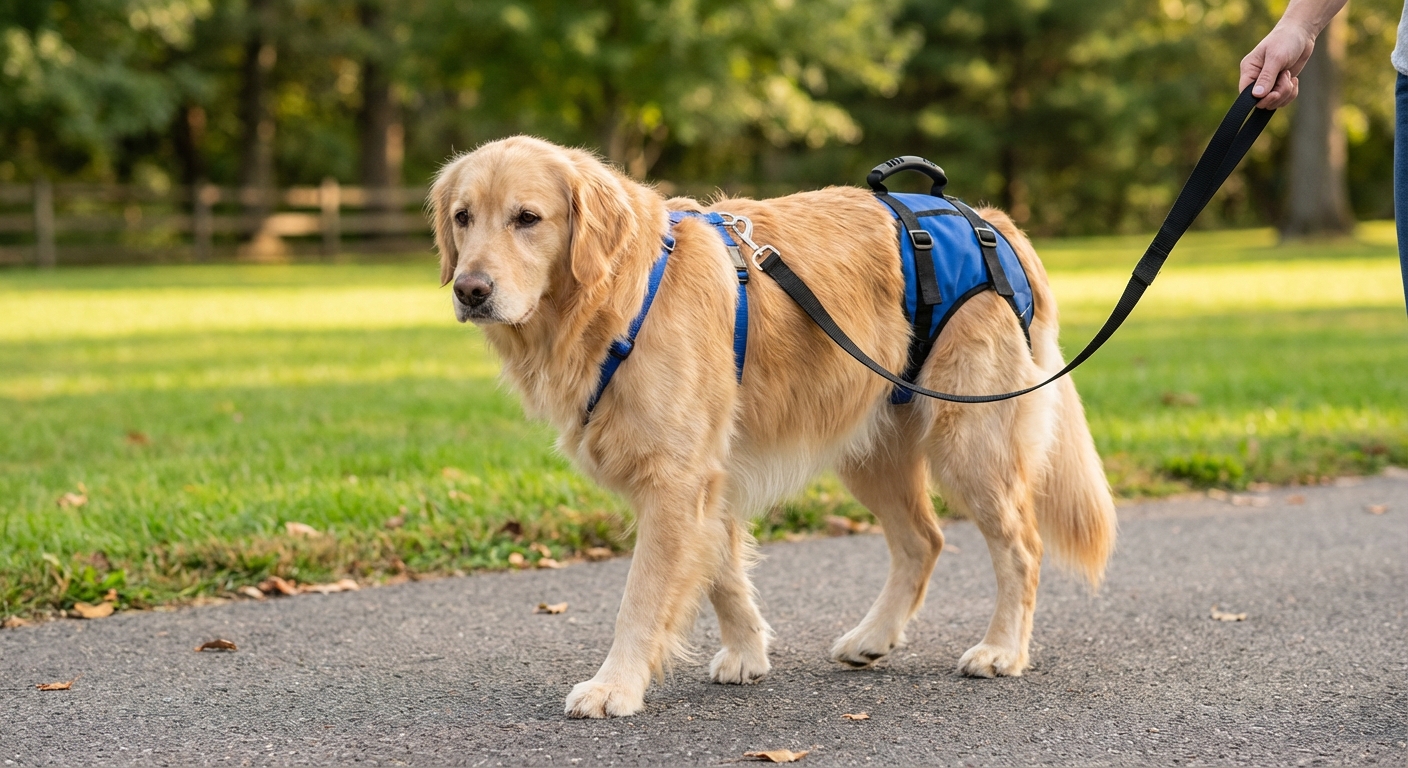
- Assist with walking: a towel sling or support harness helps many dogs feel secure.
- Keep hydration and food simple: small, easy meals can help if nausea is present. Ask your vet before changing diets.
- Give medications exactly as prescribed and do not stop early.
- Track symptoms daily: appetite, balance, eye movement, bathroom habits, and energy.
- Schedule rechecks for blood pressure and follow-up labs if recommended.
When to call the vet during recovery
- Symptoms worsen after initial improvement
- New seizures, collapse, or persistent vomiting
- Your dog stops eating or drinking for a full day
- They cannot urinate, or you notice pain or severe anxiety
Prevention
You cannot prevent every neurologic event, but you can lower risk by finding and managing the health issues that commonly contribute.
- Keep regular wellness exams, especially for seniors.
- Ask your vet about routine bloodwork and blood pressure checks.
- Manage weight and keep activity appropriate for your dog’s age and joints.
- Keep toxins locked away, including human medications and rodent bait.
- If your dog has diabetes, kidney disease, heart disease, or Cushing’s, follow monitoring plans closely.
If you remember only one thing: sudden balance loss or one-sided weakness is never a “wait and see” moment. Call your vet and go in.
Quick FAQ
Can a dog survive a stroke?
Yes. Many dogs do, and some recover very well. Outcome depends on the size and location of the brain injury and whether the underlying cause can be treated.
Do strokes in dogs happen during sleep?
They can. Some owners notice symptoms immediately upon waking up, which makes it feel sudden and scary. Timing is one reason a video and a clear history are so helpful.
Is a stroke painful for dogs?
Strokes are not always outwardly painful, but they can be very distressing due to dizziness and confusion. If your dog seems uncomfortable, your veterinarian can help with supportive medications.