Understand kidney problems in cats with a clear guide to AKI vs CKD, early warning signs, diagnostic tests, renal diet and hydration strategies, meds, monito...
Article
•
Designer Mixes
Symptoms of Renal Failure in Cats

Shari Shidate
Designer Mixes contributor
Kidney disease in cats is one of the most common serious health problems we see, especially in seniors. More specifically, chronic kidney disease (CKD) is very common in older cats. The tricky part is that early kidney decline can be quiet. Cats often keep their routines surprisingly well until the body is under real stress.
In this article, I will walk you through the detailed symptoms of kidney failure in cats, what they look like at home, what is considered an emergency, and how your vet confirms what is going on. My goal is to help you feel informed, not overwhelmed.
Quick overview: AKI vs CKD
Kidney failure is not one single condition. It is a final common pathway of many problems that damage the kidneys.
- Chronic kidney disease (CKD) happens slowly over months to years. This is the most common pattern in older cats.
- Acute kidney injury (AKI) happens suddenly, over hours to days. It can be caused by toxins (like lily exposure), severe dehydration, a kidney infection (pyelonephritis), or complications from urinary obstruction.
Symptoms can overlap, but AKI tends to look more sudden and severe. CKD often starts with subtle changes that are easy to dismiss as aging.
Early symptoms owners miss
Early kidney decline can be subtle because cats compensate for a long time. These are the signs I encourage pet parents to take seriously, even if your cat is still “acting normal.”
Increased thirst and urination
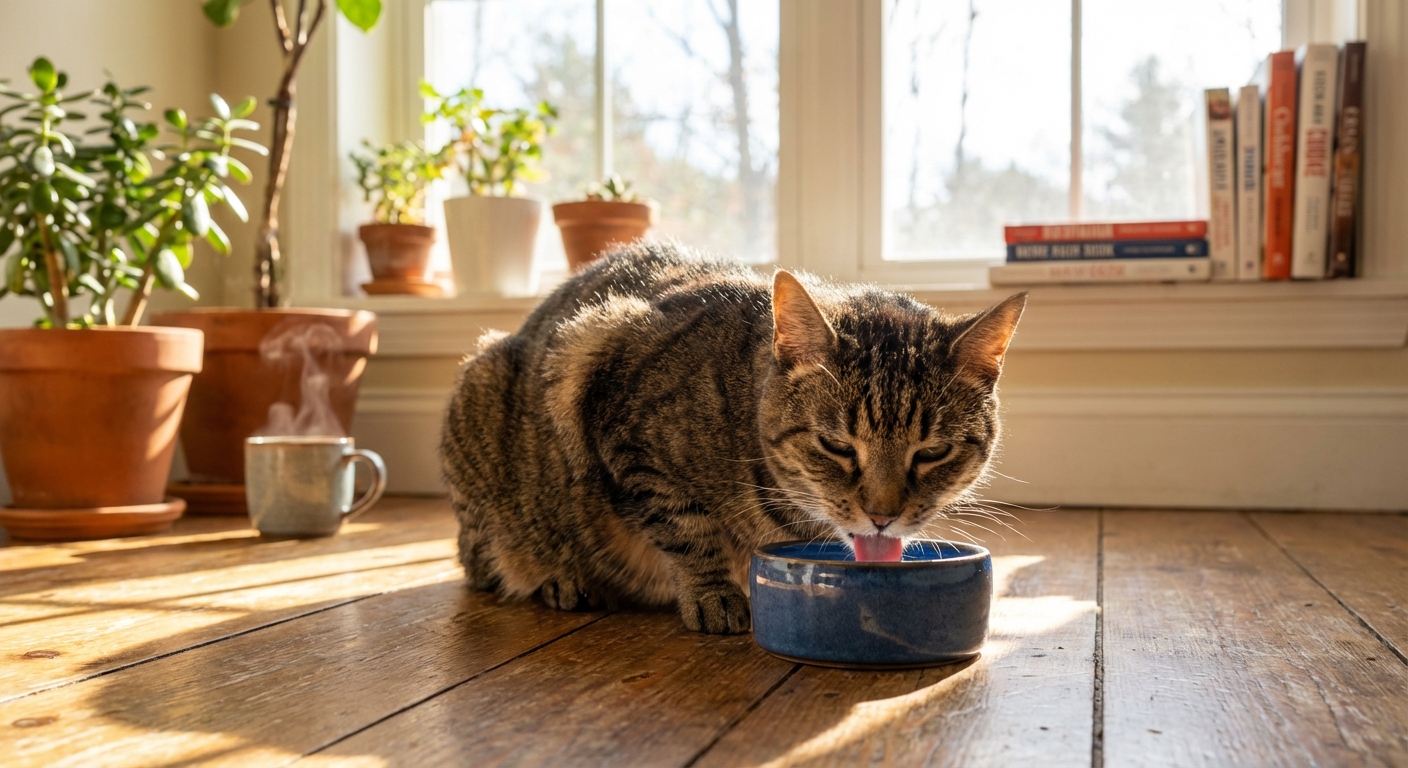
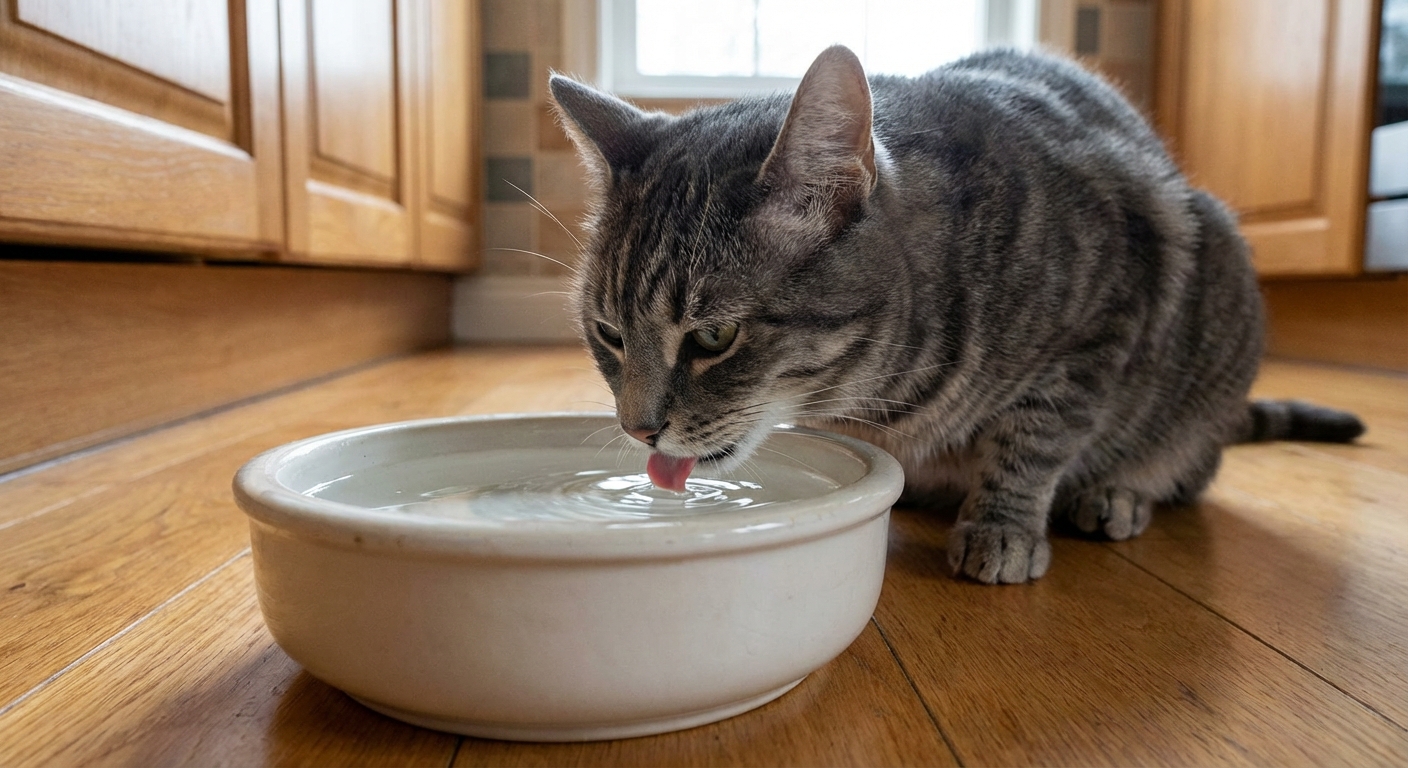
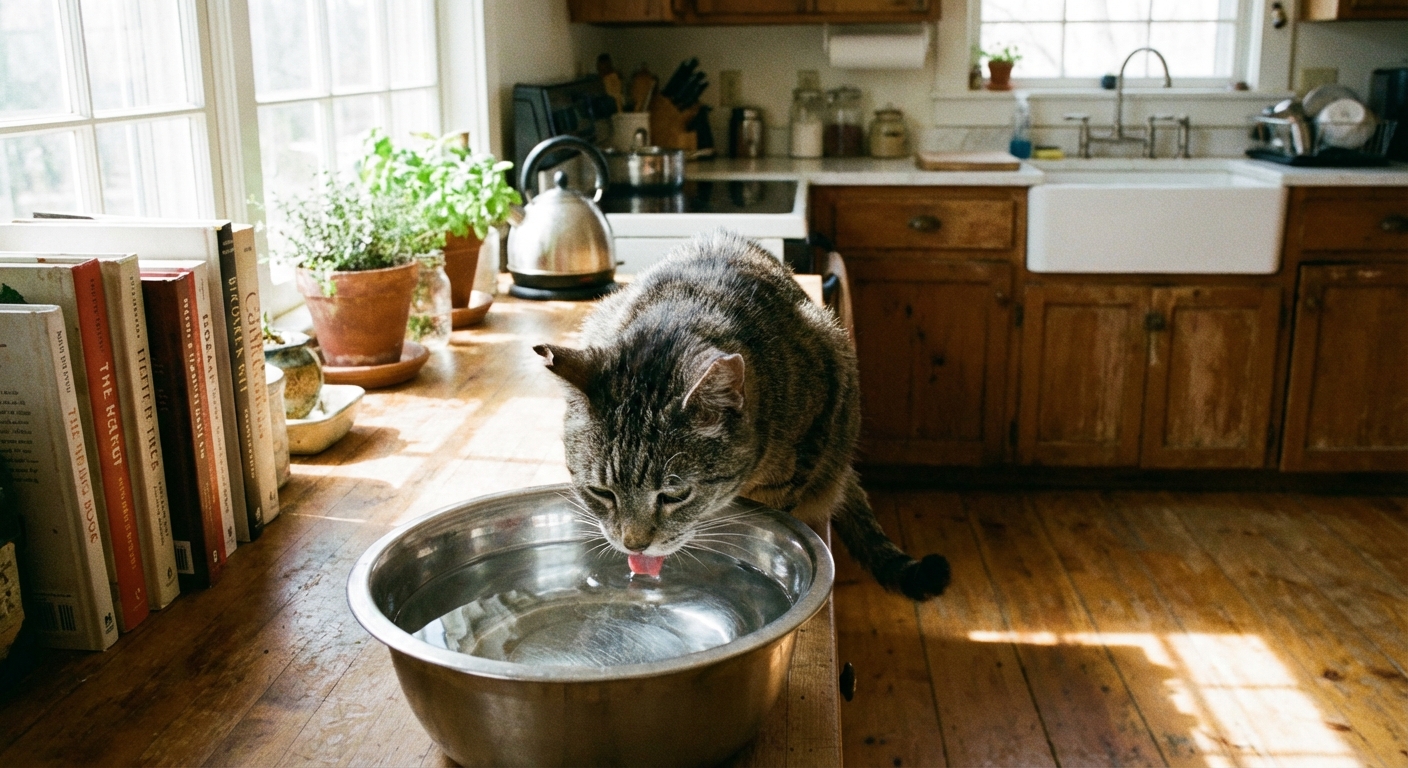
One of the earliest and most classic signs is drinking more and peeing more. As kidney function declines, the kidneys cannot concentrate urine as well, so your cat loses more water in the urine.
- Water bowl emptying faster than usual
- More frequent litter box clumps, or larger clumps
- Accidents outside the box in a previously reliable cat
Mild appetite changes
Some cats begin to graze, eat less at meals, or become picky. You may notice they walk up to food, sniff, and walk away. This can be related to nausea and toxin buildup in the bloodstream (uremia) as kidney filtering declines.
Weight loss and muscle loss
Slow, steady weight loss is a big clue. Many cats with early CKD lose muscle along the spine and hips. A cat can look “fine” from above but feel bonier when you pet them.
Coat changes
You may notice a dull coat, mild dandruff, or less grooming. In some cats, dehydration and nausea reduce grooming behavior.
Moderate to advanced symptoms
As kidney disease progresses, signs usually become more noticeable and more consistent day to day.
Nausea and vomiting
Many cats with kidney disease feel nauseated. You might see:
- Vomiting (sometimes foam or bile)
- Excessive drooling or wet chin
- Lip smacking or swallowing repeatedly
- Hiding or acting “off” around mealtimes
Bad breath and mouth sores
As waste products build up, breath can smell unusually foul, sometimes described as ammonia-like. Some cats develop oral ulcers that make eating painful.
Dehydration
Even if your cat is drinking a lot, they can still be dehydrated because they are losing water through dilute urine. Signs include:
- Tacky or dry gums
- Sunken eyes
- Lethargy
- Constipation
Lethargy and behavior changes
Kidney disease can cause low energy and weakness. Some cats stop jumping to favorite spots, sleep more, or withdraw socially.
Litter box changes
- More urine volume (typical in CKD)
- Very little urine output (can occur with AKI or severe dehydration)
- Straining can occur from constipation, but straining with little or no urine is also a red flag that needs urgent evaluation
Red flags: urgent care
If you notice any of the symptoms below, it is time to call your veterinarian or an emergency clinic right away. Kidney-related problems can become life-threatening quickly, especially when hydration, potassium, phosphorus, acid-base balance, toxin load, or blood pressure are affected.
- Not eating, especially if it is approaching 24 hours (call the same day). Cats can develop hepatic lipidosis with prolonged anorexia, particularly overweight cats.
- Repeated vomiting or inability to keep water down
- Collapse, severe weakness, or disorientation
- Very little or no urine output
- Straining with little or no urine (possible urinary obstruction, a time-critical emergency)
- Open-mouth breathing or signs of severe distress
- Sudden blindness or bumping into objects (can be related to high blood pressure, which is common in CKD)
- Known or suspected toxin exposure, especially lilies
If there is any chance your cat chewed on or licked a lily plant or got lily pollen on their fur, treat it as an emergency even before symptoms show. Early treatment can be lifesaving.
Symptoms by body system
If you like checklists, here is a symptom summary. I am also noting which signs you can measure at home versus what your vet typically confirms with testing.
Digestive
- Decreased appetite, picky eating (at home)
- Nausea signs like lip smacking or drooling (at home)
- Vomiting (at home)
- Constipation (at home)
- Weight loss (at home, best confirmed with a scale)
Urination and thirst
- Increased thirst (at home)
- Increased urination and larger litter clumps (at home)
- Accidents outside the litter box (at home)
- Decreased urine production (at home, urgent, also consider urinary obstruction)
- Dilute urine on urinalysis, low urine specific gravity (vet testing)
Energy and neurologic
- Lethargy, hiding, less interaction (at home)
- Weakness, less jumping (at home)
- In severe uremia, confusion or seizures are possible (urgent)
Skin and coat
- Dull coat, dandruff (at home)
- Reduced grooming (at home)
- Dehydration, confirmed by exam and sometimes lab trends (vet)
Blood pressure and eyes
- Sudden vision changes or blindness (at home, urgent)
- Dilated pupils, disorientation (at home, urgent)
- High blood pressure on measurement (vet testing)
Why these symptoms happen
The kidneys do more than make urine. They help regulate hydration, electrolytes, acid-base balance, and blood pressure. They also remove waste products from protein metabolism. When kidney function drops:
- Toxins build up in the blood, contributing to nausea, appetite loss, and mouth ulcers.
- Urine becomes dilute, so cats lose water and can become dehydrated even if they drink more.
- Electrolytes shift (like potassium and phosphorus), which can affect muscles, appetite, and overall stability.
- Acid-base balance can change, which can worsen weakness and nausea.
- Blood pressure can rise, which may damage the eyes and other organs.
- Anemia can develop because the kidneys help signal the body to make red blood cells, leading to fatigue and weakness.
How vets confirm kidney failure
Symptoms tell us something is wrong, but lab work tells us what is wrong. If your vet suspects kidney disease, testing typically includes:
- Bloodwork (BUN, creatinine, SDMA, phosphorus, electrolytes, red blood cell count)
- Urinalysis (urine specific gravity, protein, evidence of infection)
- Urine protein testing (often a UPC, which helps evaluate protein loss)
- Blood pressure measurement
- Urine culture if infection is suspected
- Imaging such as ultrasound or X-rays when needed (to assess kidney size, stones, obstruction, masses)
If chronic kidney disease is diagnosed, many vets use IRIS staging (International Renal Interest Society) to guide treatment. Staging is based on lab values plus factors like protein in the urine and blood pressure. Your vet may also talk about trends over time, for example creatinine and SDMA changes, urine concentration, UPC, and blood pressure readings.
What treatment may involve
I cannot design a plan for your cat in an article, but it helps to know what “next steps” often look like. Treatment depends on whether this is AKI or CKD, and how advanced it is.
- Fluids: IV fluids for many AKI cases, and sometimes subcutaneous fluids at home for some CKD cats
- Diet: a kidney-support diet is one of the most helpful long-term tools for CKD
- Anti-nausea and appetite support: to control vomiting and help cats feel well enough to eat
- Phosphorus control: diet changes and sometimes phosphorus binders
- Blood pressure medication if hypertension is present
- Potassium support if potassium is low, or urgent correction if potassium is dangerously high (more common in obstruction and some AKI cases)
For many cats, the goal is steady comfort and stability. For AKI, the goal is to treat the cause quickly and support the kidneys while they recover, when recovery is possible.
What you can do at home
If you suspect kidney trouble, you do not need to wait until your cat is “really sick” to act. Here are practical steps that help your vet and can help your cat.
Track the basics for 3 to 7 days
- Appetite: how much is eaten compared to normal
- Water intake: do bowls run empty faster, is your cat visiting water more often
- Litter box output: size and frequency of urine clumps
- Body weight: if you have a baby scale, even better
- Vomiting: frequency, appearance, time of day
- Helpful extras: photos of litter clumps or vomit, if you can do so safely
Bring a clear list to the appointment
- All foods and treats (brand and flavor if possible)
- All medications and supplements (including flea and tick products)
- Any recent diet changes, travel, stressors, or possible toxin exposures
Reduce dehydration risk
- Offer multiple fresh water bowls around the house
- Consider a cat water fountain if your cat prefers moving water
- Ask your vet whether adding water to food is appropriate for your cat
Do not give human medications
Many common medications can worsen kidney injury or be dangerous to cats. Always check with your veterinarian before giving anything at home.
Other issues that look similar
Some health problems can mimic kidney disease symptoms, especially increased thirst, weight loss, and appetite changes. A few common ones include:
- Hyperthyroidism
- Diabetes
- Urinary tract problems, including infection, inflammation, stones, or obstruction
- Dental disease (can reduce appetite and cause weight loss)
This is one reason I strongly recommend testing rather than guessing based on symptoms alone.
Common questions
Can kidney disease look like “just aging”?
Yes. Drinking more, sleeping more, losing weight slowly, or being less playful are often blamed on age. That is why routine senior screening labs are so valuable.
Are symptoms always the same in every cat?
No. Some cats show mostly digestive signs, others show mostly thirst and litter box changes. Cats with high blood pressure may present with eye issues. This is why testing matters.
Is kidney failure always fatal?
Kidney damage cannot always be reversed, especially in chronic disease, but many cats live comfortably for months to years with the right plan. Early detection and steady support can make a huge difference in quality of life.
When in doubt, get checked
If you are seeing increased drinking, weight loss, appetite changes, vomiting, or a general “something is off” feeling, trust that instinct and schedule a vet visit. Kidney disease is one of those conditions where earlier support usually means a better outcome.
Important: This article is educational and not a substitute for veterinary diagnosis or treatment. If your cat is not urinating, is repeatedly vomiting, is severely weak, is straining with little or no urine, or may have been exposed to lilies, seek emergency care.