Spot early kidney trouble in dogs with simple at-home clues like thirst, urination changes, nausea, weight loss, and “chemical” breath. Learn the key vet...
Article
•
Designer Mixes
Symptoms of Kidney Failure in Dogs

Shari Shidate
Designer Mixes contributor
As a veterinary assistant here in Frisco, Texas, I have seen how quietly kidney disease can sneak up on dogs. The hard part is that the early signs often look like “normal aging” or a mild stomach bug. The good news is that if you know what to watch for, you can often catch kidney trouble earlier and protect your dog’s comfort and quality of life.
Important note: kidney problems can become an emergency quickly. If your dog is not urinating, is very weak, is vomiting repeatedly, seems confused, or you suspect toxin exposure (antifreeze, grapes or raisins, some rodenticides like cholecalciferol, certain medications), contact an emergency vet right away.
Kidney failure symptoms are not “secrets” so much as easy-to-miss clues. Once you know the pattern, you can advocate for your dog faster.
Kidney failure vs. kidney disease
When people say “kidney failure,” they are often referring to one of two situations:
- Chronic kidney disease (CKD): gradual loss of kidney function over months to years, most common in older dogs.
- Acute kidney injury (AKI): sudden damage that can happen over hours to days, often from toxins, severe dehydration, infection (including leptospirosis), or urinary outflow obstruction (more common in male dogs).
Symptoms overlap, but AKI usually looks more sudden and severe. CKD can be subtle until a lot of kidney function is already lost.
Early symptoms you can spot at home
The kidneys regulate hydration, filter waste, balance minerals, and help control blood pressure. When they struggle, your dog’s body tries to compensate, and you see clues like these.
1) Drinking more water (polydipsia)
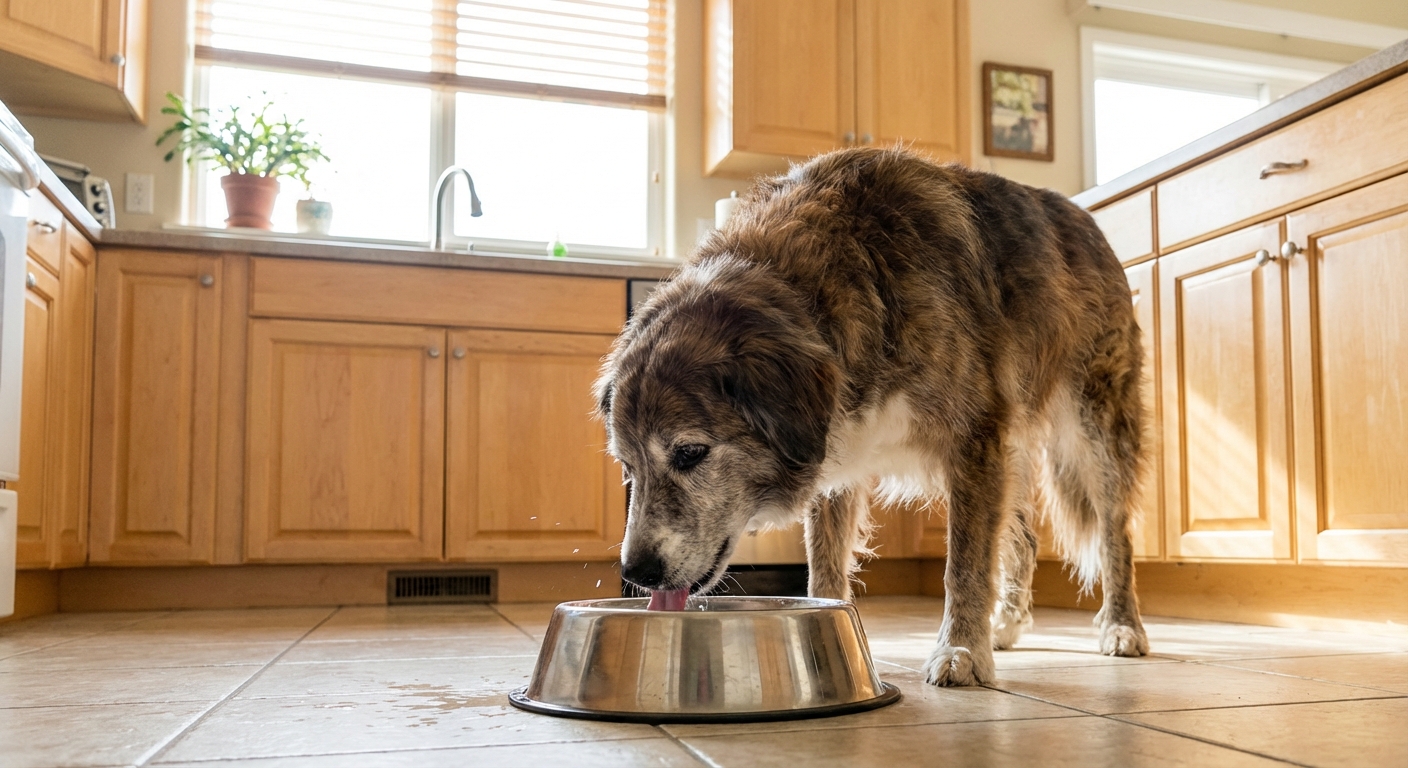
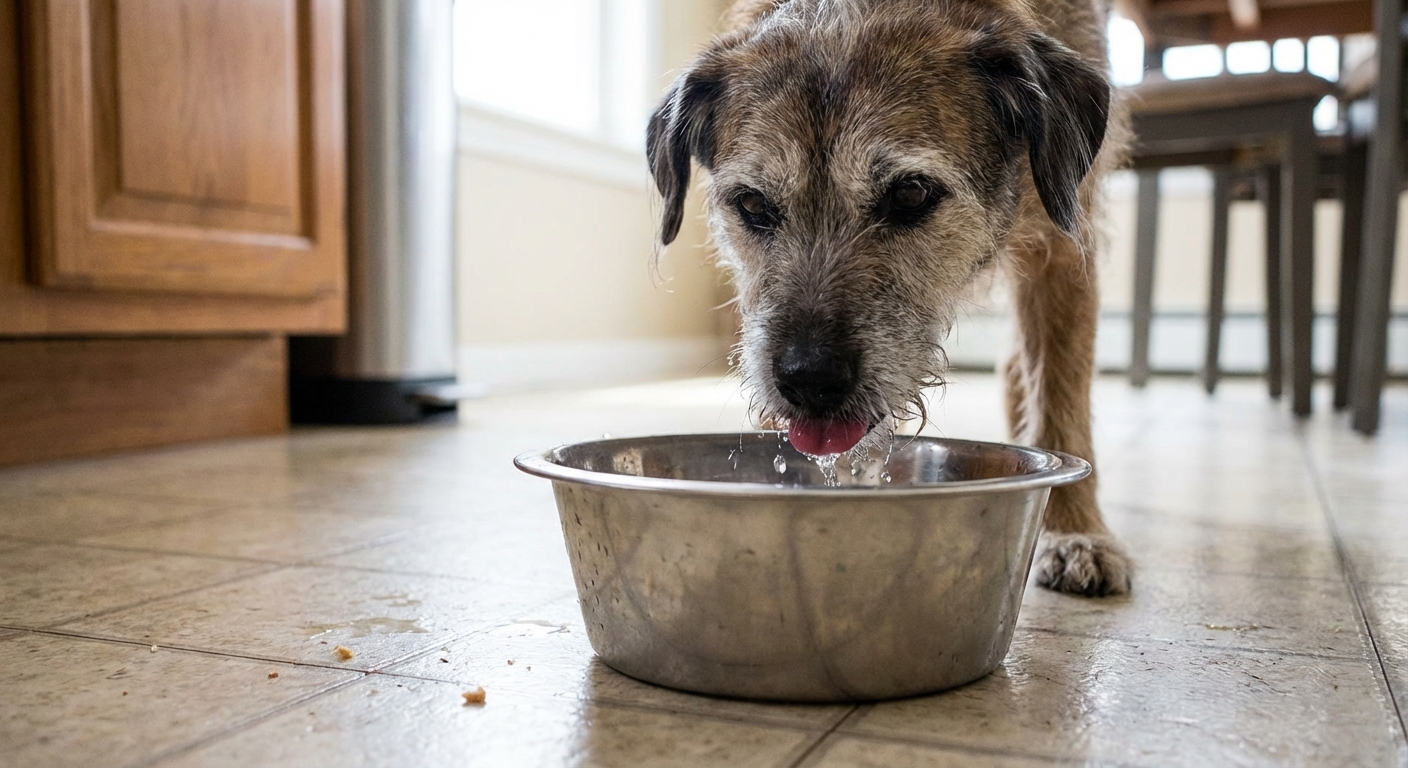
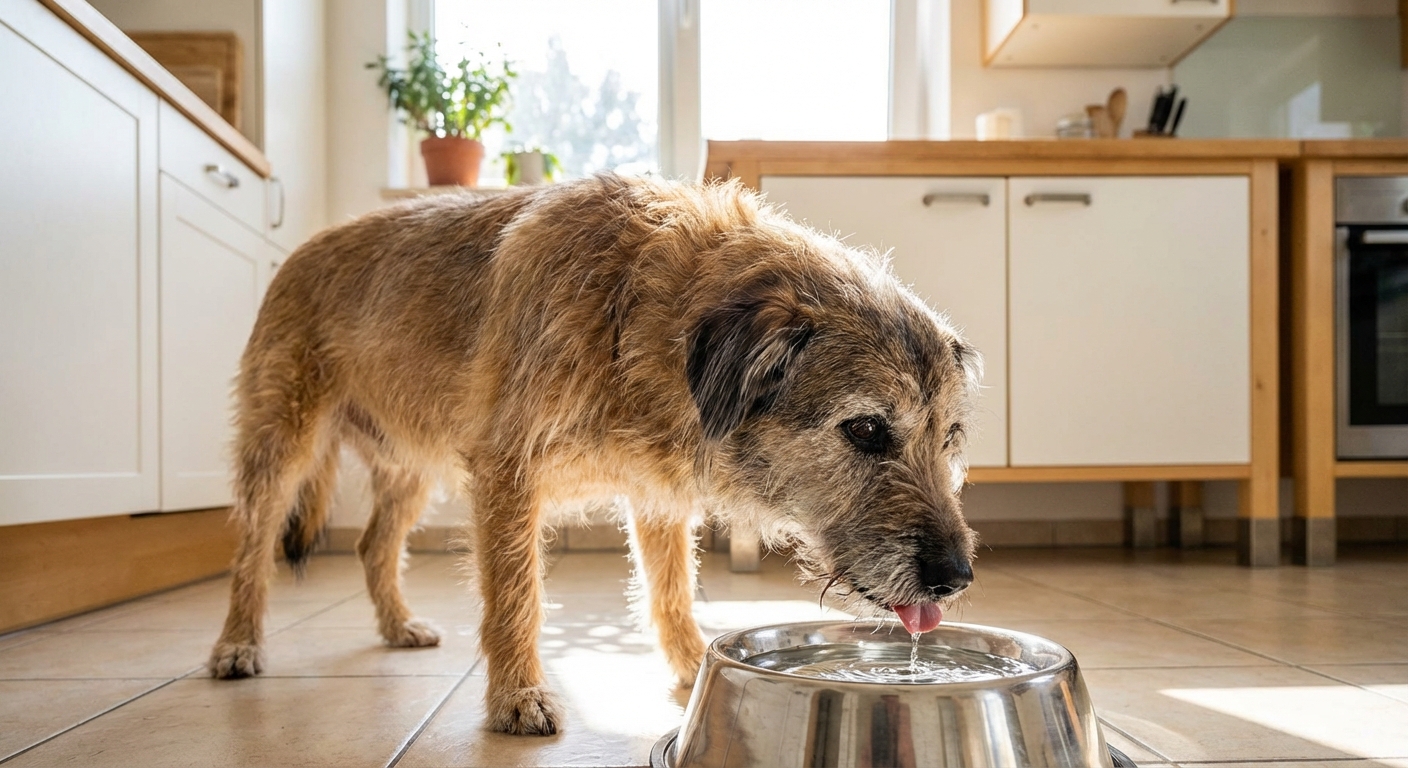
Many dogs with kidney disease drink noticeably more. You might see a water bowl that empties faster, or your dog seeking water in unusual places (toilet, shower, puddles).
2) Peeing more often or having accidents (polyuria)
Because the kidneys cannot concentrate urine as well, dogs may urinate larger volumes, need to go out more frequently, or have accidents even if they were previously house-trained.
3) Decreased appetite or becoming picky
Nausea from waste buildup can make dogs skip meals or only accept treats. Some dogs start eating less over weeks, and weight loss follows.
4) Mild lethargy
Lower energy, more sleeping, less interest in walks, or a “slower” demeanor can be early signs, especially when paired with increased thirst and urination.
5) Weight loss and muscle loss
CKD often causes gradual weight loss. You may notice a thinner face, bony hips, or less muscle along the back.
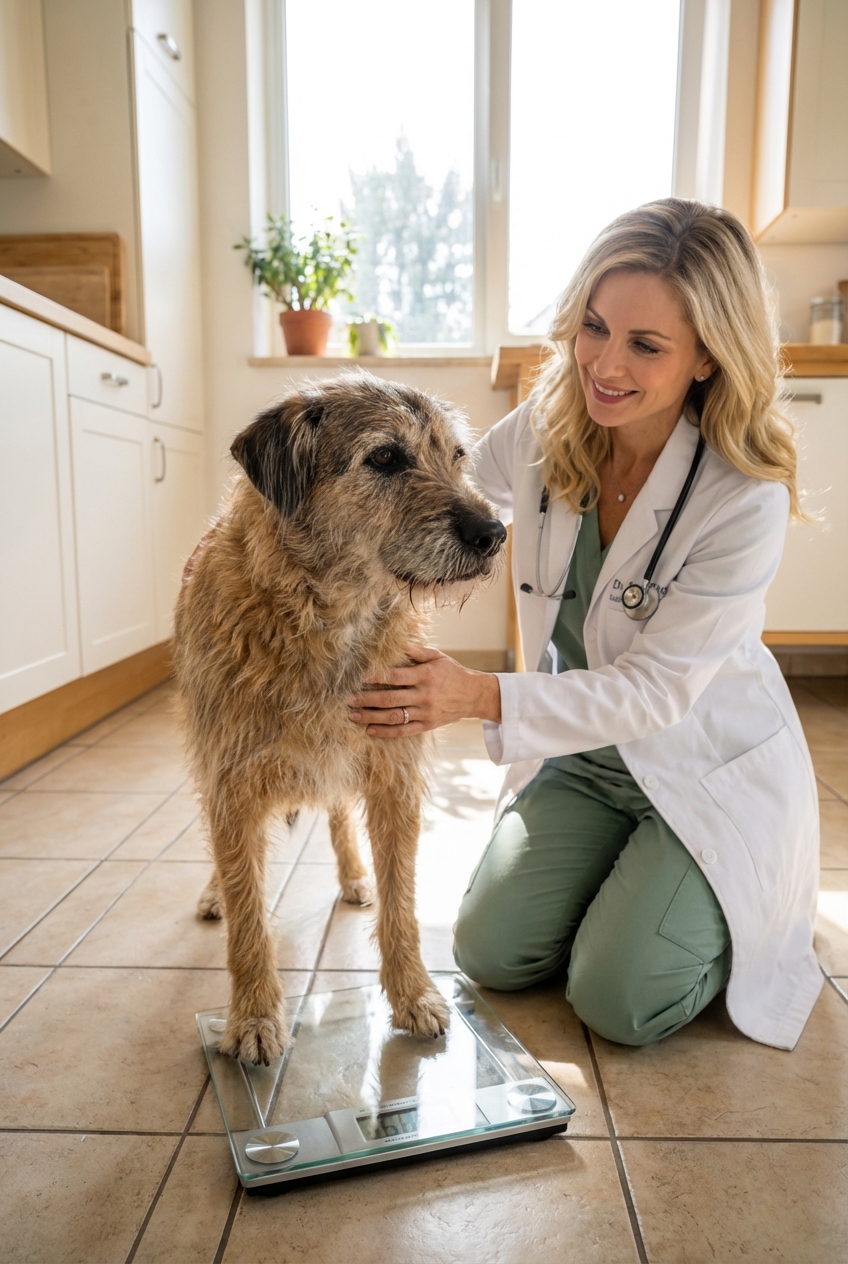
From our clinic tip: if your dog is a senior (often 7+; earlier for large and giant breeds), take a photo and weigh them monthly. Subtle changes are easier to see when you track them.
Quick reality check: increased thirst and urination can also be caused by other conditions like diabetes, Cushing’s disease, liver disease, uterine infection (pyometra), or even some medications. Either way, it is worth a vet visit and basic testing.
Advanced symptoms to take seriously
As kidney function worsens, symptoms typically become more obvious. Call your veterinarian promptly if you notice:
- Vomiting or frequent nausea: lip licking, drooling, swallowing, eating grass.
- Diarrhea: can occur, especially with significant nausea or toxin exposure.
- Dehydration and dry, tacky gums.
- Bad breath that smells like ammonia or urine (often called “uremic breath”).
- Mouth ulcers or sore gums.
- Weakness, stumbling, or acting withdrawn.
- Dull coat and poor grooming.
- Pale gums from anemia (more common in chronic disease).
- High blood pressure signs: sudden vision issues, enlarged pupils, bumping into objects, behavior changes.
- Swelling in limbs or belly (less common, but can happen depending on the underlying cause).
If your dog cannot keep water down, is very weak, or seems painful, do not wait.
Emergency warning signs (go now)
These can indicate severe kidney injury, dangerous electrolyte changes, or urinary obstruction:
- Not urinating at all or producing only a few drops while straining.
- Repeated vomiting with inability to hold down water.
- Collapse, extreme weakness, or unresponsiveness.
- Seizures or severe tremors.
- Known or suspected toxin exposure (antifreeze, grapes or raisins, Vitamin D overdose, some rodenticides like cholecalciferol, certain human medications like ibuprofen or naproxen).

In these cases, time matters. Many dogs do better with fast treatment like IV fluids, anti-nausea support, and targeted therapy based on lab work.
The biggest thing people miss
Symptoms can stay subtle until late. Dogs can often lose a large amount of kidney function before obvious signs show up on the outside, and blood values may not rise until significant function is already lost. That is why routine wellness lab work is such a big deal, especially for:
- Senior dogs
- Dogs with a history of dental disease, recurrent infections, or long-term medication use
- Breeds that may be predisposed to certain kidney issues
Many clinics now screen with a combination of:
- Bloodwork: BUN, creatinine, and often SDMA
- Urinalysis: urine specific gravity, protein, signs of infection
- Blood pressure
- Urine protein:creatinine ratio when indicated
These tests help identify kidney stress earlier, sometimes before you see big changes at home.
What to expect at the vet
If kidney disease is suspected, your veterinarian may recommend diagnostics to confirm kidney function and look for the cause:
- Complete blood count (CBC) and chemistry panel
- Urinalysis and urine culture
- Blood pressure measurement
- Abdominal ultrasound or radiographs to look at kidney structure and rule out obstruction
- Testing for conditions that can contribute (like tick-borne disease or leptospirosis) depending on history and region
For chronic kidney disease, many vets use IRIS staging (based on creatinine or SDMA, plus protein in the urine and blood pressure). Staging helps guide diet choices, medications, and how often labs should be rechecked.
Helpful questions to ask
- Is this more consistent with chronic kidney disease or an acute injury?
- What stage is my dog in (IRIS), and what does that mean for prognosis?
- Is there protein in the urine, and do we need treatment for it?
- What diet and hydration plan do you recommend right now?
- How often should we recheck labs and blood pressure?
At-home support basics
Your vet will tailor treatment to your dog, but these are common, veterinarian-supported strategies:
Hydration support
- Provide fresh water in multiple locations.
- Use a pet fountain if your dog prefers running water.
- Ask your vet about adding water to meals or using wet food.
Simple tracking at home
- Water intake: if you can, measure it for a few days. Many vets consider over about 100 mL/kg/day excessive, but there is individual variation and diet matters.
- Appetite and vomiting: note good days vs. bad days.
- Weight: weekly or monthly (depending on your dog’s stability).
- Urination: frequency, accidents, or straining.
Nutrition that reduces kidney workload
Kidney-support diets typically aim for controlled phosphorus, moderate high-quality protein, and added omega-3 fatty acids. Whether you use a prescription kidney diet, a carefully balanced home-cooked plan, or a mix, the key word is balanced.
If you want to cook for your dog, please do it with veterinary guidance. “Just feeding chicken and rice” long-term can create nutrient imbalances, and kidney patients are especially sensitive to mineral levels like phosphorus.
Medication and supplement safety
Never start human pain medications without veterinary approval. Common OTC meds like ibuprofen and naproxen can be dangerous to dogs and may cause kidney injury.
Symptoms checklist
Monitor and schedule a vet visit soon
- Drinking more water for more than 24 to 48 hours
- Peeing more often or new accidents
- Reduced appetite or gradual weight loss
- Mild lethargy that persists
Call your vet today
- Vomiting or signs of dehydration
- Diarrhea that persists, especially if your dog seems weak
- Not eating for a full day (or half a day in a small dog or puppy)
- Bad breath that is new and strong, mouth sores, or drooling
- Marked weakness or behavior change
Emergency care now
- Not urinating or straining to urinate
- Repeated vomiting and cannot keep water down
- Collapse, seizures, severe confusion
- Possible toxin exposure
Bottom line
If you take only one thing from this article, let it be this: increased thirst and increased urination are often the earliest, most actionable clues. Pair those signs with regular senior screening labs, and you give your dog the best chance at catching kidney problems early.
If you are worried, trust your instincts and get a urine test and bloodwork scheduled. It is one of the kindest, most practical ways to protect your dog’s long-term health.