Cat diarrhea can be mild or serious. Learn common causes, safe home care (hydration, gentle meals, probiotics), what to monitor, and urgent red flags that ne...
Article
•
Designer Mixes
Symptoms of Giardia in Cats

Shari Shidate
Designer Mixes contributor
Giardia is one of those sneaky intestinal parasites that can turn a healthy cat’s tummy upside down. As a veterinary assistant, I have seen how quickly mild, “maybe it’s just stress” diarrhea can become a frustrating cycle for both pets and people. The good news is that giardia is treatable, and knowing the symptoms early helps you get your cat the right care sooner.
This handbook walks you through giardia symptoms step by step, what they can look like in real life, when to call your vet, and how to protect the rest of your household.
What giardia is (and how cats get it)
Giardia is a microscopic protozoal parasite that lives in the intestines. Cats get infected when they swallow giardia cysts, which are shed in feces and can survive in cool, damp environments for days to weeks. This can happen through:
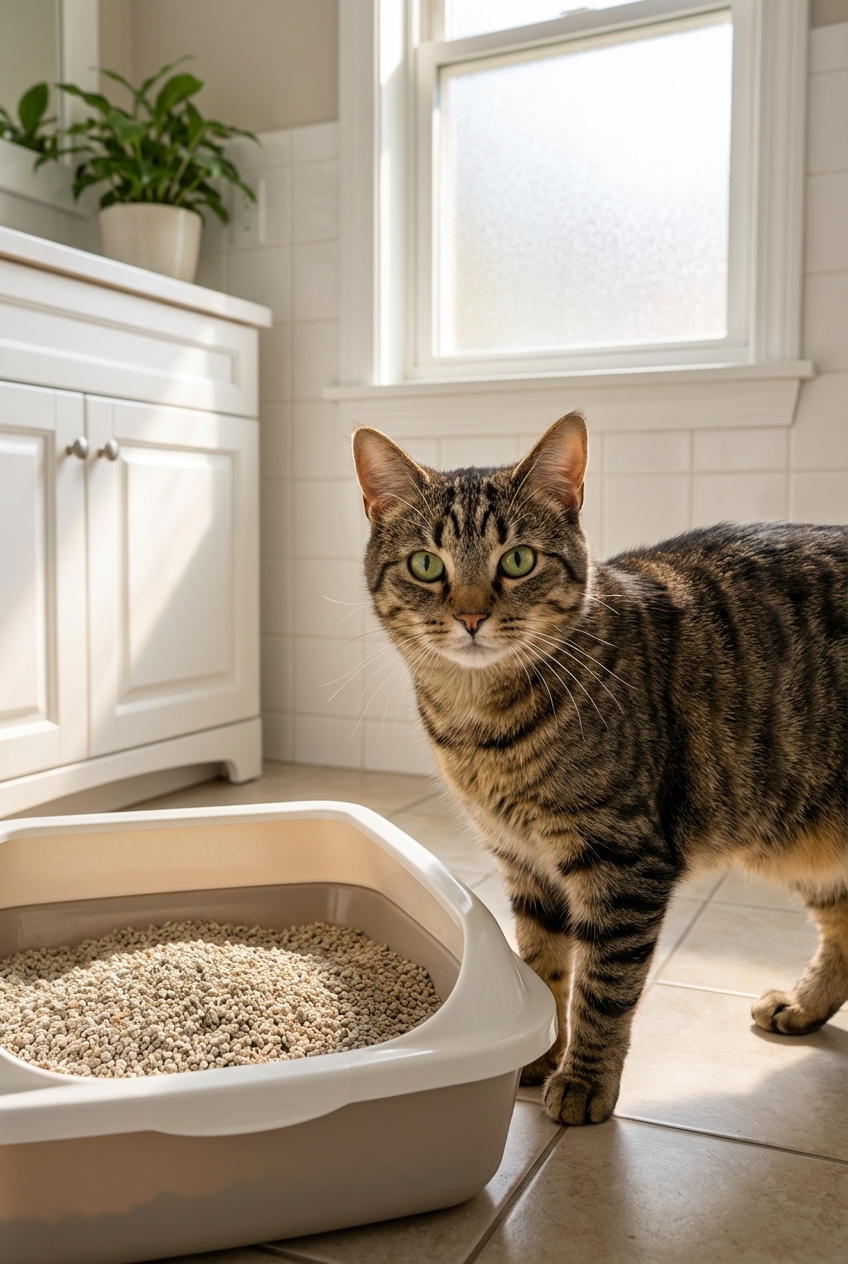
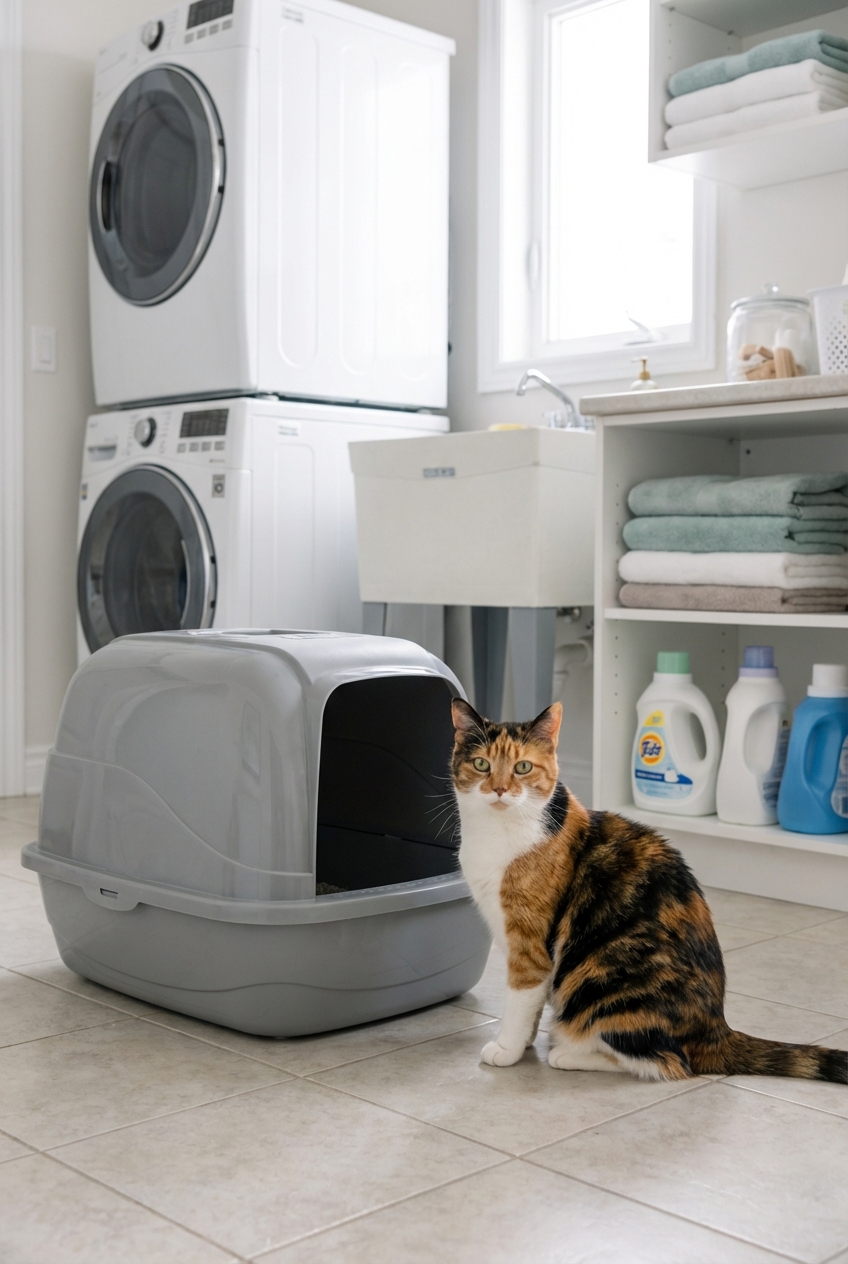
- Sharing litter boxes in multi-cat homes
- Grooming paws after stepping in contaminated litter
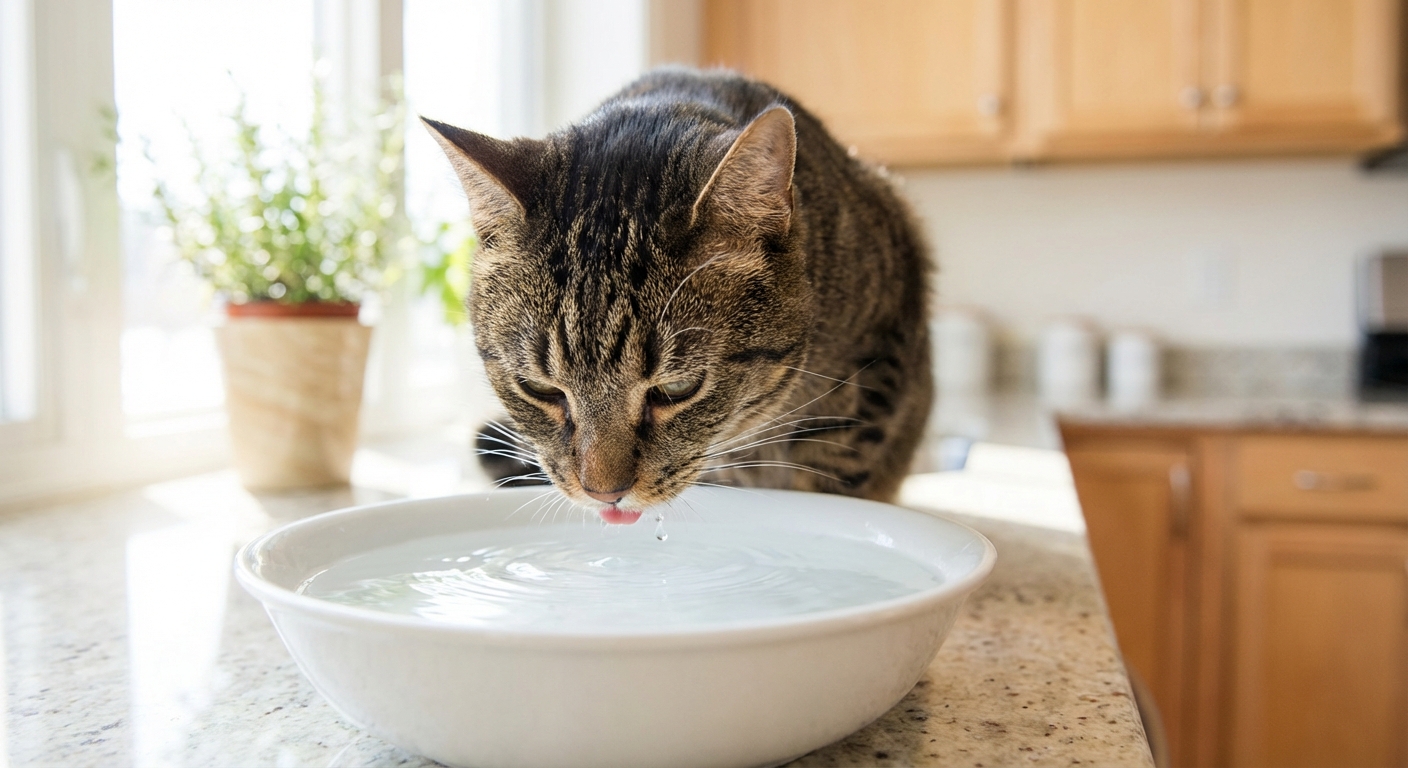
- Drinking contaminated water (including outdoor puddles)
- Close contact in shelters, catteries, or boarding facilities
Some cats show obvious signs, while others can carry and shed giardia with very mild symptoms or none at all.
Common symptoms of giardia in cats
Giardia can be frustrating because signs vary a lot from cat to cat. Some cats start with subtle changes that gradually worsen, while others go from “fine” to messy litter box surprises quickly. The patterns below are common, but they are not a strict timeline.
Step 1: Subtle digestive changes
Early on, you may only notice small shifts that are easy to overlook, especially if your cat is otherwise acting normal.
- Softer stools than usual
- More frequent bowel movements
- Occasional mild gas
- Small accidents outside the litter box due to urgency
Step 2: Classic giardia diarrhea
This is where giardia often becomes more obvious. The diarrhea can be intermittent, meaning it improves for a day or two and then returns.
- Watery or very loose stool
- Foul-smelling stool
- Mucus in the stool (a slimy coating)
- Pale or greasy-looking stool (sometimes described as fatty)
Blood is not the most typical sign of giardia, but irritation can occur. If you see blood, it is a strong reason to call your veterinarian promptly.
Step 3: Nausea and discomfort
As the intestines get irritated, cats can feel nauseated and uncomfortable.
- Nausea signs such as lip-smacking or drooling
- Vomiting (not always present)
- Reduced appetite or picky eating
- Abdominal sensitivity or hiding more than usual
Step 4: Dehydration and low energy
Ongoing diarrhea can cause fluid loss and electrolyte imbalance, which is especially risky for kittens, senior cats, and cats with other health problems.
- Lethargy or sleeping much more than normal
- Dry or tacky gums
- Sunken-looking eyes
- Skin that does not “snap back” quickly when gently lifted (this is not always reliable in cats, especially seniors or thin cats, so let your vet assess hydration if you are unsure)
Step 5: Weight loss and coat changes
Giardia may interfere with digestion and nutrient absorption. Over time, you might notice:
- Weight loss, sometimes even if your cat is still eating
- Muscle loss or a “bony” feel along the spine
- Dull coat or increased dandruff
- Ongoing soft stool that just will not fully resolve
Kittens vs. adult cats
Kittens tend to show stronger symptoms because their immune systems are still developing and dehydration hits them faster.
- Kittens: more likely to have rapid dehydration, poor growth, and more frequent diarrhea
- Healthy adults: may have intermittent diarrhea and still act fairly normal
- Senior or immunocompromised cats: may become weak sooner and take longer to recover
What giardia can look like
Diarrhea has many causes, and several can look like giardia. That is why testing matters. Common look-alikes include:
- Diet change or food intolerance
- Stress colitis (new home, travel, new pet)
- Other parasites (roundworms, hookworms, coccidia)
- Bacterial overgrowth or infections
- Inflammatory bowel disease
- Pancreatitis
If diarrhea lasts more than 24 to 48 hours, keeps recurring, or comes with vomiting or lethargy, a veterinary exam is the safest next step.
One more important safety note from the clinic side: avoid giving OTC anti-diarrheals or human medications unless your vet specifically tells you to. Cats can be very sensitive to the wrong drug or dose.
When to call the vet
You know your cat best. If something feels “off,” trust that instinct. Call your veterinarian if:
- Diarrhea lasts longer than 1 to 2 days
- Diarrhea returns repeatedly over a week or two
- Your cat stops eating or seems painful
- There is vomiting along with diarrhea
Go in urgently
- Kittens with diarrhea
- Any cat showing dehydration signs
- Bloody stool, severe lethargy, or collapse
- Cats with diabetes, kidney disease, or other chronic illness
How giardia is diagnosed
Giardia cyst shedding can be inconsistent, so a single negative test does not always rule it out. In practice, your vet may recommend multiple samples collected over a few days and one or more of the following tests:
- Fecal flotation to look for cysts (can miss intermittent shedders and is not the most sensitive option)
- Giardia antigen test (ELISA) to detect parasite proteins (often more sensitive than flotation)
- Fecal PCR panel to detect giardia DNA and other pathogens
If your cat has chronic or recurring soft stool, a fecal PCR panel can be especially helpful because it looks for multiple causes at once.
Treatment basics
Your veterinarian will choose the best plan based on your cat’s age, symptoms, and overall health. Common treatment strategies include:
- Prescription antiparasitic medication (often fenbendazole and/or metronidazole, depending on the case, and sometimes used in combination)
- Supportive care such as fluids, anti-nausea meds, or probiotics if needed
- Bathing to remove cysts from the fur, especially around the rear feet and tail
- Environmental cleaning to prevent reinfection
Metronidazole can cause side effects in some cats, including appetite upset, drooling, or, more rarely, neurologic signs. That is one reason dosing should always be vet-directed.
It is very common for reinfection to happen if the environment is not addressed. Treatment is not just the medication, it is the medication plus sanitation.
In multi-pet homes, your vet may recommend testing or treating other pets too (and coordinating cleaning) to stop the cycle.
Home hygiene
Giardia cysts spread through poop contamination. Your goal is to reduce exposure while your cat is being treated.
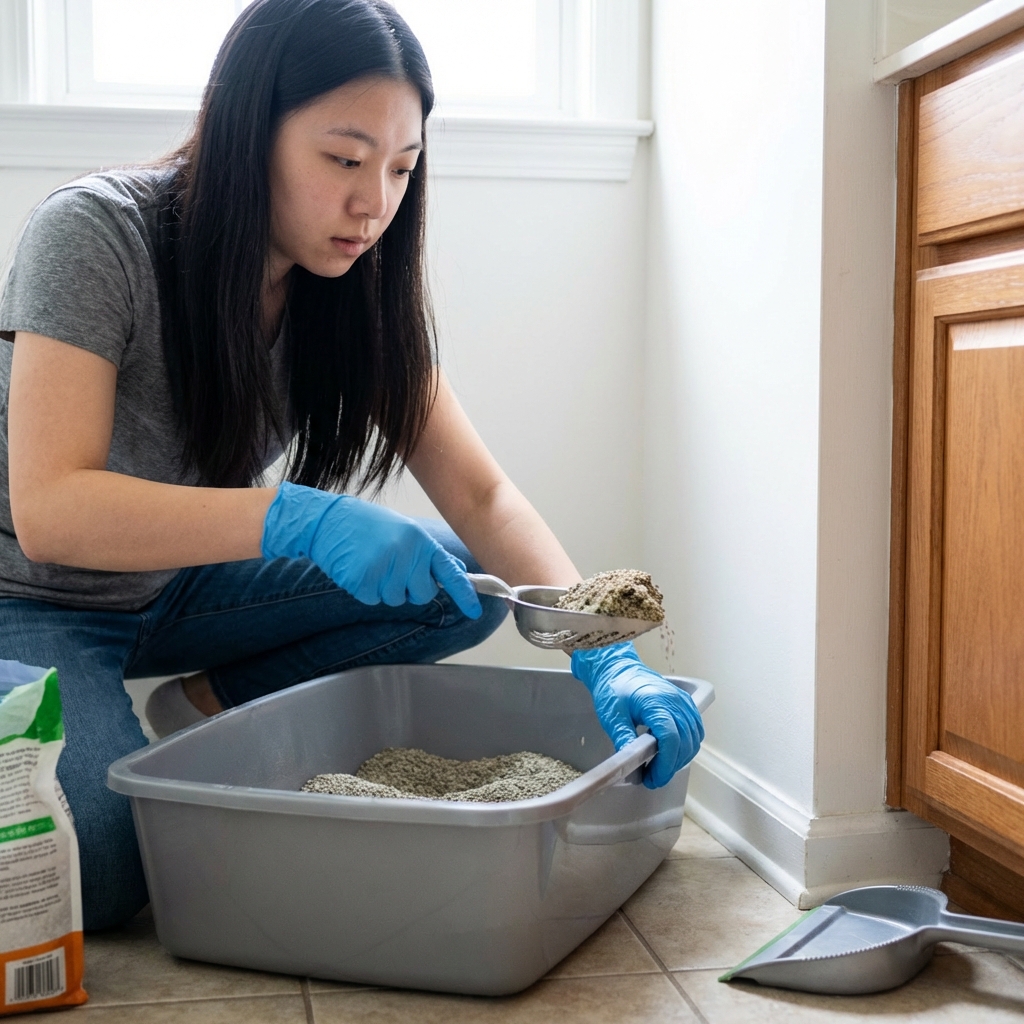
Litter box routine
- Scoop at least once daily, ideally twice
- Wear gloves or use a dedicated scoop
- Wash hands well after cleaning
- For multi-cat homes, consider adding extra boxes temporarily
Cleaning surfaces
- Wash bedding on hot if possible
- Clean hard surfaces routinely, especially around the litter area
- Giardia cysts are resistant to many standard household cleaners, so a quick wipe with an all-purpose spray may not be enough
- Ask your vet what disinfectants are appropriate for giardia in your setting and how long they must sit to work (many clinics recommend options like properly diluted bleach on hard, non-porous surfaces, used with correct contact time and safe ventilation)
Water and feeding tips
- Provide fresh, clean water daily
- Wash bowls with hot, soapy water
- Do not allow outdoor drinking from puddles or birdbaths
Can humans get giardia from cats?
Some giardia types are more likely to infect humans than others. Most giardia found in cats are considered host-adapted, so cat-to-human spread is thought to be uncommon, but it is not impossible. It is still smart to be cautious, especially in households with young children, seniors, or immunocompromised family members.
- Wash hands after litter box duties
- Do not let cats walk on food prep surfaces
- Promptly clean accidents with appropriate disinfectants
If anyone in your home develops persistent diarrhea, contact a human healthcare provider and mention there is a pet in the home being treated for giardia.
Recovery and follow-up
Many cats improve within a few days of starting the right medication, but stools may take longer to look fully normal. During recovery, watch for:
- Energy level improving
- Appetite returning to normal
- Stool becoming more formed and less frequent
If symptoms return shortly after finishing medication, call your vet. A repeat fecal test or a second treatment course is sometimes needed, especially in multi-pet homes. Some clinics also recommend follow-up testing (often antigen or PCR) if signs persist or keep recurring.
If you take one thing from this guide, let it be this: giardia is common, treatable, and often frustrating only because it easily reinfects. Pair vet-directed treatment with solid hygiene, and most cats bounce back beautifully.
Quick symptom checklist
If you are wondering, “Is this giardia?” this short list can help you decide whether testing is a good next step.
- Foul-smelling, soft to watery diarrhea
- Mucus in stool
- Intermittent diarrhea that keeps coming back
- Gas, mild vomiting, or nausea signs
- Weight loss or dull coat over time
- Recent exposure to shelters, boarding, new pets, or shared litter boxes
Sources
- Companion Animal Parasite Council (CAPC): Giardia guidance for companion animals
- Cornell University College of Veterinary Medicine: Feline gastrointestinal parasite information
- Merck Veterinary Manual: Giardiasis in small animals
- CDC: Giardia and household prevention information