Bloat can be deadly when it’s GDV. Learn the key symptoms (unproductive retching, distended belly, drooling, weakness), what ER treatment involves, and pre...
Article
•
Designer Mixes
Symptoms of GDV in Dogs

Shari Shidate
Designer Mixes contributor
Gastric dilatation-volvulus (GDV), often called bloat or “stomach torsion,” is one of the scariest emergencies we see in dogs. The stomach fills with gas and can twist, cutting off blood flow and quickly sending the body into shock. This can deteriorate fast. Knowing the symptoms can truly save your dog’s life.
If you suspect GDV, do not wait to “see if it passes.” Call an emergency veterinary hospital and head in right away.
What GDV is and why it is life-threatening
GDV has two major parts:
- Dilatation: the stomach expands with gas, food, or fluid. Many people use “bloat” to mean this, even when the stomach has not twisted.
- Volvulus: the stomach twists, trapping contents and potentially blocking blood return to the heart.
Once twisting happens, pressure builds fast. Blood flow to the stomach wall can be reduced, the spleen can be affected, and the heart may develop dangerous rhythm problems. This is why GDV is treated as an immediate, time-sensitive emergency.
Early symptoms you may notice first
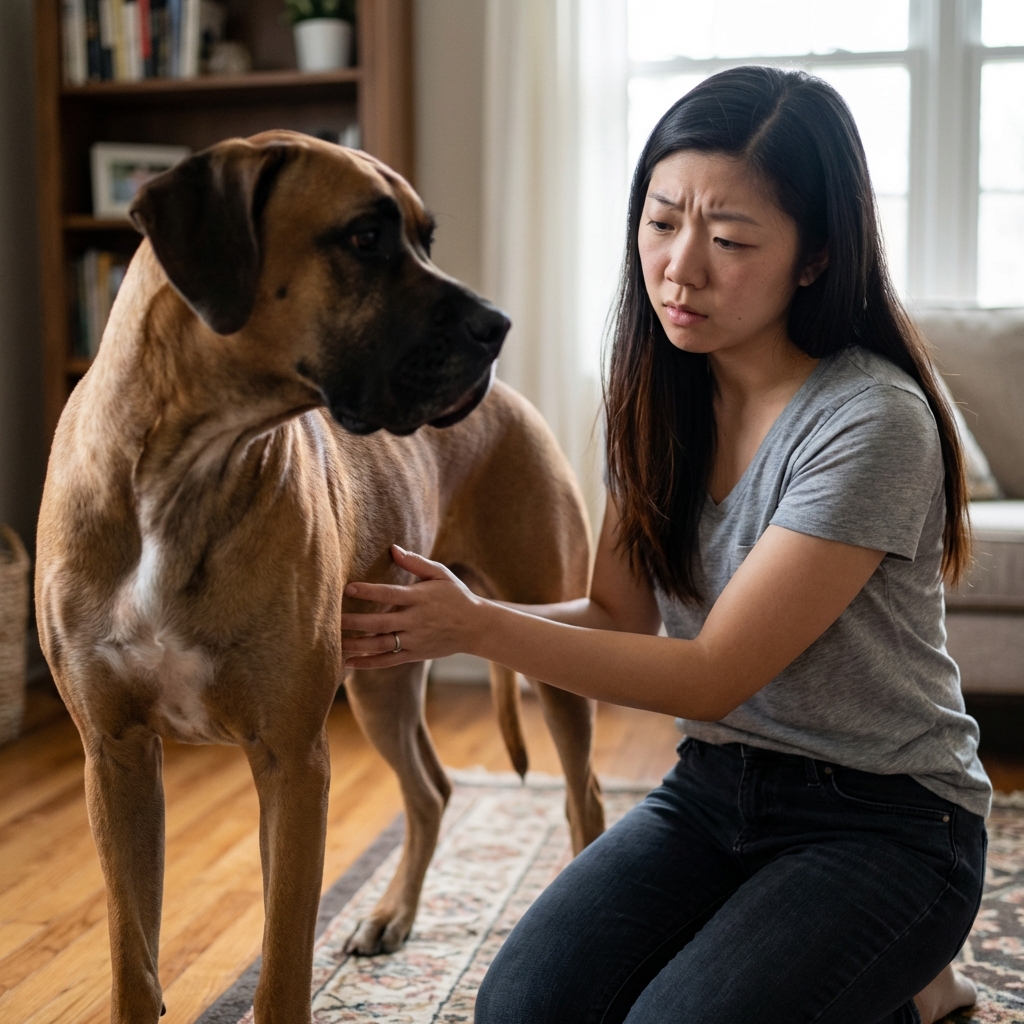
Many families describe a sudden, unusual restlessness. Your dog may look like they cannot get comfortable, even in their favorite spot.
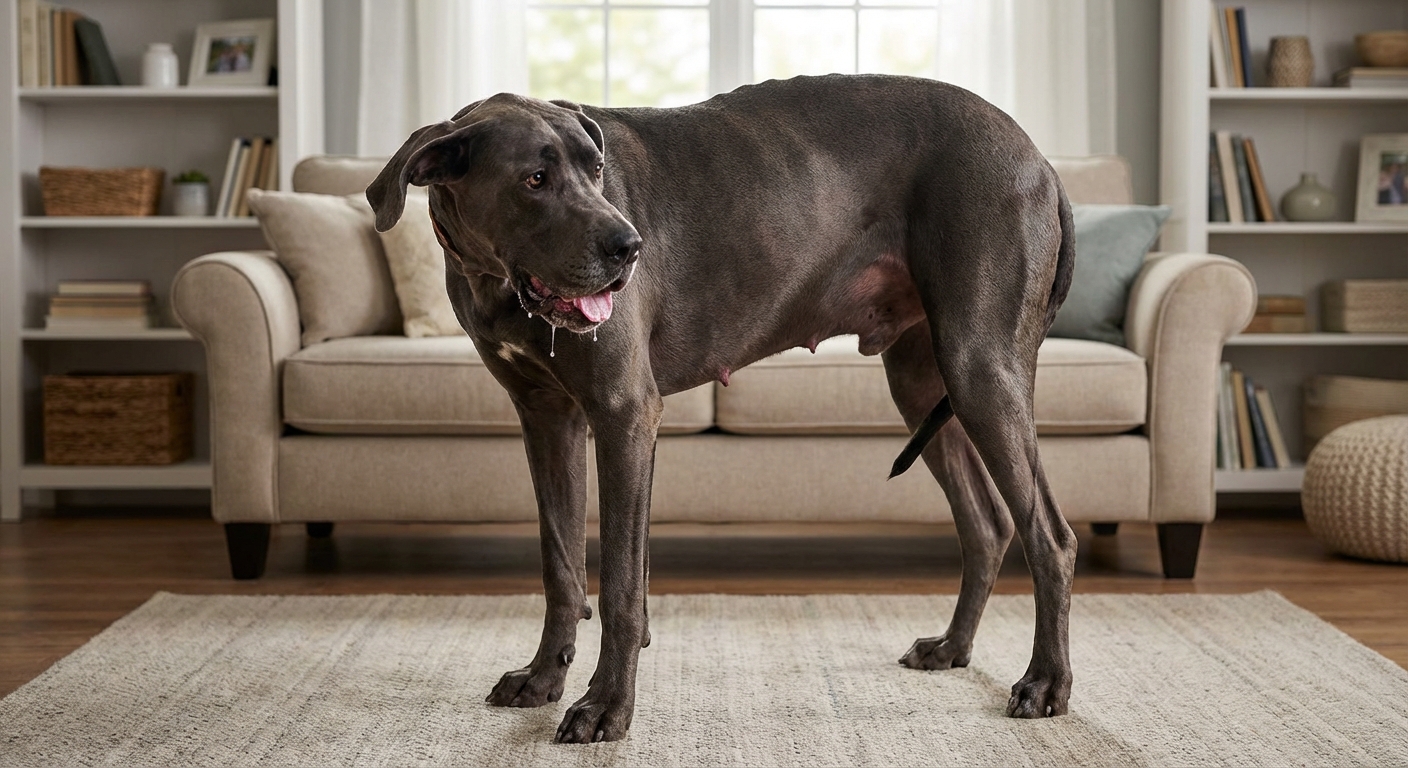
- Unproductive retching (trying to vomit but nothing comes up, or only foam and drool). This can happen because the twisted stomach blocks normal outflow.
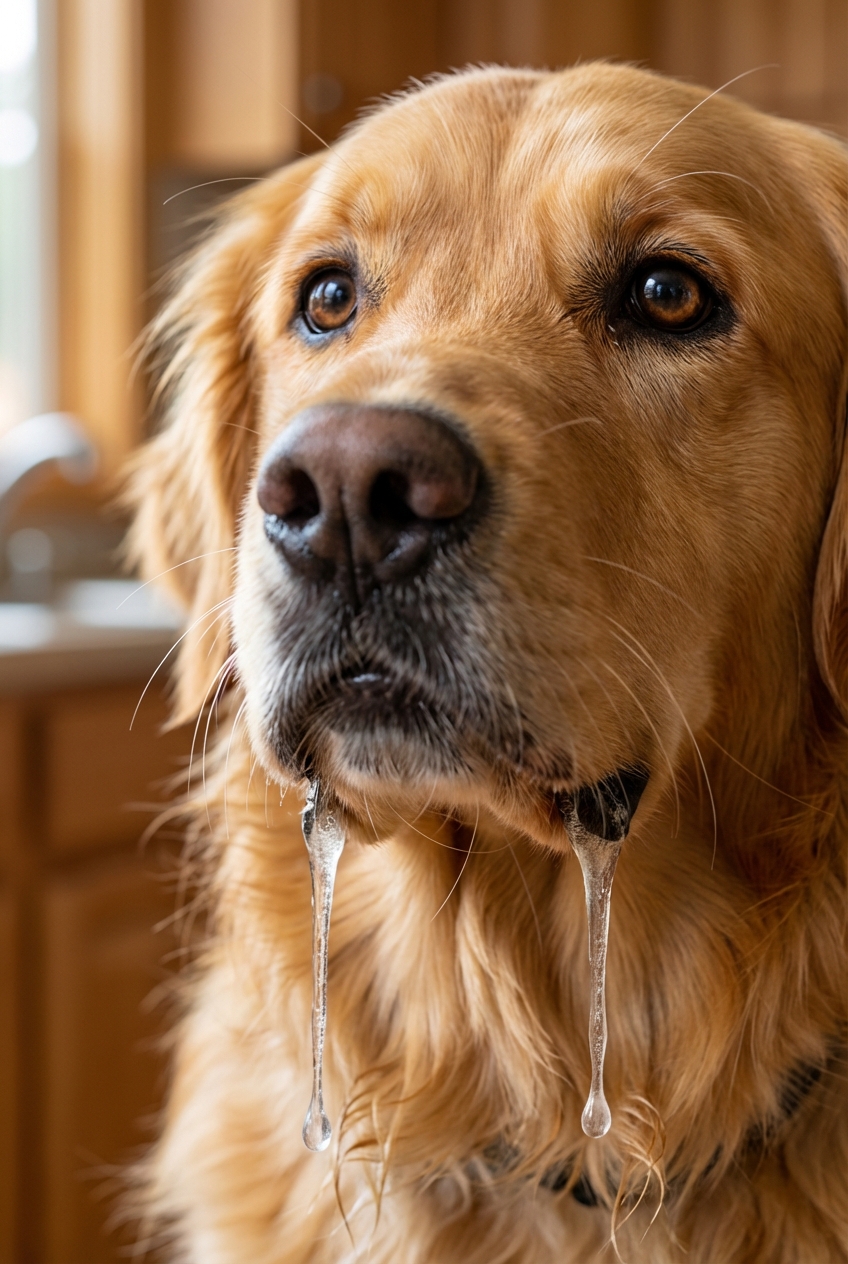
- Excessive drooling or thick “ropey” saliva
- Restlessness, pacing, repeated lying down and getting back up
- Signs of abdominal discomfort such as looking back at the belly, whining, or guarding the abdomen
- Refusing food or suddenly losing interest in treats
These early signs are easy to dismiss as an upset stomach. With GDV, the key clue is that the dog looks increasingly distressed and cannot settle.
Classic GDV signs: go to the ER
If you see any of the symptoms below, treat it like an emergency and go in right away.
- Hard, swollen, or tight abdomen that may look larger than normal, especially behind the ribcage
- Repeated retching with no vomit produced
- Rapid breathing or working harder to breathe
- Pale gums (instead of healthy bubblegum pink)
- Weakness, collapse, or inability to stand
- Rapid heart rate and an “anxious” facial expression
Some dogs do not show obvious belly enlargement, especially early on. Do not use belly size alone to rule it out. And while GDV is more common in large, deep-chested breeds, it can happen in smaller dogs too.
Symptoms of shock: a late and critical stage
As GDV progresses, shock can occur. This can look like:
- Very pale or gray gums
- Cold ears, paws, or skin
- Weak pulse and extreme lethargy
- Collapse or inability to rise
Shock means the body is struggling to circulate oxygenated blood. At this stage, waiting at home can be fatal.
Who is at higher risk?
GDV can happen to any dog, but risk is higher in:
- Deep-chested breeds such as Great Danes, German Shepherds, Standard Poodles, Dobermans, and Weimaraners
- Large and giant breed dogs
- Older dogs
- Dogs with a close relative who has had GDV
- Dogs that eat very fast or seem to swallow lots of air while eating
Risk factors are not the same as symptoms, but if your dog is higher-risk, it helps to be extra alert to subtle changes after meals.
Common look-alikes
Other issues can mimic parts of GDV, including simple gas, nausea, pancreatitis, foreign bodies, or other causes of abdominal pain. The problem is that you cannot safely tell the difference at home, and true GDV worsens quickly.
As a veterinary assistant, my practical rule is this: retching without producing vomit plus distress is an “assume emergency” combination.
What to do if you suspect GDV
- Call an emergency vet and tell them you are coming in with a possible GDV.
- Avoid offering food or water unless the ER team tells you otherwise.
- Do not try to induce vomiting.
- Skip home remedies (antacids, “gas” meds, or anything else) as a substitute for emergency care. If the ER team recommends something specific, follow their direction, but do not delay transport to try treatments at home.
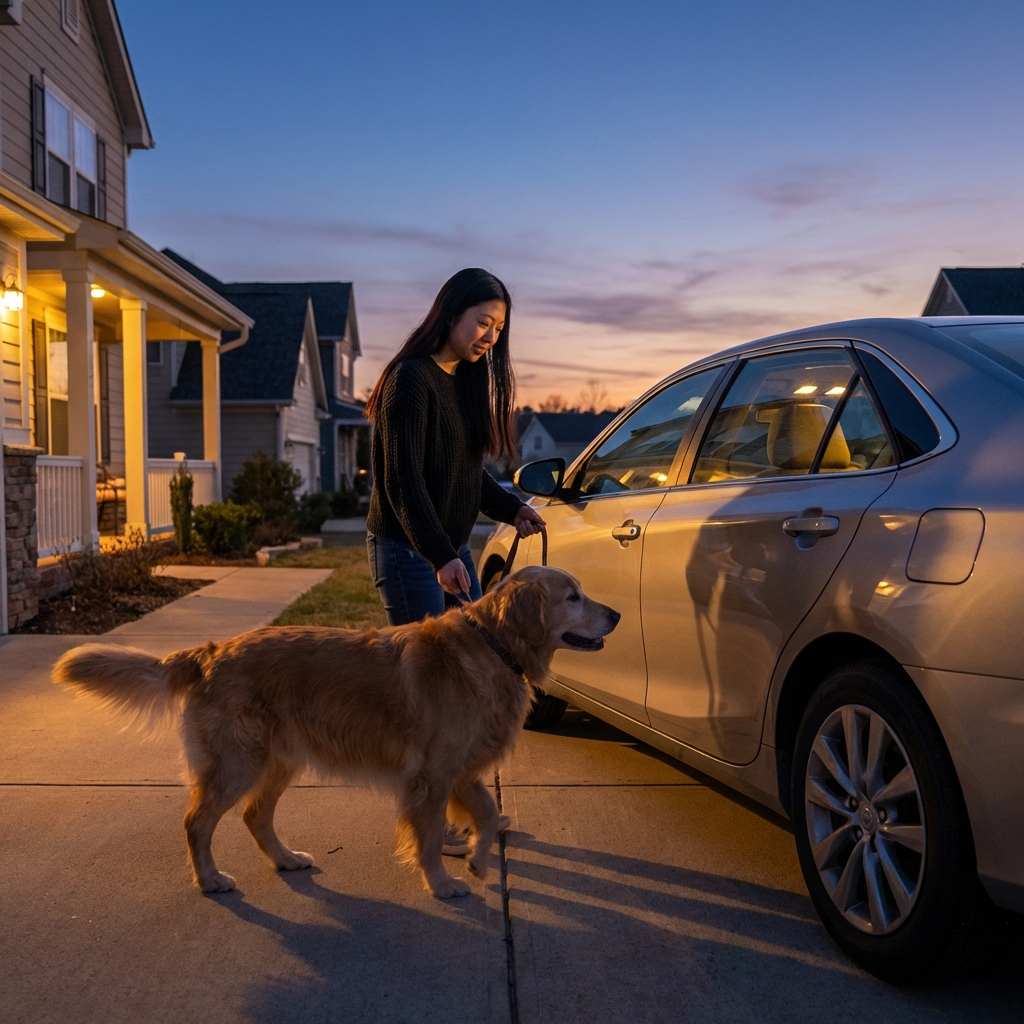
- Transport immediately. Have someone else drive if you can so you can monitor your dog.
- Keep your dog as calm as possible. Avoid unnecessary exertion.
At the hospital, the team typically confirms the diagnosis with an exam and X-rays, stabilizes shock, decompresses the stomach when appropriate, and often moves quickly to surgery if volvulus is present. Prompt treatment improves survival, and surgery is usually needed when the stomach has twisted.
Prevention steps to discuss with your veterinarian
Not every GDV can be prevented, but you may be able to reduce risk. Ask your vet what fits your dog’s age, breed, and lifestyle.
- Consider prophylactic gastropexy for high-risk dogs. This surgical procedure tacks the stomach to the body wall to reduce the chance of twisting.
- Slow down fast eaters with puzzle feeders or slow-feed bowls.
- Feed measured meals instead of one large meal per day. This may help some dogs.
- Keep a calm post-meal window and avoid intense exercise right after eating. Many vets recommend this, even though the evidence for specific routines is mixed.
- Know your dog’s normal, including appetite, belly shape, and energy so changes stand out.
If your gut is telling you something is “not normal,” trust that instinct and get your dog seen. With GDV, getting help sooner is always safer than waiting.
Quick symptom checklist
If you want a simple mental checklist, these are the big red flags:
- Unproductive retching
- Sudden distended or tight belly
- Excess drooling
- Restlessness and obvious distress
- Weakness, pale gums, collapse
If you see these, call an ER vet and go now.