A practical guide to treating canine diabetes with insulin, consistent meals, steady exercise, and monitoring. Learn warning signs of hypoglycemia and ketoac...
Article
•
Designer Mixes
Symptoms of Diabetes in Dogs

Shari Shidate
Designer Mixes contributor
Diabetes can sneak up on dogs, and the early signs are easy to brush off as “just getting older” or “she’s been thirsty lately.” As a veterinary assistant here in Frisco, Texas, I have seen how much better dogs do when families catch diabetes early and partner with their vet on a clear plan.
Let’s walk through the most important symptoms of diabetes in dogs, what they mean, and what to do next so you can act quickly and confidently.
What diabetes means
Most diabetic dogs have diabetes mellitus (not diabetes insipidus). Diabetes mellitus is related to blood sugar and insulin. Insulin is the hormone that helps move sugar (glucose) from the bloodstream into the body’s cells for energy.
In dogs, the most common pattern is not enough insulin being produced (often described as Type 1-like). Insulin resistance can also happen, especially with obesity, pancreatitis history, hormonal shifts in intact females, or certain endocrine diseases.
When insulin is not doing its job, blood sugar stays too high. Over time, that excess sugar spills into the urine, pulls extra water with it, and the whole body starts feeling the strain.
Common symptoms (the big four)
These are the signs that should make you think, “I should call my vet.” They are common, measurable at home, and often show up together.
1) Increased thirst (polydipsia)
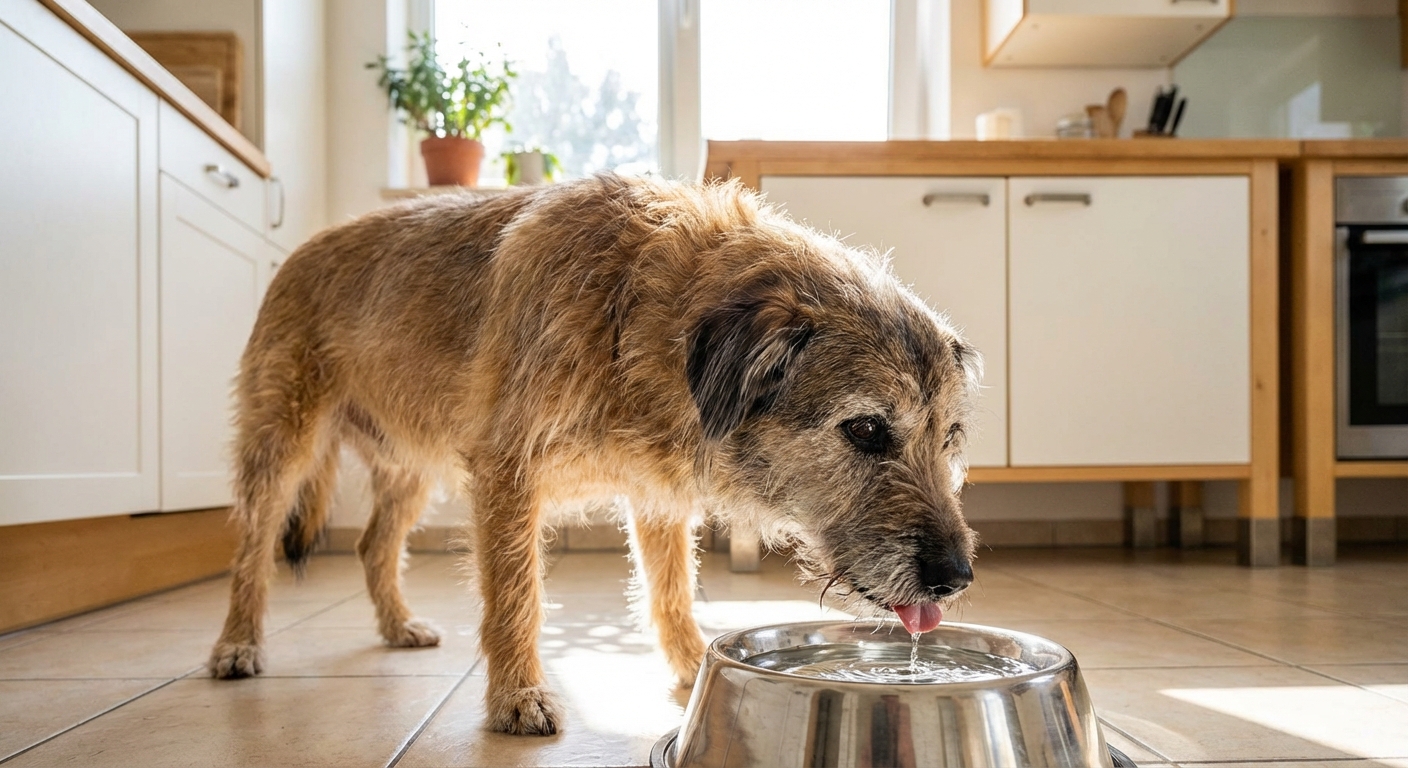
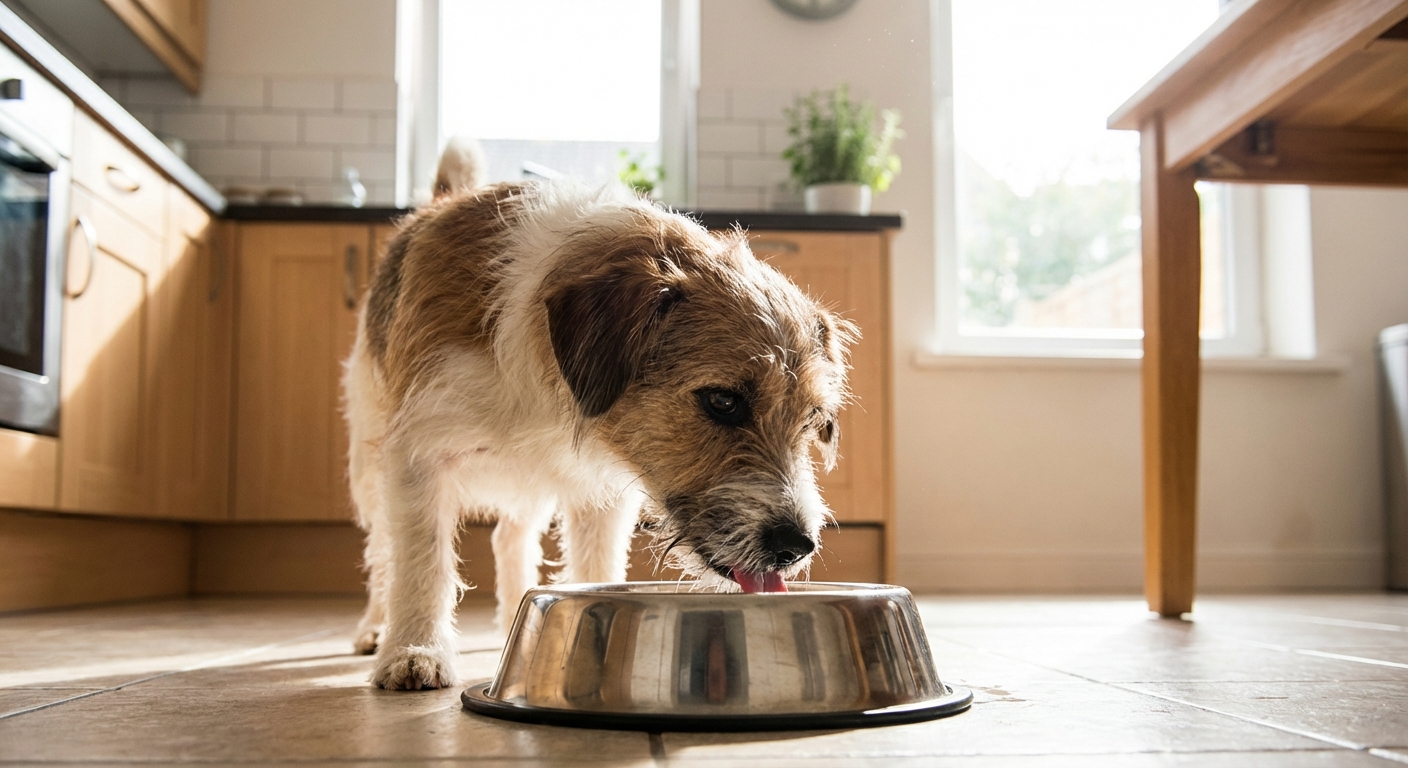
If your dog is emptying the water bowl faster than usual, seeking water in unusual places (toilet, shower, puddles), or waking you up at night to drink, take it seriously. In diabetes, sugar in the urine causes the body to lose water, so dogs feel constantly thirsty.
A helpful benchmark (with a caveat): Many vets consider water intake over about 100 mL per kg per day to be excessive. That said, diet, activity, weather, and other illnesses can change drinking habits, so your vet can help you measure and interpret what you are seeing.
2) Increased urination (polyuria)
You might notice larger urine spots or puddles, more frequent potty breaks, accidents in a previously housetrained dog, or waking up to pee in the middle of the night. Many families first notice diabetes because their dog cannot “hold it” like before.
3) Increased appetite (polyphagia)
Dogs may act ravenous, beg more, or seem hungry right after meals. This happens because although there is plenty of sugar in the blood, the cells cannot access it well, so the body feels like it is “starving” at the cellular level.
4) Weight loss (even though they are eating)
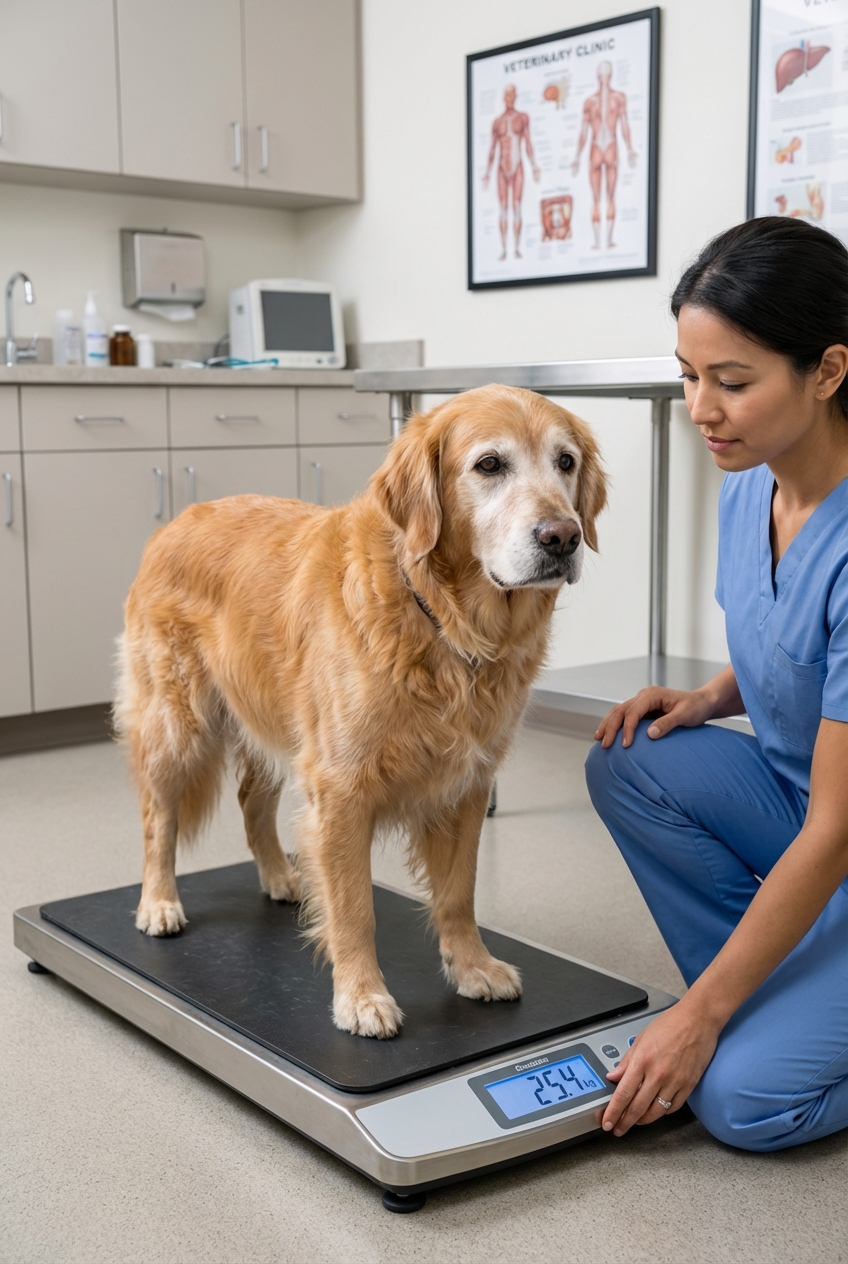
This one is a red flag. When the body cannot use glucose efficiently, it starts breaking down fat and muscle for energy. So you may see ribs, hip bones, or a “tucked” look developing, even if the food bowl is being cleaned.
Other symptoms
Not every dog follows the textbook. These signs can be subtle, and they often show up as diabetes progresses.
Low energy
High blood sugar can make dogs feel tired, weak, or generally “off.” Some dogs seem a little depressed or stop greeting you at the door like they used to.
Cloudy eyes or vision changes
Diabetic dogs are prone to cataracts, and in dogs these can develop quickly. You may notice a gray or bluish haze in the eyes, bumping into things, or hesitating on stairs. Timing varies, but it can happen over days to weeks in some dogs.
Urinary tract infections (UTIs)
Sugar in the urine can encourage bacterial growth. A UTI often causes small, frequent squats, straining, licking the genital area, blood in urine, or accidents.
Diabetes itself more commonly causes large-volume urination, so if you are seeing both frequent trips and signs of discomfort, a UTI may be part of the picture too.
Skin and coat changes
Some dogs develop dry skin, dandruff, thinning coat, recurrent skin infections, or slow wound healing. High glucose can affect immune function and skin health.
Dehydration signs
Even though dogs drink more, they can still become dehydrated. You might see tacky gums, weakness, sunken-looking eyes, or skin that “tents” when gently lifted.
Emergency signs (go now)
Diabetes can become life-threatening if it progresses to diabetic ketoacidosis (DKA). This is a medical emergency.
- Vomiting or repeated nausea
- Not eating or sudden refusal of food
- Severe lethargy, weakness, collapse, or acting “drunk”
- Rapid or labored breathing
- Sweet, fruity breath odor
- Dehydration that seems to worsen quickly
If you see these signs, do not wait for a routine appointment. Call an emergency vet.
Emergency signs if on insulin
If your dog has already been diagnosed and is receiving insulin, another urgent concern is low blood sugar (hypoglycemia). This can happen if a dog gets too much insulin, skips a meal, vomits, exercises unusually hard, or is regulated too tightly.
- Sudden weakness or wobbliness
- Trembling
- Confusion or glassy-eyed behavior
- Seizures or collapse
If you suspect hypoglycemia, seek emergency guidance right away. If your dog is awake and able to swallow safely, your vet may advise rubbing a small amount of corn syrup or honey on the gums while you head in. Do not force anything by mouth if your dog is not fully alert.
Risk factors
Diabetes can affect many dogs, but some are at higher risk. Common risk factors include:
- Age: often middle-aged to senior dogs
- Weight: overweight and obesity can worsen insulin resistance
- Female dogs: especially intact females, due to hormonal influences during heat cycles
- Pancreatitis: inflammation can damage insulin-producing cells
- Certain medications: long-term steroids can affect glucose regulation
- Genetics: some breeds and family lines appear more predisposed
Risk factors do not guarantee diabetes, but they should increase your watchfulness. If you have an intact female who is diabetic or borderline diabetic, ask your veterinarian whether spaying could help with stability in her specific case.
Diagnosis (why guessing is risky)
Diabetes is typically diagnosed through:
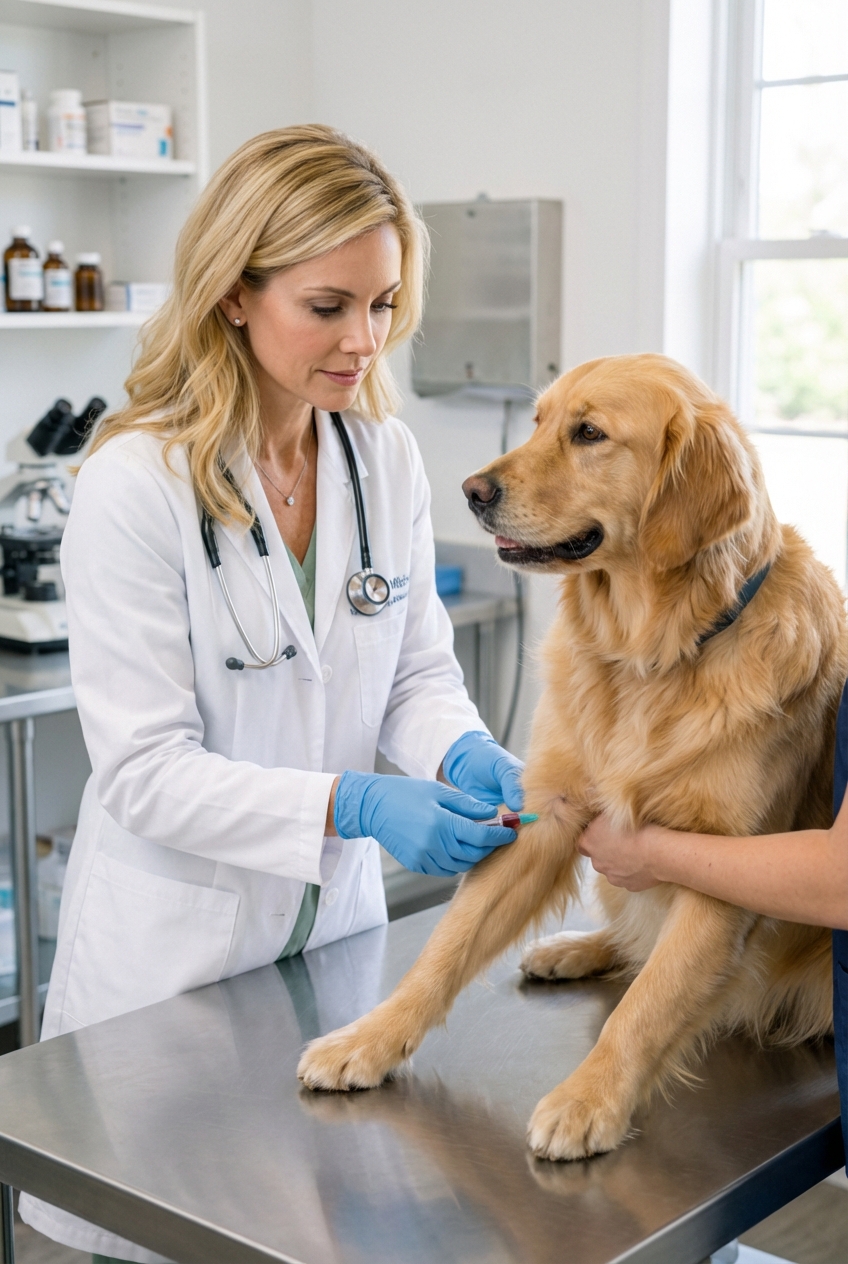
- Bloodwork showing persistently elevated blood glucose
- Urinalysis showing glucose in the urine, sometimes with ketones
- Additional tests to check for infections, pancreatitis, and overall organ health
It is important not to assume it is diabetes just because your dog is thirsty. Kidney disease, Cushing’s disease, urinary infections, and other conditions can look similar at home. Testing is what gives you a clear answer.
What to do next
Step 1: Track symptoms for 24 to 48 hours
- How often you refill the water bowl (or how much you pour in)
- Any accidents or increased potty breaks
- Changes in appetite
- Weight changes if you can weigh your dog
Step 2: Call your veterinarian and ask for diabetes screening
Mention the specific signs you are seeing. Ask what to bring, since your clinic may request a urine sample and may recommend specific timing for bloodwork. If your dog is vomiting, very lethargic, or not eating, ask if you should go to urgent or emergency care.
Step 3: Do not restrict water
It is a common instinct to reduce water when a dog is urinating more. With suspected diabetes, restricting water can worsen dehydration and make your dog feel much worse.
Living with a diabetic dog
The diagnosis can feel heavy, but many diabetic dogs live happy, active lives with the right routine. Treatment commonly includes:
- Insulin given on a consistent schedule
- Meal timing and portion control to support stable glucose
- Regular monitoring with your vet (and sometimes at-home glucose checks)
- Weight management and steady, safe exercise
Consistency is the key factor. When families get into a rhythm, many dogs truly thrive.
Quick checklist
If you want a simple “yes or no” list, here it is. Check any that apply:
- Drinking more water than usual
- Peeing more often, larger urine spots, or having accidents
- Increased hunger
- Weight loss despite eating
- Low energy
- Cloudy eyes or vision issues
- Recurring UTIs or urinary discomfort (odor alone is not a sure sign)
- Vomiting, not eating, weakness, rapid breathing, or fruity breath (urgent)
- If on insulin: wobbliness, tremors, confusion, seizures, or collapse (urgent)
If your dog has two or more of the common signs, it is time to book an appointment. Early testing can prevent complications and protect your dog’s long-term health.