Spot sudden stroke-like signs in dogs—head tilt, wobbliness, one-sided weakness, nystagmus, confusion, collapse or seizures. Learn what to do fast, how vet...
Article
•
Designer Mixes
Symptoms of a Dog Having a Stroke

Shari Shidate
Designer Mixes contributor
Seeing your dog suddenly stumble, tilt their head, or lose balance can be terrifying. One of the big worries pet parents have is a stroke. The good news is this: many dogs with stroke-like signs can improve with fast veterinary care and the right at-home support.
As a veterinary assistant, I want to walk you through what a stroke in dogs can look like, what to do in the moment, and how vets typically diagnose and treat it. You will also learn about common “stroke mimics” that can look similar but need different care.
What is a stroke in dogs?
A stroke is a sudden interruption of blood flow to part of the brain. In dogs, strokes are generally described as:
- Ischemic stroke: a blockage (often a clot) reduces blood flow.
- Hemorrhagic stroke: bleeding occurs in or around the brain.
Strokes are less common in dogs than in people, but they do happen, especially in older pets or pets with underlying medical conditions. Importantly, many dogs with abrupt neurologic signs are not having a true stroke, which is why prompt evaluation matters.
Symptoms of stroke in dogs
Stroke signs often come on suddenly and can develop within minutes to hours, but some causes of stroke-like signs can evolve more gradually over several hours. Symptoms can vary depending on the area of the brain affected.
Movement changes
- Loss of balance, wobbliness, or falling over
- Head tilt
- Circling to one side
- Weakness on one side of the body
- Knuckling (dragging the top of the paw) or trouble placing feet normally
- Sudden collapse
Eye and face changes
- Abnormal eye movements (rapid side-to-side or up-and-down movement, called nystagmus)
- Unequal pupils or abnormal pupil responses
- Facial droop (may look like one side of the face is lower)
Behavior changes
- Disorientation or acting “not like themselves”
- Sudden confusion, getting stuck in corners
- Changes in alertness (more sleepy, less responsive)
- Seizures (can happen with some strokes, but seizures also have many other causes)
Note: Some dogs vomit or drool due to severe dizziness, similar to motion sickness.
Stroke or something else?
One reason stroke symptoms feel confusing is that several problems can look very similar at home. Here are some common “look-alikes” vets consider:
- Vestibular disease: Often causes head tilt, loss of balance, and nystagmus. Idiopathic vestibular disease (sometimes called “old dog vestibular”) can look dramatic but often improves within 24 to 72 hours, with continued improvement over days to weeks. Some dogs keep a mild head tilt long-term.
- Ear infection (inner or middle ear): Can trigger vestibular signs and head tilt.
- Seizure or post-ictal phase: After a seizure, dogs can be wobbly, confused, or temporarily blind.
- Toxin exposure: Some toxins cause tremors, unsteady gait, and altered behavior.
- Low blood sugar: Can cause weakness, tremors, collapse, or seizures, especially in small dogs and diabetic pets.
- Brain tumor or inflammation: Can cause sudden worsening signs, even if the disease has been quietly developing.
Peripheral vs central vestibular signs: Some vestibular episodes are peripheral (ear-related), while others are central (brainstem or cerebellum related). Central causes can be more serious and may push your vet to recommend more urgent testing or referral.
The takeaway: stroke-like signs are always urgent, but they are not always a stroke. Your veterinarian’s exam and testing help narrow it down quickly. “Stroke” is also not something you can confirm at home, even with very classic-looking symptoms.
Common causes and risk factors
Sometimes, we find a clear reason a stroke happened. Other times, the event is cryptogenic, meaning no single cause is identified even after testing.
Depending on your dog’s age, history, and exam, your vet may look for risk factors such as:
- High blood pressure (hypertension)
- Kidney disease
- Endocrine disease (for example, Cushing’s disease, diabetes, and sometimes hypothyroidism)
- Heart disease and conditions that affect circulation
- Cancer
- Clotting disorders
- Protein-losing kidney or intestinal disease (protein-losing nephropathy or enteropathy)
What to do right now
If your dog suddenly develops any of the signs above, treat it as an emergency and call your veterinarian or nearest emergency clinic right away.
Step-by-step
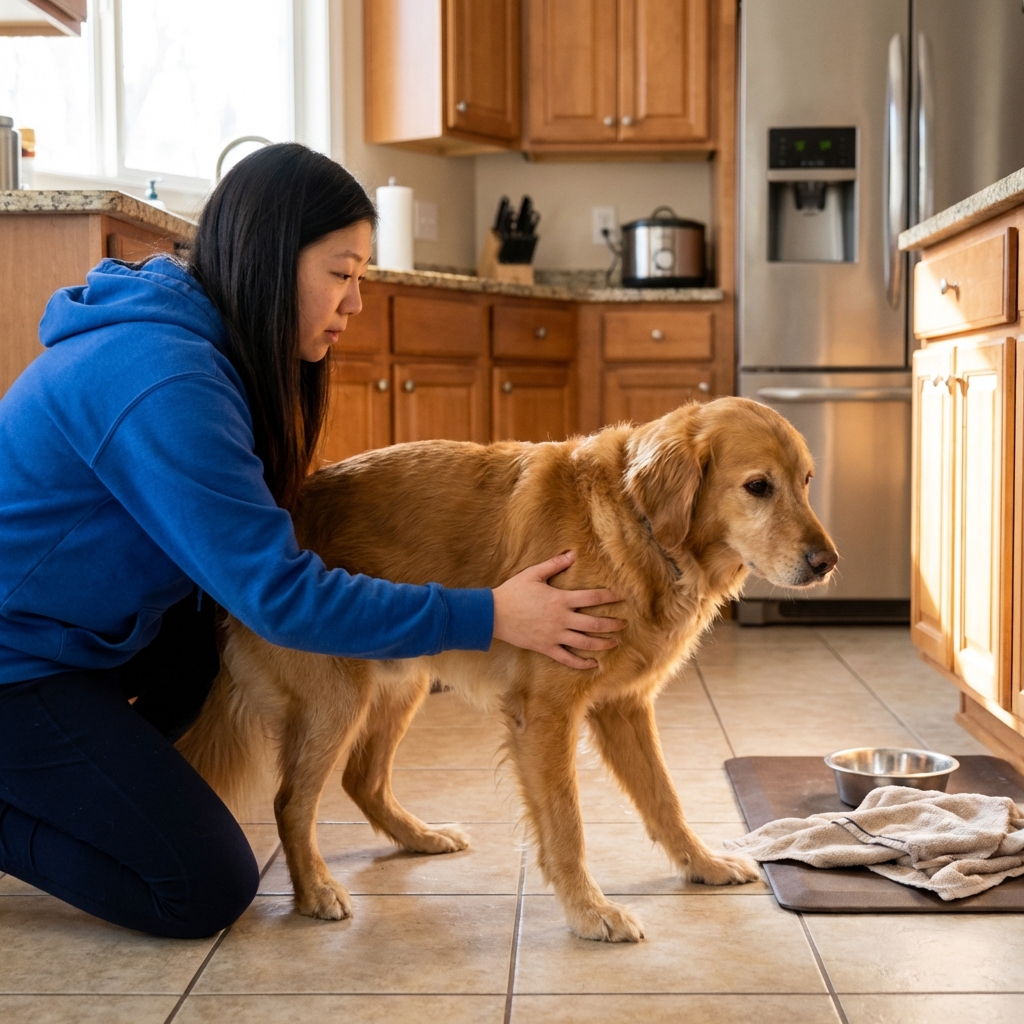
- Keep your dog safe from falls: Block stairs and slippery floors. Use a towel as a sling under the belly if they cannot walk.
- Hold food and water until you talk to a vet: This is especially important if swallowing seems abnormal, your dog is very nauseated, or they seem less alert. Neurologic issues can increase aspiration risk.
- Make the environment quiet and dim: This helps dizzy dogs and reduces stress.
- Take a quick video: A 10 to 20 second clip of their walking, eye movement, or head tilt is incredibly helpful for your vet.
- Bring medication and history info: Any current meds, recent illnesses, possible toxin exposure, and when signs started.
What your vet will ask
- Exactly when you first noticed signs and how fast they changed
- Any access to toxins (human meds, cannabis, xylitol, pest products)
- Recent trauma or a fall
- Recent anesthesia or surgery
- Possible tick exposure or recent travel
- Your dog’s current medications and medical conditions
What not to do
- Do not give human medications like aspirin or blood thinners unless your veterinarian specifically instructs you to. They are not routine for suspected canine strokes and can be dangerous, especially if bleeding is involved.
- Do not try to “wait it out” overnight if symptoms are severe, worsening, or your dog is not responsive.
When neurologic signs come on suddenly, time and safety matter. Your calm response and a fast call to the clinic can make a real difference.
How vets diagnose stroke
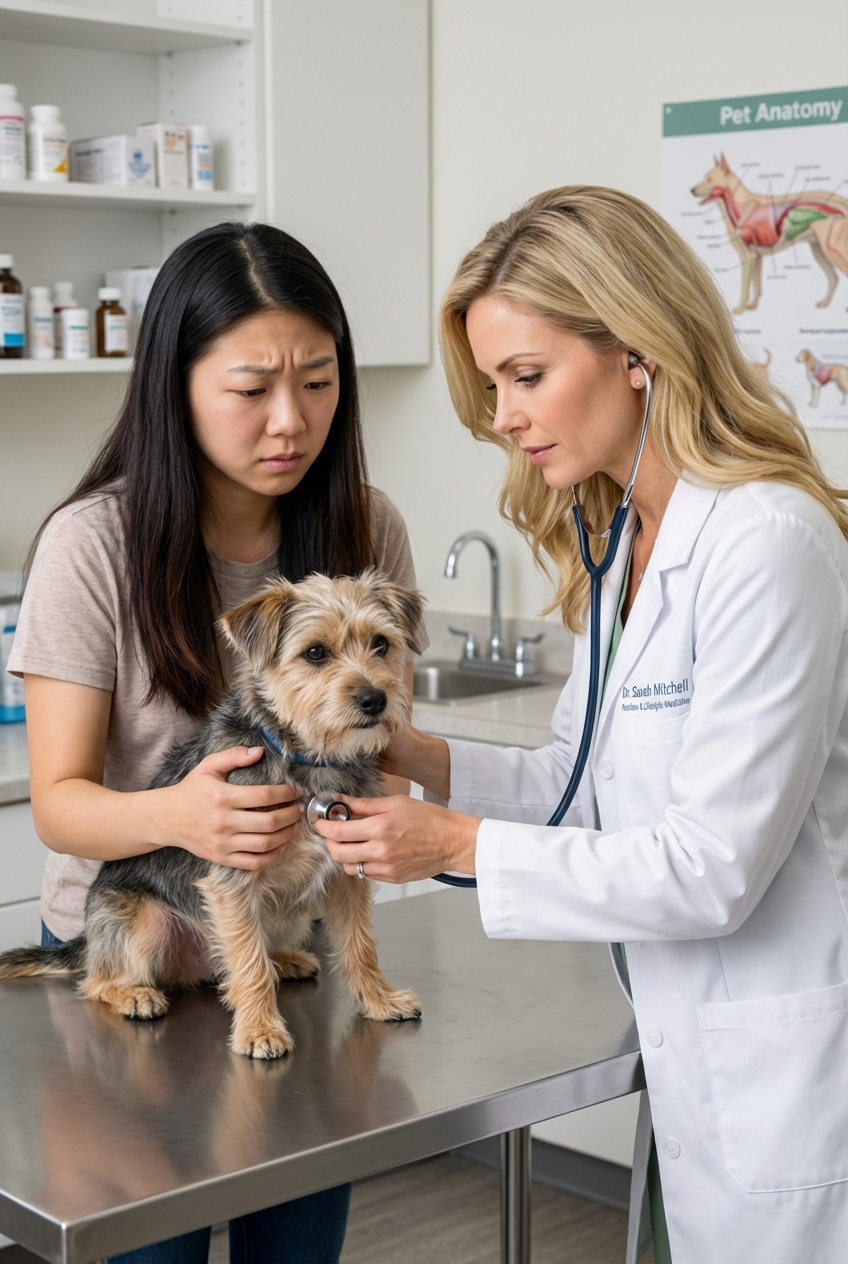
At the clinic, your veterinarian will start with a full physical and neurologic exam, then recommend tests based on what they find. Common steps include:
- Bloodwork and urinalysis: looks for diabetes, infection, kidney disease, electrolyte problems, and more.
- Blood pressure check: high blood pressure can contribute to bleeding events and other neurologic issues.
- Clotting tests: may be recommended if bleeding is suspected.
- Ear exam and sometimes ear imaging: if vestibular disease or ear infection is suspected.
- Advanced imaging: MRI is the most useful for brain tissue; CT can help in some cases. These tests are typically done through referral or specialty hospitals.
In many general practices, a stroke is often a presumptive diagnosis based on sudden onset signs and ruling out other common causes, unless MRI or CT is pursued.
Treatment and supportive care
Even when a stroke is suspected, the first step is often stabilizing your dog and ruling out common, treatable mimics. If advanced imaging is recommended, your veterinarian may discuss referral to a specialty hospital.
There is no single “stroke pill” for dogs. Treatment depends on the suspected cause and focuses on supportive care and addressing underlying disease.
In-clinic care may include
- IV fluids if your dog is dehydrated or unstable
- Anti-nausea medication for severe dizziness and vomiting
- Oxygen support if needed
- Blood pressure management if hypertension is present
- Addressing underlying disease such as diabetes, Cushing’s disease, heart disease, kidney disease, or clotting disorders
- Anti-seizure medication if seizures occur
Important note: The “clot-busting” drugs used in human stroke care are typically not used in dogs. That is one reason fast veterinary evaluation focuses on supportive care and identifying the underlying trigger.
At-home care that helps
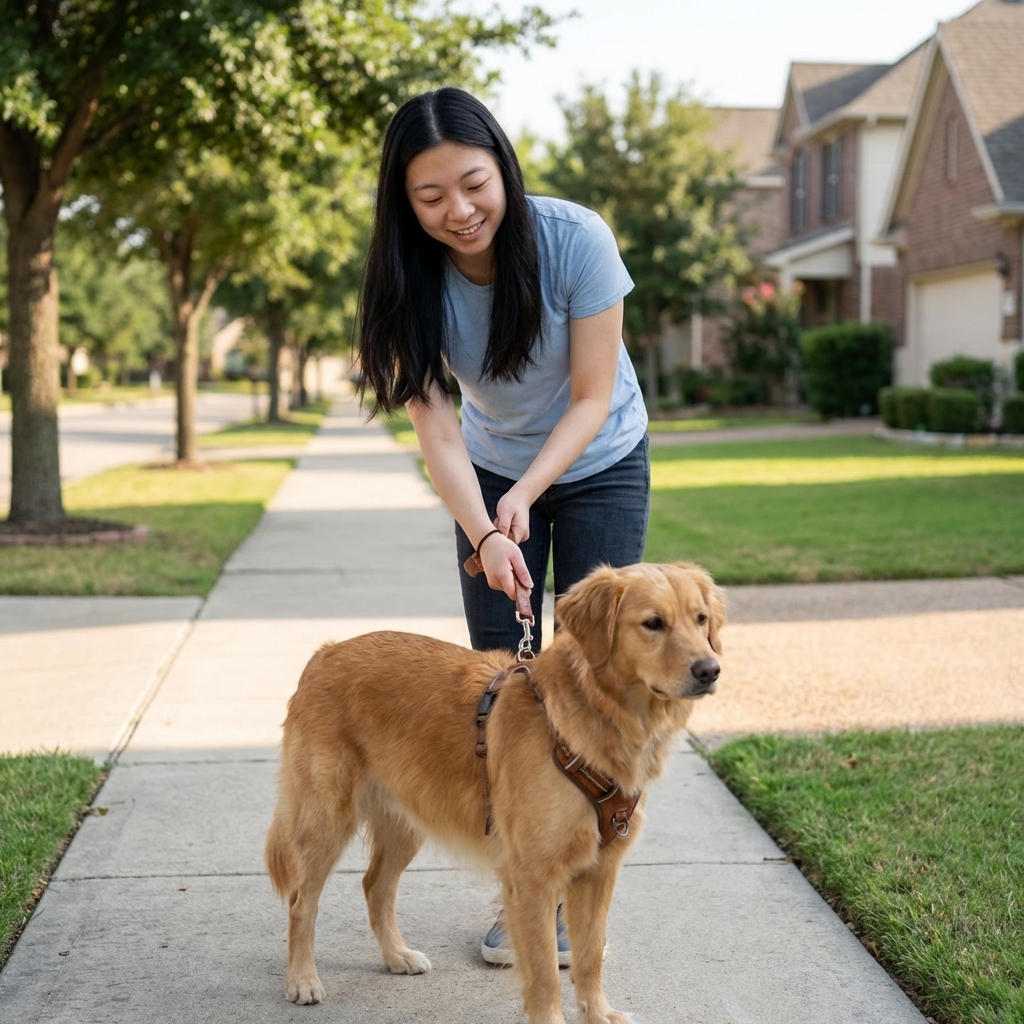
- Strict rest and supervised potty breaks: use a harness or sling to prevent falls.
- Non-slip footing: rugs or yoga mats help with confidence and stability.
- Small, easy meals: follow your vet’s guidance, especially if nausea is present.
- Medication schedule: set reminders and do not stop meds early without checking in.
- Physical rehabilitation: your vet may recommend gentle exercises or referral to rehab once stable.
Recovery and prognosis
Many dogs show improvement within days to weeks, especially when the cause is treatable and supportive care starts quickly. Some pets recover almost completely, while others may have lingering issues like a mild head tilt or occasional imbalance.
Prognosis depends on:
- Whether the event was ischemic or hemorrhagic
- How severe the signs were at onset
- How quickly veterinary care was started
- Underlying health conditions and how well they can be managed
If your dog has had one suspected stroke, your veterinarian will likely talk with you about monitoring and managing risk factors like high blood pressure, diabetes, kidney disease, and hormone disorders.
When it is an emergency
Go to an emergency clinic now if your dog has any of the following:
- Collapse or inability to stand
- Seizure activity, repeated seizures, or a seizure lasting longer than 5 minutes
- Severe disorientation or unresponsiveness
- Difficulty breathing
- Persistent vomiting with neurologic signs
- Rapidly worsening symptoms
If you are unsure, call. I would rather you call and it be “just” vestibular disease than wait too long on something more serious.
Prevention and risk reduction
You cannot prevent every stroke, but you can lower overall risk by keeping chronic conditions controlled and staying on top of wellness care.
- Regular vet visits: especially for senior dogs.
- Routine bloodwork: helps catch kidney disease, diabetes, and endocrine issues earlier.
- Blood pressure monitoring: particularly if your dog has kidney disease, heart disease, or vision changes.
- Parasite prevention: helps reduce illness and inflammation that can impact overall health.
- Healthy weight and daily movement: supports circulation and metabolic health.
A gentle reminder
If your dog is showing stroke symptoms, you are not overreacting. Sudden neurologic changes are scary, and you deserve support and clear steps. Get your veterinarian involved quickly, keep your dog safe from falls, and take comfort in the fact that many dogs do recover well with timely care.