
Swollen Lymph Nodes in a Dog’s Neck

If you have noticed a lump or swelling under your dog’s jaw or along the neck, it is completely normal to feel worried. Swollen lymph nodes often mean your dog’s immune system is reacting to something, but the key is figuring out what is driving it and whether you need to be seen today.
As a veterinary assistant, I like to think of lymph nodes as little security checkpoints. When there is infection, inflammation, or sometimes cancer, these nodes can become more noticeable because they are actively filtering and responding.
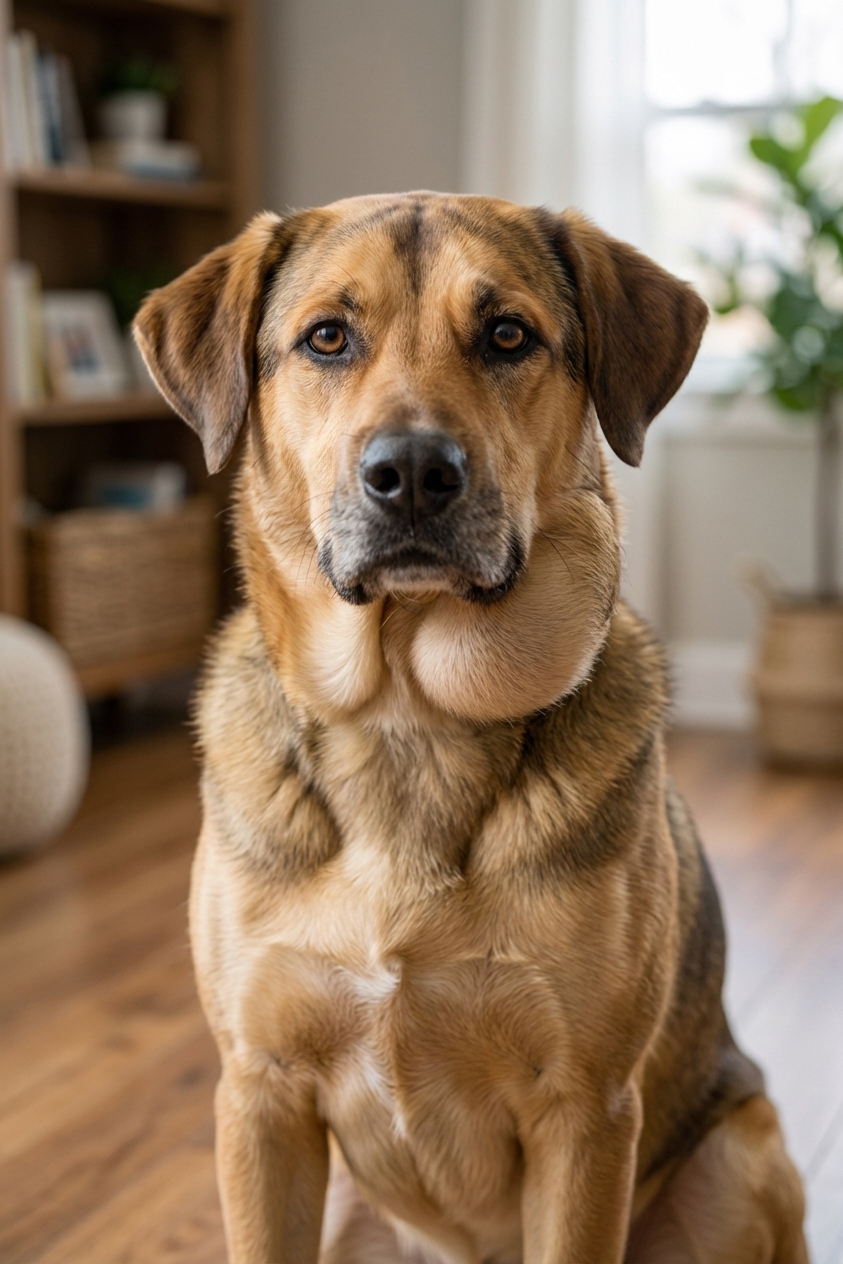
Where they are and what they feel like
Dogs have several lymph nodes you can sometimes feel, especially if they are enlarged. The ones most commonly noticed in the neck area are:
- Submandibular lymph nodes: under the jawline, one on each side.
- Prescapular lymph nodes: in front of each shoulder, can be mistaken as “neck lumps.”
Normal lymph nodes are usually small and can be hard to find in many dogs. In overweight dogs, they can be especially difficult to feel. When they swell, they can feel like a pea, marble, or a larger firm lump. Some are soft and movable. Others may feel firm or less movable.
Important and very common confusion: right next to the submandibular lymph nodes sit the mandibular salivary glands. These glands can feel larger, rounder, and smoother than you expect, even when they are completely normal. Many pet owners find one or both salivary glands and assume they are swollen lymph nodes. If you are not sure what you are feeling, that is exactly what your vet visit is for.
Tip: One enlarged node is often linked to a local issue nearby, like a dental problem or skin infection. Multiple enlarged nodes can point to a body-wide issue like a systemic infection, immune disease, or cancer. That said, there are exceptions, and a single enlarged node can still be something more serious, so patterns help but do not replace an exam.
Not every jaw lump is a lymph node
A lump under the jaw or on the neck is not automatically a lymph node. Other possibilities your veterinarian may consider include:
- Normal salivary glands (very common)
- Salivary gland inflammation or a salivary mucocele (fluid pocket)
- Abscess (including from a bite wound or a tooth root infection)
- Cyst or benign fatty lump (lipoma)
- Foreign material (like a plant awn) causing a draining tract or swelling
- Tumors in nearby tissues (not just lymph nodes)
This is another reason it is best not to self-diagnose based on location alone.
Reactive vs infection vs cancer
Neck lymph nodes swell for a few main categories of reasons. Here is how veterinarians often frame it.
1) Reactive lymph nodes (immune response)
“Reactive” means the node is responding to inflammation or irritation. This can happen with:
- Allergies or skin inflammation
- Minor upper respiratory irritation
- Recent vaccinations in some dogs
- Mild infections the body is already fighting
Reactive nodes may be mildly enlarged and can go back down over days to a few weeks if the underlying trigger resolves.
2) Infection (local or systemic)
Infections are a very common reason for swelling under the jaw. The infection can be near the node or elsewhere in the body.
Common sources near the head and neck:
- Dental disease, infected tooth roots, gingivitis, oral injuries
- Ear infections
- Throat or upper airway infections
- Skin wounds, abscesses, bite wounds around the face or neck
Clues that infection might be involved: tenderness, fever, lethargy, decreased appetite, bad breath, drooling, or visible dental issues. Some infections can make lymph nodes painful. Owners cannot always assess things like “warmth” reliably, so focus on overall behavior and other symptoms.
Practical note: your vet will often ask about tick exposure and tick prevention, travel history, and any recent wounds. In some cases, a swollen lymph node is linked to tick-borne or regional infectious diseases.
3) Cancer (including lymphoma)
When people search “swollen lymph nodes in dogs,” one concern that comes up is lymphoma. Lymphoma is a cancer of lymphocytes, a type of white blood cell, and it commonly causes enlarged lymph nodes.
That said, not every swollen node is cancer. Patterns that can raise concern include:
- Multiple lymph nodes enlarged (both sides of the neck, plus nodes in front of shoulders, behind knees, or in the groin)
- Firm, rubbery nodes that persist or keep growing
- No obvious infection source (no dental pain, no skin wound, no ear infection)
- Non-specific signs such as weight loss, decreased appetite, low energy, or unexplained fevers
Think of neck lymph node swelling as a symptom, not a diagnosis. Your vet’s job is to sort out which bucket your dog fits into and what tests are needed next.
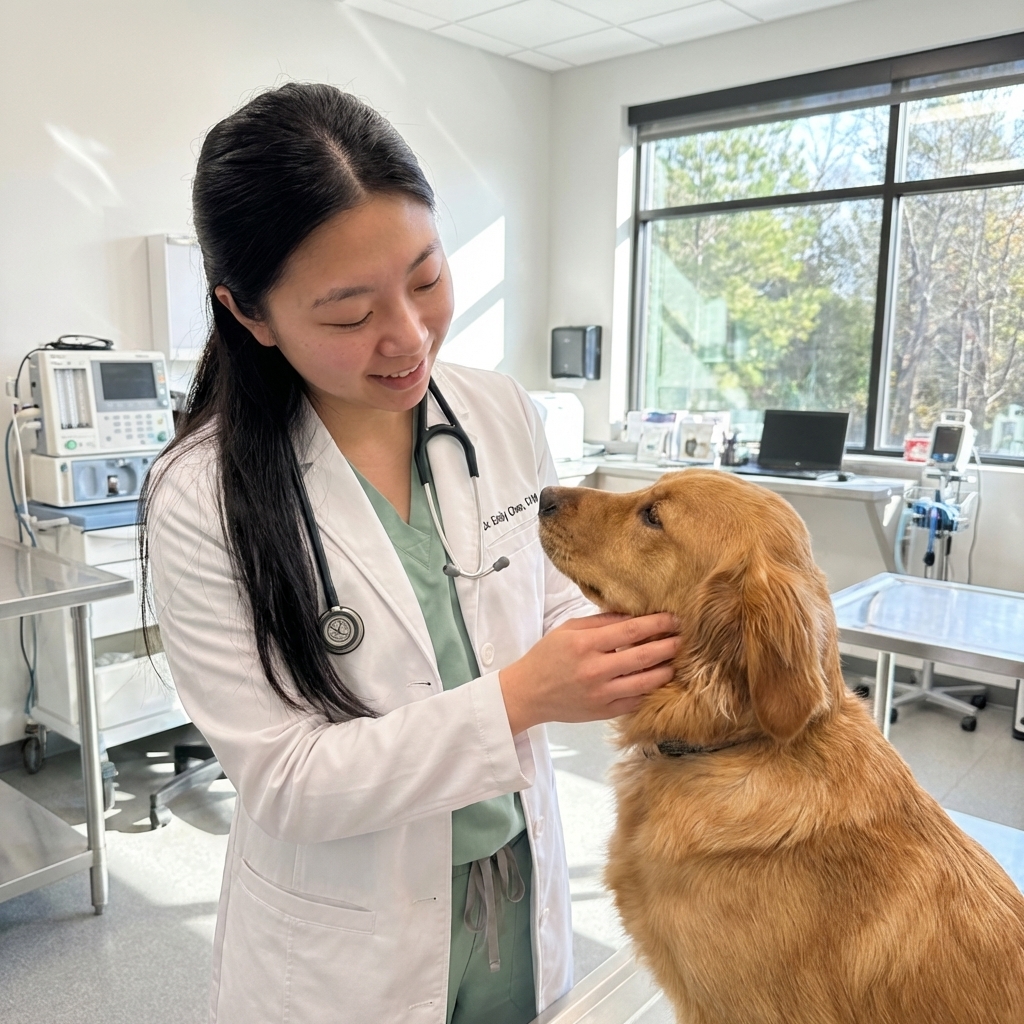
What your vet checks
When you bring a dog in for neck swelling, the physical exam matters a lot. Here is what we typically look at and why:
- Palpation of lymph nodes: size, symmetry, firmness, mobility, and whether it is painful.
- Oral exam: broken teeth, tartar, gum infection, oral masses, foreign material, or wounds.
- Ear exam: infection or inflammation can drain to nearby nodes.
- Skin and coat: wounds, hot spots, abscesses, ticks, or dermatitis.
- Full lymph node check: not just the neck. We also feel prescapular, axillary, inguinal, and popliteal nodes.
- Temperature and hydration: fever and dehydration can point toward infection or systemic illness.
- Heart, lungs, abdomen: to look for broader disease signs.
If your dog is anxious or painful, your veterinarian may recommend mild sedation to do a truly thorough oral and neck exam safely.
Typical tests
Not every dog needs every test. The plan depends on how your dog looks overall and what your vet finds on exam.
Fine needle aspirate (FNA)
This is one of the most common first steps for a swollen lymph node. A tiny needle is used to collect cells from the node, and those cells are examined under a microscope.
- Helps differentiate reactive inflammation vs infection patterns vs cancerous cells.
- Often quick and minimally invasive.
- Sometimes done with a local numbing spray or mild sedation, depending on your dog.
Small nuance: cytology is extremely helpful, but it is not perfect. Early lymphoma and some reactive changes can overlap. If infection is suspected, your vet may recommend additional steps like a culture and sensitivity or targeted infectious disease testing.
Bloodwork (CBC and chemistry)
Blood tests can show infection patterns, anemia, organ function changes, and clues about systemic disease. They are also helpful before starting certain medications.
Urinalysis
This gives additional information about hydration, kidney function, and infection and helps provide a more complete picture when a dog is generally unwell.
Infectious disease testing
Depending on your region and your dog’s lifestyle, your vet may test for tick-borne disease, fungal disease, or other infectious causes that can enlarge lymph nodes.
Dental evaluation and dental x-rays
If the swelling seems connected to the mouth, dental disease can be the hidden culprit. Tooth root infections can be present even when the tooth looks “okay” at first glance.
Imaging (x-rays or ultrasound)
Chest x-rays can be recommended if cancer is a concern or if there are breathing issues. Ultrasound can help evaluate internal lymph nodes and organs such as the spleen and liver.
Biopsy and histopathology
If an FNA is unclear, or if a mass is suspected, a biopsy may be recommended. This provides more definitive answers than cytology alone.
When to worry
Some neck swelling can wait for a scheduled appointment, but other situations should be treated as urgent.
Go to an emergency vet now if you see:
- Difficulty breathing, noisy breathing, open-mouth breathing, or blue or pale gums
- Rapidly enlarging swelling in the throat or neck area
- Drooling, gagging, repeated swallowing, or trouble eating and drinking
- Hives, facial swelling, or sudden onset swelling after a sting, bite, new medication, or vaccine, especially if paired with vomiting or weakness
- High fever, collapse, extreme lethargy, or your dog seems painful when touched
- A draining wound or abscess with a foul smell
Book a vet appointment soon (within 24 to 72 hours) if:
- The swelling persists longer than 1 to 2 weeks
- The lump is firm, less movable, or continues to grow
- You notice more than one lymph node enlarging
- Your dog has weight loss, low appetite, or low energy with the swelling
- Your dog has bad breath, mouth pain, or heavy tartar (a very common cause of submandibular swelling)
If you are unsure, call your veterinary clinic. Describe the location, size changes, and any symptoms like fever, appetite changes, coughing, vomiting, or trouble swallowing.
What you can do at home
While you are waiting to be seen, here are safe, helpful steps:
- Measure and note changes: Use your fingers to estimate size (pea, grape, walnut) and write it down with the date. Comparing size over time matters more than a single measurement.
- Check for other swollen nodes: Feel in front of the shoulders and behind the knees. Do not press hard.
- Look in the mouth if your dog allows it: bad breath, red gums, broken teeth, swelling, or bleeding can be meaningful.
- Do not start leftover antibiotics: wrong drug or dose can delay diagnosis and complicate testing.
- Avoid giving human pain meds: many are toxic to dogs.
- Do not squeeze, poke repeatedly, or try to “pop” a lump: this can worsen irritation and can be dangerous if the swelling is an abscess, salivary issue, or something else that needs proper treatment.
If your dog is painful, not eating, or the swelling is growing quickly, that is a stronger reason to be seen sooner.
Lymphoma awareness
Because lymph nodes are part of the lymph system, persistent or widespread lymph node enlargement is one of the reasons veterinarians think about lymphoma. Early evaluation matters because many dogs feel surprisingly normal at first, and treatment decisions can be time-sensitive.
If your vet recommends an FNA or additional testing, it is not meant to scare you. It is often the fastest, most evidence-based way to get clarity and move forward with the right plan.
If you find a new neck lump on your dog, you do not have to diagnose it at home. Your next best step is a hands-on exam and, often, a simple needle sample to get answers.
Common questions
Can lymph nodes swell after vaccines?
Yes, mild temporary swelling can happen as the immune system responds. When it occurs, it is usually regional to the vaccine drainage area and should improve fairly quickly. Call your vet if swelling is significant, painful, lasts more than a few days, or is paired with vomiting, hives, facial swelling, or trouble breathing.
How long should a reactive lymph node stay enlarged?
It depends on the trigger. Some reactive nodes shrink within a few days, while others take a couple of weeks. If it is not improving, if it is getting larger, or if your dog seems unwell, it is time for an exam.
Is one swollen lymph node less serious than many?
Often, yes. One enlarged node frequently points to a local problem like dental disease or a wound. Multiple enlarged nodes raise more concern for systemic disease and should be evaluated promptly. Still, a single enlarged node can occasionally be linked to cancer or other significant disease, so new or persistent lumps should be checked.