
Cloudy aquarium water? Use color clues to find the cause, then test ammonia and nitrite, do safe water changes, boost filtration and aeration, and stop haze ...
Article
•
Designer Mixes
Swim Bladder Disease Help & Care

Shari Shidate
Designer Mixes contributor
Seeing a fish tilt, float, or struggle to stay upright can be scary. Swim bladder disease is not one single illness. It is a group of signs that happen when buoyancy control is disrupted. Sometimes that involves the swim bladder itself (injury, inflammation, infection). Other times it is pressure from the digestive tract, eggs, or other internal changes. The good news is that many cases improve with simple, gentle care at home, especially when the trigger is constipation, overfeeding, stress, or water quality problems.
As a veterinary assistant, I always come back to the same basics: observe closely, stabilize the environment, and support the body’s natural recovery. This guide walks you through what to do first, what not to do, and when it is time to get expert help. This is general education, not a diagnosis for your specific fish.
What it looks like
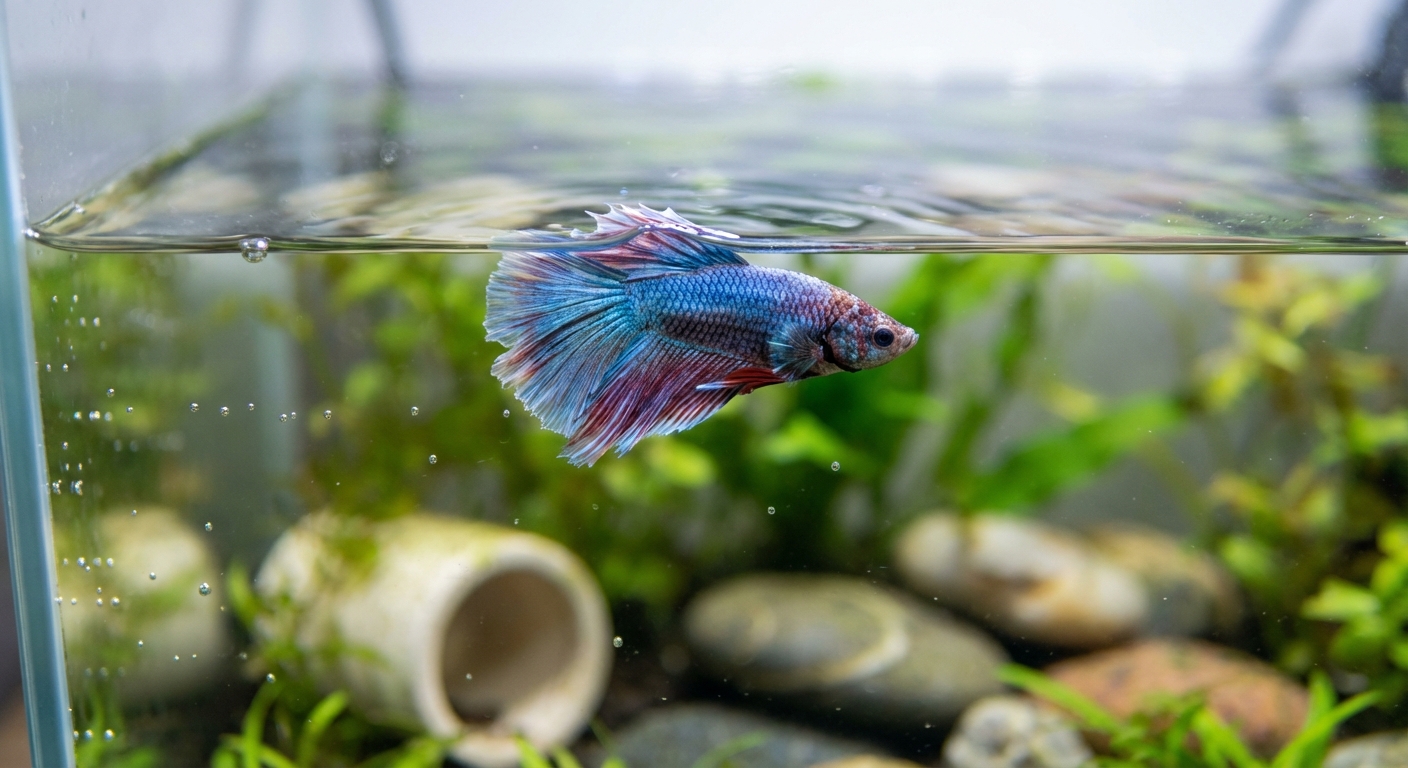
Fish can show swim bladder related issues in a few common ways:
- Floating at the surface and struggling to swim down
- Sinking to the bottom and struggling to rise
- Tilting or rolling onto one side
- Swimming in circles or wobbling
- A swollen belly, reduced appetite, or stringy stool
Buoyancy problems can look opposite (floating vs sinking) because the issue is not always “too much air.” It can be inflammation, pressure on the swim bladder, weakness, or damage that changes how the fish balances.
These signs tell you buoyancy is off. They do not tell you the cause, so your job is to look for clues in diet, water quality, recent changes, and any signs of infection.
Common causes
Constipation, bloat, and gut pressure
One of the most common reasons, especially in goldfish and bettas. Overfeeding and low-fiber diets can slow digestion. Dry foods may contribute to bloat or constipation in some fish, particularly if fed too large, too often, or without pre-soaking. Constipation and gas can press on nearby organs and affect buoyancy.
Water quality and temperature issues
Ammonia, nitrite, unstable pH, and inappropriate temperature irritate gills and strain the body. Poor conditions can also make buoyancy issues harder to recover from. Always confirm you are using a dechlorinator (especially in areas with chloramine) and keep soaps, sprays, and cleaning chemicals far away from the tank.
Overfeeding and organ changes
Long-term high-calorie feeding can contribute to fatty change and inflammation in internal organs. That can affect stamina and buoyancy, and recovery may take longer.
Infection or inflammation
Bacterial infections, parasites, and internal inflammation can affect the swim bladder directly or the tissues around it. These cases often include other signs like lethargy, clamped fins, loss of appetite, or visible sores.
Physical injury
Net trauma, rough handling, aggressive tankmates, or crashing into décor can cause swelling or damage.
Body shape and congenital issues
Some fancy goldfish and selectively bred fish have body shapes that make buoyancy problems more likely. Management is still possible, but prevention and long-term husbandry matter more than quick fixes.
Other causes to keep in mind
- Egg binding or being egg-heavy: In some females, internal pressure can change buoyancy and appetite.
- Tumors or cysts: Internal masses can distort balance or cause swelling.
- Spinal deformity or advanced age: Reduced strength and posture changes can mimic swim bladder problems.
- Chronic crowding or low oxygen: Especially in goldfish, long-term stress and low oxygen can worsen buoyancy and endurance.
First hour steps
1) Test the water now
If you have a liquid test kit, check:
- Ammonia: should be 0 ppm
- Nitrite: should be 0 ppm
- Nitrate: as low as practical (many tanks aim for under 20 ppm, with sensitive species and fry benefiting from lower)
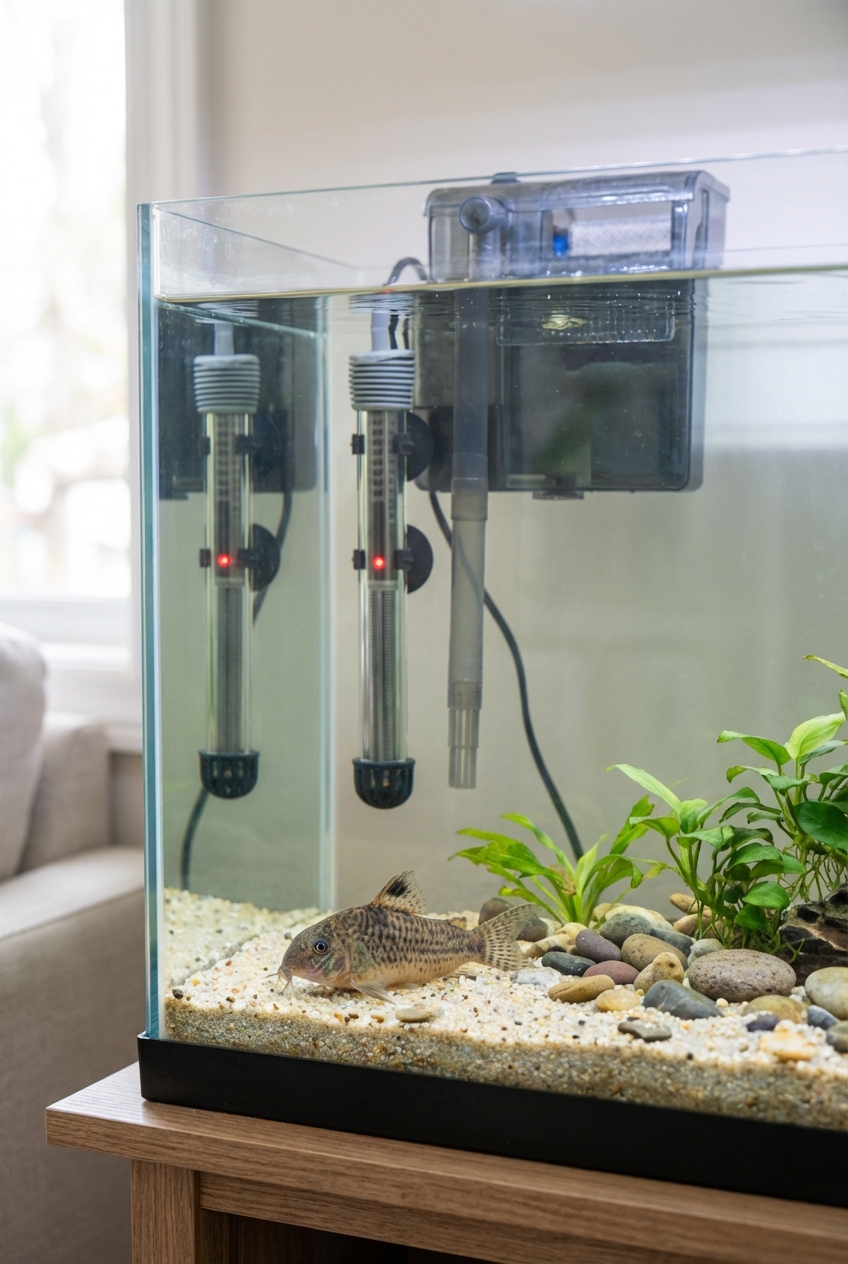
- Temperature: stable and species-appropriate
If ammonia or nitrite are above 0, treat this as an urgent water quality problem.
2) Do a careful water change
If parameters are off, do a 25% to 50% water change with dechlorinated, temperature-matched water. Avoid sudden swings in temperature or pH.
If there is a true toxin emergency (for example, high ammonia or nitrite, suspected chlorine or chloramine exposure, or a contamination event), larger water changes can be lifesaving. The key is matching temperature and conditioning the new water properly, then retesting.
3) Lower stress
- Dim the lights
- Minimize tapping, chasing, or netting
- Check for bullying or fin-nipping
- Reduce overly strong flow if the fish is struggling
4) Pause feeding for 24 to 48 hours
This is one of the safest first moves for most adult fish, and it helps quickly if constipation is involved. Exceptions can include very small juveniles or fish that are already dangerously thin, so use common sense and observe closely.
Care plan (3 to 7 days)
Step 1: Keep the environment steady
- Keep temperature stable. For tropical fish, a small increase within the safe range can support digestion and immune function.
- Increase gentle aeration. Stress and poor water quality reduce oxygen availability.
- Maintain clean, stable water with small changes (10% to 20%) if needed.
Step 2: Restart feeding on purpose
After a short fast, reintroduce easy-to-digest foods in tiny amounts.
- For goldfish: A small portion of shelled, cooked pea is commonly used for constipation. Offer a piece or two, then remove leftovers. If peas do not help, consider a gentler, more species-appropriate option like daphnia or a quality gel food.
- For bettas and other carnivores: Skip peas. Use high-quality frozen foods (like daphnia or brine shrimp) in small amounts. Daphnia is often used as a gentle “roughage” option.
- Avoid: Large pellets, cheap flakes, and frequent feeding until your fish is stable.
Tip: Pre-soak pellets briefly so they soften before swallowing. This can help some fish that bloat easily.
Step 3: Consider isolation (hospital tank) when it helps
A hospital tank can be useful if the fish is being harassed, if you need to control feeding, or if medication becomes necessary. Keep it simple: matched temperature, gentle aeration, stable water, and minimal décor. If moving the fish will cause significant stress and there is no bullying risk, it may be better to stabilize conditions in the main tank instead.
Step 4: Epsom salt bath (optional, for constipation and swelling)
Epsom salt (magnesium sulfate) is different from aquarium salt. It is sometimes used as a short bath to help with constipation and fluid swelling. Because species and sensitivities vary, the safest approach is to follow a trusted, species-specific protocol and measure carefully.
Safety notes: Use a separate container with matched temperature, add an air stone, never leave the fish unattended, and stop immediately if distress increases. If you are unsure, skip the bath and focus on water quality and diet first.
Step 5: Make resting easier
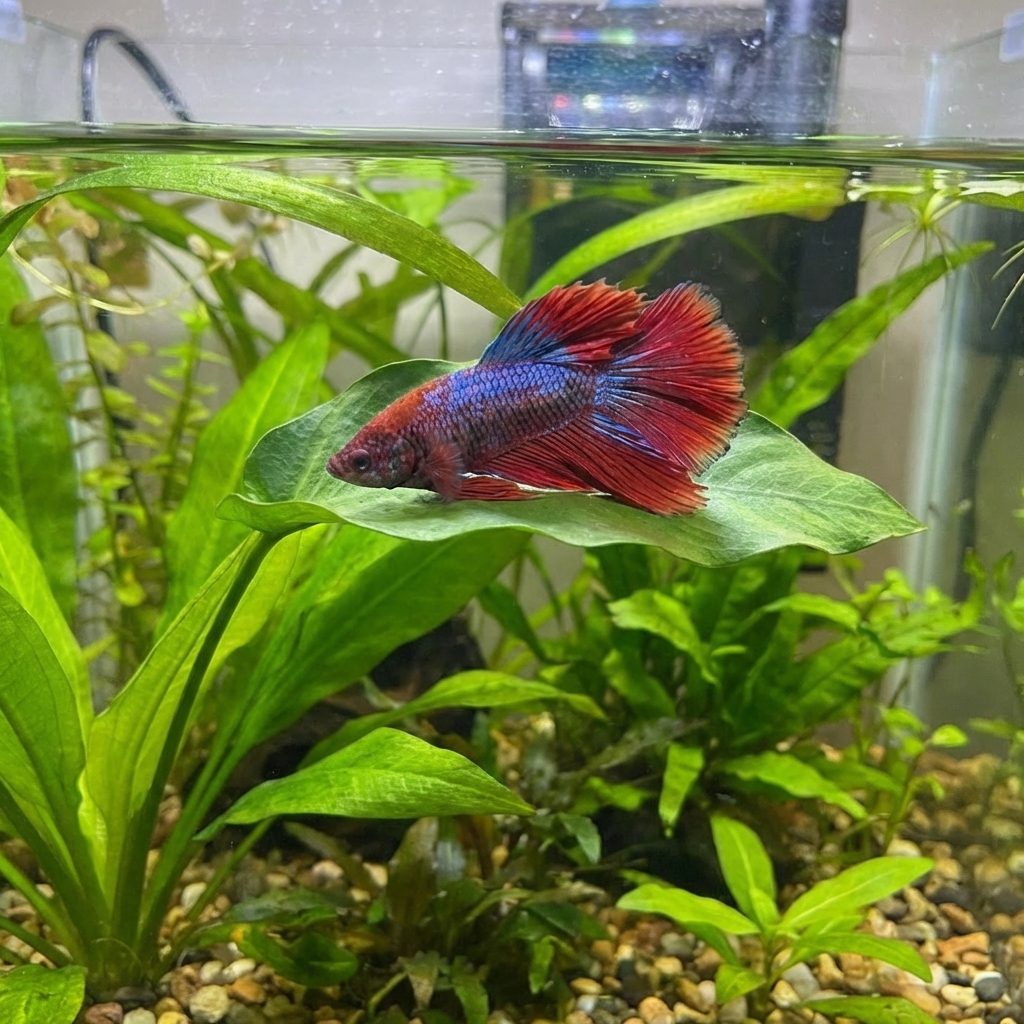
If your fish is floating and exhausting itself, you can lower the water level slightly and provide soft plants or a resting platform near the surface. If your fish is sinking, ensure it can rest comfortably without being pushed by strong current.
When meds may help
Medication is not a first step for most buoyancy problems, because many are driven by diet and environment. But if you see signs of infection, if swelling progresses, or if the fish worsens over several days despite excellent water and conservative feeding, treatment may be appropriate.
Clues of infection or internal disease
- Refusal to eat for more than 2 to 3 days (species dependent)
- Rapid breathing or gasping at the surface
- Pineconing scales (possible dropsy)
- Red streaks, ulcers, fuzzy patches, or fin rot
- Severe bloating that progresses
- New fish added recently, or recurring illness in the tank
Important: Do not guess with random antibiotics or “miracle cure” products. Many over-the-counter options are ineffective, and antibiotic misuse can harm your biofilter and contribute to resistance. If you can, consult an aquatic veterinarian or an experienced fish health professional for a targeted plan.
Also note that some treatments, including salt and many medications, can stress plants and invertebrates. A hospital tank is often the safest place to treat.
What not to do
- Do not overfeed “to give strength.” Overfeeding often makes buoyancy issues worse.
- Do not do routine 100% water changes. Big swings can destabilize a stressed fish and your biofilter. In true toxin emergencies, large changes may be appropriate if temperature and conditioning are correct.
- Do not stack products without a plan. More additives does not mean better care.
- Do not chase or handle the fish repeatedly. Stress slows recovery.
- Do not assume it is always constipation. If other signs appear, broaden your thinking.
Quick triage
Floating at the top
- Lower water level a little so the fish can rest
- Offer a resting leaf or platform near the surface
- Fast 24 to 48 hours, then restart with small, digestible meals
- Check oxygenation and water quality, especially ammonia
Sinking to the bottom
- Reduce strong currents that make swimming harder
- Make sure the fish can reach food if you offer a small amount
- Assess temperature, as cold water can slow digestion
- Watch closely for injury, weakness, or infection signs
Prevention
Feed with consistency
- Choose a high-quality staple food made for your species
- Feed small portions and remove leftovers
- Pre-soak pellets if your fish tends to bloat
- Add variety: frozen foods, gel foods, and species-appropriate fiber sources
Keep water stable
- Cycle your tank and protect the biofilter
- Use dechlorinator for every water change (including chloramine systems)
- Maintain consistent temperature with a reliable heater (for tropical fish)
- Do regular partial water changes and gravel vac as appropriate
Reduce chronic pressure
- Avoid overcrowding
- Provide hiding places and gentle flow areas
- Quarantine new fish when possible
When to get help fast
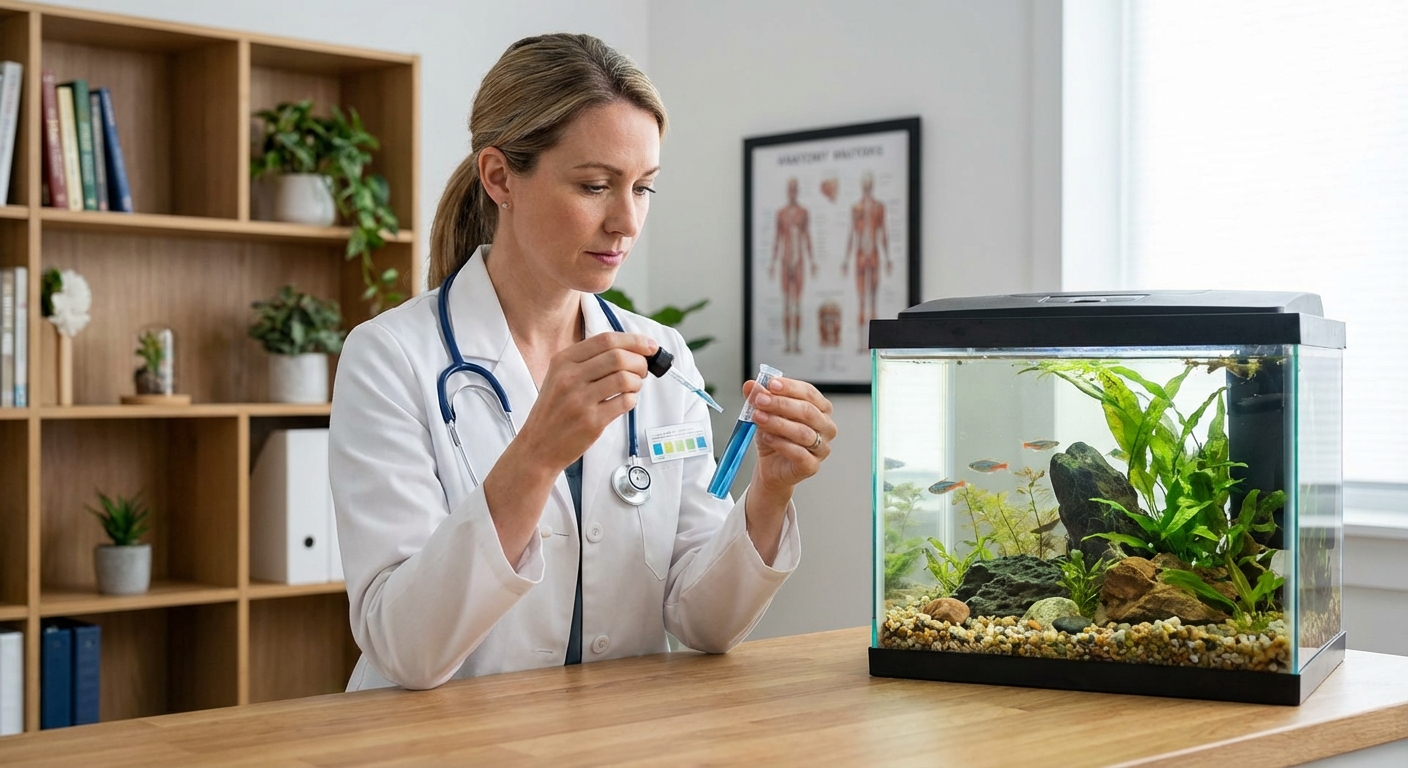
Please reach out to an aquatic veterinarian or experienced fish health specialist as soon as you can if:
- Your fish cannot stay upright and is rapidly worsening
- There is severe swelling, pineconing scales, or fluid buildup
- Ammonia or nitrite are not staying at 0 despite interventions
- The fish is not eating and is becoming weak over multiple days
- You see ulcers, bleeding, fungus-like patches, or rapid breathing
If you are local to Frisco, Texas, call ahead and ask clinics if they see fish, or if they can refer you to an aquatic specialist. If you are not local, look for an aquatic veterinarian, an exotics practice that treats fish, or a well-regarded specialty shop that can help you troubleshoot and refer appropriately.
Gentle reminder: most buoyancy issues improve fastest when you fix the basics first. Clean, stable water plus thoughtful feeding solves a surprising number of cases.