Learn what cat diarrhea looks like, common causes, and vet-approved home care: hydration, gentle meals, probiotics, and what to track. Know the red flags tha...
Article
•
Designer Mixes
Sudden Cat Diarrhea: Causes, Help, and Care

Shari Shidate
Designer Mixes contributor
When your cat suddenly has diarrhea, it can feel scary. As a veterinary assistant, I want you to know two things right away: many cases improve with the right home care, but some situations need a veterinarian quickly. The key is knowing what is a normal “stomach upset” and what is a red-flag emergency.
This article is for general education and is not a substitute for a veterinary exam or diagnosis.
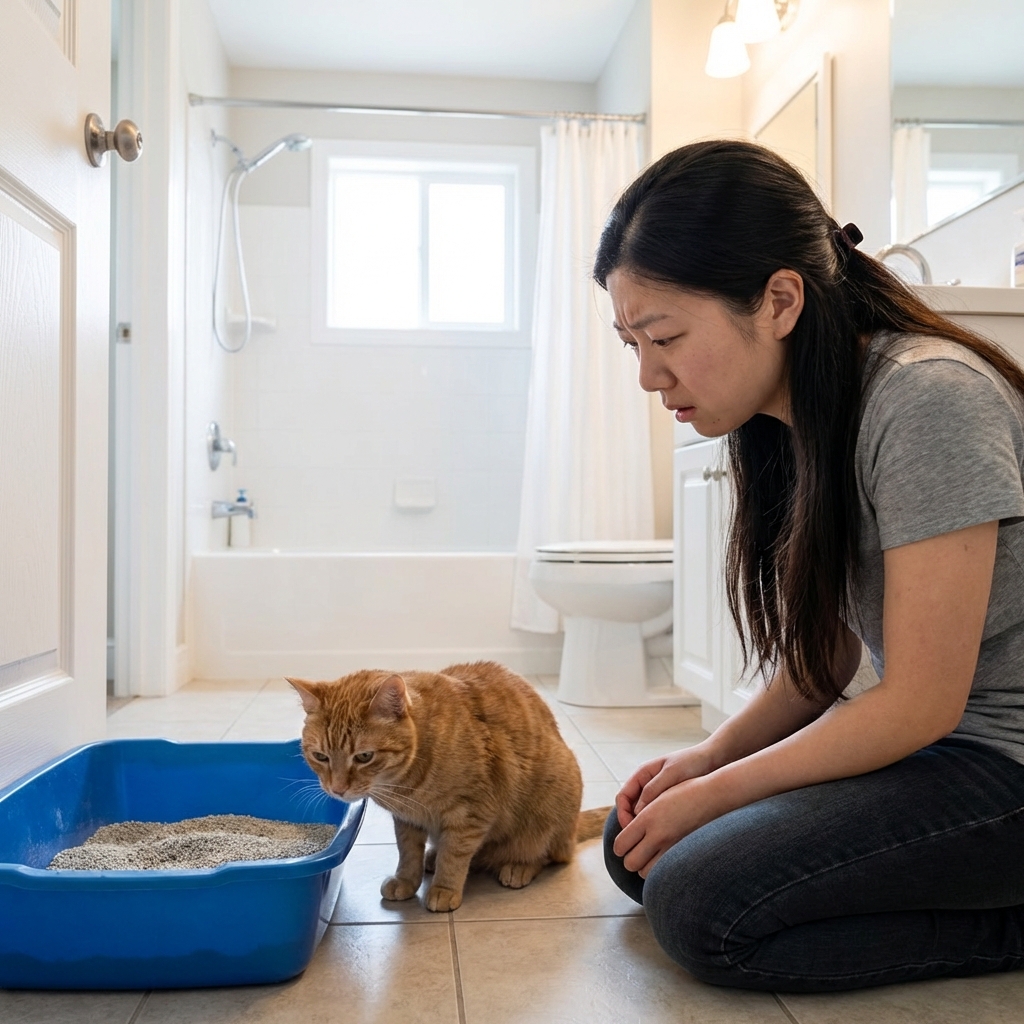
Diarrhea is your cat’s way of moving stool through the intestines too fast, so the body cannot absorb water normally. That can lead to dehydration faster than many people expect, especially in kittens and seniors.
First, check for emergency red flags
Contact your veterinarian or an emergency clinic right away if you notice any of the following:
- Blood in the stool (bright red streaks or black, tar-like stool)
- Repeated vomiting or your cat cannot keep water down
- Severe lethargy, collapse, or a marked behavior change (will not come out, will not eat, not interacting)
- Signs of dehydration (tacky gums, sunken eyes, weakness)
- Profuse watery diarrhea (large volumes, very frequent, or “can’t make it to the box”), especially in kittens and seniors
- Fever, a painful belly, or crying when picked up
- Straining with little to no stool (constipation can be mistaken for diarrhea)
- Suspected toxin exposure (for example lilies, human medications, rodent bait, essential oils; sweeteners like xylitol are a concern in pets, so call your vet or poison control if exposure is possible)
- Known or suspected foreign material (string, ribbon, hair ties) or any choking or gagging episodes
- Kittens, seniors, pregnant cats, or cats with chronic disease or immunosuppression (kidney disease, diabetes, hyperthyroidism, steroid use, chemotherapy)
- Diarrhea lasting more than 24 to 48 hours, even if your cat seems “mostly okay”
- Not eating or eating much less, especially if it lasts more than 24 hours (cats can get sick quickly when they stop eating)
If you are unsure, call. A quick phone triage can save you time and can protect your cat from dehydration complications.
Why it can happen all of a sudden
Sudden diarrhea is most often caused by something that irritated the gut or changed the balance of bacteria in the intestines. Common causes include:
1) Diet changes and “food mistakes”
Cats can have sensitive digestive systems. A new food, new treats, a different flavor, table food, getting into the trash, or even chewing on plants can trigger diarrhea.
- Switching foods too quickly can overwhelm the gut.
- Rich foods like dairy, greasy meat, or spicy leftovers commonly cause loose stool.
2) Stress and routine disruption
Stress is a very real diarrhea trigger in cats. Moving homes, visitors, boarding, a new pet, loud construction, or even changes in your schedule can affect gut motility and inflammation.
3) Parasites (yes, even indoor cats)
Giardia, roundworms, hookworms, and coccidia can cause sudden diarrhea. Cats can be exposed through contaminated soil tracked inside, shared spaces, new pets, or hunting bugs and rodents.
4) Infection or inflammation
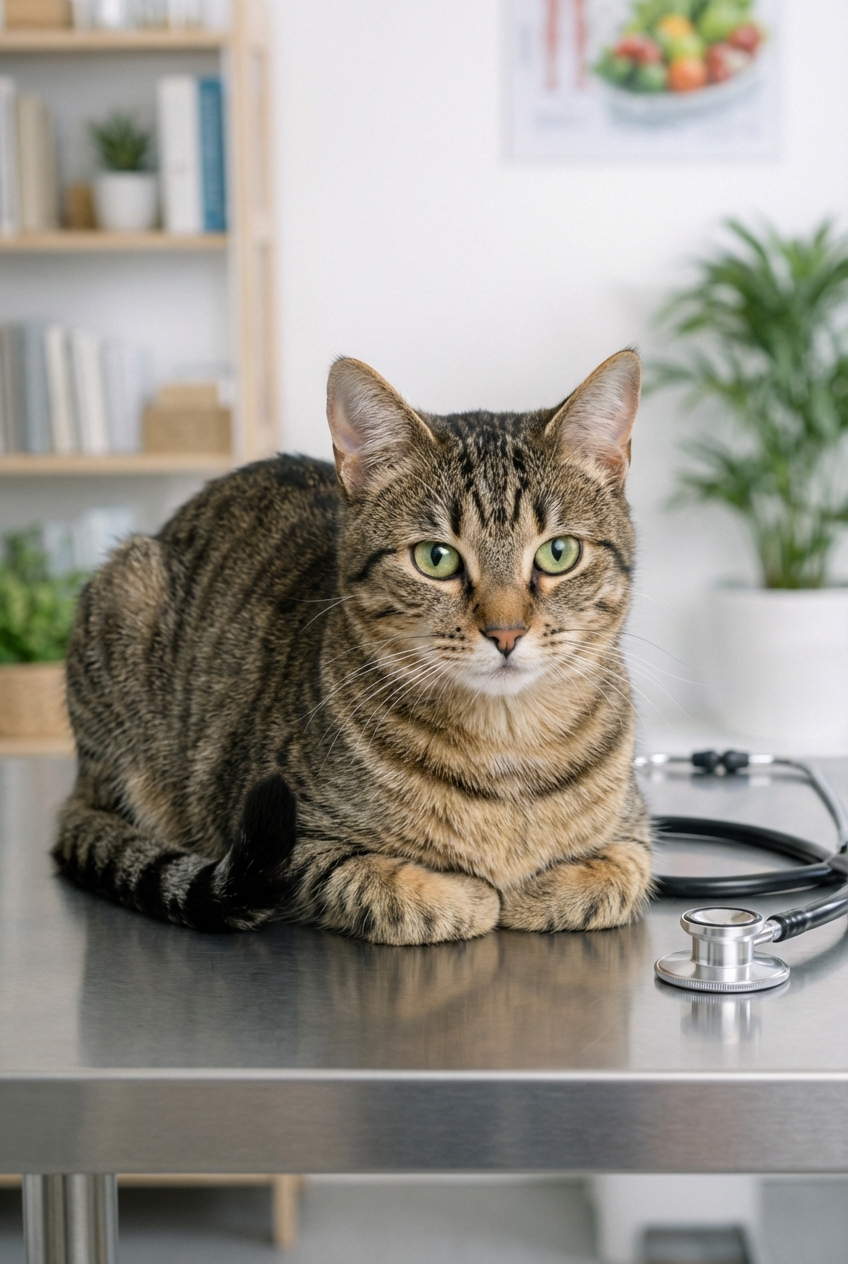
Viral or bacterial gastroenteritis, inflammatory bowel disease (IBD), pancreatitis, and food-responsive enteropathy can all show up as sudden diarrhea, especially if something tipped the balance in the gut.
5) Medication side effects
Antibiotics are a common culprit because they can disrupt normal gut bacteria. Some supplements, dewormers, NSAIDs, and other medications can also cause loose stool. Never stop prescription meds without asking your vet, but do report the diarrhea promptly.
6) Food intolerance or allergy
Some cats develop sensitivity to a protein (like chicken or fish) or other ingredients. You might notice recurring loose stool, gas, vomiting, itchy skin, or ear issues.
7) Foreign material or toxins
String, ribbon, hair ties, plants, and toxins can cause diarrhea, vomiting, and pain. If you suspect ingestion or poisoning, do not wait at home.
Clues in the litter box
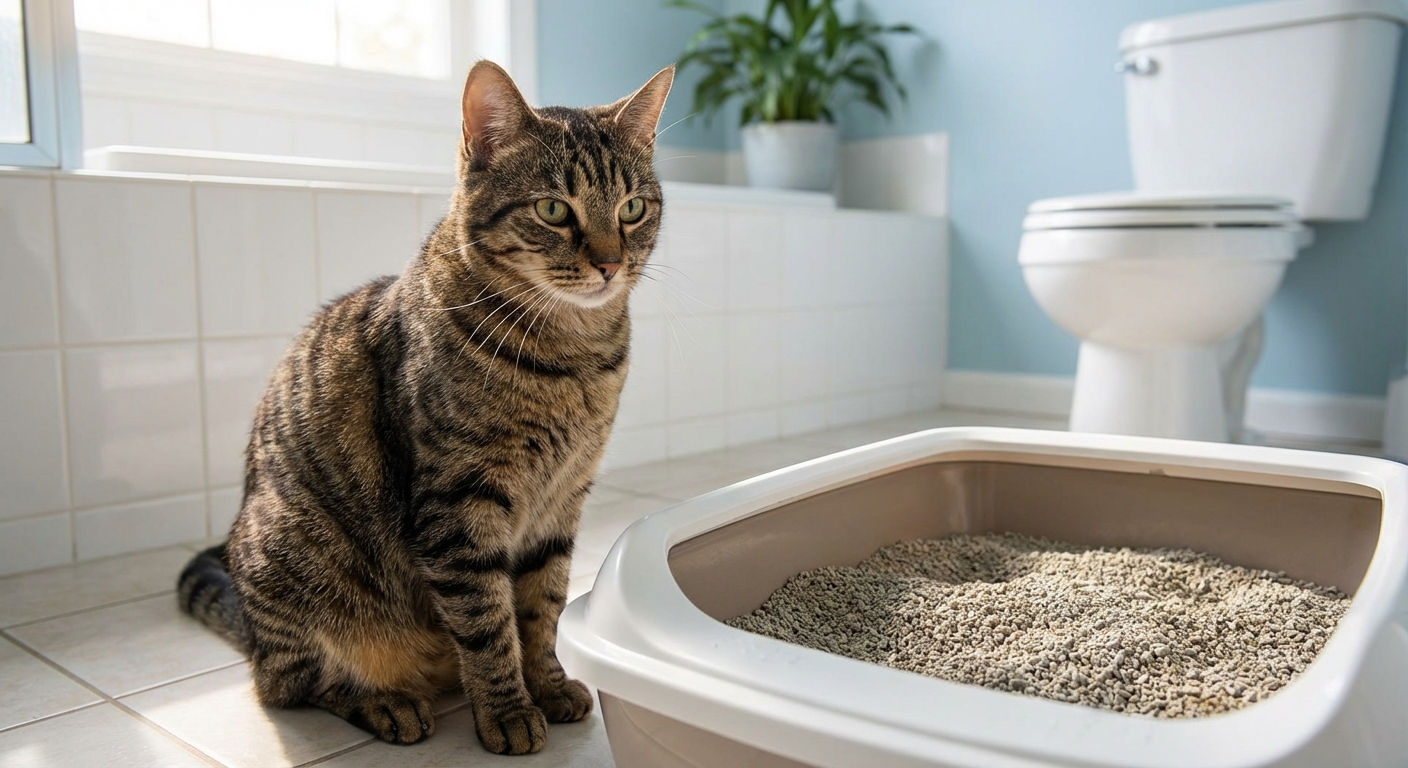
The litter box can tell you a lot. These patterns are not a diagnosis, but they help your veterinarian narrow things down. Keep in mind that diet changes, treats, and even litter tracking can change stool appearance, so try not to overinterpret a single episode.
- Large volume, watery stool often points to small-intestine involvement.
- Frequent small amounts, mucus, urgency often points to large-intestine (colon) irritation.
- Bright red blood can occur with colon irritation, parasites, or anal gland issues.
- Black or tar-like stool can indicate digested blood from higher up the GI tract and needs urgent same-day veterinary evaluation.
If you can safely do so, take a photo of the stool and note the time, frequency, and any vomiting. That information is genuinely useful.
What you can do at home
If your cat is bright, alert, drinking, eating at least a little, and there are no red flags, these gentle steps can help while you monitor closely.
1) Hydration comes first
Diarrhea pulls water out of the body.
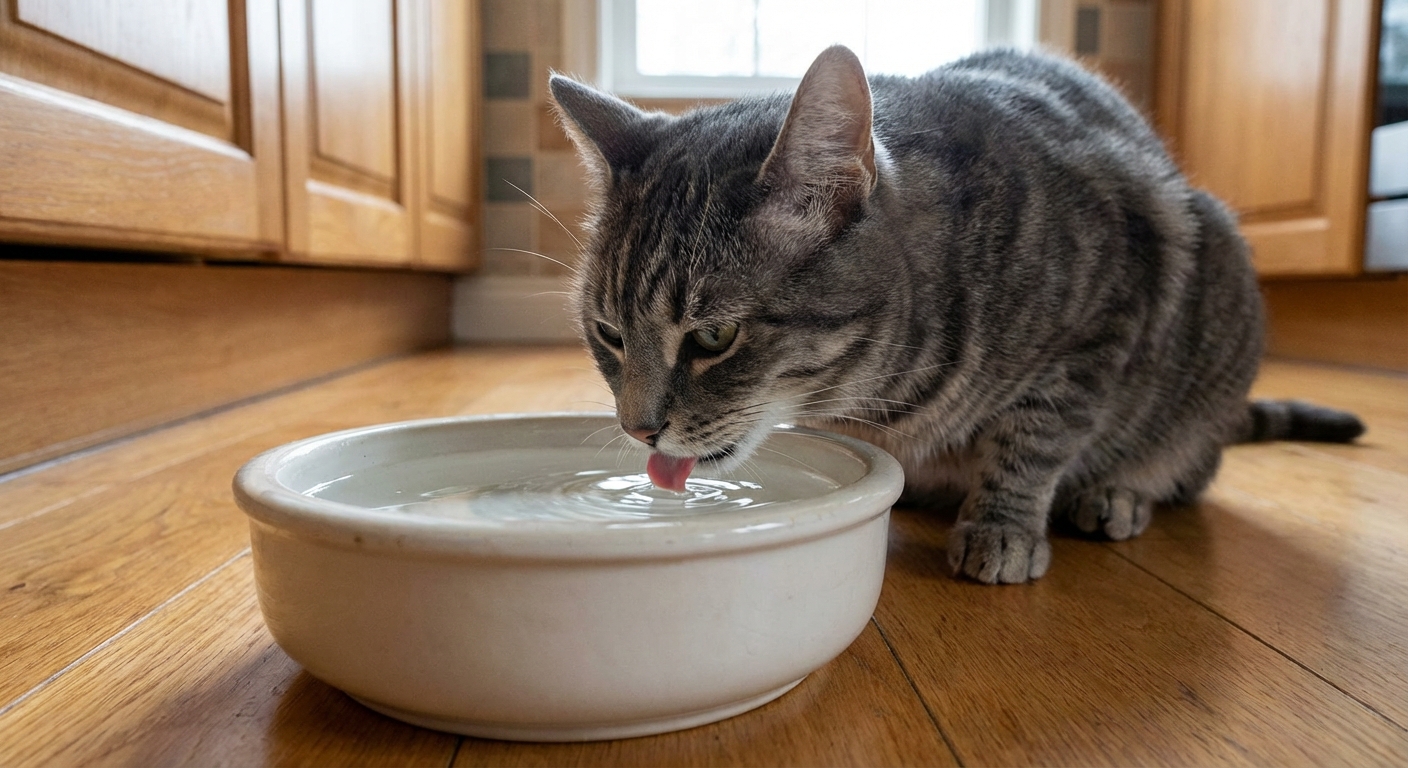
- Provide fresh water in multiple spots.
- Consider a pet fountain if your cat drinks better from moving water.
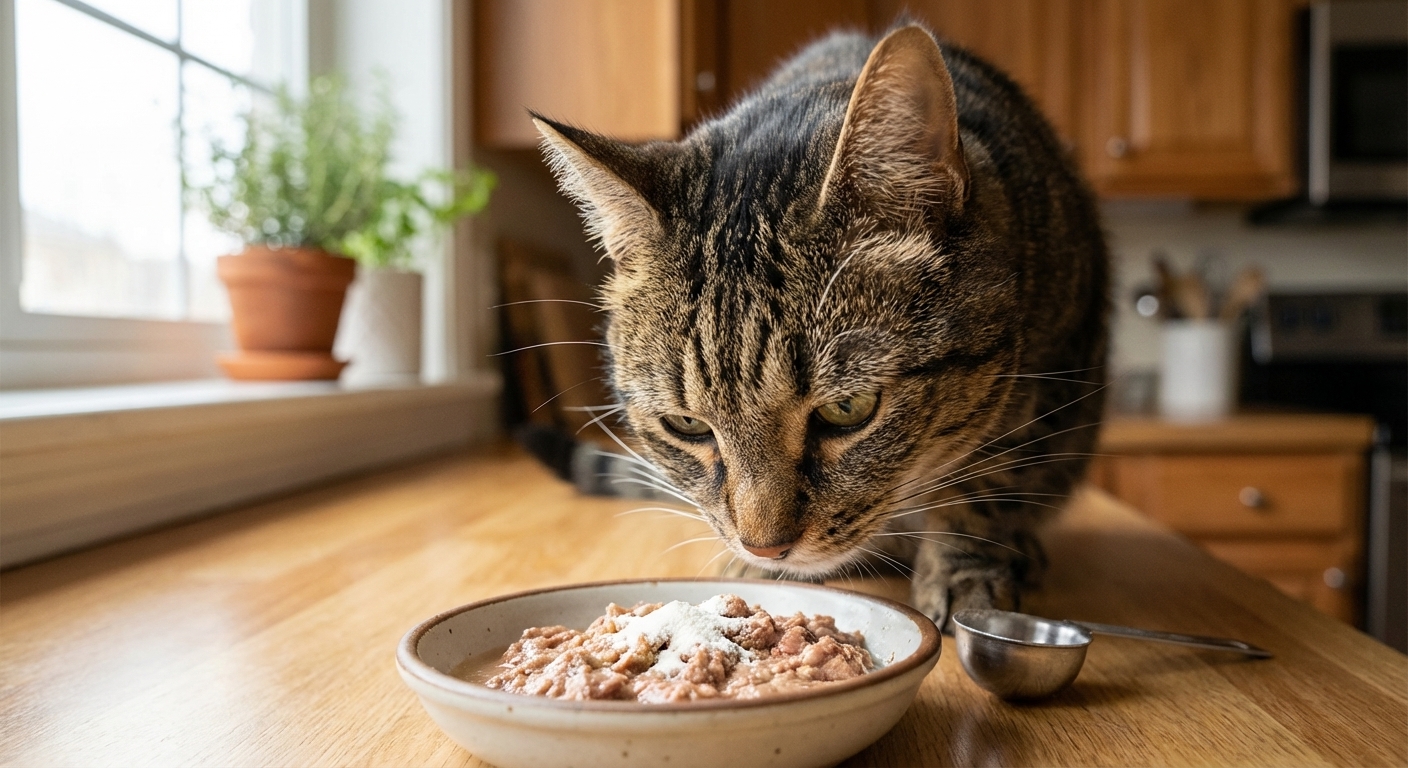
- Offer wet food to increase water intake.
2) Keep the diet simple for 24 to 48 hours
For many cats, an easily digestible diet helps the intestines settle.
- Veterinary GI diets are the best evidence-based choice if you can get them.
- Plain cooked poultry (no skin, no seasoning) can be used short-term in small meals if a prescription diet is not available.
Important: Home bland foods are not nutritionally complete and should be short-term only. Also, some cats (for example those with suspected pancreatitis or other illnesses) may do worse with certain foods, so call your vet if your cat seems painful, vomits, stops eating, or is not improving quickly.
Avoid milk, tuna “as a meal plan,” fatty meats, and sudden food switches.
3) Pause treats and rich extras
Even “healthy” treats can keep diarrhea going. Keep things boring until stools are normal for 48 hours.
4) Ask your vet about probiotics
Cat-specific probiotics can help restore gut balance, especially after stress or antibiotics. Use products made for pets and follow your veterinarian’s guidance on which one and how long to use.
5) Keep the litter box very clean
This helps you track stool frequency and reduces re-exposure risk if parasites are involved. It also makes it easier to notice blood or mucus.
6) Multi-cat home tips
If you have more than one cat, consider adding an extra litter box and cleaning more often while you sort this out. Some causes of diarrhea, like Giardia and other parasites, can spread between pets. Wash hands after scooping and disinfect surfaces your cat may soil.
What not to do
- Do not give human anti-diarrhea medications unless your veterinarian specifically instructs you. Some are dangerous for cats.
- Do not fast kittens. Kittens can crash quickly and need veterinary guidance.
- Do not switch foods repeatedly in one day. Too many changes can worsen gut upset.
- Do not assume it is “just hairballs” if diarrhea is persistent, watery, or paired with vomiting.
When to book a vet visit
Schedule an appointment if:
- Diarrhea lasts more than 24 to 48 hours
- Your cat is eating less, losing weight, or seems uncomfortable
- There is mucus or blood in the stool
- Diarrhea keeps returning (even if it improves in between)
- You recently added a new pet, traveled, boarded, or changed foods
How to bring a fecal sample
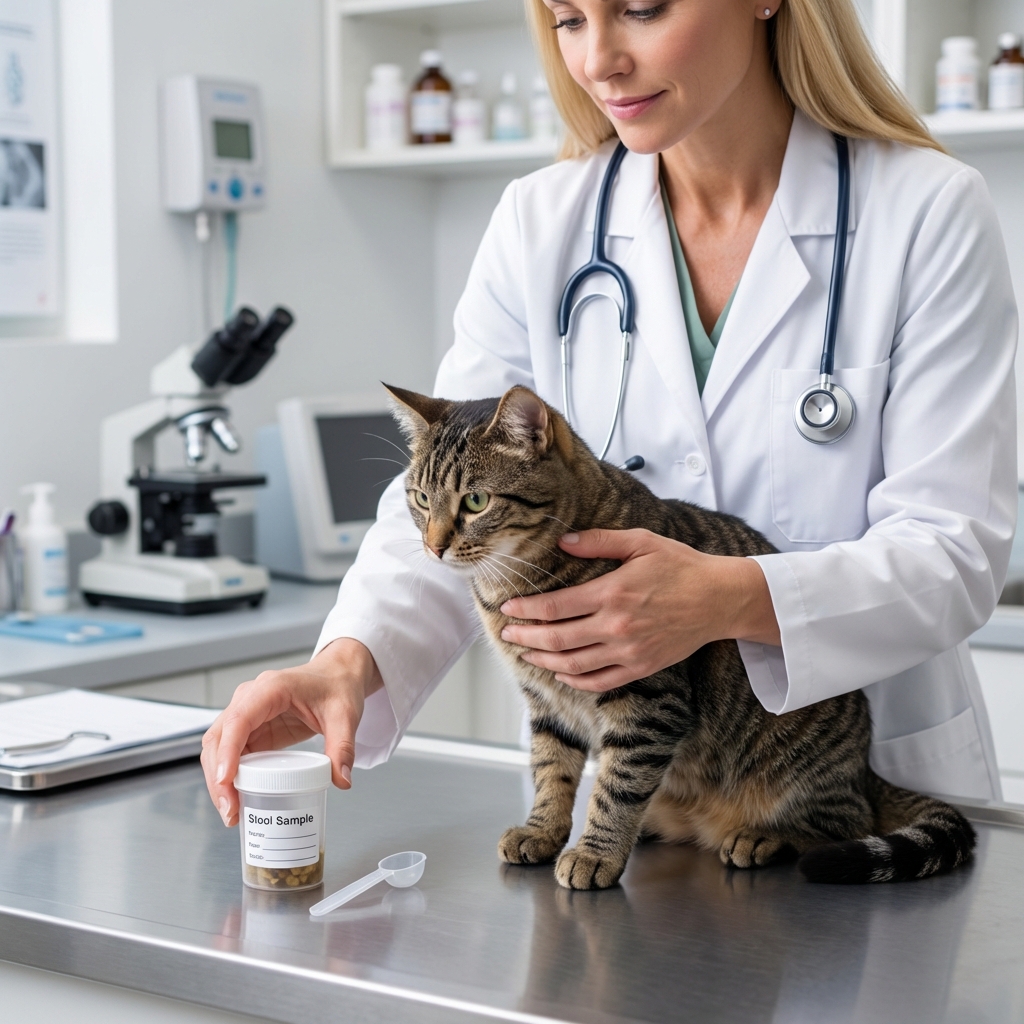
If your clinic requests a stool sample, bring a small amount of fresh stool (about a teaspoon is plenty) in a clean, sealed container or bag. If you cannot get it to the clinic right away, refrigerate it and bring it in as soon as you can, ideally within 12 to 24 hours. Always follow your clinic’s specific instructions.
What your vet may recommend
Depending on your cat’s age and symptoms, your veterinarian may suggest:
- A fecal test (often including Giardia testing)
- Bloodwork to check hydration status and organ function
- De-worming based on risk factors and results
- A prescription gastrointestinal diet
- Targeted medications for nausea, inflammation, or infection when appropriate
- Imaging (x-rays or ultrasound) if obstruction or chronic disease is suspected
Preventing the next episode
- Transition foods slowly: over 7 to 10 days, mix increasing amounts of the new diet.
- Limit table food and keep trash secured.
- Routine parasite prevention: ask your vet what is appropriate for your cat’s lifestyle.
- Reduce stress: consistent feeding times, safe hiding spaces, and gradual introductions to changes.
- Regular checkups: chronic GI issues are easier to manage early.
You know your cat best. If something feels “off,” trust that instinct and reach out for help. Diarrhea can be simple, but it can also be the earliest clue that your cat needs support.
Quick checklist for the vet
- When the diarrhea started
- How many times per day
- Any vomiting, appetite changes, or weight loss
- New foods, treats, or chewed items
- Medication and supplement list
- Exposure risks (new pet, boarding, outdoor access, fleas)
- Photo of the stool if possible
- If you can collect it, a stool sample (ask your clinic first)