Chocolate can be toxic to dogs. Use this step-by-step guide to assess risk by type and amount, spot symptoms early, avoid unsafe home remedies, and know when...
Article
•
Designer Mixes
Subtle Signs Your Dog Ate Chocolate

Shari Shidate
Designer Mixes contributor
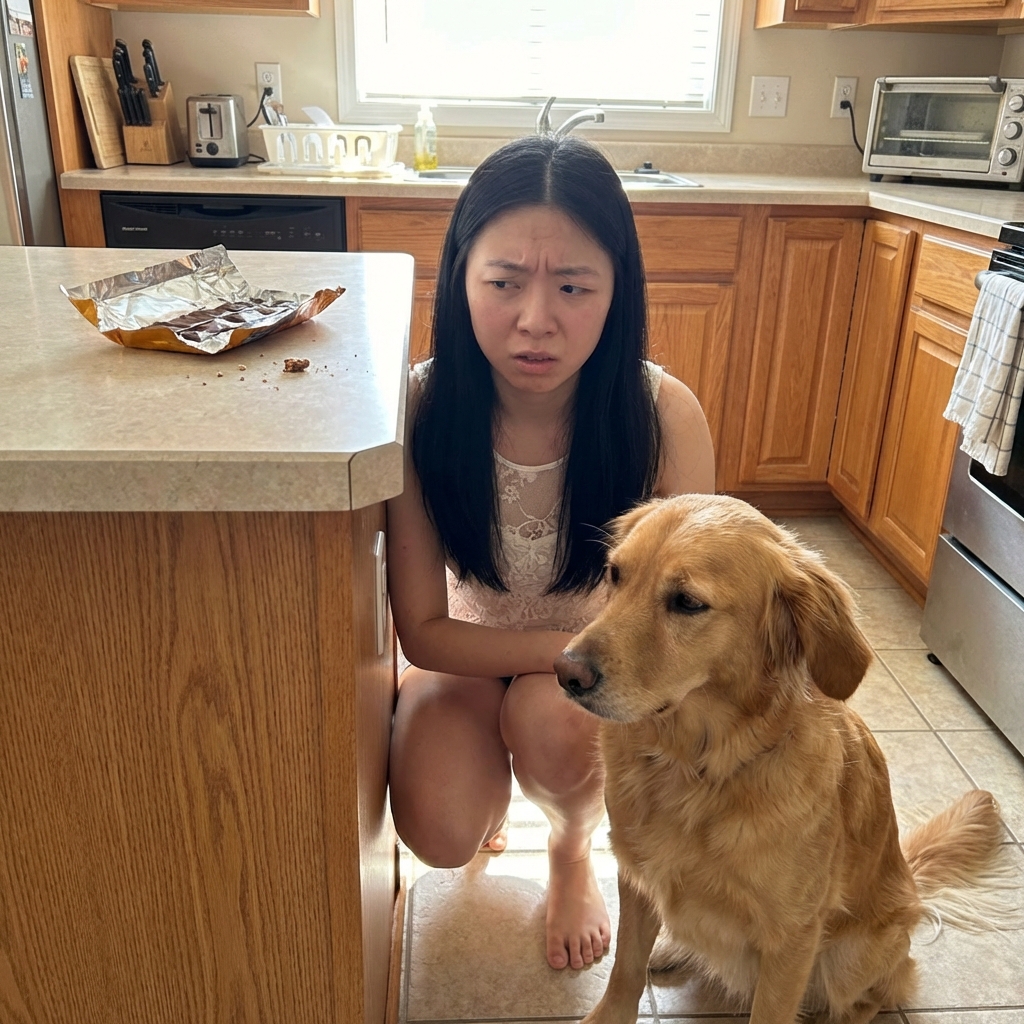
If you just found a ripped candy wrapper, an empty cocoa tin, or suspicious brown smudges on your dog’s whiskers, you are not being “paranoid.” Chocolate exposure is one of the most commonly reported pet poison issues (per poison control organizations), and the sooner you connect the dots, the better the outcome.
This guide will walk you through the subtle, easy-to-miss signs that a dog got into chocolate, what symptoms can mean, and what to do next.

Why chocolate is a problem for dogs
Chocolate contains methylxanthines, which are stimulant chemicals, mainly theobromine and caffeine. Dogs metabolize these much more slowly than people do, so the chemicals can build up and cause illness.
- Dark chocolate and baking chocolate generally have more theobromine and are more dangerous.
- Milk chocolate is still risky, especially for small dogs.
- White chocolate has very little theobromine, but it can still cause stomach upset and may increase pancreatitis risk due to its fat and sugar, especially with larger ingestions or in dogs prone to pancreatitis.
Also, many chocolate treats come with extra hazards: xylitol (more common in sugar-free gums, candies, and some baked goods than in most chocolate bars), raisins, macadamia nuts, alcohol, or high-fat fillings.
Subtle signs your dog ate chocolate
Some dogs do not start with dramatic vomiting or shaking. Often, the earliest clues are behavioral, sneaky, or easy to blame on “a weird day.”
1) The “I cannot settle” restlessness
One of the most common early signs is a dog that paces, seems unable to get comfortable, or keeps getting up and down. The stimulant effect (from theobromine and caffeine) can show up as mild agitation first.
2) Extra drooling or hanging around the water bowl
Chocolate can irritate the stomach and also stimulate the nervous system. You may notice more drool strings than normal, or your dog may seem unusually interested in drinking.
3) A stomach that sounds like it is talking
Audible gurgling, burping, lip-licking, swallowing, or “air licking” can be subtle nausea signs. Some dogs will eat grass or act hungry but picky at the same time.
4) Zoomies that feel a little too intense
Yes, some dogs get the classic “sugar rush” look, but it is not just sugar. A dog may seem unusually wired, overreactive to noises, or unable to focus on cues they normally know.
5) Mystery poop changes
Chocolate can cause diarrhea, but early on you may just see softer stool or an urgent need to go out. Stool can also look darker from chocolate or food coloring. If you see tarry, black stool or obvious blood, treat that as urgent.
If they ate the packaging, you might even see candy wrapper bits in the stool or vomit. That is also a concern for a possible foreign body (intestinal blockage).
6) The “guilty face” plus an evidence trail
Dogs do not feel guilt the way humans do, but they do read our tone. Still, these clues matter:
- Chocolate smell on the breath
- Brown smears on paws, muzzle, or bedding
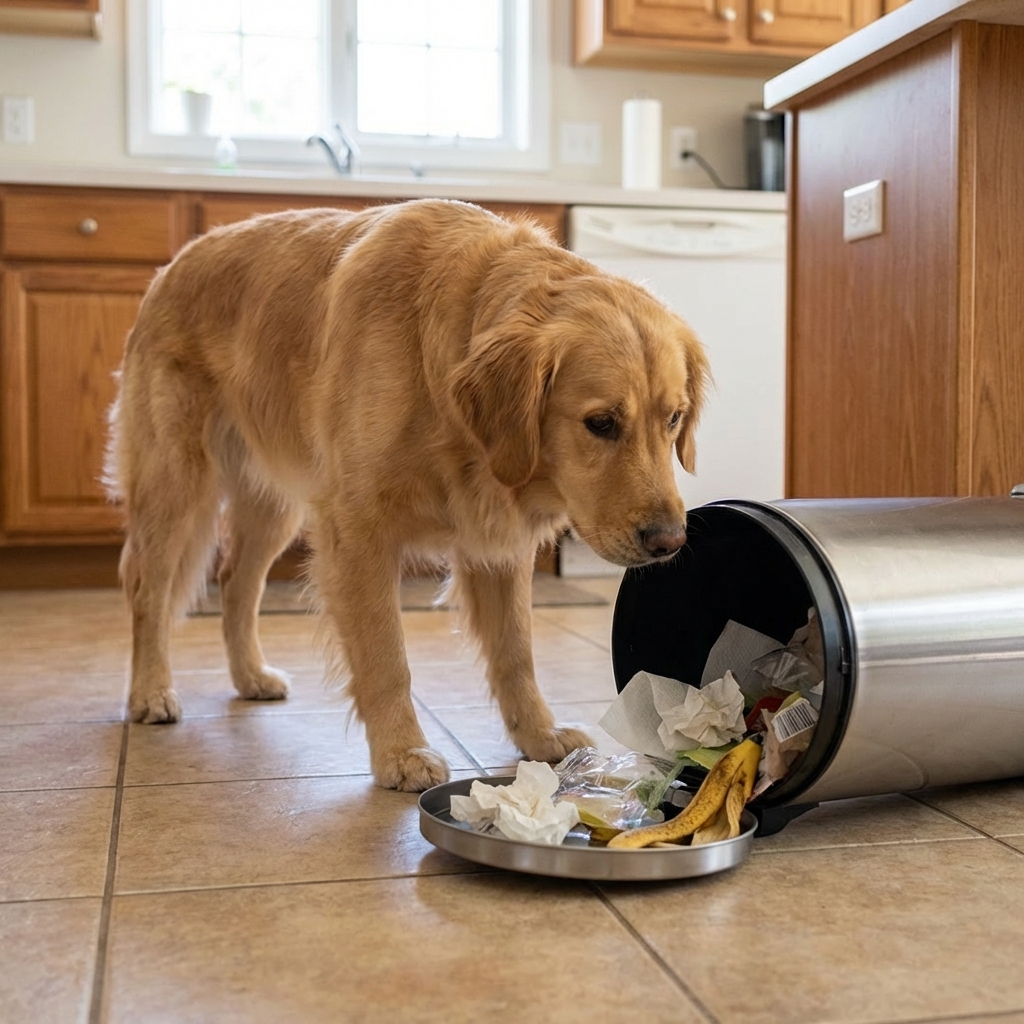
- Trash can tipped, cabinet open, backpack unzipped
- Missing baked goods from a counter that used to be safe
7) A heartbeat that feels too fast for resting
If you place your hand on your dog’s chest and it feels like it is thumping hard while they are resting, take that seriously. Stimulants can increase heart rate and can be dangerous at higher doses.
8) The “shaky legs” moment
Even mild tremors, muscle twitching, or a dog that looks wobbly can be a red flag. This can progress.
Serious symptoms that need urgent action
If you notice any of the following, contact your vet or an emergency clinic right away.
- Repeated vomiting
- Profuse diarrhea
- Hyperactivity that will not calm down
- Muscle tremors or seizures
- Collapse or severe weakness
- Rapid breathing, panting at rest, or difficulty breathing
- Very fast heart rate or abnormal rhythm
- Extremely high body temperature (overheating)
If you suspect chocolate ingestion, do not wait for symptoms. Early treatment is often simpler and far more effective.
How fast symptoms can start
Many dogs show symptoms within 1 to 4 hours, but onset can be closer to 6 to 12 hours in some cases. It varies depending on the type of chocolate, the amount, and your dog’s size and health. Some effects can last 24 to 72 hours because theobromine can linger in the body.
What to do right now
Step 1: Remove access and look for evidence
Move your dog away from the source and look for packaging. Wrappers help you estimate the type and amount, and they matter for foreign body risk if your dog swallowed them.
Step 2: Gather the details your vet will ask for
- Your dog’s weight
- Type of chocolate (milk, dark, baking chocolate, cocoa powder, brownie, etc.)
- Estimated amount eaten
- Time of ingestion (best guess)
- Any current symptoms
- Any other ingredients (xylitol, raisins, nuts, alcohol, coffee or espresso, extra caffeine)
Toxicity depends on dose (mg per kg) and chocolate type. When in doubt, treat it as a call-worthy situation, especially for small dogs or anything made with cocoa powder or baking chocolate.
Step 3: Call for professional guidance
Call your veterinarian, an emergency vet, or a pet poison hotline. They may recommend monitoring at home, coming in for decontamination, or emergency care depending on dose and symptoms.
- ASPCA Animal Poison Control Center (APCC): 1-888-426-4435 (fee may apply)
- Pet Poison Helpline: 1-855-764-7661 (fee may apply)
Step 4: Do not try home remedies unless instructed
Do not give hydrogen peroxide or induce vomiting unless a veterinary professional tells you to. It is not safe for every situation, and it can backfire in short-nosed dogs, dogs with breathing issues, or if your dog is already showing neurologic signs (tremors, wobbliness, seizures).

Step 5: Know what treatment may involve
Depending on timing and symptoms, treatment can include inducing vomiting (in clinic), activated charcoal to reduce absorption, IV fluids, anti-nausea medications, medications to control heart rate or tremors, and monitoring (sometimes overnight).
Step 6: Monitor like a pro if you are told to stay home
If you are told to monitor at home, keep your dog calm and observe:
- Vomiting and diarrhea frequency
- Energy level and restlessness
- Heart rate and breathing at rest
- Tremors, twitching, or disorientation
- Water intake and urination
- Any wrapper pieces passed, or signs of blockage (repeated vomiting, painful belly, no stool, lethargy)
Quick “do not” list
- Do not wait for symptoms if ingestion is possible.
- Do not let your dog exercise to “burn it off.” Stimulants plus exertion can make overheating and heart strain worse.
- Do not give human medications, charcoal, or supplements unless directed by a professional.
Common chocolate scenarios
“My dog ate a cookie or brownie. Is that worse?”
Sometimes, yes. Baked goods can contain cocoa powder (often more concentrated), plus high fat which raises pancreatitis risk, and other toxins like raisins or macadamia nuts.
“My dog ate chocolate ice cream.”
There may be less theobromine than dark chocolate, but there can be a lot of fat and sugar, and dairy can trigger diarrhea in sensitive dogs. Some products also include coffee, espresso, or extra cocoa.
“My dog is a big dog. Do I still worry?”
Size helps, but it is not a free pass. Potency matters. Dark chocolate, baking chocolate, and cocoa powder can still be dangerous even for large dogs.
“My dog seems fine.”
That can be temporary. Some dogs look normal early on, then develop symptoms later. If ingestion is possible, it is worth a call.
How to prevent a repeat
- Store chocolate like medication: high, closed, and out of reach.
- Use childproof latches if your dog can open pantry doors.
- Keep purses, backpacks, and gift bags off the floor.
- During holidays, create a no-access zone for candy bowls and wrapped gifts.
- Teach a solid leave it and drop it.
In my experience working in a veterinary clinic, the most loving families still get surprised by how creative dogs can be when chocolate is involved.
When in doubt, call
Chocolate exposure is one of those situations where you do not get extra points for waiting. If you suspect your dog ate chocolate, reach out to your veterinarian or an emergency clinic with the details. Quick action can prevent serious complications.
Sources worth bookmarking: ASPCA Animal Poison Control Center (APCC), Pet Poison Helpline, and the Merck Veterinary Manual (chocolate and methylxanthine toxicity).