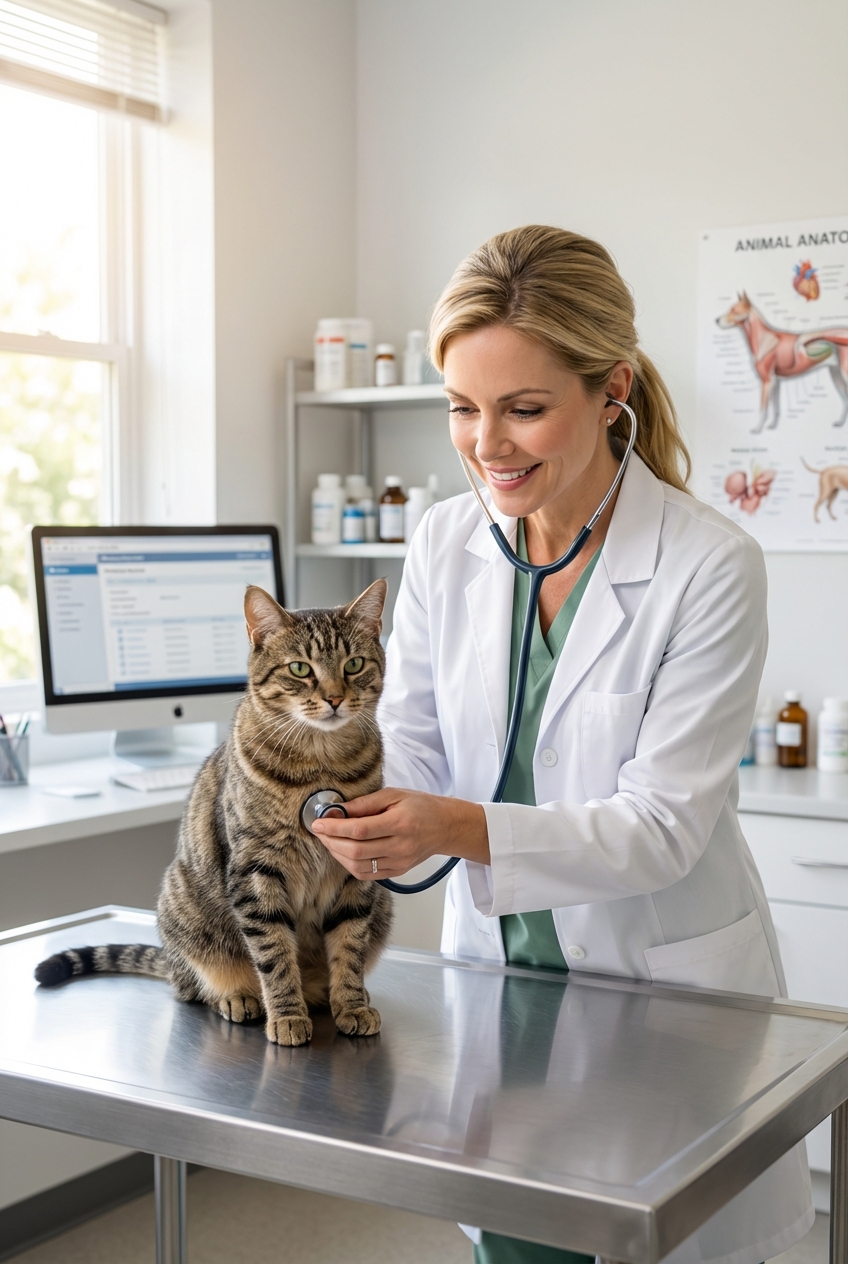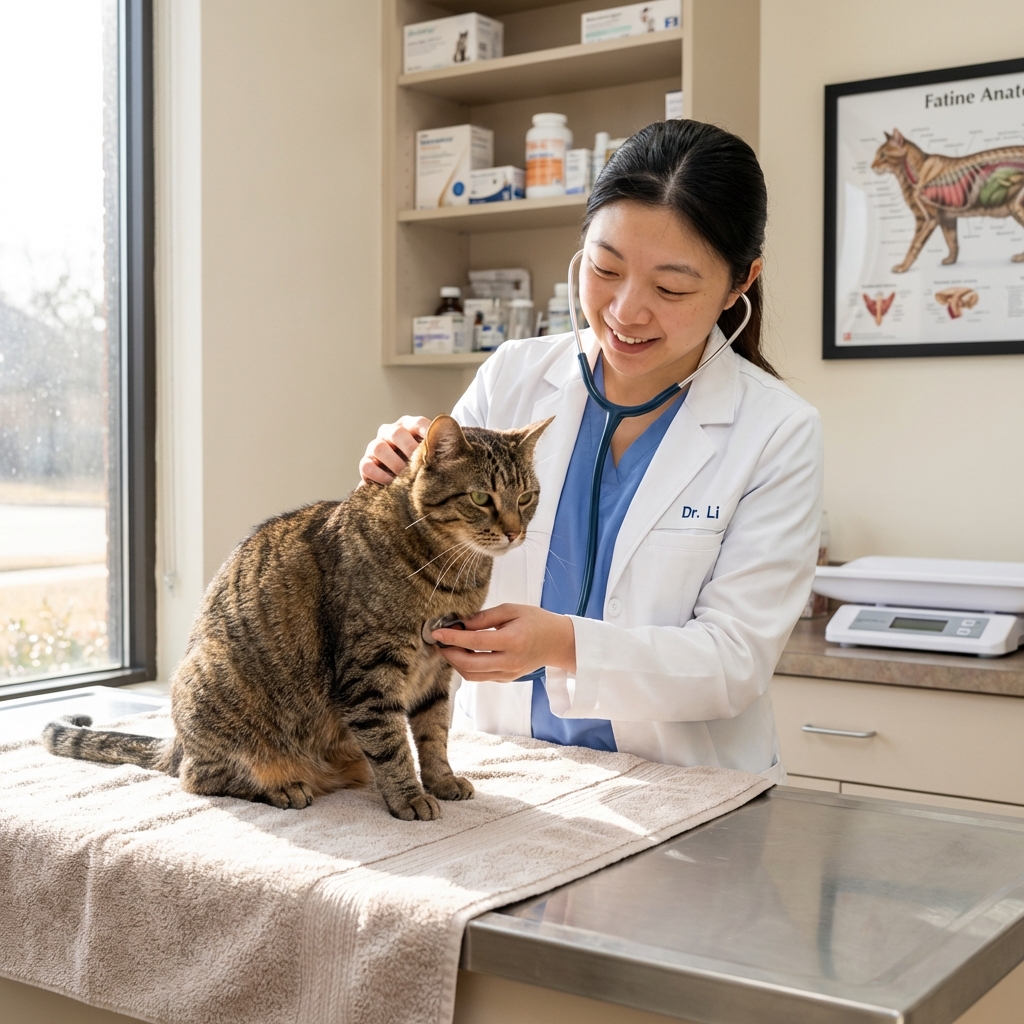
A practical, vet-assistant guide to common feline cancer warning signs—weight loss, appetite changes, lumps, mouth issues, GI or breathing changes—plus s...
Article
•
Designer Mixes
Subtle Signs Your Cat May Have Cancer

Shari Shidate
Designer Mixes contributor
As a veterinary assistant here in Frisco, Texas, I want to start with something important: cancer in cats is not “fun.” But the signs can be surprisingly subtle, and some look like harmless quirks of aging or personality. This guide is here to help cat lovers of all ages spot possible red flags early, so you can get answers and help your cat feel better faster.
Quick note: Many of these signs can also be caused by treatable problems like dental disease, infection, thyroid issues, arthritis, or stress. The goal is not to panic. The goal is to notice patterns and call your veterinarian.
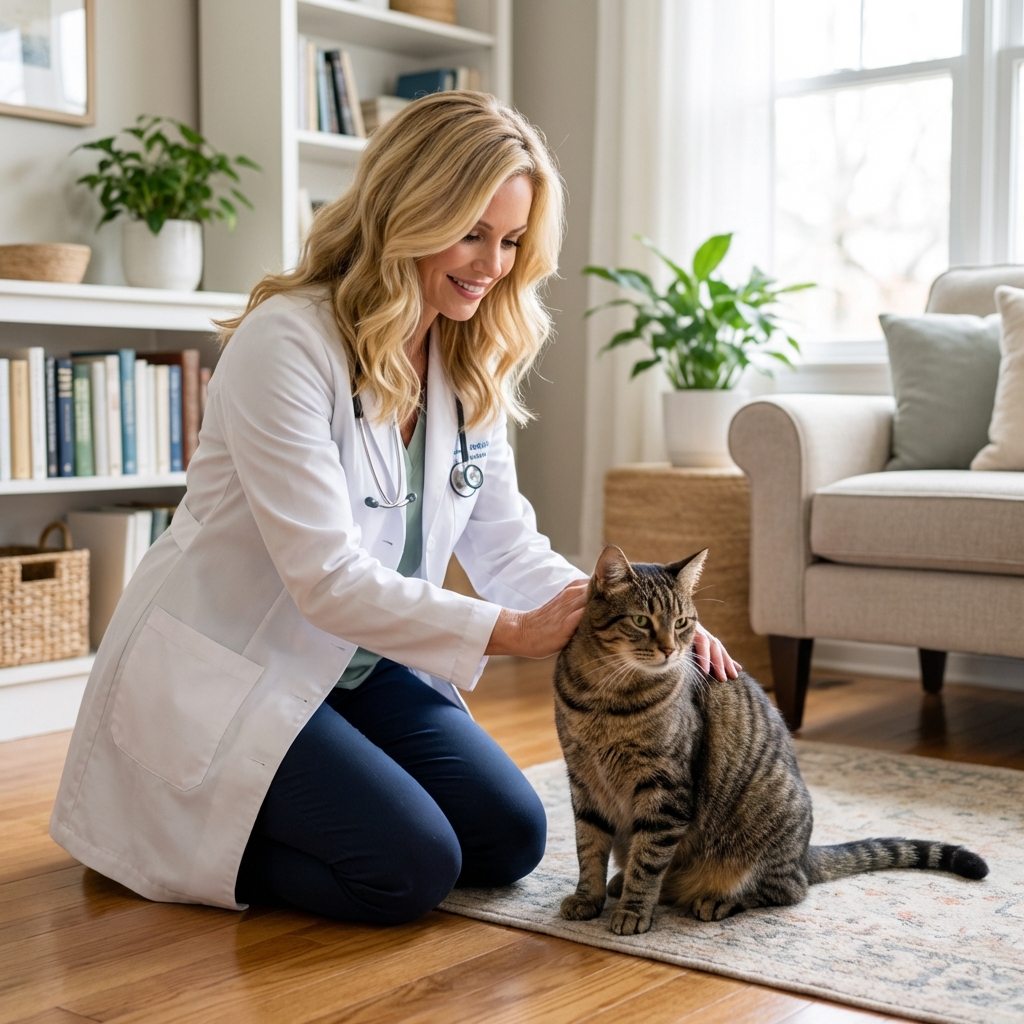
First, what is cancer in cats?
Cancer happens when some cells in the body start growing out of control. Those cells can form a lump (a tumor) or spread through the blood or lymph system. Cats can develop cancer in many places, including the skin, mouth, digestive tract, lymph nodes, bones, and organs like the lungs.
Some cancers grow slowly. Others move fast. That is why noticing changes early, even small ones, matters.
Subtle changes that can be warning signs
Think of these as “odd new habits” or “everyday changes” that deserve a closer look, especially when they last more than a week or two.
In clinic, one of the most common surprises we hear is: “I thought they were just getting older.” Cats are very good at hiding pain and illness, so small changes are worth taking seriously.
1) The “new picky eater”
Your cat suddenly turns their nose up at food they used to love, eats less, or walks away after a few bites. Cats are famously selective, but a new change in appetite can signal pain, nausea, dental disease, or sometimes cancer.
2) The “I only lick the gravy” routine
Some cats start eating only soft parts of food or prefer wet food only. This can happen with oral pain (like severe dental disease or mouth tumors) or nausea from gastrointestinal illness.
3) The “slow fade” weight loss
Unexplained weight loss is one of the biggest red flags. A cat may look normal day to day, but over weeks you notice their spine, hips, or shoulder blades more.
- Tip: Weigh your cat monthly if possible. Even small drops can be meaningful.
4) The “hiding champion”
If your social cat starts living under the bed or in the closet, they may be feeling pain, weakness, or stress. Cats are experts at masking illness, so hiding can be their quiet way of saying “I do not feel right.”
5) The “grumpy shift”
A cat that suddenly swats, growls, bites, or avoids being touched may be reacting to discomfort. Pain can come from many sources, including arthritis, dental disease, or a growing mass. If this shows up along with hiding (see #4) or appetite changes (see #1), it is especially worth a call.
6) The “messy groomer” or “over-groomer”
Cats who stop grooming may be sick or painful. Cats who obsessively lick one spot may be reacting to skin irritation, allergies, stress, or sometimes a problem under the skin that needs to be checked.
7) The “hairball… or something else?”
Occasional hairballs can be normal. But frequent vomiting, vomiting without producing a hairball, or vomiting plus weight loss can point to stomach or intestinal disease that needs veterinary attention. Causes range from dietary intolerance, pancreatitis, kidney disease, and hyperthyroidism to inflammatory bowel disease and cancers like lymphoma.
8) The “new loud purr”
Purring is not always happiness. Cats also purr when they are stressed, in pain, or trying to self-soothe. A cat that purrs constantly while acting withdrawn, tense, or unwell should be checked.
9) The “litter box switch-up”
Changes like constipation, diarrhea, straining, accidents, or going more often can be caused by infections, inflammatory bowel disease, kidney disease, stress, or cancer affecting the GI tract or urinary system.
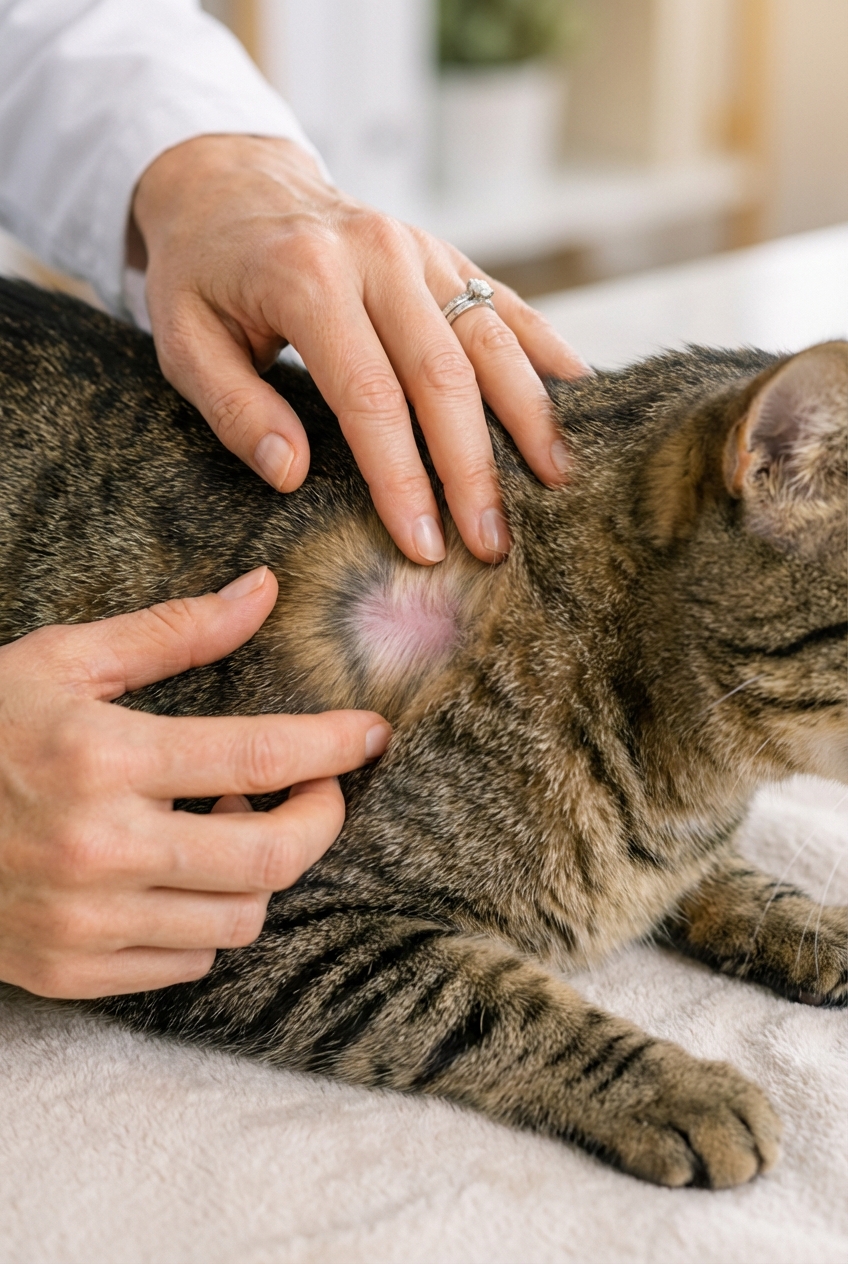
10) The “mystery lump”
Any new lump, bump, or swelling needs attention. Not every lump is cancer. Cats can get cysts, inflammation, abscesses, enlarged lymph nodes, or other benign growths. The safest rule is simple: if a lump is new, growing, painful, or not going away, schedule an exam. Your veterinarian may recommend sampling it (often with a fine needle aspirate) to find out what it is.
One extra cat-specific note: a rare type of tumor can form at an injection site. You do not need to be afraid of vaccines. Just keep an eye on any new swelling where an injection was given and ask your vet if it persists or grows.
11) The “stinky breath that came out of nowhere”
Bad breath is often dental disease, but strong, unusual odor plus drooling, dropping food, bleeding, or pawing at the mouth can be associated with oral tumors in cats. A quick mouth check at the vet can make a big difference.
12) The “wheezy napper”
Breathing changes can be serious. Coughing, open-mouth breathing, increased effort, or breathing faster at rest can happen with asthma, heart disease, infection, or cancers involving the chest.
13) The “sore that will not heal”
A scab, ulcer, or patch of skin that does not heal, keeps bleeding, or keeps coming back should be examined. The same goes for a mouth sore or a spot on the lip or tongue that does not look right.
14) The “swollen glands”
Some cancers (like lymphoma) can cause enlarged lymph nodes. You might notice firm lumps under the jaw, in front of the shoulders, or behind the knees. These are not always obvious, but if you feel new symmetrical lumps in those areas, call your veterinarian.
15) The “mysterious limp”
A limp that does not improve, pain when jumping, or swelling on a limb can be arthritis or an injury, but persistent lameness can also be linked to bone or soft tissue disease, including cancer. It is worth checking, especially if it is getting worse.
16) The “odd bleeding or discharge”
Unexplained bleeding (from the nose or mouth), persistent drooling with blood, or unusual discharge should be evaluated. Sometimes it is infection or dental disease, and sometimes it is more serious.
Signs that need urgent care
Please seek veterinary help right away if you notice any of the following:
- Open-mouth breathing, severe breathing effort, or blue or pale gums
- Collapse, extreme weakness, or inability to stand
- Continuous vomiting, vomiting blood, or black tarry stool
- Not eating for a day, or sooner if your cat is acting ill (cats can develop serious complications when they stop eating)
- Straining to urinate, crying in the litter box, or producing little to no urine
- Sudden severe pain or a rapidly growing swelling
Kid-friendly guide: what to notice
If you are a kid or teen reading this, you can genuinely help your cat by being a great observer. Here are simple things to watch for:
- Eating: Is your cat eating less than usual?
- Playing: Are they less playful or sleeping much more?
- Bathroom habits: Are they using the litter box normally?
- Touch: Do they flinch when you pet a certain spot?
- Look: Any new bump, sore, or swelling?
Best next step: Tell an adult what you notice. If possible, write down the day you first saw it and whether it is getting better or worse. That timeline is very helpful for your veterinarian.
How veterinarians check for cancer
At the clinic, your veterinarian may recommend a few tests depending on your cat’s signs:
- Physical exam: Weight, body condition, lymph nodes, mouth, skin, abdomen
- Bloodwork and urinalysis: Checks organ function and other causes of symptoms
- X-rays or ultrasound: Looks for masses, fluid, and organ changes
- Fine needle aspirate (FNA): Uses a small needle to sample a lump or lymph node
- Biopsy: A small tissue sample to confirm the exact diagnosis
Getting a clear diagnosis helps you make the best plan, whether that is surgery, medication, chemotherapy, radiation, or comfort-focused care.
What happens next if cancer is found?
After a diagnosis, your veterinarian may talk with you about:
- Staging: Checking whether the cancer appears localized or has spread (often with imaging and sometimes additional sampling)
- Referral: A veterinary oncologist can offer more specialized options, and many cats tolerate treatment better than people expect
- Quality of life: A realistic plan that matches your cat’s personality, comfort, and your family’s goals
There is not one “right” path. The right plan is the one that keeps your cat comfortable and supported.
What you can do at home right now
Track changes like a pro
- Take a weekly photo if you notice weight loss or a new swelling.
- Write down appetite, vomiting, stool changes, and energy level.
- If you find a lump, note its location and whether it changes size.
Make the vet visit easier
- Bring a list of symptoms and when they started.
- Bring the food and treat brand names.
- Take short videos of coughing, gagging, or odd behavior.
Keep comfort in mind
Until you have answers, focus on basics: fresh water, easy access to the litter box, warm resting spots, and a calm routine. If your cat is not eating, do not force foods or supplements without guidance. Call your veterinary team.
Common myths
Myth: “If my cat had cancer, I would know.”
Cats hide illness incredibly well. Subtle signs are common early on.
Myth: “A lump always means cancer.”
Many lumps are not cancer, including cysts, inflammation, abscesses, and other benign growths. The only way to know is to have your vet examine it and, when appropriate, test it.
Myth: “Cancer has no treatment options.”
There are often options, including surgery for localized tumors, chemotherapy for some cancers like lymphoma, and palliative care to keep cats comfortable. Your vet can tailor a plan to your cat’s age, personality, and overall health.
The bottom line
If something about your cat feels “off,” trust that instinct. The earlier you get a new symptom checked, the more choices you usually have. You do not need to diagnose cancer at home. You just need to notice changes and get your veterinary team involved.
If you want a simple rule to remember: new + persistent + getting worse is a good reason to schedule an exam.