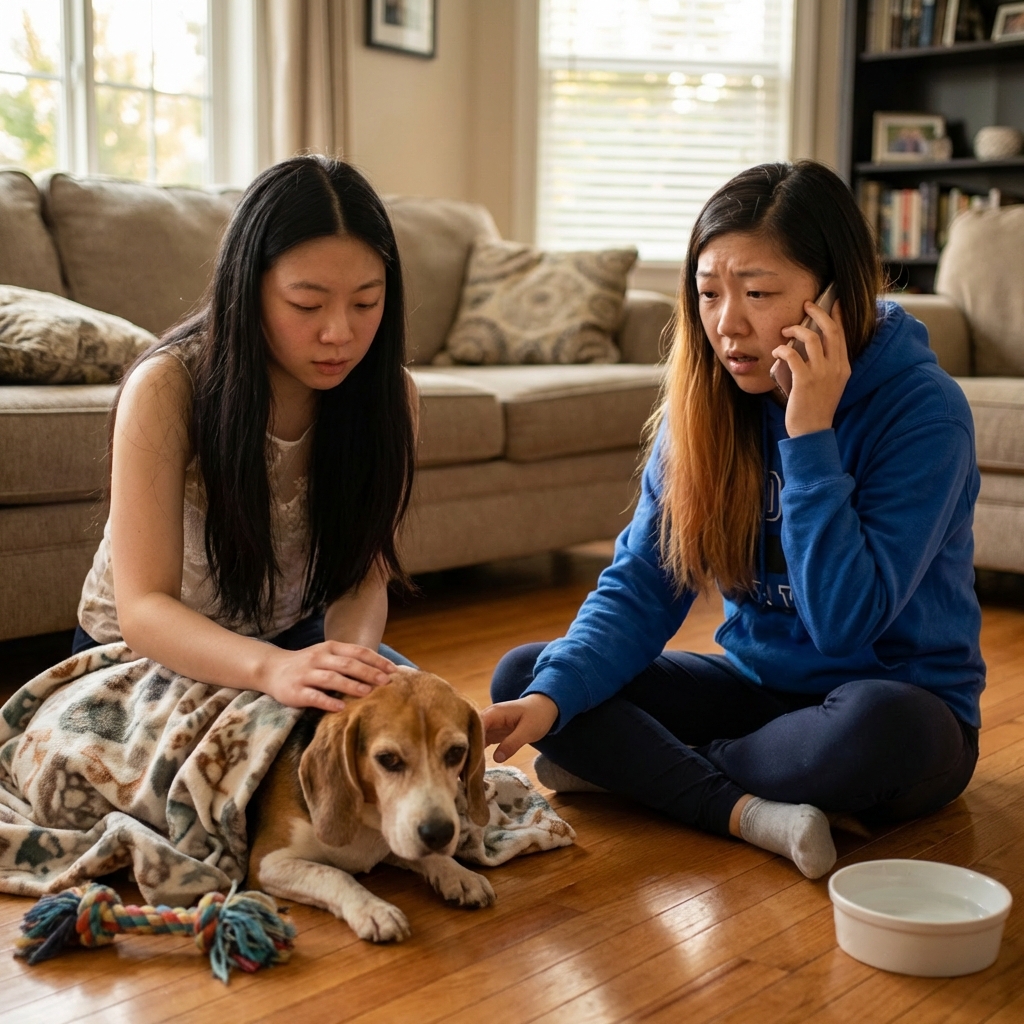
A calm, family-friendly guide to stroke-like symptoms in dogs: warning signs, what to do right away, what to avoid, safe transport tips, and how to help kids...
Article
•
Designer Mixes
Stroke Symptoms in Dogs

Shari Shidate
Designer Mixes contributor
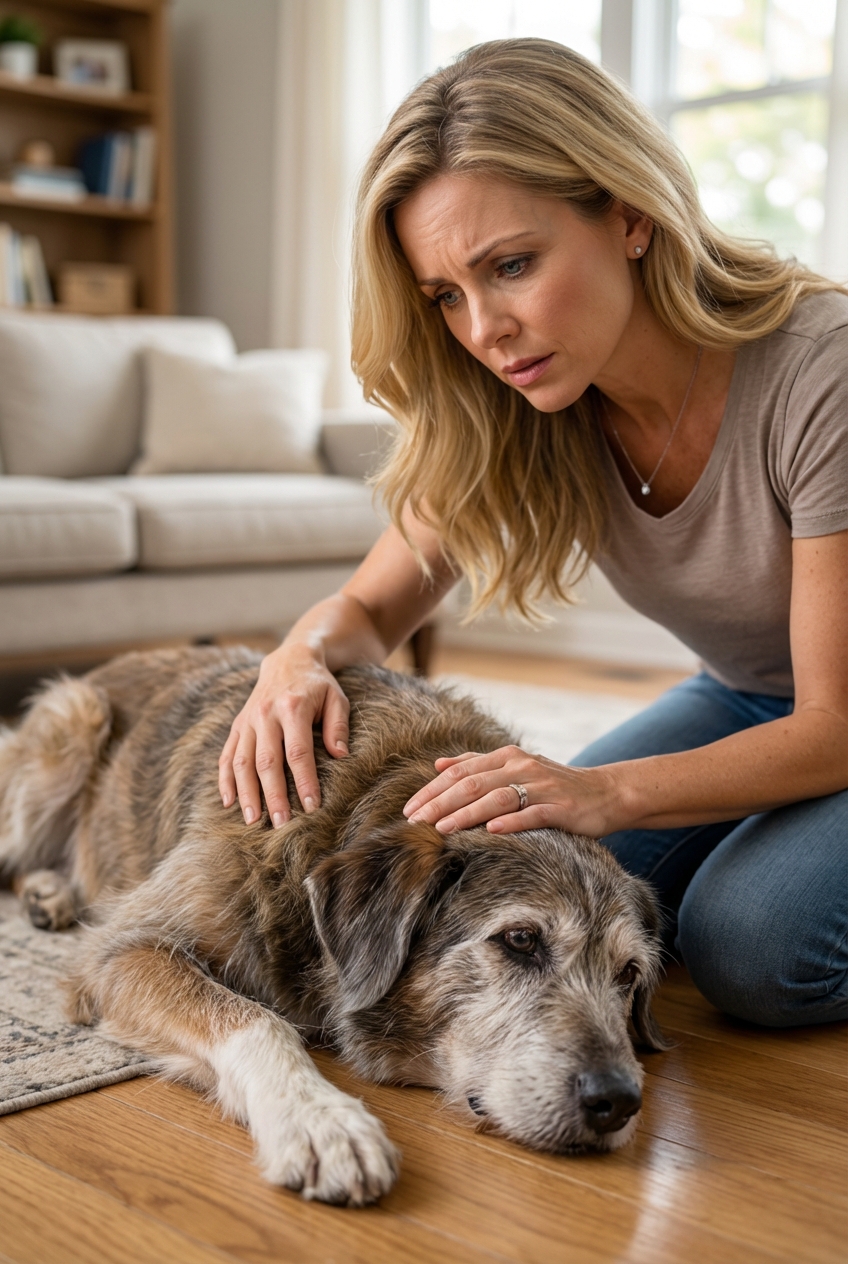
Seeing your dog suddenly lose balance, tilt their head, or seem confused is truly scary. As a veterinary assistant, I can tell you this: when it comes to sudden neurologic symptoms, fast action matters. The tricky part is that several conditions can look like a stroke, especially vestibular disease, seizures, toxin exposure, and severe ear infections.
This guide will help you recognize the essential symptoms of a stroke in dogs, what to do right away, and what your vet may do next.
What a stroke means in a dog
A stroke happens when part of the brain suddenly loses normal blood flow or bleeds, which injures brain tissue. In dogs, strokes are generally described as:
- Ischemic stroke: a blockage interrupts blood flow.
- Hemorrhagic stroke: bleeding occurs in or around the brain.
Strokes are considered less common in dogs than in people, but they do occur, especially in dogs with certain underlying health conditions.
Essential symptoms
Most stroke signs show up suddenly, often within minutes to hours. You may notice one symptom or several at the same time.
1) Sudden loss of balance
- Stumbling, falling, or seeming “drunk”
- Unable to stand or walking in circles
- Weakness on one side of the body
2) Head tilt and odd eye movements
- Head tilting to one side
- Nystagmus: rapid eye flicking side-to-side or up-and-down
- Appearing dizzy or nauseated
3) Facial droop
- One side of the face looks slack
- Lip or eyelid droop
- Drooling more than usual
4) Sudden behavior changes
- Confusion, staring, or not responding normally
- Disorientation in familiar spaces
- Sudden anxiety, restlessness, or unusual quietness
5) Vision changes
- Sudden blindness in one or both eyes
- Bumping into doorways or furniture
- Startle response changes
6) Seizure-like activity (sometimes)
- Full-body seizure
- Facial twitching or unusual repetitive movements
7) Vomiting or not eating
Some dogs vomit due to severe dizziness. Others are too nauseated or confused to eat.
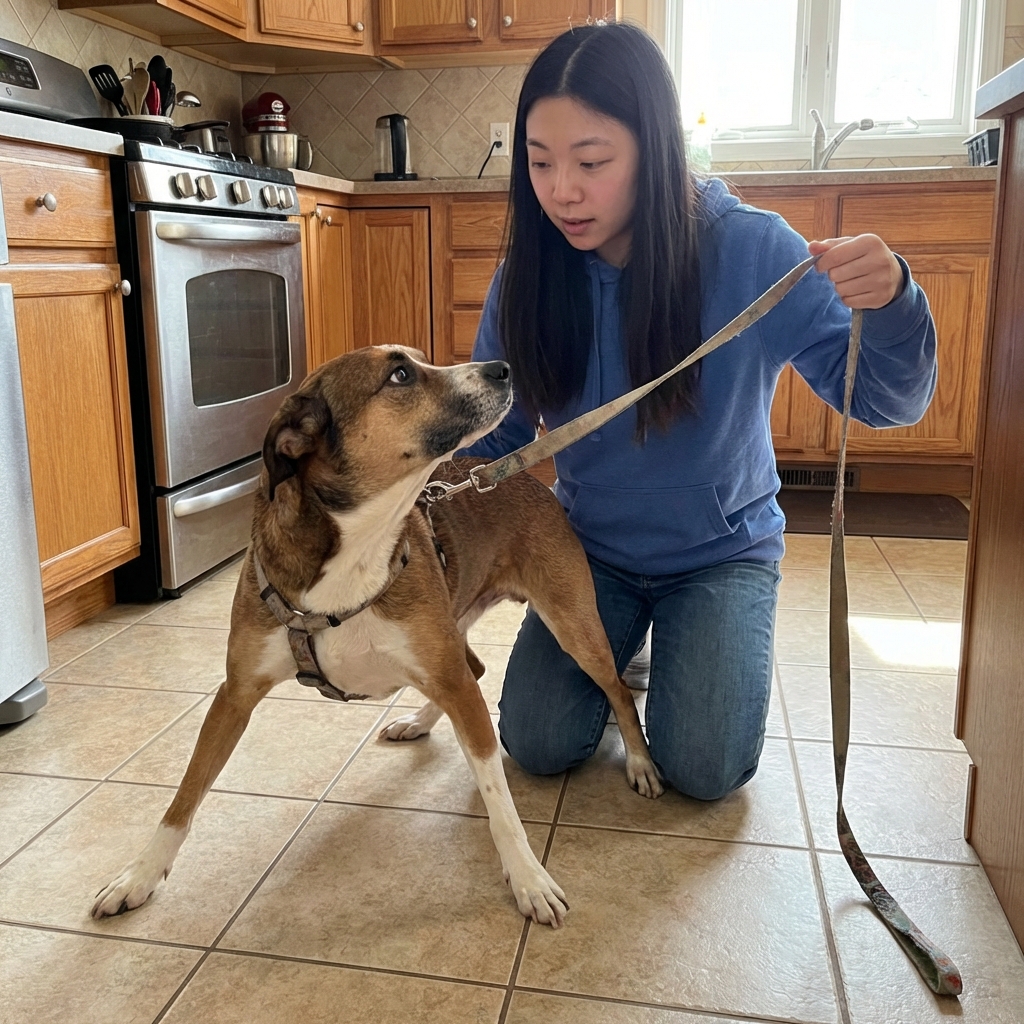
If your dog’s symptoms are sudden, dramatic, or worsening over minutes or hours, treat it as an emergency.
Stroke or look-alike?
Even experienced pet parents cannot reliably tell a stroke from other urgent problems at home. Here are a few conditions that can look very similar:
- Vestibular disease: sudden head tilt, nystagmus, falling, nausea. Idiopathic (sometimes called “old dog vestibular”) can improve over a few days, but central causes (including stroke) need urgent evaluation.
- Ear infection: head tilt and balance issues, often with ear odor, redness, or pain.
- Seizure disorder: disorientation after a seizure (post-ictal period) can mimic stroke-like confusion.
- Toxins: tremors, weakness, wobbliness, vomiting, and abnormal behavior can occur after ingesting toxins.
- Low blood sugar: especially in toy breeds, puppies, or diabetic pets. Weakness and confusion can come on fast.
The key takeaway is simple: the symptoms overlap, but the response is the same. Get veterinary care quickly.
What to do right away
Step 1: Call a vet
Tell them your dog has sudden neurologic signs (for example: head tilt, cannot stand, abnormal eye movements, facial droop). Ask if you should come in right away. Many clinics will recommend immediate evaluation for sudden neurologic symptoms.
Step 2: Keep them safe
- Move furniture, block stairs, and prevent jumping.
- Use a towel as a sling under the belly for support if needed.
- Keep lights low and noise minimal if they seem dizzy or nauseated.
Step 3: Skip human meds
Do not give aspirin, ibuprofen, or any blood thinner unless a veterinarian specifically instructs you to. If the issue is bleeding, toxin-related, or not a stroke at all, the wrong medication can make things worse.
Step 4: Do not force food or water
If your dog is actively vomiting, very uncoordinated, or out of it, do not try to syringe water, give treats, or force oral medications. Aspiration is a real risk. Your vet can advise what is safe once your dog is assessed.
Step 5: Take a short video
A 10–30 second video of your dog walking, their eye movement, or the head tilt can be incredibly helpful for your vet, especially if symptoms change during transport.
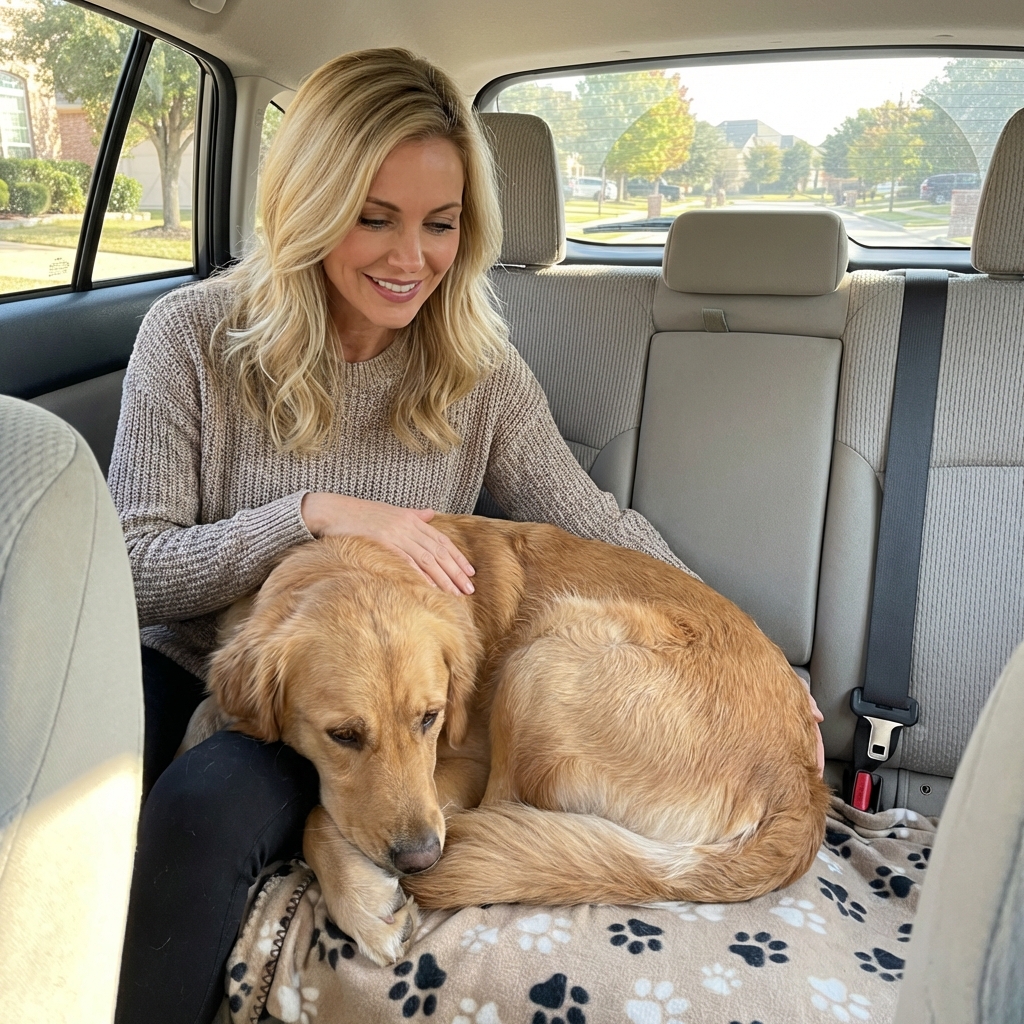
Step 6: Transport carefully
- Use a blanket or firm bed as a stretcher for large dogs.
- Keep the head and body supported and avoid sudden movements.
- If vomiting occurs, keep your dog on their chest (sternum) if possible, and avoid leaving them on their back so the airway stays clear.
One practical tip I see people forget: bring a list of medications (or photos of the labels) and tell the team exactly when the symptoms started. That timeline matters.
Go to ER now
Go to an emergency vet immediately if you notice any of the following:
- Collapse or inability to stand
- Continuous seizures or repeated seizures
- Severe disorientation or unresponsiveness
- Sudden blindness
- Difficulty breathing
- Symptoms that are rapidly worsening
What your vet may do
Your veterinarian will focus on stabilizing your dog and figuring out the cause, because treatment depends on what is truly happening in the brain and body.
Common diagnostics
- Physical and neurologic exam: to localize which part of the nervous system is affected.
- Bloodwork and urinalysis: to check for infection, kidney issues, diabetes, metabolic problems, clotting abnormalities, and more.
- Blood pressure: high blood pressure can contribute to brain events and can change the treatment plan.
- Advanced imaging (MRI or CT): often needed to confirm a stroke and to differentiate it from a brain tumor, inflammation, or bleeding.
- Additional tests: depending on history, this may include tick-borne disease testing, thyroid testing, clotting tests, or endocrine testing (such as for Cushing’s disease).
Supportive and targeted care
- Fluids if dehydrated or unstable (not appropriate for every case)
- Anti-nausea medications for dizziness-related vomiting
- Pain control if needed
- Careful monitoring of temperature, blood pressure, and neurologic status
- Hospitalization if symptoms are severe
- Treatment of underlying causes when found (for example: managing hypertension, addressing endocrine disease, treating infection, or correcting clotting problems)
There is no one-size-fits-all “stroke medicine” for dogs. Treatment is typically supportive and cause-directed, and the plan depends on what your vet finds.
Recovery and prognosis
Many dogs improve significantly over days to weeks, especially with supportive care and a safe home setup. Outcomes vary based on the stroke type, severity, and whether an underlying cause is found and controlled. Follow-up matters, even if your dog seems “back to normal.”
Home care tips
- Limit activity: short leash potty breaks only until your vet clears more movement.
- Prevent falls: block stairs, add rugs for traction, and consider a harness for support.
- Help with nausea: feed small, bland meals if your veterinarian recommends it.
- Give medications exactly as prescribed: consistent dosing matters.
- Track symptoms: note appetite, mobility, head tilt, eye movements, and bathroom habits.
Questions to ask
- What conditions might have triggered this event?
- Should we check blood pressure regularly?
- Do we need follow-up bloodwork or imaging?
- When is it safe to return to normal walks and play?
- Would rehab or physical therapy help?
Lowering risk
You cannot prevent every stroke, but you can lower risk by addressing common contributors and catching silent problems early. Your vet may talk to you about risk factors such as hypertension, kidney disease, heart disease, Cushing’s disease, diabetes, cancer, clotting disorders, and other inflammatory or endocrine conditions. Some strokes still happen without a clear cause.
- Keep chronic conditions controlled: diabetes, kidney disease, Cushing’s disease, and heart disease can all influence stroke risk.
- Monitor blood pressure: especially in senior dogs and dogs with kidney or endocrine issues.
- Maintain a healthy weight: obesity strains the whole body, including circulation.
- Stay current on vet visits: early detection makes a real difference.
- Use parasite prevention: some infections can contribute to systemic illness.
Quick checklist
If your dog suddenly shows any of the following, call your vet or emergency hospital:
- Head tilt, rapid eye movements, severe dizziness
- Stumbling, falling, circling, cannot stand
- Facial droop, sudden weakness on one side
- Confusion, staring, unusual behavior changes
- Sudden vision loss or bumping into objects
- Seizure activity
You know your dog best. If something feels off and it came on quickly, trust that instinct and get help.
One last note
Neurologic symptoms are not something to wait out overnight. The kindest thing you can do is respond quickly, keep your dog safe, and get a professional exam. Even when it is not a stroke, it is often something that needs treatment just as urgently.