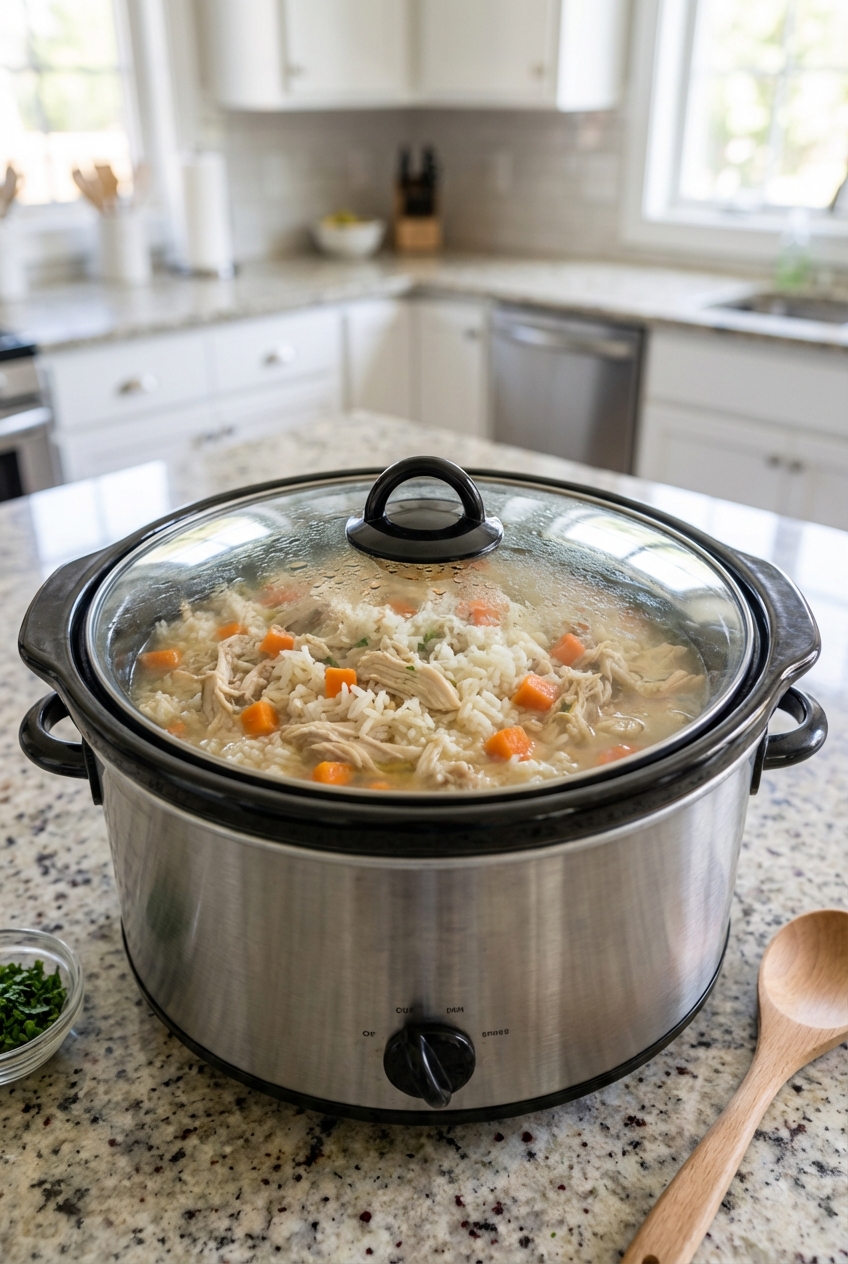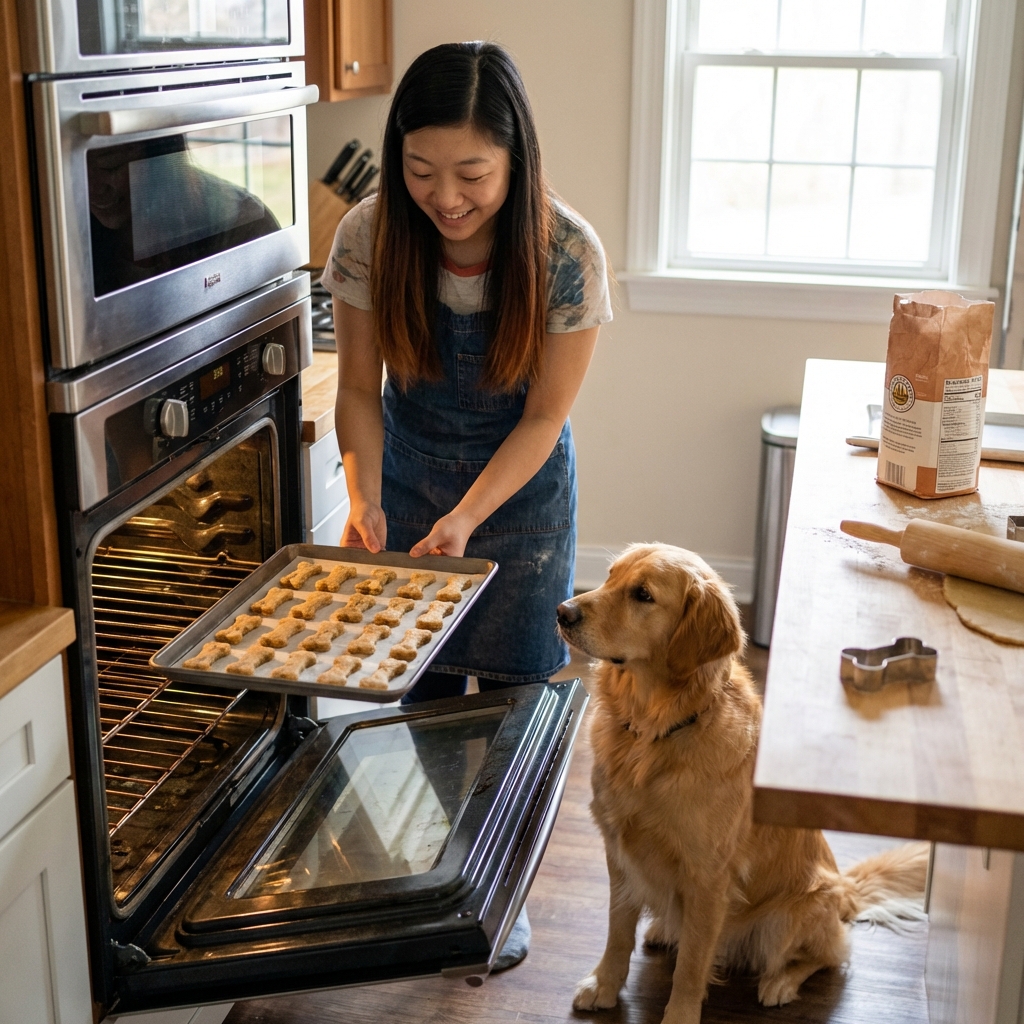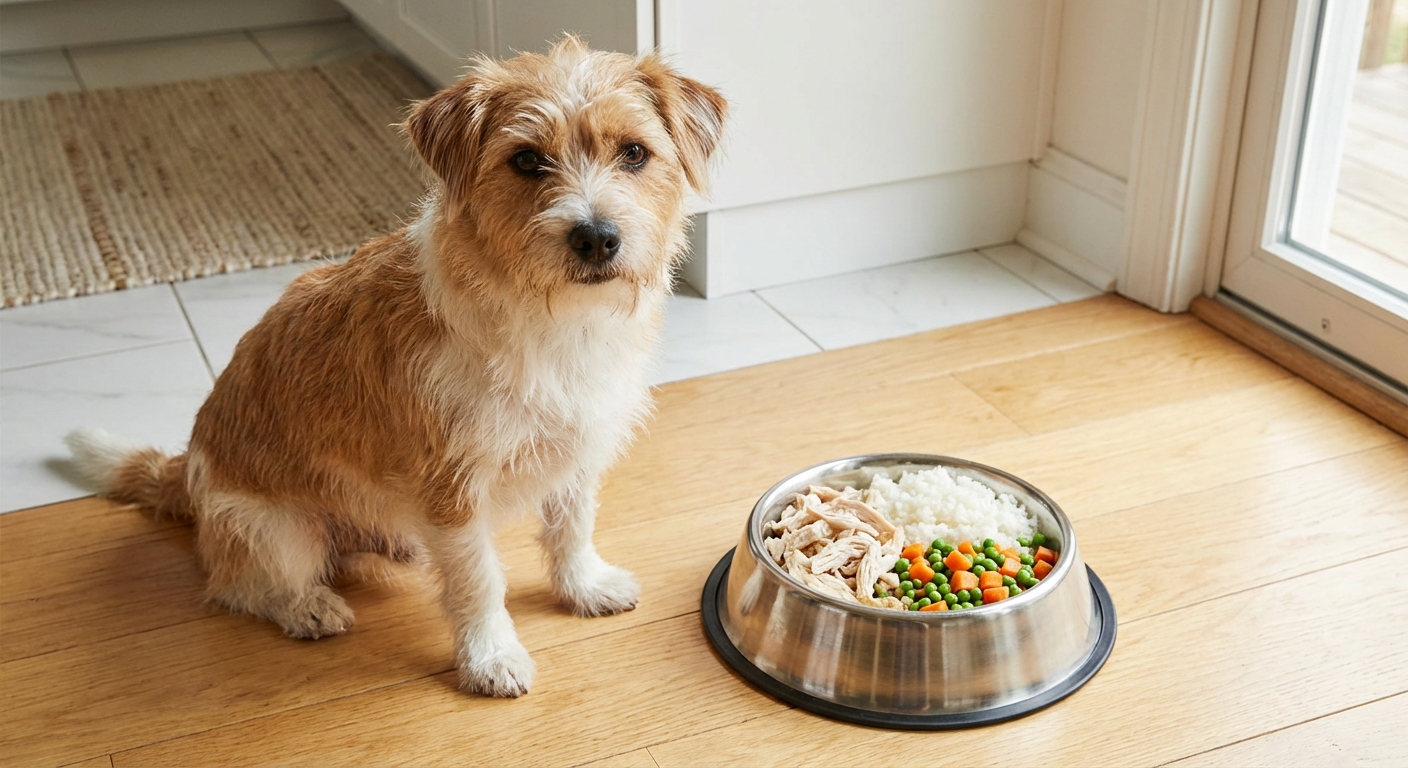
Start homemade dog food safely with this vet-informed starter plan. Learn what “vet approved” means, choose a balancer, follow a 14-day transition, and u...
Article
•
Designer Mixes
Stop Your Dog From Jumping On You

Shari Shidate
Designer Mixes contributor
Jumping is one of the most common dog behavior complaints I hear, and I get it. It can be annoying, it can hurt, and it can be scary for kids or guests. The good news is that jumping is usually not “bad behavior.” It is often an overexcited greeting, attention-seeking, or a dog who has never been taught a different way to say hello.
As a veterinary assistant in Frisco, Texas, I also want to point out a safety note: if your dog is jumping suddenly or seems unusually restless, talk to your vet. Pain and discomfort can absolutely affect behavior. Cognitive changes in older dogs and anxiety can, too. Thyroid disease is less commonly a cause of hyperactivity in dogs (dogs more often have hypothyroidism, which typically shows up as low energy), but your vet can help rule out medical contributors based on your dog’s full picture.
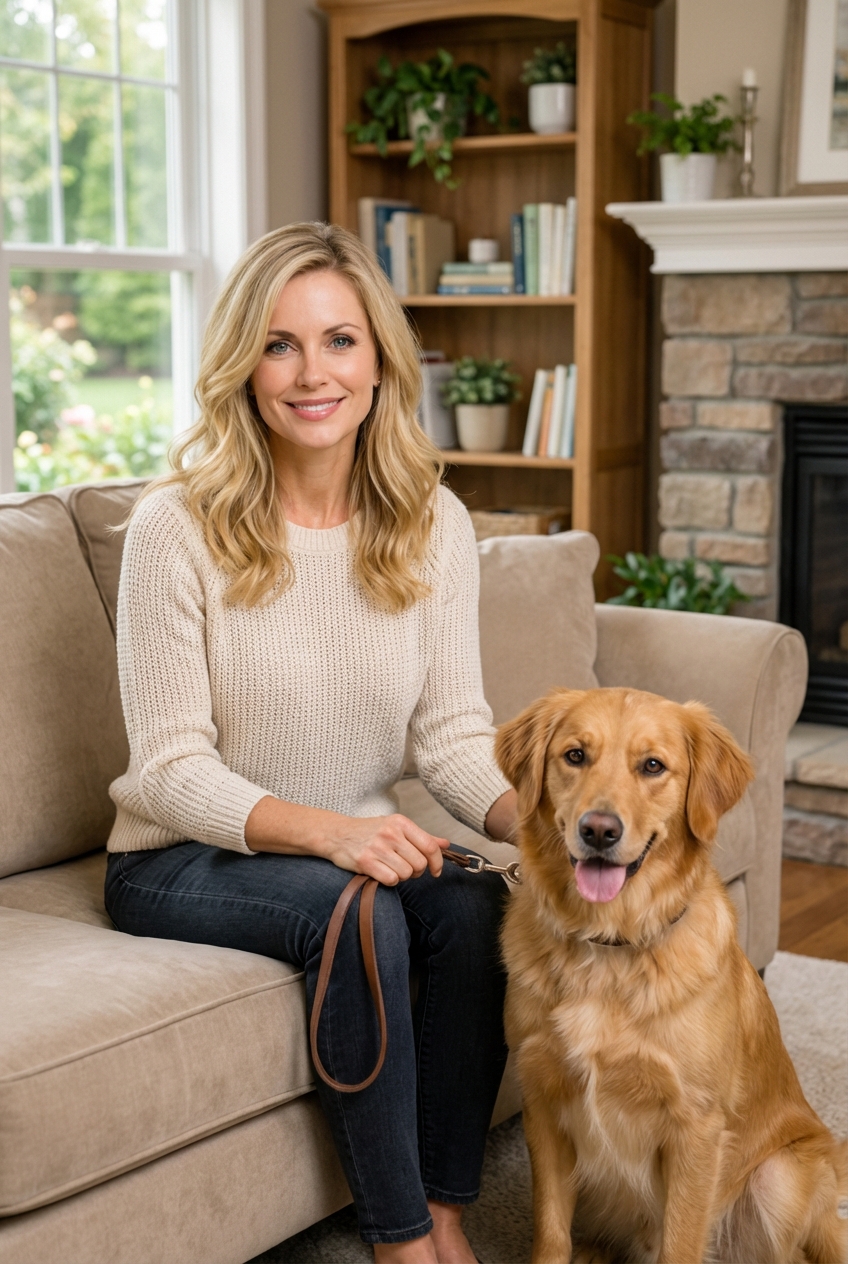
Why dogs jump
Understanding the “why” helps you choose the right solution. Most jumping is powered by reinforcement. If jumping makes good things happen, the dog will keep doing it.
- It works. Many dogs get eye contact, talking, touch, or even pushing. To a dog, that can still be rewarding.
- They’re greeting like puppies do. Puppies lick adult dogs’ mouths when greeting. Jumping gets them closer to your face.
- They are overstimulated. Excitement plus movement plus squealing kids can push a dog over their self-control limit.
- They are anxious. Some dogs jump when worried or when guests arrive because they do not know what else to do.
- They need an outlet. Under-exercised and under-enriched dogs have extra energy and fewer coping skills.
Your plan will work best when you combine management (prevent rehearsal of jumping) and training (teach a replacement behavior that earns attention).
The rule: no reward for jumping
If you only remember one thing, make it this: jumping must stop paying off. That means no petting, no talking, no eye contact, and no laughing when paws come up.
Even “No, stop!” can be rewarding because it is attention. And pushing your dog off can feel like play to many dogs.
What to do instead
- Become boring. Stand still, arms folded, look slightly up and away.
- Safety first for big jumpers. If turning away makes your dog launch at your back or you feel unsteady, step behind a baby gate, hold a leash, or use a barrier so everyone stays safe while you train.
- Wait for four paws on the floor. The moment paws hit the ground, quietly reward.
- Reward the behavior you want. Pet low on the chest, not up high where the dog has to reach.
Teach a replacement behavior
It is not enough to say “don’t jump.” Dogs learn faster when we show them what to do instead. Pick one greeting behavior and make it the new habit.
Option 1: Sit for hello
This is a classic because it is easy for most dogs and keeps paws grounded.
- Approach your dog calmly with a few treats ready.
- Ask for sit before you pet or greet.
- If your dog jumps, you instantly pause and go still.
- When they sit or stand with four paws down, you reward with a treat and calm petting.
Tip: If your dog cannot sit when excited, that is not stubbornness. It is just too much energy. Start practicing when things are quiet.
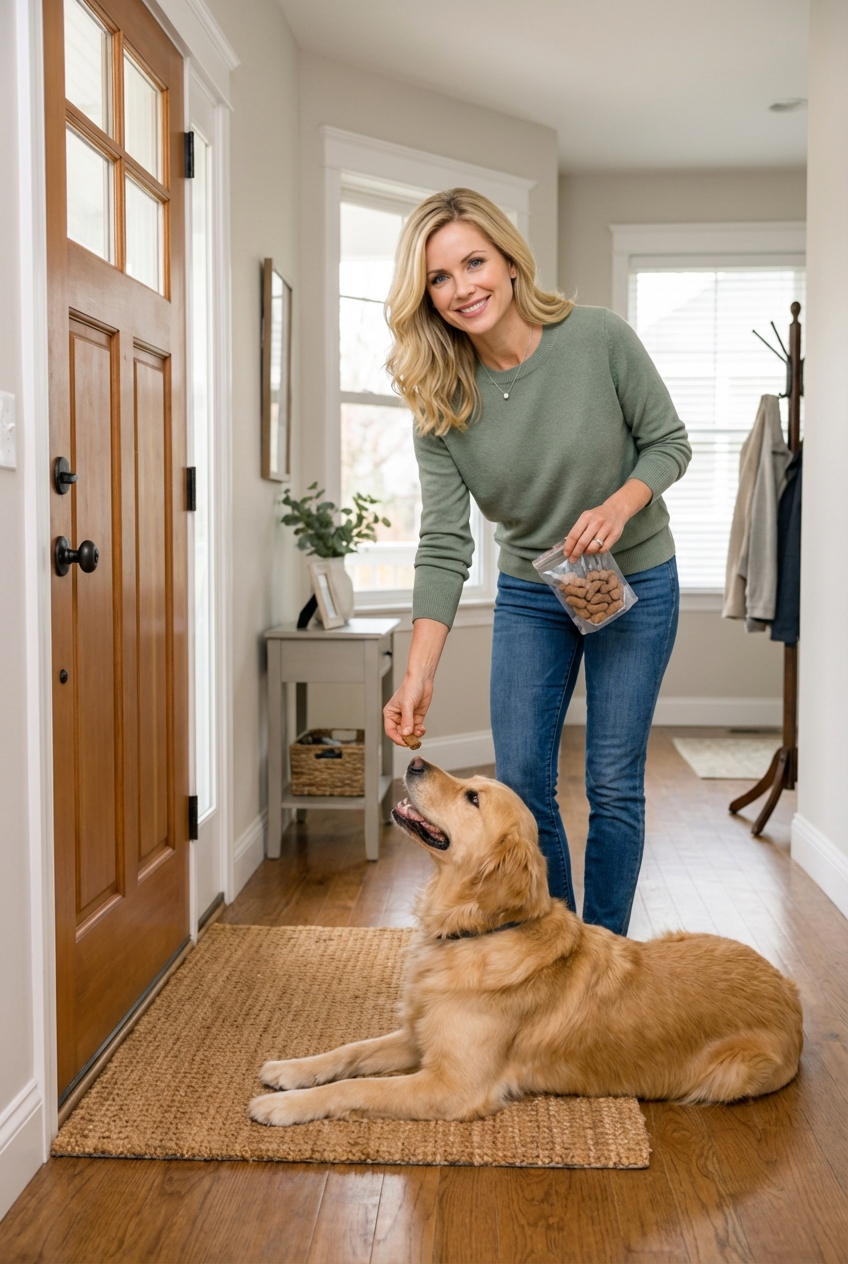
Option 2: Go to mat
“Place” or “go to mat” is wonderful for door greetings and visitors.
- Put a comfy mat a few feet from the door.
- Toss a treat on the mat, say “mat” or “place,” and let your dog step on it.
- Reward for staying on the mat for 1 to 2 seconds.
- Build duration slowly, then practice with you touching the doorknob, opening the door, and eventually greeting a person.
Option 3: Hand target
This is perfect for dogs who want interaction but get too bouncy.
- Hold your open palm near your dog’s nose.
- When they sniff or touch your hand, say “yes” and reward.
- Use “touch” as the greeting routine before petting.
In the moment
Here is a reliable script you can use today.
- Prepare. Keep rewards by the door or in a treat pouch (tiny treats are best). If your dog is on a restricted diet, use part of their meal kibble or ask your vet what is appropriate.
- Before greeting, cue the replacement. “Sit” or “Place.” If you can, reward before your dog starts to jump.
- Reward fast. Treat first, then calm petting. If your dog is not food-motivated, use what they love: a toy, a chance to sniff, or being allowed to greet.
- If jumping happens, remove attention. Turn your body slightly away and go quiet.
- Try again. The moment four paws are down, cue “sit” and reward.
This is learning in action: behaviors that are reinforced increase, and behaviors that stop working fade over time.
One important note: when you stop rewarding jumping, it may get worse briefly before it gets better. This is normal (often called an extinction burst). Stay consistent and keep it safe with gates and leashes.
Door greetings
The front door is where most jumping gets rehearsed, which makes it stronger. Management is your best friend here while you train.
Management tools
- Leash indoors. Clip the leash before guests arrive so you can prevent jumping practice.
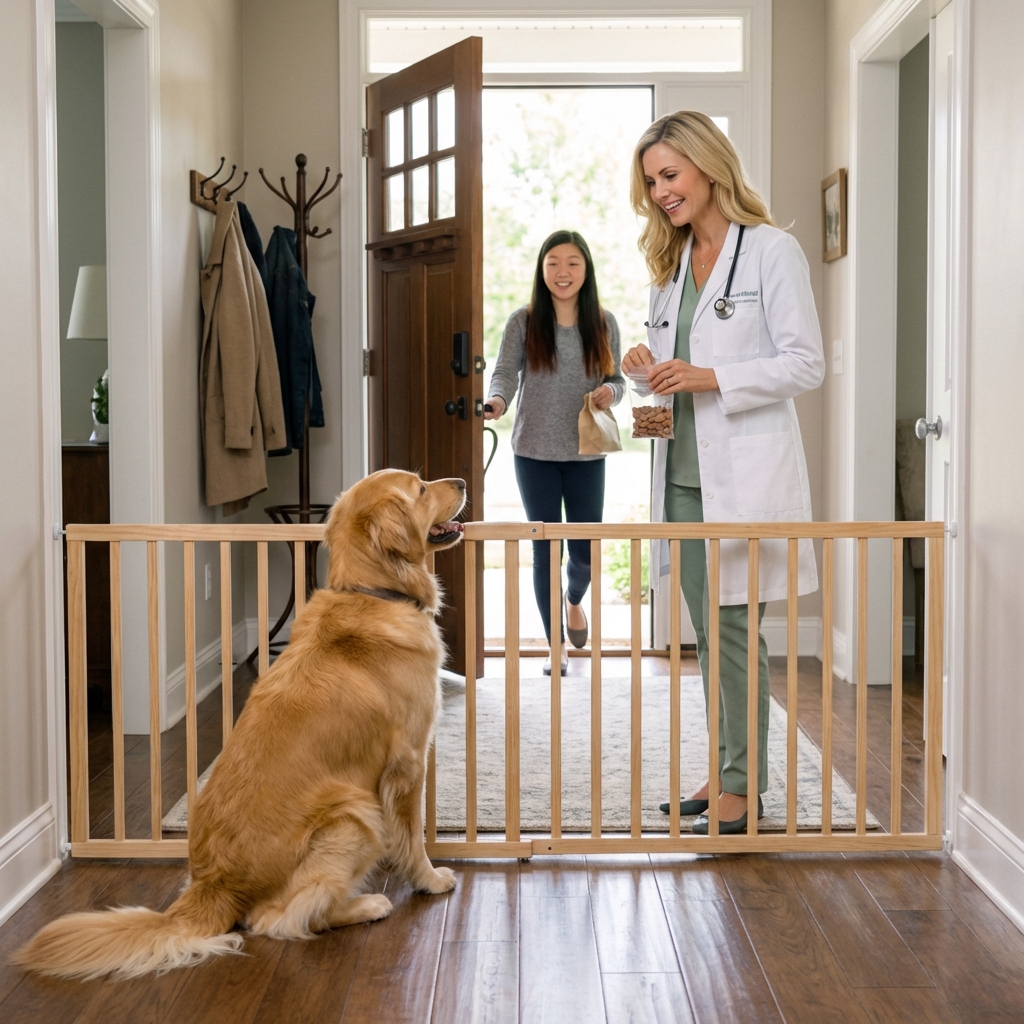
- Baby gate or exercise pen. Create a buffer zone so your dog cannot launch at guests.
- Crate or separate room. Not as punishment, but as a calm reset with a chew.
- Treat scatter. Toss 6 to 10 tiny treats on the floor as guests enter to keep the nose down and the brain busy.
Coach your guests and kids
Most people accidentally train jumping because they love dogs. Give them one simple instruction: “Please ignore her until she sits.” That means no talking, no reaching, and no eye contact until four paws are on the floor.
For kids, keep it extra simple: hands down, quiet voices, and if your dog gets too excited, have the child toss treats on the floor instead of petting right away.
Mistakes to avoid
- Inconsistent rules. If jumping is “cute” sometimes, your dog will keep trying.
- Pushing the dog away. Many dogs interpret this as attention or play.
- Petting too high. Hands over the head can invite upward movement. Pet low and calm.
- Asking for too much too fast. Expecting perfect behavior at the door before you have practiced in easy settings sets everyone up for frustration.
- Not meeting basic needs. A dog with pent-up energy will struggle with self-control.
- Using harsh corrections. Kneeing your dog, leash pops, prong collars, or shock tools can increase anxiety and excitement for many dogs and can create new behavior problems. I recommend sticking with humane, reward-based training.
Exercise and enrichment
Training is easiest when your dog’s body and brain are getting what they need. You do not have to run a marathon, but daily enrichment matters.
- Sniff walks. Let your dog sniff and explore. Sniffing lowers arousal for many dogs.
- Food puzzles and slow feeders. Turn meals into mental workouts.
- Short training bursts. Two to five minutes, a few times a day, beats one long session.
- Chews and licking. Vet-approved chews and licking mats can help many dogs settle.
Puppies and adult dogs
Puppies
Puppies jump because they are learning how to live in a human world. Be patient and focus on teaching the greeting you want. Start early, keep it positive, and reward frequently.
Adult dogs
Adult jumpers often have a long reinforcement history. Expect improvement in weeks, not days. Consistency from every family member is what changes the habit.
When to get help
Please reach out to your veterinarian or a credentialed positive-reinforcement trainer if:
- Your dog jumps with growling, snapping, or intense body tension.
- Your dog is knocking people down or you have safety concerns with kids or seniors.
- The jumping seems tied to separation anxiety, panic, or compulsive behavior.
- You have tried consistent training for a few weeks with no improvement.
A trainer can watch timing, reinforce the right skills, and customize a plan for your home setup.
7-day plan
If you like structure, here is a simple week to get momentum.
- Day 1: Choose your replacement behavior (sit or place). Put rewards by the door.
- Day 2: Practice greetings inside with family, no door involved. 10 reps.
- Day 3: Add excitement lightly: you step away, come back, cue sit, reward.
- Day 4: Practice with door sounds (knock, doorbell audio), cue place, reward.
- Day 5: Add leash or baby gate management for real door practice.
- Day 6: Invite one calm helper, coach them to ignore jumping and reward sit.
- Day 7: Repeat with a slightly more exciting helper or a longer greeting routine.
Keep sessions short and end on a win. Your dog should feel successful, not overwhelmed.
Bottom line: stop rewarding the jump, teach a clear alternative, and manage high-excitement moments until the new habit is strong.