Stop yard and fence-line digging without harsh corrections. Learn the real reasons dogs dig, plus management, a dig pit, redirect cues, enrichment, and a sim...
Article
•
Designer Mixes
Stop Your Dog From Digging

Shari Shidate
Designer Mixes contributor
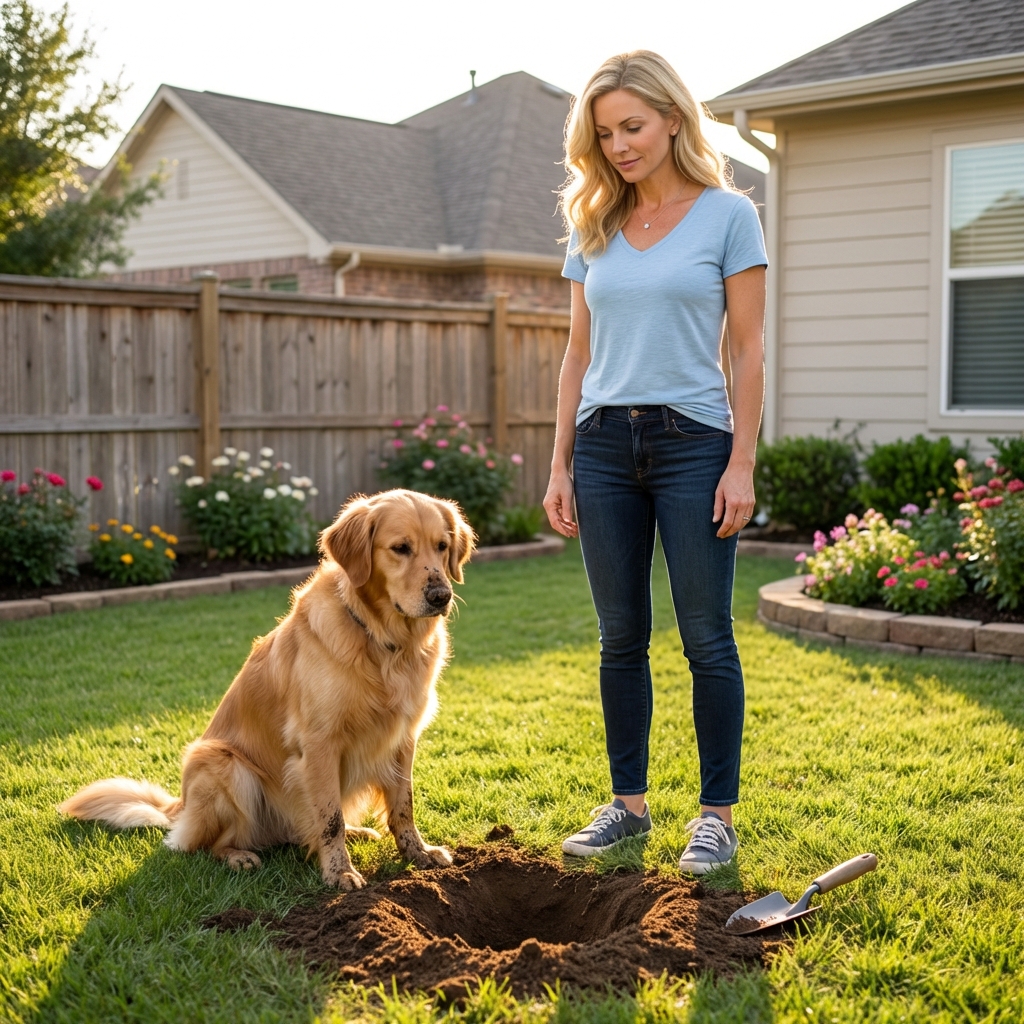
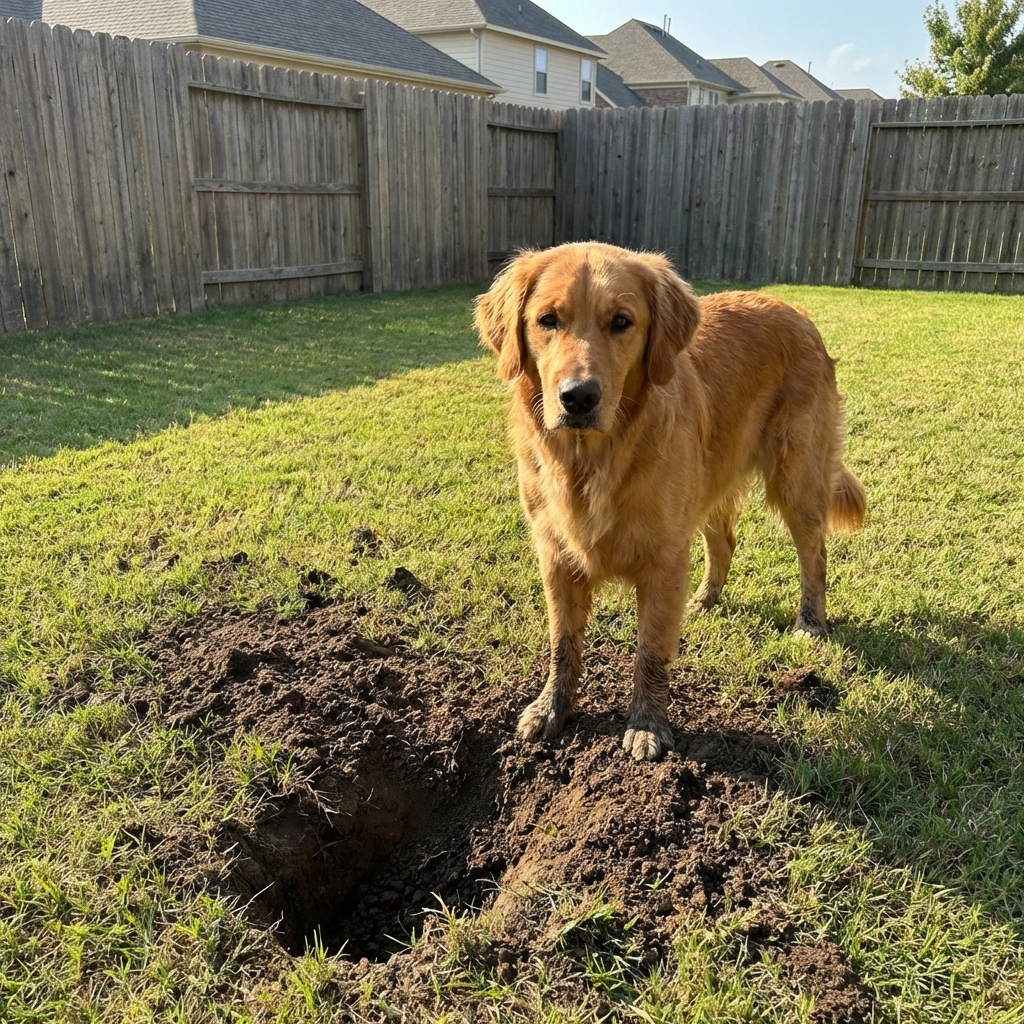
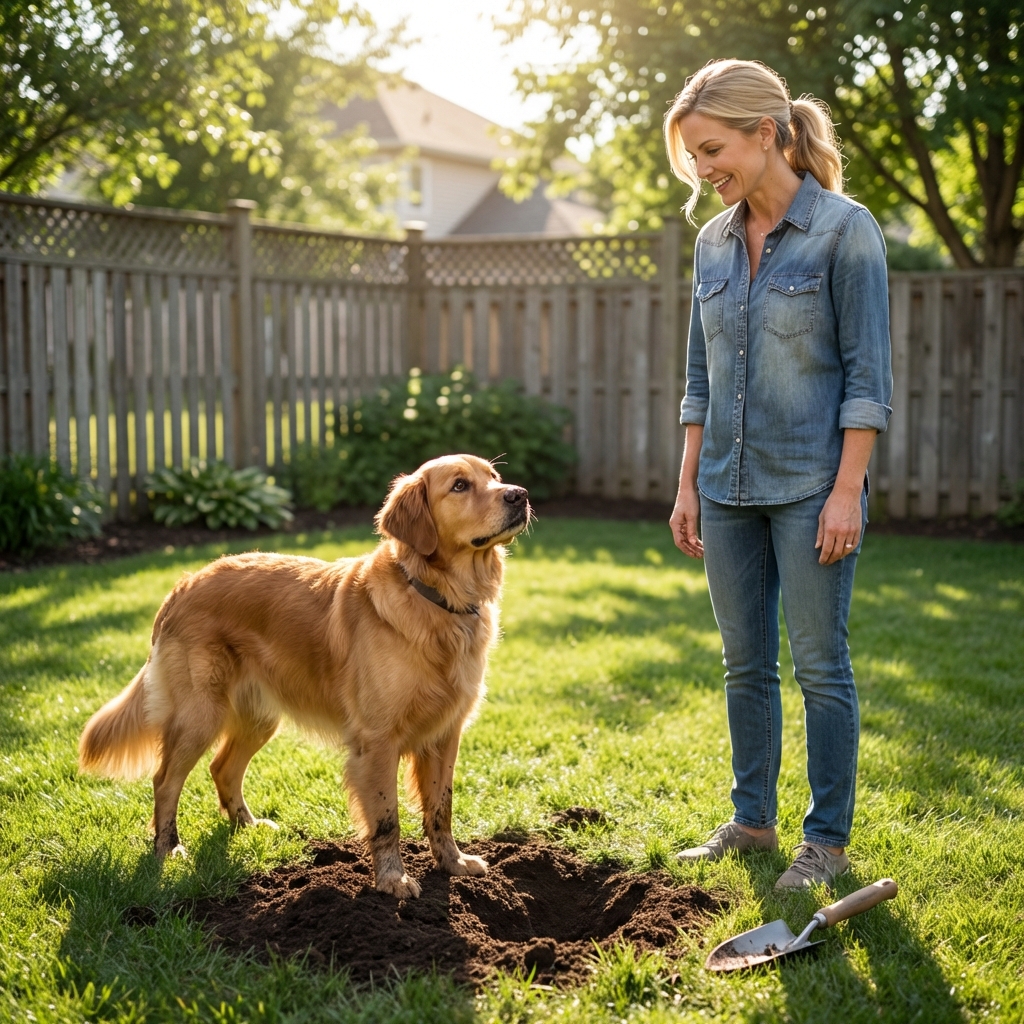
Digging is one of those dog behaviors that can drive you crazy, especially when it is your favorite flower bed or the exact spot you just re-seeded. But here is the good news: digging is usually a normal canine behavior with a reason behind it. When we figure out the “why,” we can fix the “what” in a kind, effective way.
Below is a step-by-step plan that is widely recommended by humane trainers and veterinary behavior professionals. I will also share what not to do, plus when digging may be a medical or safety concern.
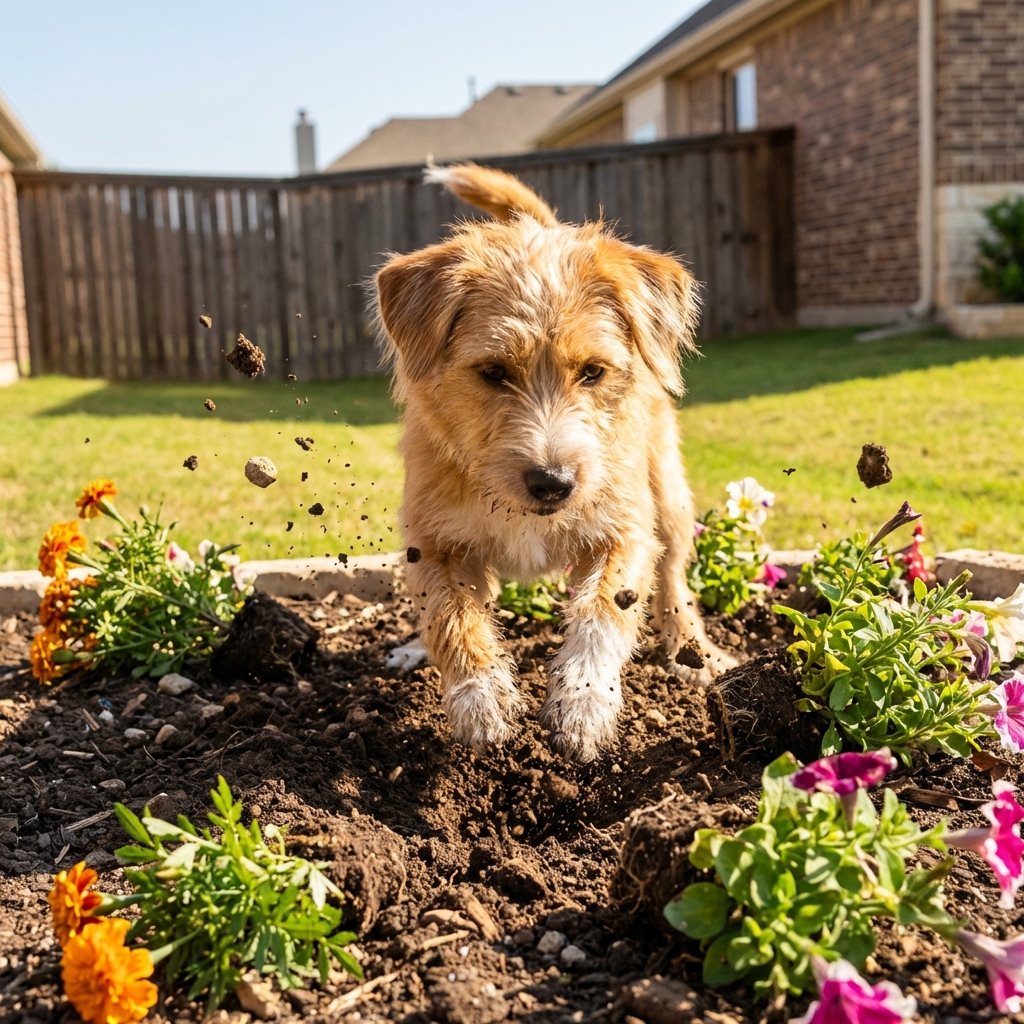
Why dogs dig
Most digging falls into a few predictable categories. Your dog may fit into more than one.
- Cooling off or comfort: Dogs dig to reach cooler soil in hot weather, or to create a cozy resting spot.
- Boredom and excess energy: Digging can be self-entertaining, especially for smart, active mixes.
- Prey drive: Squirrels, moles, lizards, and insects can trigger instinctive digging.
- Anxiety or stress: Separation-related distress and noise fears can show up as destructive digging, often near fences, gates, or doors.
- Escape behavior: Some dogs dig under fences to patrol, chase, or find you.
- Breed and genetics: Terriers, hounds, northern breeds, and many working mixes are simply more inclined to dig.
- Hormones and social behavior: Intact dogs may roam and attempt to escape more.
Clue: Where and when your dog digs is a big hint. A single crater in shade during summer points to cooling. Digging along the fence line during your workday points to anxiety or escape. A dog who only digs at the same time each afternoon may be telling you, “This is when I get bored.”
Start with the easy fixes
Check comfort and the environment
- Heat: Provide constant shade and fresh water. Consider a cooling mat or a small plastic pool for heat-sensitive dogs.
- Resting options: Offer a comfortable outdoor bed in a shaded spot. Some dogs dig because the ground feels better than a hard patio.
- Yard safety: Check for hazards your dog might uncover or ingest, like irrigation lines, sharp debris, toxic bulbs/plants, compost, fertilizers, pesticides, or rodent bait. Block off treated areas until they are truly dog-safe.
- Critter magnets: Remove tempting prey attractors if possible, like fallen birdseed or open compost that brings wildlife.
Make sure your dog is getting enough exercise
Many dogs dig because they have extra energy stored up. A quick backyard potty break is not the same as a real walk with sniffing time.
- For many healthy adult, medium-energy dogs, aim for about 60 to 90 minutes of total activity daily, split into sessions.
- Adjust for the individual: Puppies, seniors, brachycephalic dogs, and dogs with orthopedic or heart issues may need a different plan. If you are unsure, ask your veterinarian what is appropriate for your dog.
- Include sniff walks, fetch, tug, training games, or flirt pole play (in a safe, open area).

Add daily mental enrichment
Mental work tires dogs out in a healthy way and reduces “busy mouth and busy paws” behaviors like digging.
- Feed at least one meal in a puzzle feeder or scatter kibble in grass for a sniff hunt.
- Do 5 to 10 minutes of training twice daily. Sit, down, place, recall, and leash skills all count.
- Use safe chews and rotate toys so they stay interesting. Choose chews that are the right size, avoid brittle items that splinter, and supervise to reduce choking or obstruction risk.
- If digging is weather-driven, add an indoor “job” too (snuffle mat, treat search, or a short training session) so your dog has an outlet even when yard time is limited.
Teach a digging spot
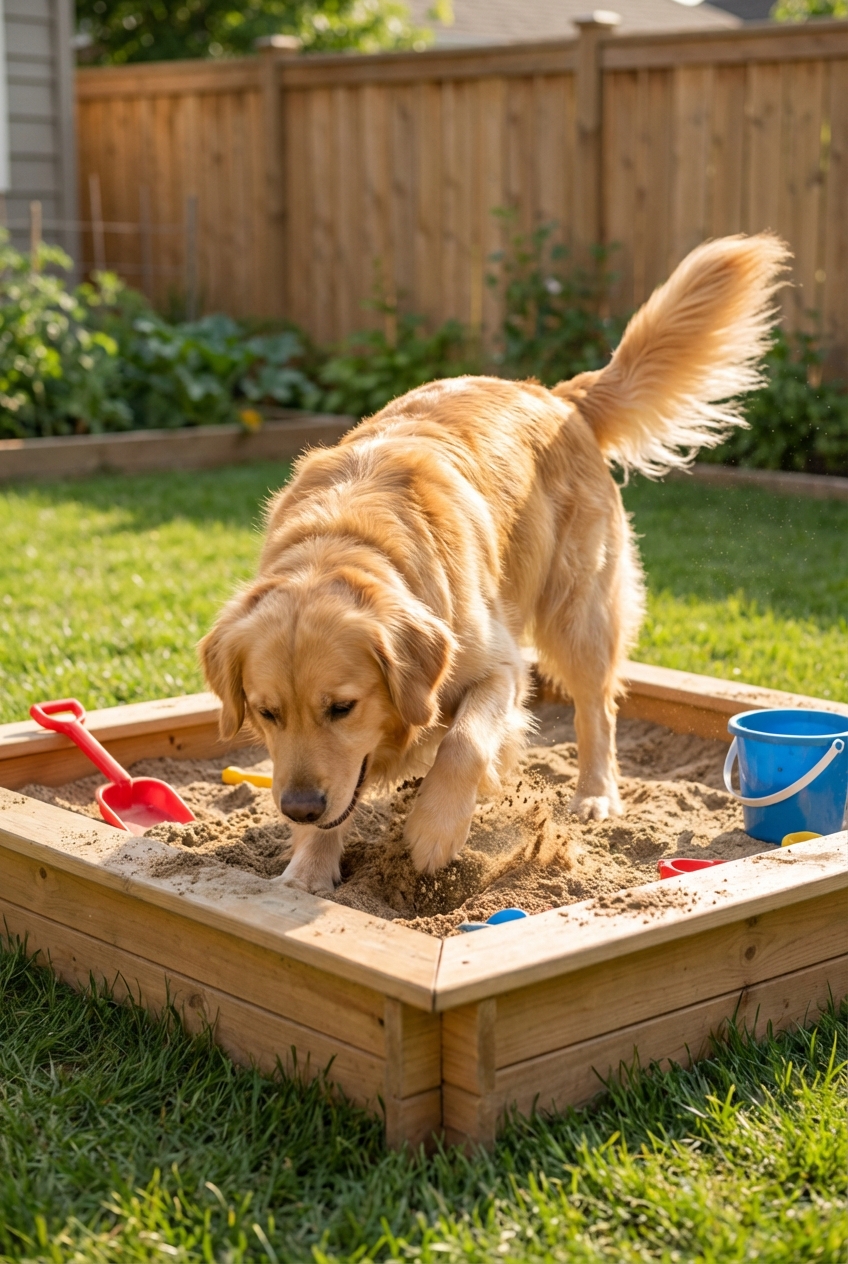
Once the basics are covered, the fastest humane solution for many dogs is not “never dig.” It is “dig here.” This is especially true for dogs with strong digging instincts.
Step 1: Set up a digging zone
- Pick a spot away from fences and landscaping.
- Use a sandbox, a small plastic pool filled with clean play sand, or a corner of the yard with loose soil.
- Make it inviting with shade nearby.
- Safety check: Keep the area free of sharp objects and chemicals. Supervise at first so your dog does not eat sand or buried items. Stay current on parasite prevention, since digging increases contact with soil.
Step 2: Make it rewarding
- Bury a few high-value toys or treats just under the surface at first.
- Bring your dog to the zone on leash, say a cue like “Dig here”, and praise when they start pawing.
- Keep sessions short and fun. End before your dog loses interest.
Step 3: Redirect the wrong digging
If your dog starts digging in the wrong place:
- Interrupt calmly: “Oops, this way.”
- Lead them to the digging zone and cue “Dig here.”
- Reward the correct choice.
Consistency matters more than intensity. Small redirections repeated over days create a new habit.
Protect your yard while training
Management prevents your dog from rehearsing the behavior, which is a big deal in behavior science. Every successful dig makes digging more likely next time.
Block high-value areas
- Temporary garden fencing, secured chicken wire, or decorative borders can block access.
- Place large rocks in known “starter holes” until the habit fades.
Limit unsupervised yard time
- If your dog digs when alone, do not leave them unsupervised in the yard until you have progress.
- Use a long line with supervision, or create a dog-safe run with enrichment.
Stop fence-line digging
- For escape diggers, install a dig barrier such as wire mesh with safe, covered edges. Many determined dogs need either 12 to 18 inches of depth, an L-footer (mesh bent outward along the ground), or both.
- Keep the fence line clear of exciting triggers, like wildlife feeders or access to neighboring dogs that increase arousal.
If digging is anxiety-related
Digging that happens mainly when you leave, especially paired with whining, pacing, drooling, or destruction, can be a sign of separation-related distress.
What helps
- Predictable routine: walks, meals, and rest at consistent times.
- Pre-departure enrichment: a stuffed frozen food toy given only when you leave.
- Graduated alone-time training: very short absences that slowly increase.
- Professional help: a credentialed trainer or veterinary behaviorist can be life-changing here.
Important: Punishment for anxiety behaviors often makes anxiety worse. If you suspect anxiety, focus on support, structure, and a training plan.
What not to do
- Do not punish after the fact. If you find a hole later, your dog will not connect the scolding to that earlier digging.
- Avoid harsh methods like shock collars or “digging deterrent” traps. They can increase fear and worsen behaviors.
- Do not rely only on repellents. Bitter sprays and strong scents rarely solve the underlying cause, and many dogs simply dig somewhere else.
When to call your vet
Digging is usually behavioral, but sometimes it is connected to discomfort or stress. Call your veterinarian if you notice:
- Sudden digging that is new or intense
- Restlessness, panting, or inability to settle
- Changes in appetite, thirst, stool, or sleep
- Skin itching, paw irritation, or obsessive behaviors
Also call promptly if your dog is digging and eating soil, rocks, sticks, mulch, or compost. Ingested items can cause intestinal blockage, and soil or compost can contain fertilizers, pesticides, or other toxins.
7-day reset plan
If you want a clear starting point, try this for one week:
- Daily: one sniff walk (20 to 30 minutes) plus one play or training session (10 minutes). Adjust for your dog’s age and health.
- Daily: feed one meal with a puzzle feeder or scatter feeding.
- Set up: an approved digging zone and practice “Dig here” twice daily for 3 to 5 minutes.
- Manage: block favorite digging spots and supervise yard time.
- Track: note when digging happens (time, weather, location, what was happening around your dog). Patterns make solutions easier.
Most families see improvement when the dog has an outlet, more enrichment, and fewer chances to practice the unwanted behavior.
Sources and further reading
- American Veterinary Society of Animal Behavior (AVSAB): Position statements and owner resources
- Merck Veterinary Manual: Canine behavior and behavior problem overviews
- RSPCA: Dog behavior guidance on enrichment and humane training
- Humane Society of the United States: Enrichment and behavior basics for dogs