
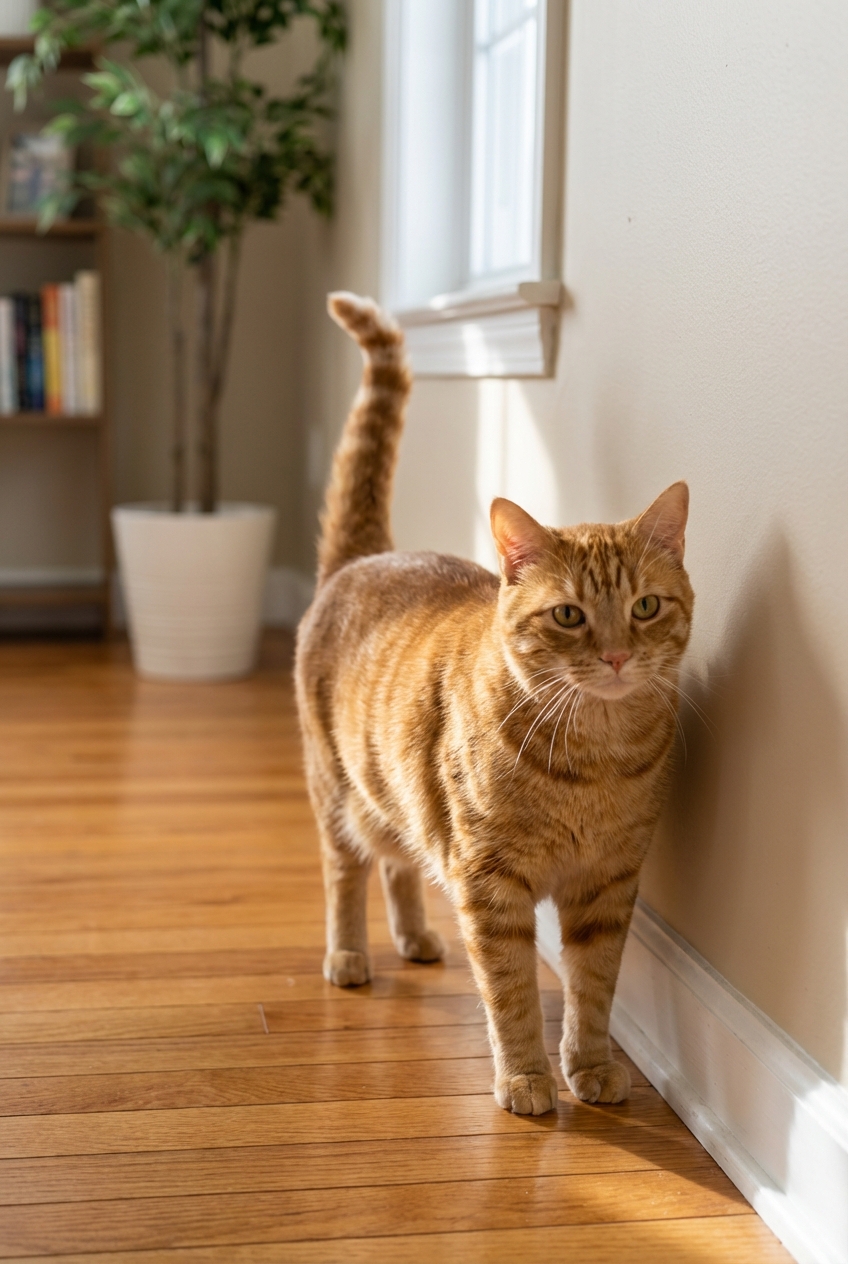
Male cat spraying is usually fixable. Learn how to tell spraying vs. peeing, rule out urinary issues, improve litter boxes, reduce stress, clean with enzymes...
Article
•
Designer Mixes
Stop Male Cat Spraying

Shari Shidate
Designer Mixes contributor
Male cat spraying can feel personal, but it is almost always communication, not spite. As a veterinary assistant, I see this a lot: a sweet cat, a frustrated family, and a house that suddenly smells like ammonia. The good news is that most spraying can be reduced dramatically, and many cats stop completely once you address the root cause.
This guide walks you through practical steps that are safe, evidence-based, and realistic for a busy household.
Spraying vs peeing: why it matters
First, make sure you are dealing with spraying (urine marking) and not regular urination outside the box. They can look similar, but the approach can differ.
- Spraying: usually on vertical surfaces (walls, furniture legs), small amount of urine, tail may quiver, often happens in multiple spots.
- Inappropriate urination: usually a larger puddle on horizontal surfaces (beds, rugs), often linked to medical problems, litter box issues, or mobility pain.
If you are not sure, set up a simple camera or watch for posture. This one detail can save you weeks of trial and error.
Step 1: Rule out medical causes first
Any sudden change in bathroom behavior deserves a vet visit. Cats are masters at hiding discomfort, and urinary problems can create urgency and accidents that look like “bad behavior.”
Common medical triggers to ask your vet about
- Urinary tract infection (less common in male cats than in females, but possible)
- Feline lower urinary tract disease (FLUTD), including sterile cystitis
- Urinary crystals or stones (can become an emergency in males)
- Kidney disease or diabetes (increased urine volume)
- Arthritis or pain that makes the box hard to use
Urgent: If your male cat is straining, crying, going in and out of the box with little to no urine, or licking his penis excessively, treat it as an emergency. Male cats can block, and that can be life-threatening.
Step 2: Neuter, or confirm neuter status
Neutering is the single biggest factor in reducing spraying. Intact males are biologically driven to mark territory and advertise for mates. Neutering reduces testosterone-driven marking in most cats, especially when done young.
- If your cat is not neutered, schedule it as soon as your veterinarian recommends.
- If he was neutered recently, give it time. Hormones can take several weeks to settle.
Important note: some neutered males still spray, especially if the behavior started before neuter or if stress and territorial conflict are present. That is where the next steps matter.
Step 3: Identify the “why” behind the spraying
Most spraying is about one of two things: stress or territory. Sometimes it is both.
Common triggers in real homes
- New cat, dog, baby, roommate, or frequent visitors
- Outdoor cats visible through windows or at the door
- Moving, remodeling, new furniture, or strong new scents
- Conflict between cats in the home (even subtle staring and blocking)
- Boredom and lack of enrichment, especially in high-energy young males
A helpful exercise: write down where he sprays and when it happens. Patterns often point to the trigger, like spraying near a front window where neighborhood cats pass.
Step 4: Clean correctly, or the smell keeps calling him back
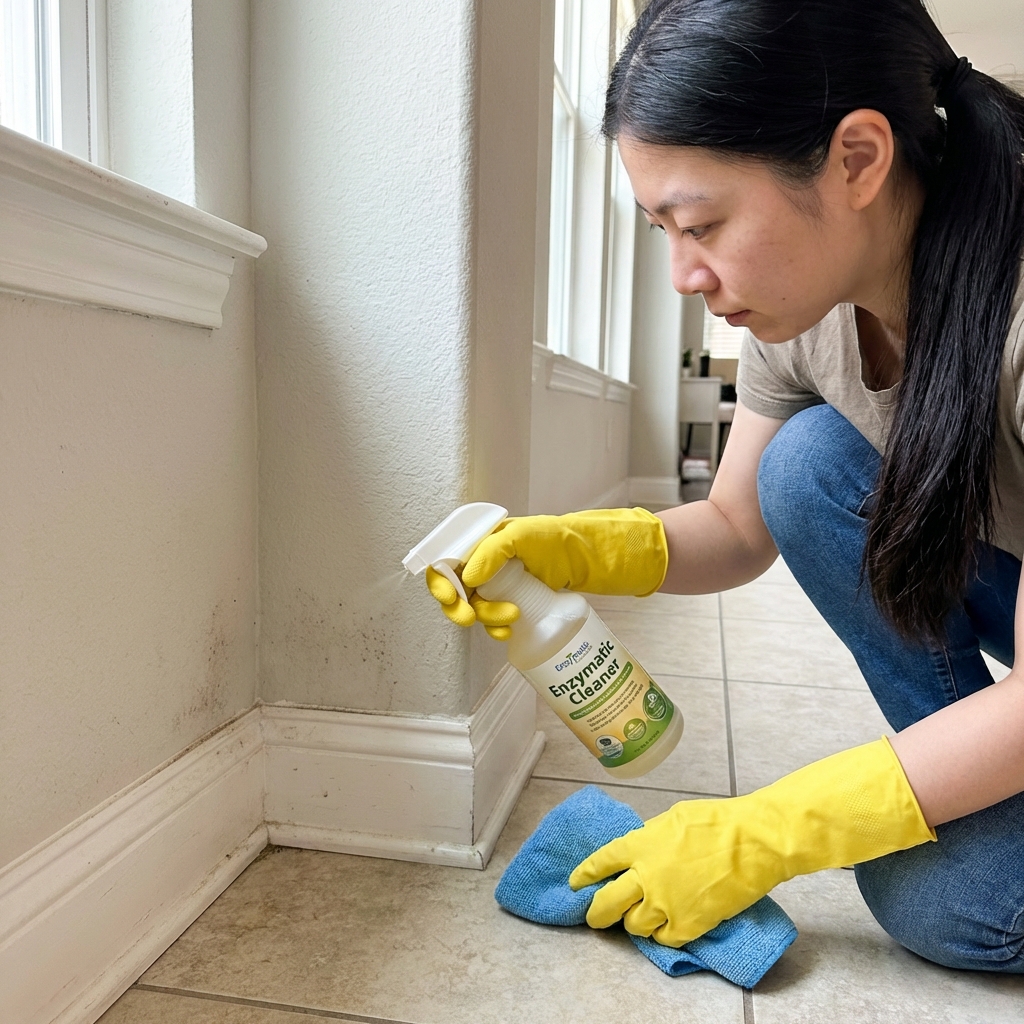
Cat urine is a powerful odor signal. If any residue remains, your cat may think that spot is an approved “message board.” Use the right product and method.
Cleaning best practices
- Use an enzymatic cleaner made for pet urine. Follow the label contact time. Enzymes need time to work.
- Blot first. Do not scrub, which can push urine deeper into fabric or carpet padding.
- Avoid ammonia-based cleaners. Ammonia can smell urine-like to cats.
- On painted walls or sealed floors, test in a small spot first to prevent discoloration.
If the area has been repeatedly marked, you may need multiple treatments. Some porous materials (carpet pad, unfinished wood, old upholstery) may require replacement to fully remove odor.
Step 5: Upgrade the litter box setup
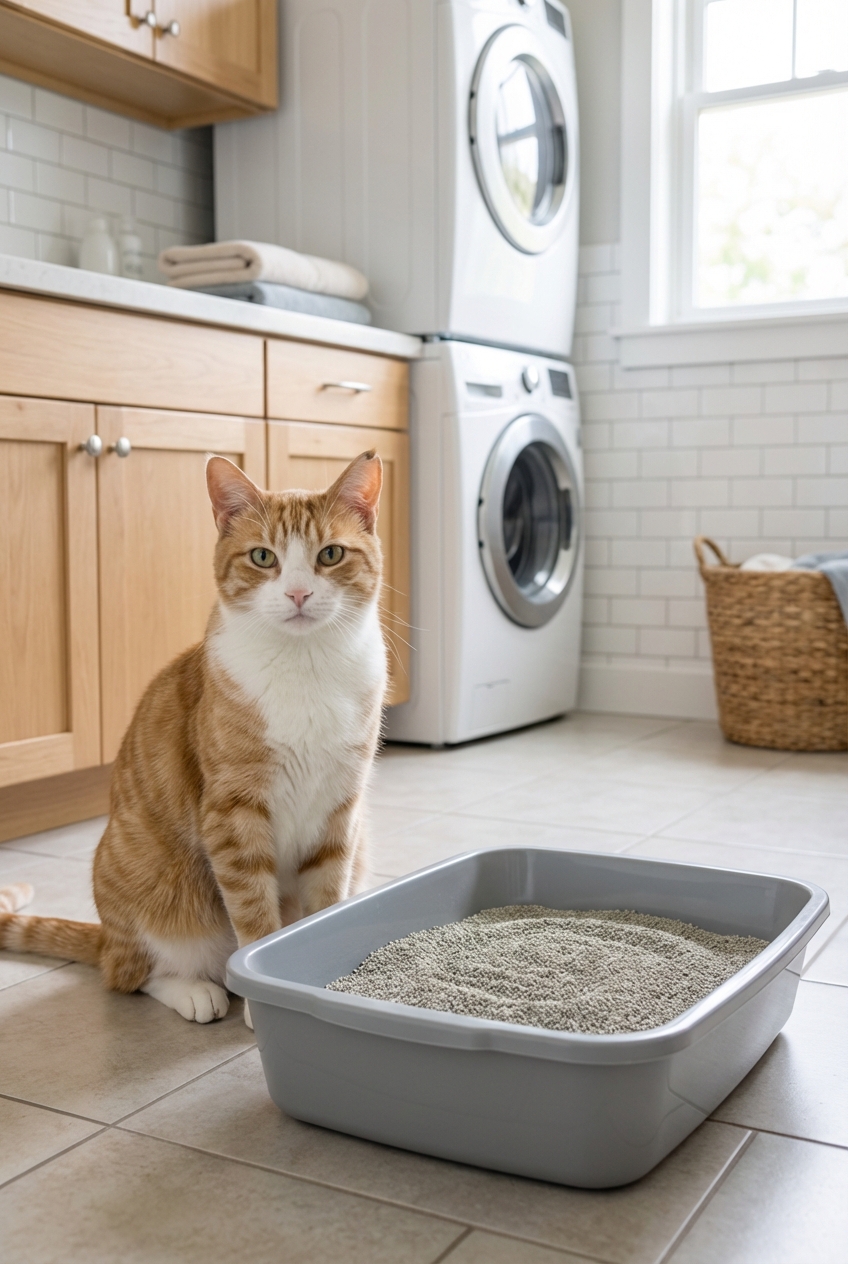
Even when spraying is the main issue, a litter box that is “just okay” can keep stress elevated. I like to make the box situation so easy and inviting that your cat chooses it by default.
Simple litter box rules that work
- Number of boxes: one per cat, plus one extra (so 2 cats = 3 boxes).
- Placement: quiet, easy access, multiple locations. Avoid trapping a cat in a corner where another cat can block escape.
- Size: bigger is better. Many cats prefer large, open boxes.
- Litter: unscented, clumping is often preferred. Keep it 2 to 3 inches deep.
- Scooping: ideally daily. Full wash every 1 to 2 weeks depending on litter type.
If your cat is spraying near a specific area, temporarily place a litter box close to that spot. It is not forever. It is a strategy to break the habit while you address the trigger.
Step 6: Reduce stress and territorial pressure
In multi-cat homes, spraying is often a symptom of tension, not the main problem. Your goal is to create a home where each cat can eat, rest, and use the litter box without feeling threatened.
Practical fixes that help fast
- Block visual triggers: If outdoor cats are a problem, use frosted window film on lower window panels or close curtains at peak times.
- Create vertical space: cat trees, shelves, or window perches reduce conflict by letting cats share space without crowding.
- Resource stations: multiple food and water stations, multiple resting areas, and multiple scratching posts.
- Predictable routine: meals and playtime at the same times daily can lower anxiety.
- Interactive play: 10 to 15 minutes once or twice daily using a wand toy can reduce pent-up energy and stress.
Think of it like this: spraying is the smoke. Stress is the fire. Put out the fire, and the smoke usually stops.
Step 7: Consider pheromones and behavior support
For many cats, pheromone products can take the edge off during a stressful season or while you are making changes at home. These products mimic calming facial pheromones that cats naturally leave when they rub their cheeks on furniture.
- Use a diffuser in the area where your cat spends the most time, or near the spraying zone.
- Give it at least 2 to 4 weeks to evaluate. It is not an instant fix.
If spraying is severe or long-standing, ask your veterinarian about a behavior plan. In some cases, anti-anxiety medication can be a humane, temporary tool while you work on environmental changes. That is not “giving up.” It is treating stress like the medical issue it can be.
Step 8: Manage the environment while you retrain
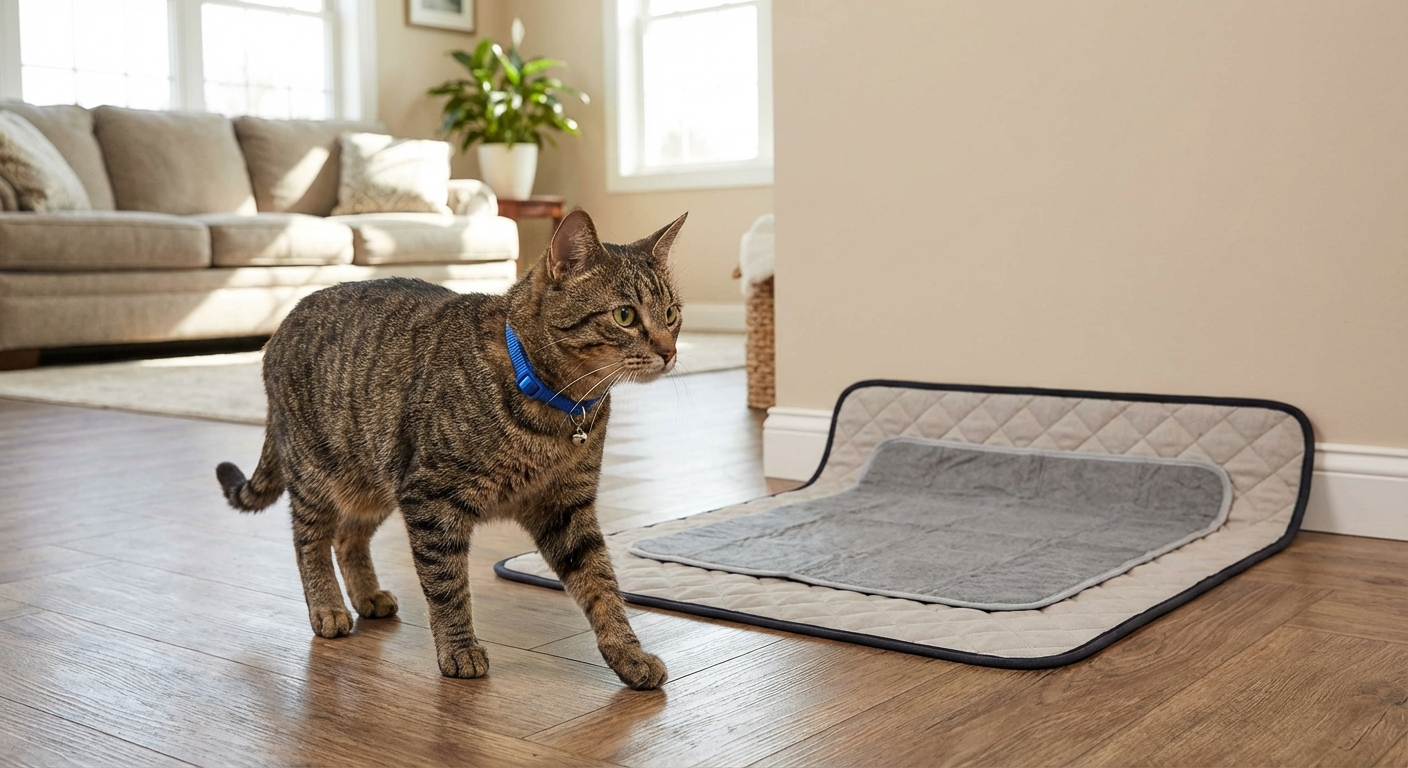
While you address causes, you also want to prevent repeat marking. Each successful spray can reinforce the habit.
Short-term management ideas
- Restrict access to favorite marking areas for 2 to 4 weeks if possible.
- Use washable covers or waterproof protectors on high-risk items.
- Place food bowls near previously sprayed spots (many cats avoid spraying where they eat).
- Add a scratching post or cozy bed near the area to change how your cat “uses” that space.
Keep your approach calm. Scolding can increase stress and make spraying worse, especially if the cat starts to mark when no one is watching.
When to call in expert help
If you have tried the steps above consistently for 4 to 8 weeks and your cat is still spraying, it is time to level up support.
- Ask your veterinarian for a medical recheck and a focused behavior consult.
- Consider a referral to a veterinary behaviorist for complex multi-cat conflict or anxiety.
- If the spraying started after a new pet arrived, get help early. The sooner you address conflict, the easier it is to fix.
Quick checklist: your next 24 hours
- Schedule a vet visit if this is new, worsening, or paired with straining or frequent box trips.
- Use an enzymatic cleaner on all marked areas and remove odor sources.
- Add one extra litter box and scoop daily.
- Block outdoor cat views where possible.
- Start daily interactive play to reduce stress and excess energy.
Spraying is a solvable problem in many homes. When you treat it like communication and stress management, not misbehavior, you usually see progress faster and with a happier cat.
