Resource guarding is common and manageable. Learn why it happens, the early warning signs, how to de-escalate safely, and an evidence-based training plan usi...
Article
•
Designer Mixes
Stop Food Aggression in Dogs

Shari Shidate
Designer Mixes contributor
Food aggression can feel scary and personal, especially when it comes from a dog you love. But in most cases, it is not “bad behavior.” Resource guarding is a normal canine behavior in the ethological sense: dogs protect valuable resources. The problem is the intensity can become unsafe, and it is often influenced by stress, anxiety, learned associations, pain, or well-meaning human reactions.
As a veterinary assistant here in North Texas, I want you to know two things can be true at once: resource guarding is common, and it is absolutely trainable. The key is to focus on safety first, then use evidence-based behavior steps that change how your dog feels around food. (And if there is bite risk, getting a credentialed behavior pro involved is the safest choice.)
What it looks like
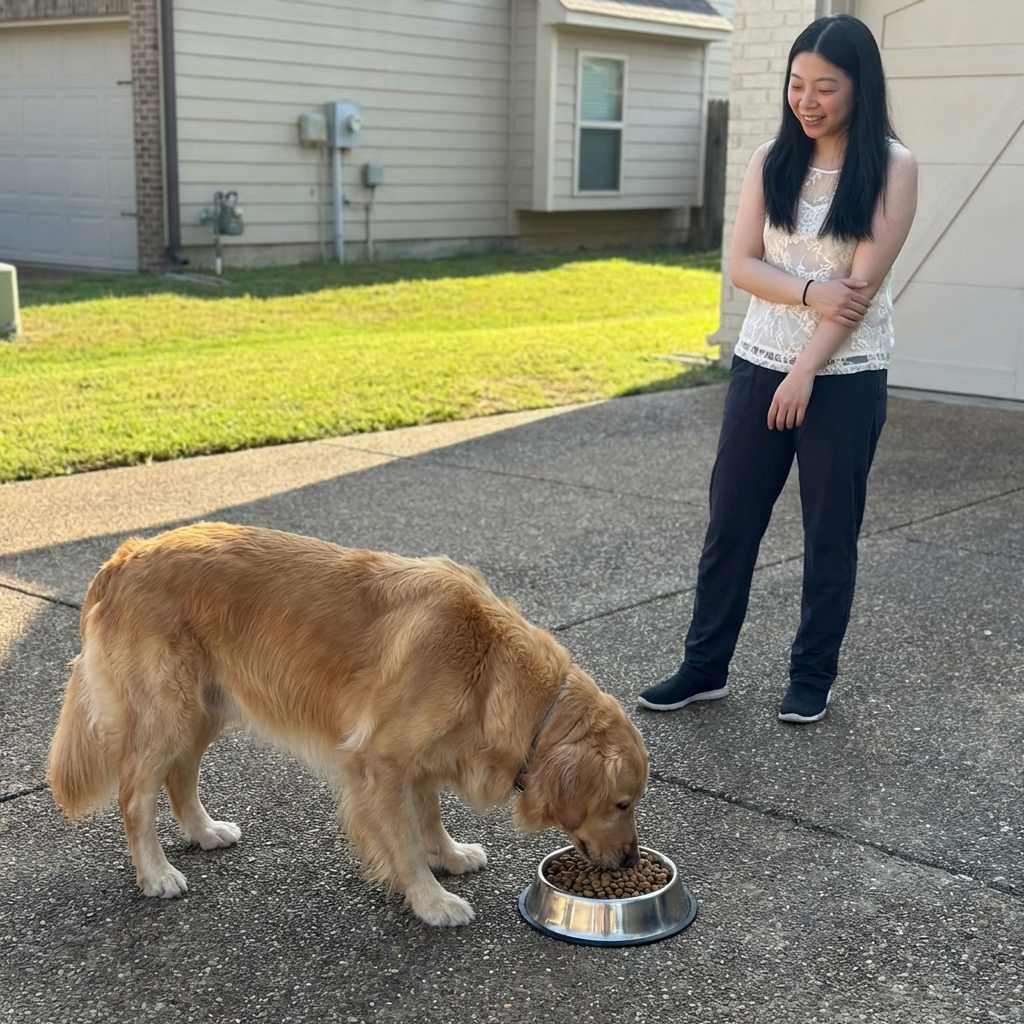
Most “food aggression” is part of a bigger pattern called resource guarding. Your dog is communicating, “This is mine, please do not take it.” Common signs include:
- Freezing over the bowl, eating faster, hovering, or blocking access
- Whale eye (showing the whites of the eyes), stiff tail, tense face
- Growling, snarling, snapping, lunging, or biting when approached
- Guarding chews, bones, trash, stolen items, or even specific spots
Growling is information. If we punish growling, dogs can learn to stop warning while the uncomfortable emotion stays the same, which raises bite risk. We want to listen to that warning and work on changing the underlying feeling.
Why it happens
Resource guarding is influenced by genetics, early experiences, learning history, and environment. Common contributors can include:
- Past competition or scarcity: rescue backgrounds, large litters, competition around food (not always known, but it can contribute)
- Stress and overstimulation: noisy homes, children, other pets hovering
- Accidental learning: people frequently reaching into bowls or “testing” the dog
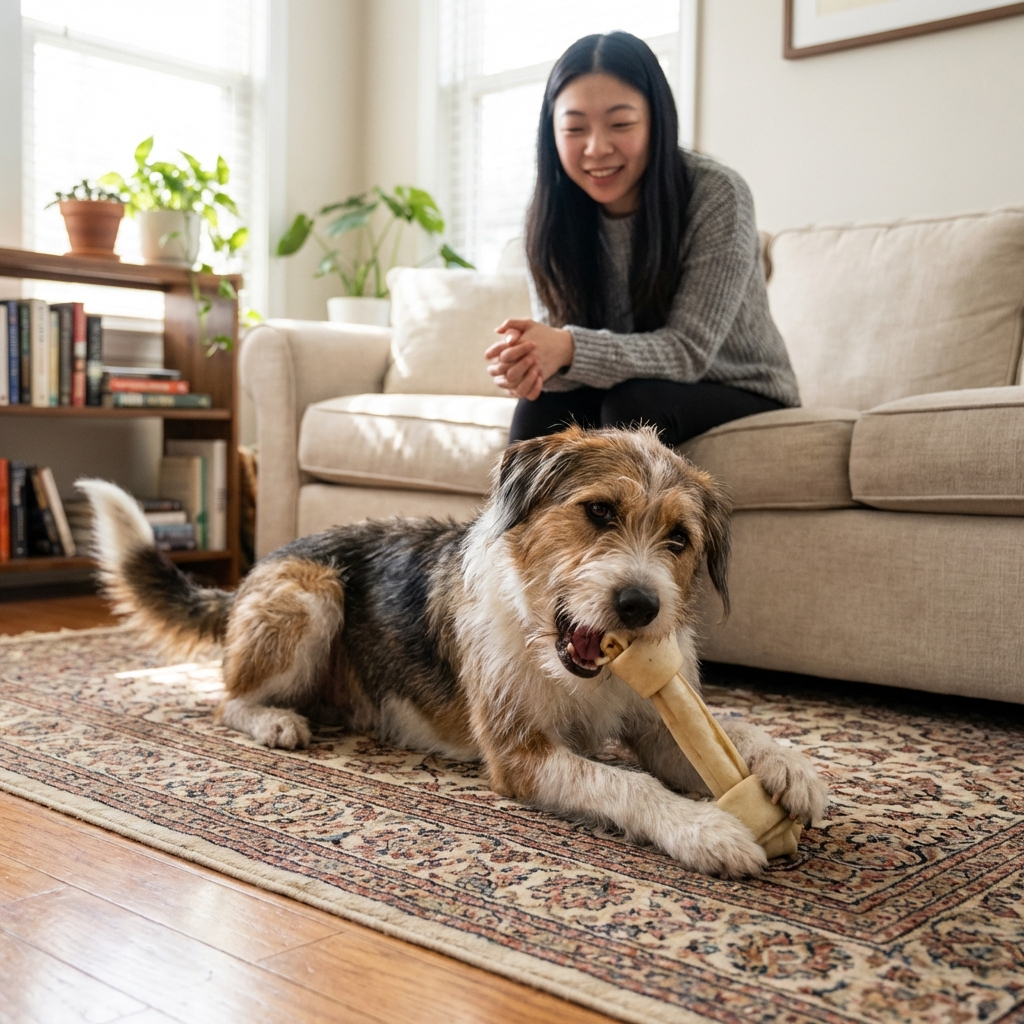
- High-value items: bones, bully sticks, pig ears, or table scraps
- Pain: dental disease, arthritis, GI discomfort, ear pain, or injuries
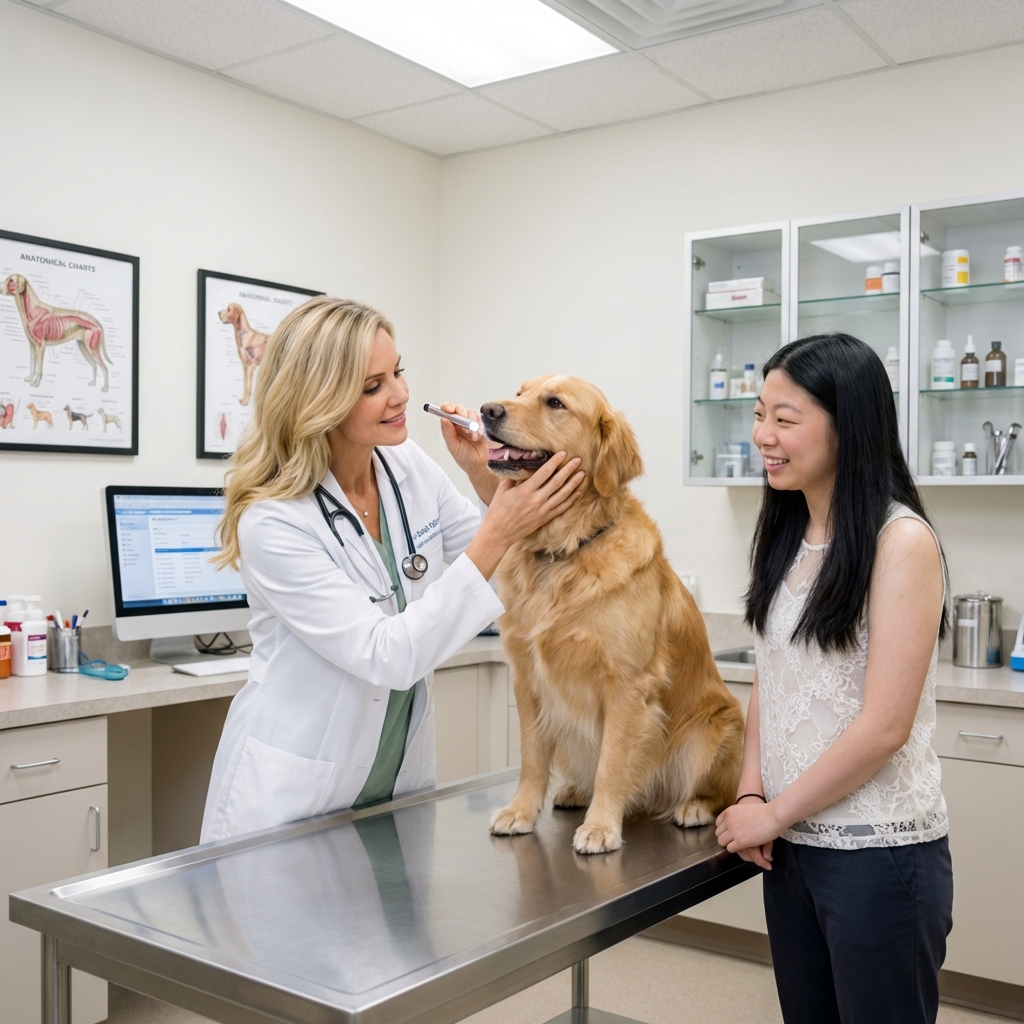
Vet check is especially important if this behavior is new, suddenly worse, or your dog seems sensitive when touched. Pain can shorten a dog’s fuse dramatically.
Safety first
Before training, prevent bites. Management is not failure, it is smart.
- Give space while eating. No reaching into the bowl, no petting, no leaning over.
- Feed in a quiet area with a baby gate, closed door, or exercise pen.
- Separate pets during meals and chew time, even if they usually “seem fine.”
- Keep kids away from a dog who is eating or chewing. Kids move fast and can be unpredictable.
- Pick up bowls after meals once the dog has fully left the feeding area.
- Skip conflict foods for now: bones, long-lasting chews, and items your dog guards intensely.
- Do not corner your dog. Make sure they have an easy exit route while eating.
If your dog has already bitten, is lunging, or you do not feel safe, contact a qualified behavior professional right away. There is no shame in getting help.
If your household has higher risk (kids, visitors, multiple dogs, or a bite history), ask a trainer or behavior professional about muzzle training using positive methods. A muzzle is not a punishment. It is a safety tool.
Training plan
The goal is simple: your dog learns that a person approaching means more good stuff appears, not that food will be stolen. This is typically done using desensitization and counterconditioning.
Step 1: Pick a special treat
Choose something your dog loves more than kibble, like tiny pieces of chicken, turkey, or a soft training treat. Keep pieces pea-sized.
Step 2: Start far away
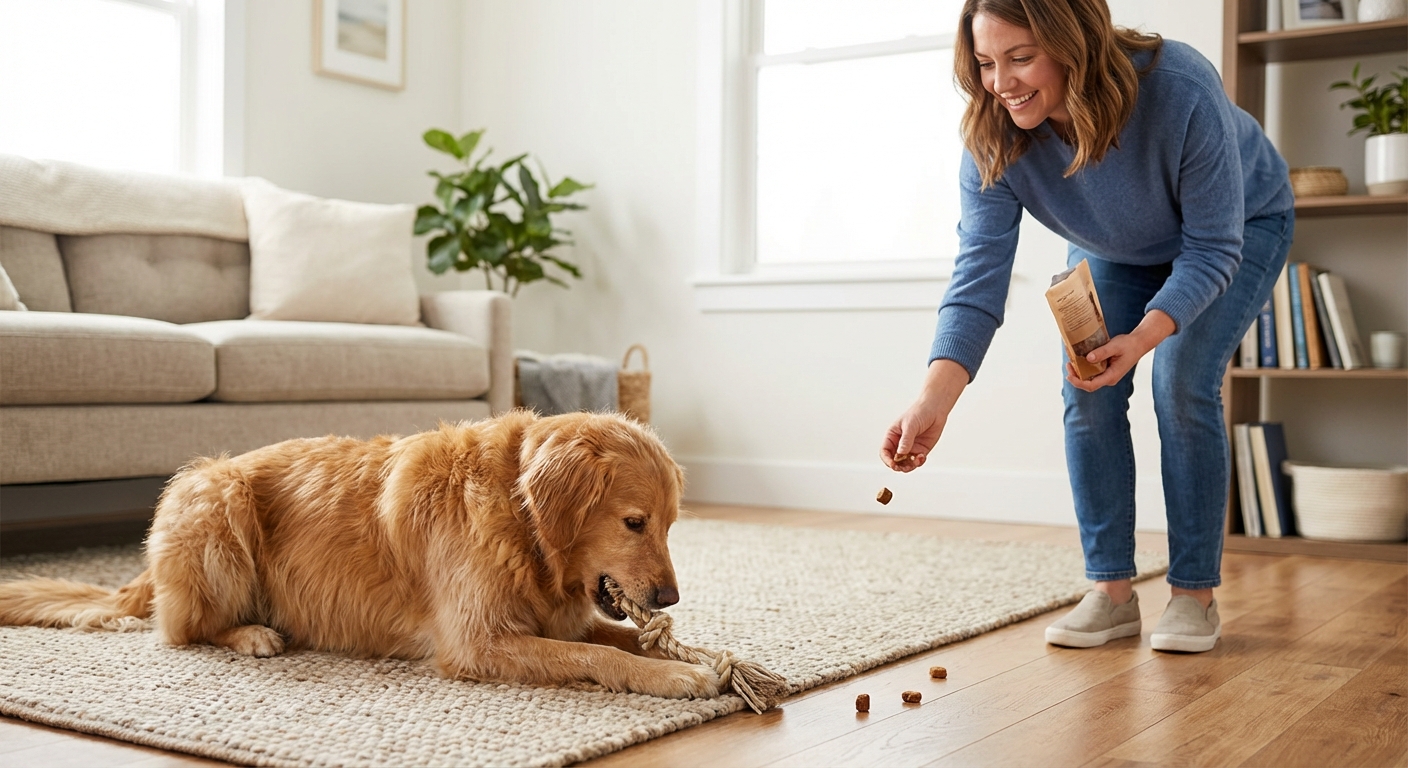
While your dog is eating, stand far enough away that your dog stays relaxed. Without leaning over or reaching toward the bowl, toss the special treat past the bowl so your dog moves slightly away from the food to get it. Then calmly walk away.
- Repeat 5 to 10 tosses per meal for several days.
- If your dog stiffens, gulps, freezes, or gives whale eye, you are too close. Increase distance.
- Make sure the treat lands far enough away that it feels like a bonus, not a competition at the bowl.
Step 3: Close the distance slowly
Over multiple sessions, step a little closer only if your dog remains soft and wiggly. Progress should look boring. Boring is safe.
Step 4: Teach Trade
For non-bowl items like chews or stolen treasures, teach a simple, positive Trade:
- Say “Trade” in a calm voice.
- Present a high-value treat right near your dog’s nose.
- When your dog drops the item, mark it (a gentle “Yes”) and give the treat.
- When it is safe, give the item back after the treat. This builds trust fast.
Practice with low-stakes items first, like a toy, before you try it with the “big stuff.”
Step 5: Passing by rules
If people must walk through the area during meals, keep it simple:
- Do not stop, stare, or hover near the bowl.
- From a safe distance, toss a treat away from the bowl and keep moving.
- Use gates or a closed door when possible so passing by is not even a factor.
Step 6: Multi-dog setup
Multi-dog households often need extra structure:
- Feed in separate rooms or behind visual barriers (baby gates, crates, closed doors).
- Pick up bowls and leftovers once each dog is done and fully separated.
- Chews should be given only when dogs are separated and supervised, or skipped for now.
What not to do
- Do not punish growling. You can remove the warning without changing the emotion.
- Do not alpha-roll or use intimidation. It increases fear and bite risk.
- Do not test your dog by taking the bowl, touching the food, or messing with them while eating.
- Do not hand-feed as a “fix” if it makes you less safe. Hand-feeding can be part of some plans, but it is not required.
- Do not free-feed multiple pets together. It invites guarding.
Routine and health
Food aggression is a behavior issue, but the body matters. When dogs feel better, they often cope better.
- Consistent meal schedule can reduce anxiety around “when will food happen?”
- Appropriate portions help prevent frantic hunger. Ask your vet about an ideal daily calorie target.
- Slow-feeding options like puzzle feeders can help some dogs eat more calmly, but only if your dog does not guard the feeder intensely.
- Address GI upset. Chronic nausea or reflux can increase irritability around meals.
- Dental care matters. Mouth pain can make a dog feel defensive when approached.
If you are transitioning to healthier whole foods or adding toppers, keep changes gradual. Sudden diet shifts can cause stomach upset, which can make mealtime stress worse.
How long it takes
With consistent, low-pressure practice, some families notice improvement in a few weeks, especially in mild to moderate cases. More severe guarding, multi-dog dynamics, a busy household, or a bite history can take longer.
Progress is not always linear. If you have a rough day, go back to an easier distance and rebuild.
When to get help
Please reach out for one-on-one guidance if any of these are true:
- Your dog has bitten, attempted to bite, or is lunging
- Guarding is escalating quickly
- You have children, elderly family members, or frequent visitors in the home
- Your dog guards multiple items or spaces
- You cannot safely set up gates, separation, or controlled practice
Look for a trainer who uses reward-based methods and has behavior credentials (for example, IAABC or CCPDT). For complex cases, ask your veterinarian about a referral to a board-certified veterinary behaviorist (DACVB). In some situations, your veterinarian may also discuss medication to lower anxiety so training can work better.
A safer home starts with one simple rule: let your dog eat in peace, and teach them that people approaching predicts something better.