Keep neighborhood cats out of your garden and porch with a humane, layered plan: motion-activated sprinklers, digging barriers, pet-safe repellents, enzyme c...
Article
•
Designer Mixes
Stop Cats Pooping in Your Garden

Shari Shidate
Designer Mixes contributor
If you have found cat poop in your garden, you are not alone. As a veterinary assistant, I hear this complaint all the time, especially from people who work hard to keep their yards clean and safe for kids, dogs, and outdoor entertaining.
The good news is you can reduce or stop it without harming cats. The approach that often works best is a simple, practical mix of: removing what attracts them, blocking access to their favorite spots, and making the area uncomfortable for digging.
How to tell if it is cat poop
Before you treat the whole yard, it helps to confirm what you are dealing with. Cat poop is often:
- Buried or partially covered in loose soil or mulch (cats like to dig and cover).
- Small to medium logs that look a lot like small-dog stool, sometimes with a strong odor.
- Found in soft “diggable” spots like raised beds, sand, or fresh mulch.
If you are finding stool on top of the ground in a repeated “latrine” spot, or you see unusual contents (berries, seeds), it could be another animal. When in doubt, use the same safety precautions and consider checking local wildlife guidance.
Why cats choose your garden
Cats are not being “bad.” They are following instinct. Outdoor and roaming cats prefer places that feel safe, quiet, and easy to dig.
- Loose soil is a natural litter box. Freshly mulched beds and raised planters are especially tempting.
- Scent cues matter. If a cat has used an area before, the scent can encourage repeat visits.
- Cover and privacy. Dense shrubs, tall plants, or tucked-away corners can make a cat feel protected.
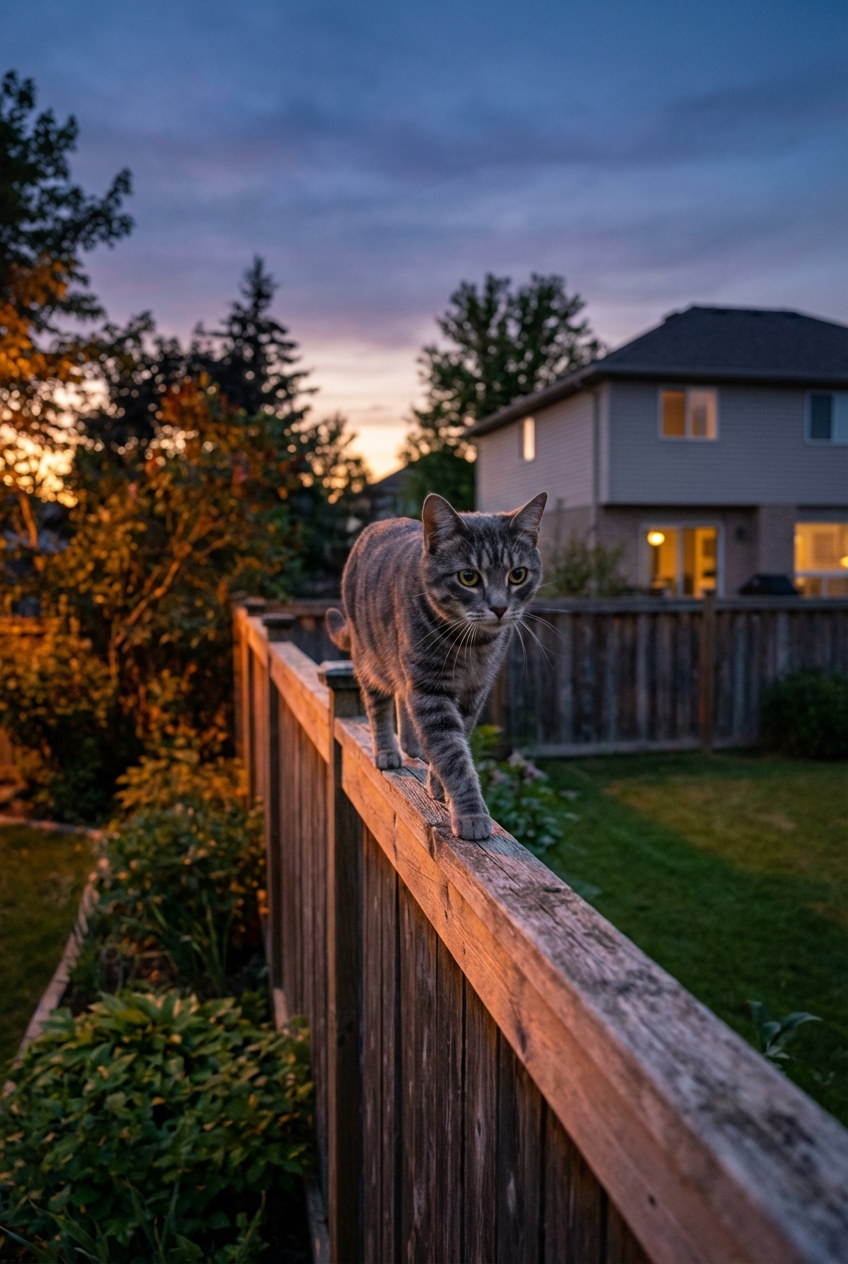
- Easy entry points. Gaps under fences or open paths make your yard a convenient stop.
Understanding the “why” helps you pick the right fix. For most gardens, you will get the fastest results by targeting digging behavior first.
Health and safety first
Cat feces can carry parasites and germs that matter for people and pets. A top concern is Toxoplasma gondii, plus intestinal parasites like roundworms. You do not need to panic, but you do want to handle cleanup carefully.
Helpful nuance: toxoplasma oocysts typically need time to become infective (often about 1 to 5 days after being shed). That is one reason why prompt cleanup and good hand hygiene are so important.
Safe cleanup steps
- Wear gloves, and use a scoop or bag to remove feces promptly.
- Double-bag waste and place it in a sealed trash bin.
- Do not compost cat feces.
- Wash hands well, even if you wore gloves.
- Keep kids out of the area until it is cleaned.
- If your dog likes to snack on “yard surprises,” supervise closely. A properly fitted basket muzzle can be a temporary tool in some cases, but it should be introduced gradually (positive conditioning), never left on unattended, and discussed with your vet or a qualified trainer if you are unsure.
Pregnant people and immunocompromised individuals should avoid handling feces when possible and ask someone else to do cleanup.
Ways to stop cats pooping in your garden
The most reliable results usually come from combining two or three methods and staying consistent for 2 to 3 weeks.
1) Make digging difficult
Cats want soft, bare soil. If you take that away, many will move on.
- Use rough or “pokey” toppers. Pine cones or coarse bark can discourage digging. Replace as it breaks down. If you use anything sharp (like holly leaves), place it only where kids and pets will not step or play, or choose a safer option.
- Cover fresh soil. Lay down garden mesh, chicken wire (secured flat), or burlap until plants fill in. Make sure openings are large enough for stems but uncomfortable for paws.
- Add toppers to beds. A layer of pebbles, river rock, or decorative stone reduces access to loose soil. This works well around shrubs.
2) Add simple barriers
Physical barriers can be very effective, especially in small yards or raised beds.
- Low fencing around beds can help guide cats away from the easiest routes, but many cats can jump it. It works best when paired with mesh, toppers, or a motion deterrent.
- Close off hiding corners by trimming overgrown shrubs and reducing dense cover near the soil.
- Repair fence gaps or add a tight wire along the bottom where cats slip through.
3) Use scent deterrents wisely
Scent can help, but it is usually best as an add-on, not the only solution. Cats can adapt, and rain reduces effectiveness.
- Commercial cat repellents (granules or sprays) may work well when used exactly as directed and reapplied after watering or rain.
- Citrus peels can help short-term in dry weather, but they mold quickly and are not reliable long-term.
Avoid: mothballs, essential oils applied to soil, ammonia, bleach, cayenne pepper, and any toxic substances. These can harm cats, wildlife, and your own pets, and some are dangerous for children too.
4) Try motion-activated tools
If you are dealing with a determined repeat visitor, motion-activated tools are often the biggest “shortcut” because they interrupt the habit.
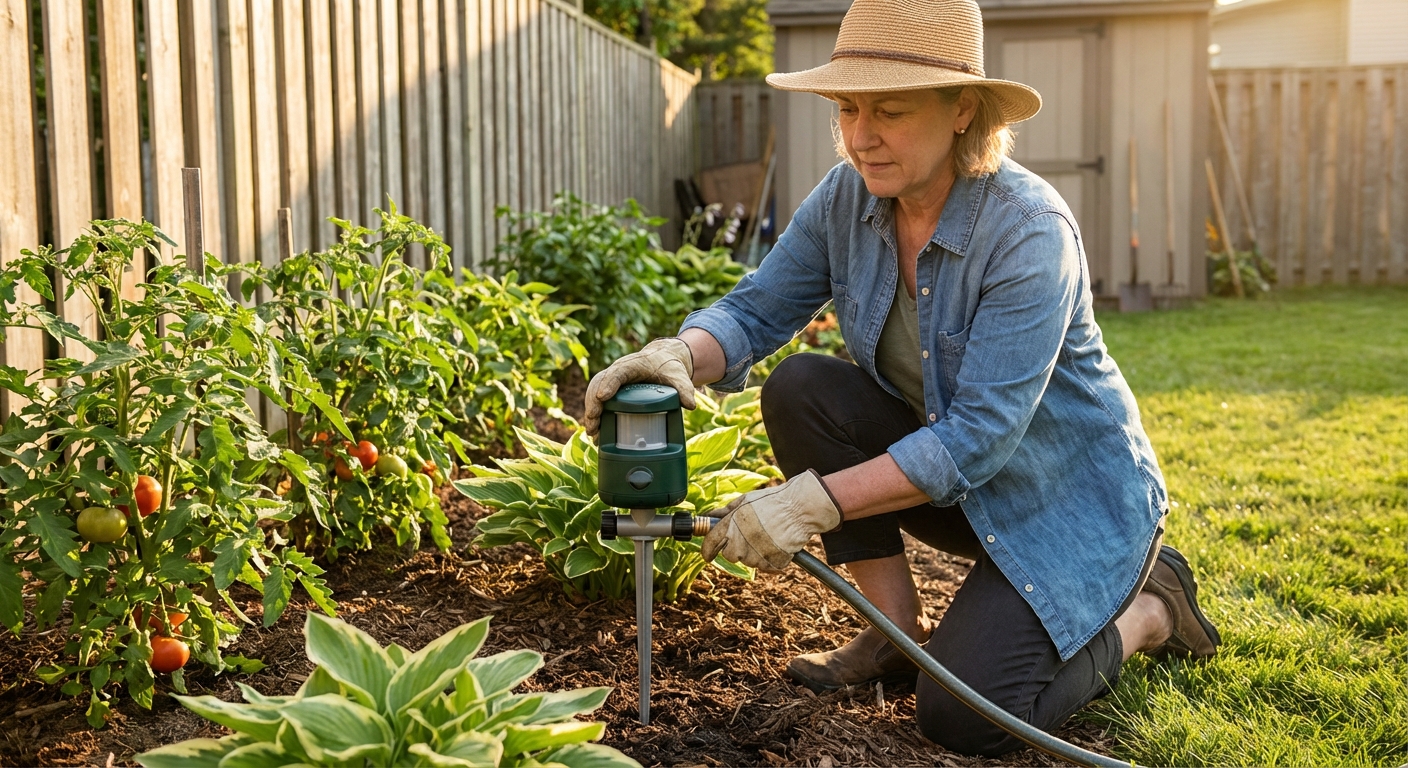
- Motion-activated sprinklers can startle cats without injuring them and are a popular humane option.
- Motion lights can help at night, especially near entry points.
You may also see ultrasonic devices marketed for cats. Results are mixed. If you try one, treat it as a bonus, not your main plan.
5) Remove the bathroom invitation
These steps can make your garden less appealing overall.
- Adjust watering in problem spots. Some cats prefer dry, sandy soil, so keeping a spot slightly damp can help in some yards. It is not a guaranteed fix on its own.
- Keep beds planted and covered with dense ground cover where appropriate.
- Clear the scent signal by removing feces quickly and lightly smoothing the top layer of soil after cleanup. Try not to overdo soil disturbance, since freshly turned soil can attract digging.
What not to do
I know it is frustrating, but a few popular tactics tend to backfire or cause harm.
- Do not use poisons or harmful traps. Besides being unsafe and inhumane, they can injure wildlife and pets.
- Do not rely on one spray once. Repellents usually require consistent reapplication.
- Do not leave bare soil uncovered. Freshly amended beds are basically a cat magnet.
- Do not use essential oils on soil. Many are toxic to cats even at low doses, and they can irritate dogs too.
Protect kids, dogs, and veggie beds
If the problem area is near a sandbox, play space, or vegetable bed, prioritize physical barriers and fast cleanup.
Sandboxes
- Keep sandboxes covered when not in use.
- Rake and inspect before play if there is any chance a cat got in.
Vegetable beds
- Use mesh or wire laid flat and cut holes for plants.
- Add stone or gravel borders to reduce diggable edges.
- Wash produce thoroughly and peel when appropriate.
Dogs that might eat feces
- Leash or supervise in the yard until the situation improves.
- Practice a solid leave it cue with rewards.
- Ask your vet about fecal testing and deworming if exposure is likely.
If it is your own cat
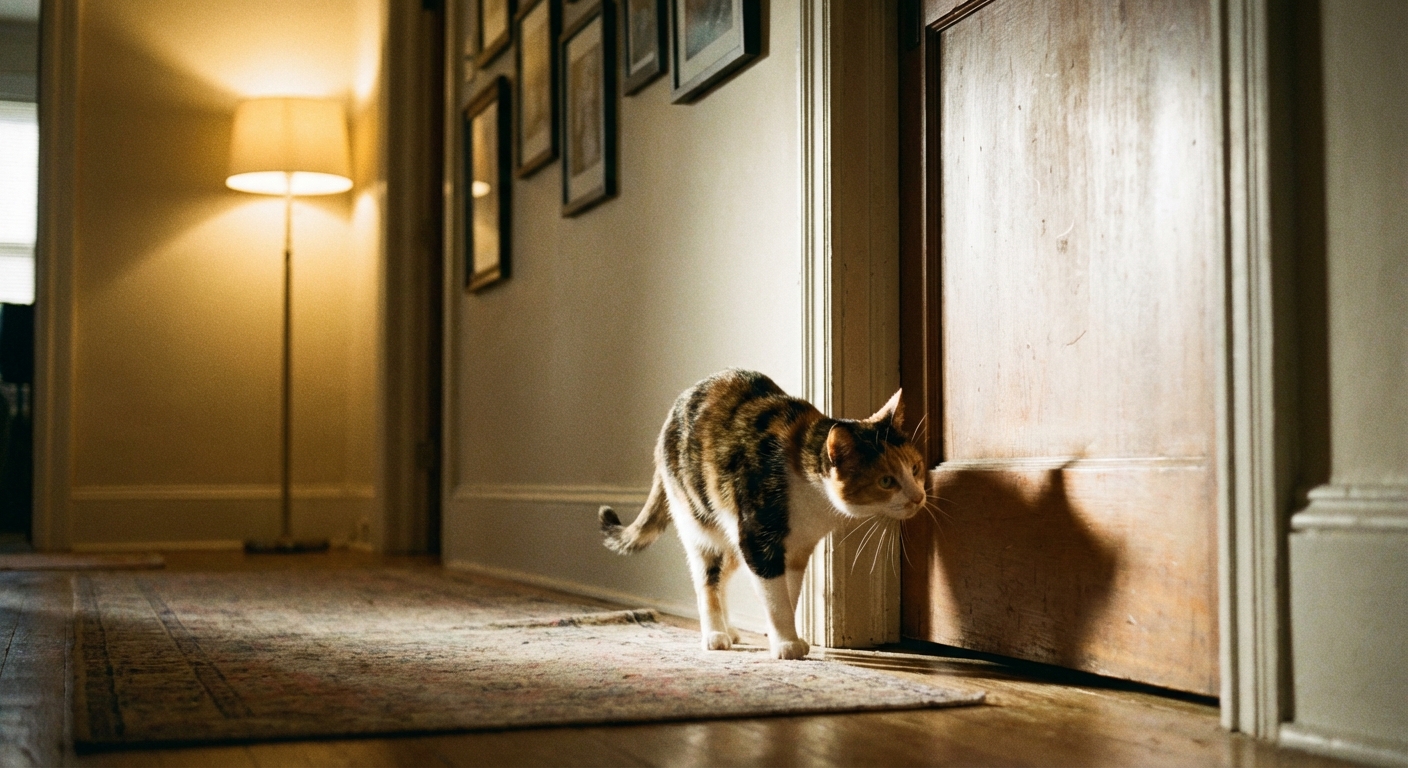
If your indoor-outdoor cat is the culprit, you can often solve this quickly by making the litter box experience better than the garden.
- Add more litter boxes (a common guideline is one per cat plus one extra).
- Keep boxes very clean. Scoop daily and deep-clean regularly with mild soap and water.
- Try different litter textures if your cat is picky.
- Create a “legal” dig box with sand or soil in a contained area, then reward use. Place it away from edible beds.
When to call for help
If you have repeated issues, you may be dealing with multiple roaming cats, an outdoor feeding station nearby, or a neighborhood colony.
- Talk with neighbors kindly and factually. Many people do not realize their cat is visiting your beds.
- Contact local TNR groups (Trap-Neuter-Return) if there is a colony. TNR can help reduce population growth over time. Changes in roaming and nuisance behaviors can vary by location and resources.
- Consult a pest management professional only for humane exclusion solutions, not harmful control methods.
If you want to dig deeper into the “why” and the most humane options, credible guidance is often available from local university extension services and animal welfare organizations.
A simple 7-day action plan
If you want a quick, realistic plan, here is one that works for many households.
Day 1
- Clean up all feces safely.
- Identify the top 1 to 2 hot spots.
Days 2 to 3
- Cover those spots with mesh or add rough toppers like pine cones or coarse bark.
- Trim plants that create hidden, sheltered corners.
Days 4 to 7
- Add a motion-activated sprinkler, or start a commercial deterrent and reapply as directed.
- Check daily and adjust barriers where you see new digging attempts.
Most people see a major drop within a week when they combine coverage plus a motion deterrent, then keep it up for a couple more weeks to break the routine.