Male cat spraying is usually fixable. Learn how to tell spraying vs. peeing, rule out urinary issues, improve litter boxes, reduce stress, clean with enzymes...
Article
•
Designer Mixes
Stop Cat Spraying

Shari Shidate
Designer Mixes contributor
When a cat sprays, it can feel personal. It is almost never personal. Spraying is a communication behavior, and once you figure out what your cat is trying to “say,” you can often reduce it significantly, and in many homes it stops entirely. As a veterinary assistant, I have seen many families go from frustrated to relieved with a few targeted changes and a simple plan.
This guide walks you through veterinary-recommended steps: rule out medical causes, reduce stress triggers, optimize litter box setup and placement, and use behavior tools that tend to help in the real world.
Spraying vs. peeing
Not all urine outside the litter box is spraying. The fix depends on which one is happening.
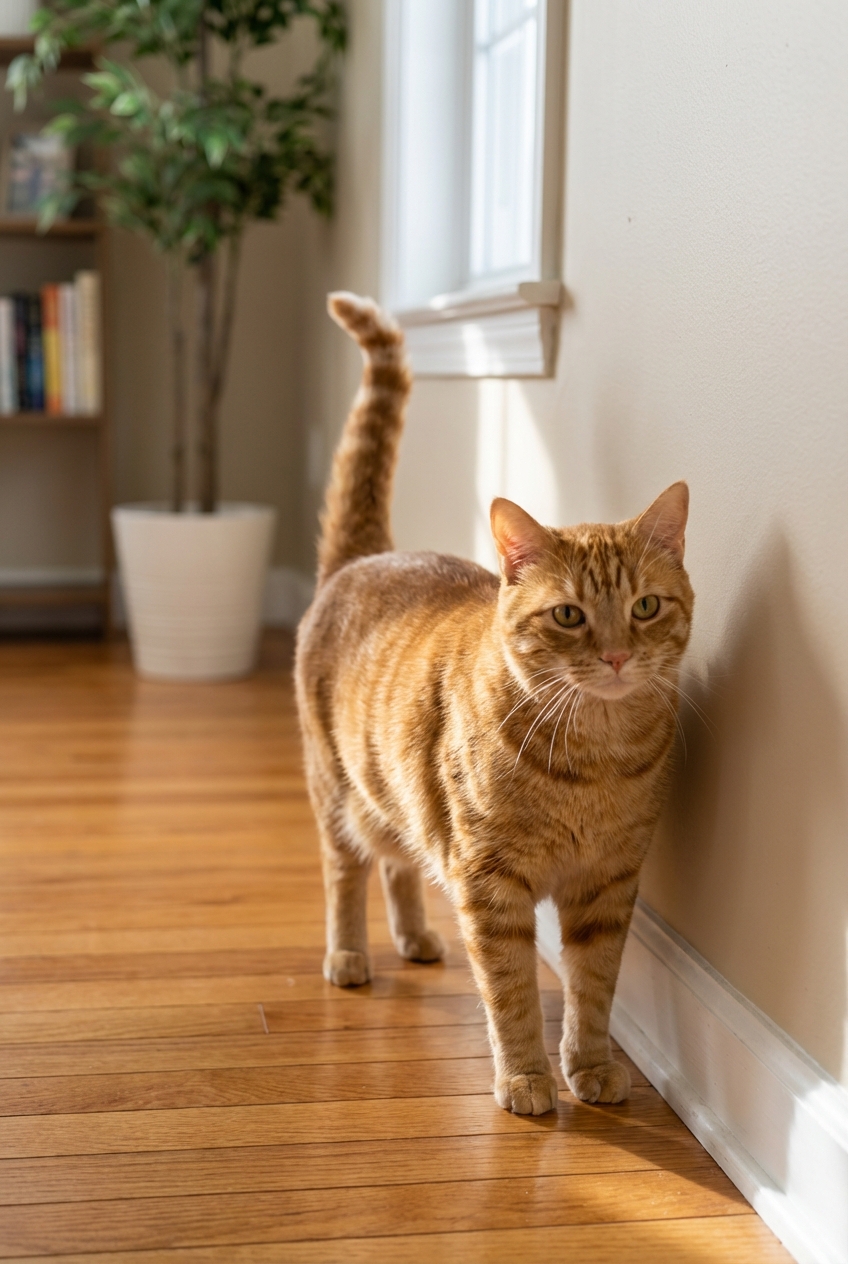
- Spraying (marking): typically a small amount of urine on a vertical surface (wall, furniture leg). Your cat often stands, tail up, and may quiver the tail tip.
- Inappropriate urination: usually a larger puddle on a horizontal surface (bed, rug, laundry). The cat squats like normal urination.
If you are not sure, that is okay. Start with the medical check and litter box changes below because they help both problems.
How to confirm the spots
- Watch posture if you can, but do not stress your cat by “staking out” the area.
- Use a UV/blacklight in a dark room to find older urine you may be missing, then clean those areas thoroughly.
Step 1: Rule out medical causes
This is the most important “do not skip” step. Cats are masters at hiding discomfort, and urinary issues can look like behavior problems.
Call your veterinarian promptly if you see any of these:
- Straining to urinate or frequent trips to the box
- Crying out, restlessness, or licking the genital area
- Blood-tinged urine
- Urinating very small amounts
- Urinating outside the box suddenly, especially in an older cat
Important: A cat that cannot pass urine can develop a life-threatening blockage. Males are at higher risk, but any cat with repeated straining, vocalizing, and little to no urine produced should be treated as an emergency.
Common medical contributors include feline lower urinary tract disease (FLUTD), urinary crystals or stones, urinary tract infection (UTIs are less common in young adult cats, but become more likely in seniors and cats with other medical conditions), arthritis (pain climbing into a box), kidney disease, diabetes, and cognitive changes in seniors.
Step 2: Spay or neuter
If your cat is not spayed or neutered, this is one of the most reliable ways to reduce spraying. Intact males spray most often, but intact females can spray too, especially during heat cycles.
- How fast does it help? Many cats improve within weeks, but habits can linger if spraying has been happening for a long time.
- Will it work 100%? It dramatically reduces risk, but stress and territorial triggers can still cause spraying in some cats, especially in multi-cat households.
Step 3: Litter box basics
Even when the issue is true spraying, litter box stress can keep the behavior going. Think of the litter box as your cat’s bathroom and safety zone, not just a container in the corner.
How many boxes?
A trusted rule: one box per cat, plus one extra. So, 1 cat = 2 boxes. Two cats = 3 boxes.
Box size
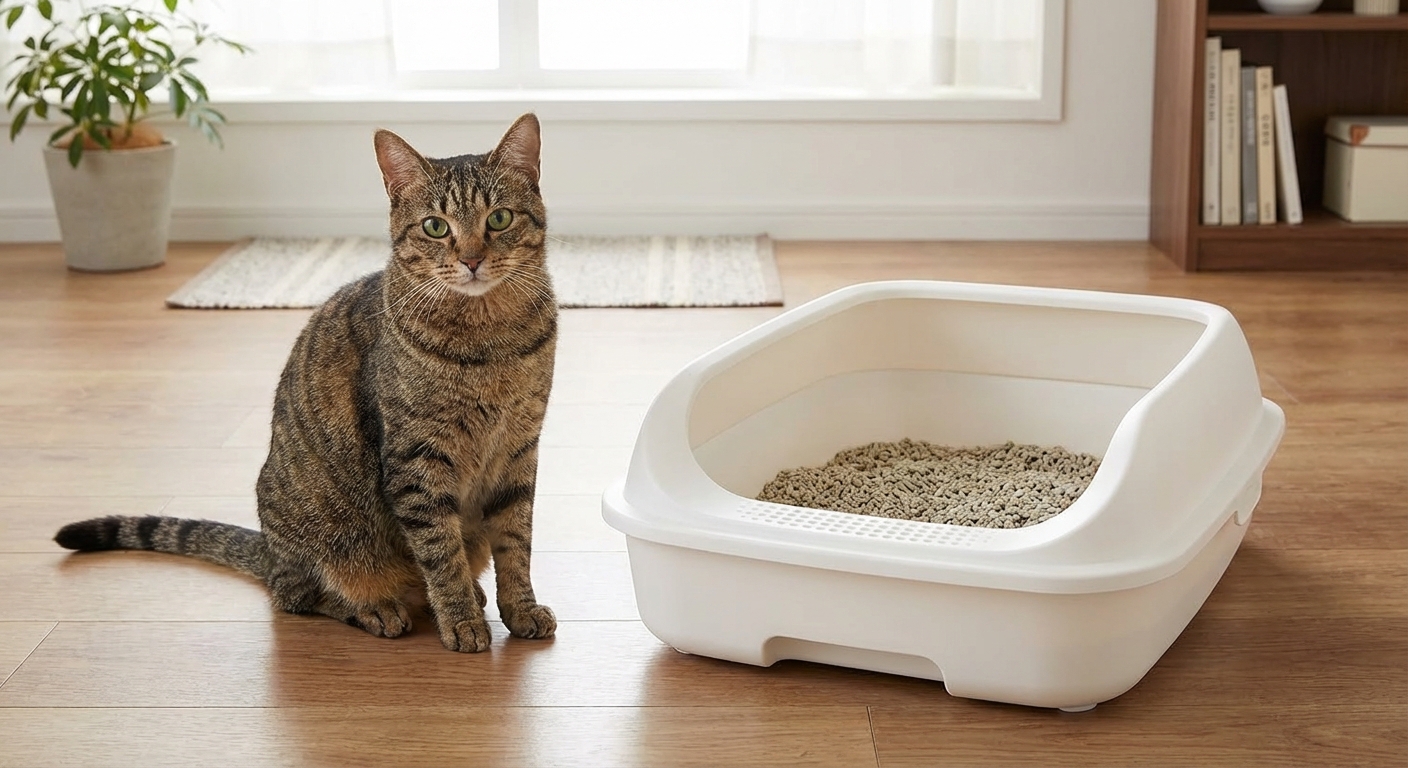
Many standard boxes are too small. A helpful rule of thumb is at least 1.5 times your cat’s nose-to-tail length, with enough room to turn around comfortably.
Where should boxes go?
- Place boxes in quiet, low-traffic areas.
- Spread them out. Multiple boxes side-by-side can feel like one “resource” to a cat.
- Avoid loud appliances (washer, dryer) and “dead ends” where a cat may feel trapped.
Covered or uncovered?
Many cats prefer uncovered boxes for ventilation and visibility. If you use a covered box, make sure it is large and cleaned very frequently.
Litter type and depth
- Most cats prefer unscented, clumping litter with a soft texture.
- Depth: often 2 to 3 inches is comfortable, but some cats prefer less. If the problem is ongoing, try adjusting depth.
- If your cat started avoiding the box after a new litter brand, a liner, or a box change, consider substrate aversion and go back to what previously worked.
Cleaning routine
- Scoop at least once daily (twice is even better in multi-cat homes).
- Wash boxes with mild soap and warm water weekly or as needed. Avoid strong-smelling cleaners that can be aversive.
If your cat is older, arthritic, or recovering from surgery, choose a box with a low entry and plenty of space to turn around.
Step 4: Find the trigger
Spraying is commonly linked to stress, territorial insecurity, or social tension. A quick “trigger audit” helps you fix the root cause instead of playing whack-a-mole.
Common triggers
- New cat, dog, baby, or roommate
- Moving or remodeling
- Schedule changes (new job hours, travel)
- Outdoor cats visible through windows
- Conflict between cats in the home, even subtle staring or blocking
- Resource competition (not enough food stations, perches, hiding spots, or litter boxes)
Tip: If spraying happens near doors, windows, or the same wall repeatedly, an outdoor cat or a stressful “hot spot” is often involved.
Step 5: Clean the right way
Cats have an incredible sense of smell. If any urine odor remains, many cats will return to the same spot.
What to use
- Use an enzymatic cleaner designed for pet urine.
- Blot first, then apply the cleaner and allow the full dwell time listed on the label.
- Let the area fully dry. Reapply if odor returns as it dries (that is common with soaked carpet padding or baseboards).
What to avoid
- Ammonia-based cleaners can smell urine-like to cats and may worsen the problem.
- Steam cleaning or high heat may set stains or odor in some materials. When in doubt, test a small area first or use pet-urine-specific extraction methods.
If the spot is on a wall, baseboard, or furniture leg, clean beyond the visible area because spray can travel in a fine mist.
Step 6: Reduce stress
Spraying often decreases when your cat feels secure, enriched, and able to control their space.
Create vertical territory
- Add a sturdy cat tree, wall shelves, or window perches.
- Give each cat options to move around without being cornered by another pet.
Build predictable routines
- Feed at consistent times.
- Schedule 10 to 15 minutes of interactive play daily (wand toys are great).
Spread out resources
- Multiple water bowls, multiple resting spots, and separate feeding stations can reduce tension in multi-cat homes.
Consider pheromone support
Synthetic feline facial pheromones (diffusers or sprays) may help some cats feel calmer and can be worth trying during changes like a move or new pet introduction. Results vary, but the risk is low for most households.
Step 7: Avoid punishment
If your cat is spraying, scolding, rubbing their nose in it, or using spray bottles tends to backfire. It can increase stress and make your cat more secretive or more determined to mark.
Instead, focus on the plan: vet check, better litter box setup, thorough enzyme cleaning, and stress reduction. If you catch your cat in the act, calmly interrupt by making a neutral sound (like a quick clap), then guide them to an appropriate area without chasing.
Step 8: Multi-cat conflict
Many spraying cases are driven by quiet conflict: blocking the hallway, staring, chasing, or one cat always “owning” the litter box route.
Signs of tension
- One cat waits to use the box until the other leaves
- Hiding more than usual
- Swatting, stalking, or sudden chasing
- Overgrooming or stress eating
Start with resource expansion (more boxes, more resting spots), add vertical pathways, and consider feeding cats separately if mealtimes feel tense.
If things are escalating
If you are seeing chasing, cornering, or repeated standoffs, a short separation and reintroduction can help. Give each cat a safe zone with their own food, water, and litter box for several days, then reintroduce slowly using scent swapping (blankets) and brief, positive visual sessions. If you are not sure how to do this safely, a veterinary behaviorist or experienced cat behavior consultant can make a huge difference.
Step 9: Protect your home
You do not have to live with damage while you solve the underlying issue.
- Block access to favorite spray zones when possible.
- Use washable covers on vulnerable furniture.
- Place a litter box near the spray area temporarily, then slowly move it once behavior improves.
- Use double-sided tape or furniture guards on corners if scratching and marking overlap.
When to get help
If you have addressed medical causes, optimized litter boxes, cleaned with enzymes, and reduced stress but spraying continues for more than 3 to 4 weeks, it is time to bring in extra support.
Your veterinarian may discuss:
- Targeted pain management if arthritis is suspected
- Prescription urinary diets if FLUTD is involved
- Short-term or long-term anti-anxiety medication for confirmed anxiety-driven marking
Medication is not a failure. For some cats, it is the bridge that allows new habits to stick while you make environmental changes. Some cats also need longer-term management, especially if the trigger cannot be fully removed (like neighborhood cats outside).
7-day action plan
If you want a clear starting point, here is a gentle, realistic plan.
- Day 1: Book a vet visit if this is new behavior or you see any urinary signs.
- Day 1 to 2: Enzyme-clean all spray areas (use UV light to find hidden spots), block access if possible.
- Day 2: Add at least one extra litter box, switch to unscented clumping litter if needed, and confirm the box is large enough.
- Day 3: Improve box locations and privacy, scoop daily.
- Day 3 to 4: Start a pheromone diffuser in the most-used area of the home (optional, but often worth trying).
- Day 4 to 7: Daily interactive play, add vertical spaces, reduce outdoor-cat visuals with window film or closing blinds at peak times.
Track where and when spraying happens. Patterns point you directly to the trigger.
Most spraying problems improve when you combine three things: medical clarity, a cat-friendly home setup, and stress reduction. Consistency is what makes it work.