Stop cat biting by matching the bite to the cause—play, overstimulation, fear, pain, or redirected aggression. Get in-the-moment steps, training tips, and ...
Article
•
Designer Mixes
Stop Cat Biting

Shari Shidate
Designer Mixes contributor
Cat bites can feel confusing and personal, especially when your sweet cuddle buddy suddenly turns into a tiny land shark. But in most cases, biting is communication, not “bad behavior.” As a veterinary assistant, I see the same pattern again and again: when we identify why the bite happened, we can often reduce it dramatically and sometimes stop it entirely.
Let’s walk through the most common reasons cats bite, how to respond in the moment, and how to prevent it long-term.
Why cats bite
Cats bite for a handful of predictable reasons. The key is to match your plan to the cause. A “one size fits all” response usually backfires.
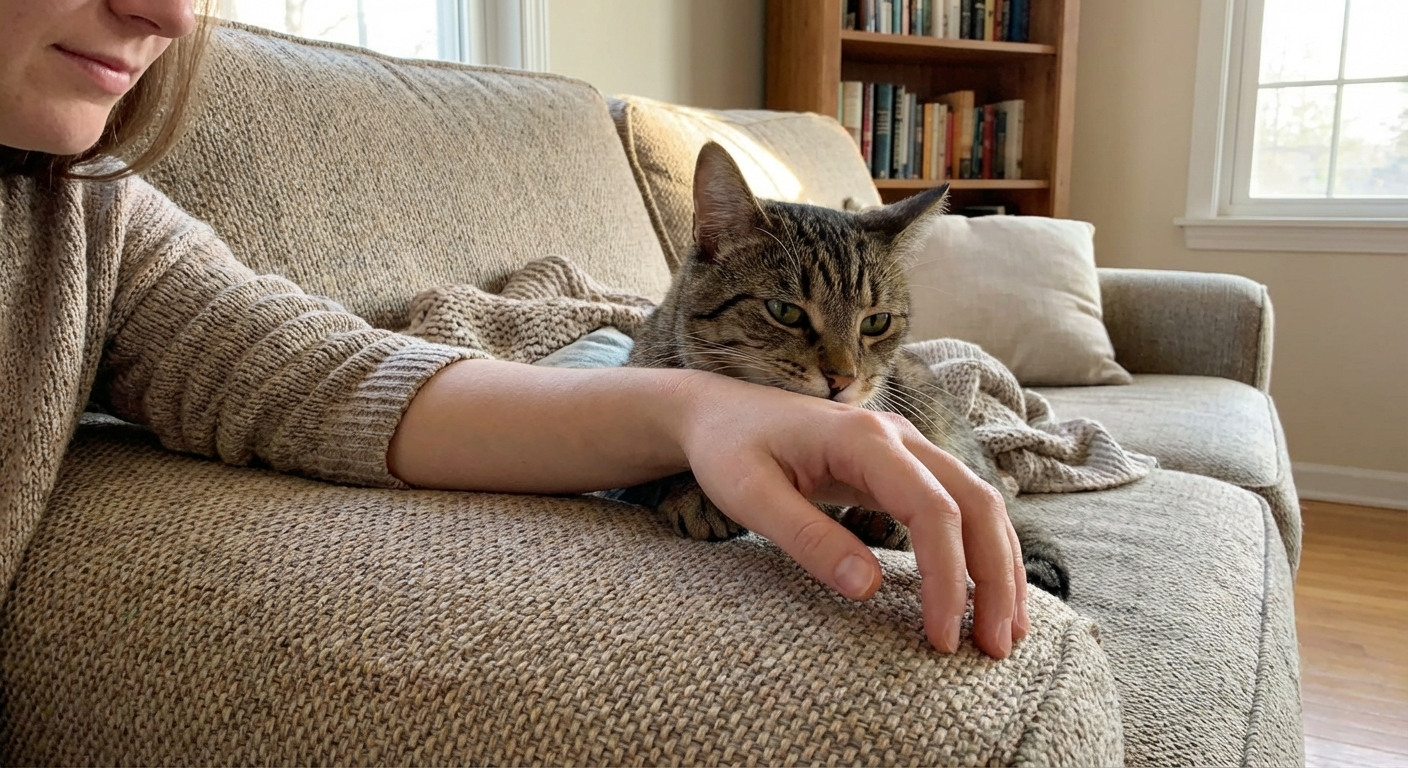
1) Play biting
This is especially common in kittens and young cats. If they learned that hands are toys, they will grab, kick, and bite hands like prey. It is normal cat behavior, but it is not behavior we want aimed at people.
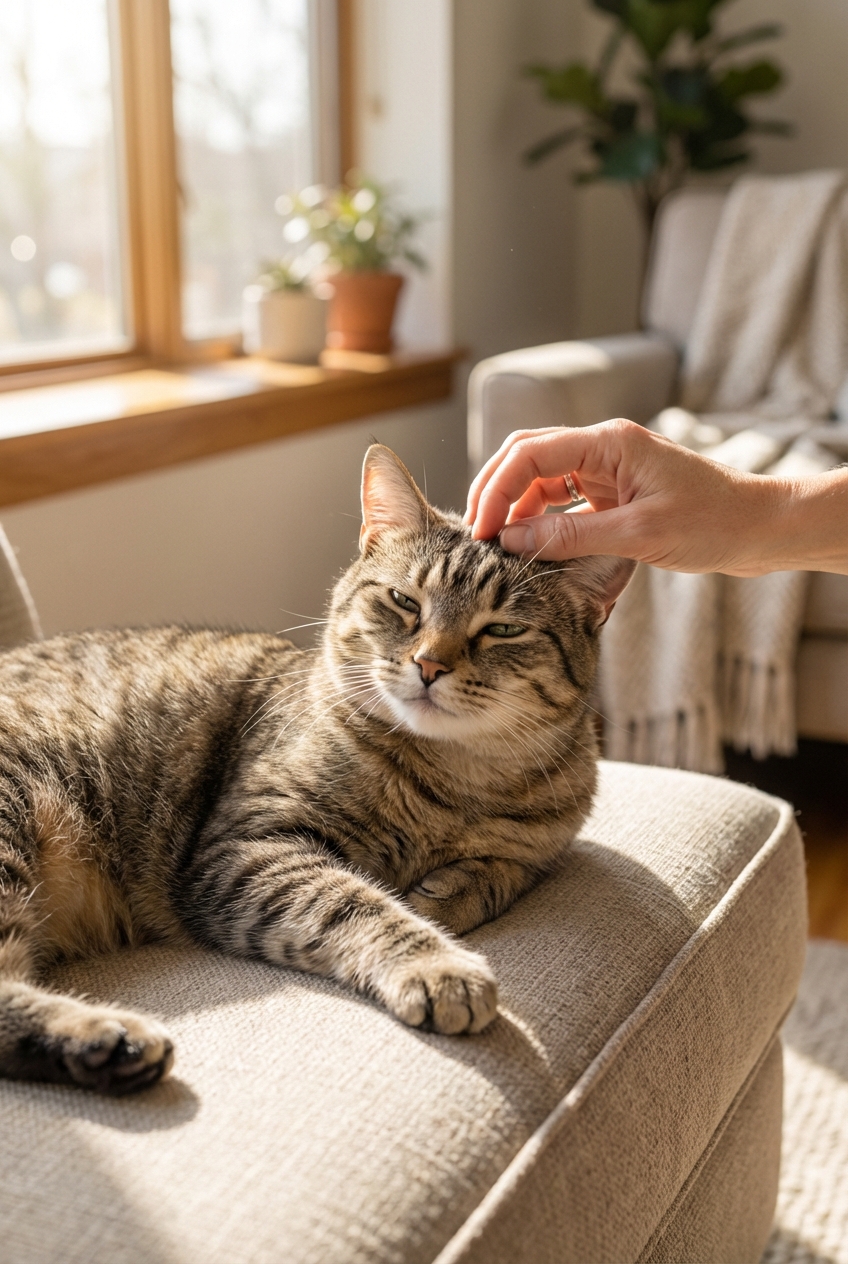
2) Overstimulation during petting
Many cats enjoy petting until their nervous system says “enough.” They may give subtle warning signs, then bite quickly to end contact. This is sometimes called petting-induced aggression, but it is often simply overstimulation.
3) Fear, stress, or feeling trapped
A cat that is anxious, cornered, or surprised may bite as self-protection. New environments, guests, loud noises, or conflict with another pet can all raise stress.
4) Pain or medical issues
If biting is new, more intense, or happens when you touch a specific area, pain jumps to the top of the list. Dental disease, arthritis, skin irritation, ear infections, and urinary discomfort can all make a cat less tolerant of handling. Cats often hide discomfort well, so behavior changes may be one of the first clues.
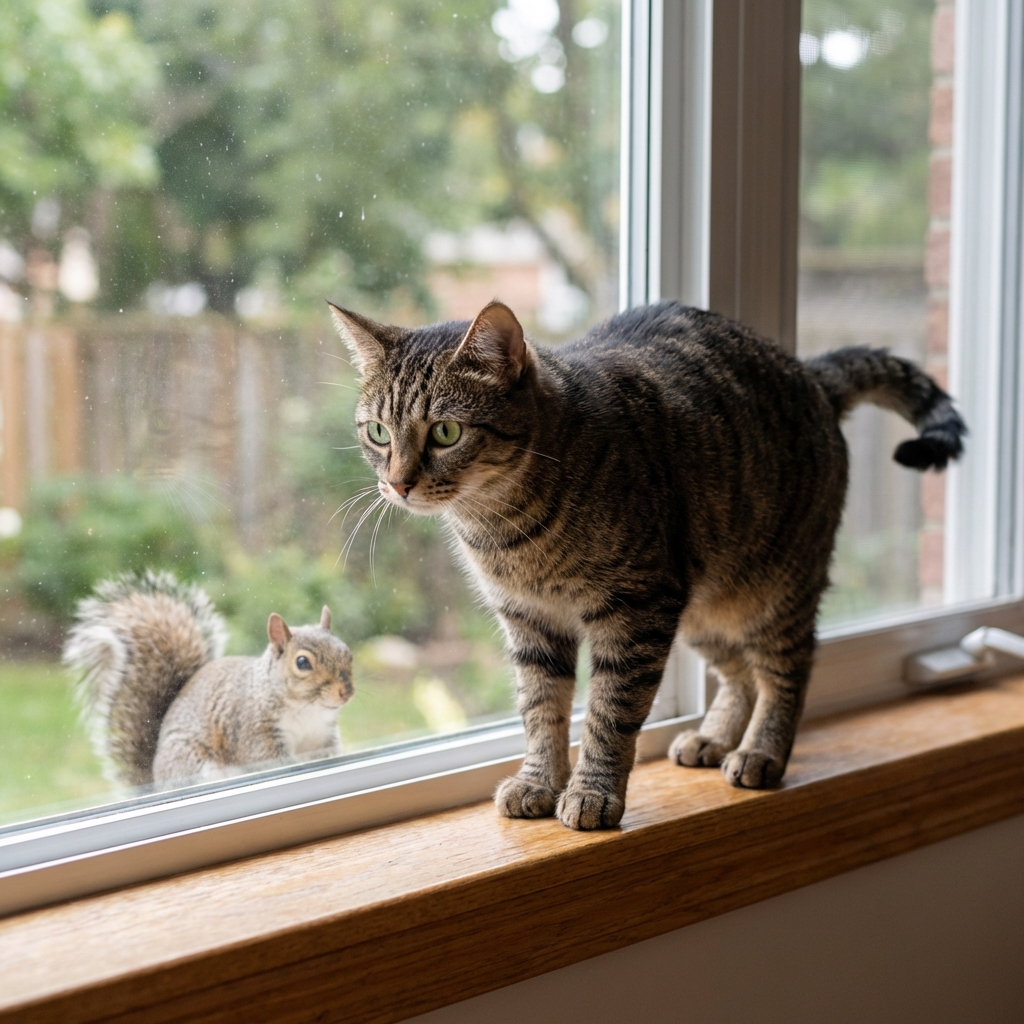
5) Redirected aggression
This happens when a cat gets “revved up” by something they cannot reach, like a stray cat outside the window, then the arousal spills over onto the nearest target. That target is sometimes a person or another pet.
6) Stress between cats
In multi-cat homes, tension can simmer quietly. A cat who feels crowded at the litter box, blocked from a favorite perch, or stressed by chasing can be more likely to swat or bite when a person reaches in at the wrong moment.
7) Declawing history
If your cat is declawed (or was before you adopted them), biting can be more common in some cats. When claws are not available for warning or defense, some cats rely on teeth sooner. This is not anyone’s fault, it just helps explain the pattern.
Mouthing vs real bites
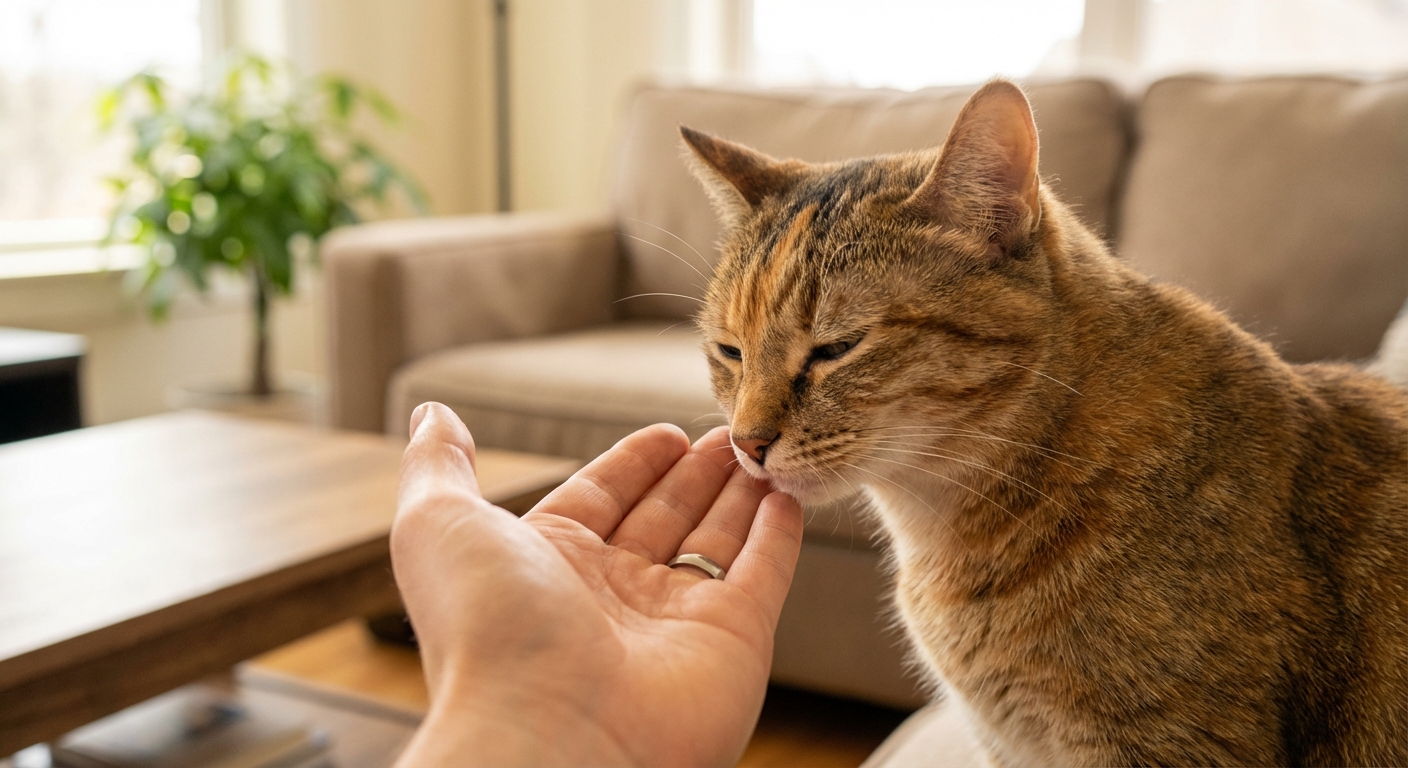
Not all “bites” are the same. Some cats gently mouth or do a soft nibble with no pressure, especially during play or affection. A true bite usually involves pressure, punctures, or a fast clamp and release. Treat any bite that breaks skin as medically important.
How to tell a bite is coming
Cats usually whisper before they shout. Watch for these early signals:
- Tail twitching or thumping
- Skin rippling along the back
- Ears turning sideways or flattening
- Dilated pupils
- Sudden stillness or stiff posture
- Turning the head toward your hand
- Low growl or quick meow that sounds irritated
If you notice any of these, stop the interaction before the bite happens. Prevention is always easier than “correcting” after the fact.
What to do now
Do
- Freeze your hand or body for a second, then calmly withdraw. Quickly yanking your hand away can trigger chasing and harder biting.
- Redirect with a toy tossed away from your body (wand toy, soft kicker toy).
- Give space. End the interaction and let your cat decompress.
- Use a barrier if needed, like a pillow between you and the cat, especially with redirected aggression.
Do not
- Do not yell, hit, flick, spray, or “bite back.” Punishment increases fear and teaches your cat that hands are unsafe.
- Do not keep petting to “show them who is boss.” That often escalates bite intensity.
- Do not use your hands as toys, even with gloves. It teaches the wrong lesson.
The fastest way to reduce biting is to reward calm behavior and remove the payoff for biting. If biting ends petting, the cat learns biting works. If calm signals end petting, the cat learns calm works.
Stop play biting
If your cat is biting during play, you are going to win this with two things: better play and consistent boundaries.
Hands are not prey
- Only play with toys, not fingers.
- If your cat bites, immediately end play for 10 to 30 seconds. Stand up, turn away, and become boring.
- Restart play using a wand toy so your hands stay out of range.
Use the right toys
- Wand toys for chase and pounce (keeps distance)
- Kicker toys for grab and bunny-kick urges
- Food puzzles to burn mental energy
Try two short play sessions daily (5 to 10 minutes). End with a small snack to mimic the natural hunt, catch, eat cycle.

Prevent petting bites
Many petting bites happen because we miss the early “I’m done” signals. Your goal is to stop before your cat feels they need to use teeth.
The 3-second rule
Pet for about three seconds, then pause and let your cat choose. If they lean in, head-butt, or purr and stay relaxed, you can continue. If they stiffen, look away, twitch their tail, or move off, respect the boundary.
Stick to safe zones
Most cats tolerate gentle strokes on the cheeks, chin, and head better than full-body petting. Many cats are sensitive on the belly, lower back, and base of tail.
Keep it short
Multiple tiny, successful interactions build trust. Long petting sessions push some cats into overstimulation.
Kids and visitors
Bites are more likely when someone misses warning signs or gets too intense, and that often happens with kids and guests. A few simple rules help a lot:
- Supervise all child and cat interactions.
- Teach kids to pet gently on the head and cheeks and to stop when the cat walks away.
- Ask visitors not to reach for a hiding cat. Let the cat approach first.
- Provide a “no people” zone like a bedroom, cat tree, or covered bed where your cat can opt out.
Health red flags
If biting is new, sudden, or paired with any other change, I strongly recommend a veterinary visit. Behavior changes can be an early sign of pain or illness.
Call your vet promptly if you notice:
- Bad breath, drooling, pawing at the mouth, or dropping food (dental pain)
- Hissing when picked up or touched in a certain spot (pain)
- Changes in litter box habits, straining, or frequent trips (urinary discomfort)
- Head shaking or ear scratching (ear infection)
- Overgrooming, scabs, or dandruff (skin irritation, allergies, fleas)

Human safety
I have to be very direct here because it matters: cat bites can cause deep puncture wounds that trap bacteria under the skin. In humans, this can lead to infection quickly, especially on the hands and near joints.
If a bite breaks skin
- Wash the area immediately with soap and running water for several minutes.
- Apply an antiseptic if you have it.
- Cover with a clean bandage.
- Contact a healthcare provider promptly. Same-day evaluation is often recommended for hand bites, deep punctures, bites near joints, or if you are immunocompromised.
- Check whether your tetanus shot is up to date. A clinician can advise you.
- Watch for redness, swelling, warmth, increasing pain, drainage, fever, or red streaking.
If your cat is unvaccinated or you are unsure about rabies status, contact your healthcare provider or local health department for guidance. Rabies protocols vary by jurisdiction and by whether the cat is owned, vaccinated, and available for observation.
7-day reset plan
If you want a focused reset, here is a week you can start today.
- Day 1: Remove hand play. Gather a wand toy, a kicker toy, and a food puzzle.
- Day 2: Add two daily play sessions. End each with a small treat.
- Day 3: Start the 3-second petting rule and stop at the first warning sign.
- Day 4: Add vertical space (cat tree, shelf, or a cleared window perch).
- Day 5: Reduce stressors. Create a quiet “safe room” option.
- Day 6: If there is window-triggered agitation, block the view temporarily and add play before peak trigger times.
- Day 7: Reassess patterns. If biting persists, worsens, or causes injury, schedule a vet check and consider a feline behavior consult.
When to get help
Some biting is straightforward to improve at home, but you do not have to manage serious aggression on your own. Consider a qualified feline behavior professional if:
- Bites are frequent, intense, or feel unpredictable
- Bites break skin or are aimed at the face
- Aggression is escalating week to week
- There is conflict between cats that is not improving with basic changes
- You have safety concerns with kids, elderly family, or immunocompromised household members
Start with your veterinarian so pain and medical triggers are not missed, then ask for a referral to a behaviorist or experienced cat behavior consultant if needed.
You can improve this
Biting is one of the biggest reasons people feel discouraged, but it is also one of the most fixable issues when we respond with clear, consistent communication. You do not need to be perfect. You just need to be steady.
If you can identify the trigger, respect early warning signs, and give your cat safe outlets for natural behaviors like hunting and kicking, many households see noticeable improvement within a couple of weeks.