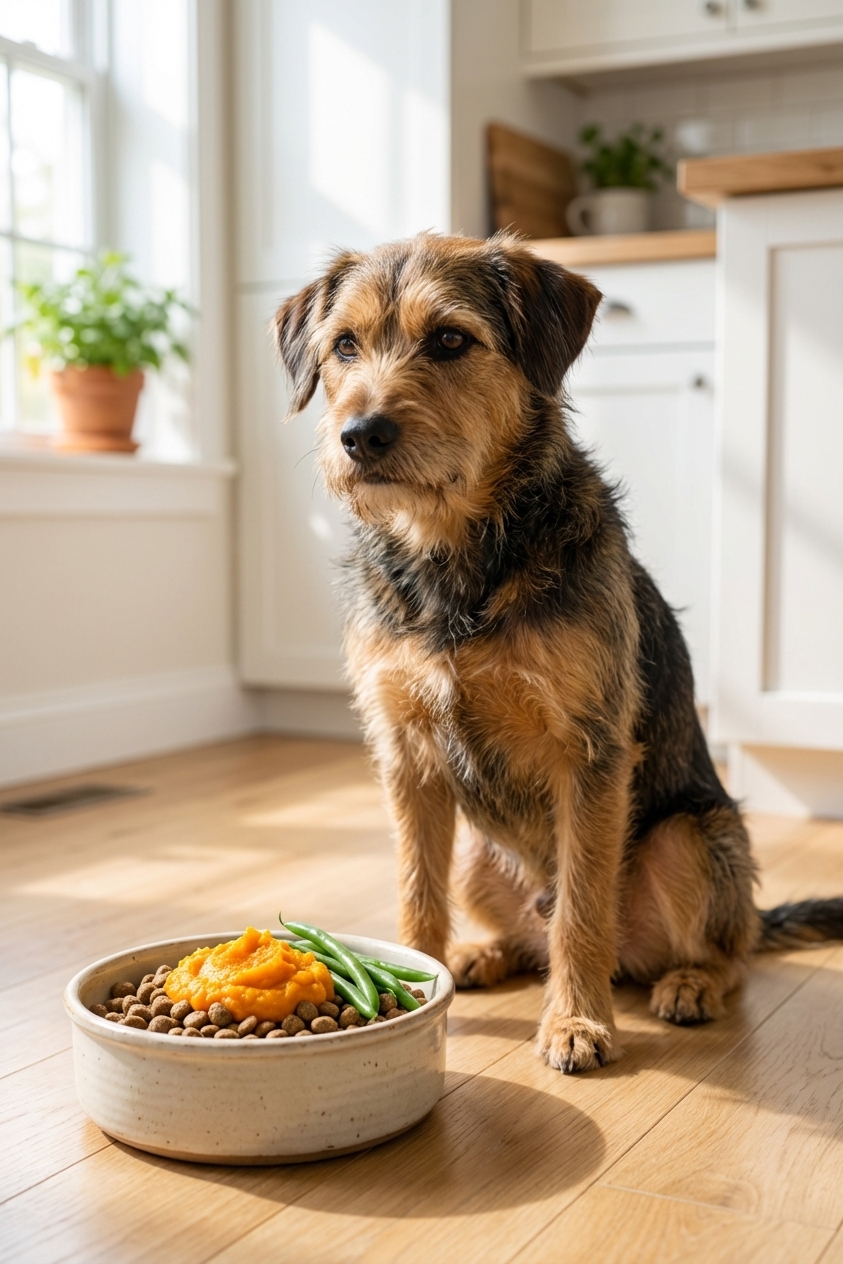
Learn how to support dogs with bladder stones using hydration-first homemade meals, low-purine protein options, urine pH basics, treat pitfalls, and foods to...
Article
•
Designer Mixes
Stones in Dogs’ Bladders: Quick Guide

Shari Shidate
Designer Mixes contributor
Bladder stones in dogs can go from “a little straining” to a full emergency faster than many caregivers realize. In my experience as a veterinary assistant, I have seen how relieved families feel once they understand what stones are, what signs to watch for, and what the next steps usually look like. This guide is here to help you act quickly and confidently.

What bladder stones are
Bladder stones, also called uroliths, are hard mineral formations that develop in the urinary bladder. They can irritate the bladder lining (causing pain and bleeding), trigger urinary tract infections, and sometimes block the urethra so urine cannot pass.
Stones are not all the same. Their mineral makeup matters because it affects treatment and prevention.
Why stones matter
Some dogs live with bladder stones for a while with mild signs. Others get suddenly worse. The biggest risk is urinary obstruction, especially in male dogs due to a narrower urethra. That said, female dogs can also obstruct, especially with small stones or urethral swelling.
If your dog is straining to pee and producing little to no urine, treat it as an emergency and go to an ER vet right away.
Common signs at home
- Straining to urinate or taking a long time to pee
- Frequent small trips outside
- Accidents in a previously house-trained dog
- Blood in the urine (pink, red, or rusty color)
- Dribbling urine
- Licking the genital area more than usual
- Restlessness, discomfort, or vocalizing while trying to pee
- In severe cases: vomiting, lethargy, painful belly, collapse
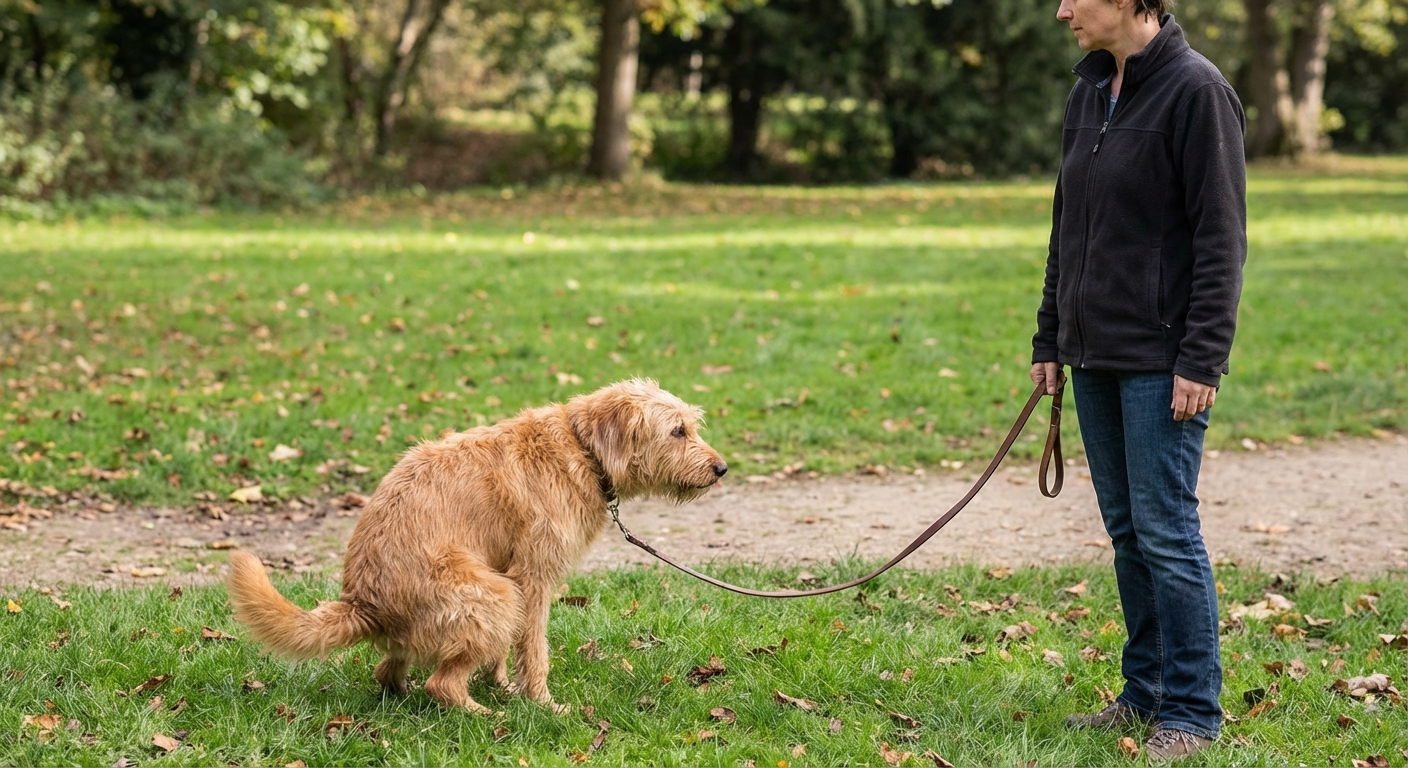
Emergency red flags
Go to an emergency clinic now if you notice:
- No urine produced (or only a few drops) despite repeated straining
- A tight, painful abdomen or your dog cries when picked up
- Vomiting, weakness, or acting “out of it”
- A history of stones plus suddenly worsening urinary signs
A complete blockage can become life-threatening. Waiting “to see if it passes” can be dangerous.
Types of bladder stones
Struvite
Often associated with urinary tract infections in dogs. Many struvite stones can be dissolved with a prescription diet plus antibiotics when a UTI is present. Ideally, antibiotics are selected based on a urine culture and susceptibility. Many vets will continue antibiotics through the dissolution period, with rechecks and follow-up imaging to confirm the stones are shrinking and gone.
Calcium oxalate
These typically do not dissolve with diet and usually require physical removal. Prevention focuses on urine dilution and dietary adjustments tailored to your dog.
Urate
More common in certain breeds (classic example: Dalmatians) and in dogs with liver shunts or liver-related issues. Management may include diet changes and medication depending on the cause.
Cystine
Less common and often related to genetics. Treatment may include diet, medications, and close monitoring.
Key takeaway: “Stones” is not one diagnosis. The best plan depends on the stone type, your dog’s urine pH, and whether infection is involved.
Risk factors
Some dogs are more likely to form certain stone types. Your vet will look at the full picture, but common patterns include:
- Struvite: recurrent UTIs, especially in dogs prone to infection
- Calcium oxalate: often seen in small breeds and middle-aged to older dogs
- Urate: predisposed breeds (such as Dalmatians), and dogs with liver disease or liver shunts
- Cystine: inherited tendencies in certain lines and breeds
How vets diagnose stones
Your vet may recommend:
- Urinalysis to check for blood, crystals, pH changes, and infection indicators
- Urine culture to confirm infection and select the right antibiotic (especially important for suspected struvite)
- X-rays because many stones are visible on radiographs
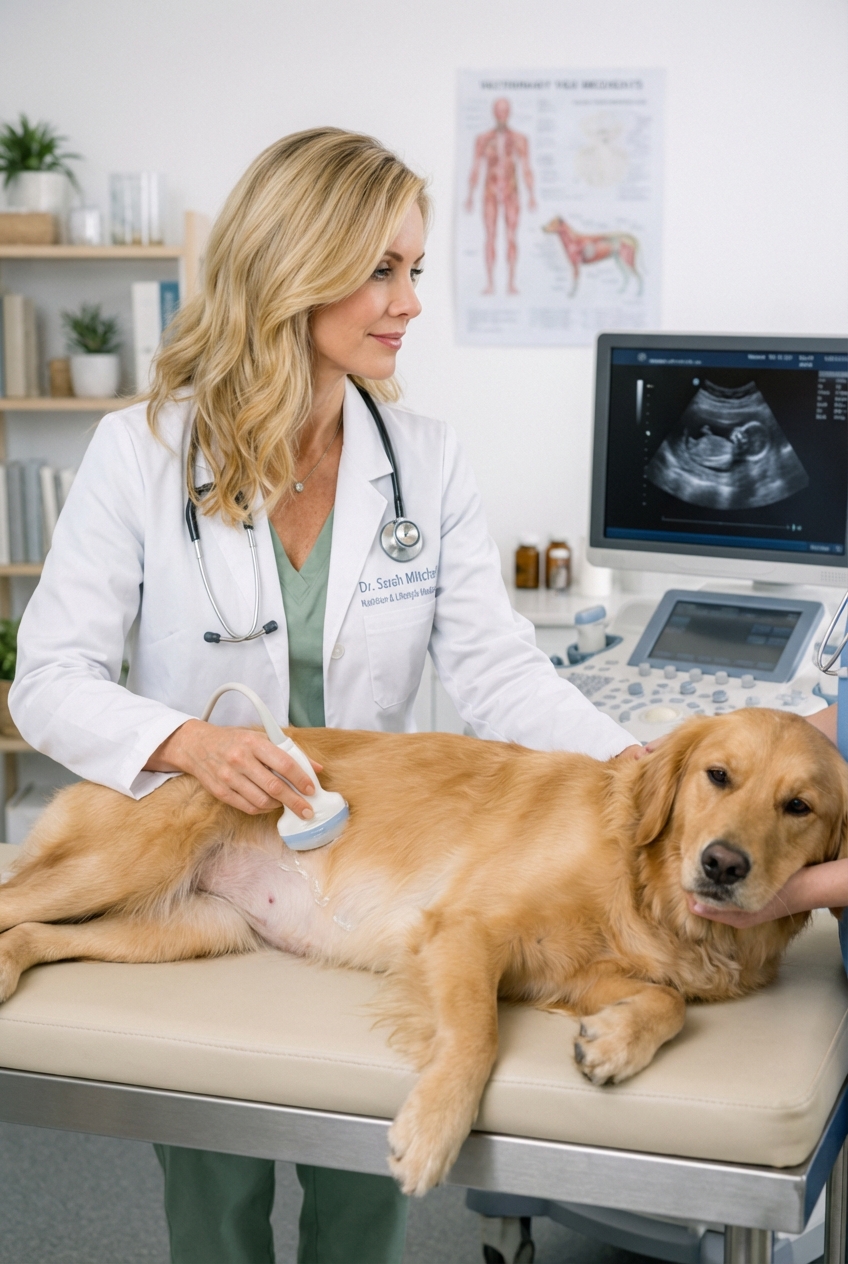
- Ultrasound which can detect stones that are harder to see and evaluate the bladder wall
- Stone analysis after removal or passage to identify composition and guide prevention
One helpful note: some stones (including many urate and cystine stones) may be poorly visible or not visible on standard x-rays. That is one reason ultrasound, and sometimes contrast imaging, can be so valuable.
Treatment options
1) Dissolution diet
Some stones, especially many struvite stones, may be dissolved with a veterinary prescription diet that changes urine chemistry, plus antibiotics if a UTI is present. During dissolution, follow-up imaging is often needed to confirm the stones are shrinking and gone.
2) Surgery (cystotomy)
A common, effective option when stones cannot dissolve, the dog is blocked, or stones are large or numerous. Surgery allows the vet to remove stones and send them for analysis.
3) Non-surgical removal
In select dogs, your vet may discuss options like urohydropropulsion (flushing small stones out under anesthesia or heavy sedation) or advanced procedures such as cystoscopy-guided retrieval, depending on size, sex, and stone location.
4) Pain control and supportive care
Dogs with stones often need pain relief, sometimes medications that help relax the urethra or bladder muscles, and treatment for infection if present. Do not give human pain meds unless specifically directed by your veterinarian.
What to expect at the vet or ER
If your dog is having urinary trouble, clinics typically focus on two urgent questions: is your dog blocked, and is there an infection or other complication?
- Exam and belly check: your vet may gently feel the bladder and assess pain
- Urine testing: often urinalysis, and culture if infection is suspected
- Imaging: x-rays and or ultrasound to look for stones and bladder changes
- If obstruction is suspected: rapid stabilization, pain control, and attempts to relieve the blockage (often with a urinary catheter). Bloodwork may be recommended to check kidney values and electrolytes.
Knowing this ahead of time can make the visit feel a little less overwhelming.
What you can do right now
- Observe urine output: note how often your dog tries, and whether urine is actually produced.
- Save a urine sample if you can (clean container), or bring a photo or video of straining behavior to your appointment. If your dog may be blocked, do not spend time collecting a sample. Go in.
- Encourage hydration: offer fresh water, consider adding water or low-sodium broth (vet-approved) to meals.
- Do not restrict water to reduce accidents. Concentrated urine can worsen irritation and stone formation risk.
- Keep your dog calm and avoid strenuous exercise until evaluated.
If your dog might be blocked, skip home care and go straight in.
Prevention that helps
Preventing recurrence is a real goal, but it must be personalized. Stones can recur, and prevention often requires long-term diet changes plus ongoing monitoring. Your vet will base prevention on stone type, urine testing, and sometimes underlying medical conditions.
Hydration first
- Feed more moisture-rich meals when appropriate (some dogs do well with canned or balanced fresh options recommended by your veterinarian).
- Add water to food to increase total fluid intake.
- Use multiple water stations, pet fountains, and frequent potty breaks.
Follow-up matters
- Recheck urinalysis and cultures as advised, especially after a UTI.
- Repeat imaging if your veterinarian recommends it, because stones can return with subtle or no signs.
Diet: targeted, not trendy
For stone-prone dogs, “one-size-fits-all” diet advice can backfire. The right food depends on the stone type and urine pH goals. If you love the idea of homemade, ask your veterinarian about a referral to a board-certified veterinary nutritionist so meals are balanced and stone-preventive rather than accidentally risky.
FAQ
Can bladder stones pass on their own?
Small stones might pass, but they can also lodge in the urethra and cause a blockage. If your dog is straining, the safest move is prompt veterinary evaluation.
Are crystals the same as stones?
No. Crystals can be a clue about urine chemistry, but stones are larger mineral formations. A dog can have crystals without stones and stones without obvious crystals on a single urinalysis.
Do certain dogs get stones more often?
Yes. Risk can be influenced by breed, sex, anatomy, hydration habits, recurrent UTIs, and underlying metabolic or liver conditions.
A gentle next step
If you suspect bladder stones, your best move is to schedule an exam and bring details about your dog’s urination patterns, diet, supplements, and any history of UTIs or stones. With the right diagnosis and a prevention plan, many dogs go on to live very comfortable, active lives.
Sources
- Merck Veterinary Manual. “Urolithiasis in Small Animals.” Accessed 2026-02-19.
- American College of Veterinary Internal Medicine (ACVIM) clinical resources and consensus guidance on urolith management. Accessed 2026-02-19.
- Veterinary Partner and university veterinary hospital client education materials on canine uroliths and urinary obstruction. Accessed 2026-02-19.