Most cats hate toothbrushing—so make it quick and rewarding. Get fun dental facts, an easy 2-minute routine, training micro-steps, and alternatives if brus...
Article
•
Designer Mixes
Stomatitis in Cats

Shari Shidate
Designer Mixes contributor
When a cat has stomatitis, their whole mouth can feel like it is on fire. It is more than “bad teeth” or “a little gingivitis.” Feline stomatitis is a severe, painful inflammation inside the mouth that can make eating, grooming, and even being touched around the face miserable.
As a veterinary assistant, I want you to know a few things right away: this condition is real, it is treatable, and the earlier you get help, the faster your cat can feel relief.
What is feline stomatitis?
Stomatitis means inflammation of the tissues inside the mouth. In cats, it often involves the gums, the lining of the cheeks, the back of the mouth (near the throat), and the tissue around the teeth. You may also hear it called:
- Feline chronic gingivostomatitis (FCGS)
- Lymphoplasmacytic stomatitis (a description of the immune cells commonly involved)
In many cats, the inflammation is worst in the very back of the mouth, where the upper teeth meet the soft tissues. That area can become so painful that a cat avoids chewing altogether.
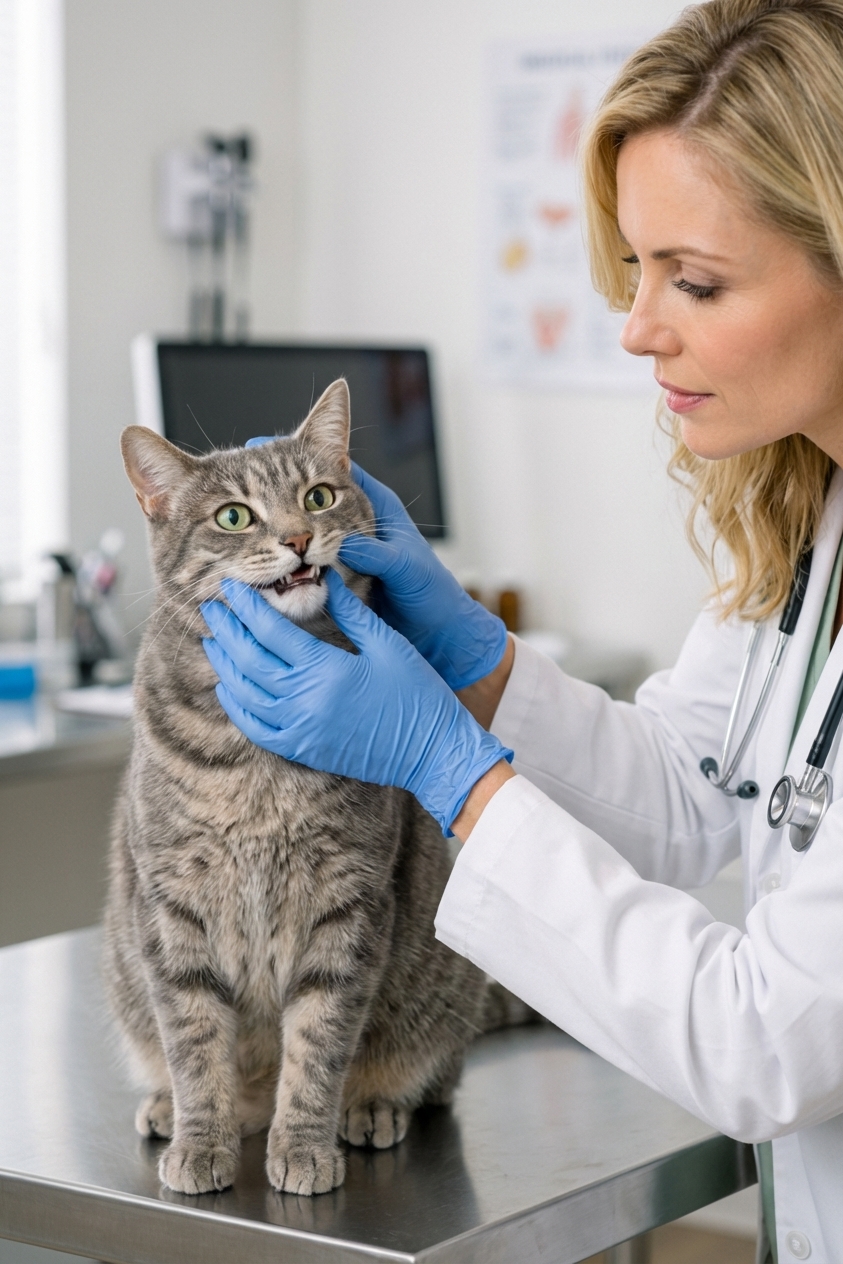
What it can look like: vets often see bright red, swollen, sometimes ulcerated tissue, especially in the “caudal” (back) part of the mouth. Please do not force your cat’s mouth open at home. It is painful and can lead to bites or stress. Let your veterinary team take a look safely.
Signs you can spot at home
Cats are masters at hiding pain. Many owners are shocked to learn how uncomfortable their cat has been for months. Common signs include:
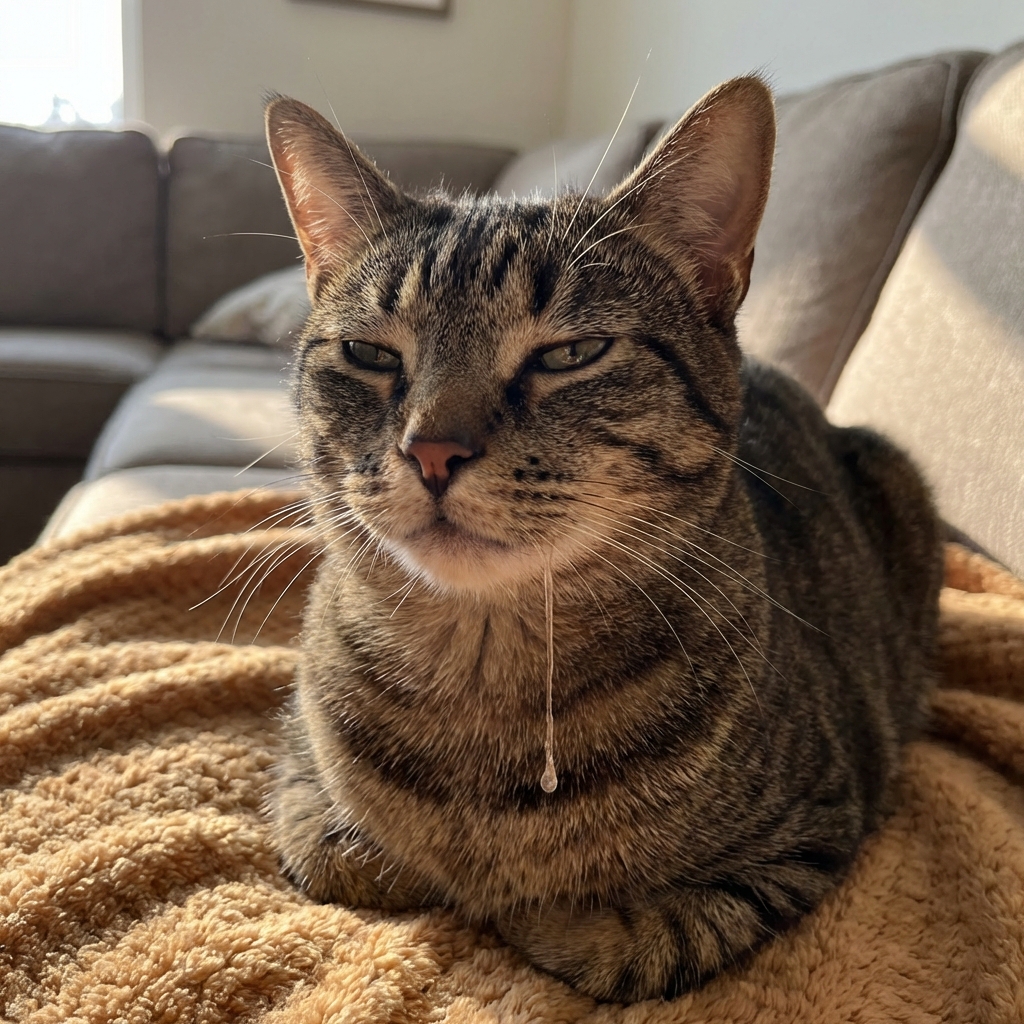
- Drooling (sometimes thick or ropey, sometimes blood-tinged)
- Bad breath that seems sudden or unusually strong
- Difficulty eating, chewing on one side, or dropping food
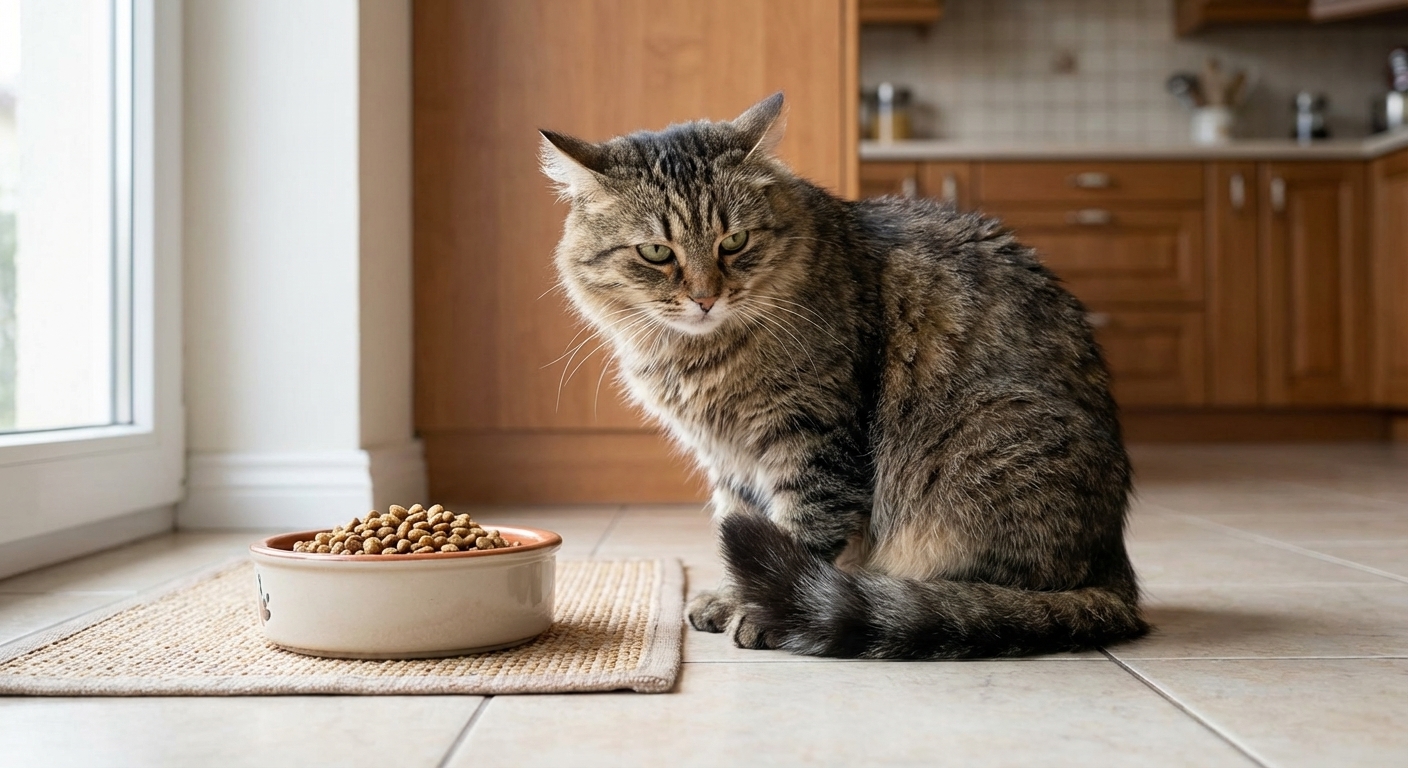
- Walking up to the bowl like they are hungry, then backing away
- Pawing at the mouth or face rubbing
- Weight loss or poor appetite
- Hiding, irritability, or less tolerance for being petted
- Messy coat from reduced grooming
If your cat yelps while eating, chatters their jaw, or suddenly prefers only soft food, those are big clues that mouth pain may be involved.
What causes stomatitis in cats?
Stomatitis is complex, and the exact cause is not fully understood. In most cases there is not a single simple trigger. Think of it as an over-the-top immune reaction in the mouth. The immune system reacts strongly to plaque and bacteria on the teeth, and the tissues become chronically inflamed and sometimes ulcerated.
Common contributing factors
- Dental disease: plaque, tartar, gingivitis, periodontal disease, tooth resorption
- Immune dysregulation: an exaggerated inflammatory response to oral bacteria
- Viral infections: some cats with stomatitis test positive for feline calicivirus, but the association is inconsistent and not considered definitively causal; cats may also be tested for FIV and FeLV as part of a bigger health picture
- Genetics and individual sensitivity: some cats are simply more prone to severe inflammation
Important note: stomatitis is not something you caused. It is not about “not brushing enough.” Many cats with excellent home care still develop it, and many cats will not allow brushing due to pain.
How veterinarians diagnose stomatitis
A vet will start with a thorough oral exam and a full health history. Because the mouth is painful, many cats cannot tolerate a complete exam while awake, especially near the back of the mouth.
Tests and procedures your vet may recommend
- Dental exam under anesthesia (a COHAT, or comprehensive oral health assessment and treatment) for a complete look at all oral tissues
- Dental X-rays to identify tooth root disease, resorptive lesions, and hidden infections
- Basic bloodwork to evaluate overall health and anesthesia safety
- Testing for FIV/FeLV when appropriate
- Biopsy in select situations to rule out other problems when the appearance is atypical or when response to treatment is not as expected
Dental X-rays are especially important because a tooth can look “fine” above the gumline while being severely diseased below it.
Biopsy is not common for classic stomatitis cases, but it can be important to rule out other conditions that can mimic oral inflammation, including oral tumors, eosinophilic granuloma complex, or severe periodontal disease.
Treatment options
The goal is to reduce pain, control inflammation, and remove triggers like plaque-retentive tooth surfaces and diseased teeth. Treatment often happens in steps, and many cats need more than one approach.
1) Dental cleaning and treatment of diseased teeth
Some mild cases improve after a thorough dental cleaning and targeted extractions. However, true stomatitis is often more severe than routine dental disease.
2) Medications
Medications can help control pain and inflammation, especially while you are planning definitive dental treatment or during recovery. In many hospitals, cats also receive local anesthetic nerve blocks during dental procedures for better pain control.
- Pain control: your vet may prescribe cat-safe analgesics (never use human pain medications)
- Antibiotics: sometimes used short-term for secondary infection, though they rarely solve stomatitis by themselves and are not a long-term plan
- Anti-inflammatory and immune-modulating therapy: options vary by cat; long-term steroid use can have side effects, so your veterinarian will weigh risks and benefits
Many cats feel better on medication, but symptoms commonly return when meds stop if the underlying trigger remains.
3) Full-mouth extractions (or near full-mouth extractions)
This is the treatment that scares people, but it is also the one that often provides the most meaningful, lasting relief for severe stomatitis.
In many cases, veterinarians recommend removing most or all teeth. Why? Because the tooth surfaces and crevices that hold plaque are a major driver of the immune response. When those plaque-retentive areas are removed, the inflammatory trigger is dramatically reduced.
- Studies often cite that roughly 60 to 80 percent of cats experience significant improvement or complete resolution after full-mouth or near full-mouth extractions. Your veterinarian can discuss what response rates look like for your cat’s specific case.
- Some cats improve only partially and need ongoing medical management even after extractions.
- A smaller subset has minimal response, especially if inflammation is very advanced or there are other complicating factors.
Can cats eat without teeth? Many cats can eat very well without teeth, but what they prefer varies. Some will eat kibble (sometimes swallowing pieces whole), while others do best with canned food or softened diets. The good news is that comfort matters more than the menu, and most families find a routine that works.
If your cat has stomatitis, tooth removal is not “giving up.” It is often the most compassionate pain-relief option we have.
4) Additional therapies (case-by-case)
Your vet may discuss adjunct options depending on your cat’s response, overall health, and specialist availability. This may include other immune-modulating medications or referral to a veterinary dentist for advanced care.
Home care tips that help
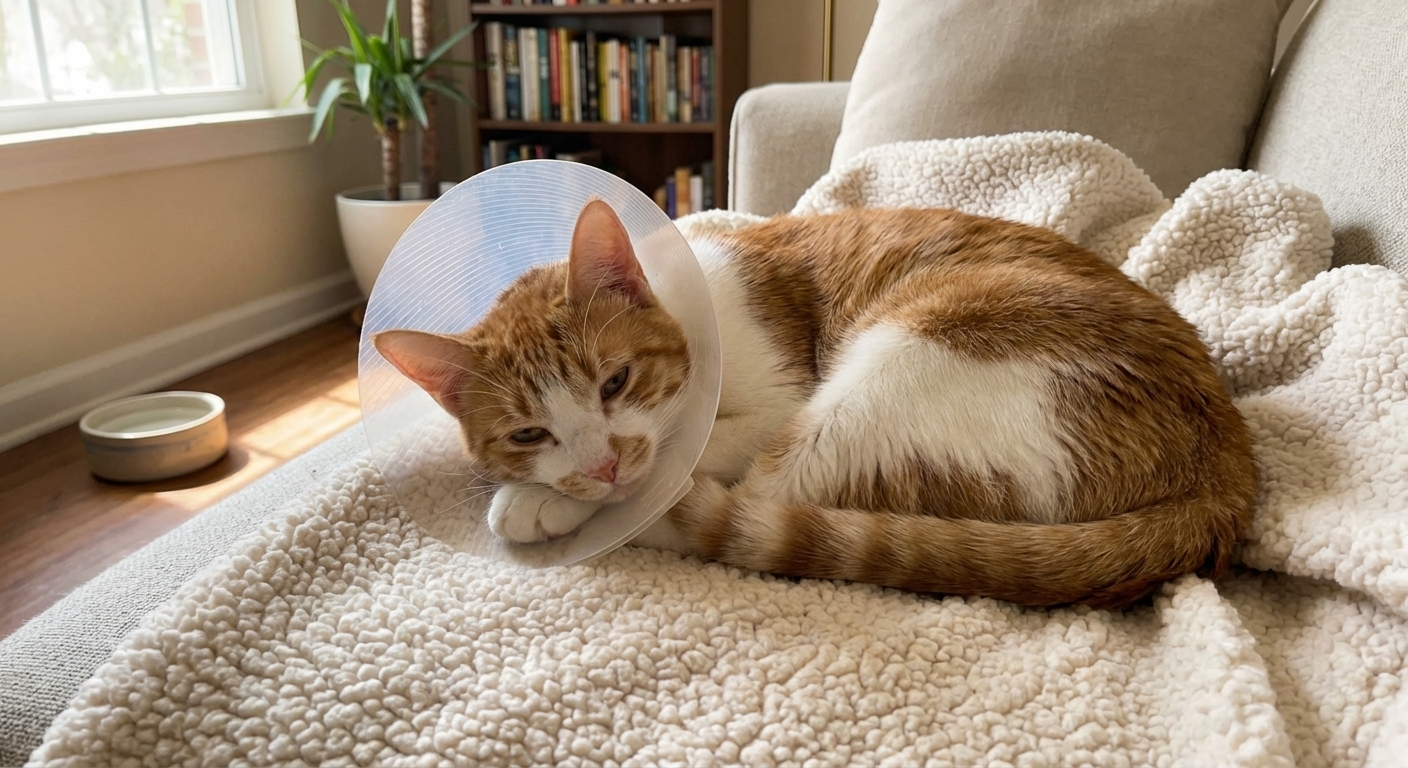
Home care does not replace veterinary treatment for stomatitis, but it can make a real difference in comfort and healing.
Feeding and hydration
- Offer soft foods (canned food, pate with added warm water, or vet-approved soft diets).
- Warm the food slightly to increase aroma and encourage eating.
- Keep water easy: multiple bowls or a cat fountain can encourage drinking.
Reduce mouth irritation
- Avoid hard or crunchy add-ons: hard treats, bones, and any chew that could scrape sore tissue. If you use dental treats or chews, stick with options your vet recommends for your cat.
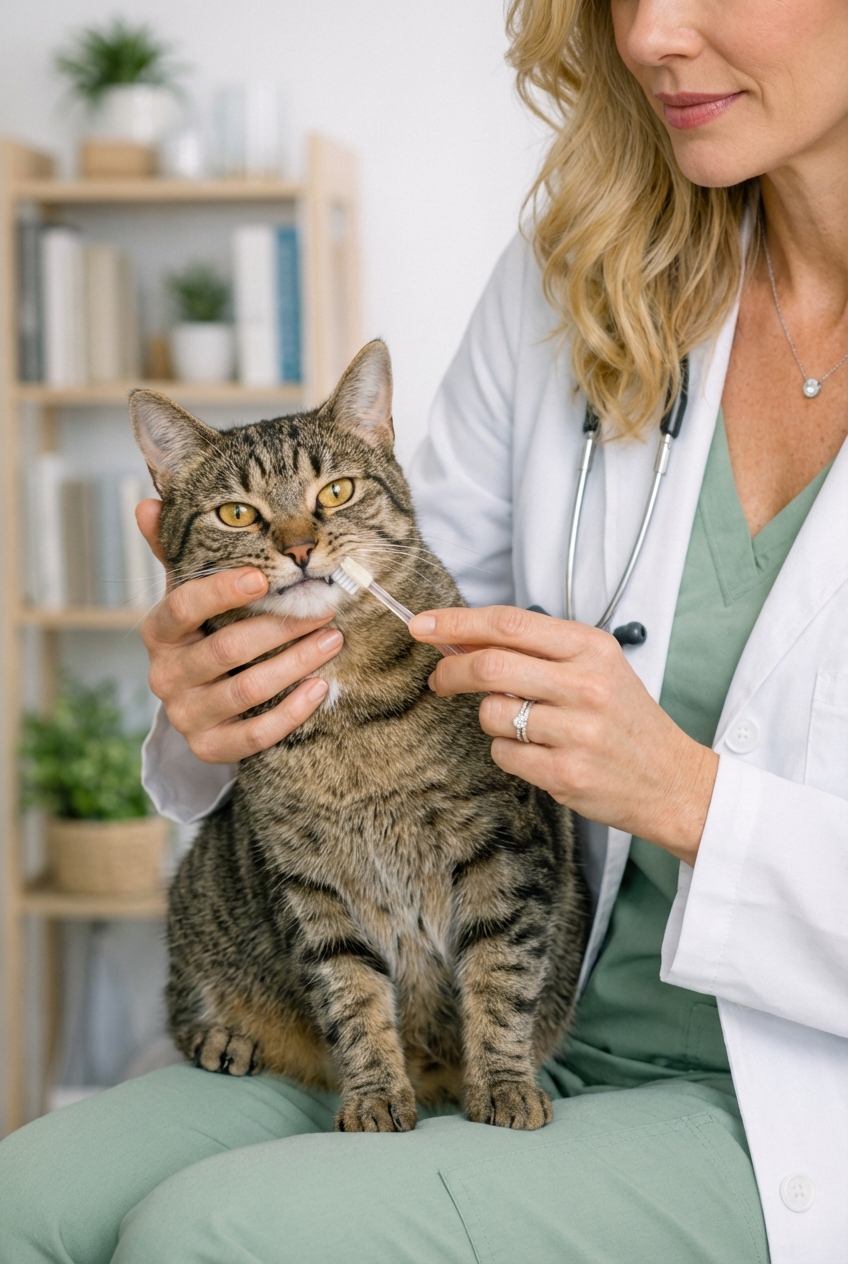
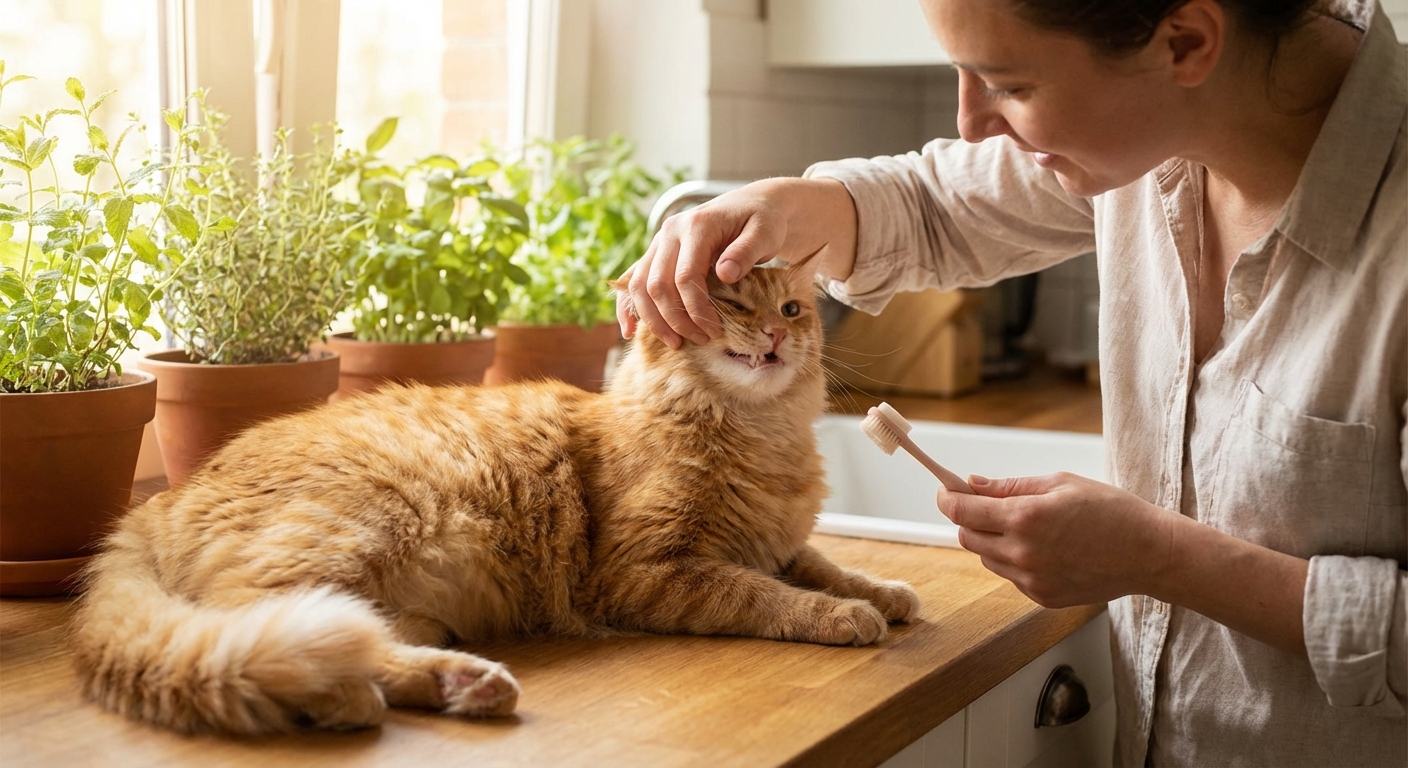
- Do not brush a painful mouth unless your veterinarian specifically says it is appropriate. For many stomatitis cats, brushing hurts and can create a negative association with eating and handling.
Medication success at home
- Give meds exactly as prescribed. Pain control is not optional for this condition.
- Ask about easier forms: liquids, smaller pills, or flavored compounds may improve compliance.
Comfort and monitoring
- Track weight weekly if possible. Weight loss is a major red flag.
- Watch eating behavior (approaches bowl, chews then cries, drops food).
- Keep stress low with a quiet feeding area and predictable routine.
When it is an emergency
Stomatitis is painful, but certain signs mean you should seek urgent veterinary care:
- Your cat stops eating for 24 hours (sooner for kittens, seniors, diabetics, cats with other medical conditions, or cats with a history of hepatic lipidosis)
- Rapid weight loss or obvious weakness
- Dehydration (tacky gums, sunken eyes, lethargy)
- Significant bleeding from the mouth
- Difficulty breathing or severe facial swelling
Cats that do not eat are at risk for hepatic lipidosis (fatty liver disease), which can become serious quickly.
After extractions
If extractions are recommended, it helps to know what the road looks like:
- Healing time: many cats improve quickly, but full healing can take weeks.
- What is normal early on: mild drooling, bad breath, and a lower appetite can happen during the first part of healing. Your vet will tell you what is expected and what is not.
- Pain control: pain medication is typically sent home. Give it exactly as directed, even if your cat seems “better” mid-week.
- Diet: soft food is usually recommended at first, then your vet will guide you on next steps.
- Follow-up: rechecks matter. Persistent inflammation may need additional therapy.
- Long-term outlook: many cats experience significant improvement in quality of life, energy, and appetite once chronic mouth pain is gone.
It can be emotional to agree to extractions. But I have seen so many cats transform afterward, going from withdrawn and picky to bright-eyed and hungry again.
How to prevent oral disease from getting worse
Not all stomatitis can be prevented, but reducing dental disease early can lower oral inflammation and help your cat stay comfortable:
- Schedule routine dental checkups and cleanings when recommended.
- Use vet-approved dental diets or treats for cats that tolerate them.
- Consider daily oral care only if your cat is comfortable and your veterinarian approves.
- Address bad breath early. It is a symptom, not just a nuisance.
Bottom line
Feline stomatitis is a serious, painful condition, but it is also one where the right treatment can dramatically change a cat’s life. If you are seeing drooling, difficulty eating, pawing at the mouth, or weight loss, please schedule an exam and ask your veterinarian about a full oral evaluation with dental X-rays.
You are not overreacting. Mouth pain is real pain, and your cat deserves relief.