Does your dog make a “goose honk” cough or gag on leash? Learn common and emergency signs of collapsed trachea, likely triggers, vet diagnosis, and home ...
Article
•
Designer Mixes
Stages of Tracheal Collapse in Dogs

Shari Shidate
Designer Mixes contributor
Tracheal collapse can feel scary because it often shows up as a sudden honking cough, gagging, or noisy breathing, especially in small breed dogs. As a veterinary assistant, I want you to know this: most dogs do best when we identify the grade of collapse, reduce triggers, and match treatment to the grade.
Veterinarians typically describe tracheal collapse in four grades (I to IV), based on how much the airway narrows during breathing. The grade helps guide treatment and gives you a more realistic idea of what to expect next.
Quick caveat: grading criteria are commonly described as ~25/50/75/near-complete narrowing, but the exact cutoffs and how they are measured can vary a bit by clinician and by test (X-ray vs fluoroscopy vs endoscopy). Your veterinarian will interpret the grade in context with your dog’s symptoms.

Quick overview: what grading means
The trachea is a flexible tube supported by cartilage rings. In tracheal collapse, those rings lose rigidity and the soft membrane along the top of the trachea can sag inward. The result is a narrowed airway that can worsen with excitement, pulling on a collar, obesity, heat, smoke, respiratory infections, and sometimes dental disease.
Why dental disease can matter: in some dogs, bacteria and inflammation in the mouth can irritate the airways over time (for example, through tiny amounts of inhaled material), which may worsen coughing and airway inflammation.
Most commonly, grading refers to the approximate reduction in airway diameter (lumen) seen during respiration on airway evaluation. Depending on the case, your veterinarian may use:
- Chest and neck X-rays (may miss mild or intermittent collapse).
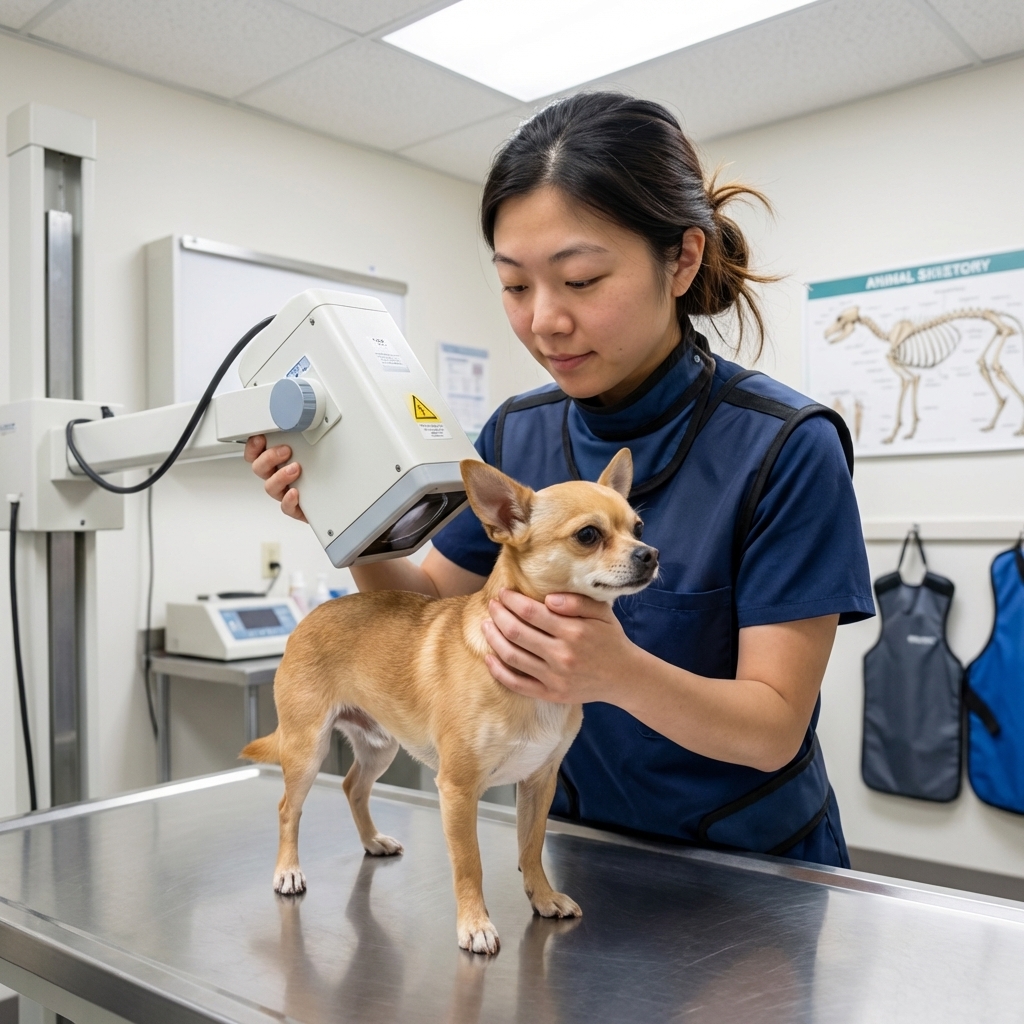
- Fluoroscopy, which is a moving X-ray that can show dynamic collapse during breathing.
- Tracheoscopy/bronchoscopy under anesthesia, which allows direct visualization and is often the most definitive way to grade severity and check for lower airway disease.
Important note: a dog’s symptoms and their grade do not always match perfectly. Some dogs with mild collapse cough a lot, while some with more advanced collapse are quieter until they get stressed or sick.
Other causes of a honking cough
A honking cough is classic for tracheal collapse, but it is not the only cause. Before you assume it is collapse, your veterinarian may want to rule out:
- Infectious tracheobronchitis (kennel cough and similar infections)
- Chronic bronchitis or lower airway inflammation
- Collapsing bronchi (lower airway collapse)
- Heart disease (some dogs cough from heart enlargement or fluid issues)
- Laryngeal problems (including paralysis in some breeds)
- Airway foreign material or irritation
This is one reason videos of the cough and a hands-on exam are so helpful.
Grade I tracheal collapse
What it looks like
About 25% narrowing of the tracheal lumen. The cartilage rings are starting to soften, and the dorsal membrane may sag slightly.
Common symptoms
- Occasional “goose honk” cough, often triggered by excitement or pulling on a leash
- Gagging or retching after drinking or barking
- Mild noisy breathing during play
- Often normal energy and appetite
Treatment by grade
- Weight management if your dog is even a little overweight. Less pressure on the chest and abdomen can mean easier breathing.
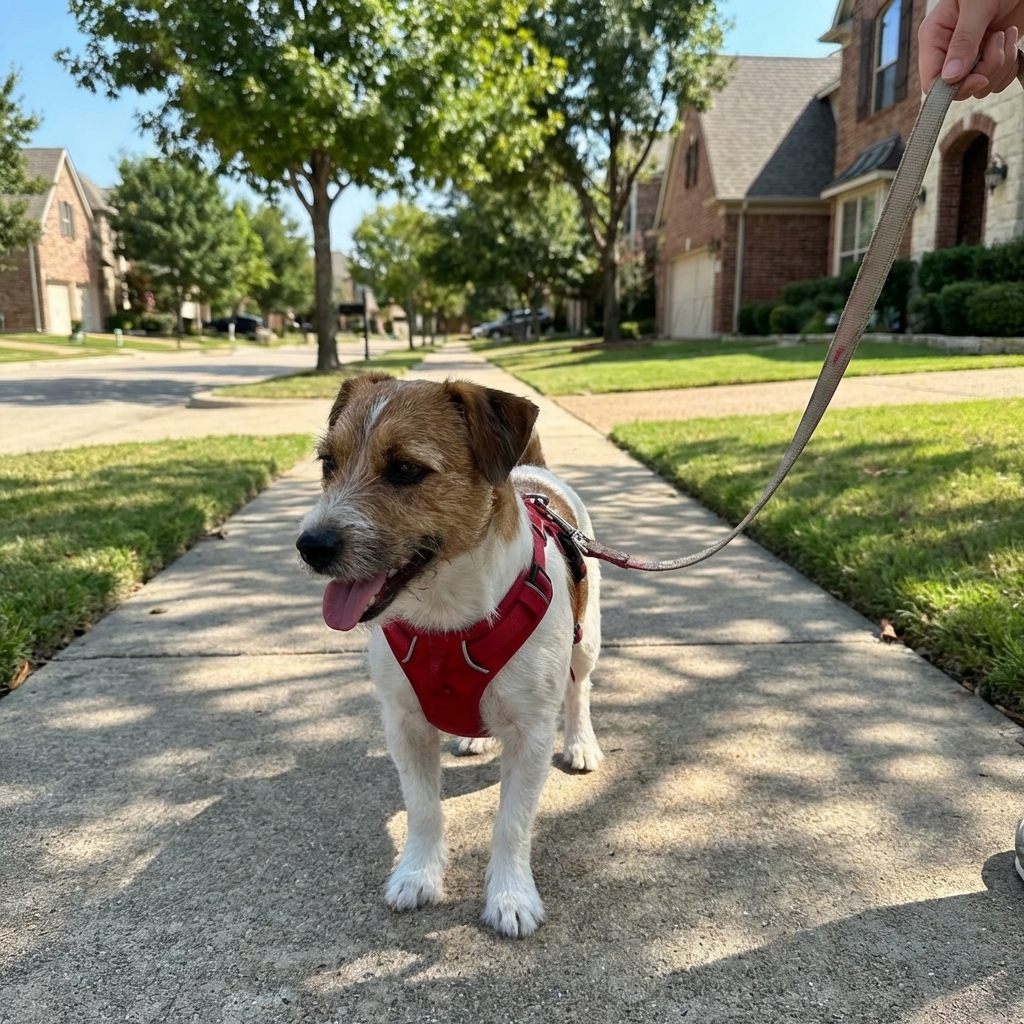
- Swap the collar for a harness to reduce pressure on the trachea. Also avoid slip leads and tight neck restraint during grooming or nail trims when possible.
- Trigger control: avoid smoke, strong fragrances, dusty grooming products, overheating, and high-stress situations.
- Medication as needed: many dogs do well with intermittent cough suppressants during flare-ups, plus treatment of underlying allergies or airway inflammation when present.
Prognosis
Often good with consistent lifestyle changes and prompt care during flare-ups. Many Grade I dogs live comfortably for years.
Grade II tracheal collapse
What it looks like
About 50% narrowing. The airway is noticeably smaller and collapse is more likely to be dynamic, meaning it changes during inhaling and exhaling.
Common symptoms
- More frequent honking cough
- Exercise intolerance, especially in heat or humidity
- Wheezing or louder breathing when excited
- Occasional episodes of respiratory distress that improve with rest
- Some dogs develop anxiety because it is uncomfortable to feel short of breath
Treatment by grade
This is often where we move from “as needed” to more structured management.
- Daily weight and fitness plan tailored to your dog’s breathing tolerance
- Harness only and avoid tugging games that cause coughing
- Cough suppressants for non-productive coughing cycles (your vet will decide when they are appropriate)
- Bronchodilators may be used selectively, especially if lower airway disease is also present. Response can be inconsistent in primary tracheal collapse.
- Anti-inflammatory medication when inflammation is contributing to narrowing
- Address common contributors: allergies, dental disease (in some dogs), respiratory infection, and heart disease if suspected
Prognosis
Usually fair to good with ongoing management. Many Grade II dogs can be very happy, but they often need a long-term plan and quick intervention during respiratory infections.
Grade III tracheal collapse
What it looks like
About 75% narrowing. The trachea becomes significantly flattened. On fluoroscopy or endoscopy, the airway may look like a thin slit during parts of the breathing cycle.
Common symptoms
- Frequent cough that can be exhausting
- Noticeable breathing effort at rest or with minimal activity
- More severe episodes triggered by stress, heat, or respiratory infection
- Gagging, retching, or vomiting-like motions after coughing
Treatment by grade
Grade III often needs a combination approach and closer veterinary monitoring.
- More consistent medication plans to break the cough-inflammation cycle
- Sedation or anti-anxiety support in select cases because panic worsens airway narrowing
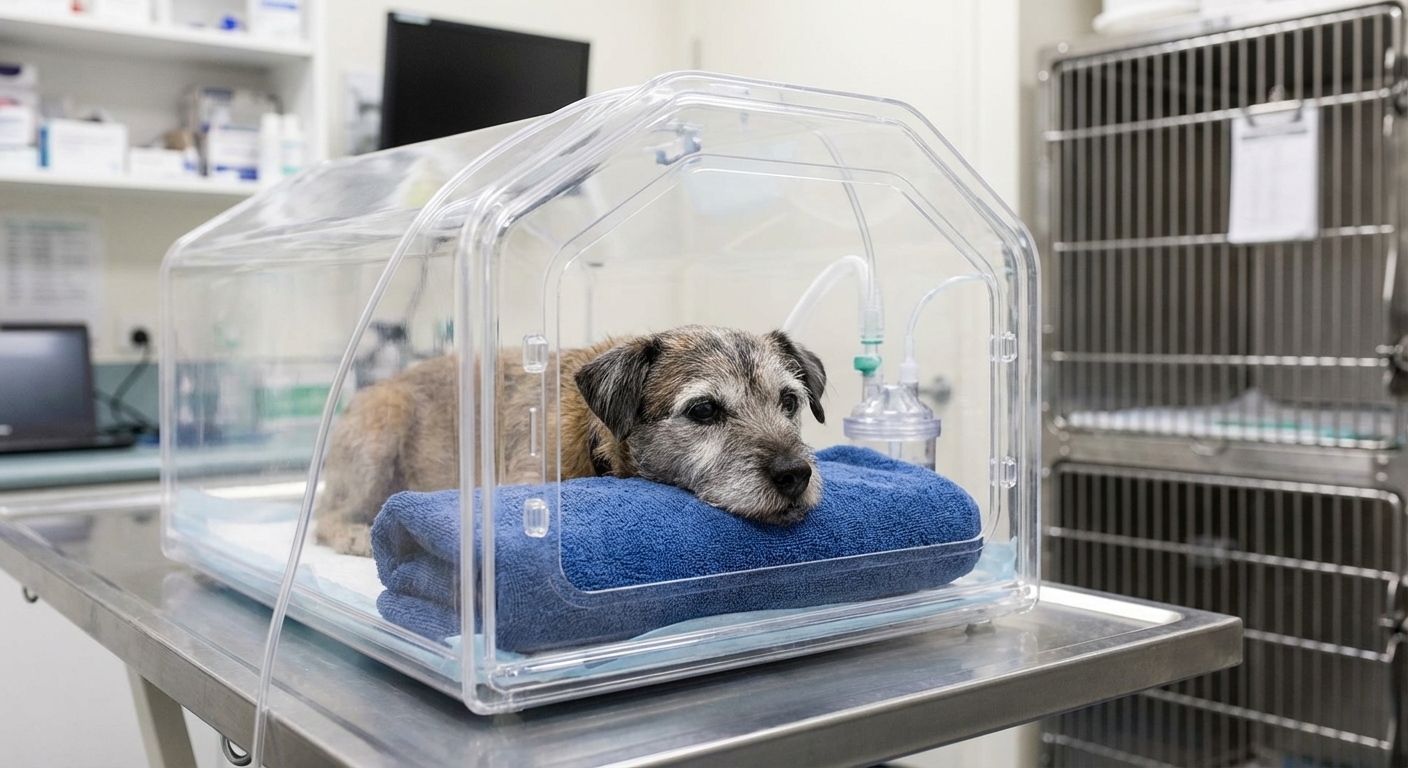
- Oxygen support during acute crises
- Antibiotics only when infection is suspected or confirmed. Many flare-ups are inflammatory rather than infectious, and overuse of antibiotics is common.
- Referral to a specialist (internal medicine or surgery) to discuss advanced options if quality of life is declining
Prognosis
Often guarded to fair. Many dogs can still do well, but flare-ups may become more frequent. If medical therapy stops controlling symptoms, it is time to discuss interventional options.
Grade IV tracheal collapse
What it looks like
Near-complete collapse of the airway lumen, often described as 90% or more narrowing. Airflow can be severely limited. Collapse may extend beyond the cervical trachea into the intrathoracic trachea and bronchi.
Common symptoms
- Severe respiratory distress that can occur even at rest
- Frequent, intense coughing fits with little recovery time
- Fainting or collapse episodes (syncope), especially with excitement
- Inability to tolerate heat, activity, or stress
Treatment by grade
Grade IV is often a quality-of-life and safety issue. Medical management may still be used, but many dogs need advanced intervention.
- Emergency stabilization during crises: oxygen, calm environment, injectable medications as needed
- Specialist evaluation for interventional procedures
- Tracheal stenting may be recommended for severe intrathoracic collapse, especially when medical therapy is no longer effective
- Extraluminal tracheal rings may be considered in select cases (more commonly for cervical collapse), typically by a surgical specialist
A realistic note on procedures: stents and rings can be life-changing in the right patient, but they also carry meaningful risks and require specialist follow-up. Possible complications include ongoing cough, stent fracture, tissue ingrowth (granulation), infection, and progression of lower airway (bronchial) collapse.
Prognosis
Often guarded. Some dogs improve dramatically with well-chosen interventions, but advanced collapse can come with complications and requires ongoing monitoring. Your veterinarian will help you weigh expected benefit, risks, cost, and your dog’s comfort.
How to tell what grade your dog might be in
You cannot accurately grade collapse at home, but you can collect information that helps your veterinarian grade it faster and treat it more effectively.
- Record a short video of the cough or breathing episode, especially the honking sound.
- Track triggers: excitement, leash pressure, heat, grooming sprays, smoke, eating or drinking.
- Write down frequency: daily, weekly, only during play, only at night.
- Note red flags: fainting, blue gums, open-mouth breathing, severe effort at rest.
If your dog has multiple conditions like a heart murmur, chronic bronchitis, or laryngeal issues, ask your veterinarian whether those may be contributing to symptoms, because treatment can change depending on what else is going on.
When it is an emergency
Please seek urgent veterinary care if you notice any of the following:
- Blue or gray gums or tongue
- Labored breathing at rest or stretching the neck to breathe
- Collapse or fainting
- Severe coughing that will not stop
- Extreme anxiety or panic paired with breathing difficulty
In a crisis, keep your dog calm, avoid heat, and use a harness rather than a collar for transport.
What owners can do today
- Reduce neck pressure: use a well-fitted harness for walks and avoid slip leads or tight neck restraint when possible. If your dog coughs with any restraint, ask your vet about safer handling strategies.
- Keep your dog lean. Even a small weight loss can noticeably reduce breathing effort.
- Reduce airway irritants: smoke, scented candles, essential oil diffusers, aerosols, dusty litter, and heavy perfumes.
- Keep exercise gentle and consistent, with breaks and water. Avoid hot, humid times of day.
- Prevent infections: ask your veterinarian about vaccine timing and strategies to reduce exposure in high-risk settings.
- Schedule dental care as recommended. In some dogs, oral inflammation can contribute to airway irritation.
If your dog’s cough is changing, getting more frequent, or coming with breathing effort, that is a good reason to recheck. Tracheal collapse can progress, but early intervention can make a real difference.
Common medication types
Your dog’s plan depends on their grade and any conditions happening alongside it. Medication categories your veterinarian may discuss include:
- Antitussives (cough suppressants) for non-productive cough cycles, when appropriate
- Anti-inflammatories to reduce airway swelling and irritation
- Bronchodilators in select cases, especially with lower airway disease
- Antibiotics only when infection is suspected or confirmed
- Anti-anxiety or mild sedatives in some dogs, because stress can worsen symptoms
Do not use human cough medicines unless your veterinarian specifically directs you to.
Questions to ask your veterinarian
- What grade of collapse do you suspect and what test will confirm it best in my dog?
- Is the collapse in the neck (cervical), chest (intrathoracic), or both?
- Do you think chronic bronchitis or lower airway collapse is also present?
- Which medications are for cough control vs airway inflammation?
- What is our plan for flare-ups and what signs mean I should go to emergency?
- At what point should we discuss referral for fluoroscopy, endoscopy, or stenting?