Wondering if a Labradoodle is right for your family? Get practical guidance on temperament, size and shedding, exercise, training, grooming routines, health ...
Article
•
Designer Mixes
Springerdoodle Temperament, Size, and Care

Shari Shidate
Designer Mixes contributor
If you love the bright, people-focused personality of an English Springer Spaniel but also want the sharp intelligence of a Poodle, the Springerdoodle might be your perfect match. This mix can be a wonderful family dog when their needs are met, but they are not a couch-potato breed. Think active, affectionate, and happiest when they have a job to do.
You will often hear Springerdoodles described as “low-shedding.” That can be true for some individuals, especially in more Poodle-leaning coats, but it is not guaranteed. Coat type, shedding, and allergy-friendliness are unpredictable in mixes, and no dog is truly hypoallergenic.
Because Springerdoodles are a mixed breed, their adult size, coat type, and energy level can vary quite a bit, even within the same litter. In this guide, I will walk you through what tends to be consistent, what can be unpredictable, and how to set your pup up for a healthy, well-mannered life.
What is a Springerdoodle?
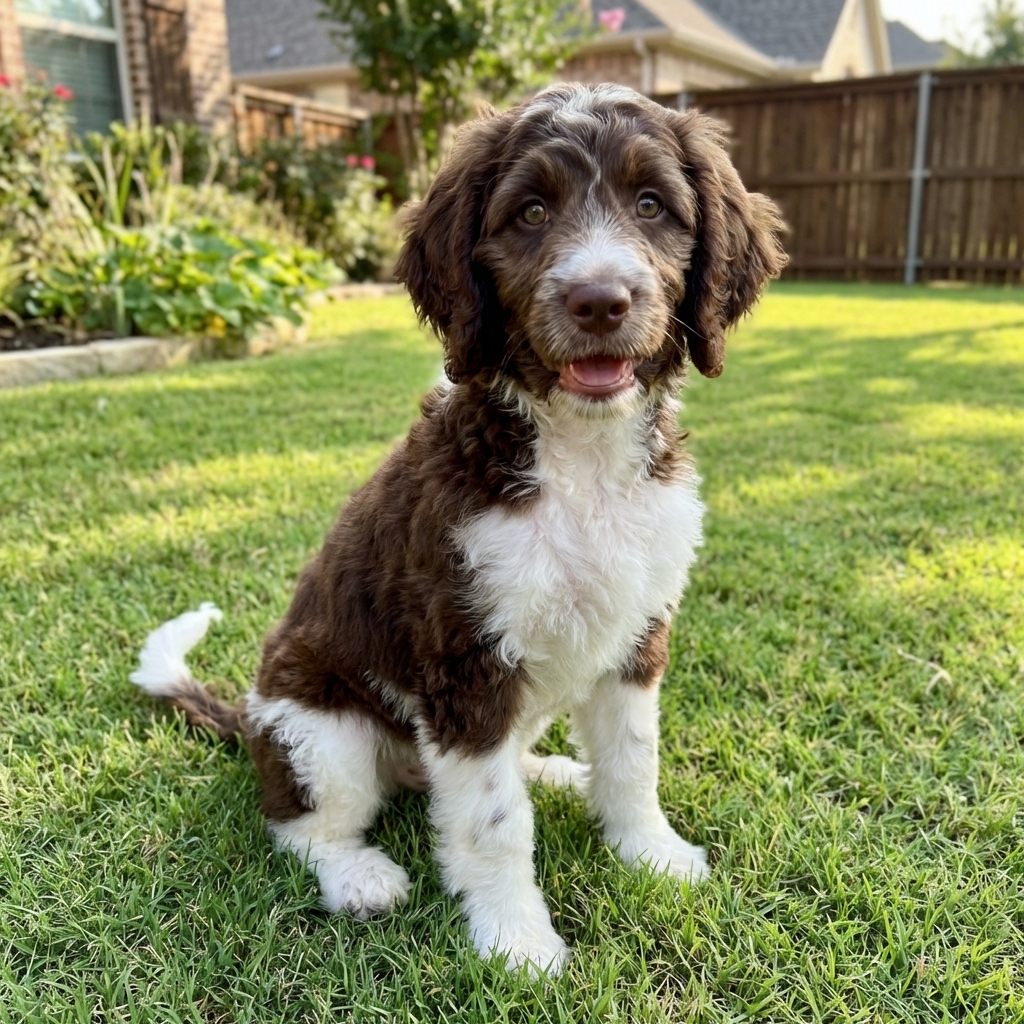
A Springerdoodle is a cross between an English Springer Spaniel and a Poodle, most commonly a Miniature Poodle or Standard Poodle. You may also see this mix called a Springerpoo.
Like many doodle mixes, breeders may aim for certain traits such as a wavy coat, strong trainability, and a social temperament. Still, genetics are genetics. A Springerdoodle can lean more Spaniel in body and personality, more Poodle, or land right in the middle.
F1 vs multigenerational
- F1 (first generation): One purebred Springer Spaniel parent and one purebred Poodle parent. Coat and shedding can be less predictable.
- F1B: Often an F1 Springerdoodle bred back to a Poodle. This can increase the odds of curl and lower shedding, but it can also increase grooming needs.
- Multi-generation: Springerdoodle to Springerdoodle pairings. Some lines become more consistent when bred thoughtfully, but consistency is never guaranteed.
Temperament and personality
In my experience working in a veterinary setting, Springer Spaniels tend to be friendly and enthusiastic, and Poodles tend to be observant, quick learners, and deeply bonded to their people. Put those together and you often get a dog who wants to be with you, participate in your day, and learn whatever you are willing to teach.
Common traits
- Affectionate and people-oriented: Many Springerdoodles are “shadow dogs” who like to follow you from room to room.
- Bright and trainable: They often pick up cues quickly, especially with positive reinforcement.
- Energetic and playful: Fetch, hikes, sniffing games, and training sessions are usually big hits.
- Sensitive: Harsh corrections can backfire. Calm consistency works better.
- Social: Many do well with respectful kids and other dogs when properly introduced.
Spaniel and Poodle traits you may see
- Scenting and chasing: Some inherit classic Spaniel “bird brain” moments. Squirrels, rabbits, and interesting smells can become a full-time job.
- Alert barking: Some inherit the Poodle tendency to announce visitors, delivery trucks, and the suspicious leaf that moved.
- Enthusiastic greetings: Jumping and leash pulling are usually excitement, not dominance, but they still need training.
Family fit
They can be excellent family dogs for active households. The main caveat is that their energy and intelligence require daily outlets. When bored, they may invent their own entertainment, like counter surfing, chewing, or barking at every squirrel that commits the crime of existing.
Separation anxiety risk
Because both parent breeds can be very people-focused, some Springerdoodles struggle when left alone for long stretches. This is not “bad behavior.” It is distress. A gradual alone-time plan, enrichment toys, and predictable routines can make a big difference.
Energy and exercise
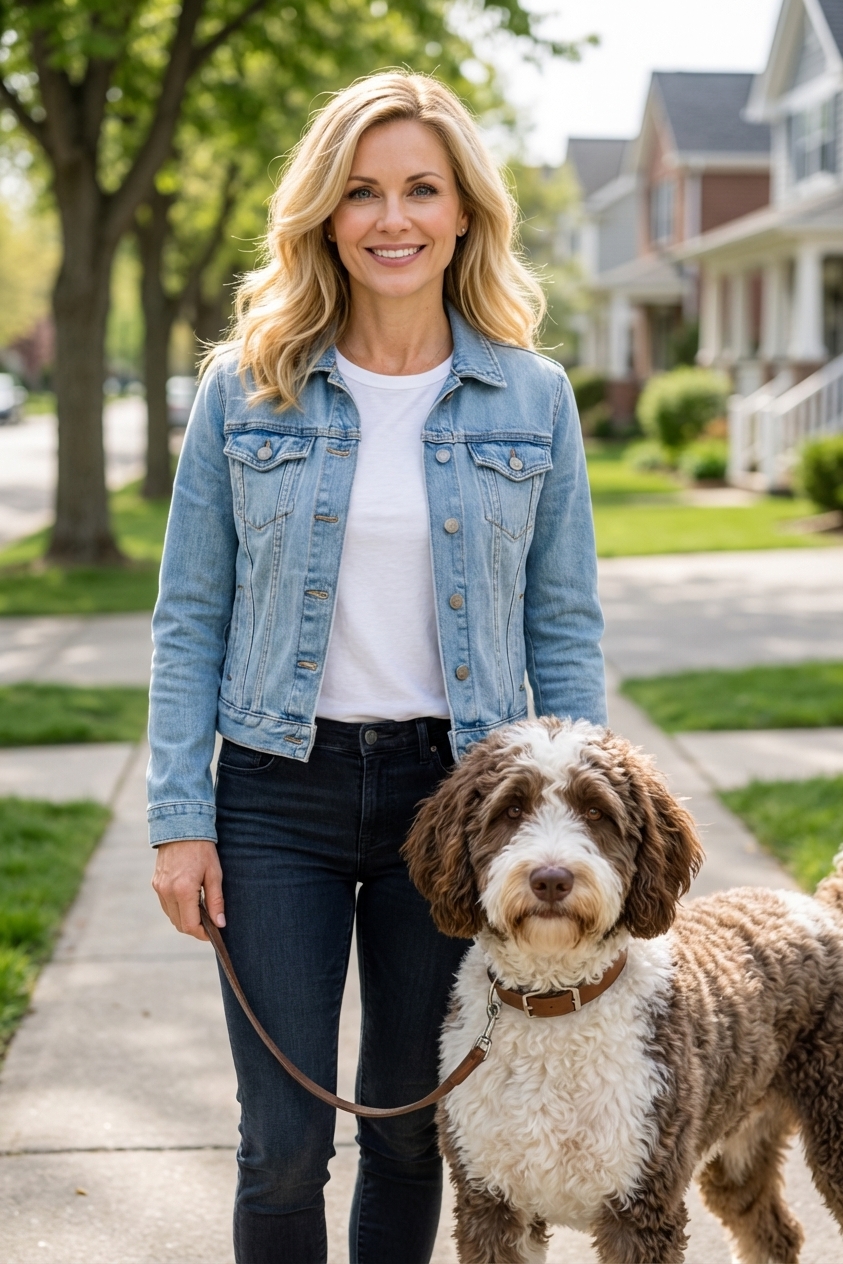
Most Springerdoodles are high-energy dogs. They typically need both physical exercise and mental work. A long walk alone is rarely enough if it is the same route at the same pace every day.
Daily goal
Many adult Springerdoodles do well with 60 to 90 minutes of combined activity daily, split into multiple sessions. Individuals vary, and some need less while others need more. Puppies need shorter bursts with plenty of rest and age-appropriate exercise to protect growing joints.
Great activities
- Brisk walks plus sniff breaks
- Fetch in a fenced yard
- Hiking and trail walks
- Beginner agility or obstacle courses
- Nose work games (finding treats or toys by scent)
- Swimming (with supervision and safe entries)
- Structured training sessions, 5 to 10 minutes at a time
Signs they need more enrichment
- Restlessness in the evening even after a walk
- Destructive chewing or digging
- Demand barking
- Stealing items like socks, remote controls, kids’ toys
- Overexcitement that is hard to settle
If you see these patterns, think “more structured outlets,” not “my dog is being stubborn.”
Size and appearance
Size depends heavily on whether the Poodle parent is Miniature or Standard and the size of the Springer Spaniel parent. English Springer Spaniels are typically medium-sized, so the Poodle choice can shift the end result quite a bit.
Common size ranges
- Mini Springerdoodle (Mini Poodle parent): commonly reported around 15 to 35 pounds and roughly 13 to 18 inches tall
- Standard Springerdoodle (Standard Poodle parent): commonly reported around 35 to 65 pounds and roughly 18 to 24 inches tall
Those are common ranges, not guarantees. Outliers happen in both directions, and some adults exceed 65 pounds depending on the parents. Ask to see both parents when possible and request historical adult weights from prior litters.
Coat types
Springerdoodles may have:
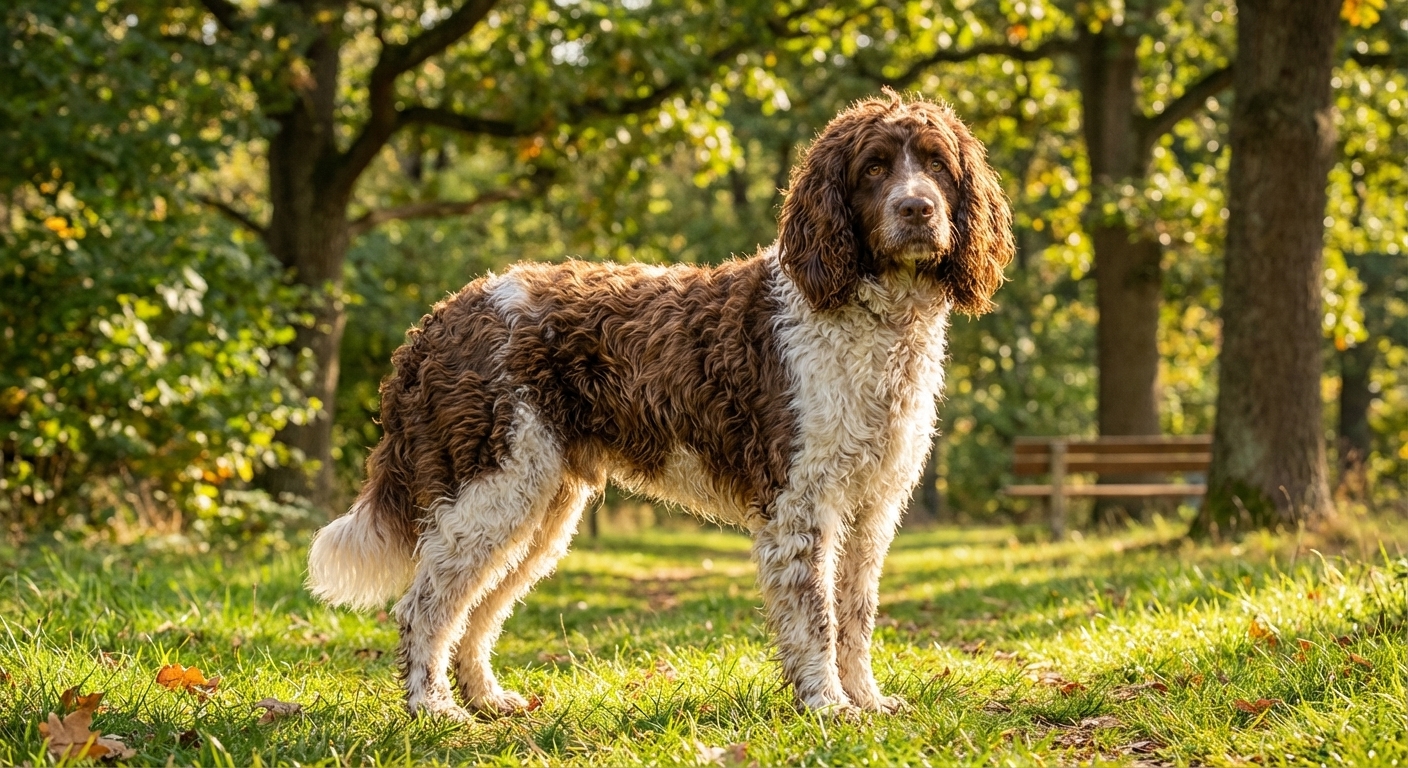
- Wavy coat: common, often easier to maintain than tight curls but can mat if brushed inconsistently
- Curly coat: more Poodle-like, may shed less but usually has higher grooming needs
- Straighter coat: more Spaniel-like, can shed more and may have feathering
Shedding and allergies: Even within the same coat type, shedding can range from minimal to moderate. If allergies are a concern, spend time around adult dogs from the same lines if you can, and keep expectations realistic.
Grooming and coat care
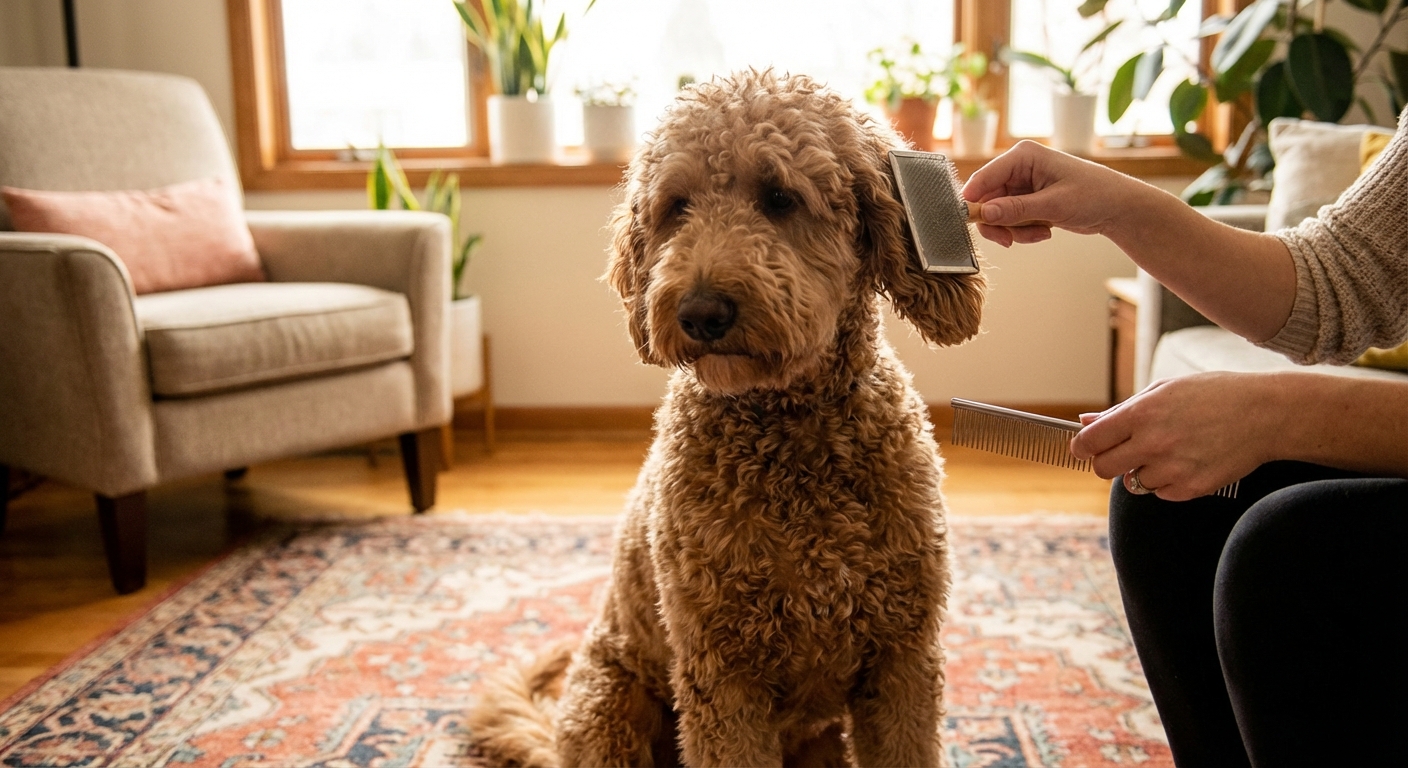
Springerdoodles are often marketed as “easy coat” dogs, but the reality is that doodle coats can be high-maintenance, especially when they are soft, dense, and prone to matting. Mats are not just cosmetic. They can pull on the skin, trap moisture, and lead to irritation or infections.
Tools that help
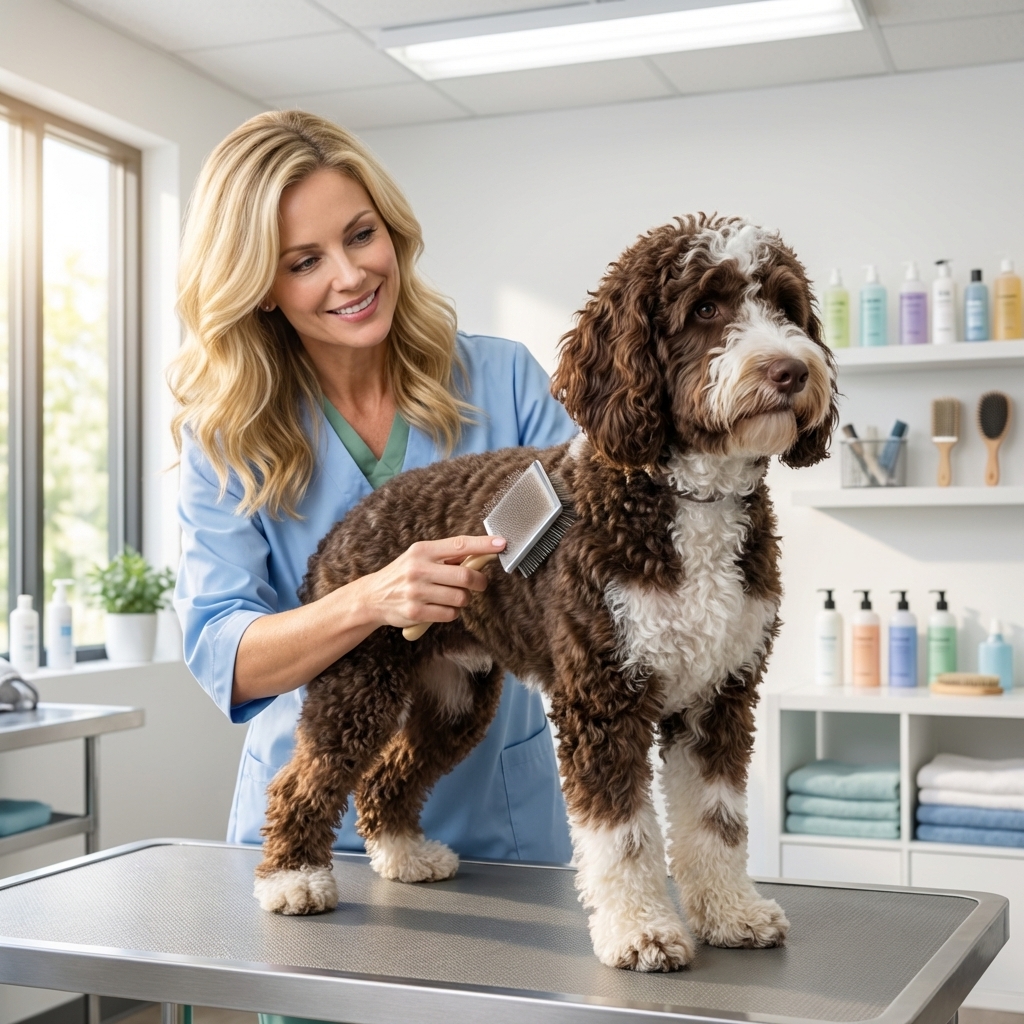
- Slicker brush: for day-to-day brushing
- Metal comb: for checking that you can comb to the skin (this is where people discover hidden mats)
- Detangling spray: optional, but helpful for friction areas like ears and harness lines
Brushing routine
- Wavy coats: brush thoroughly 3 to 5 times per week
- Curly coats: brush thoroughly most days, plus combing to the skin to check for hidden mats
Line brushing basics
If you want one technique that prevents the most trouble, it is line brushing. Work in small sections, lift the coat, and brush from the skin outward, then follow with a metal comb. If the comb cannot glide through, there is still a tangle or mat that needs attention.
Professional grooming
Most Springerdoodles benefit from professional grooming every 6 to 8 weeks. If you prefer a longer “teddy” length, plan on more home brushing and possibly more frequent grooming.
High-mat areas to check
- Behind the ears
- Collar and harness areas
- Armpits and inner legs
- Base of the tail
- Between the toes
Ears, nails, and teeth
- Ears: Many Springerdoodles have floppy ears, which can reduce airflow. Check weekly for redness, odor, dark debris, or head shaking. Ask your vet what safe ear cleaner to use.
- Nails: trim every 2 to 4 weeks for most dogs. Overlong nails can change posture and contribute to discomfort.
- Teeth: daily brushing is ideal, but even 3 to 4 times per week helps. Dental disease is one of the most common preventable problems I see.
Training tips
Springerdoodles often thrive with positive reinforcement training that uses treats, praise, and play. They are smart enough to learn quickly and also smart enough to practice the behaviors that get them what they want.
Focus on early
- Socialization: calm, positive exposure to people, friendly dogs, grooming tools, car rides, and new environments during puppyhood
- Impulse control: “wait,” “leave it,” and polite greetings can prevent jumping and door-dashing
- Recall: Spaniel instincts can include chasing birds or squirrels. Practice recall with high-value rewards and long lines before going off-leash
- Loose leash walking: start young and reward checking in with you
Common challenges
- Jumping: often from excitement, not dominance. Teach “sit to say hi.”
- Mouthiness: redirect to appropriate chew toys and reinforce gentle play.
- Barking: give them a job, teach “quiet,” and reduce triggers when possible.
If you are consistent, kind, and structured, most Springerdoodles become wonderful students. Short sessions done daily usually beat long sessions done occasionally.
Health considerations
Mixed breeds can have health advantages through genetic diversity, but they can still inherit conditions that occur in either parent breed. The most responsible breeders use health testing to reduce risk, and owners can support long-term health with weight management, dental care, and preventive vet visits.
Potential inherited issues
- Hip dysplasia: can occur in many medium to large breeds and mixes
- Eye disorders: including progressive retinal atrophy (PRA) in Poodles and other inherited eye conditions in Spaniels
- Ear infections: floppy ears plus hair in the ear canal can predispose some dogs
- Allergies and skin sensitivity: may show up as itching, recurrent ear issues, or paw licking
- Addison’s disease: seen more often in Standard Poodles than many breeds, though overall still not common
- Von Willebrand disease: a clotting disorder known in Poodles
- Epilepsy: can occur in Spaniels and other breeds
Risk and prevalence vary a lot by lines. Health testing and thoughtful breeding can reduce risk, but nothing eliminates it completely.
What to ask a breeder or rescue
- Health testing for both parents, including hips and eyes, plus relevant DNA testing for the lines
- Any history of autoimmune disease, seizures, or chronic ear and skin issues in the family
- Temperament of both parents and how puppies are raised and socialized
- What support they provide after placement, including a clear return policy if life circumstances change
Preventive care that matters
- Keep them lean: extra weight stresses joints and can worsen inflammation.
- Year-round parasite prevention: based on your veterinarian’s recommendations for your region.
- Routine wellness labs: your vet may recommend baseline bloodwork, especially as your dog enters middle age.
If you ever notice sudden changes like increased thirst, appetite changes, repeated vomiting or diarrhea, head shaking, or persistent itching, do not wait it out. Early veterinary care is often simpler and less expensive than treating advanced disease.
Lifespan
Many Springerdoodles live around 10 to 14 years, with plenty of individual variation. Genetics, body size, weight management, dental care, and early treatment of chronic issues all influence longevity.
Feeding and nutrition
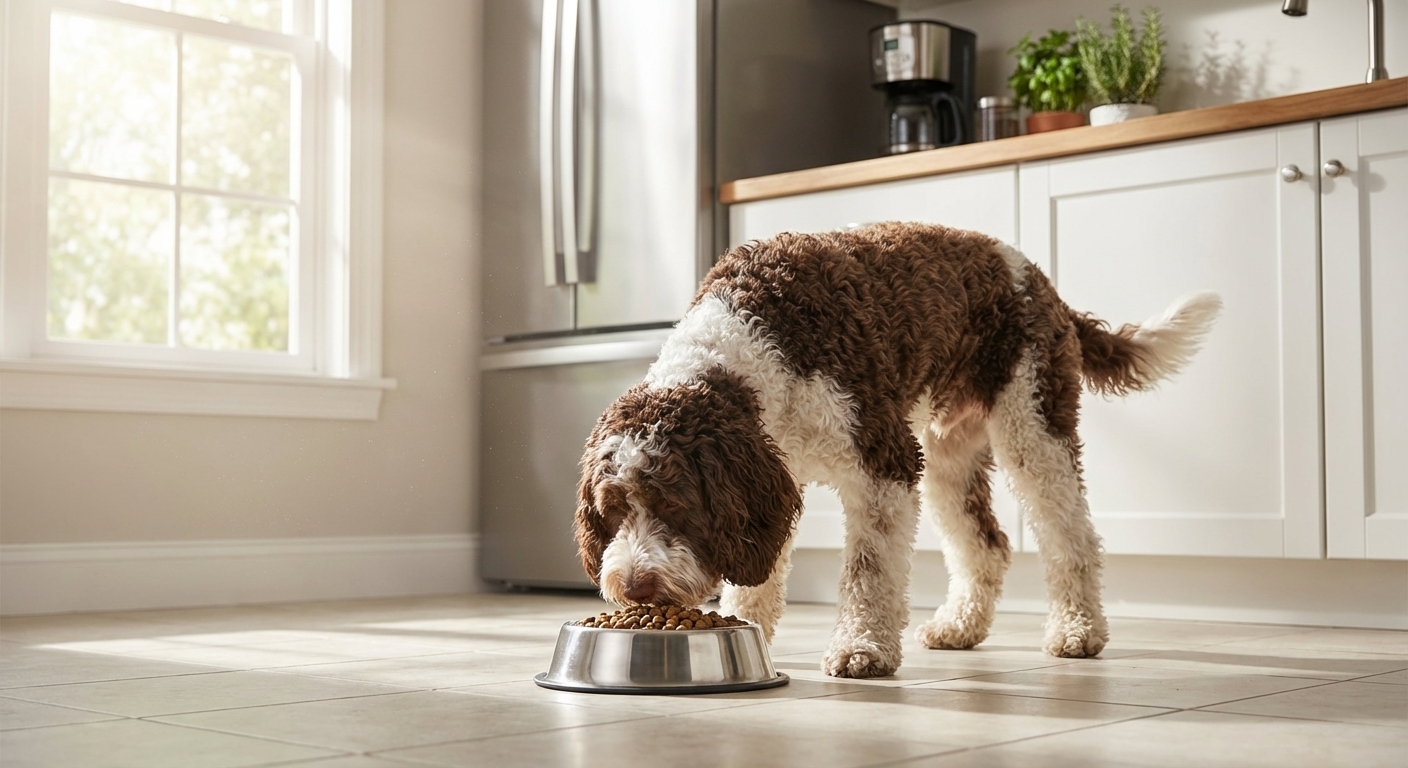
Springerdoodles tend to do best on a balanced diet that supports steady energy and a healthy weight. Because they are active, it can be tempting to overfeed, especially if they have that sweet “I am starving” Spaniel look down to an art.
General tips
- Choose a diet that meets AAFCO standards for your dog’s life stage (puppy, adult, or all life stages).
- Measure meals, then adjust based on body condition, not just the feeding chart on the bag.
- Use treats strategically in training, and reduce meal portions if treats are frequent.
- If you want to add fresh foods, stick to simple, dog-safe toppers and keep them to a modest portion of total calories.
If your Springerdoodle has chronic ear issues, itchy skin, or stomach sensitivity, talk with your veterinarian about a diet trial. Food allergies are less common than environmental allergies, but they do happen.
Finding a good breeder or rescue
Where your Springerdoodle comes from matters a lot. A well-raised puppy with health-tested parents and good early socialization can stack the deck in your favor.
Green flags
- Clear proof of parent health testing, not just verbal assurances
- Puppies raised in a clean, enriched home environment with handling and early exposure to household life
- Thoughtful questions for you about lifestyle, schedule, and training plans
- A written contract and a take-back policy
- Transparency about coat variability, shedding, grooming demands, and adult size range
Red flags
- No documentation of health testing, or claims like “vet checked” used as a substitute for genetic screening
- Unwillingness to let you meet a parent dog or explain where the parents came from
- Multiple litters always available, unclear breeding goals, or overcrowded conditions
- Pressure tactics, no waitlist, or unwillingness to answer basic questions
- Guarantees of “non-shedding” or “hypoallergenic” with zero caveats
If you are adopting, ask what the rescue has observed about the dog’s coat, energy level, comfort with grooming, and how they do when left alone.
Cost of ownership
Springerdoodles can be fantastic dogs, but they are rarely “cheap to keep.” The biggest surprise costs are usually grooming and training support.
Common budget items
- Professional grooming: typically every 6 to 8 weeks, plus home tools and products
- Training: a puppy class and a follow-up manners class can be money very well spent
- Enrichment: puzzle toys, long lines, chew items, and rotating activities to keep the brain busy
- Preventive care: routine vet visits, parasite prevention, and dental cleanings as recommended
Is a Springerdoodle right for you?
Springerdoodles are often a great fit for people who want a dog that is affectionate, active, and eager to learn. They are usually not the best choice if you want a low-energy pet or if your schedule keeps you away from home most of the day.
Good match if you
- Enjoy daily walks and playtime and can commit to consistent exercise
- Want to train and interact, not just “own a dog”
- Are willing to keep up with grooming or pay for professional grooming
- Prefer a social dog that bonds closely with family
Consider something else if you
- Need a dog who is content with minimal daily activity
- Cannot commit to coat care and routine grooming
- Are gone for long stretches most days without pet care support
When their needs are met, Springerdoodles often bring so much joy: bright eyes, happy tails, and a true “let’s do this together” spirit. If that sounds like your kind of dog, this mix is absolutely worth a closer look.