
Understand proestrus, estrus, diestrus, and anestrus—plus signs of heat, bleeding cleanup, behavior changes, and the best ways to prevent accidental pregna...
Article
•
Designer Mixes
Spaying After Heat: When Is It Safe?

Shari Shidate
Designer Mixes contributor
If your female dog just finished her heat cycle, you are not alone in wondering, “How soon can she be safely spayed?” As a veterinary assistant, I hear this a lot from families who want to do the right thing but feel unsure about timing.
A common recommendation in many clinics is to spay about 8 to 12 weeks after heat signs have ended. That timing often lines up better with the quieter part of the cycle, when the reproductive tract is less “busy.” In many dogs, that can mean less bleeding during surgery and better surgical visibility. That said, your veterinarian may suggest a different window (sometimes sooner, sometimes later) based on your dog’s exam, size, age, and pregnancy risk.

Why timing matters
During heat and for a period afterward, your dog’s uterus and ovaries can be more swollen and more vascular (have more blood flow). In plain terms, there can be a higher risk of bleeding and a slightly more challenging surgery.
Waiting several weeks after heat typically allows:
- Hormone levels to drop back toward baseline
- Uterine tissue to shrink and become less fragile
- Blood vessels to be less prominent, which can reduce surgical bleeding
What “after heat” means
Many people think heat is only the days they see bleeding, but the cycle is longer than that. A typical heat cycle has phases, and the timing can vary widely by dog.
- Proestrus: often 7 to 10 days, swelling and bloody discharge are common
- Estrus: often 5 to 10 days, discharge may lighten; this is when mating can result in pregnancy
- Diestrus: about 6 to 10 weeks (around 2 months in many dogs), whether pregnant or not; hormones stay active for a while
- Anestrus: the resting phase until the next heat
So when should you start counting? Most veterinarians count from when the obvious heat signs are resolving, like when discharge and vulvar swelling are back to normal. But dates are approximate, which is why your vet may base timing on both your notes and a quick exam.
Also, some dogs go through false pregnancy (pseudopregnancy) in diestrus. You might notice nesting behavior, clinginess, or even mammary development or milk. It can look alarming, but it is often hormone-driven and temporary. It is still worth mentioning to your veterinarian when you are planning surgery.
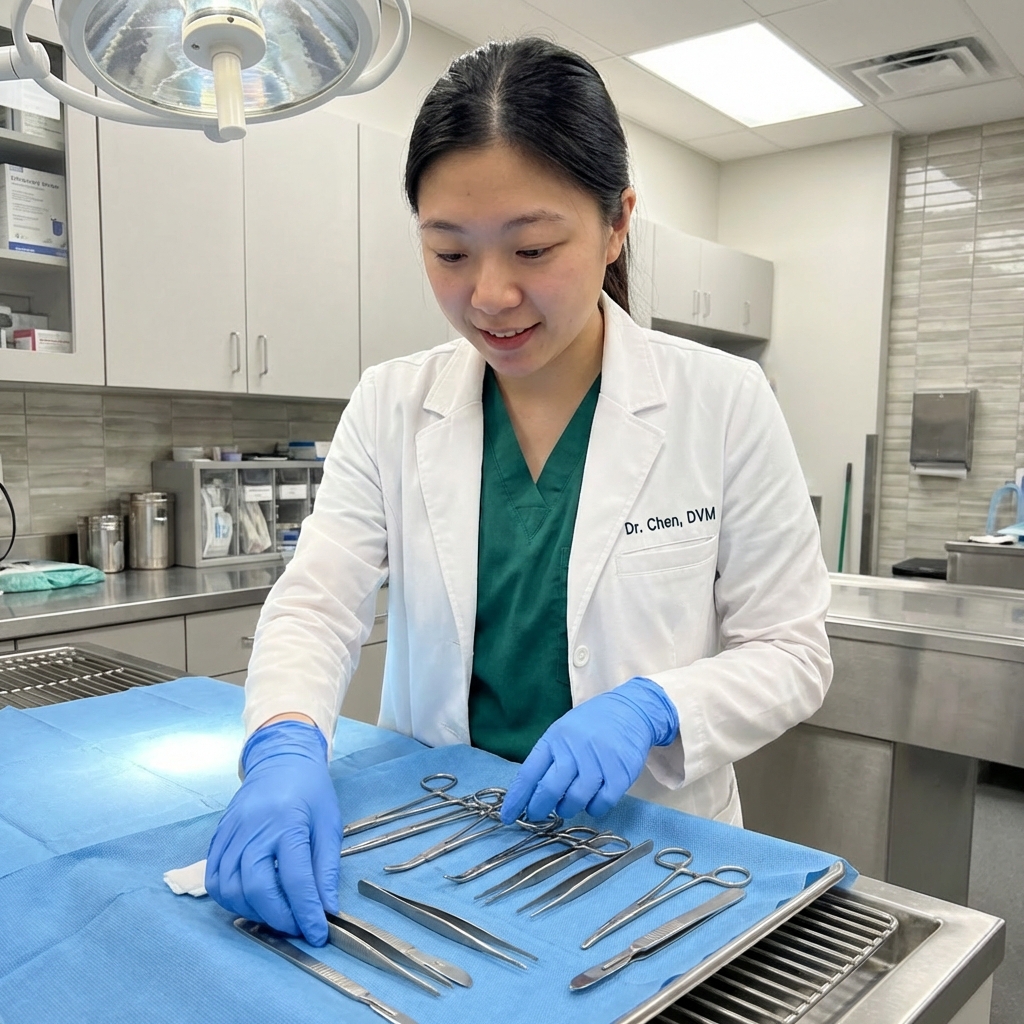
General timing: 8 to 12 weeks
For many healthy dogs, scheduling a spay about 2 to 3 months after heat signs end is a commonly recommended approach in clinical practice because tissues are usually less fragile and less vascular at that point.
That said, the best timing for your dog depends on:
- Her age and overall health
- How intense her heat cycles are (some dogs stay swollen longer)
- Body size and breed tendencies
- Whether there is any concern for pregnancy
- Your household situation (accidental breeding risk is real)
Can it be done sooner?
Sometimes, yes. In certain situations, veterinarians may recommend spaying sooner, such as:
- High risk of accidental breeding (intact male in the home, roaming dogs nearby)
- Medical concerns where delaying surgery is not ideal
- Welfare or logistics issues where waiting is unlikely to happen
Spaying closer to heat can be done, but it may involve a plan for managing a more vascular surgery. Your veterinarian may recommend pre-op bloodwork, and they may discuss slightly different expectations for bleeding, surgical time, and monitoring.
Can a dog be spayed in heat?
It can be performed, but many clinics prefer not to unless there is a strong reason. When a dog is in heat, tissues are typically more fragile and blood supply is increased, which can increase surgical complexity. Policies also vary by clinic, and surgeon experience matters.
If your dog is currently in heat and you are worried about pregnancy risk, call your clinic and ask what they recommend. Some practices will still proceed, while others will schedule you for a safer post-heat window and help you plan strict separation in the meantime.
What if she might be pregnant?
If your dog had any chance of exposure to an intact male, tell your veterinarian right away. Early pregnancy can be difficult to confirm immediately, and timing matters. Your veterinarian may discuss options that could include:
- Scheduling an exam and discussing pregnancy testing timelines
- Using a physical exam and history to guide timing (and, in some cases, ultrasound)
- Adjusting the surgery date
- Discussing medical and surgical options based on your goals and local laws
This is a sensitive topic, and the most important thing is to communicate early so your vet can guide you safely.
Reasons not to wait too long
While waiting after heat can make surgery technically easier, delaying spay indefinitely has its own risks. Two big ones we talk about in veterinary medicine are:
- Pyometra: a potentially life-threatening uterine infection that can occur in intact females, typically in the weeks to a couple months after heat (and it is more common as dogs get older)
- Mammary tumors: in general, spaying earlier (especially before the first heat) offers the greatest reduction in risk, and risk tends to rise after successive heat cycles. Genetics and other factors also matter.
Your veterinarian can help you balance surgical timing with the long-term health picture for your specific dog and breed mix.
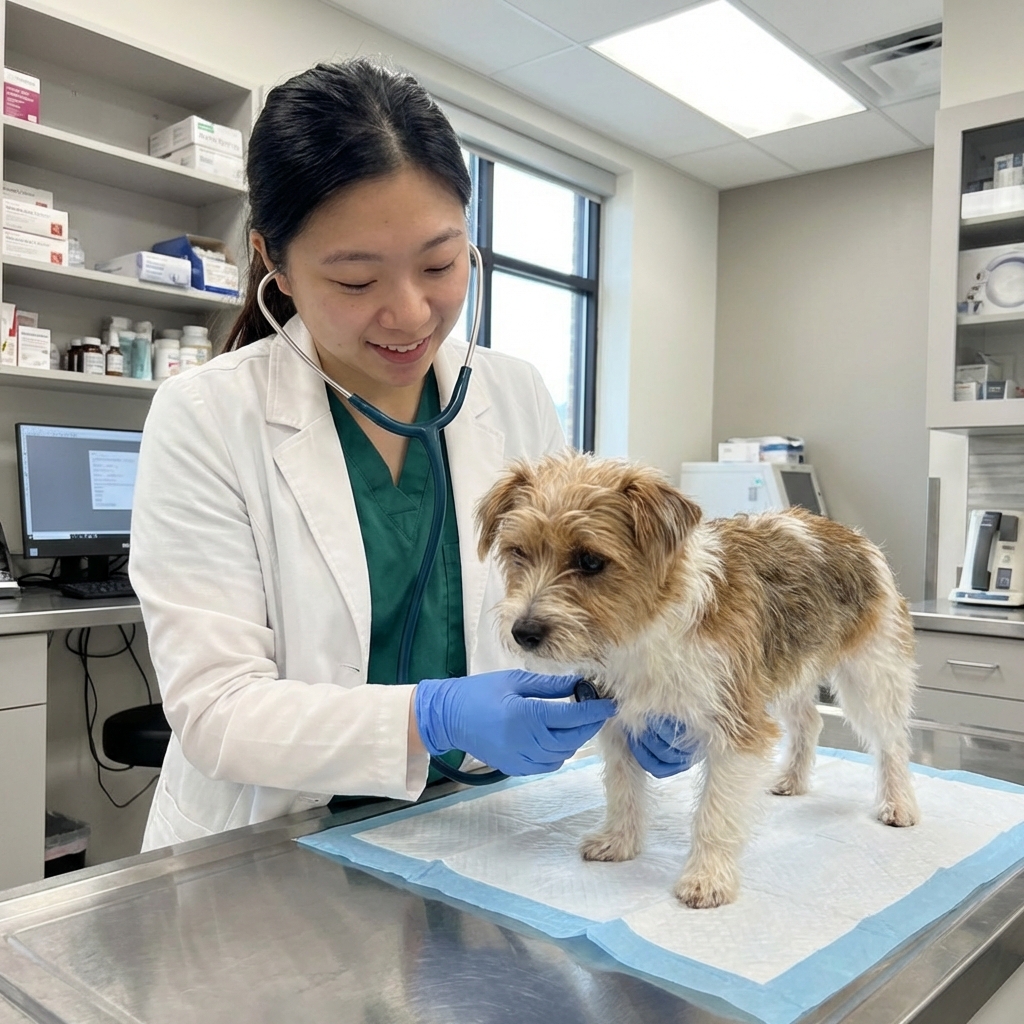
Call your vet right away
After heat, it is normal for some dogs to be a little clingy or have mild behavioral changes. But certain symptoms are not normal and deserve a prompt call to your veterinarian.
- Drinking a lot more water than usual
- Vomiting, diarrhea, or loss of appetite
- Lethargy or weakness
- Fever or trembling
- Bloated or painful belly
- Foul-smelling vaginal discharge, especially weeks after heat
These can be seen with pyometra and other urgent conditions. If you see them, do not “watch and wait.”
Plan a safe spay
1) Mark the calendar
Write down the first day you noticed bleeding and the day it clearly stopped, plus any ongoing swelling or discharge. Even a rough estimate helps your vet choose a safer window.
2) Ask about pre-op bloodwork
Pre-op labs can help identify issues like anemia, infection, dehydration, or organ concerns before anesthesia.
3) Prevent accidental breeding
Even if discharge has stopped, some dogs can still attract males for a bit. Use physical barriers, leashed potty breaks, and zero off-leash time until your vet confirms it is safe.
4) Talk through recovery
A typical spay recovery includes restricted activity, incision monitoring, and an e-collar or recovery suit. Timing does not guarantee an easier recovery, but a less vascular surgery can mean fewer intraoperative challenges. Ask your clinic what to expect based on their technique.
FAQs
How long after heat can I spay my dog?
Many veterinarians commonly recommend 8 to 12 weeks after heat signs end, but your vet may individualize the timeline based on your dog’s exam and circumstances.
Is it safer to wait until after the first heat?
This is a decision to make with your veterinarian, especially for larger breeds where growth and orthopedic considerations may influence timing. There is no one perfect answer for every dog.
Will my dog’s behavior change after spay?
Spaying removes the hormonal cycling that can drive heat-related behaviors. Personality stays the same, but some hormone-driven behaviors may lessen over time.
Bottom line
For many dogs, a common and practical plan is to schedule a spay about 2 to 3 months after heat signs have resolved. This timing often reduces the added vascularity seen around heat and can make the procedure smoother for the surgical team. Your veterinarian will confirm the best timing for your dog based on her body, her history, and your household’s pregnancy risk.
If you want, tell me your dog’s age, breed mix, and when her heat started and ended. I can help you put together a short list of questions to ask your vet so you feel confident going into the appointment.