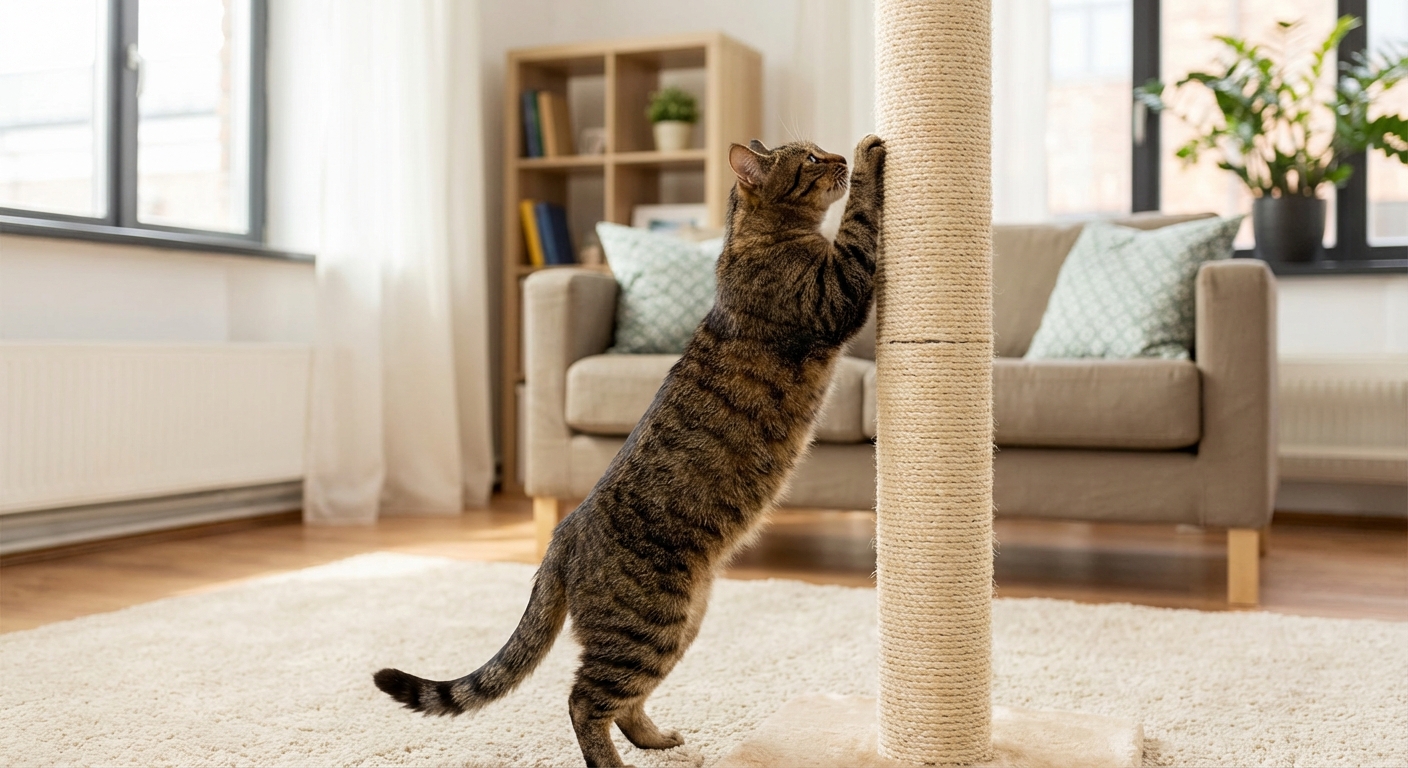
As a veterinary assistant here in Frisco, Texas, I meet a lot of sweet cats who are not trying to be “bad” when they scratch. They are just being cats. Scratching is normal behavior, and even a well-timed nail trim does not always stop the damage to furniture or the accidental scratches on kids and seniors with fragile skin.
If trimming is not enough, soft nail caps are one option to talk about with your veterinarian. They do not remove the nail and they do not stop the natural urge to scratch. They simply cover the sharp tip so the scratch is less likely to break skin or shred the couch.
What are soft nail caps?
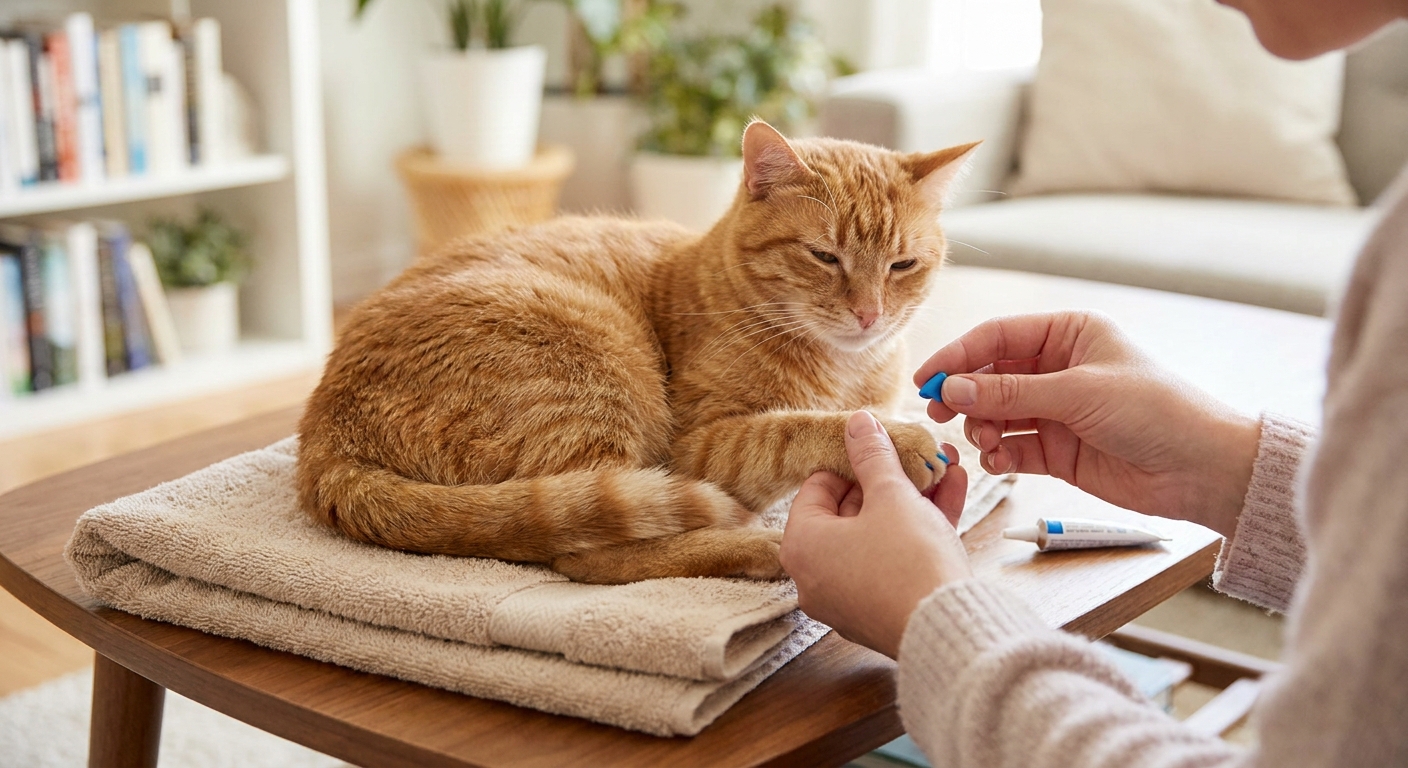
Soft nail caps are small covers that fit over each claw. They are usually vinyl or a similar soft plastic and come in different sizes and colors. They are typically applied with an adhesive that comes with the product (often a cyanoacrylate type). Use only the adhesive meant for pet nail caps and follow your veterinarian’s guidance, especially if your cat has sensitive skin.
When properly fitted, the claw can still extend and retract normally, but the cap blunts the sharp point.
Think of them like a temporary “cover” for the nail rather than a permanent change. As the nail grows out, and through normal wear and tear from scratching, caps usually loosen and fall off on their own.
When trimming is not enough
Nail trims help reduce sharpness, but many cats still do real damage with a trimmed nail, especially if they scratch frequently or have a strong scratching drive.
Soft nail caps may be worth considering if:
- Your cat scratches people during handling (even when you are careful or your cat is stressed).
- Someone in the home has thin or fragile skin, is immunocompromised, or bruises or tears easily.
- Your cat is damaging furniture despite having scratching posts, pads, and regular trims.
- You are working on behavior modification and need a temporary layer of protection while training and enrichment catch up.
They are not a substitute for scratch-friendly enrichment. Most cats still need appropriate scratching surfaces, play, and stress reduction so the underlying behavior is addressed.
Good candidates
Soft nail caps work best for cats who tolerate paw handling fairly well or who can be gently conditioned to it. In real life, the “best candidate” is the cat whose stress level stays low enough that applying and maintaining caps does not become a monthly battle.
Cats who often do well
- Indoor cats who are primarily scratching furniture, carpet, or people.
- Calm adult cats who already accept nail trims.
- Cats in multi-cat homes where play sometimes turns into scratch injuries.
- Senior cats who scratch inadvertently when being picked up or when they lose balance.
In many homes, caps are used mainly on the front paws since that is where most furniture damage and accidental scratches happen. Your vet can help you decide what makes sense for your cat.
Cats who may not be ideal
- Highly anxious or fear-aggressive cats who escalate with restraint. In these cases, safety and stress reduction come first.
- Outdoor or indoor-outdoor cats, because claws are important tools for climbing and self-defense. Nail caps can also be lost more easily outdoors.
- Cats with existing nail or paw problems such as infected nail beds, swollen toes, broken claws, or significant overgrowth. These need a veterinary exam before you consider caps.
- Very young kittens whose tiny claws grow fast. Some kittens can wear caps, but size and frequent replacement make it more challenging.
If your cat has a history of biting during grooming or handling, ask your vet about safer options such as a fear-free plan, pre-visit medication, or having the caps applied professionally.
How application works
Most application processes follow the same general idea:
- Each nail is briefly extended so the cap size can be checked.
- A small amount of adhesive is placed inside the cap, not on the skin.
- The cap is slid onto the nail tip and held for a short time so it bonds.
Good fit matters. A cap that is too large can twist or come off quickly. A cap that is too small can feel tight and uncomfortable.
Also important: caps should never be glued to fur or skin. Adhesive on the surrounding tissue can cause irritation and makes removal much harder and more stressful. It can also trap moisture against the toe if fur gets stuck under the cap, which is one reason I recommend weekly paw checks.
If your cat is very wiggly, it is completely reasonable to have your veterinary clinic or a skilled groomer apply the first set. It helps you learn sizing and technique, and it reduces the risk of accidental glue messes.
How long do they last?
Most cats wear nail caps for about 4 to 6 weeks, and some make it closer to 8 weeks. It depends on:
- Your cat’s nail growth rate (often faster in kittens and some young adults).
- Activity level and how much scratching they do.
- Surface type (rough scratching materials can loosen caps sooner).
- Application quality and correct sizing.
You will usually notice caps shedding gradually rather than all at once. That is normal. Many households “top off” missing caps between full reapplications.
If caps are popping off within a few days, that is usually a sizing issue, glue amount issue, or moisture problem and is worth troubleshooting with your vet team.
Are nail caps safe?
When properly sized and applied, soft nail caps are generally considered safe for many cats. The biggest concerns I see in clinic are not from the caps themselves, but from poor fit, glue getting where it should not, caps slipping and trapping moisture, or an underlying nail issue that was already brewing.
What is normal
- A brief adjustment period where your cat shakes paws or acts slightly annoyed for a few minutes.
- Caps gradually falling off as the nails grow out.
Possible downsides
- Stress during application, especially in cats who hate restraint.
- Chewing at the caps, which can lead to early loss or possible swallowing.
- Hidden nail issues if you are not routinely checking the feet.
If a cat eats a cap
Many cats ignore nail caps. Some cats, especially in the first day or two, will chew at them. A swallowed cap can pass through the GI tract without incident, but it is still a foreign body risk. I worry more about kittens, very small cats, and any cat who keeps chewing and swallowing caps repeatedly.
Call your veterinarian promptly if you suspect ingestion and you notice any of the following:
- Repeated vomiting or retching
- Refusing food for more than one meal
- Lethargy or hiding more than usual
- Abdominal pain, hunched posture, or crying
- Straining to poop or no bowel movement
These signs can indicate GI irritation or, rarely, obstruction. If your cat is a known chewer, ask your vet if caps are a good match or if another strategy is safer.
Paw problems that need a vet
This is the part I want you to take seriously. Nail caps should not cause infection, but they can hide a problem if you are not checking the nails regularly, or if a cap was applied over a damaged claw.
Schedule a veterinary exam if you see:
- Swelling, redness, heat, or discharge around a nail
- A foul odor from the paw
- Limping or holding a paw up
- Bleeding from the nail or toe
- A cap that seems stuck at an odd angle or digging into the toe
- Persistent licking or chewing at a specific toe
Cats can develop nail bed infections, broken claws, or inflammation from trauma. Those issues are painful and can worsen quickly without treatment.
Tips for success
Without turning this into a step-by-step tutorial, a few cat-friendly principles make a big difference:
- Keep sessions short and calm. Multiple mini-sessions are often better than one long wrestling match.
- Pair handling with something your cat loves, like a lickable treat, a favorite toy, or a calm brushing session if they enjoy it.
- Continue offering good scratching options so your cat can do normal cat behavior in an appropriate place.
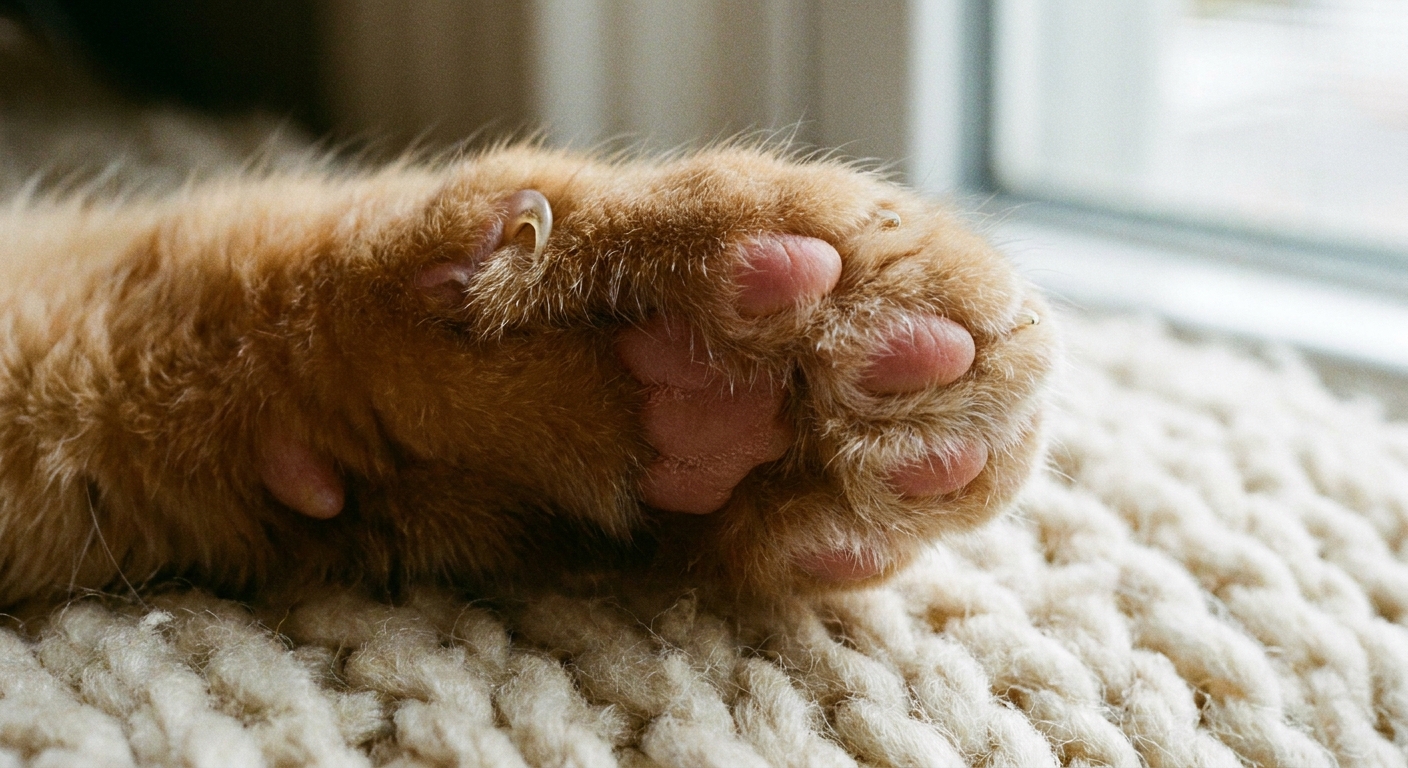
- Check paws weekly so you catch a missing cap, a loose cap, or irritation early.
- Have a clinic apply them if needed. There is no prize for doing it the hard way.
Nail caps vs declawing
Soft nail caps are sometimes discussed in households that are feeling desperate. I understand the stress. But it is important to say plainly: nail caps are not the same thing as declawing.
Declawing is an amputation of the last bone of each toe. It is a major surgery with potential complications and behavior consequences. Nail caps are temporary covers that leave the toe and claw intact.
If scratching is putting your housing situation at risk, talk with your vet about a full plan that may include scratching enrichment, pheromones, pain screening, behavior support, and nail caps as one tool.
Quick FAQ
Do cats still retract their claws?
Yes. If caps are correctly sized and applied, the claw should still extend and retract normally.
Will nail caps stop scratching?
No. They reduce damage and injury risk by blunting the claw tip. Most cats will still scratch because it is instinctive and helps them stretch and mark territory.
Can I use caps if my cat has never had a nail trim?
Possibly, but it depends on your cat’s tolerance for paw handling. For many cats, it is easiest to start with gentle conditioning and have the first application done at a veterinary clinic.
Do nail caps hurt?
They should not hurt when fitted correctly. If your cat suddenly limps, cries, or fixates on a paw, that is not normal and deserves a vet check.
My bottom line
Soft nail caps can be a kind, temporary solution when trimming is not enough. The keys are choosing the right candidate cat, keeping stress low, and watching for problems early.
If you are unsure whether your cat is a good fit, or if you have a cat with medical issues, bring it up at your next veterinary visit. A quick paw exam and an honest conversation can save you a lot of frustration and keep your cat comfortable and safe.