
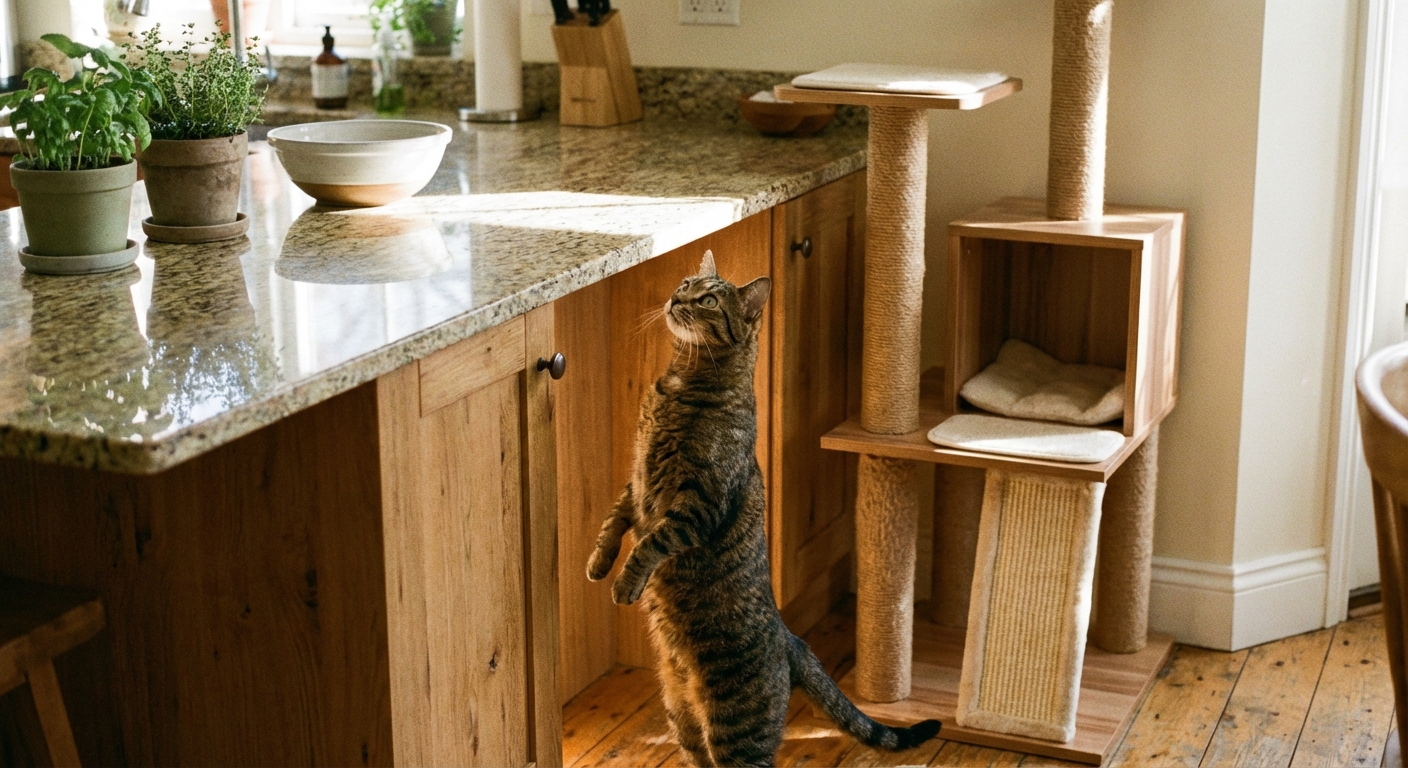
Tired of counter surfing? Learn why cats jump up and follow a fast 3-part plan: make counters boring, create a better “yes” perch, and use safe, consiste...
Article
•
Designer Mixes
Smells Cats Hate (And Which Ones Actually Work)

Shari Shidate
Designer Mixes contributor
Strong scent is one of the most common tools people reach for when a cat is scratching the couch, spraying near a doorway, or sneaking into a “no cats” room. And it makes sense. Cats rely on smell much more than we do, and a cleaner that seems mild to you can feel overpowering to your cat.
The good news is that some scent-based deterrents really can help, especially when you pair them with simple environment changes. The not so good news is that a few popular options are unsafe or tend to backfire. Let’s walk through which smells cats typically dislike, which ones actually work in real homes, and how to use them safely.
Why smell matters to cats
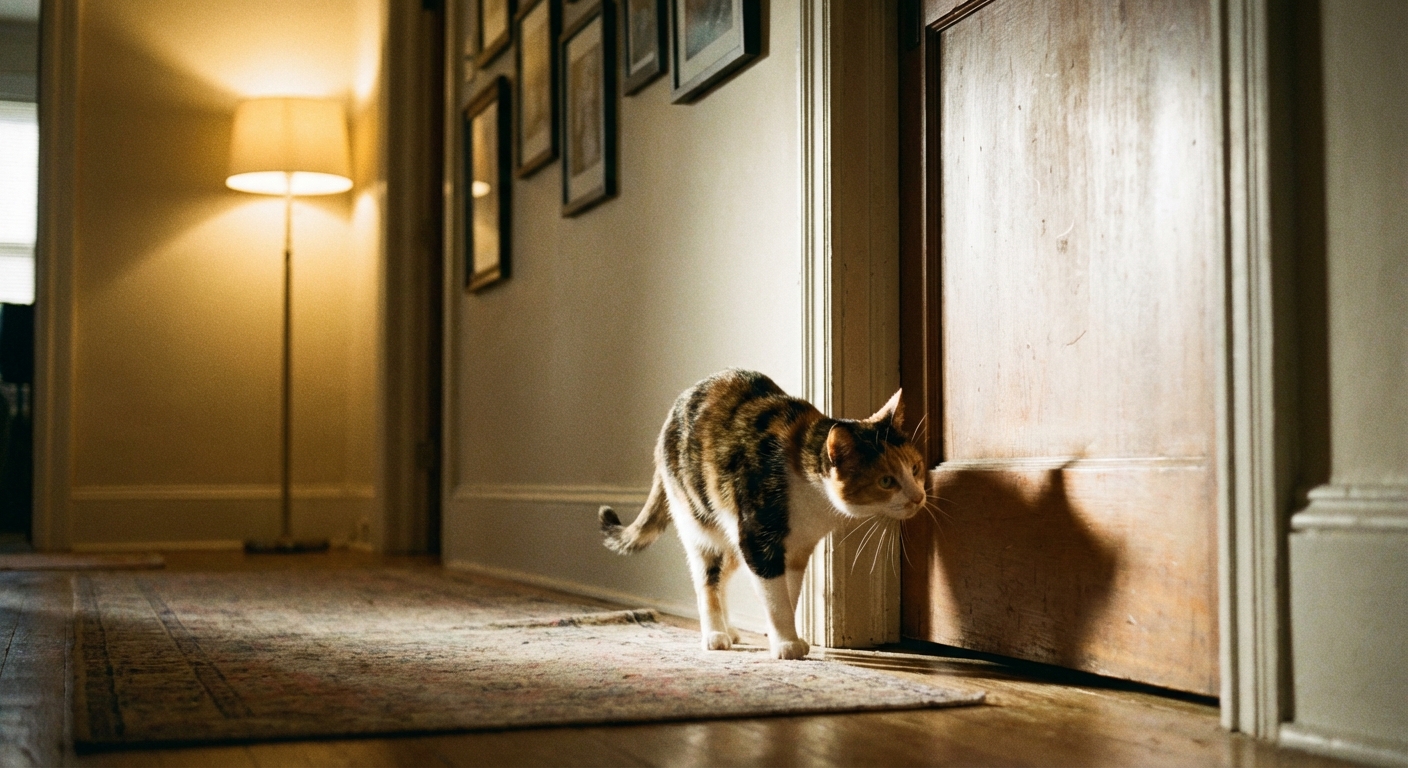
Cats have a highly developed sense of smell and rely on it for comfort, communication, and navigation. When a smell is too sharp or unfamiliar, many cats avoid that area. This is why scent can help redirect behavior, but it is also why harsh smells can increase stress in sensitive cats.
One important note: cats do not avoid an area just because they are being “stubborn.” Often they are responding to stress, territory changes, new animals, or unmet needs like better scratching options and litter box comfort. Smell deterrents work best as a gentle boundary, not the only strategy.
Smells cats dislike (and what works)
Citrus (lemon, orange, grapefruit)
Citrus is probably the most famous. Many cats dislike the sharp, bright smell. In practice, citrus can work as a short-term deterrent for low-stakes areas like a counter corner or a plant shelf.
- What works: wiping hard surfaces with a diluted citrus-scented cleaner and rinsing well, or using a commercial pet-safe citrus deterrent spray.
- What to avoid: essential oils or leaving citrus peels where a cat can chew them.
Vinegar
White vinegar has a strong odor that many cats avoid, and it is a common household cleaner. It can be useful for deterring repeat visits to a spot, especially after you have cleaned up an accident.
- What works: a diluted vinegar and water solution on hard, non-porous surfaces after thorough cleaning.
- Limitations: vinegar smell fades as it dries. Also, some cats will still return if the underlying reason for the behavior is not addressed.
- Safety note: do not use vinegar on natural stone (like marble or granite), and never mix vinegar with bleach or other cleaners.
Herbal scents (lavender, rosemary)
You will often see herbs listed online, but this category needs extra caution. Many essential oils are unsafe for cats, and cats can be sensitive to concentrated fragrance even when a scent seems “natural.”
- What works better: if you want to try an herb, use a small amount of the dried plant material (not oil) in a breathable sachet placed fully out of reach, and stop if your cat shows any stress or respiratory irritation.
- Use caution: avoid using essential oil diffusers as deterrents. If you use any fragranced products in your home, prioritize excellent ventilation, prevent any cat access to the product, and check in with your veterinarian about risks for your specific cat.
- Avoid: eucalyptus is a common “natural” suggestion, but it is not a good DIY option in cat homes because ingestion risk is real if a cat gets access to it.
Peppermint and menthol
These smells can be intense and may cause avoidance, but peppermint oil is not a safe DIY deterrent for cats. Concentrated oils can irritate airways and may be toxic if licked off paws or fur.
- Bottom line: skip peppermint oil and menthol products as deterrents.
Spices (chili, cayenne, pepper)
These are sometimes suggested to keep cats out of gardens or off furniture. They can irritate eyes, nose, and mouth. A startled cat can then rub their face with paws and worsen the irritation.
- Bottom line: avoid using pepper, cayenne, or chili powder.
Harsh chemicals and ammonia
Some people assume harsh cleaners keep cats away. In reality, ammonia can smell similar to urine to a cat and may encourage repeat marking in some situations. Strong chemical fumes can also irritate your cat’s respiratory system.
- What works better: an enzymatic cleaner for urine and feces , followed by a mild, pet-safe cleaner.
Deterrents that work in homes
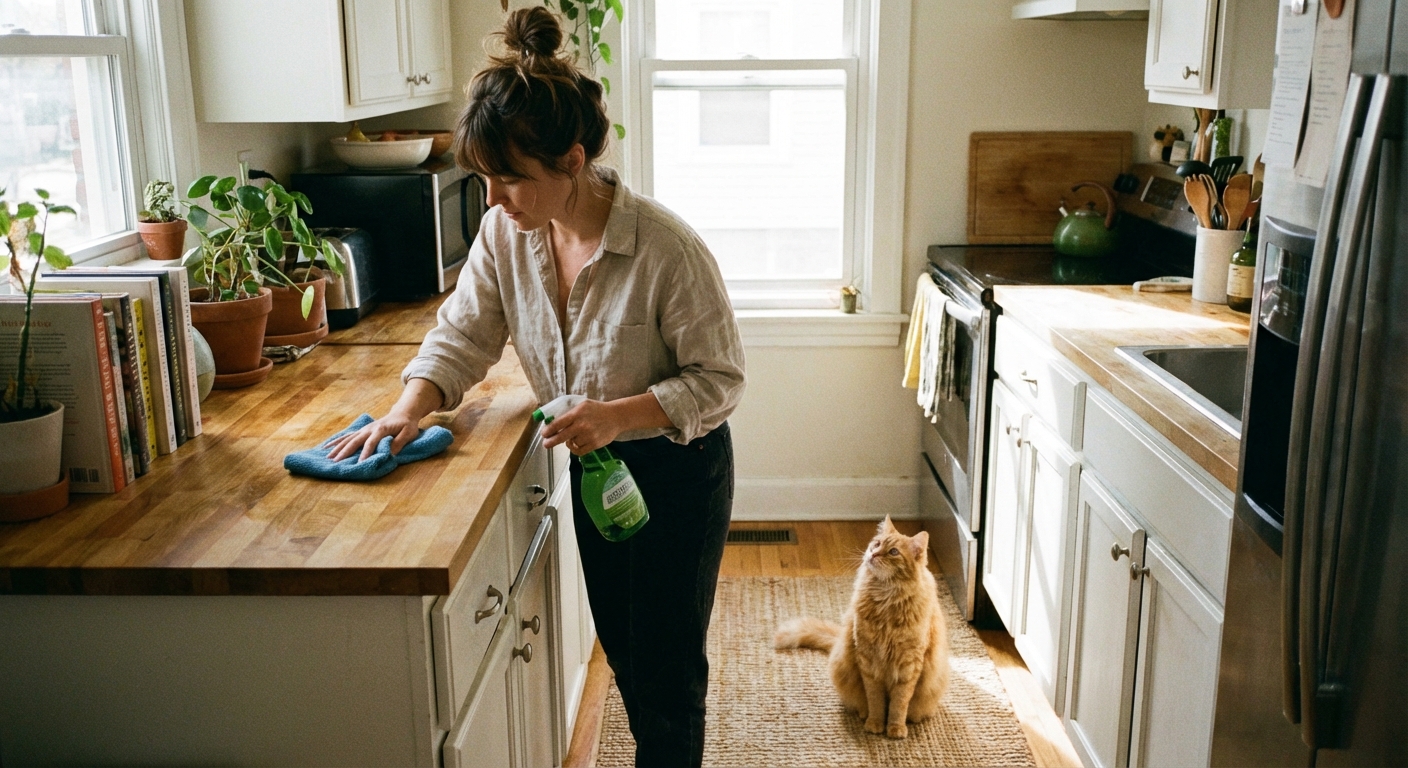
In practice, the deterrents that tend to perform best share three traits: they are unpleasant to cats, safe when used correctly, and easy to apply consistently.
1) Commercial cat deterrent sprays (pet-labeled)
If you want the simplest option, a deterrent spray made specifically for cats is usually the most practical. These are formulated to be unpleasant to cats without relying on concentrated essential oils. Some use bittering agents or mild scent blends.
- Best for: furniture corners, baseboards, doorway thresholds, garbage areas.
- Tip: test on a hidden patch of fabric first to avoid staining.
2) Vinegar for hard surfaces (short-term boundary)
Diluted vinegar can help with temporary avoidance, especially after you have removed odor cues from accidents. It is not a magic shield, but it can buy you time while you fix the root cause.
3) Light, consistent citrus cleaning
A light citrus scent can discourage casual exploration, especially on counters. It is less likely to cause problems when used as a mild cleaner rather than an oil-based product.
4) Non-scent tools that often outperform smells
This may surprise you, but some of the most reliable deterrents do not rely on odor at all.
- Texture barriers: double-sided tape on scratching zones, or a plastic runner (nubs-up) temporarily in doorways.
- Motion-activated air puffs: effective for counters and doorway boundaries.
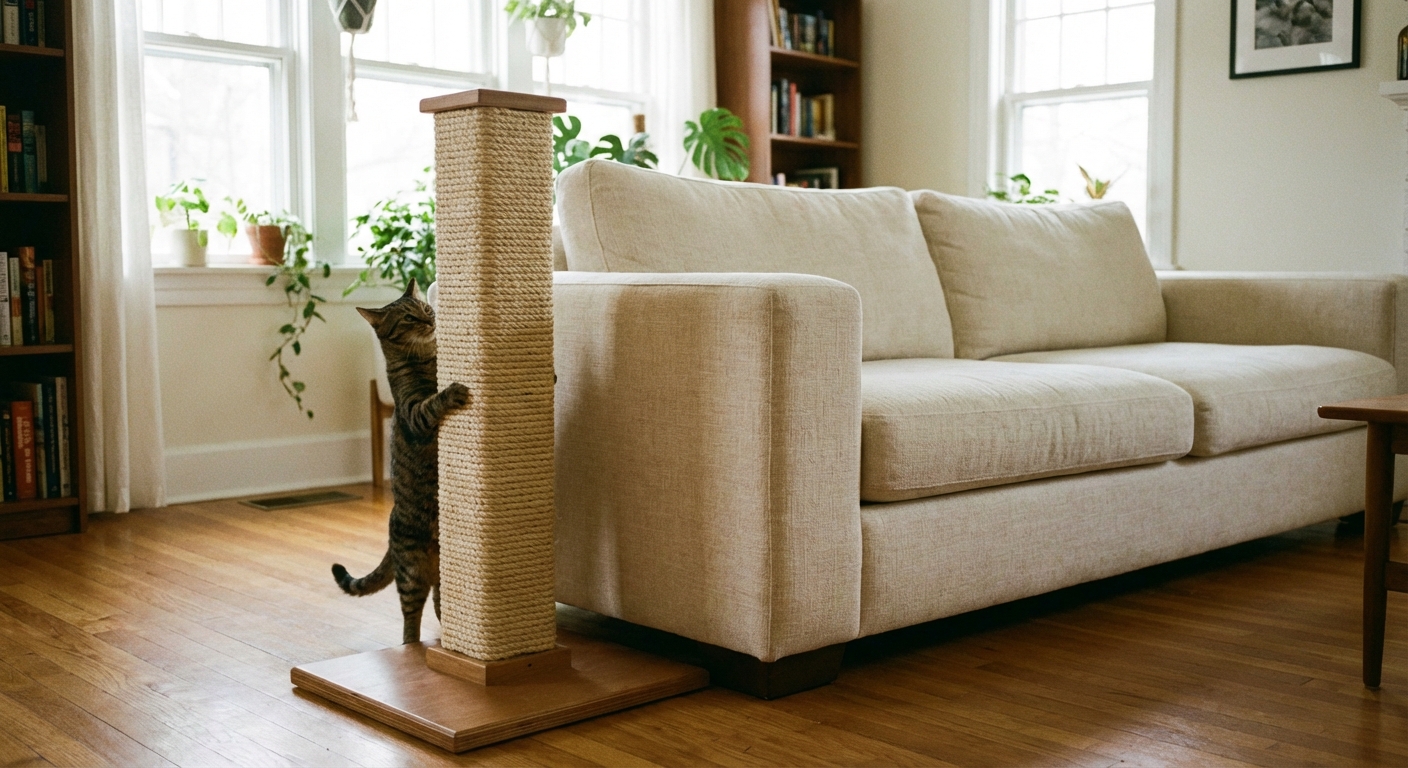
- More scratching options: a stable scratching post near the “forbidden” furniture often resolves the problem better than any smell.
Safe ways to use scent
I always tell clients to think “gentle guidance,” not punishment. Your goal is to make one area less appealing while making the right choice easier.
Do
- Use pet-labeled products and follow label directions closely.
- Improve the alternative at the same time, like adding a scratching post, cat tree, or cozy bed in an approved spot.
- Ventilate well after cleaning or spraying.
- Start small and watch your cat’s response for sneezing , watery eyes, drooling, or hiding.
Do not
- Do not use essential oil diffusers as a deterrent.
- Do not use pepper, chili, or cayenne anywhere your cat could contact it.
- Do not use ammonia to “clean up” marking.
- Do not trap your cat between strong smells and a wall or closed door. Always leave an easy escape route.
Quick safety note: Cats are more vulnerable to concentrated fragrances than humans. When in doubt, choose a pet-labeled deterrent or a non-scent approach.
Common problems and what to try
Cats on counters
- Clean food residue thoroughly first.
- Use a motion-activated air puff for a couple of weeks.
- If you want a scent layer, use a pet-safe deterrent spray on the counter edge when the surface is cool and dry, then wipe before food prep.
Scratching furniture
- Place a scratching post within 1 to 2 feet of the problem spot.
- Add double-sided tape to the favorite scratch zone temporarily.
- Use a cat deterrent spray on the furniture corner if the fabric allows it, but treat this as a bridge while you reinforce the scratching post habit.
Repeat pee spots
- Use an enzymatic cleaner first. This is essential.
- After it dries, consider a mild vinegar wipe for hard surfaces only.
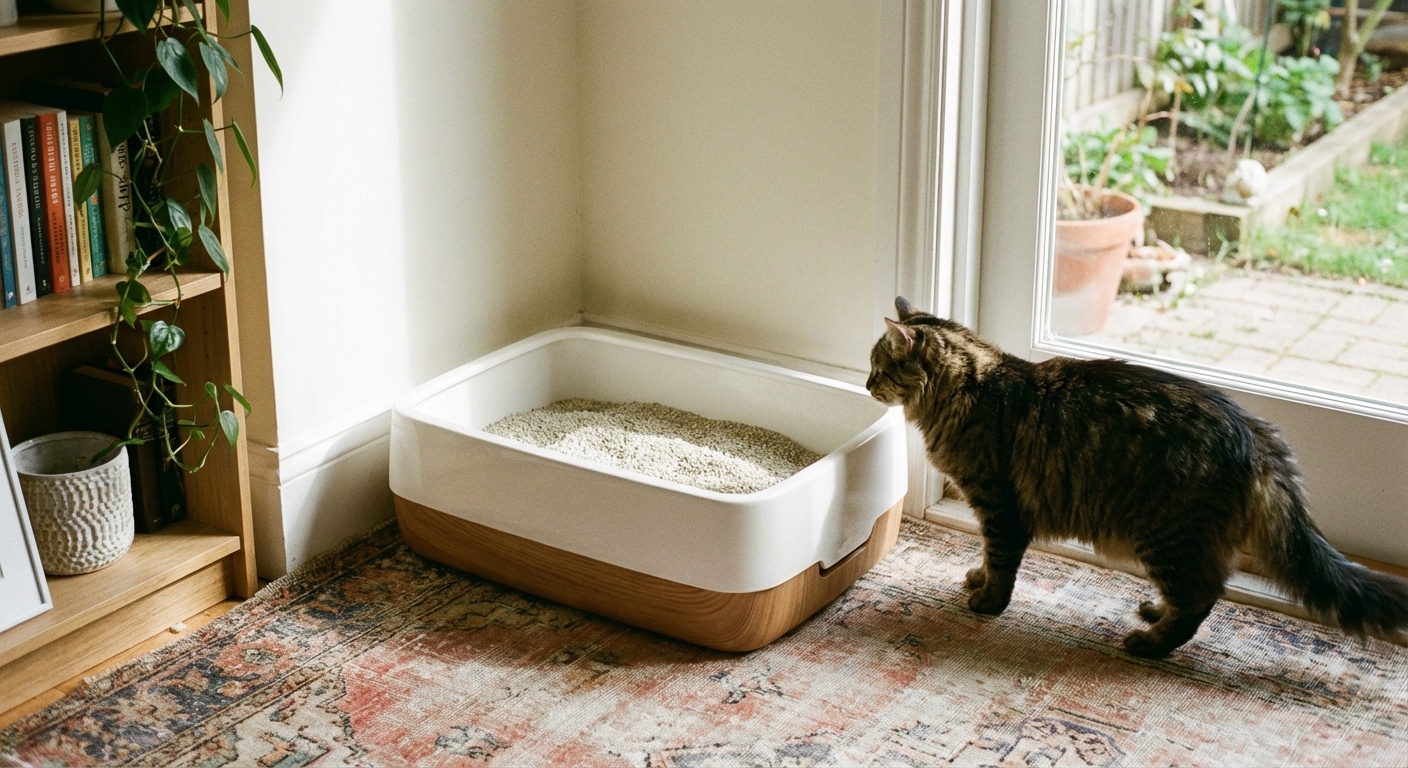
- Address causes: litter box location, cleanliness, box type, stress, inter-cat conflict, or medical issues.
When scent is not enough
If a cat is spraying , peeing outside the box, or suddenly acting “out of character,” scent deterrents should not be the main tool. These behaviors often signal stress, pain , urinary disease (including FLUTD), or territory conflict. If the problem is new, frequent, or escalating, a veterinarian visit is the safest next step.
Also, if your cat is persistently targeting one location, ask yourself: is there a draft, outdoor cat presence near that wall, a noisy appliance, or a litter box that feels too exposed? Small environmental changes can be more powerful than any smell.
Simple takeaway
Most cats dislike sharp, intense scents like citrus and vinegar, and those can help as gentle, short-term boundaries when used safely. But the most reliable “deterrent” is usually a combination: remove the attraction, block the habit with a texture or motion tool, and make the preferred option more rewarding.
Consistency is what makes it stick. I always remind clients that small, repeatable changes, like better scratching options, smarter litter box setup, and calm, predictable boundaries, tend to outperform any single “magic” smell.

