Not sure if your cat has a UTI, cystitis, crystals, or a blockage? Learn key symptoms, emergency red flags, what the vet may do, and gentle home care plus li...
Article
•
Designer Mixes
Smart Cat Bladder Infection Tips

Shari Shidate
Designer Mixes contributor
When a cat has urinary trouble, it can feel like it comes out of nowhere. One day your kitty is fine, and the next you are seeing frequent trips to the litter box, straining, or accidents outside the box. As a veterinary assistant in Frisco, Texas, I can tell you urinary problems are a very common urgent issue in many clinics, because some conditions can become dangerous fast.
This article will help you recognize the signs, understand what “bladder infection” can mean in cats, and take smart, evidence-based steps that support healing and reduce the odds of a repeat episode.
First, a quick clarity check
Many people say “bladder infection” when they really mean “my cat is having urinary symptoms.” In cats, those symptoms can come from a few different problems, and the best treatment depends on the cause.
- Bacterial urinary tract infection (UTI): True infections happen, but in younger, otherwise healthy cats, they are less common than many people think. UTIs are more likely in older cats and cats with underlying conditions (such as kidney disease or diabetes).
- Feline idiopathic cystitis (FIC): Inflammation of the bladder with no bacterial infection. Stress and environment often play a big role.
- Urinary crystals or stones: These can irritate the bladder and sometimes block the urethra.
- Urethral obstruction: A life-threatening emergency, especially in male cats.
Because these can look similar at home, the smart move is to treat urinary symptoms as a medical problem that needs confirmation, not a guessing game.
Signs your cat may have a bladder issue
Watch for any of the following, even if your cat seems mostly normal otherwise:
- Straining to urinate or crying in the litter box
- Frequent litter box visits with little urine produced
- Blood in the urine or pink-tinged clumps
- Urinating outside the litter box
- Excessive licking of the genital area
- Hiding, irritability, reduced appetite
- A change in urine amount or appearance
Note on urine smell: A stronger urine odor can happen for many reasons (concentration, diet, dehydration) and is not a reliable way to tell if a cat has a UTI.
When it is an emergency
If your cat is unable to pass urine, that is an emergency. A blockage can cause severe pain and can become fatal in a short period of time.
Go to an emergency vet now if you see:
- Repeated straining with no urine coming out
- A hard, painful belly
- Vomiting, collapse, or extreme lethargy
- Male cat with sudden urinary symptoms, especially if he seems very uncomfortable
Do not wait overnight if you suspect a blockage.
Quick at-home check: constipation vs urinary
Straining can look like constipation. If you can, check the litter box closely. No urine output, tiny spots only, or repeated attempts with nothing produced should be treated as urgent. If you are unsure, call your vet or an emergency hospital and describe what you are seeing.
Smart first steps
1) Book the right kind of visit
Ask for an appointment for urinary symptoms and plan for a urine test. A proper workup often includes:
- Urinalysis (checks concentration, blood, crystals, inflammation)
- Urine culture when infection is suspected, to confirm bacteria and choose the best antibiotic
- X-rays or ultrasound if stones are a concern
This matters because giving antibiotics “just in case” can miss the real cause and contributes to antibiotic resistance.
2) Understand how urine is collected
Your clinic may collect urine in-house. For the most accurate culture results, many veterinarians prefer a sterile sample, often collected by cystocentesis (a quick needle sample from the bladder). This reduces contamination and helps your vet choose the right treatment.
3) Bring a urine sample if your clinic allows it
Some clinics will accept a fresh sample collected at home, and others will not. Call ahead and ask. If you collect at home, use non-absorbent litter or a clean container and bring it in quickly, ideally within 1 to 2 hours.
4) Keep your cat comfortable while you wait
While you are waiting for the appointment or results, supportive care can help, but it should not replace diagnostics.
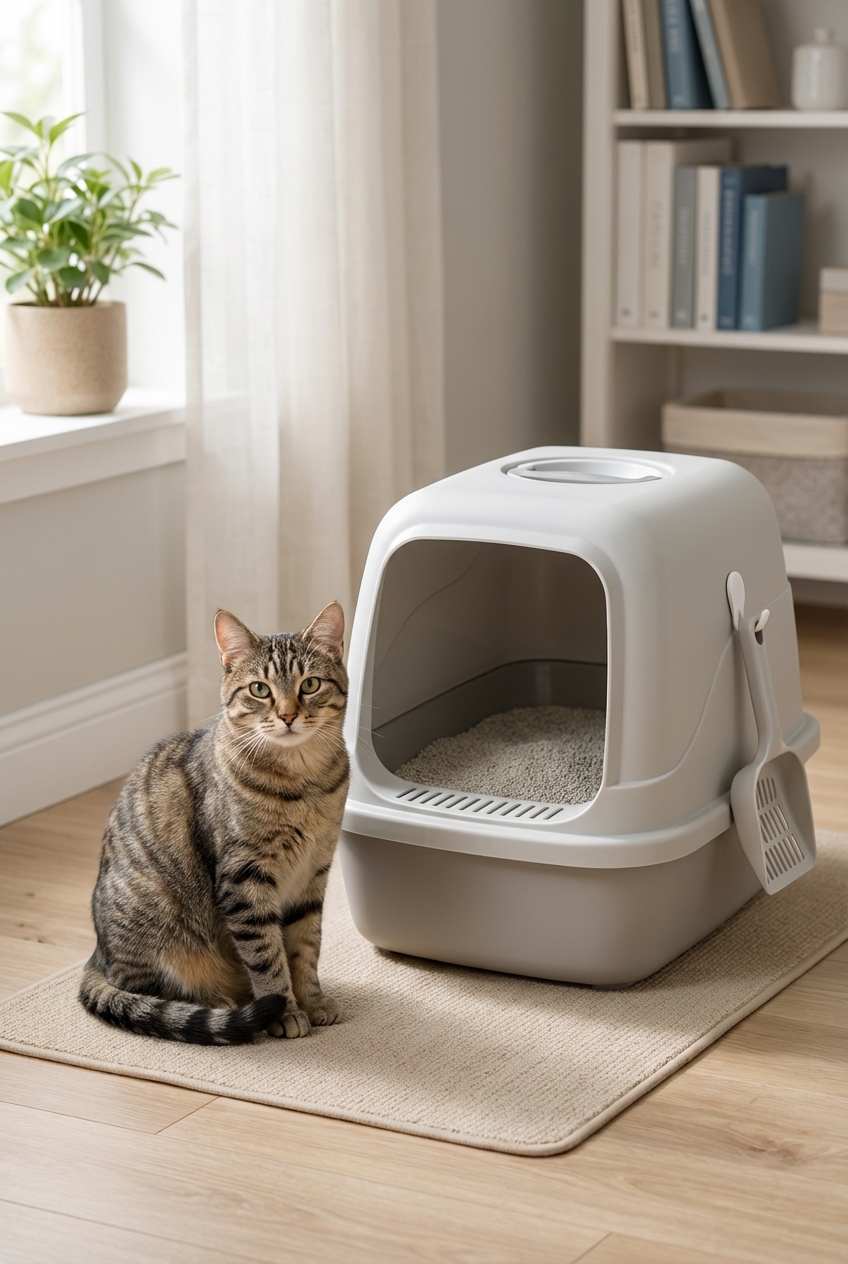
- Keep the litter box easy to access and very clean
- Encourage calm, quiet rest in a low-stress area
- Do not give human pain meds or leftover antibiotics
Hydration tips that help
Hydration is one of the biggest practical tools you have. More water means more urine, and that can help dilute the urine and support bladder comfort. Hydration does not fix an obstruction and does not replace antibiotics when a true infection is present, but it is a helpful foundation for many urinary cases.
Make water irresistible
- Switch to canned food or add canned food to the routine. This is often the single most effective change.
- Add a tablespoon or two of water to wet food to create a “gravy.”
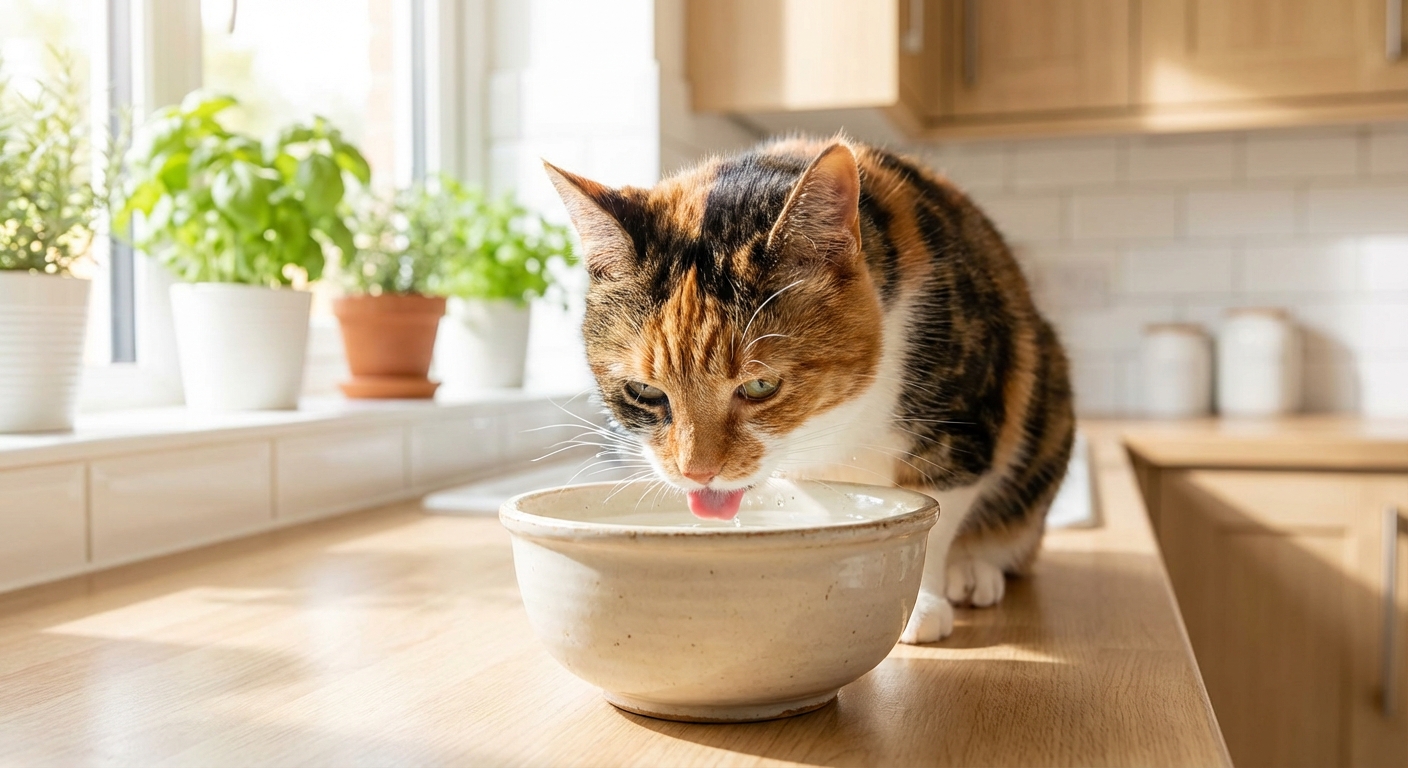
- Try a cat water fountain. Many cats drink more with moving water.
- Place multiple bowls around the home, away from the litter box.
- Use wide, shallow bowls to reduce whisker stress.
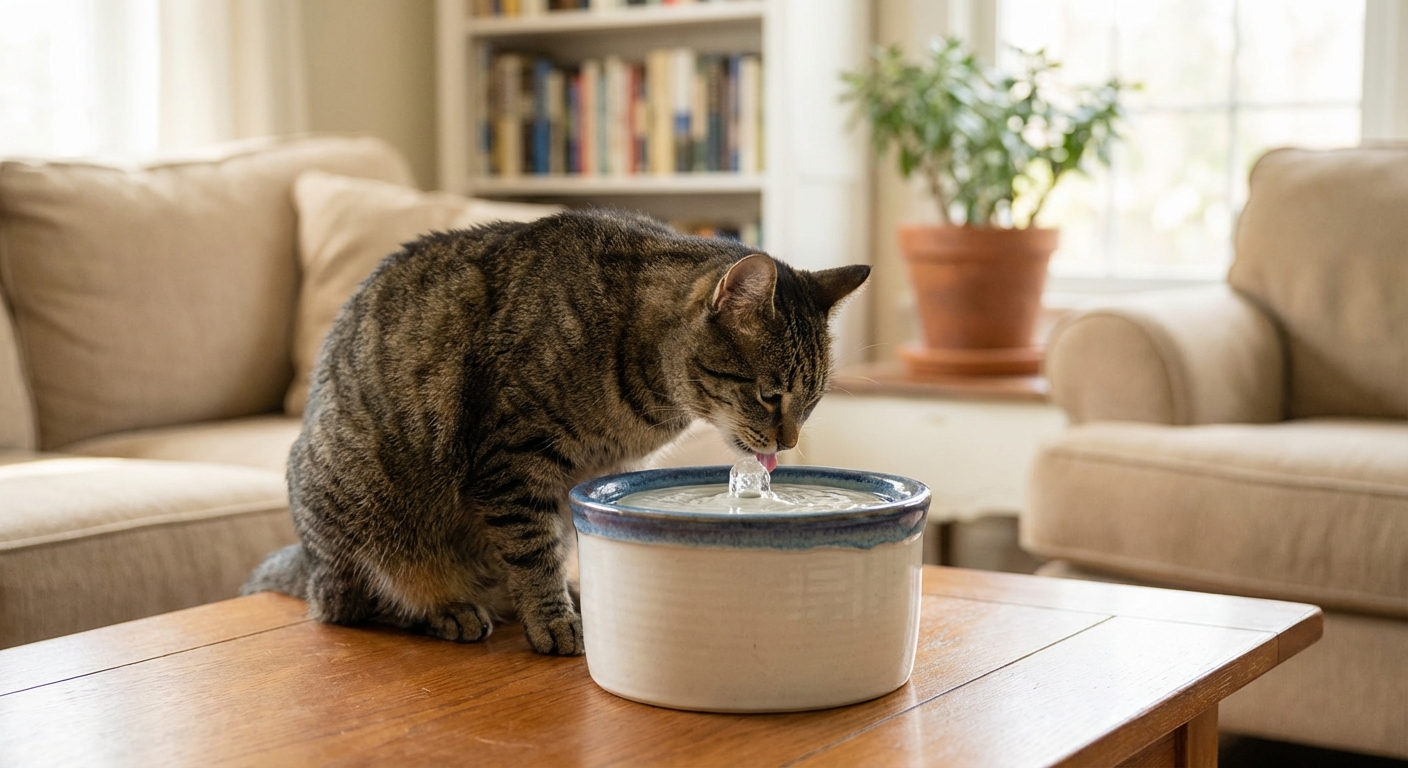
Tip from the clinic: Some cats drink more when the water bowl is glass or stainless steel and cleaned daily. Biofilm can build up quickly and turn picky drinkers away.
Food choices
Diet can make a big difference, but it depends on the diagnosis.
If your vet suspects crystals or FIC
- Your veterinarian may recommend a prescription urinary diet. These are formulated to adjust urine concentration and pH and reduce crystal building blocks.
- For many cats, wet formulations are especially helpful because of moisture content.
If it is a confirmed bacterial infection
- Antibiotics should be chosen based on likely bacteria, and ideally a culture when appropriate.
- Finish the full course exactly as prescribed, even if your cat seems better.
Important: Do not jump between multiple foods quickly during a urinary flare. Sudden diet changes can upset the GI tract and add stress, which can worsen urinary inflammation in sensitive cats.
What your vet may prescribe
Treatment depends on the cause. In addition to diet changes and hydration support, your veterinarian may prescribe medications to control pain and help the bladder and urethra relax.
- Pain relief to keep your cat comfortable
- Anti-spasmodic medications to reduce urethral spasm in some cases
- Anti-anxiety or stress-support medications for recurring FIC in some cats
- Antibiotics only when infection is confirmed or strongly suspected
Ask what to expect and when to recheck, especially if symptoms are not improving quickly.
Stress matters in cats
For cats with feline idiopathic cystitis, stress can be a major trigger. The bladder has a protective lining, and in FIC that barrier can be compromised, making the bladder more reactive. You can support recovery by making the home environment feel safe and predictable.
Simple stress reducers
- Keep a consistent feeding routine
- Offer a quiet safe room during visitors or construction
- Add daily interactive play (5 to 10 minutes, 1 to 2 times/day)
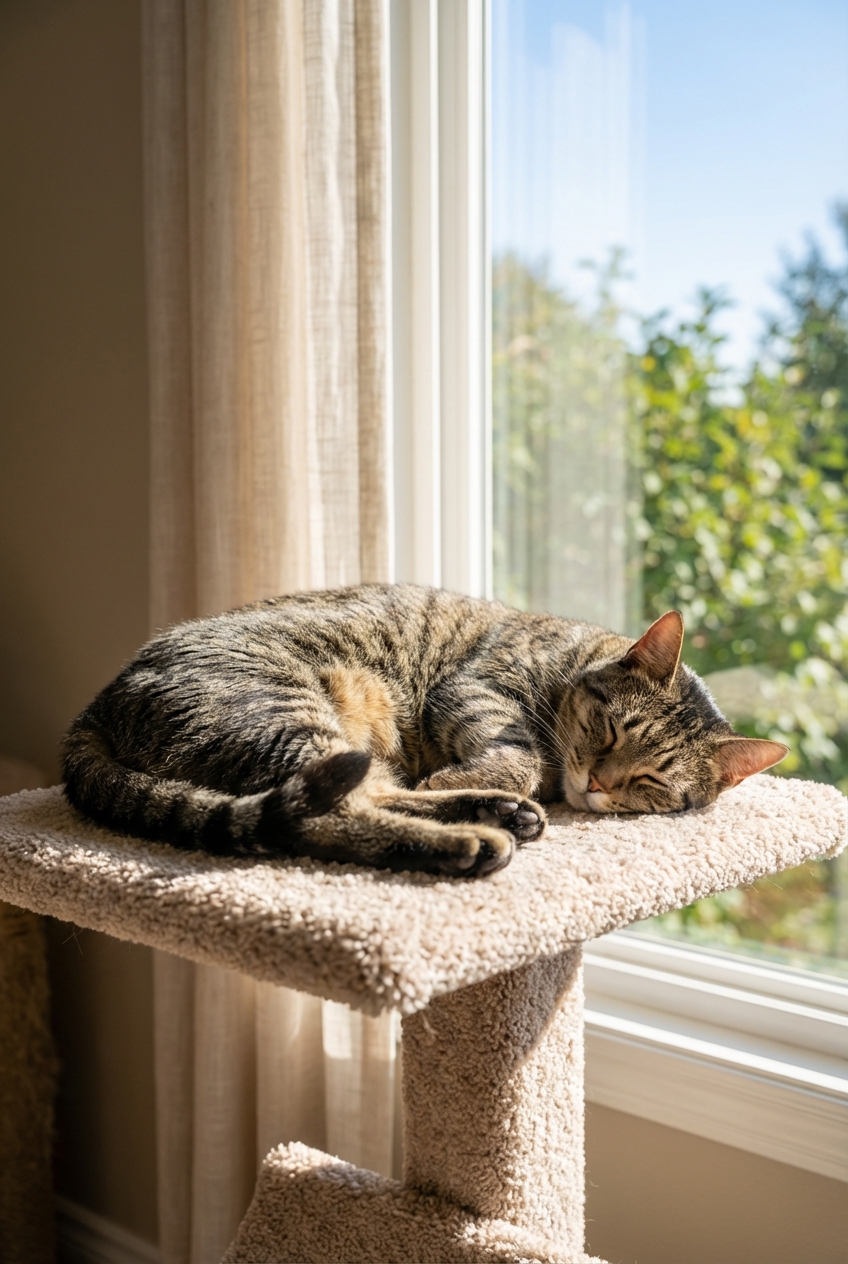
- Provide vertical space like cat trees or shelves
- Use pheromone diffusers if your vet recommends them
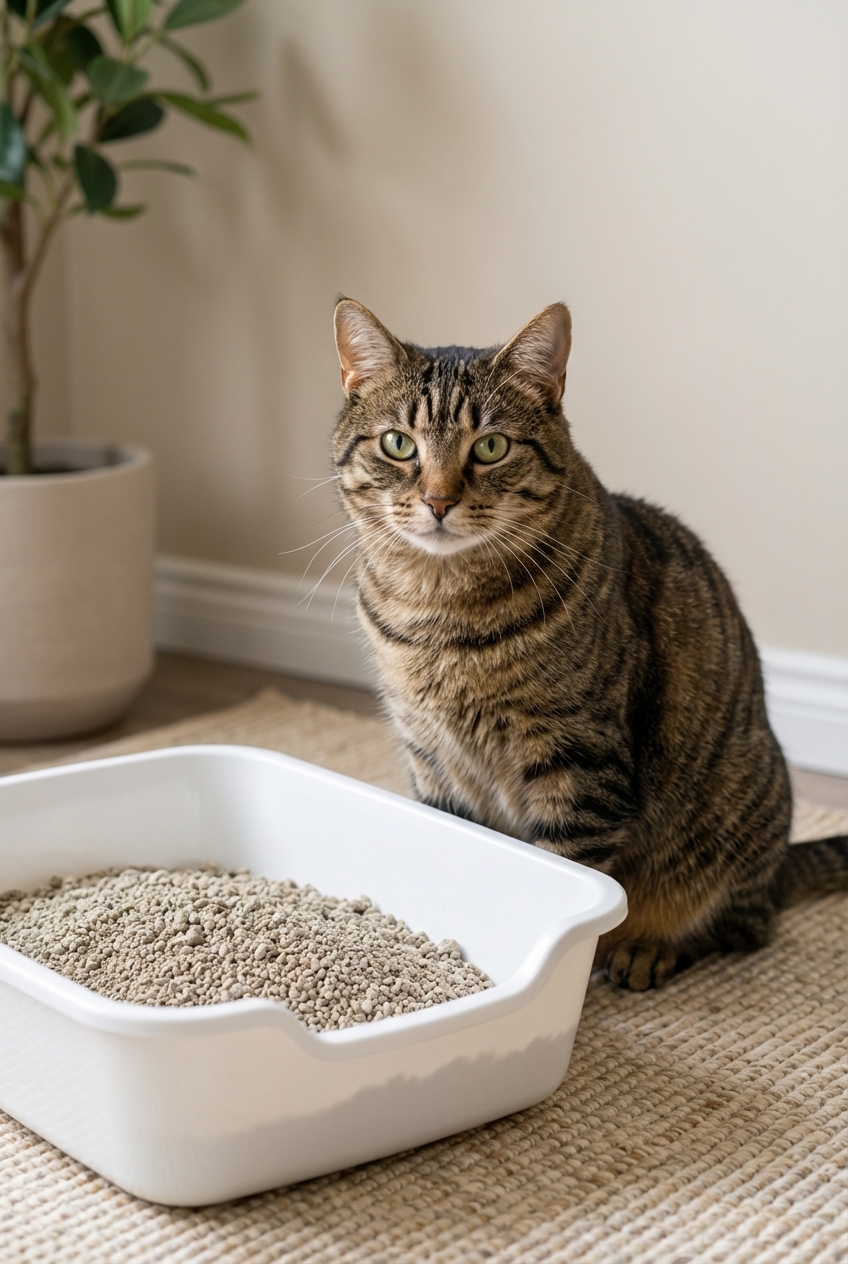
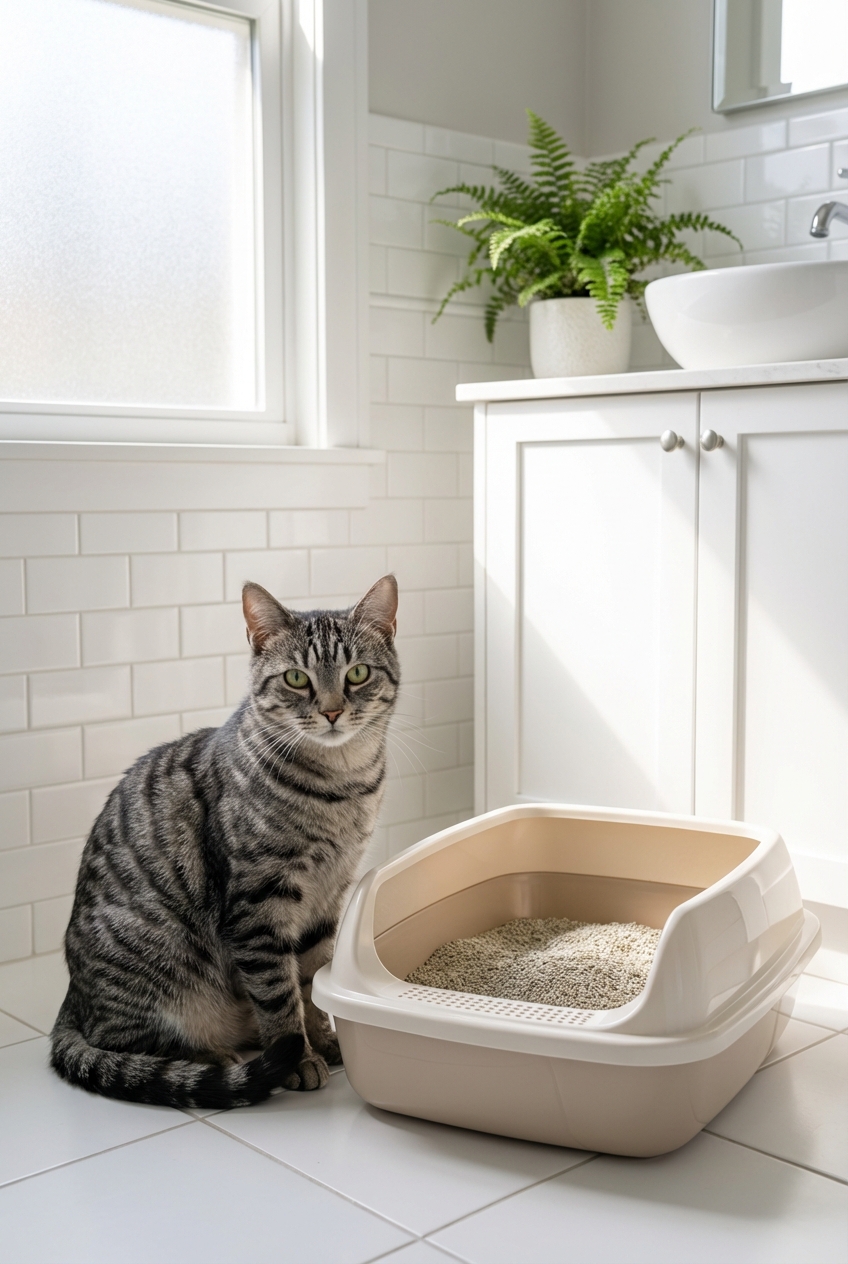
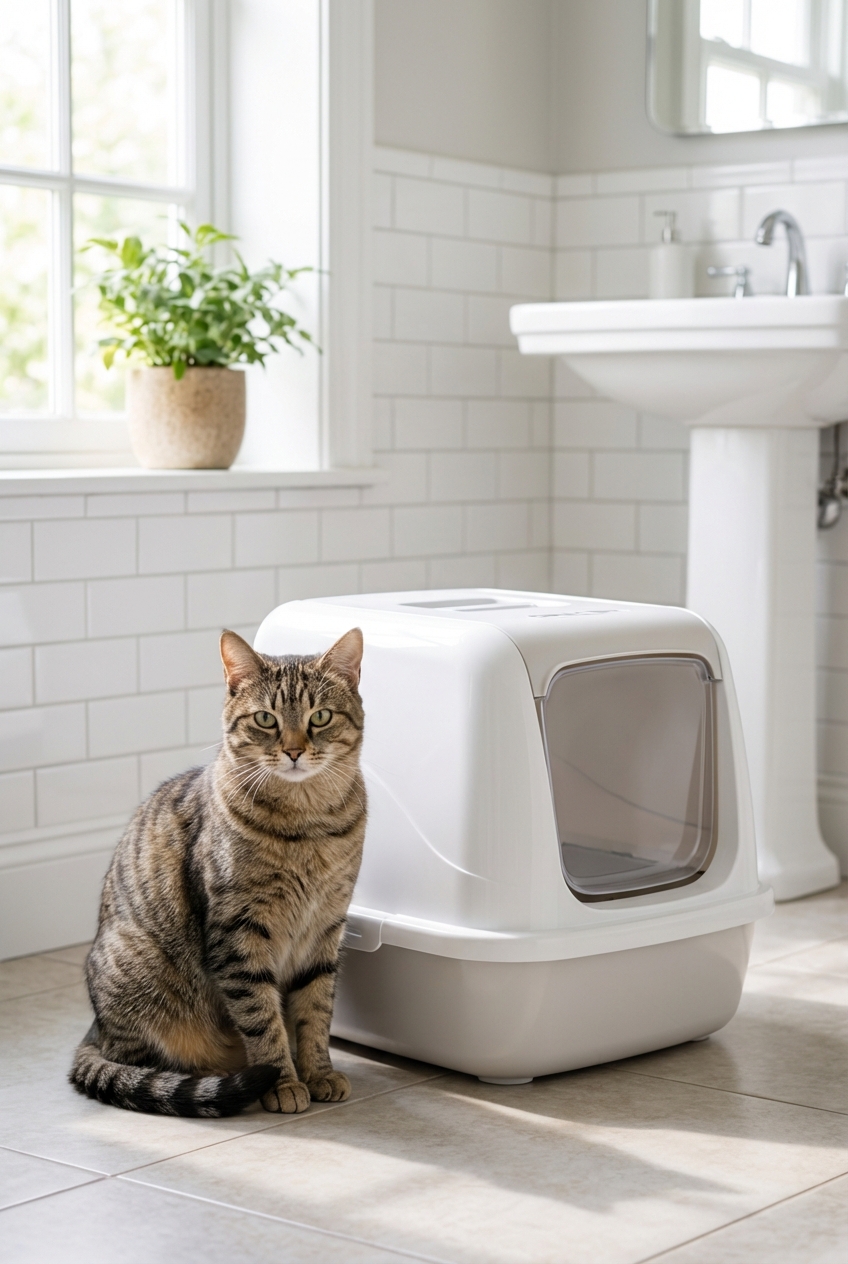
Litter box upgrades
When cats associate the litter box with pain, they may avoid it. Make the box as welcoming as possible, especially during and after a urinary episode.
- Follow the “n + 1” rule: one box per cat, plus one extra
- Scoop daily, wash the box regularly with mild soap and water
- Choose an unscented litter (many cats dislike fragrance)
- Use a larger box, especially for big cats
- Place boxes in quiet, accessible spots (not next to loud appliances)
Do supplements help?
Some supplements can be useful, but they should not replace diagnostics and treatment. Think of supplements as support, not a cure. Evidence is mixed for some bladder supplements in cats, so it is best to discuss options based on your cat’s diagnosis and history.
Options your vet may discuss
- Glucosamine or bladder-protectant supplements (GAG-layer support) for some cats with FIC, with variable results
- Omega-3 fatty acids for inflammation support
- Probiotics in certain cases, especially if antibiotics are prescribed
Always ask your veterinarian before starting supplements, especially if your cat has kidney disease, heart disease, is on medications, or is a senior cat.
How to prevent another episode
Some cats have a single urinary event and never repeat it. Others, especially cats with FIC or crystal tendencies, can have flare-ups. The prevention plan is usually a combination approach.
- Prioritize moisture with wet food and water strategies
- Maintain a healthy weight since excess weight is associated with increased urinary risk in some cats
- Reduce stress with routine, enrichment, and safe spaces
- Keep litter boxes clean and easy to access
- Recheck as recommended, especially after confirmed infection or stones
If you only do one thing this week, increase your cat’s water intake in a way your cat actually enjoys. Small changes, done consistently, can make a big difference over time.
Frequently asked questions
Can I treat a cat bladder infection at home?
You can support comfort and hydration at home, but you should not attempt to treat urinary symptoms without veterinary guidance. Since obstruction and stones can mimic a simple UTI, home treatment can delay life-saving care.
Why do male cats have more emergencies?
Male cats have a narrower urethra, so inflammation, mucus plugs, or crystals can block urine flow more easily.
Will cranberry help my cat?
Evidence for cranberry in cats is limited, and it is not a substitute for diagnosis. Some urinary conditions in cats are not bacterial, so cranberry would not address the underlying issue. Ask your vet before using it, especially if stones are suspected.
The bottom line
Smart bladder infection advice is less about a magic remedy and more about fast action, good diagnostics, hydration, and prevention. If your cat is showing urinary symptoms, get help early, keep water intake high, and work with your veterinarian to tailor a plan to your cat’s true diagnosis.
Your cat is not being difficult when they strain, hide, or have accidents. They are communicating discomfort the only way they know how. With the right steps, most cats feel better quickly and can do very well long-term.