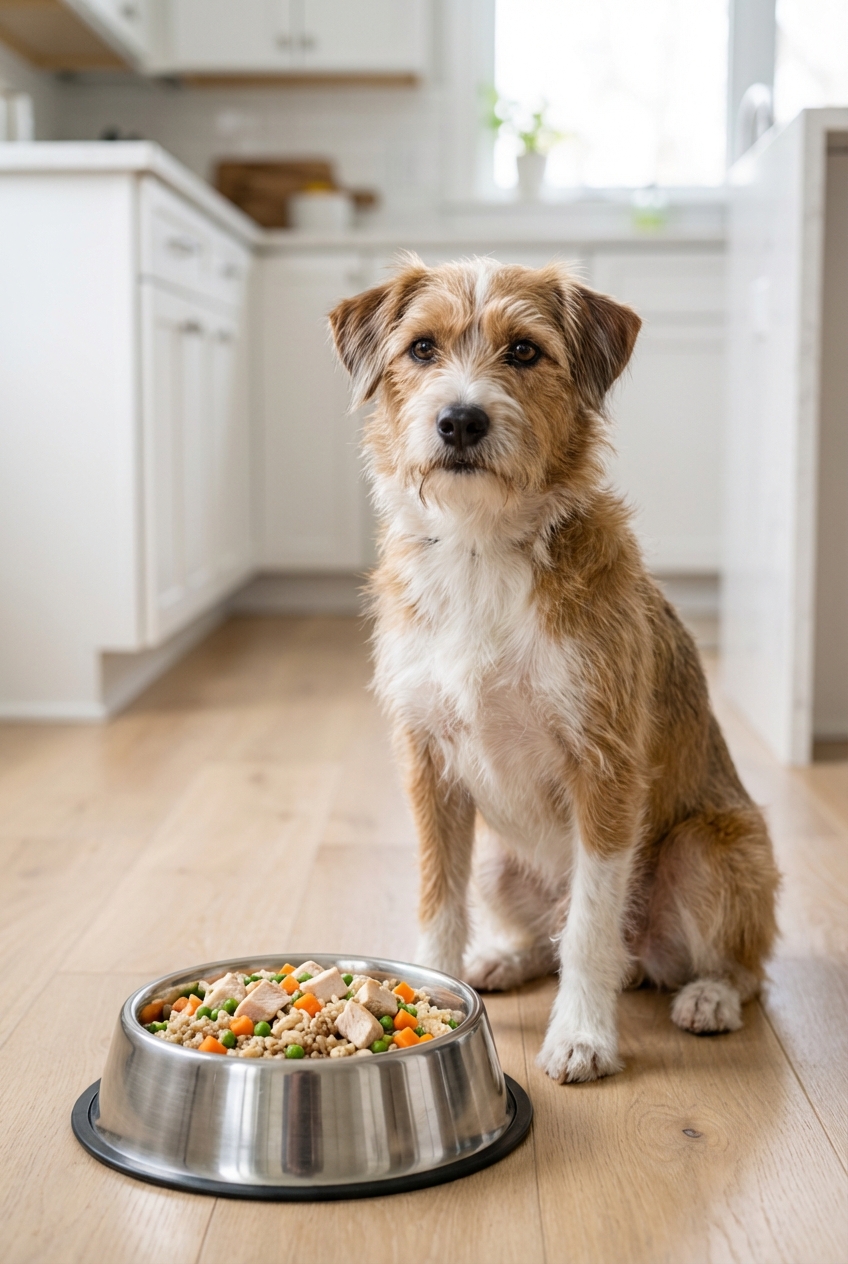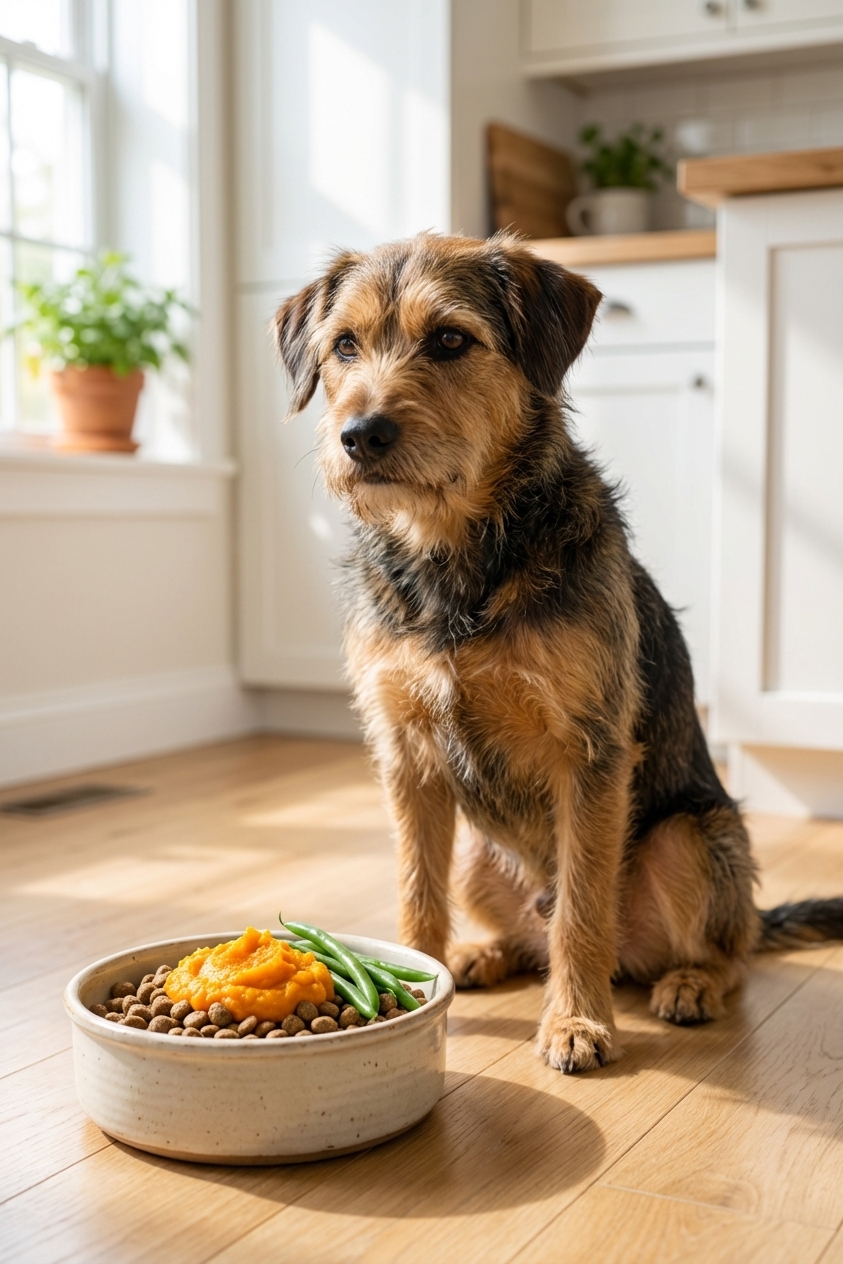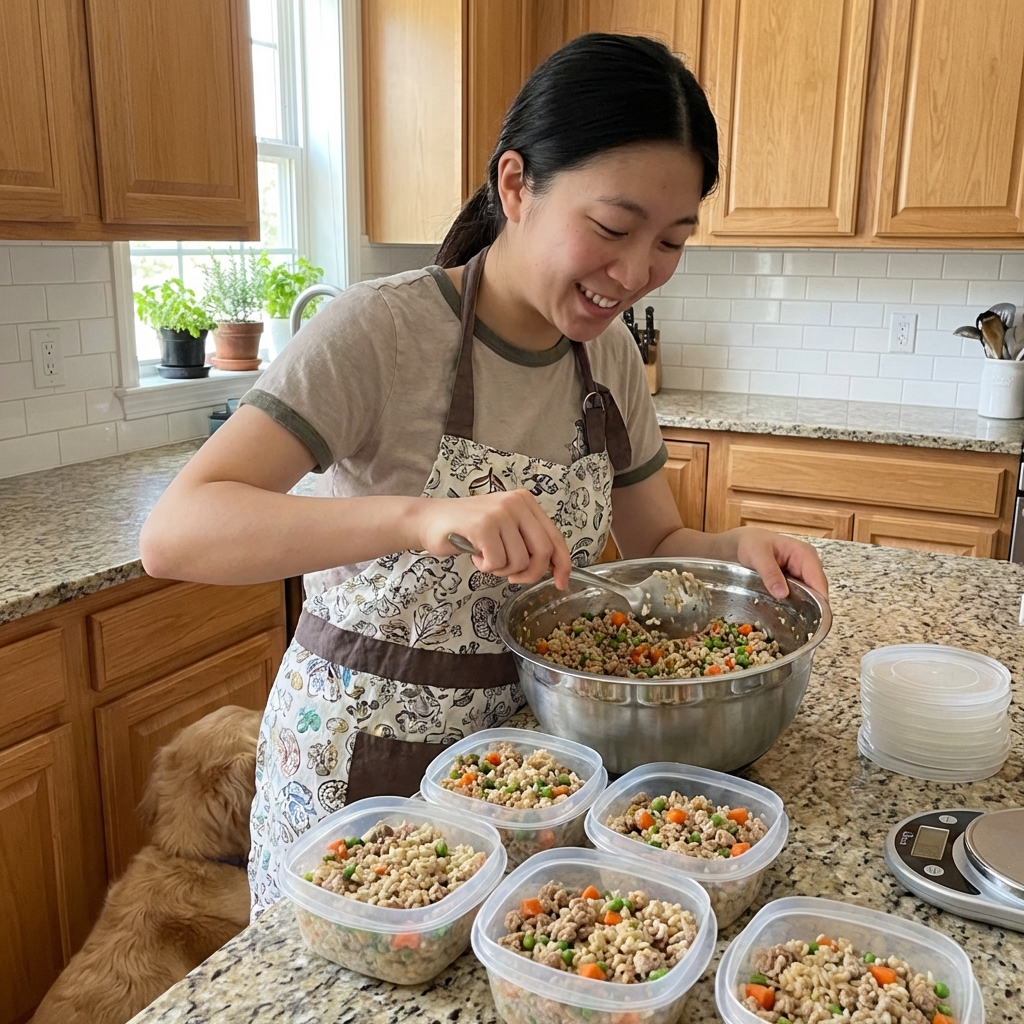
Batch-cook homemade dog food with confidence. Follow simple food-safety rules for fast cooling, fridge storage (3–4 days), freezing (2–3 months), and saf...
Article
•
Designer Mixes
Slow Cooker Homemade Dog Food Recipes

Shari Shidate
Designer Mixes contributor
As a veterinary assistant here in Frisco, Texas, I hear the same question all the time: “I want to feed better, but I do not have time.” That is exactly why slow cooker homemade dog food is such a sweet spot. It is hands-off, budget-friendly, and it lets you choose exactly what goes into your dog’s bowl.
Who this is for: These tips and recipes are best suited for healthy adult dogs as part of a balanced plan. If your dog has a medical condition (kidney disease, pancreatitis, allergies, diabetes, a history of bladder stones, or is a growing puppy, especially a large-breed puppy), check in with your veterinarian or a board-certified veterinary nutritionist first.
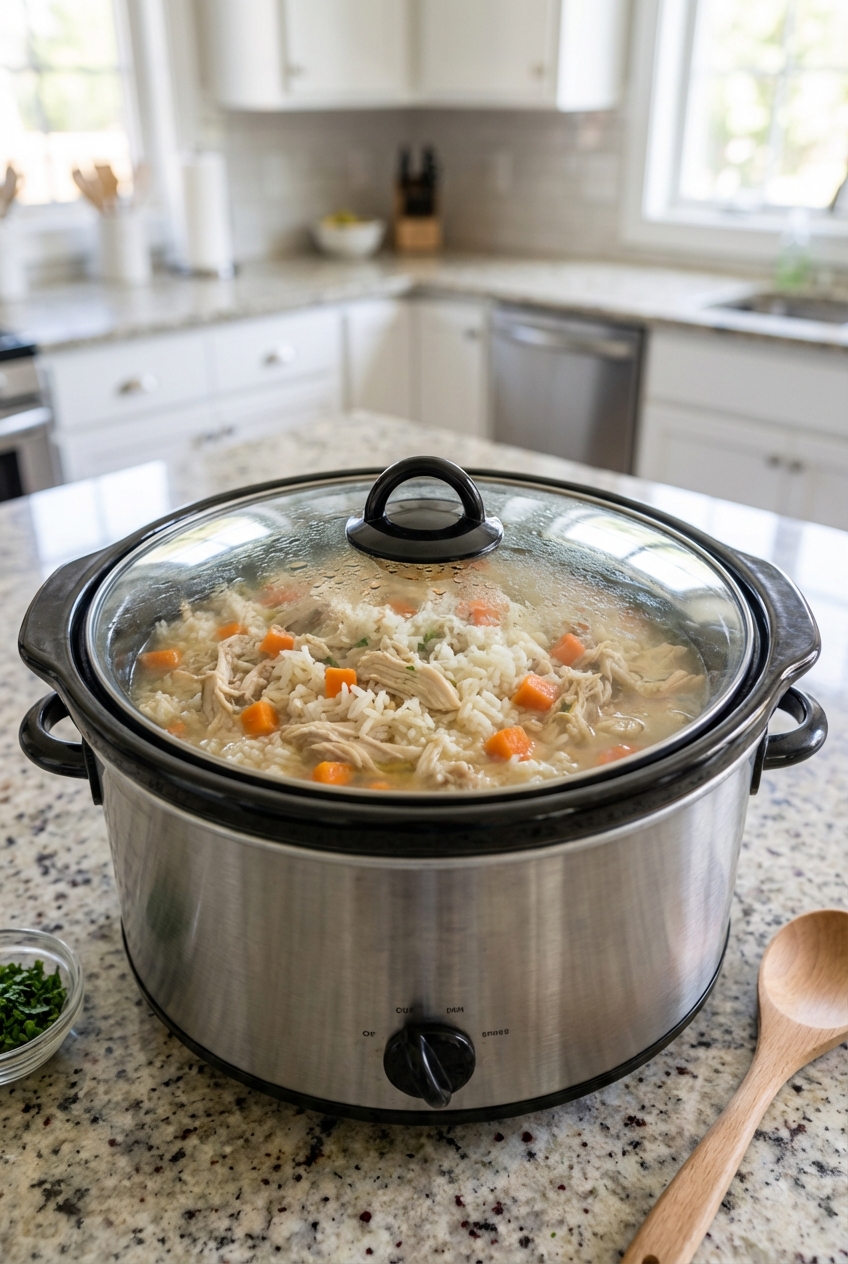
Why the slow cooker works for dogs
- Gentle cooking makes food tender and may be easier for some dogs to handle.
- One-pot simplicity helps you cook in batches and freeze portions.
- Ingredient transparency lets you pick specific proteins and carbs your dog does well with.
- Aroma and palatability often improve, which can help picky eaters.
For many families, the best plan is a gradual transition. Even doing 25 to 50% fresh food alongside a quality commercial diet can be a nice middle ground for some dogs, especially for palatability, routine variety, or owner comfort, as long as the overall diet stays balanced.
Nutrition and safety basics
Balance matters (especially long-term)
Homemade can be wonderfully healthy, but it needs the right balance over time. Dogs need appropriate protein, fat, vitamins, and minerals. The nutrient most commonly missed in homemade diets is calcium, especially when people cook “meat + rice + veggies” without a calcium source. Calcium matters for bones, muscles, nerve function, and long-term health.
Calcium: do not guess
If you plan to feed homemade as a major part of your dog’s diet, the safest, simplest path is to use a complete-and-balanced veterinary premix or a recipe formulated by a veterinary nutritionist. Calcium is not just “a little extra,” it needs to match phosphorus and the rest of the recipe. This is especially important for puppies and large-breed dogs, where the calcium and phosphorus balance can affect healthy growth.
If you are not using a complete-and-balanced premix, talk to your veterinarian about a calcium option that fits your dog. Many homemade feeders use finely ground eggshell powder or a veterinary calcium supplement, but the correct amount depends on your dog and the full recipe.
Other nutrients often missed
Calcium is the big one, but home-cooked diets can also come up short on iodine, vitamin D, vitamin E, zinc, copper, and essential fatty acids. That is another reason premixes and properly formulated recipes are worth it.
Food safety rules that matter
- No onions, chives, or leeks (toxic to dogs).
- Avoid garlic (it is in the same plant family and can be risky, especially with repeated use or larger amounts).
- No grapes or raisins (can cause kidney failure).
- Avoid sugar-free products unless you are 100% sure they do not contain xylitol. Xylitol is highly toxic.
- Skip added salt, bouillon, and seasoning blends. Keep it plain.
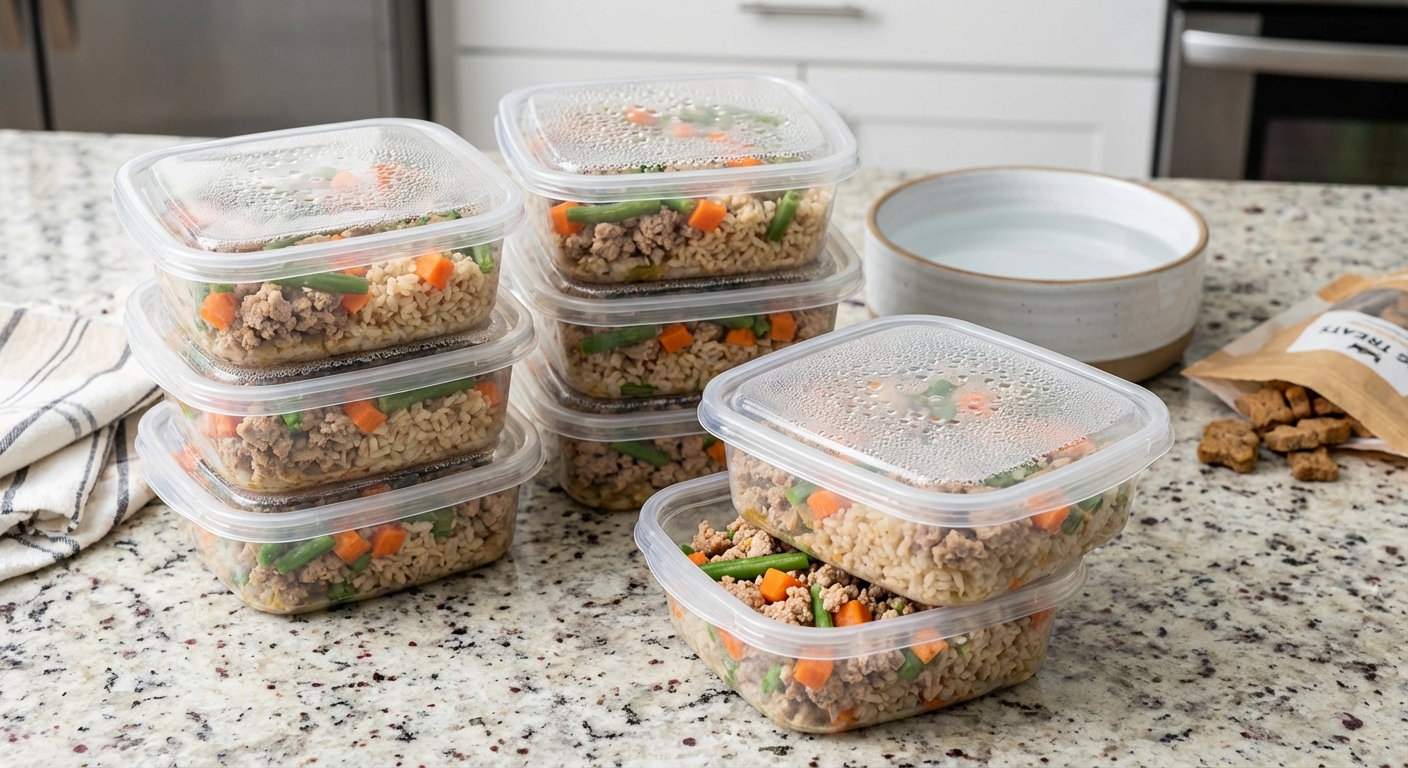
- Cook meats thoroughly and cool quickly before storing.
- Refrigerate within 2 hours and freeze portions you will not use within 3 to 4 days. (General cooked-food guidance assumes a properly cold fridge, around 40°F or below.)
Simple slow cooker ratios
If you are new to homemade food, using a simple template makes life easier. Here is a practical starting point for many adult dogs:
- Protein: about 50 to 60%
- Carb (optional): about 15 to 30%
- Veggies: about 10 to 20%
- Healthy fat: small amounts, adjusted for weight goals and tummy tolerance
These are general guidelines for healthy adult dogs. Your dog’s needs can vary widely based on age, activity level, and medical history.
3 slow cooker dog food recipes
How to use these: These are base recipes. For long-term feeding, use a veterinary-formulated premix or work with your veterinarian on a properly balanced recipe and supplements. Please do not rely on guesswork for calcium and minerals.
Note on grains: In the recipes below, rice and oats are added dry. Slow cooker sizes and ingredient moisture vary, so you may need to adjust water slightly for a spoonable, stew-like texture.
1) Chicken, rice, and carrots
- Protein: 2 to 3 lb boneless skinless chicken thighs or breasts
- Carb: 1 cup dry brown rice (or white rice for sensitive stomachs)
- Veggies: 2 cups chopped carrots
- Optional add-in: 2 big handfuls chopped spinach added at the end
- Liquid: 4 to 6 cups water (enough to cover rice and keep things moist)
Directions: Add chicken, rice, carrots, and water to the slow cooker. Cook on LOW 6 to 7 hours or HIGH 3 to 4 hours until chicken is fully cooked and rice is tender. Shred chicken, stir well, and add spinach in the last 10 minutes if using.
2) Turkey and sweet potato stew
- Protein: 2 lb ground turkey (93% lean is a nice middle ground)
- Carb: 2 large sweet potatoes, peeled and diced
- Veggies: 1 to 2 cups green beans (fresh or frozen)
- Liquid: 2 to 4 cups water
Directions: Add sweet potato, green beans, and water. Crumble in ground turkey. Cook on LOW 6 hours or HIGH 3 hours, stirring once or twice to break up turkey. For extra peace of mind, some people like to brown the turkey first, but it is optional. Either way, ensure the turkey is fully cooked before serving. Mash some sweet potato for a thicker texture if your dog prefers it.
3) Beef, pumpkin, and oats
- Protein: 2 lb lean stew beef or lean ground beef
- Carb: 1 to 1.5 cups rolled oats
- Veggies: 1.5 to 2 cups chopped zucchini or cauliflower
- Fiber: 1 cup plain canned pumpkin (not pie filling)
- Liquid: 5 to 6 cups water
Directions: Add beef, oats, veggies, pumpkin, and water. Cook on LOW 6 to 8 hours (stew beef gets especially tender) or HIGH 4 hours. Stir well and break up meat.
Yield and calories: Yield and calorie density vary by ingredient choice, moisture, and cooker settings. If you want precise portions, your vet can help you estimate a daily calorie target and you can measure the finished food by weight or cups for consistency.
Optional boosters
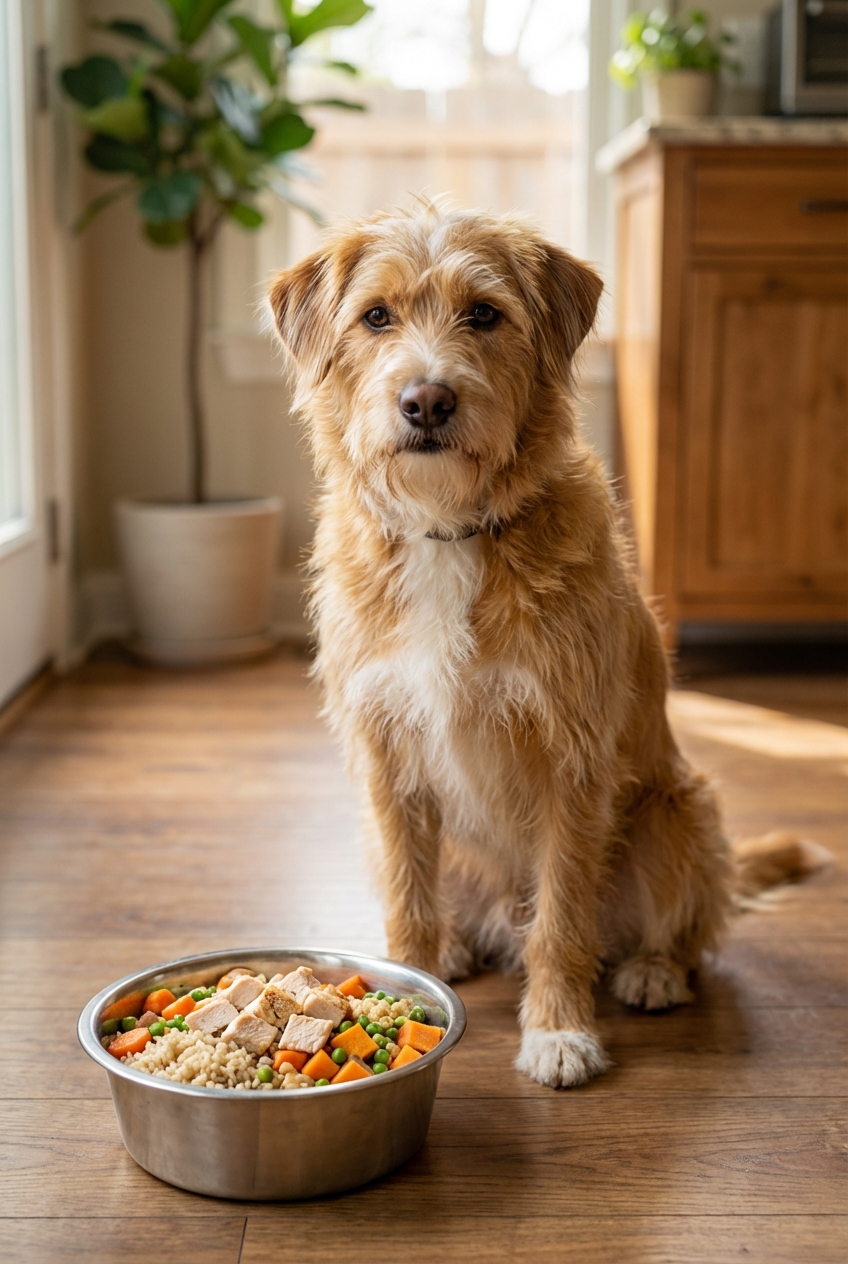
Once your dog is doing well on the base recipe, you can rotate in simple whole-food extras. Keep portions modest and introduce one new item at a time.
- Omega-3s: a measured amount of fish oil can support skin and coat health.
- Probiotics: some dogs do well with a veterinary probiotic, especially during transitions.
- Organ meat: small amounts of liver occasionally can add key nutrients, but do not overdo it.
- Egg: cooked egg is a simple protein booster for many dogs.
How much to feed and transition
Portion starting point
Because homemade recipes vary in calories, a safe approach is to start with your dog’s current daily calorie target and adjust based on body condition and stool quality. If you are unsure, your vet can help you estimate daily calories and ideal weight.
Go slow
- Days 1 to 3: 25% homemade, 75% current food
- Days 4 to 6: 50% homemade, 50% current food
- Days 7 to 9: 75% homemade, 25% current food
- Days 10 to 14: 100% homemade (if your dog is thriving and the diet is balanced)
If stools get soft, pause at the current step for a few extra days, or reduce richness by choosing leaner protein and simpler carbs.
Storage and time-saving tips
- Batch and freeze: portion into freezer-safe containers for 2 to 4 days each.
- Label and rotate: write the protein used and date made.
- Thaw safely: thaw in the refrigerator overnight, not on the counter.
- Rotate proteins: chicken, turkey, and beef (and fish if tolerated) can add variety.
Your future self will thank you for a freezer full of ready-to-thaw meals.
When to call your vet
Please reach out to your veterinarian if you notice vomiting, diarrhea lasting more than 24 hours, refusal to eat, marked lethargy, itchy skin flare-ups, ear infections recurring, or sudden weight change. Those can be signs that we need a different recipe, different fat level, or a medical workup.
Homemade feeding can be simple and joyful, but your dog’s body gives the final vote. Watch energy, skin and coat, weight, and poop, then adjust thoughtfully.