Learn Instant Pot batch cooking for cats with simple chicken and turkey topper recipes, plus safety essentials like taurine, calcium balance, storage, and us...
Article
•
Designer Mixes
Slow Cooker Homemade Cat Food

Shari Shidate
Designer Mixes contributor
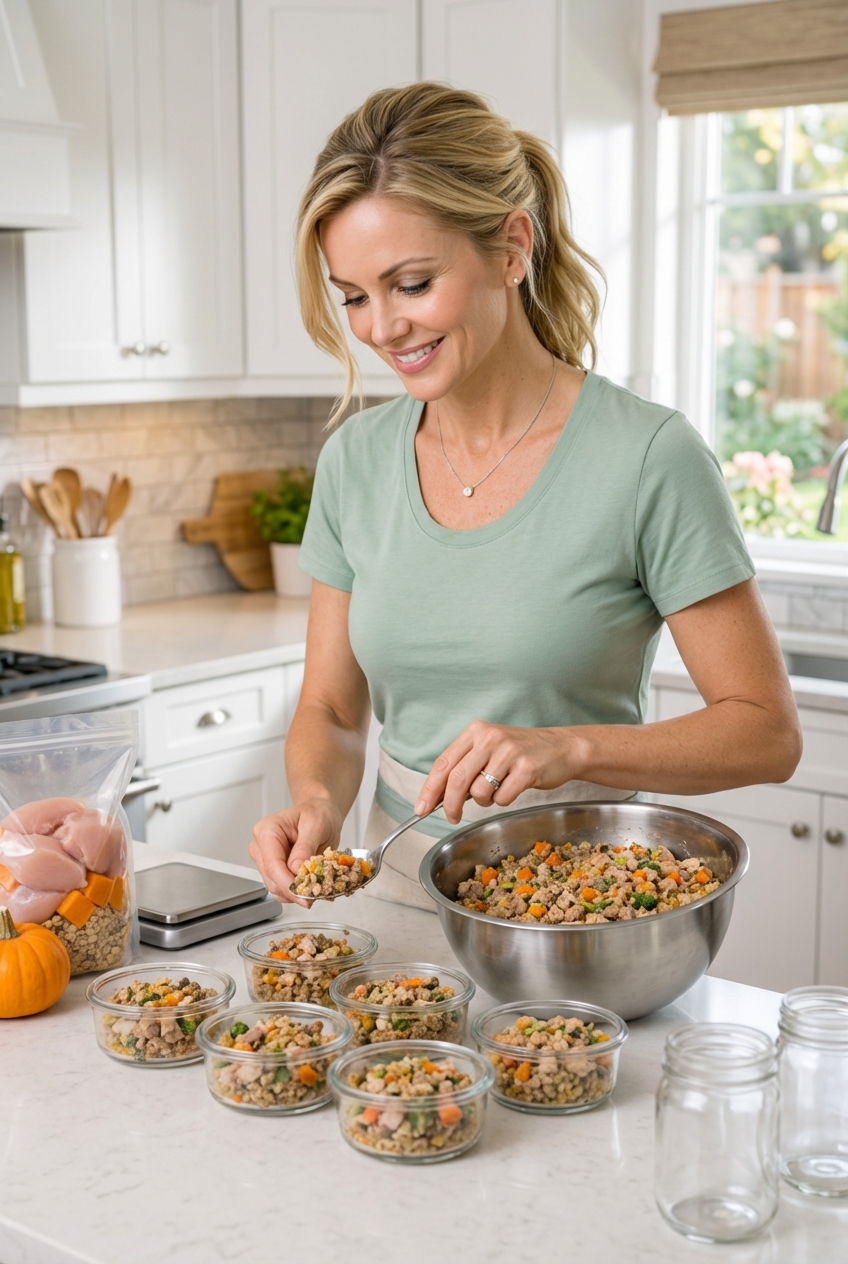
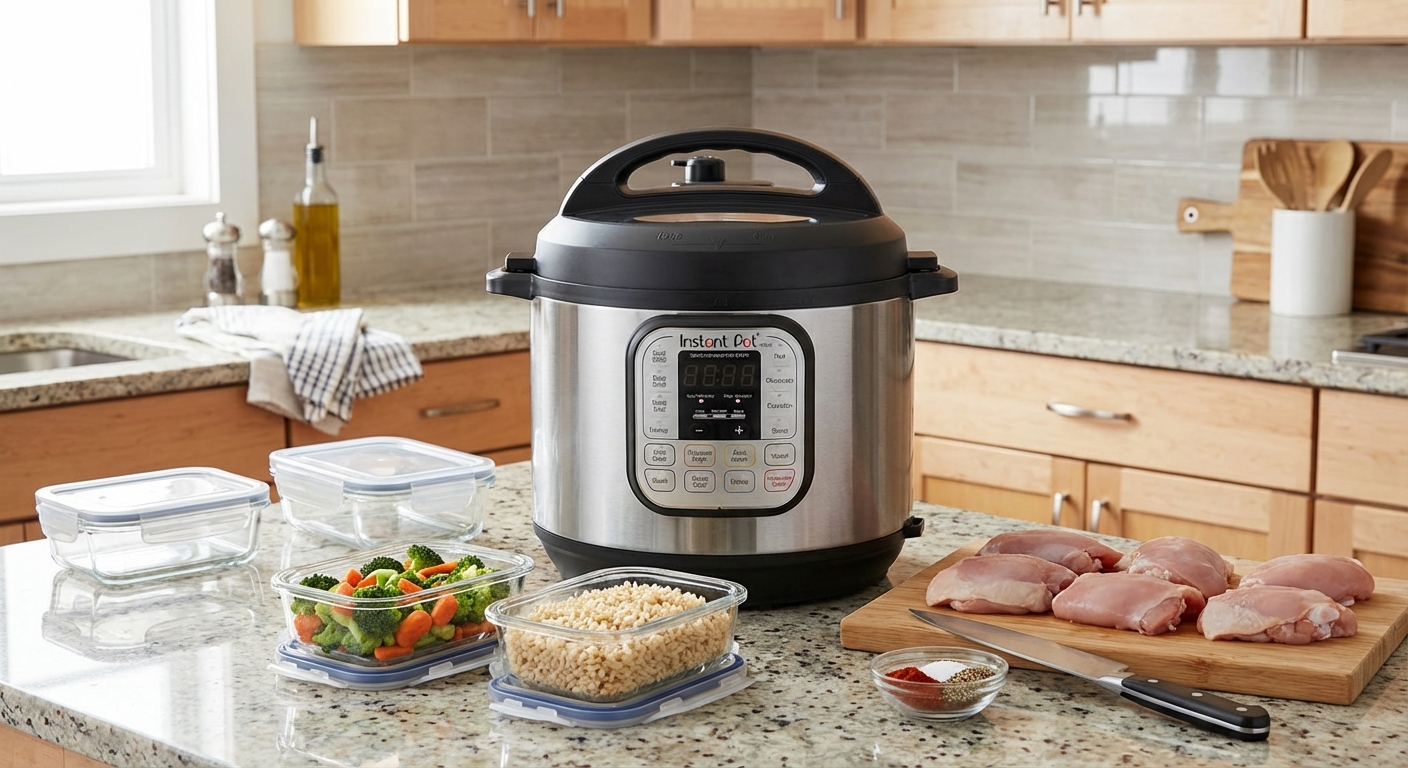
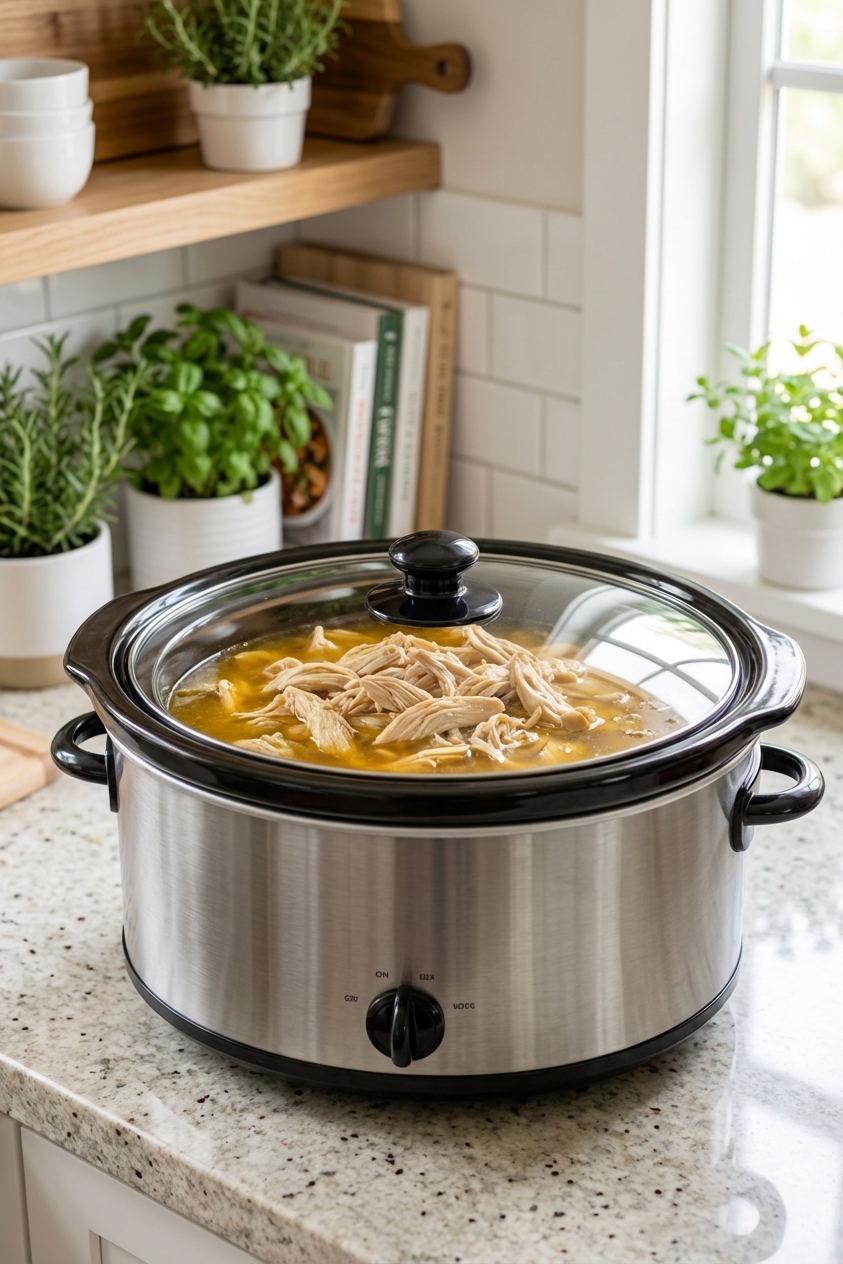
As a veterinary assistant here in Frisco, Texas, I hear the same thing from caring cat parents all the time: you want to feed better, but you also need it to be realistic. That is where the slow cooker can help. You can batch cook a simple, whole-food recipe, portion it out, and make weekday feeding feel calm instead of complicated.
One important note up front: cats are true carnivores. That means homemade cat food has a narrower margin for error than homemade dog food. The goal is not just “clean ingredients.” The goal is a complete and balanced diet that reliably provides key nutrients like taurine, vitamin A, arachidonic acid, and the right calcium-to-phosphorus balance.
Safety first: Before switching your cat’s diet, especially if your cat is a kitten, senior, pregnant, has kidney disease, urinary issues, diabetes, IBD, or a history of pancreatitis, talk with your veterinarian or a board-certified veterinary nutritionist.
Why a slow cooker helps
Slow cookers make batch cooking approachable because they:
- Reduce hands-on time while still creating tender, easy-to-portion meat.
- Hold moisture, which can be helpful for cats who do not drink enough water.
- Make consistent batches, so you are not reinventing dinner every day.
That said, slow cooking is still cooking, and cooking affects nutrients. For example, taurine can be reduced with heat and lost into cooking liquid. That is why complete recipes usually include a measured taurine supplement and often use the cooking juices in the final food.
Homemade basics
1) Complete and balanced beats “natural”
“Meat + rice + veggies” can be a nice idea for humans, but it is not automatically safe for cats long term. Many nutrient gaps do not show up immediately. They show up months later as coat changes, weight loss, weakness, heart issues, or vision problems.
2) Taurine is essential
Cats cannot make enough taurine on their own. Taurine deficiency has been linked to serious problems including heart disease (dilated cardiomyopathy) and eye damage. If you cook for your cat, taurine supplementation is typically required unless you are using a recipe professionally formulated to meet standards without it.
3) Calcium is not optional
Meat is high in phosphorus and low in calcium. If you feed boneless meat without adding a calcium source, the calcium-to-phosphorus ratio can become imbalanced over time. Many balanced homemade recipes use eggshell calcium or bone meal in carefully measured amounts.
4) Avoid toxic ingredients
- No onion, garlic, chives, or leeks (these can damage red blood cells).
- No grapes or raisins.
- No xylitol.
- Be cautious with liver: it is nutritious, but too much can push vitamin A too high.
Slow cooker tips
- Use dark meat for moisture: thighs are often more tender and less dry than chicken breast.
- Add water: cats benefit from moisture, and it prevents scorching. Start with 1 to 2 cups depending on batch size.
- Cook low and slow: low heat helps keep texture soft and reduces dryness.
- Keep the cooking liquid: that broth holds flavor and some nutrients.
- Cool quickly and safely: portion into shallow containers and refrigerate promptly.
Food safety reminder: Per USDA guidance, refrigerate cooked food within 2 hours (1 hour if the room is above 90°F). Store 3 to 4 days in the fridge, or freeze portions for longer storage.
Easy batch recipes
Because cats need precision, I am going to give you two ways to use your slow cooker:
- Option A: A complete and balanced slow cooker base using a feline supplement mix designed for homemade diets.
- Option B: A short-term “bridge” topper you can use to add moisture and variety to an already complete commercial food (not meant to be the only diet).
Option A: Complete chicken base (with premix)
Why this works: The easiest evidence-based way to do homemade cat food is to use a reputable feline vitamin and mineral premix formulated to meet AAFCO or NRC nutrient profiles when combined with specific amounts of meat, liver, and water.
Ingredients (example structure, follow your premix label):
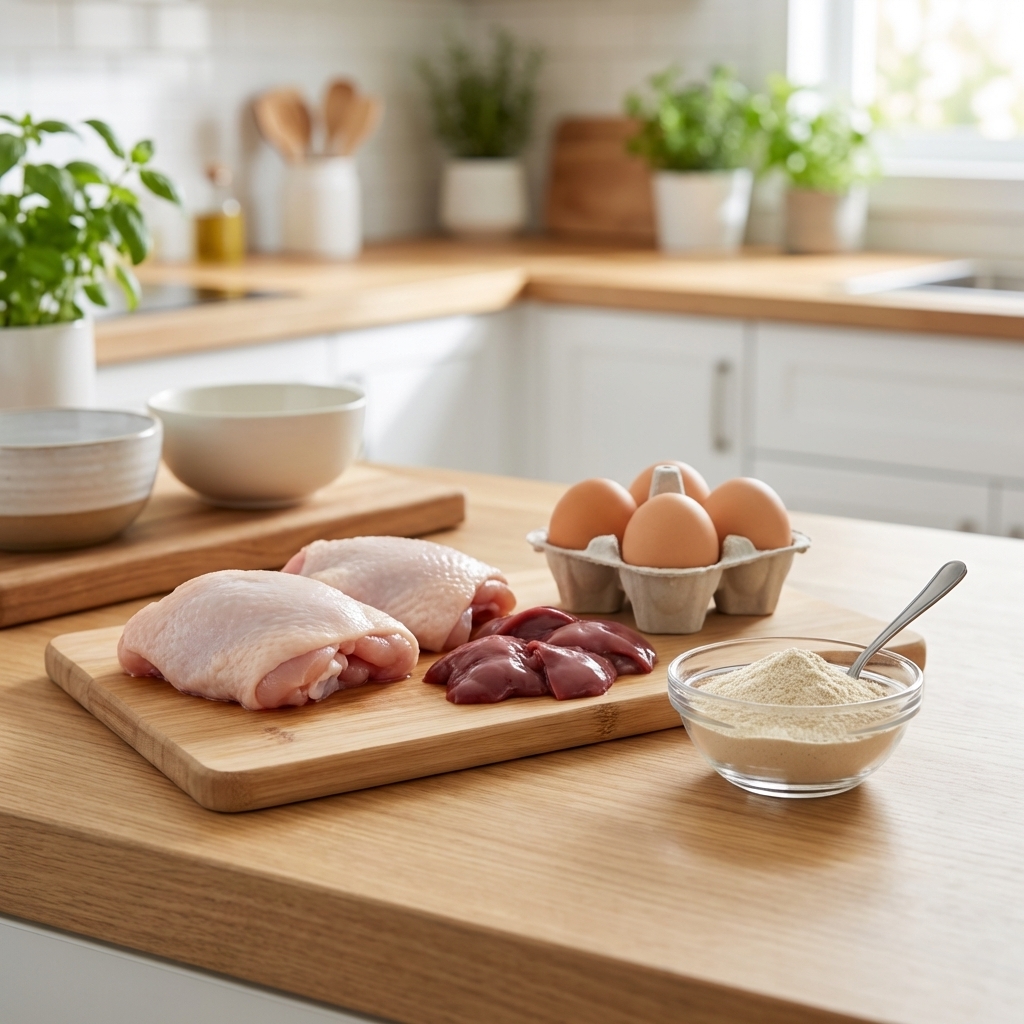
- Boneless chicken thighs (amount per premix instructions)
- Chicken liver (amount per premix instructions)
- Water (enough to keep it moist and match premix directions)
- Feline complete premix (added after cooking when food is cool enough, per label)
Directions:
- Place chicken thighs in slow cooker. Add water.
- Cook on LOW until the meat is fully cooked and shreddable.
- Remove meat, shred, then stir back into the cooking liquid.
- Let the mixture cool until warm, not hot.
- Mix in the premix thoroughly according to label directions.
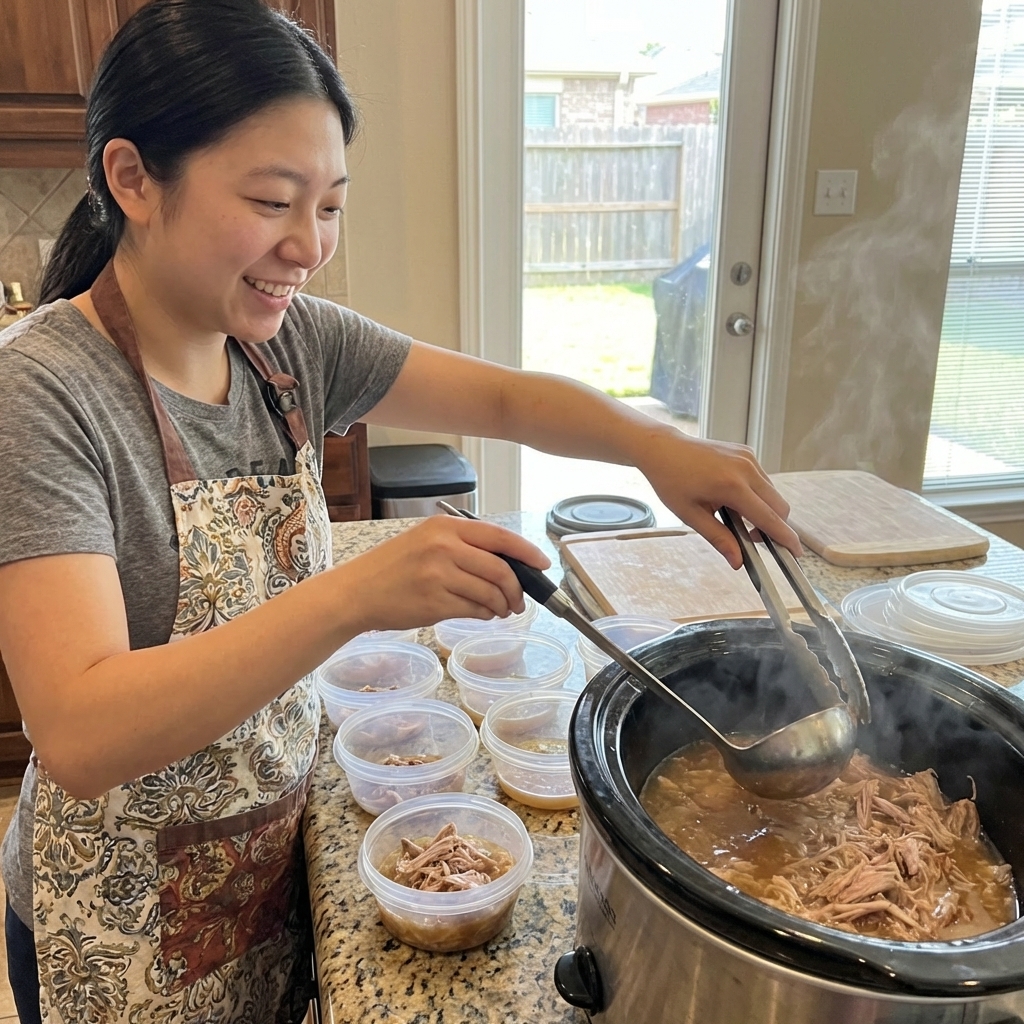
- Portion into daily containers. Refrigerate what you will use within 3 to 4 days and freeze the rest.
Serving tip: Warm slightly by placing the container in warm water. Cats often prefer “mouse temperature,” not cold-from-the-fridge food.
Option B: Meat and broth topper (not complete)
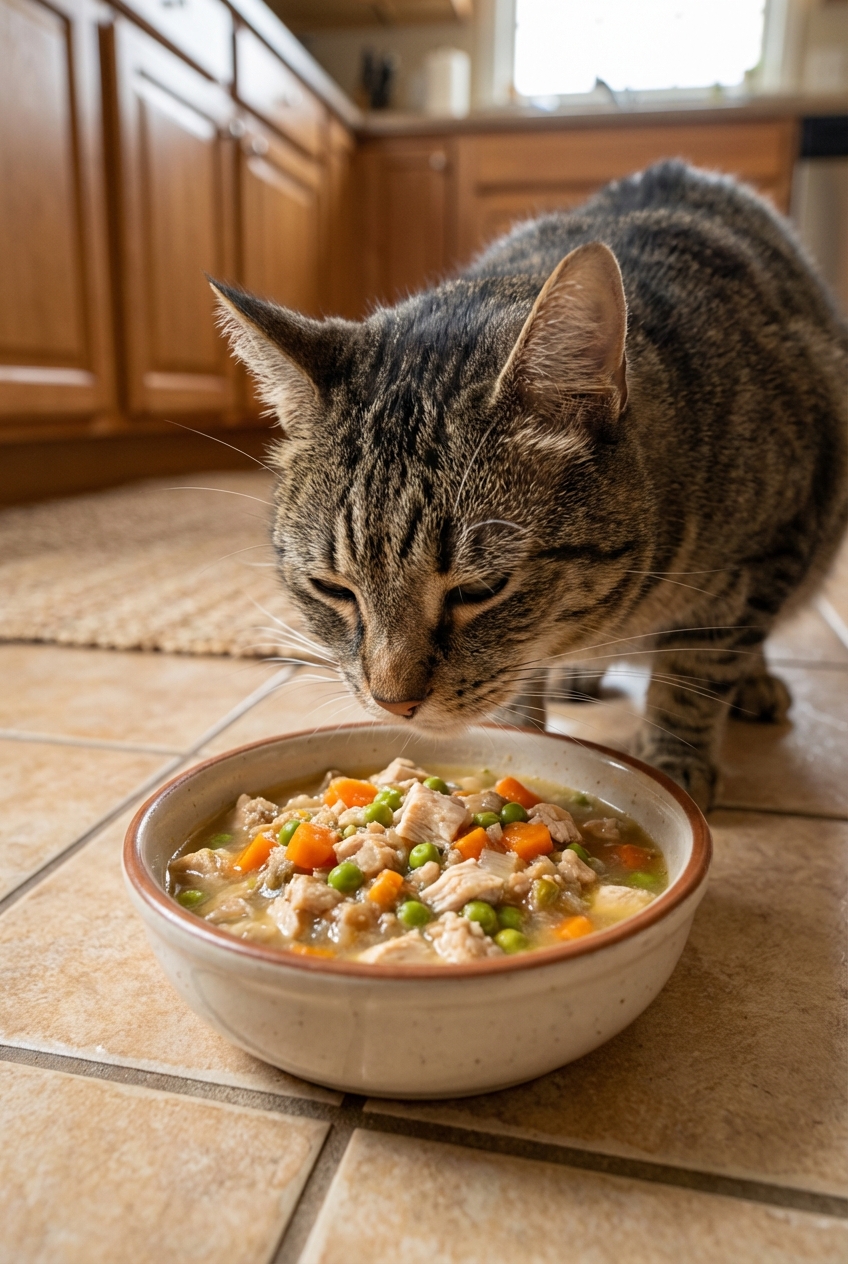
If you are not ready for a full homemade switch, this is a gentle, helpful step. Use it as a small add-on for extra moisture and palatability while the rest of the meal is a complete commercial canned food.
Important: To avoid diluting essential nutrients, unbalanced toppers should stay at 10% or less of your cat’s daily calories, unless your veterinarian recommends otherwise.
Ingredients:
- 2 to 3 pounds boneless chicken thighs or turkey thighs
- 2 cups water
Directions:
- Add meat and water to the slow cooker.
- Cook on LOW until fully cooked and very tender.
- Shred meat, mix back into the broth.
- Cool, then portion.
How to use: Spoon a little over your cat’s regular complete food for extra moisture and flavor, keeping the topper to 10% or less of daily calories.
How much to feed
Calorie needs vary widely by age, activity, and body condition. As a general starting point, many adult cats need roughly 20 to 30 calories per pound of body weight per day, but some need more and some need less.
Because homemade food densities vary, your best friend is your cat’s body condition score, plus weekly weigh-ins at home if possible. If your cat is gaining or losing unintentionally, adjust portions and talk with your veterinarian.
Transition slowly
Any diet change can upset a cat’s stomach. Go slower than you think you need to, especially if your cat is sensitive.
- Days 1 to 3: 10 percent new, 90 percent current food
- Days 4 to 6: 25 percent new, 75 percent current
- Days 7 to 10: 50 percent new, 50 percent current
- Days 11 to 14: 75 percent new, 25 percent current
- After: 100 percent new (only if stools and appetite stay normal)
What to monitor: appetite, vomiting, stool consistency, energy, coat quality, and water intake. If your cat stops eating for 24 hours, call your veterinarian promptly. Cats can develop hepatic lipidosis (fatty liver) when they do not eat.
Storage and reheating
- Fridge: 3 to 4 days in sealed containers.
- Freezer: portioned servings freeze well for 1 to 2 months for best quality.
- Thawing: thaw in the refrigerator overnight.
- Reheating: warm gently. Avoid hot spots from microwaves, or stir extremely well and test temperature before serving.
Common mistakes
- Skipping supplements when feeding as the primary diet.
- Using onions or garlic for flavor.
- Overdoing liver or organ meats without a formulated recipe.
- Feeding only boneless meat without calcium balancing.
- Assuming “cats are small dogs” when it comes to nutrition. They are not.
When homemade is not best
For some cats, a prescription or therapeutic commercial diet is truly the safest route, especially with kidney disease, urinary crystals, or complex GI conditions. If you love the idea of “real food” but need medical precision, ask your veterinarian about a referral to a veterinary nutritionist. They can create a recipe tailored to your cat’s lab work and diagnosis.