Indoor cats thrive with choice and stimulation. Learn a simple daily plan with play sessions, vertical space, food enrichment, scratching setup, litter box t...
Article
•
Designer Mixes
Signs Your Indoor Cat Is Stressed

Shari Shidate
Designer Mixes contributor
Indoor cats can live wonderfully safe, long lives, but “safe” does not always mean “stress-free.” As a veterinary assistant, I see this a lot: a cat’s needs are subtle, and stress often shows up as behavior changes, digestive issues, or litter box trouble long before a cat seems “sad.” The good news is that once you spot the pattern, many stress-related issues can improve with a few smart changes at home. Some cats do need a longer-term behavior plan or medical support, and that is normal too.
What stress looks like
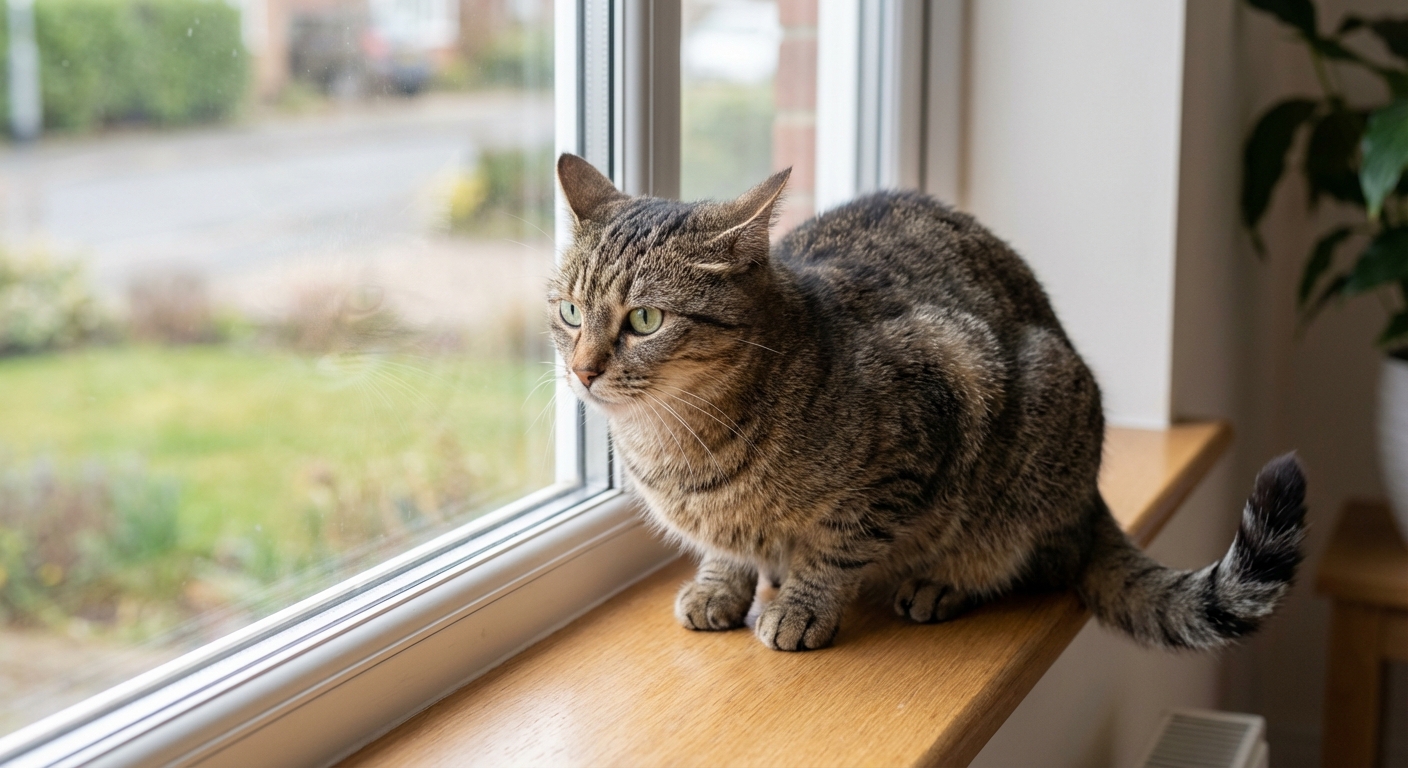
Cats are experts at masking discomfort, so the signs of stress can be quiet and easy to miss. Think of stress as a body-wide response that can affect behavior, appetite, sleep, digestion, skin, and urinary health.
Important note: stress signs can look exactly like medical illness. If your cat has sudden behavior changes, stops eating, vomits repeatedly, has diarrhea, or shows any urinary symptoms, check in with your veterinarian promptly.
Behavior signs
Hiding more than usual
If your social cat suddenly starts living under the bed, behind the couch, or in the closet, that is a classic stress signal. Some hiding is normal cat behavior, but a noticeable increase often means your cat feels unsafe or overwhelmed.
Clinginess or following you
Not all stressed cats hide. Some become extra attached, shadowing you from room to room or demanding attention in a way that feels new. This can be a sign they are seeking reassurance or predictability.
Irritability, swatting, or growling
A stressed cat may have a shorter fuse, especially during petting, grooming, or being picked up. Watch for body language like ears turned sideways or back, tail twitching, skin rippling, dilated pupils, and sudden bite or scratch behavior.
Restlessness and pacing
Pacing hallways, repeated patrol loops, or looking like they cannot settle can signal stress, boredom, or a need for more enrichment.
Overgrooming or fur thinning
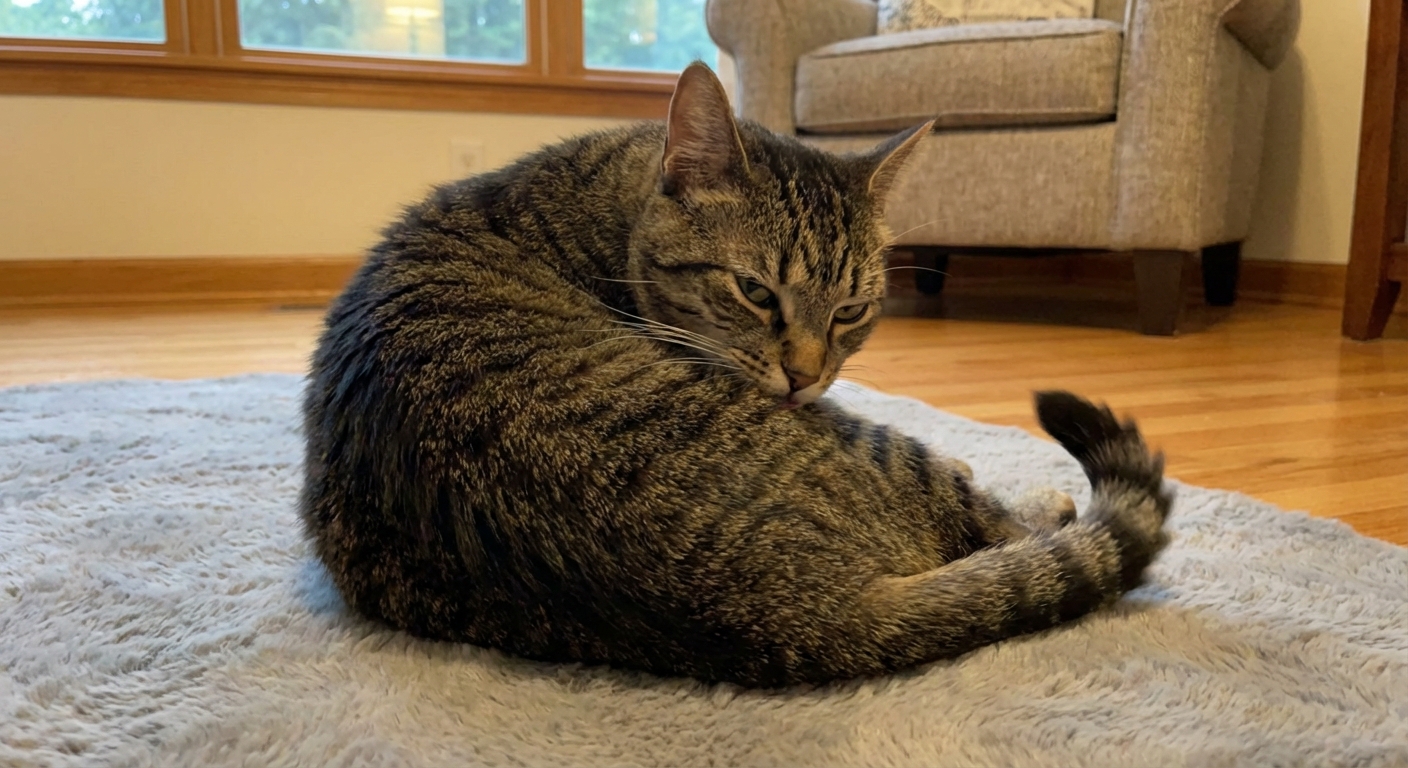
Excessive licking, chewing at the belly or legs, or thinning patches of fur can be stress-related. It can also be caused by allergies, fleas, pain, or skin infections, so do not assume it is “just anxiety.”
Litter box clues
Litter box changes are one of the biggest stress red flags in indoor cats, and they are also one of the most medically important.
Urinating outside the box
Stress can contribute to inappropriate urination, especially when something changes at home, such as a move, guests, construction noise, a new baby, a new pet, or a schedule shift.
Straining, frequent trips, or crying
This is urgent. Male cats are at risk for urinary obstruction, which can become life-threatening quickly. Stress is strongly associated with feline lower urinary tract disease, but any signs of discomfort need a same-day veterinary call.
Pooping outside the box
This can happen with stress, pain (like arthritis), constipation, or litter box aversion. The “why” matters, so a vet check and a litter box audit are both helpful.
- How many boxes: provide one box per cat, plus one extra, in calm, easy-to-access locations.
- Scooping: daily is ideal. Many cats will avoid a dirty box.
- Litter choice: unscented is often better tolerated.
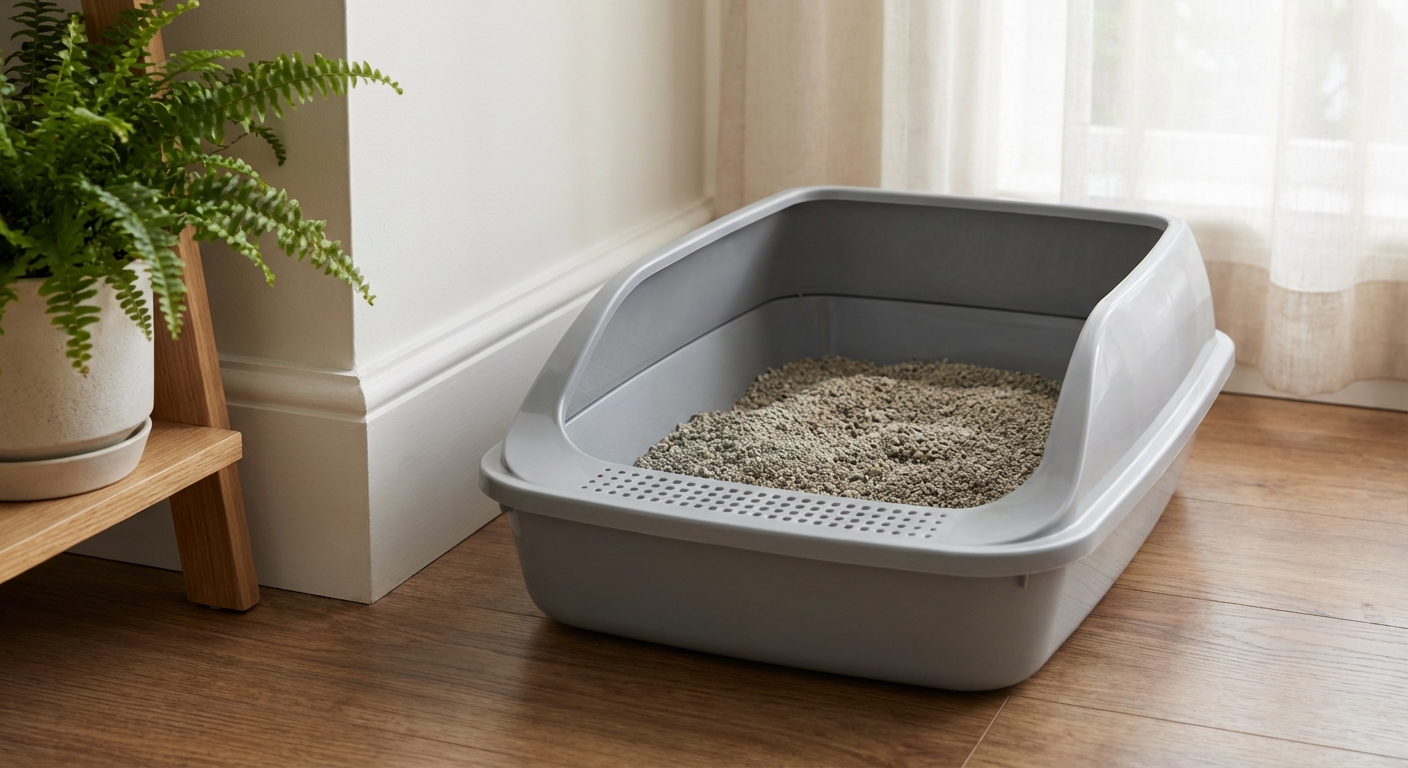
- Box setup: big boxes are best. Aim for about 1.5 times your cat’s body length (not counting the tail). A shallow-to-moderate litter depth (often around 2 to 3 inches) works for many cats.
- Covered vs uncovered: many cats prefer uncovered boxes for airflow and visibility. Some do prefer covered, so if problems start after a box change, try offering one of each and see what your cat chooses.
Appetite, sleep, and body changes
Eating less or getting picky
Stress can reduce appetite, and appetite changes can also signal dental disease, nausea, kidney issues, hyperthyroidism, and other conditions. As a practical rule, if your cat is eating significantly less for more than 24 hours, call your veterinarian. If your cat is not eating at all for about 24 hours, that is more urgent, especially for kittens, seniors, and overweight cats (who can be at risk for hepatic lipidosis with prolonged appetite loss).
Eating too fast or begging more
Some cats cope by eating. Others become more food-focused because they are bored or because food is the only “event” in their day.
Changes in sleep patterns
More daytime sleeping can be normal, but sudden changes like nighttime restlessness, vocalizing, or waking frequently may reflect stress or underlying medical issues. In older cats, nighttime vocalizing can also be linked with pain, thyroid disease, high blood pressure, or cognitive changes, so it is worth discussing with your vet.
Vomiting or diarrhea
Stress can impact the gut, but recurring vomiting or diarrhea should never be written off as “nerves.” GI parasites, food sensitivities, inflammatory bowel disease, and other problems are common and treatable.
Vocalizing and busy behavior
Meowing more or crying at doors
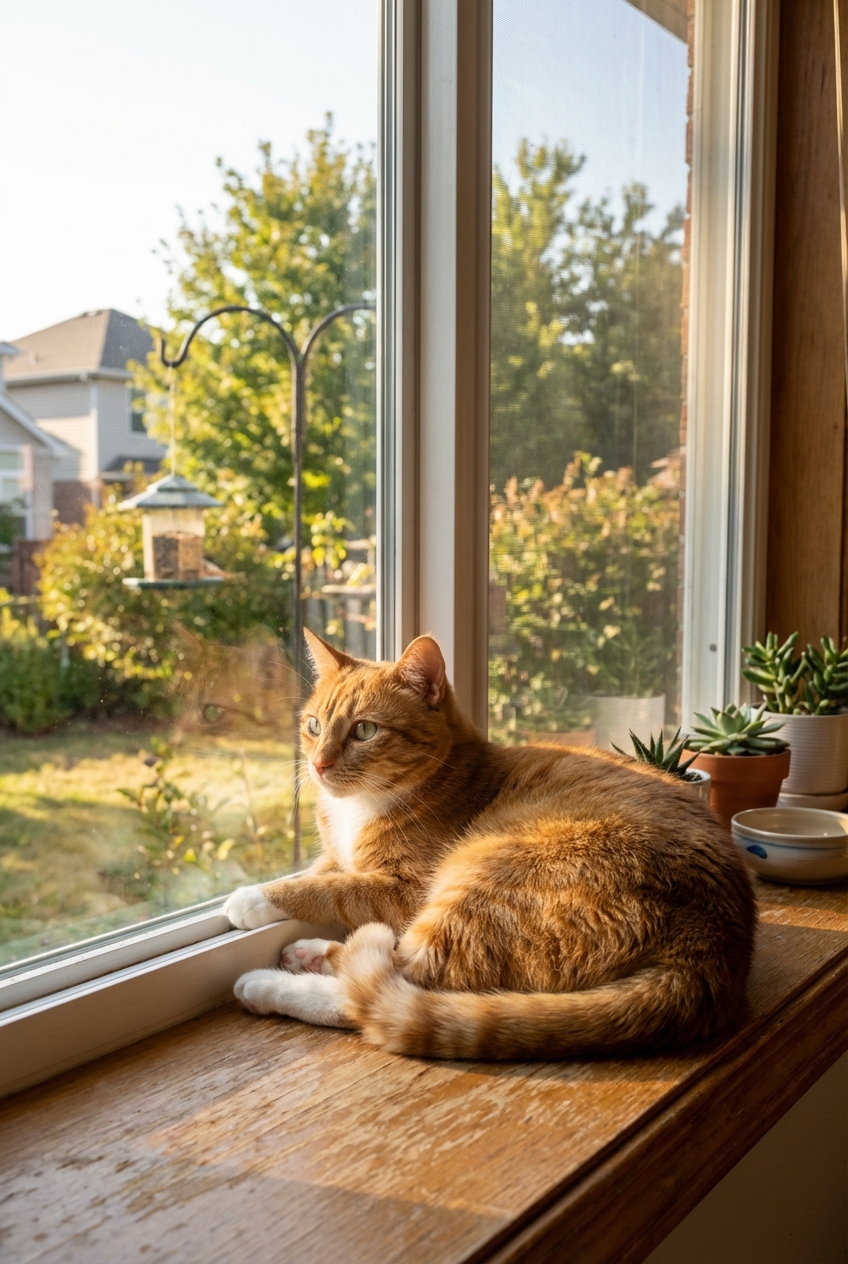
Increased vocalization can mean stress, frustration, attention-seeking, or medical concerns. Cats may also vocalize more if they see outdoor cats through windows and feel territorial pressure.
Scratching more than usual
Scratching is normal and healthy, but when it ramps up suddenly it can be a coping behavior. The fix is usually not punishment, it is better scratching options and placement.
Zoomies that feel frantic
Short bursts of play energy are normal. But repeated, frantic running paired with hiding, aggression, or litter box changes can point to stress or unmet enrichment needs.
Common causes
If you are seeing stress signals, the next step is to look for patterns. Most indoor cat stress falls into a few buckets:
- Change: moving, visitors, new schedules, renovations, loud or unfamiliar noises.
- Resource competition: too few litter boxes, feeding stations, water bowls, perches, scratching posts, or quiet resting spots in multi-cat homes.
- Boredom: limited play, no hunting outlets, not enough vertical space.
- Territorial pressure: outdoor cats seen through windows, or conflict with other indoor pets.
- Pain or illness: dental pain, arthritis, urinary issues, skin allergies, GI disease.
What you can do today
Once medical issues are addressed or ruled out, small environment changes can make a big difference. Start with the easiest wins and build from there.
1) Keep a calm routine
Feed, play, and interact around the same times each day. Predictability is soothing for many cats.
2) Add vertical space and hideouts
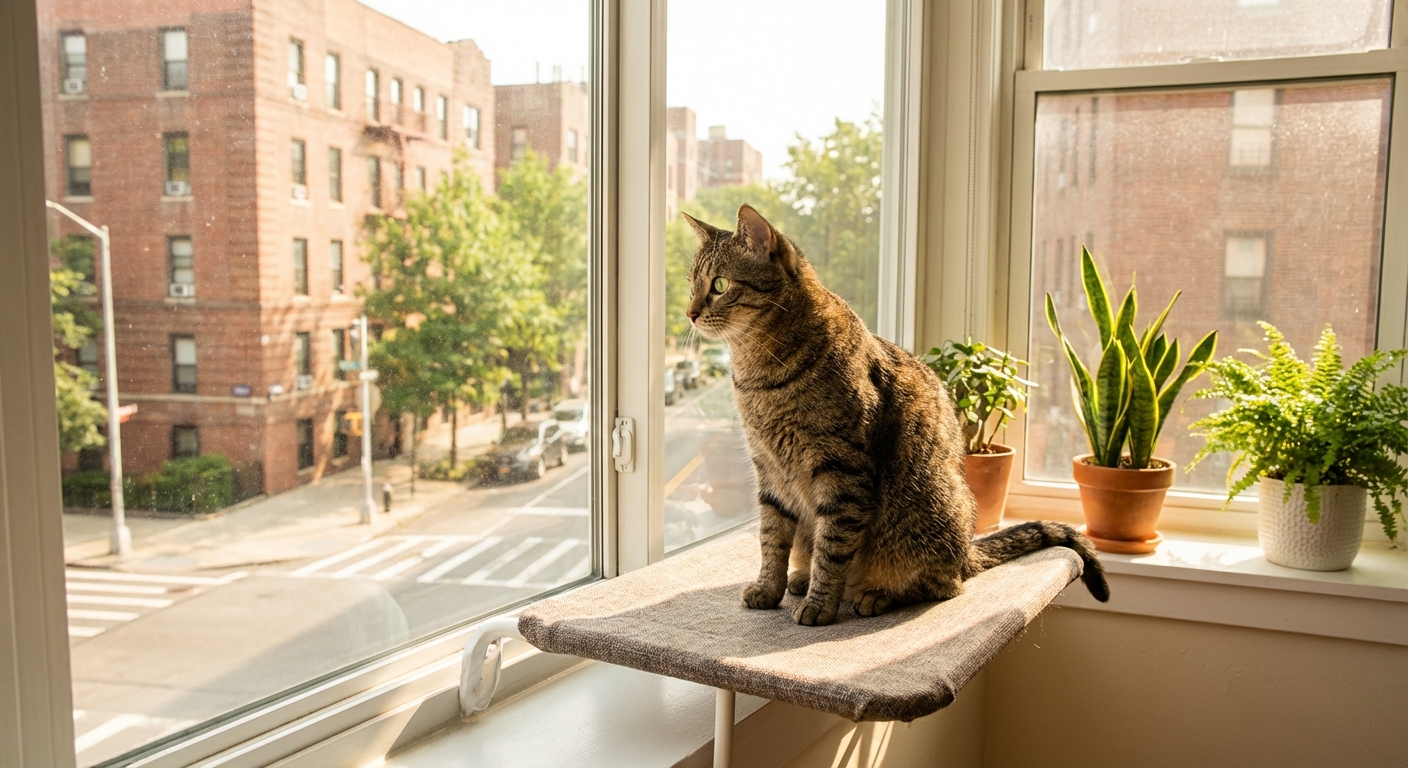
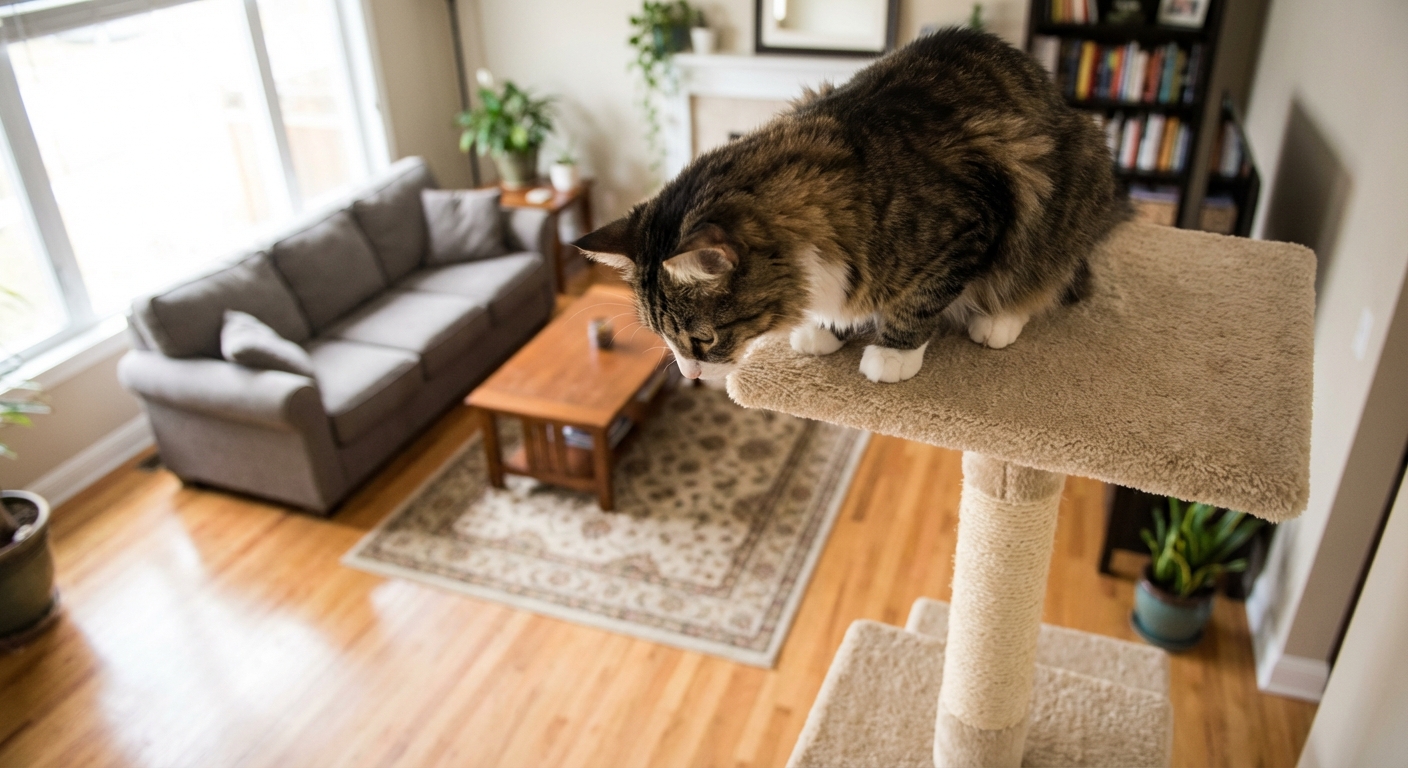
Cat trees, shelves, and window perches give cats control over their environment. Also provide quiet retreat areas where no one bothers them, especially in busy households.
3) Play like a hunt
Try 5 to 10 minutes once or twice daily using wand toys, then end with a small meal or treat. That hunt-catch-eat sequence can help many cats settle and feel more satisfied.
4) Upgrade enrichment
- Food puzzles or slow feeders: add mental work and reduce boredom.
- Scatter feeding: hide small portions of kibble or treats around the home for supervised “foraging.”
- Toy rotation: put toys away and swap a few in every week so they stay interesting.
- Clicker training: simple behaviors (sit, touch, go to mat) can build confidence and give your cat a predictable “job.”
5) Make litter box life easy
Use large boxes when possible, scoop daily, and avoid placing boxes next to loud appliances. In multi-cat homes, spread boxes out so one cat cannot guard them.
6) Lower window stress
If outdoor cats are triggering your cat, try frosted window film on the lower portion of the window, close blinds at peak times, or block access to the most triggering view.
7) Help multi-cat homes feel safe
Stress in multi-cat households is often about traffic flow and resource access. Provide separate feeding and water stations, add more perches and resting spots, and make sure there are multiple escape routes in key areas. If there is tension, a slower reintroduction plan with scent swapping and brief, positive sessions can help. Your vet or a qualified feline behavior professional can guide you if conflicts are escalating.
8) Consider calming tools
Some cats may benefit from pheromone diffusers or sprays. Evidence is mixed, but results can be favorable for certain cats and situations. Some cats also do well with veterinarian-guided supplements or medications. If stress is persistent, your vet can help you build a plan that fits your cat’s health history.
9) Try a simple stress diary
For one to two weeks, jot down your cat’s appetite, play, hiding, and litter box output (including frequency and any straining), plus what changed in the home that day. Patterns often jump out, and this log is incredibly helpful if you need to involve your vet.
My rule of thumb: if a behavior change is new, intense, or paired with appetite, vomiting, or litter box changes, do the medical check first. Then we can work on stress triggers at home with more confidence.
When to call the vet
Please seek veterinary guidance quickly if you notice any of the following:
- Straining to urinate, frequent litter box trips, or crying while urinating
- Not eating at all for about 24 hours, or eating much less for more than 24 hours (sooner for kittens, seniors, or overweight cats)
- Repeated vomiting, diarrhea lasting more than a day, or any blood in stool or urine
- Sudden aggression, confusion, or dramatic behavior changes
- Overgrooming with hair loss, scabs, or irritated skin
Your cat is not “being bad.” They are communicating the only way they can. With a little detective work and the right support, most indoor cats can feel secure and content again.