A compassionate guide to deciding when it’s time to euthanize a dog. Learn quality-of-life signs, a daily checklist, urgent red flags, and what to expect a...
Article
•
Designer Mixes
Signs Your Dog Is Near the End: What to Expect

Shari Shidate
Designer Mixes contributor
One of the hardest parts of loving a dog is realizing our time together is not forever. If you are noticing changes and quietly wondering, “Is my dog nearing the end?” you are not alone. As a veterinary assistant, I have seen how much comfort comes from knowing what signs are common, what might be treatable, and how to keep your dog peaceful and supported.
This article will walk you through end-of-life signs in a clear, compassionate way, plus what to do next and when to call your veterinarian.

A gentle note first
Many signs that look like “the end” can also be caused by pain, infection, medication side effects, arthritis flare-ups, or dehydration. So while this guide can help you recognize patterns, it cannot replace an exam. If something changes suddenly, or your gut says something is wrong, call your veterinarian or an emergency clinic.
Trust your instincts. You know your dog’s normal better than anyone.
When in doubt: It is always okay to call and ask, “Is this something you want to see today?”
Common signs near the end
Dogs rarely show just one sign. More often, families notice a cluster of changes that slowly intensify over days to weeks. Here are the most common ones.
1) Big changes in appetite and thirst
A decreasing appetite is very common in senior dogs and in dogs with chronic disease, but a near-total loss of interest in food often signals the body is slowing down.
- Eating much less or refusing even favorite treats
- Difficulty chewing or swallowing
- Drinking much less, or sometimes drinking excessively (both can be concerning depending on the condition)
- Possible dehydration signs can include tacky gums, sunken-looking eyes, or weakness (home checks can be tricky, so ask your vet if you are unsure)
What to do: Ask your vet about nausea control, pain control, appetite stimulants, or whether a diet texture change could help. Sometimes small adjustments make a meaningful difference.
Safety note: Only use appetite stimulants, “safe toppers,” supplements, or new human foods with veterinary guidance. Even common foods and over-the-counter products can be unsafe for some conditions.
2) Weakness, wobbliness, or collapsing
When a dog is nearing the end, you may see a clear decline in strength and coordination.
- Trouble standing up
- Slipping on floors or knuckling over on paws
- Walking less, slower, or with a hunched posture
- Falling, fainting, or collapsing
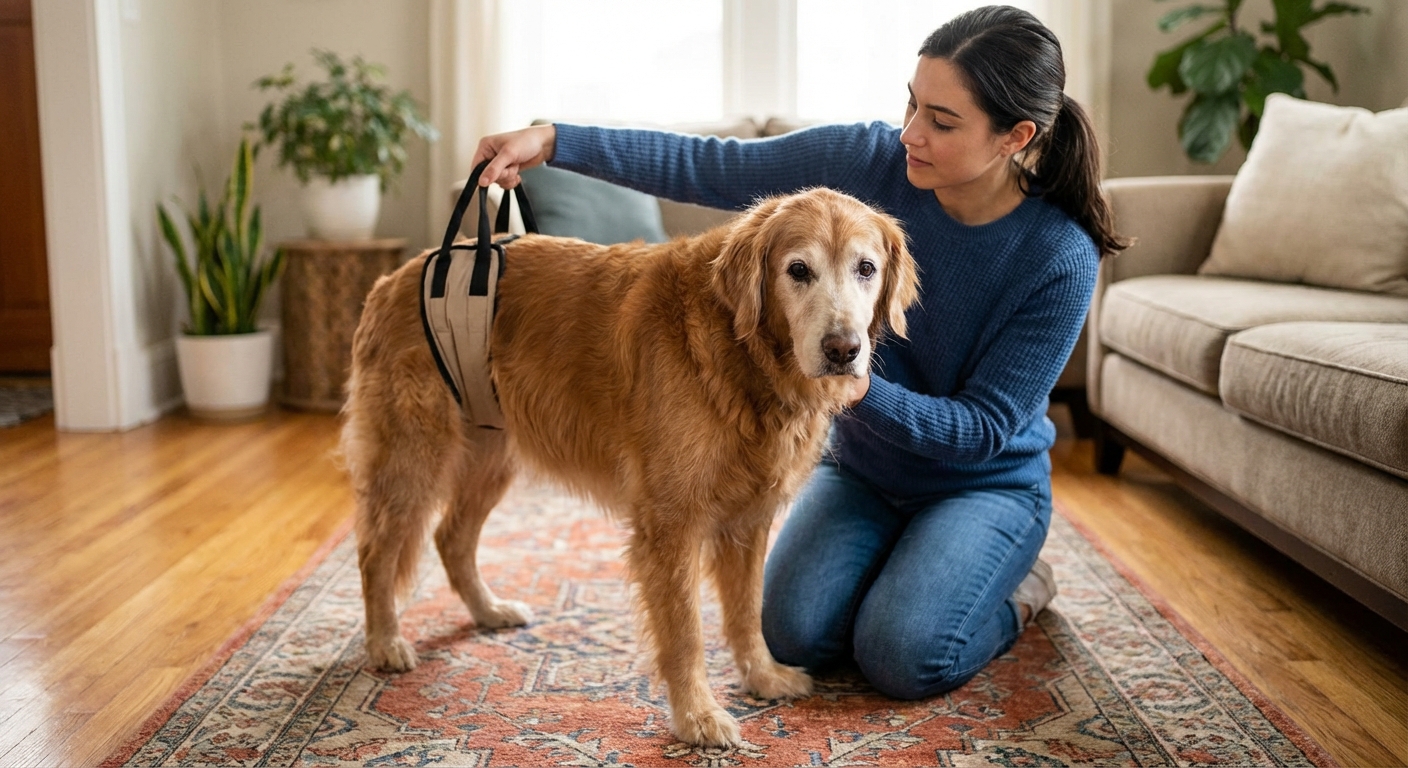
What to do: Use rugs or yoga mats for traction, consider a support sling for stairs, and talk with your vet about mobility aids and pain relief.
3) Breathing changes
Breathing patterns can change due to pain, anxiety, heart disease, lung disease, cancer, or fluid buildup. Near the end, you might notice:
- Faster breathing at rest
- More effort to inhale or exhale (belly working hard, flared nostrils, or ribs heaving)
- Open-mouth breathing when resting (especially in dogs who do not normally pant at rest)
- Gums or tongue looking pale, gray, or bluish
Some dogs pant for heat, stress, or mild discomfort. The red flags are increased effort, unusual rate at rest, color change, or a dog who cannot settle.
Call a vet urgently if breathing looks labored, noisy, your dog cannot get comfortable, or the gums look pale or blue. Respiratory distress is an emergency.
A simple at-home check: When your dog is asleep or fully resting, you can count breaths for 30 seconds and multiply by 2. Ask your veterinarian what resting rate is concerning for your dog and condition.
4) Pain that breaks through
Dogs are incredibly brave. Pain is not always obvious, and it can show up as behavior changes.
- Restlessness, pacing, inability to get comfortable
- Whining, panting, trembling
- Pulling away when touched, flinching, or suddenly growling or snapping (give space and keep everyone safe)
- Low head, tucked abdomen, or “guarding” a body part
What to do: Do not use human pain medications unless a veterinarian specifically instructs you. Many are toxic to dogs. Ask your vet about adjusting the pain plan, including medications for nerve pain, inflammation, and anxiety.
5) Withdrawal and personality changes
Some dogs become clingier, and others retreat. Either can happen when they feel unwell.
- Less interest in family, play, or walks
- Hiding, staying in one room, or avoiding interaction
- Confusion, seeming “not themselves”
In some dogs, especially seniors, this overlaps with cognitive dysfunction (similar to dementia). Your vet can help you sort out discomfort versus cognition.
6) Incontinence or potty trouble
As strength declines, many dogs cannot “hold it” as well, or they simply cannot get up in time.
- Urine accidents, leaking urine, or wet bedding
- Stool accidents
- Straining, constipation, or diarrhea
What to do: Use waterproof pads, keep the coat and skin clean and dry, and ask your vet about medications, stool softeners, or diet changes. Skin irritation can become painful quickly, so hygiene matters.
7) Vomiting, diarrhea, or nausea that keeps returning
Digestive upset can come from many causes. Near the end, it may become more frequent or harder to control.
- Repeated vomiting or retching
- Diarrhea that does not improve
- Lip licking, drooling, turning away from food
Call your vet if vomiting is repeated, there is blood, your dog seems painful, or they cannot keep water down.
8) Noticeable weight loss and muscle loss
Gradual weight loss is common in older dogs, but rapid loss can signal serious progression of disease.
- Ribs, hips, or spine becoming more visible
- Loss of muscle over the back legs
- Difficulty maintaining body temperature
What to do: Ask about highly palatable, energy-dense foods and whether your dog’s condition could benefit from a specific therapeutic diet.
9) Seizures, severe confusion, or sudden behavior changes
Neurologic changes can be especially scary for families.
- Seizures
- Head pressing, circling, getting stuck in corners
- Sudden aggression or panic
These signs need prompt veterinary guidance. Some causes are treatable, and even when they are not, medications can often reduce distress.
Common causes (examples)
These signs can happen with many conditions. Some common diagnoses that lead families into hospice conversations include cancer, heart failure, kidney disease, liver disease, and progressive neurologic disease. Your veterinarian can help you understand what is driving your dog’s symptoms and what support is realistic.
What the final days can look like
Every dog’s journey is unique, but families commonly notice a gradual narrowing of their dog’s world.
- More sleeping and less responsiveness: Your dog may sleep deeply and engage less.
- Less interest in food and water: Many dogs eat very little near the end.
- Difficulty moving: Standing, walking, and posturing to urinate may become challenging.
- Cooler paws and limbs: Circulation can slow down.
- Changes in breathing pattern: Breaths may become irregular, with pauses.
If you are seeing several of these together, it is a kind and loving step to talk about hospice support and quality-of-life options with your veterinarian.
Quality of life check
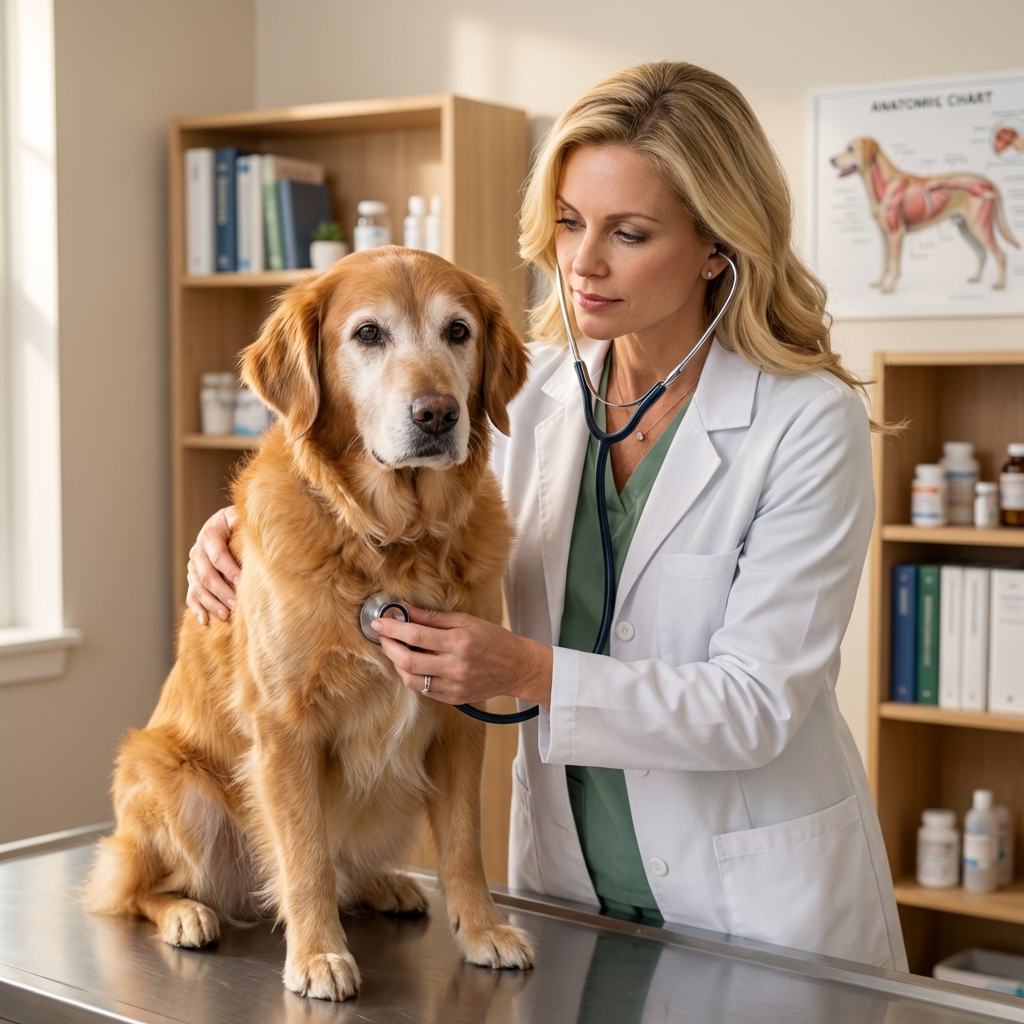
When you are exhausted and emotional, decisions get harder. A quality-of-life check-in can help you stay grounded.
Questions to ask daily
- Is my dog able to rest comfortably, or are they struggling to settle?
- Are they eating enough to maintain strength and comfort?
- Can they get up and reposition without panic or pain?
- Are they having more good moments than bad moments?
- Do they still enjoy anything: a favorite person, a sniff outside, gentle petting?
Tip: Keep a simple calendar and mark each day as mostly good, mixed, or mostly hard. Patterns appear faster than you expect.
Example: A “mostly good” day might mean your dog ate a little, slept peacefully, and enjoyed a short sniff outside. A “mostly hard” day might mean they could not get comfortable, refused all food, had repeated accidents, or seemed distressed even after medication.
Comfort care at home
Comfort care is not “giving up.” It is choosing relief, dignity, and peace.
Set up the space
- Thick bedding that supports joints
- Non-slip rugs for stability
- Easy access to water and a potty area
- Keep things quiet and predictable
Support hydration and appetite
- Offer small, frequent meals
- Warm food slightly to increase aroma
- Ask your vet about vet-approved toppers and nausea medication
Stay ahead of pain
In end-of-life care, pain control often needs adjustment over time. Give medications exactly as prescribed and report changes promptly. If your dog seems uncomfortable between doses, tell your veterinarian. There are usually options.
Protect skin and hygiene
- Use washable pads and keep bedding dry
- Clean urine or stool promptly with gentle pet wipes
- Trim fur around the rear if needed to prevent matting and irritation
Hospice and palliative care
Hospice focuses on comfort rather than cure. For many families, it helps them feel less alone and more prepared.
- Symptom plans: Pain, nausea, anxiety, and breathing comfort medications tailored to your dog
- Nutrition support: Realistic feeding goals and strategies to reduce nausea and stress
- Hydration support: In some cases, your vet may teach subcutaneous fluids at home, but only if appropriate for your dog’s condition
- Home help: Mobility tools, bedding recommendations, and skin care guidance
- Planning: A clear plan for “if X happens, we do Y,” including after-hours options
When to get urgent help
Please seek urgent care if you notice:
- Labored breathing, blue or gray gums, or collapse
- Repeated vomiting, vomiting blood, or inability to keep water down
- Uncontrolled pain, continuous crying, or severe agitation
- Seizures that are new, frequent, or prolonged
- Bloated abdomen with retching or restlessness
- Sudden inability to use back legs
Even if the condition is not reversible, urgent support can prevent suffering and give you clearer choices.
Euthanasia: what to expect
This is one of the most loving, most heartbreaking decisions a family can make. Many pet parents worry they will choose “too soon” or “too late.” In my experience as a veterinary assistant, many families later share that they wish they had chosen a little earlier once they saw how quickly comfort could fade, but timing is deeply individual and there is no perfect moment.
Common options
- In-clinic: Performed at your veterinary hospital.
- At-home: A veterinarian comes to your home, which can be calmer for many dogs.
The process (generally)
Most veterinarians use a sedation step first, so your dog becomes very relaxed and sleepy. Then a medication is given that gently stops the heart. It is typically peaceful and quick.
It can help to know that some involuntary reflexes may happen even when a pet is unconscious, like a final breath, small muscle twitches, or a brief vocalization. Your veterinarian can tell you what is normal and what to expect.
Simple logistics
- Ask how much time you will have before and after, and whether you can stay with your dog the entire time.
- If your dog is anxious at the vet, ask about a calm room, car-side options, or pre-visit medication.
- Bring a favorite blanket or bed if it helps your dog feel safe.
Ask your vet ahead of time about aftercare options, including private cremation, communal cremation, or burial where legal.
Helping kids and other pets
Children
Use simple, honest words. Avoid phrases like “went to sleep” if it may create fear around bedtime. Let kids draw pictures, write a note, or choose a small keepsake.
Other pets
Companion pets can grieve too. Keep routines steady, offer extra enrichment, and watch for appetite changes or clinginess. If your home has an at-home euthanasia, some families choose to allow the other pet to briefly sniff and observe afterward, but this depends on your household and your veterinarian’s guidance.
Grief support
Grief after pet loss is real and valid. If you need support, ask your veterinarian if they can recommend a local pet loss group or counselor. Some humane societies and veterinary schools also offer pet loss support lines.
The takeaway
If you are reading this, you are already doing something important: paying attention. Your dog does not need a perfect day. They need comfort, safety, and your love. Partner with your veterinarian, focus on quality of life, and take it one step at a time.
If you would like, jot down your dog’s top three struggles right now and share them with your vet. That simple list often leads to a clear plan.