
Dogs often hide pain. Learn the subtle signs in movement, behavior and facial cues, plus hidden pain sources, safe at-home checks, and when to seek urgent ve...
Article
•
Designer Mixes
Signs Your Dog Is in Pain

Shari Shidate
Designer Mixes contributor
Dogs often hide pain. It is not because they are being “tough” to impress us. It is partly instinct, and partly personality. Some dogs are very expressive, while others stay quiet until discomfort is significant. That is why so many caring families miss the early signs and only realize something is wrong when symptoms get loud.
As a veterinary assistant in Frisco, Texas, I have seen it again and again: the biggest clue is often a small change you can easily explain away. This article shares reliable, expert-level signs that a dog may be in pain, plus what to do next so you can help your pup feel better fast.
Quick note: This is educational information, not a diagnosis. If you are worried, trust your gut and call your veterinarian.
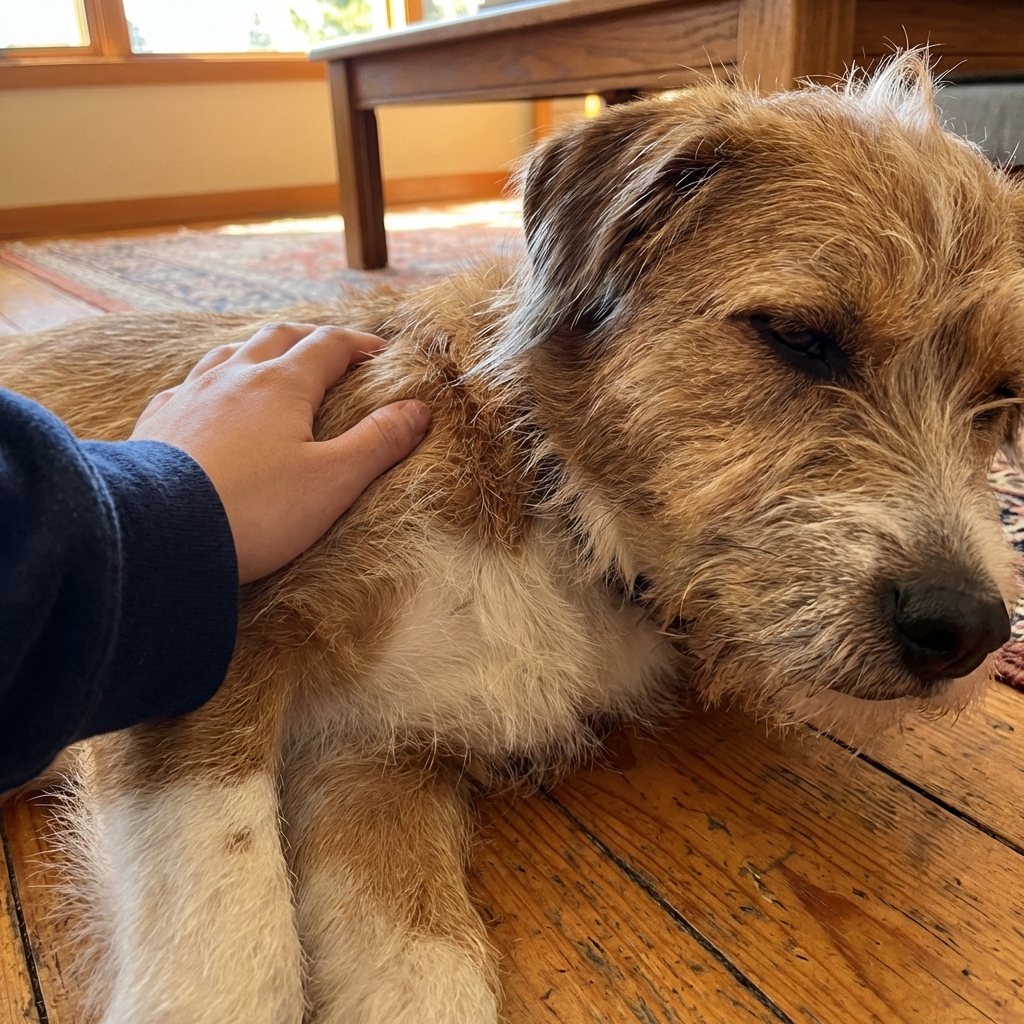
First, know what pain can look like
Pain is not just limping. Dogs can have dental pain, arthritis, ear pain, stomach pain, back pain, skin pain, or internal pain, and many of those do not show up as a dramatic injury.
Veterinary teams usually think about pain in a few big categories:
- Acute pain: sudden pain from an injury, surgery, bite wound, pancreatitis, foreign body, and more.
- Chronic pain: ongoing pain like osteoarthritis, hip dysplasia, chronic ear disease, dental disease, or cancer.
- Neuropathic pain: pain from nerves or the spinal cord, sometimes seen with disc disease or nerve injury.
Different types of pain can produce different “tells” which is why watching patterns matters more than spotting one single symptom.
Behavior changes that can mean pain
Behavior is one of the most consistent areas to watch because pain changes how dogs move through their day. These signs are easy to miss because they can look like “aging” or “moodiness.”
1) They seem withdrawn or less social
A dog who normally follows you room-to-room may start staying in another area, skipping greetings, or choosing isolation. Interaction can feel overwhelming, especially if petting or movement hurts.
2) They act unusually clingy
Some dogs do the opposite and become Velcro dogs. They may seek reassurance, hover, or want to be held. Sudden clinginess, especially in an independent dog, deserves attention.
3) Irritability or “out of nowhere” snapping
Pain lowers tolerance. A sweet dog may growl when picked up, when a child hugs them, or when another pet bumps them. This is not “bad behavior.” It is often a protective response.
4) Restlessness and trouble settling
Many uncomfortable dogs cannot get comfortable. You might notice pacing, repeated position changes, or getting up and down frequently, especially at night.
5) Less interest in play or walks
If a dog starts lagging behind, refusing walks, or quitting fetch early, consider pain as a top possibility. Motivation often drops when movement hurts.
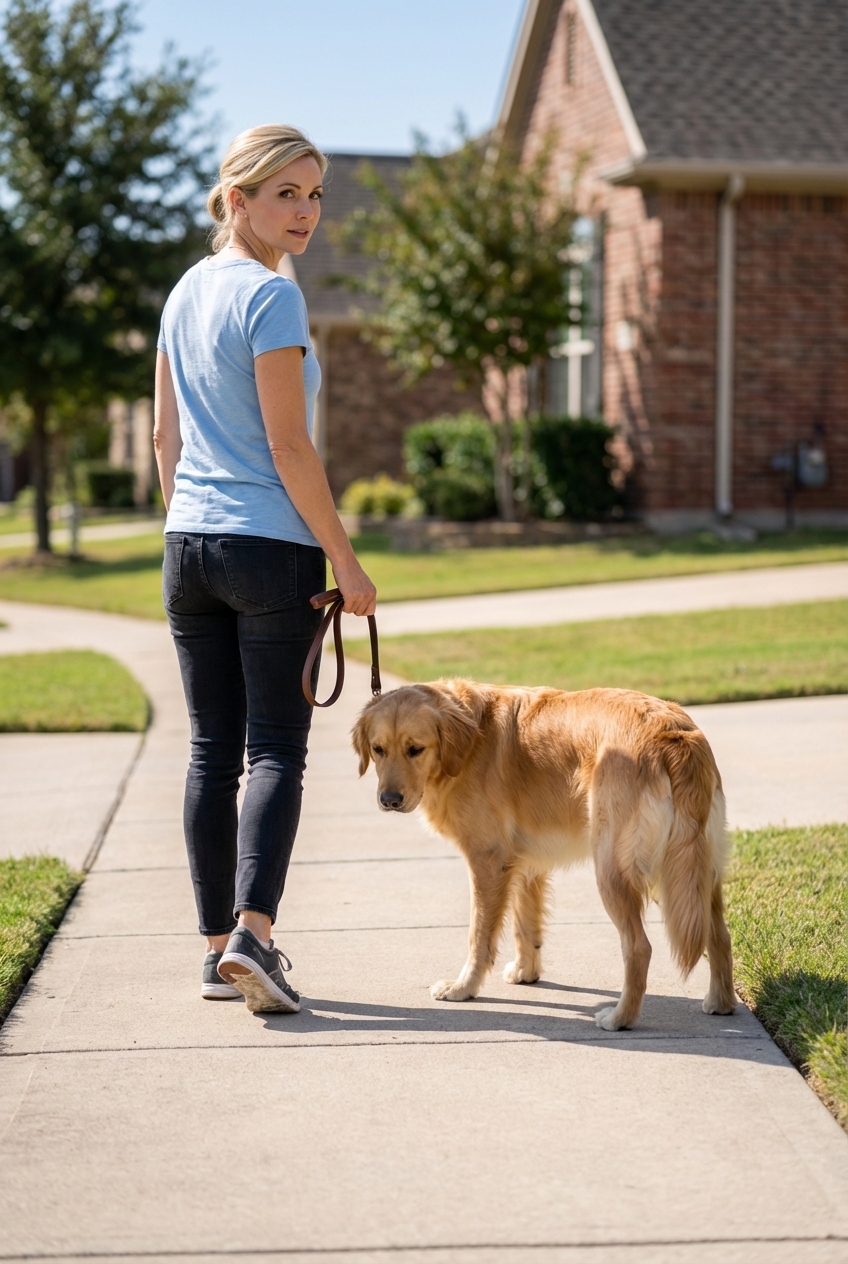
Movement and posture clues
Limping is obvious. These are the sneakier movement signs that commonly point to pain.
6) Stiffness after rest
Dogs with joint or back pain often look stiff when getting up from a nap, then loosen up after a few minutes. This warm-up pattern is common with arthritis, but it can show up with other musculoskeletal problems too.
7) Slower sits, awkward lay-downs, or “plopping”
Watch how your dog transitions. A painful dog may:
- hesitate before sitting
- sit with one leg kicked out
- lower themselves slowly
- flop down instead of curling smoothly
8) Reluctance with stairs, jumping, or the car
Refusing stairs or avoiding jumping on the couch is a very common early sign of orthopedic pain. Many dogs will still do it if excited, but you will see hesitation or a new “two-step” approach.
9) Head and neck position changes
A painful dog may hold their head lower, keep their neck stiff, or avoid turning to one side. This can happen with neck pain, ear pain, dental pain, or nausea. If your dog cries out when moving their neck, treat it as urgent.
10) Shaking or trembling
Trembling can be fear or cold, but it can also be discomfort, especially when paired with a tense body, tucked abdomen, or a “worried” face.
Face and body language
Veterinary medicine increasingly recognizes that facial and body cues can be meaningful indicators of pain. Discomfort can change muscle tension, eye shape, and overall expression. Some clinics also use pain scoring tools, including grimace-style scales, to help track these changes over time.
11) A “tight” face or furrowed brow
Look for tension around the eyes and forehead, a worried look, or a hardened expression that is new for your dog.
12) Squinting or avoiding light
Squinting and light sensitivity most commonly point to eye pain, and eye issues can worsen quickly. They can also occur with some neurologic or facial pain conditions. Any new squinting, redness, discharge, or a pawing-at-the-eye behavior should be checked promptly.
13) Ears pinned back or held oddly
Pinned ears can mean fear, but if it is consistent and paired with other signs, it can suggest discomfort. Ear infections themselves are painful and can cause head shaking, odor, and sensitivity.
14) Lip licking, yawning, or whale eye
These are often stress signals. Pain is a major source of stress. If your dog licks lips repeatedly, yawns when not tired, or shows the whites of their eyes more than usual, note the context and any other changes.
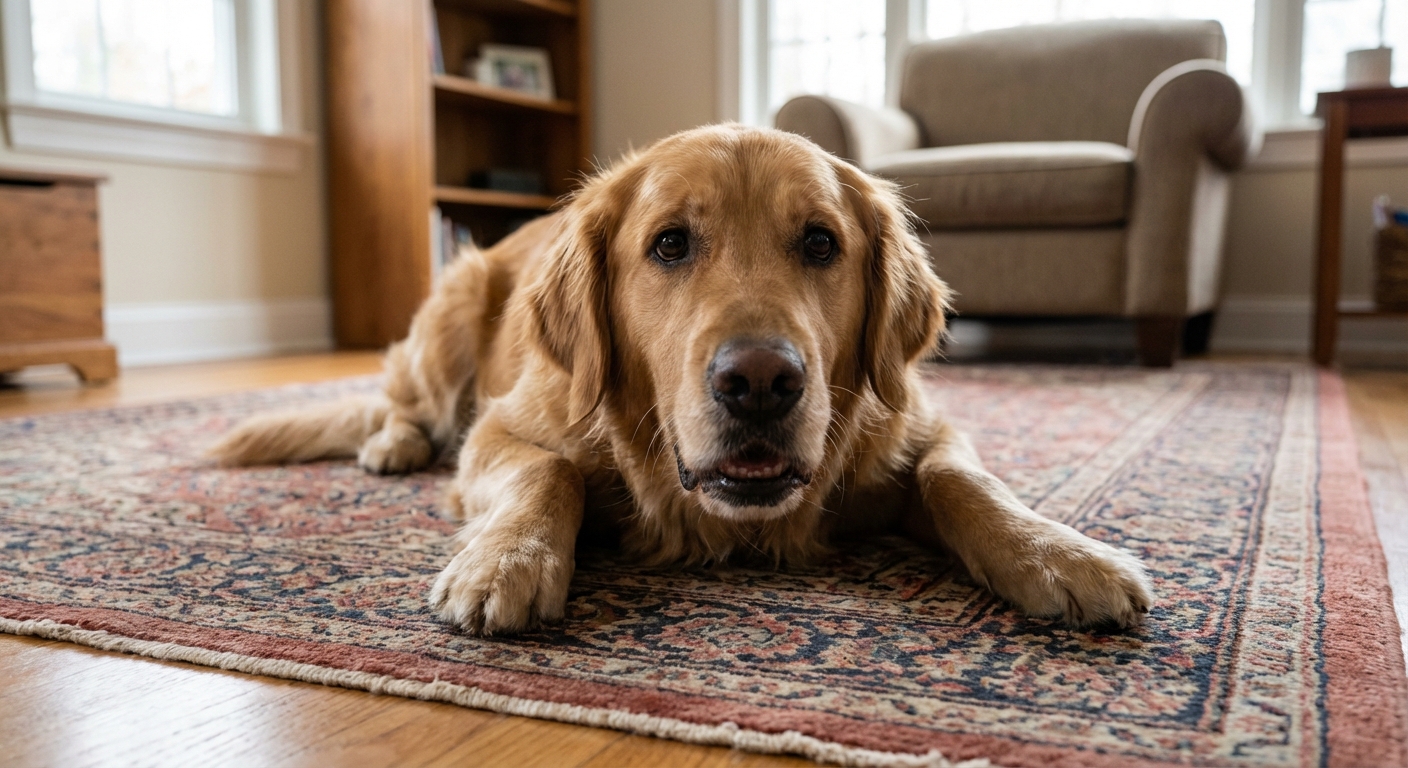
Grooming behaviors
Many dogs try to self-soothe by licking or chewing the spot that hurts.
15) Excessive licking of one joint or paw
Constant licking can point to arthritis, an injury, a foreign body, allergies, or nerve pain. If you see focused licking on one area, it is worth a veterinary exam.
16) Overgrooming the belly or flank
Persistent licking of the abdomen can be a sign of GI pain, urinary discomfort, or skin irritation. If it is paired with frequent urination attempts, straining, or accidents, consider it urgent.
17) Sensitivity to brushing or being touched
If your dog flinches, turns to look at you, tenses up, or moves away when you touch a certain area, that “touch map” can help your vet narrow down the source.
Eating, drinking, and bathroom changes
Pain and appetite are closely linked. A painful dog may not want to eat, or they may eat differently.
18) Decreased appetite or dropping food
This can be caused by nausea, fever, dental pain, mouth injury, or neck pain. Dental disease is extremely common and often under-recognized. Many dogs keep eating but do it more slowly, chew on one side, or drop kibble.
19) Increased thirst or changes in urination
This is not always pain related, but it can be. Urinary tract discomfort, bladder stones, kidney issues, diabetes, and Cushing’s disease are examples of conditions that can cause drinking and urination changes. If your dog is straining to urinate, urinating tiny amounts, or cannot urinate, seek care immediately.
20) Changes in stool, posture, or accidents
Dogs with back pain may struggle to squat. Dogs with abdominal pain may adopt a tense posture, stretch frequently, or have diarrhea. Sudden constipation, repeated attempts to poop, or crying out are red flags.
Vocal signs
Some dogs vocalize loudly. Others barely make a sound.
- Whining, whimpering, or groaning when getting up, lying down, or being picked up
- Sighing or grunting with movement
- New nighttime vocalizing which can happen with arthritis, anxiety, or cognitive decline
Pay attention to when the sound happens. Timing often tells you more than volume.
Clues vets notice fast
These are quick, practical clues veterinary teams use in exam rooms that you can also look for at home.
The tail tells a story
A lower tail carriage, a tucked tail, or a tail that stays still when your dog is normally waggy can signal discomfort.
Breathing changes at rest
Fast breathing, panting when the room is cool, or shallow breaths can be a pain sign. It can also indicate heart or lung disease, fever, heat stress, or anxiety. If panting is new and your dog cannot settle, call your veterinarian.
“Just not themselves” matters
One of the most important early signals owners report is simply this: you know your dog’s normal. If something feels off for more than a day, it is worth checking in, even if you cannot pinpoint one dramatic symptom.
What to do if you think your dog hurts
You do not have to diagnose the cause to take helpful steps.
Step 1: Take a short video
Record your dog walking away from you and toward you on a flat surface. Also record sit to stand and any stairs if safe. Videos are incredibly useful for your vet, especially if the limp or stiffness comes and goes.
Step 2: Do a gentle “hands-on scan”
Run your hands slowly along your dog’s body and note any flinching, heat, swelling, guarding, or sudden licking. Do not force a painful area.
Step 3: Call your veterinarian before giving medication
Please do not give human pain relievers unless your veterinarian specifically instructs you to. Several common human medications can be dangerous or even fatal to dogs.
Step 4: Use comfort measures while you wait
- Restrict rough play and jumping.
- Provide a supportive bed and non-slip flooring.
- Use a harness instead of a neck collar if neck pain is possible.
- Keep them warm and calm.
What to tell the vet
- When it started and whether it is getting worse
- Any triggers (stairs, jumping, eating, being touched)
- Changes in appetite, water intake, pee, and poop
- Any vomiting, diarrhea, coughing, or limping
- Any meds or supplements already given
- Share your videos
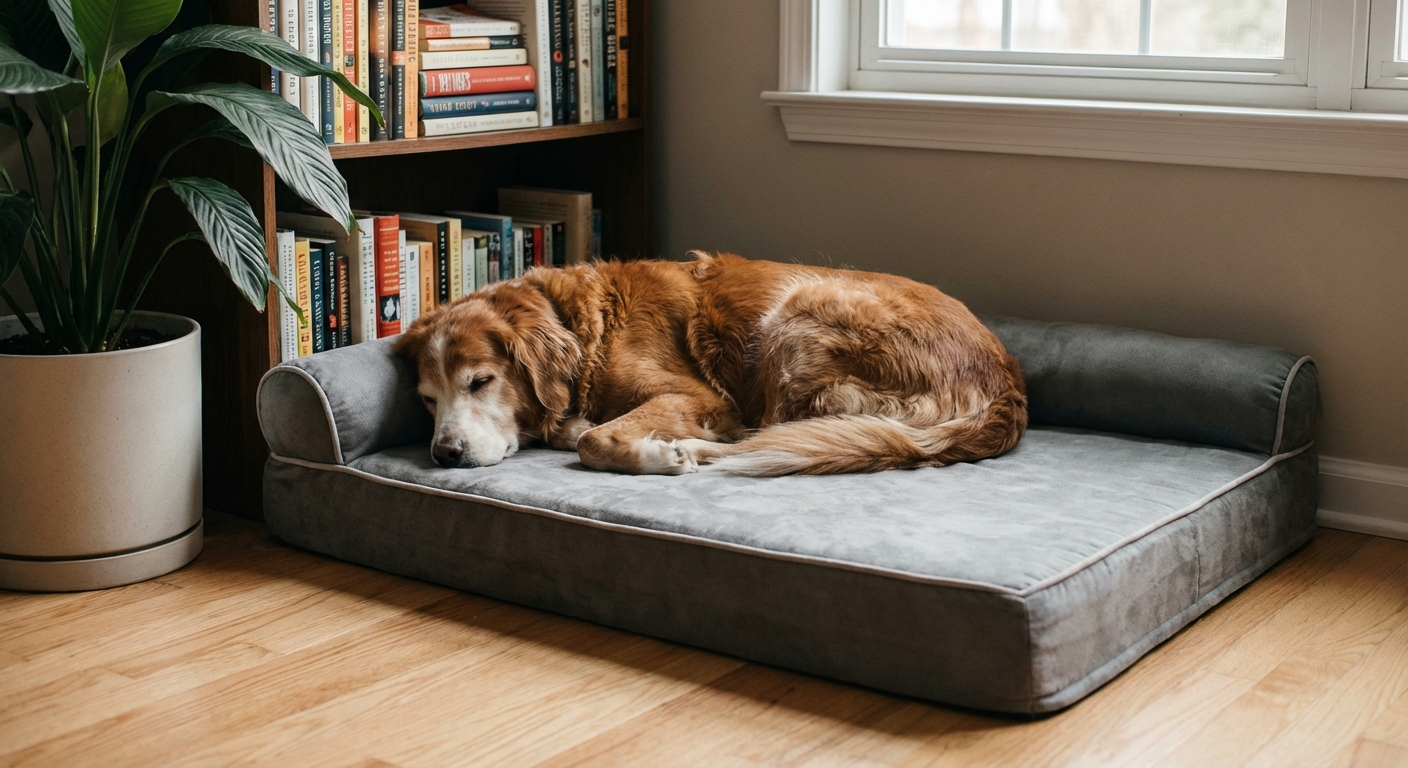
Go now if you see this
If you notice any of the following, seek urgent veterinary care:
- Difficulty breathing, pale gums, or collapse
- Swollen abdomen, unproductive retching, or signs of bloat
- Inability to urinate or extreme straining
- Sudden paralysis, dragging limbs, or severe weakness
- Eye injury or sudden squinting with redness, swelling, or discharge
- Uncontrolled bleeding, open wounds, or suspected broken bone
- Crying out in pain and cannot get comfortable
- Suspected toxin exposure
If you are unsure, it is always appropriate to call an emergency clinic and describe what you are seeing.
How vets confirm and treat pain
Your veterinarian may use a combination of physical exam findings, orthopedic and neurologic checks, dental evaluation, and sometimes imaging such as X-rays or ultrasound. Bloodwork may be recommended if internal causes are suspected.
Treatment depends on the cause, but pain control often includes a thoughtful plan that may combine:
- veterinary-prescribed pain medications and anti-inflammatories
- weight management for joint pain
- physical therapy and controlled exercise
- joint-support supplements or prescription diets (your vet can guide choices since evidence varies by product)
- dental treatment for oral pain
- management of ear infections or skin disease
The goal is not just to mask pain. It is to treat the underlying problem and restore quality of life.
A simple home checklist
If you want a simple way to track changes, check in on these daily for one week:
- Appetite and chewing
- Energy and interest in play
- Willingness to jump, climb stairs, or get into the car
- Sleep quality and nighttime restlessness
- Panting or breathing changes at rest
- Licking one spot repeatedly
- Any growling or sensitivity to touch
- Changes in poop or pee habits
Write down what you notice and bring it to your appointment. Your observations are powerful clinical information.
Bottom line: Pain in dogs is often quiet. If your dog’s behavior, movement, or daily habits change, believe what you are seeing and get guidance early. The sooner we address pain, the easier it is to treat and the better your dog will feel.