Know what to expect during your dog’s first heat: typical age and timing, the 4 stages, bleeding and behavior changes, how to prevent pregnancy, and red fl...
Article
•
Designer Mixes
Signs Your Dog Is Going Into Heat

Shari Shidate
Designer Mixes contributor
If you share your life with an unspayed female dog, her first heat cycle can feel like it comes out of nowhere. One week she is her normal sweet self, and the next you are noticing swelling, small spots of blood, and sudden attention from every male dog in the neighborhood.
As a veterinary assistant in Frisco, Texas, I can tell you this: most “heat mysteries” become much less stressful once you know what is normal, what is not, and how to protect your dog from an accidental pregnancy.
Quick note: this article is for general education and is not a substitute for veterinary care. If something feels off, call your veterinarian.
What “in heat” means
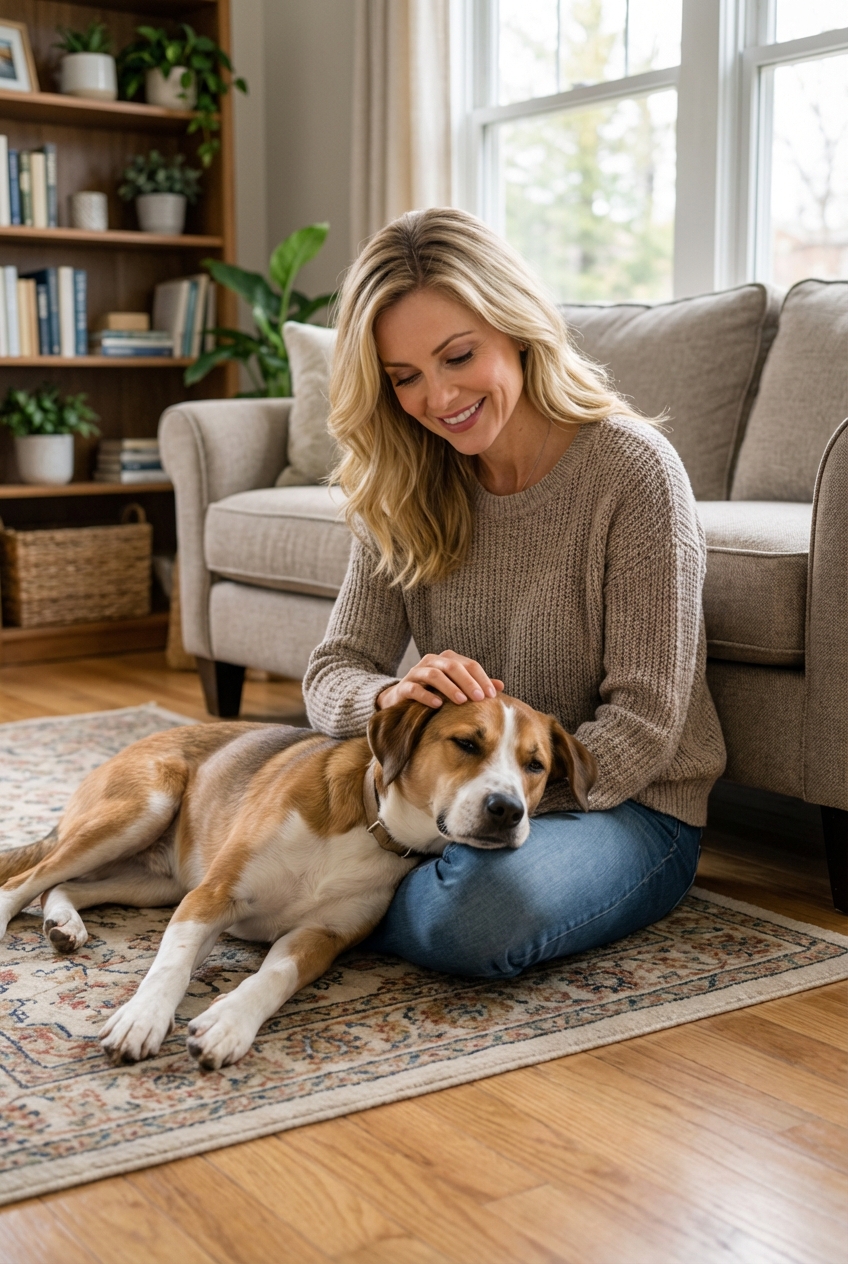
When people say a dog is “going into heat” or “in season,” they are usually talking about the heat period of the reproductive cycle, which typically includes proestrus and estrus. These are the stages when you will see the classic outward signs.
Proestrus is often when swelling and bleeding begin. Estrus is the stage when she is most likely to accept a male and is typically the most fertile.
Most dogs come into heat roughly every 6 months, but a normal range is often every 4 to 12 months. Small dogs may cycle more frequently, while large and giant breeds may cycle less often.
What owners often miss: the first signs can be subtle, and timing is not perfectly predictable. Even if she is not “fully fertile” on day one, assume pregnancy risk as soon as signs start, because mating can happen before you realize she has entered her fertile window.
When is a dog’s first heat?
Many dogs have their first heat somewhere around 6 to 18 months of age. Smaller breeds often start earlier, and larger breeds often start later. First cycles can also be a little irregular, which is one reason owners get caught off guard.
Key signs of heat
1) Vulva swelling
A puffy, enlarged vulva is one of the most common early clues. Some dogs swell dramatically, others only slightly. If you suspect she is nearing a cycle, check daily for changes.
2) Bloody or pink discharge
Many dogs have a light to moderate bloody discharge early on. It can look like small drops on bedding or the floor, or a smear when she sits. Some very tidy dogs clean themselves so well you barely see it, so do not assume “no blood” means “not in heat.”
3) More licking of the rear
Frequent licking is common as discharge begins. It can also happen with skin irritation or infection, so pay attention to smell, color, and your dog’s comfort level.
4) Behavior changes
Hormones can shift behavior. You might notice:
- More affection and following you room-to-room
- Restlessness, pacing, or trouble settling
- Irritability with other dogs, or sensitivity to touch
- Increased alertness at windows and doors
5) Male dogs are suddenly very interested
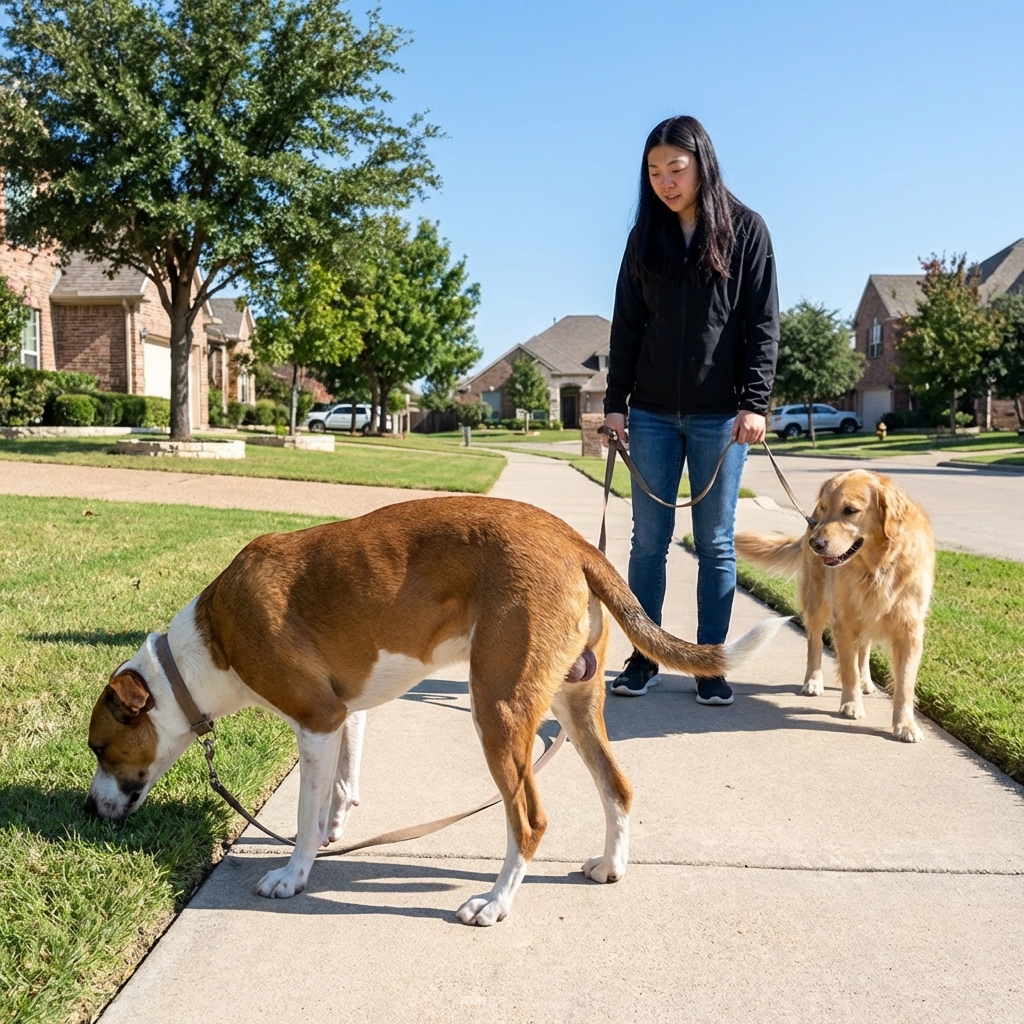
This is the sign that makes many families say, “Oh, wow, something is happening.” Intact males may try to visit your yard, sniff her urine, or become fixated on her during walks. Even neutered males can show interest sometimes.
6) Frequent urination or marking
Some females urinate more often during proestrus and estrus. This is partly communication: her urine contains pheromones that signal her reproductive status.
7) Tail flagging
As a dog transitions into estrus, she may move her tail to the side when touched near the rear, allowing access for mating. Owners often describe it as the tail going “out of the way.”
Important: flagging is a big clue she may be approaching peak fertility. Treat this as high risk time for pregnancy.
8) Discharge changes color
In many dogs, discharge becomes lighter as they move from proestrus to estrus. This is not a perfect rule, but it is a common pattern and a helpful clue when combined with behavior changes and flagging.
Fertile is not always obvious
Here are the big things that lead to accidental litters:
- Some dogs bleed very little and keep themselves clean, so owners miss the early window.
- The fertile window can arrive quickly, before the household has adjusted to management.
- Males can detect a female in heat from far away, and they can become surprisingly determined.
If you suspect heat is starting, act like pregnancy is possible until your veterinarian confirms she is out of the heat period.
How long does heat last?
Many dogs show heat signs for about 2 to 4 weeks from first noticeable changes until things feel “back to normal.” The fertile window is often roughly in the middle, but timing varies by dog.
Also know this: the heat period is only part of the overall cycle. After estrus, dogs enter diestrus. Even when bleeding stops and behavior settles, hormones can still be shifting in the background.
If your dog is having her first heat, cycles can be a bit irregular. Keeping notes helps tremendously:
- Day you first notice swelling or discharge
- Changes in discharge color
- Behavior shifts, especially flagging
- Any contact with intact males, even “just for a second”
What to do now
At home
- No unsupervised yard time, even with a fence. Determined males can climb, dig, slip through gaps, and in some cases attempt mating through fencing.
- Separate from intact males in the home using closed doors and secure barriers. Do not rely on crates alone if stress is high.
- Use dog heat panties for spotting protection indoors, but remember: they are not a pregnancy prevention tool.
- Plan for door safety. Male dogs can bolt in when a door opens. Use a leash inside if you have delivery traffic or kids going in and out.
- Increase enrichment like puzzle feeders, sniff walks, and short training sessions to help with restlessness.
On walks
- Walk at quieter times and avoid dog parks and daycare.
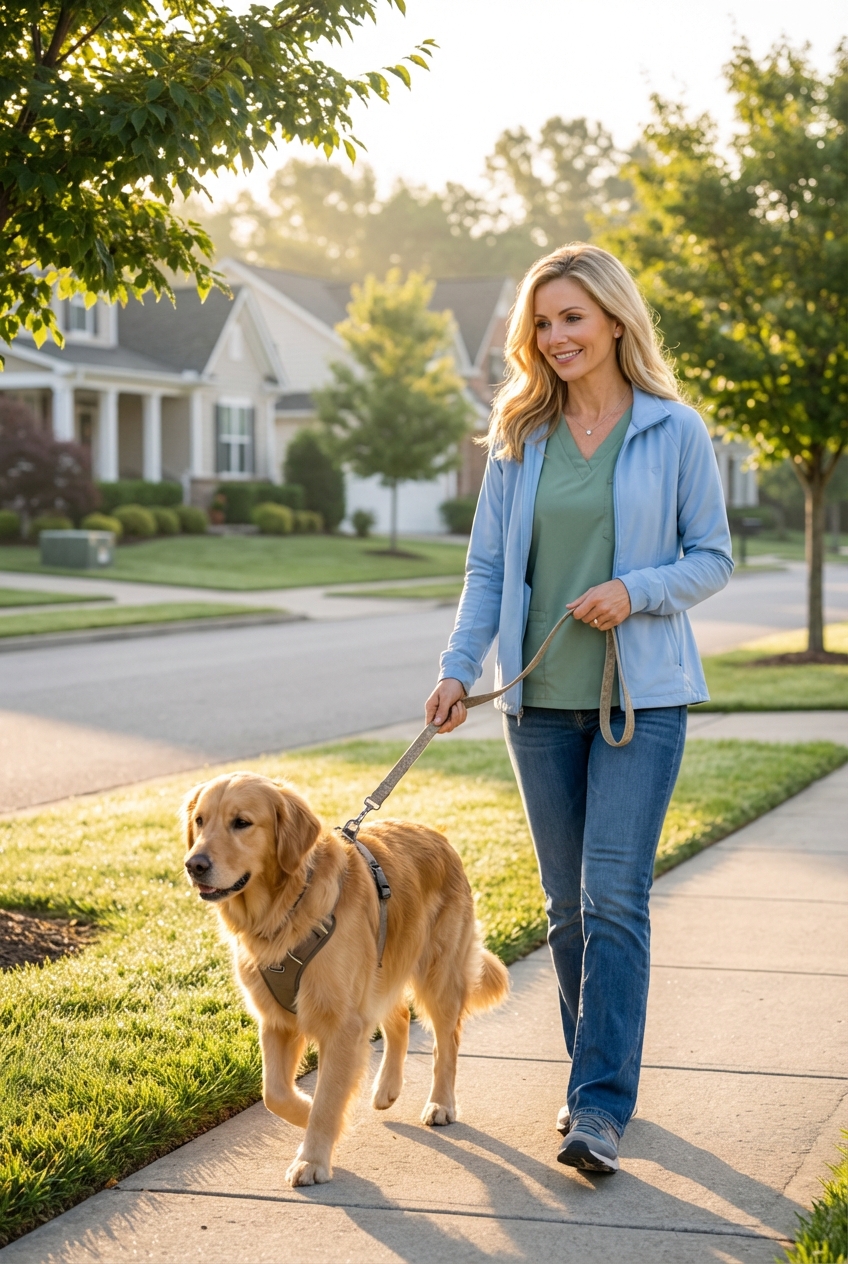
- Use a secure leash and harness. If your dog is a flight risk, consider a second backup leash clipped to a collar.
- Do not allow greetings with unknown dogs during heat.
- Avoid off-leash areas entirely until she is well past the heat period.
Cleaning and comfort tips
- Heat panties: choose a snug fit, change liners often, and remove them for potty breaks and supervised rest so the skin can breathe.
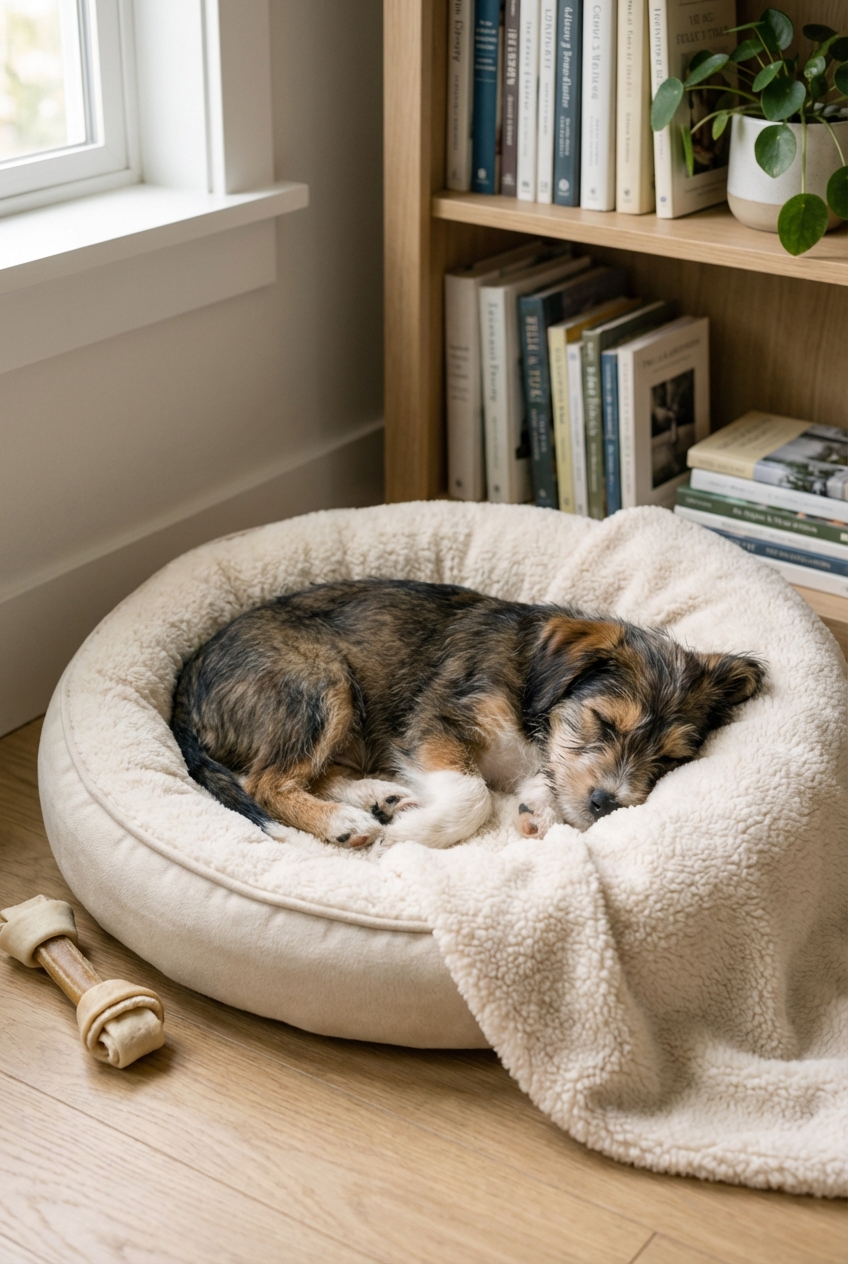
- Protect bedding: washable blankets or crate pads make cleanup easier.
- Avoid frequent baths unless she truly needs one. Over-bathing can dry the skin. A warm washcloth for spot cleaning is often enough.
If mating happens
If your female dog is mounted and the dogs “tie,” do not try to pull them apart. The tie can last several minutes and forcing separation can seriously injure both dogs. Keep them as calm as possible and call your veterinarian right away for guidance.
When to call your veterinarian
Many heat signs are normal, but some symptoms should be checked promptly, especially because intact females are at risk for serious uterine infections as they age.
Contact your veterinarian if you notice:
- Foul-smelling discharge, thick yellow or green discharge, or pus
- Extreme lethargy, fever, vomiting, or refusing food
- Heavy bleeding (soaking through bedding or persistent large amounts)
- Heat signs that last longer than 4 weeks or cycles that are unusually frequent
- Increased drinking and urination with any illness signs
Watch for pyometra: a potentially life-threatening uterine infection that can occur after a heat cycle. Pyometra can be open (you may see discharge) or closed (no discharge at all). A lack of discharge does not mean everything is fine if she seems sick.
After heat: false pregnancy
Some dogs develop a false pregnancy (pseudopregnancy) in the weeks after heat. You might notice nesting, mothering toys, swollen mammary glands, or even milk production. Mild signs can resolve on their own, but call your veterinarian if she seems uncomfortable, stops eating, develops mastitis signs (hot, painful mammary glands), or the behavior is intense.
Spay considerations
Spaying prevents pregnancy and eliminates heat cycles. It also greatly reduces the risk of pyometra. Spaying before the first heat offers the strongest reduction in mammary tumor risk, and there is still benefit when done early, although the degree of protection changes after each heat.
The best timing can depend on your dog’s breed, size, lifestyle, and health history. Your veterinarian is the best partner here. If you are unsure, ask for a personalized spay consult and discuss timing, recovery, and any breed-specific considerations.
Heat checklist
- Swollen vulva
- Pink or bloody discharge
- Rear-end licking
- Male dogs highly interested
- More frequent urination or marking
- Tail flagging and standing to be mounted
- Discharge lightens in color mid-cycle
- Behavior changes like clinginess or restlessness
If you check several boxes, assume she is entering or in heat and start pregnancy prevention immediately.