Wondering if your cat is pregnant? Learn early signs, how long pregnancy lasts, how vets confirm it, a week-by-week timeline, nutrition and nesting tips, and...
Article
•
Designer Mixes
Signs Your Cat Is Pregnant

Shari Shidate
Designer Mixes contributor
If your cat is suddenly extra cuddly, eating more, or acting a little “different,” it is natural to wonder if kittens are on the way. As a veterinary assistant here in Frisco, Texas, I can tell you this: some pregnancy signs are classic, but others can look a lot like illness. The safest move is to notice patterns, avoid guesswork, and get a veterinarian to confirm pregnancy as early as possible.

Below are vet-reviewed signs your cat may be pregnant, what is normal week by week, and simple tips to keep her safe and comfortable.
First: know the timeline
A cat pregnancy (gestation) averages about 63 to 67 days. In real life, “normal” can look wider, often because the exact breeding date is unknown. Some queens deliver a bit earlier or later and still do fine, especially if conception timing is uncertain.
- Early pregnancy: about weeks 1 to 3
- Mid pregnancy: about weeks 4 to 6
- Late pregnancy: about weeks 7 to delivery
Common signs of pregnancy
1) “Pinking up” nipples
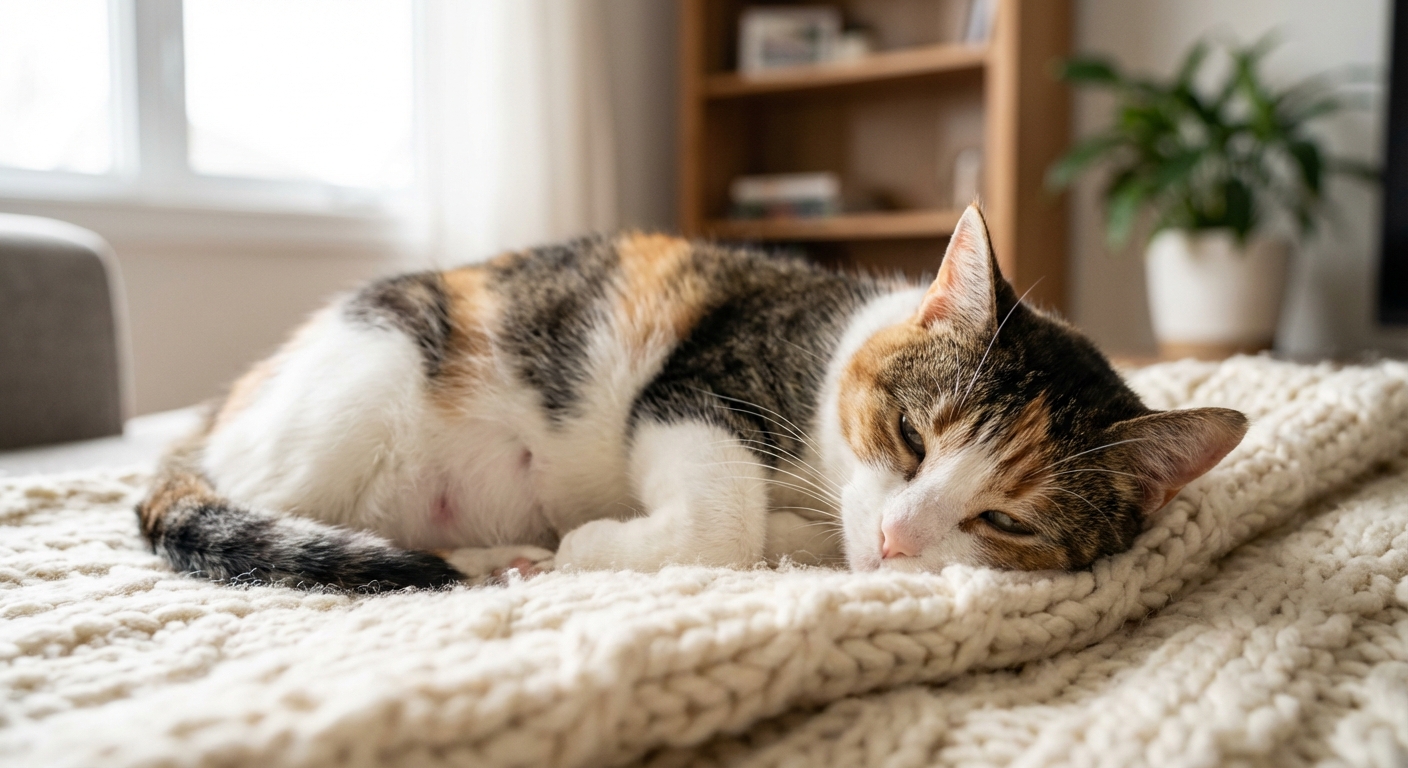
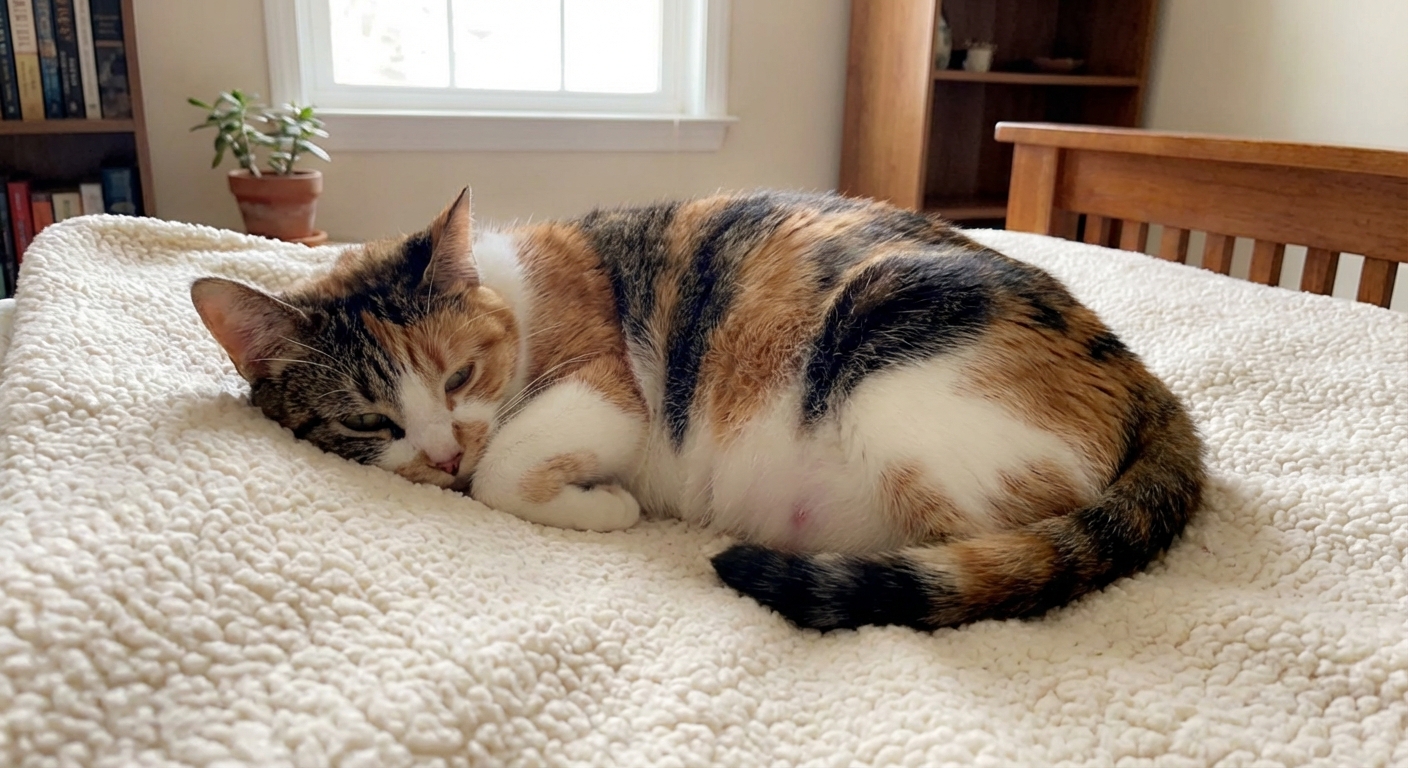
In many pregnant cats, the nipples become more prominent and pinker around 2 to 3 weeks after conception. The hair around the nipples may thin slightly as the mammary glands prepare for nursing.
Important note: Nipple changes can also happen with heat cycles or false pregnancy, so this sign is helpful but not definitive.
2) Increased appetite, then steady weight gain
Many pregnant cats start eating more as the pregnancy progresses, especially after the first few weeks. Weight gain tends to be gradual, with the abdomen becoming more noticeably rounded in mid to late pregnancy.
- What you may notice: asking for food sooner, finishing meals quickly, searching for extra snacks
- What to avoid: overfeeding treats, sudden diet switches without guidance
3) Occasional vomiting early on
Some cats may vomit a little in early pregnancy, but it is not a reliable pregnancy sign. Vomiting in cats is common and can be caused by many things unrelated to pregnancy.
Call your veterinarian promptly if vomiting is frequent, your cat stops eating, seems lethargic, or you see diarrhea, because those signs can indicate parasites, infection, toxins, pancreatitis, or other conditions.
4) Behavior changes
Some pregnant cats get clingier and seek attention, while others become more reserved. Either can be normal. What matters is the overall trend and whether your cat still seems comfortable and well.

5) Belly changes
Many cats start showing a larger, rounder abdomen around weeks 4 to 6, but visibility varies a lot with litter size, body condition, and coat fluff. A round abdomen can also be caused by worms, fluid buildup, constipation, or weight gain unrelated to pregnancy. If the belly seems suddenly swollen or your cat seems uncomfortable, a veterinary visit is the right move.
6) Nesting later in pregnancy
In the last couple of weeks, many queens (pregnant cats) start looking for quiet, sheltered spots, like closets, under beds, or laundry baskets.
- Carrying blankets or rearranging bedding
- Spending more time in hidden areas
- Restlessness, pacing, or repeated “checking” of a chosen spot
7) Reduced activity and more sleeping
It is common for pregnant cats to nap more and play less, especially in late pregnancy. However, extreme lethargy, weakness, or collapse is never normal and needs urgent veterinary care.
8) Milk close to delivery
Some cats begin producing milk in the final days before birth, but not all do. Milk can also occur with false pregnancy or other hormonal situations, so it should not be used as the only indicator.
How pregnancy is confirmed
At-home clues can be useful, but veterinary confirmation keeps your cat safer and helps you plan. Common options include:
- Abdominal ultrasound: may detect pregnancy as early as about 2 to 3 weeks after breeding in some cats. Fetal heartbeats are often seen around 3 to 4 weeks, depending on the cat and the equipment.
- Abdominal radiographs (X-rays): most helpful later in pregnancy for counting kittens once fetal skeletons mineralize, typically around 6 to 7 weeks (about day 42 to 45+).
- Physical exam: an experienced veterinarian may detect uterine changes later on, but imaging is usually more reliable.
If you suspect pregnancy, schedule a visit and ask what timing is best for your cat.
Care tips for pregnant cats
Feed for motherhood
Pregnancy and nursing are nutritionally demanding. Many veterinarians recommend transitioning to a high-quality kitten diet during pregnancy and lactation because it is calorie-dense and formulated for growth. Ask your veterinarian when and how to transition, especially if your cat has a sensitive stomach.
- Offer small, frequent meals as her belly grows and space decreases.
- Keep fresh water available at all times.
Keep her indoors and reduce stress
Indoor-only is safest during pregnancy. It reduces the risk of trauma, parasites, and infectious disease exposure. Also, while it is uncommon, cats can come into heat and mate during pregnancy. The practical takeaway is simple: prevent escapes and keep intact males away.
Do not press on her belly
It can be tempting to “feel for kittens,” but do not squeeze or press your cat’s abdomen. It can be painful and, in some situations, unsafe. Let your veterinarian handle palpation and imaging.
Parasite control and medications: do not DIY
Many common flea, tick, and deworming products are not appropriate in pregnancy. Always ask your veterinarian before giving:
- Flea or tick preventives
- Dewormers
- Pain medications
- Herbal supplements or essential oils
Set up a nesting area early
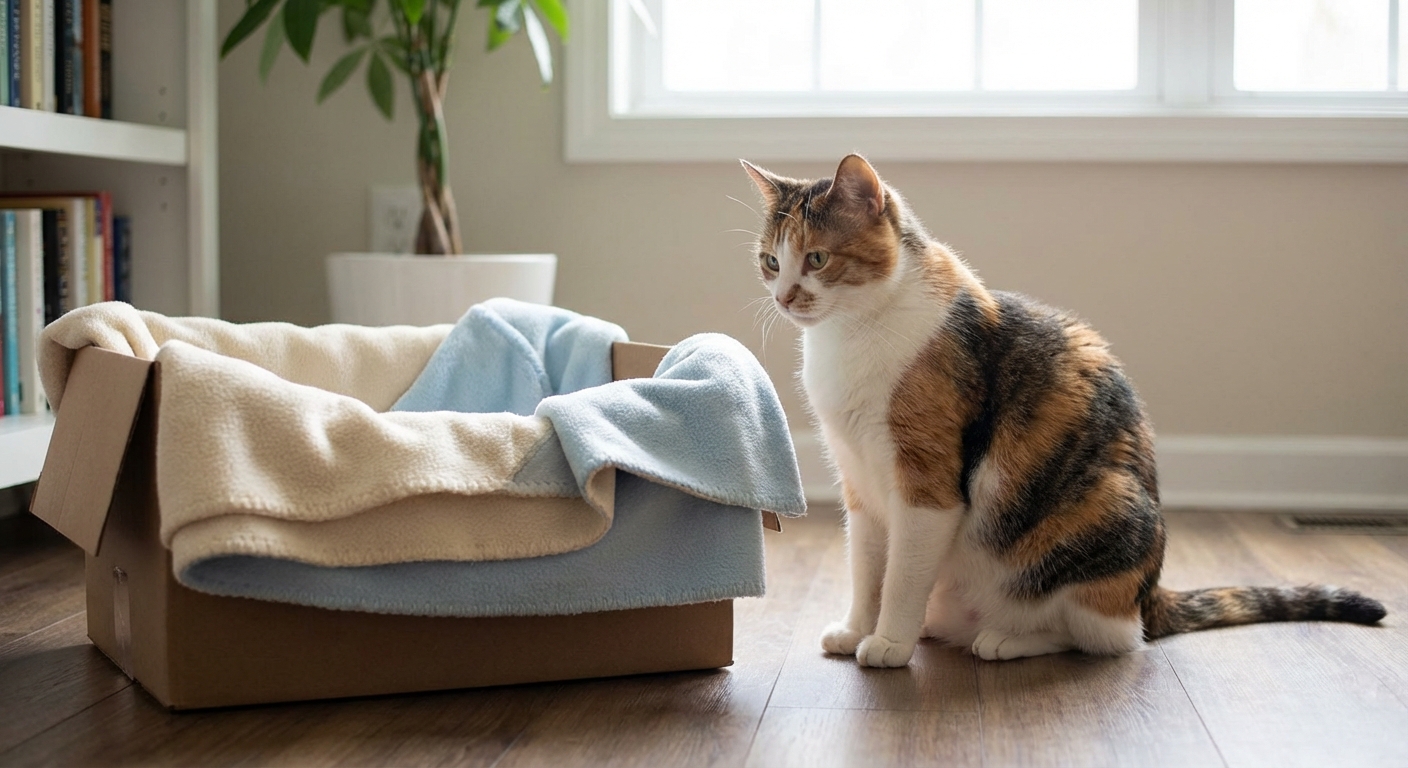
Give her options before she picks a hard-to-reach spot. A simple nesting setup can be:
- A large box or covered cat bed in a low-traffic room
- Soft, washable blankets
- A litter box nearby, but not right next to the nest
Delivery: know the red flags
Many cats deliver without human help, but you should still know when to call a veterinarian or emergency clinic. Seek urgent care if you notice:
- Strong, active contractions for 20 to 30 minutes with no kitten produced (especially if you can see a kitten at the vulva)
- Weak or intermittent straining for 1 to 2 hours with no kitten produced
- More than 2 hours between kittens with ongoing distress or strong contractions
- Green or foul-smelling discharge before any kittens are born
- Heavy bleeding
- Weakness, collapse, pale gums
- Persistent vomiting, refusal to eat, or severe lethargy
- Signs of pain that feel unusually intense for your cat
If you are unsure, call your veterinarian or an emergency clinic and describe exactly what you are seeing. It is always appropriate to ask.
After birth: quick expectations
Most queens handle newborn care instinctively. A few normal things you may see include licking the kittens, chewing the umbilical cord, and passing placentas. Kittens should nurse regularly and stay warm.
Call your veterinarian if the mother seems very weak, is breathing hard, has a bad-smelling discharge, ignores the kittens completely, or if any kitten is cold, crying constantly, or not nursing.
Look-alikes to rule out
Not every “pregnant-looking” cat is actually pregnant. Some common look-alikes include:
- Heat cycle changes that cause behavior shifts and nipple prominence
- False pregnancy (hormonal changes that can mimic pregnancy signs)
- Intestinal parasites causing a potbellied appearance
- Weight gain from diet and lifestyle
- Pyometra (uterine infection), which can be life-threatening
Because some of these can be serious, a veterinary exam is the most responsible next step if you are unsure.
Spay planning
Once kittens are weaned and your veterinarian says it is safe, spaying helps prevent future unplanned litters and reduces certain health risks. In some situations, spaying during pregnancy may also be an option, but it is a sensitive decision that should be discussed directly with your veterinarian.
Warm reminder: You do not have to be perfect. You just have to be prepared.