Cats hide pain well. Learn the most common vet-recognized signs—behavior shifts, posture and movement changes, grooming and appetite issues, litter box red...
Article
•
Designer Mixes
Signs Your Cat Is in Pain: Hidden Red Flags

Shari Shidate
Designer Mixes contributor
Cats are experts at hiding discomfort. In the clinic, I have seen sweet, quiet cats come in for “just acting a little off” and end up being diagnosed with painful conditions like dental disease, arthritis, urinary issues, and GI problems. The tricky part is that many pain signals look like moodiness, aging, or “being stubborn.”
Below are evidence-based, real-world red flags that can suggest pain, plus what to do next so you can advocate for your cat with confidence.
Why cats hide pain
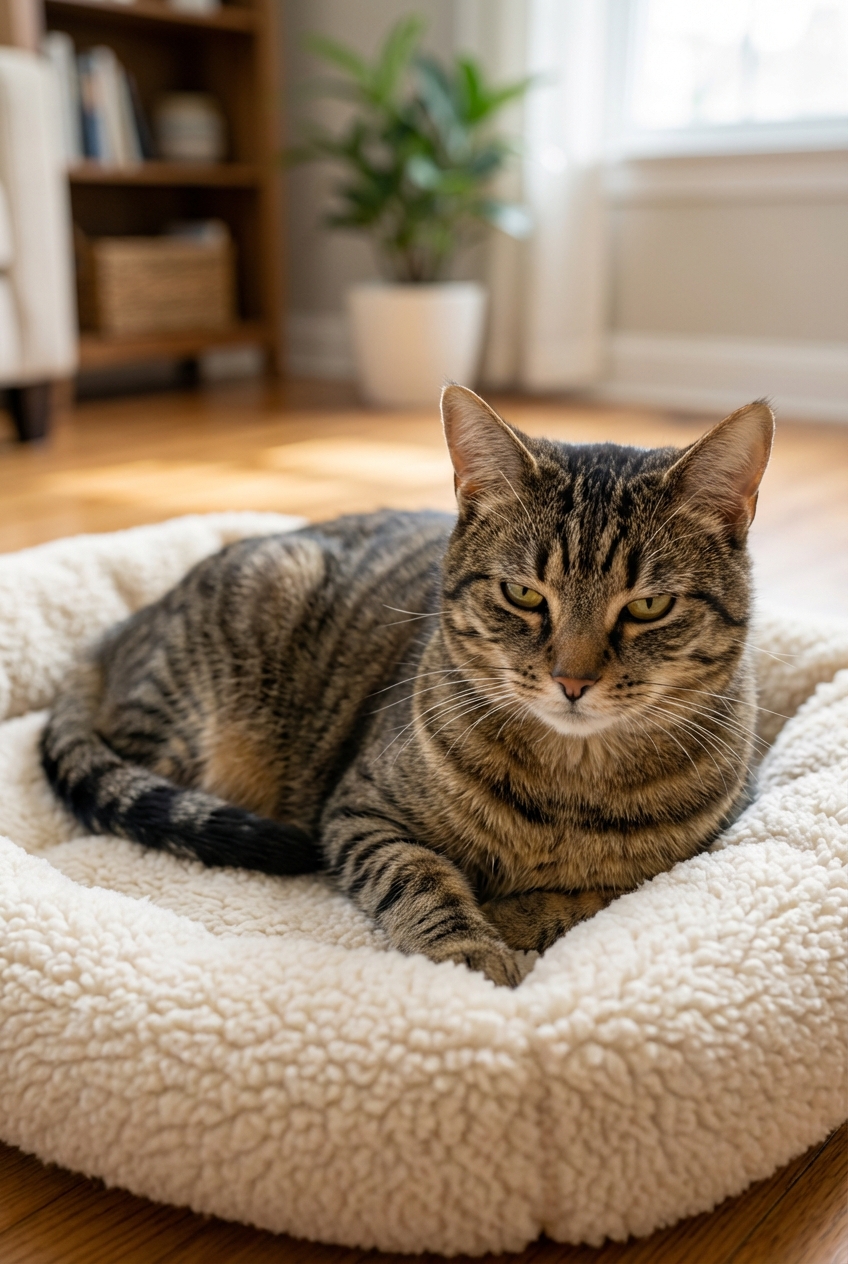
Hiding pain is a survival behavior. In the wild, showing weakness can make an animal a target, and that instinct can still show up in our indoor companions. This means many cats do not cry, limp dramatically, or “complain” the way we expect.
Instead, you may notice subtle changes in posture, routine, facial expression, grooming, or social behavior. These are meaningful, especially when they are new for your cat.
Behavior changes that can signal pain
1) “Grumpy” or withdrawn behavior
A painful cat may hide more, seem less interested in family activities, or react defensively to touch. This is especially common with arthritis, dental pain, or abdominal discomfort.
- Hiding in closets, under beds, or behind furniture more than usual
- Less social, less playful, “not themselves”
- Growling, swatting, or biting when handled
2) Restlessness and trouble getting comfortable
Some cats do the opposite of hiding. They pace, reposition frequently, or seem unable to settle. This can happen with GI pain, urinary discomfort, and severe dental disease.
- Frequently changing sleeping spots
- Sleeping less, waking suddenly
- Lying down, then popping back up repeatedly
3) Changes in meowing, purring, or quietness
More vocalizing can be a pain sign, but so can less vocalizing if your cat is usually chatty. And purring is not always “happy.” Cats can purr when stressed or uncomfortable, possibly as a self-soothing behavior.
- New yowling, groaning, or repeated meows
- Sudden silence in a normally social cat
- Purring paired with tense body language or hiding
Body language red flags most people miss
4) A “tight” posture or hunched position
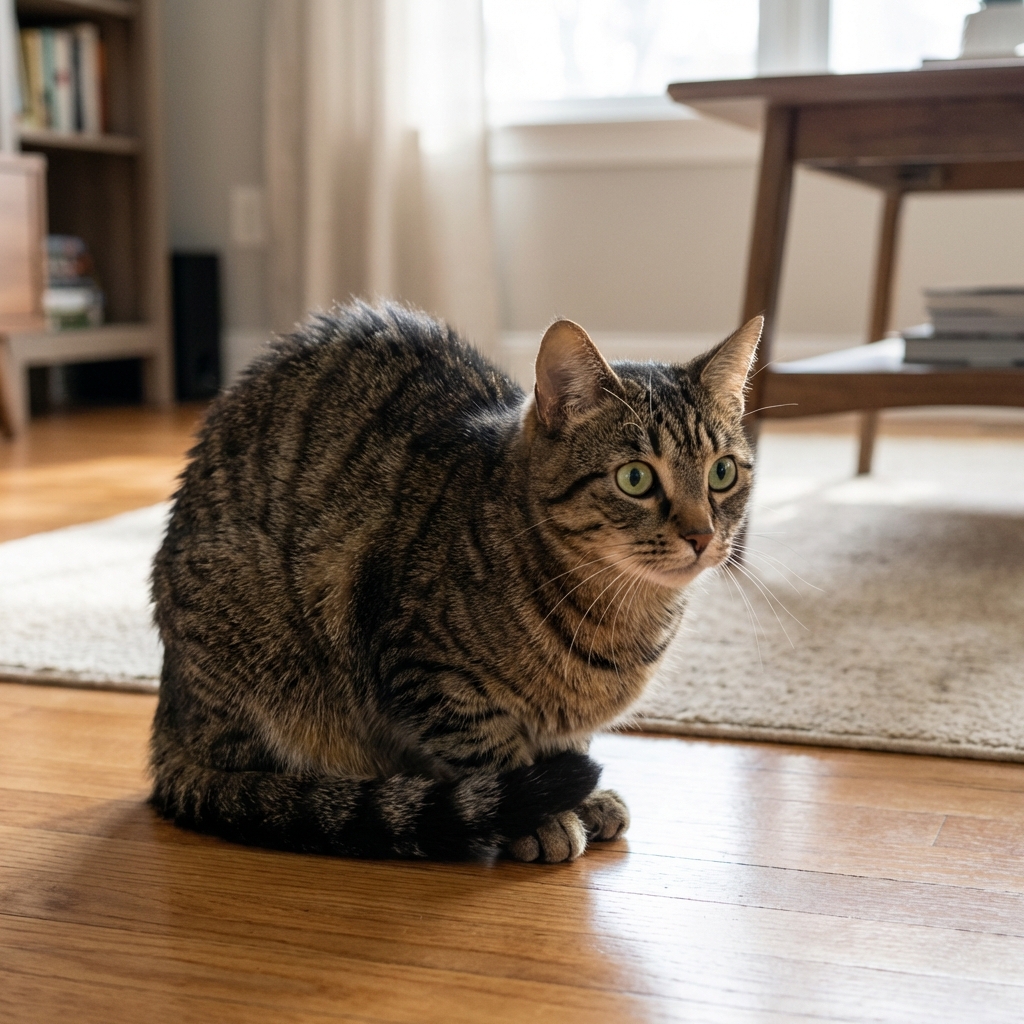
Many painful cats look subtly tense. Watch for a guarded belly, a hunched back, or a tucked-in stance. Cats with abdominal pain or urinary discomfort may sit crouched with minimal movement.
5) Facial expression changes
Veterinary teams often look at facial cues. A cat in pain may have narrowed or squinty eyes, flattened ears, or a tense muzzle. If your cat’s face looks “different,” trust that observation.
- Squinting or keeping eyes partially closed
- Ears held sideways or flattened
- Whiskers pulled back or held stiffly
6) Reluctance to jump, climb, or use stairs
One of the biggest hidden signs of arthritis is when a cat stops doing “cat things.” Many owners think their cat is just getting older, but pain is not a normal part of aging.
- Not jumping onto beds, couches, or window ledges
- Hesitating before jumping, or pulling themselves up with front legs
- Choosing lower surfaces or avoiding cat trees
Litter box clues: pain can show up here first
7) Accidents outside the box
When a cat stops using the litter box, pain is always on the list of concerns. Arthritis can make stepping into a high-sided box painful. Urinary tract issues can create urgency, discomfort, or aversion to the box.
- Urine or stool just outside the box
- Not covering waste anymore
- Taking longer to posture or seeming stiff while eliminating
8) Straining, frequent trips, or crying in the box
These can be emergency signs, particularly for male cats. Straining, passing only small amounts, or repeated trips can indicate painful lower urinary tract disease or a blockage.
Urgent: If your cat is straining and producing little to no urine, seek emergency veterinary care immediately.
Grooming, coat, and appetite changes
9) Less grooming or a suddenly messy coat
When grooming hurts, cats may stop. Arthritis, dental disease, and obesity can make it difficult to reach certain areas. A coat that looks oily, clumpy, or unkempt can be a pain clue.
- Matting along the back, hips, or belly
- Dandruff or greasy fur
- Bad breath or drooling that suggests oral pain
10) Overgrooming one area
Excess licking can be a sign of pain, itch, anxiety, or skin disease. If your cat suddenly focuses on one spot, consider joint pain (hips, knees), urinary discomfort (lower belly), or a skin issue.
11) Appetite changes and picky eating
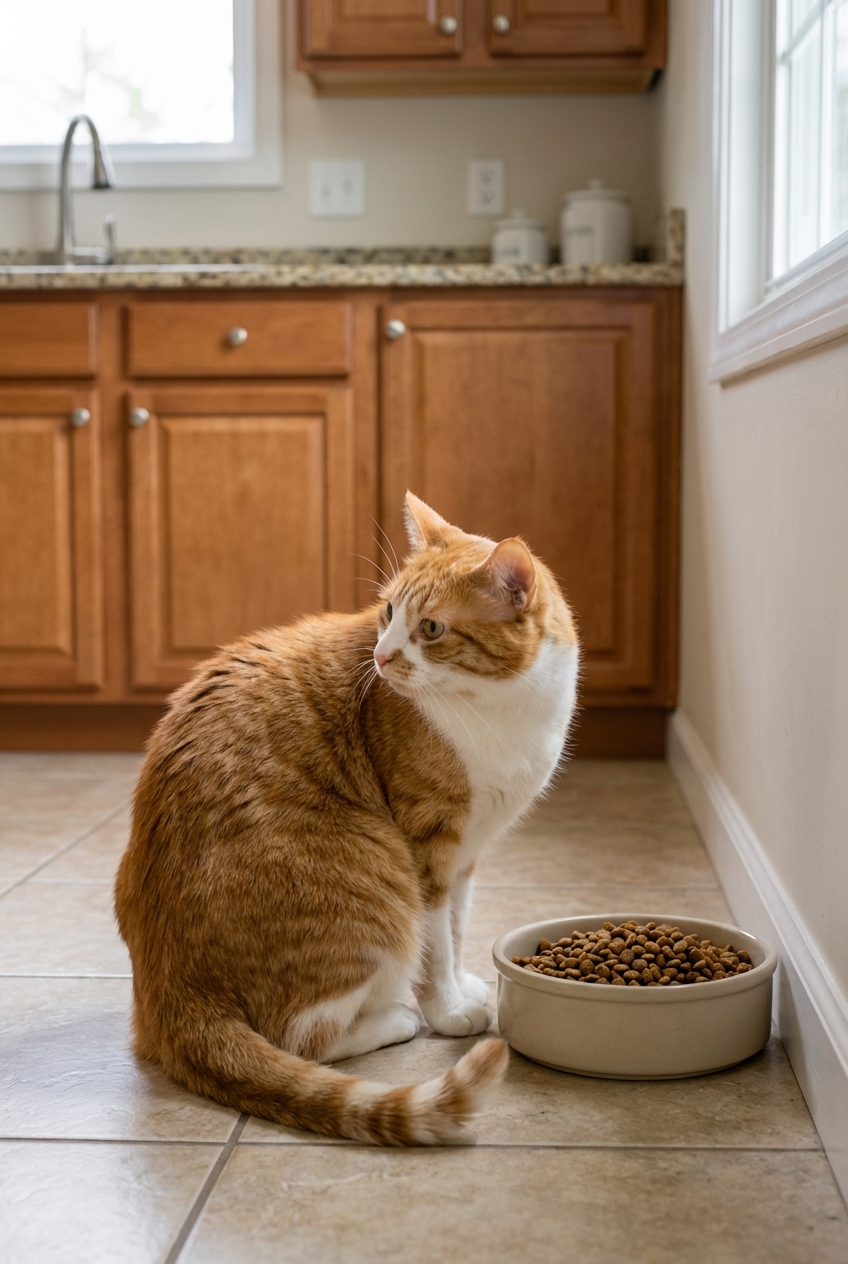
Dental pain and nausea are common reasons a cat becomes “picky.” Watch for changes like chewing on one side, dropping food, preferring soft foods, or approaching the bowl and walking away.
Common painful conditions behind these signs
These red flags can be caused by many issues. Some of the most common painful problems veterinarians see include:
- Dental disease: inflamed gums, resorptive lesions, fractured teeth
- Osteoarthritis: very common, even in middle-aged cats
- Lower urinary tract disease: cystitis, crystals, blockage (emergency)
- GI pain: constipation, inflammatory bowel disease, pancreatitis
- Injuries: sprains, bites, falls, nail or paw injuries
The important takeaway is this: the sign you see at home is often just the tip of the iceberg. If something feels “off,” it is worth checking.
What to do if you suspect your cat is in pain
Step 1: Document what you are seeing
Bring specifics to your appointment. Details help your veterinarian connect the dots.
- When did the change start?
- Is it constant or intermittent?
- What triggers it, like jumping, petting, eating, or using the litter box?
- Any changes in water intake, appetite, or elimination?
Video is incredibly helpful. A 10-second clip of your cat hesitating to jump or walking stiffly can be more useful than a long description.
Step 2: Book a veterinary exam
Pain is treatable, and early care can prevent bigger problems. Your veterinarian may recommend an oral exam, orthopedic evaluation, bloodwork, urinalysis, imaging, or a pain management trial depending on the signs.
Step 3: Never give human pain meds
Do not give ibuprofen, naproxen, aspirin, acetaminophen, or any leftover prescription pain medication. Many human medications are toxic to cats, even in small doses. Always ask your veterinarian for cat-safe options.
Step 4: Make the home environment more comfortable
- Use a low-entry litter box if your cat seems stiff or hesitant
- Add pet stairs or a stable step to favorite spots
- Provide soft bedding in warm, quiet areas
- Keep food, water, and litter easily accessible, especially for seniors
When it is an emergency
Seek urgent veterinary care if you notice any of the following:
- Straining to urinate or little to no urine produced
- Open-mouth breathing, severe lethargy, collapse, or pale gums
- Sudden inability to use a back leg, severe limping, or crying out
- Bloated belly, repeated vomiting, or signs of severe distress
- Not eating for 24 hours, especially in overweight cats (risk of hepatic lipidosis)
A gentle reminder
If your cat is changing their routine, they are communicating. Subtle does not mean “nothing.”
You know your cat’s normal better than anyone. If you are seeing a new behavior, a new posture, or a new sensitivity to touch, trust that instinct and get help. Pain management and treatment can be life-changing for cats, and it can bring your companion’s personality back in a way that feels like a small miracle.