A compassionate guide to end-of-life signs in cats—appetite and weight changes, hiding, weakness, litter box and breathing changes, comfort care, and when ...
Article
•
Designer Mixes
Signs Your Cat Is Dying

Shari Shidate
Designer Mixes contributor
If you are reading this, you might be noticing changes in your cat that feel scary or unfamiliar. As a veterinary assistant, I want you to know two things can be true at once: many “end of life” signs can also happen with treatable illness, and some changes really do mean your cat may be nearing the end. The goal is not to guess. The goal is to spot red flags early and get your cat comfortable and supported.
Scope note: I cannot diagnose your cat online. This is general education to help you notice patterns and know when to call. If you are unsure, call your veterinarian. Most clinics can triage by phone and tell you whether to come in now, today, or tomorrow.
Emergency now: If your cat is struggling to breathe, has open-mouth breathing, collapses, has pale or blue gums, cannot stand, has uncontrolled bleeding, cannot urinate or is straining to urinate, has a seizure, or is unresponsive, seek emergency care right away.

Red flags: emergency now
These signs can indicate severe pain, organ failure, shock, or life-threatening disease. Even if your cat is older or has a known diagnosis, these changes are not something to “wait out.”
- Breathing distress: open-mouth breathing, panting, belly pushing hard with each breath, flared nostrils, head and neck extended, elbows held away from the body, or your cat cannot settle comfortably.
- Pale, white, blue, or gray gums: gum color changes can signal poor oxygenation, anemia, or shock.
- Collapse, inability to stand, or unresponsiveness: your cat falls over, cannot hold their head up, or is difficult to wake.
- Straining to urinate or no urine output: this is an emergency, especially in male cats. Crying in the litter box, frequent trips with little or no output, or sudden urinating outside the box can be signs.
- Uncontrolled bleeding or major trauma: including being hit by a car or a fall from height.
- Seizures: any first-time seizure, seizures lasting more than 2 to 3 minutes, or repeated seizures (clusters) need urgent care.
- Suspected toxin exposure: lilies, antifreeze, rodenticides, human medications, essential oils, and many house and garden products.
If any of these are happening, call your veterinarian or an emergency clinic immediately. If it is after hours, many clinics have an outgoing message with the closest emergency hospital.

Red flags: urgent same-day
These issues often need treatment quickly, but they are not always “ER this second.” If you can, contact your vet today. If your cat is rapidly worsening, very weak, dehydrated, or you cannot reach your vet, go to an emergency clinic.
- Not eating: if your adult cat has eaten little to nothing for about 24 hours, call your vet promptly. Go sooner if your cat is a kitten, has diabetes, kidney disease, liver disease, is losing weight fast, or is also vomiting, drooling, or acting painful. (Cats can develop serious complications from prolonged anorexia.)
- Vomiting or diarrhea that is ongoing: multiple episodes, symptoms lasting more than 12 to 24 hours, inability to keep water down, or any blood. Also treat it as urgent if there is lethargy, dehydration, known kidney disease, diabetes, or a history of pancreatitis.
- Marked weakness or severe lethargy: your cat can walk but is clearly fading, hiding constantly, or seems “not there.”
- Sudden severe pain signs: yowling, growling when touched, hunched posture, tense belly, or refusing to move.
- Yellow gums, eyes, or skin (jaundice): this can signal liver or red blood cell problems and should be evaluated promptly.
When in doubt, call. It is always appropriate to ask, “Is this an emergency or can it wait until a normal appointment?”
Common signs a cat may be nearing the end
Cats are masters at hiding discomfort, so changes are often subtle at first. The signs below do not always mean “dying,” but when several happen together, especially in a senior cat or a cat with cancer, kidney disease, heart disease, diabetes, hyperthyroidism, or liver disease, it is time for a candid conversation with your vet.
1) Big changes in appetite and weight
Many cats eat less as they feel nauseated, painful, or weak. In late-stage illness, weight loss and muscle loss can become obvious even if your cat still takes a few bites.
- Eating only treats, licking gravy, or walking away after a sniff
- Difficulty chewing or dropping food (possible dental pain or oral disease)
- Noticeable weight loss, bony spine or hips
2) Hiding or withdrawing
Hiding is one of the most common signs owners report. Cats often isolate when they feel vulnerable.
- Staying under the bed, in closets, or behind furniture
- Less interest in affection or play
- Not greeting you at normal times
3) Mobility changes and weakness
End-stage disease and unmanaged pain can make simple movements exhausting.
- Trouble jumping to favorite spots
- Wobbly walking, knuckling, or falling
- Stiffness, reluctance to climb stairs, or crying when picked up
4) Breathing changes
Breathing patterns can change with heart disease, pain, anemia, fluid in or around the lungs, and other serious problems.
- Faster breathing at rest: in a calm, sleeping cat, many veterinarians expect roughly 20 to 30 breaths per minute. A persistent resting rate above about 35 to 40, or any obvious effort, is concerning and should be discussed with a vet.
- Shallow breathing, frequent pauses, or increased effort
- Sitting upright and unable to get comfortable, or holding elbows away from the body
If you see open-mouth breathing or significant effort, treat that as an emergency (see red flags above).
5) Litter box changes
When a cat feels weak, nauseated, confused, or painful, the litter box may become difficult to use.
- Accidents outside the box
- Diarrhea, constipation, or straining
- Urinating less, urinating more, or strong-smelling urine
Important: Straining with little or no urine can be a urinary blockage. That is an emergency.
6) Poor grooming and coat changes
Healthy cats groom regularly. When your cat stops grooming, it often signals they do not feel well.
- Greasy, clumped, or dandruffy coat
- Urine or stool on the fur
- Overgrooming one area (sometimes from arthritis or skin discomfort)
7) Behavior changes, confusion, or restlessness
Some cats become quieter; others become unsettled. Either can be a sign of pain, nausea, low oxygen, high blood pressure, or organ dysfunction.
- Vocalizing at night, pacing, or seeming lost
- Staring into space, decreased responsiveness
- Sudden clinginess or irritability
8) Cooler body or low temperature
In the final stages, circulation can decline. Ears and paws can feel cool in a chilly room, so this sign matters most when it is new and paired with other concerns.
- More concerning: cool extremities plus marked weakness, collapse, pale gums, or your cat seems mentally “far away.”
- Very concerning: a measured low rectal temperature (your vet can advise you on what is normal for your cat and whether to check this at home).
Sick but treatable vs actively dying
This is the hardest part, and it is why an exam matters so much. Here are a few patterns we commonly see:
- One problem appears suddenly: for example, your cat stopped eating yesterday but is otherwise alert. That can be something treatable like nausea, constipation, dental pain, or infection.
- Multiple systems declining: eating less, drinking less, hiding, weight loss, weakness, and breathing changes together is more concerning for end-stage disease.
- Good days and bad days: chronic illnesses often progress with ups and downs. Tracking patterns helps your veterinarian guide you.
Trust your instincts. If you are thinking, “This is not my cat,” that is enough reason to call.
Comfort care you can start today
Whether your cat is in treatment or you are considering hospice and palliative care, small changes at home can make a big difference.
Make the basics easy
- Bring resources close: food, water, and a low-entry litter box on the same floor.
- Choose soft, warm bedding: and keep it in a quiet, familiar spot.
- Reduce slipping: add rugs or yoga mats for traction.
Support eating and drinking
- Offer warmed wet food for aroma.
- Try a wide, shallow dish or plate if your cat seems picky about bowls (some cats strongly prefer it).
- Ask your vet about nausea control, appetite stimulants, or pain relief. Do not give human medications unless your vet specifically instructs you.
Keep your cat clean and comfortable
- Use a damp washcloth to gently wipe soiled fur.
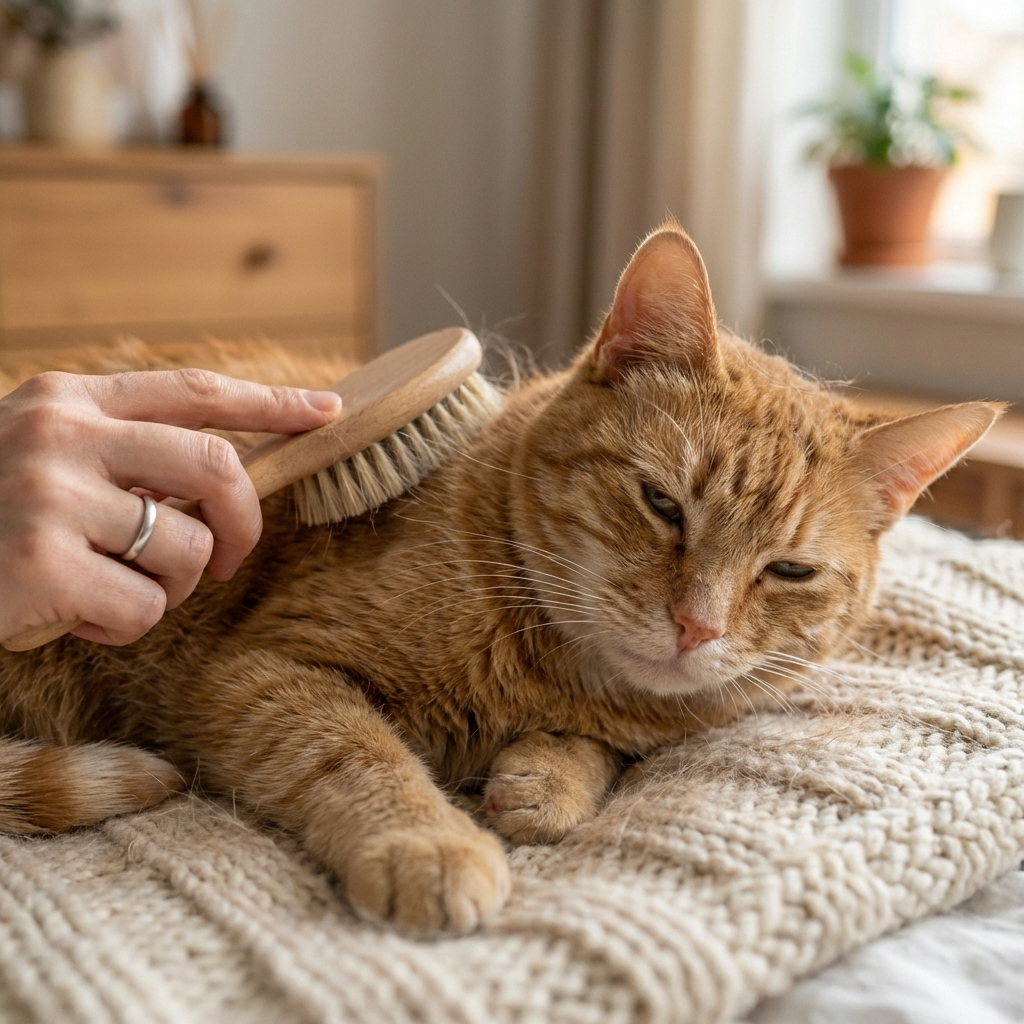
- Brush lightly if your cat enjoys it.
- Trim nails if they are catching on blankets (or ask your clinic for help).
Hospice supports to ask about
- Pain control plan (often a combination approach)
- Anti-nausea medication
- Appetite support when appropriate
- Subcutaneous fluids when appropriate (not right for every cat, especially some heart conditions)
- Litter box and mobility accommodations
- Oxygen support options for certain heart and lung cases

Final days: what you may see
Every cat is different, but families often notice a cluster of changes in the last days or hours. This section is meant to help you feel less blindsided and to know when to call.
- More sleeping and less interaction: your cat may seem withdrawn, or they may seek extra closeness. Both are common.
- Very low appetite and thirst: many cats eat and drink very little at the end. Call your vet for guidance, especially if this is sudden.
- Weakness and less steady walking: trouble getting to the litter box, climbing, or changing positions.
- Accidents: urine or stool accidents can happen as strength declines.
- Breathing changes: breathing may become faster, shallower, or irregular. Effort matters. Open-mouth breathing is an emergency.
- Cooler extremities: especially when paired with profound weakness.
If you think your cat is actively suffering, cannot rest, or is struggling to breathe, contact a veterinarian immediately. You do not have to manage this alone.
When to consider euthanasia
This is deeply personal, and it is okay to need help deciding. Many veterinarians use quality of life checklists to guide families. One common framework is the HHHHHMM scale: Hurt, Hunger, Hydration, Hygiene, Happiness, Mobility, and More good days than bad.
Here are practical questions you can ask yourself:
- Is my cat’s pain controlled?
- Is my cat eating enough to maintain strength?
- Is hydration reasonable, or is dehydration making them feel unwell?
- Can my cat stay clean and comfortable?
- Does my cat still enjoy anything: a sunny window, a favorite person, gentle brushing?
- Can my cat move enough to rest and use the litter box with dignity?
- Are there more bad days than good days this week?
- Is breathing comfortable? Breathing distress is a major quality of life issue.
If your cat is suffering and treatment is no longer improving comfort, euthanasia can be a gentle, loving decision. Many areas offer in-home euthanasia, which can be less stressful for some cats.
One of the kindest things you can do is prevent suffering before it becomes unbearable. If you are unsure, ask your veterinarian to walk you through what they are seeing medically and what comfort-focused options exist.
What to track and ask your vet
Going into a visit with notes helps you get clear answers and a plan you can act on.
Track at home
- How much your cat eats and drinks each day
- Litter box output: urine amount, stool consistency, straining
- Breathing: rate at rest and any effort
- Mobility: jumping, walking, falls
- Comfort: hiding, vocalizing, sleep, response to touch
Ask your vet
- What is the most likely cause of these changes?
- What tests would clarify prognosis, and what would they cost?
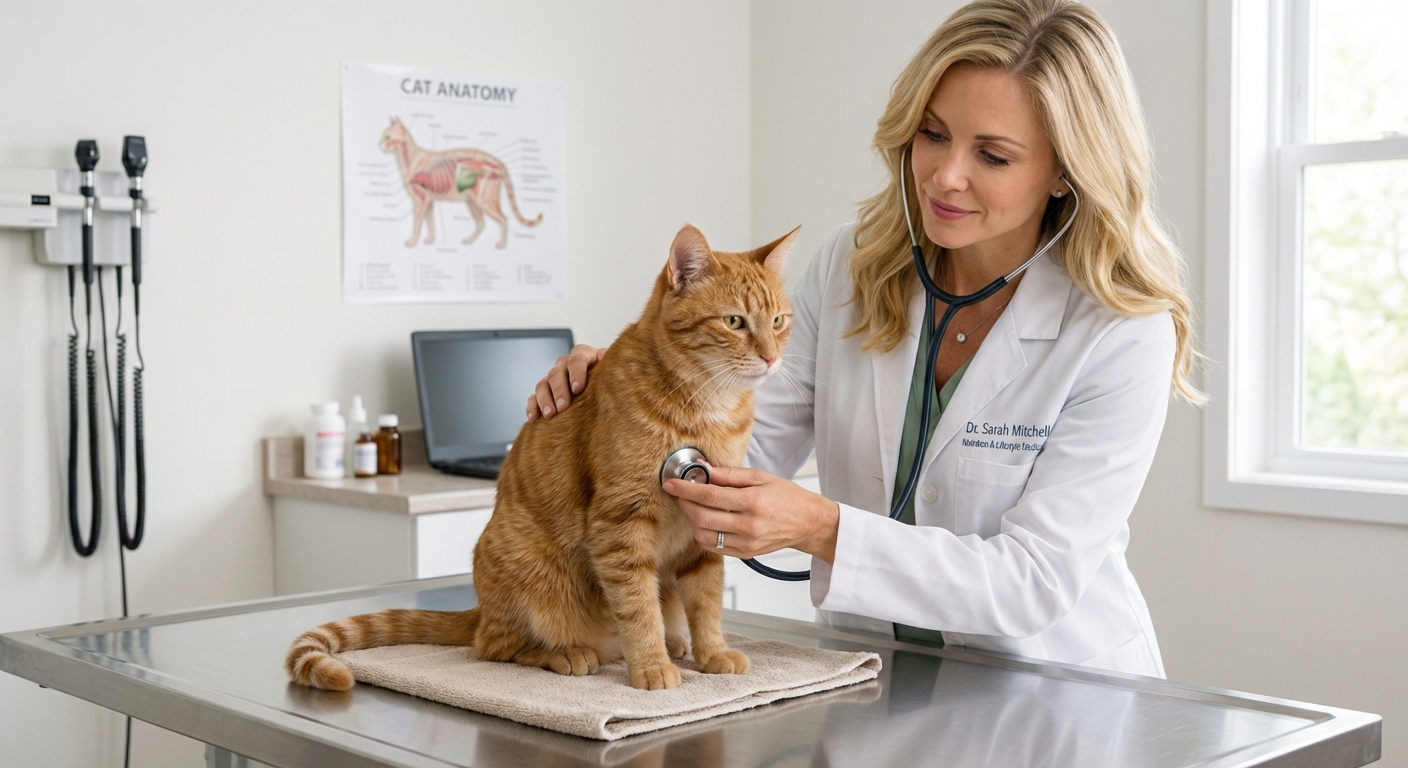
- What can we do today for comfort: pain control, nausea control, hydration?
- What should make me go to emergency?
- What is a realistic timeline, and what signs mean my cat is suffering?
- Are hospice options appropriate, and what would a home comfort plan look like?
Grief and support
If your cat is nearing the end, anticipatory grief is real. You may feel sadness, guilt, numbness, or even relief that suffering may soon end. Those feelings can coexist.
If you can, take a few simple steps now: choose a quiet space at home, ask your clinic about aftercare options (cremation, memorials), and lean on a trusted friend to help you make decisions when emotions run high.
You do not have to carry this alone. Your veterinarian team has walked with many families through this moment, and we genuinely want to help you and your cat.