Spot cat urinary blockage symptoms early—frequent squatting, straining, small clumps, blood, or no urine. Learn age-specific signs and when to go to the ER...
Article
•
Designer Mixes
Signs of Urinary Blockage in Cats

Shari Shidate
Designer Mixes contributor
Urinary blockage in cats is one of those health emergencies that can look small at first and then turn life-threatening fast. As a veterinary assistant, I have seen cats go from “just acting weird” to critically ill in a matter of hours. The good news is that when you know the proven signs and you act quickly, many cats recover well.
This article will help you recognize what a blockage looks like, what to do right now, and how to reduce the odds of it happening again.
What urinary blockage means
A urinary blockage happens when urine cannot leave the bladder through the urethra. The most common scenario is a male cat with an obstruction in the narrow urethra. The blockage might be caused by a mucus plug, crystals, small stones, swelling, or severe spasm and inflammation.
When urine cannot pass:
- The bladder becomes painfully overfilled.
- Toxins that should be eliminated build up in the bloodstream.
- Electrolytes, especially potassium, can rise to dangerous levels and affect the heart.
This is why urinary blockage is always an emergency.
Proven signs of urinary blockage in cats
Cats are masters at hiding pain, so look for patterns. One sign alone can be misleading, but several together should make you act immediately.
1) Straining in the litter box with little or no urine
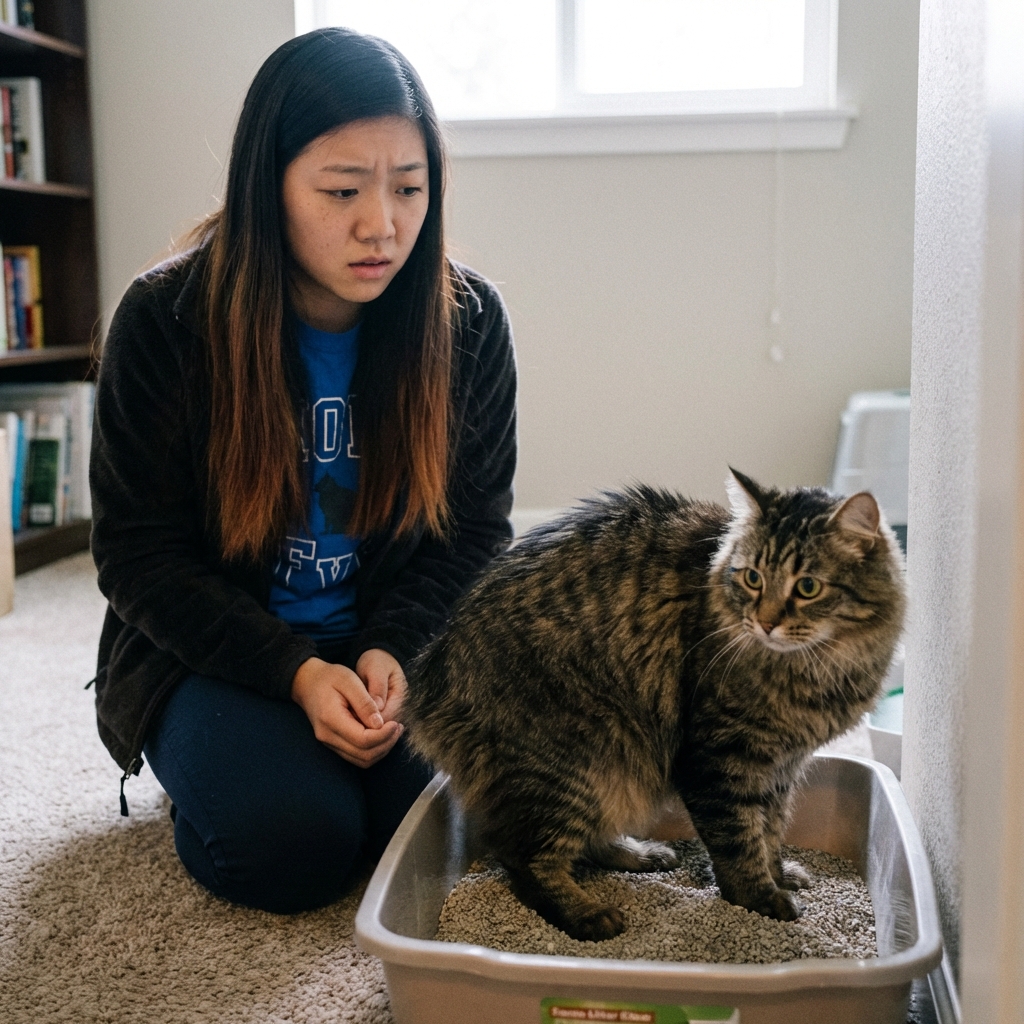
This is the hallmark sign. You may see your cat squat repeatedly, push hard, and produce only a few drops or nothing at all. Some cats cry out or look back at their belly.
2) Frequent litter box trips
Many cats with lower urinary tract disease go in and out of the box often. With a true blockage, the frequency is paired with no meaningful urine output.
3) Vocalizing, restlessness, or hiding
Bladder pressure is painful. Cats may yowl, pace, hide under furniture, or seem unable to get comfortable.
4) Licking the genital area
Excessive licking around the penis or vulva can be a pain signal. It is common with urinary tract inflammation and may be seen with both partial and complete obstruction.
5) Urinating outside the litter box
This is often mistaken for a behavior problem. In reality, many cats associate the litter box with pain and start trying other places.
6) Blood in urine
You may notice pink urine, small blood spots, or clumps in the litter. Blood can occur with inflammation, stones, or trauma from straining.
7) A firm, painful belly
If the bladder is very full, the lower abdomen can feel tight or distended. Many cats will resist being picked up or touched.
8) Vomiting, weakness, or collapse
These are late, serious signs that can occur as toxins and potassium build up. If you are seeing vomiting, profound lethargy, or your cat cannot stand, treat it as a critical emergency.
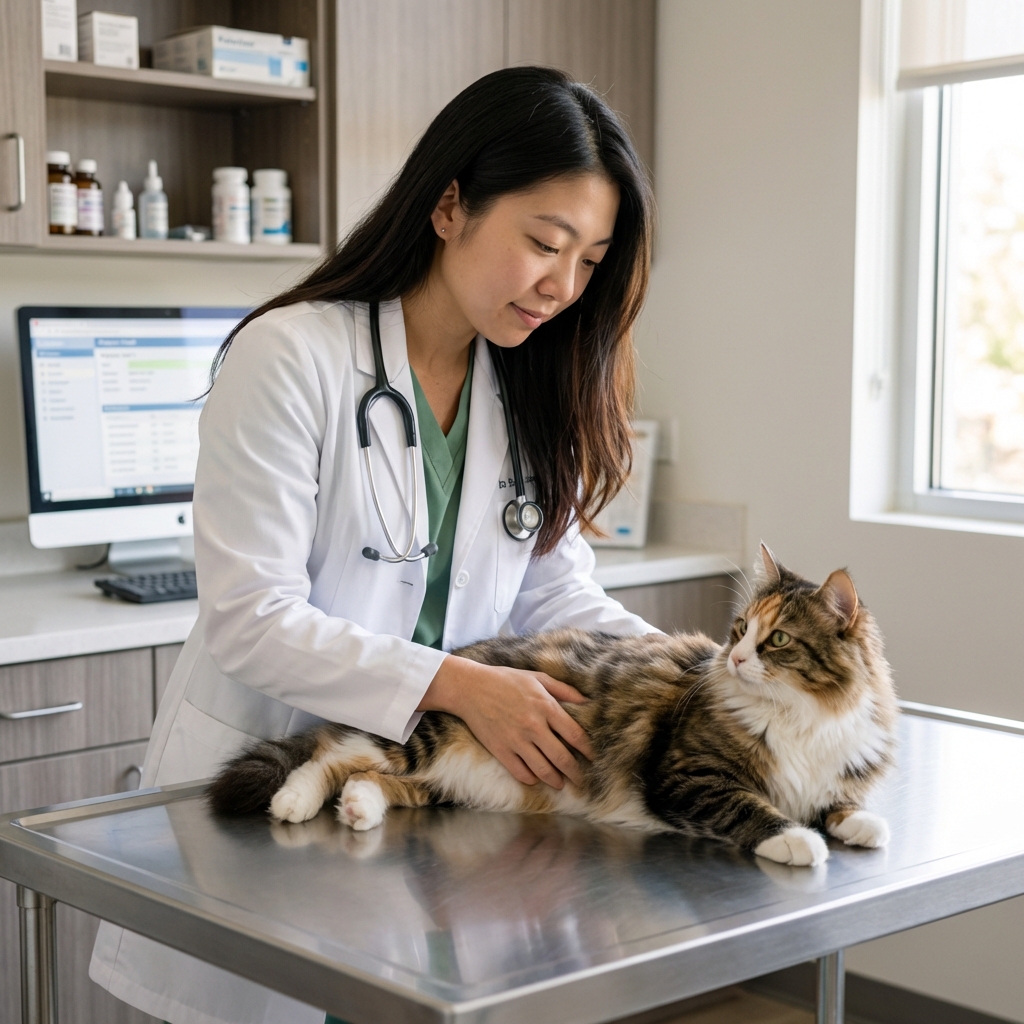
If your cat is straining to urinate and not producing urine, do not wait to “see how it goes.” A blocked cat needs veterinary care right away.
Blocked cat or UTI? Why it is easy to confuse
Many owners assume “it’s a UTI.” True bacterial urinary tract infections are actually less common in healthy adult cats than people think. Cats more often experience feline lower urinary tract disease (FLUTD), which includes inflammation, crystals, stones, and stress-related cystitis.
Here is the key: a cat with inflammation may still pass urine, even if it is painful and frequent. A blocked cat cannot pass urine or can only pass tiny drops.
If you are unsure, treat it like a blockage until a veterinarian confirms otherwise.
What to do right now
Do
- Call an emergency vet or your regular clinic immediately. Tell them you suspect a urinary blockage.
- Bring your cat in right away. Time matters.
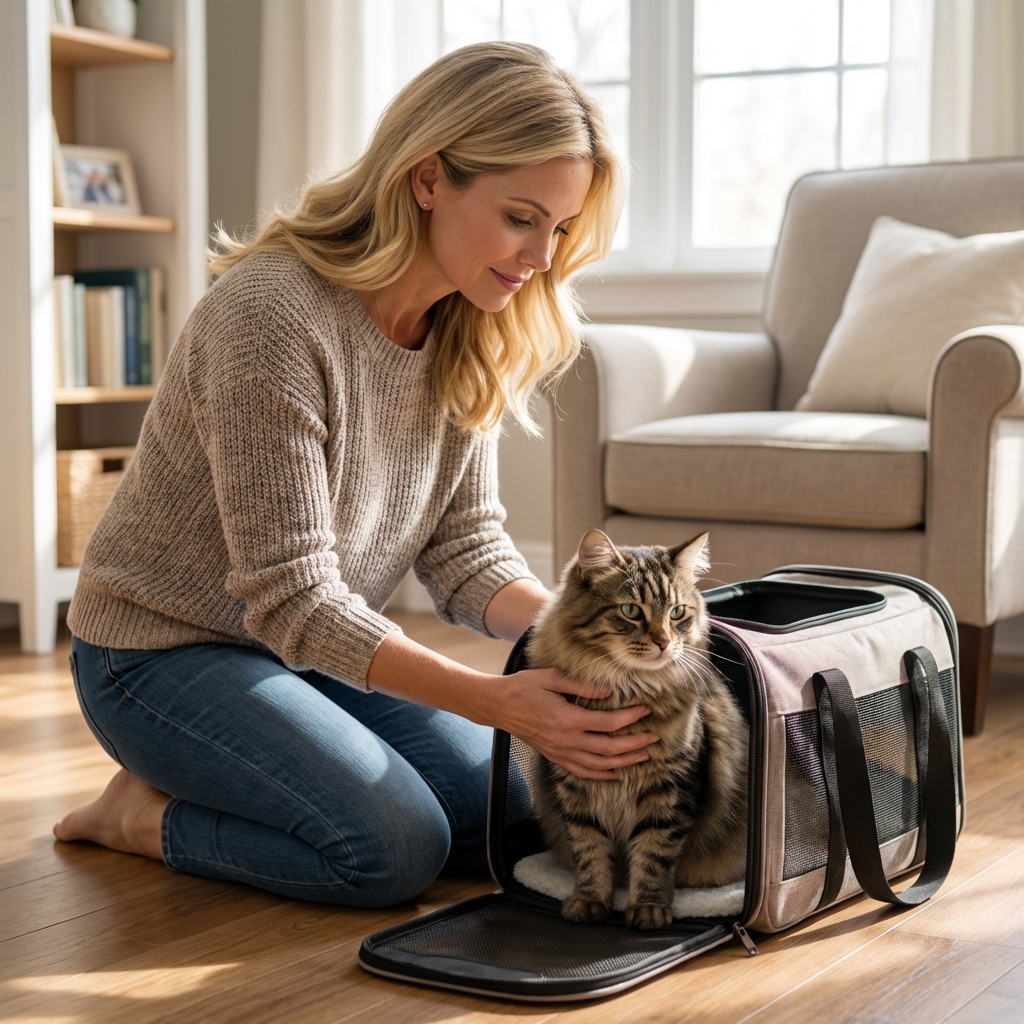
- Keep your cat warm and calm. Use a carrier and minimize handling.
- Note the last time you saw a normal pee. If possible, bring a photo of the litter box clumps.
Do not
- Do not try to “express” the bladder at home. This can rupture the bladder and is extremely dangerous.
- Do not give human pain medications. Many are toxic to cats.
- Do not force water with a syringe if your cat is nauseous or struggling. Aspiration is a risk.
- Do not wait overnight. A cat can deteriorate quickly.
What the vet will typically do
Every case is unique, but many blocked cats follow a similar care pathway:
- Physical exam and bladder palpation to assess distension and pain.
- Bloodwork to check kidney values, hydration, and electrolytes (especially potassium).
- Urinalysis and sometimes urine culture once urine is safely obtained.
- X-rays or ultrasound if stones are suspected.
- IV fluids, pain control, anti-nausea meds as needed.
- Urinary catheter placement to relieve the obstruction and flush debris.
- Hospitalization for monitoring because re-blocking can happen, especially early on.
In repeated or severe cases, your veterinarian may discuss surgery, including a perineal urethrostomy for some male cats, which creates a wider urinary opening to reduce future obstructions.
Solutions and prevention: how to lower the risk
Prevention is not about perfection. It is about stacking small changes that keep urine flowing, reduce inflammation, and support a calmer bladder.
Increase water intake (this is huge)
- Feed more wet food when possible. Moisture supports dilute urine and bladder flushing.
- Use water fountains. Many cats prefer moving water.
- Offer multiple water stations in quiet areas.
- Add water or low-sodium broth to wet food if your veterinarian approves.
Use the right diet for the underlying cause
If your cat forms crystals or has had urinary stones, your veterinarian may recommend a prescription urinary diet designed to control urine pH and mineral content. For some cats, nutrition changes are the difference between a one-time crisis and recurring emergencies.
Important: Do not switch diets abruptly right after a blockage without guidance. Your vet will help you choose the safest plan and transition schedule.
Reduce stress, because the bladder feels it
Stress-related cystitis is real. Household changes, conflicts with other pets, boredom, or noisy environments can contribute to flare-ups.
- Keep a predictable routine for feeding and play.
- Provide hiding spots and vertical space.
- Use pheromone diffusers if recommended.
- Schedule daily interactive play to reduce anxiety and support healthy weight.
Litter box setup that supports good habits
- Use the “one box per cat, plus one extra” rule when possible.
- Scoop daily. Cats may avoid dirty boxes.
- Try unscented litter and a box with easy entry for older cats.
Watch for early warning signs
If your cat has a history of FLUTD or blockage, catch changes early:
- Smaller clumps than normal
- More frequent trips
- New accidents outside the box
- Genital licking
- Hiding or irritability
When you notice these signs, call your vet before it becomes an emergency.
Who is most at risk?
Any cat can develop urinary trouble, but these groups deserve extra attention:
- Male cats, especially neutered males, due to narrower urethras
- Overweight or sedentary cats
- Cats eating only dry food, especially if they drink little water
- Indoor-only cats with low enrichment or high stress
- Cats with previous FLUTD episodes
When it is an emergency
Go to an emergency veterinary clinic now if your cat:
- Strains to urinate and produces no urine
- Is lethargic, vomiting, or weak
- Has a swollen or painful abdomen
- Cries out in the litter box or cannot get comfortable
If you are on the fence, please err on the side of caution. A quick exam can save your cat’s life.
Hopeful outlook
I know this topic is scary, especially if you are reading because something feels off right now. Please hear this clearly: blocked cats can and do recover, and many go on to live happy, comfortable lives. The best gift you can give your cat is fast action and a prevention plan once they are stable.
If you are worried, call your veterinarian or an emergency clinic and describe exactly what you are seeing in the litter box. You are not overreacting. You are protecting your cat.