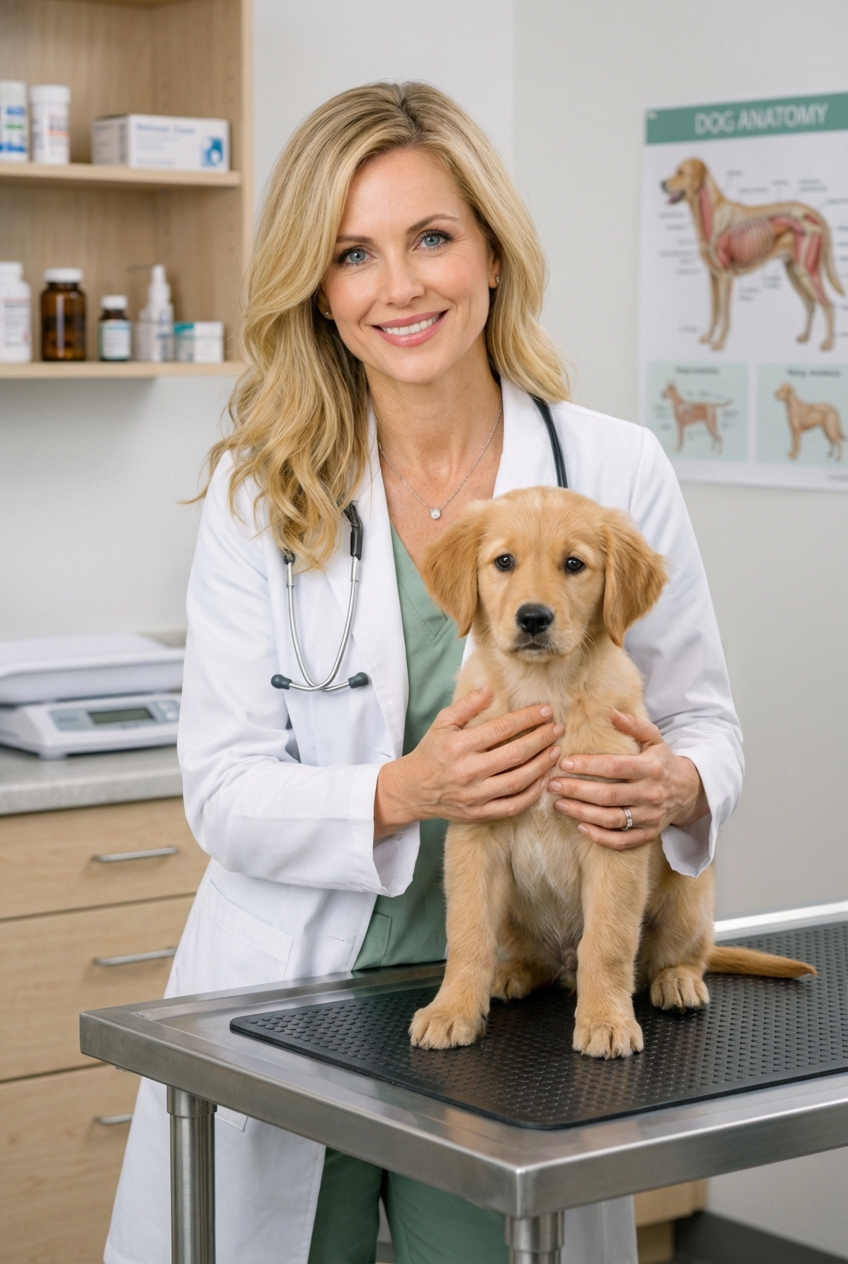
Recognize parvo in puppies fast: early symptoms, emergency red flags, when to suspect it, what to do immediately, how vets test and treat, plus home care, cl...
Article
•
Designer Mixes
Signs of Parvo in Dogs

Shari Shidate
Designer Mixes contributor
Parvovirus, often called parvo, is one of the scariest infections we see in dogs because it can move fast and hit hard. The good news is that when you know the signs and you act quickly, many dogs can recover with prompt veterinary care.
As a veterinary assistant, I want you to walk away with two things: a clear understanding of what parvo looks like in real life, and a simple plan for what to do next if you are worried.
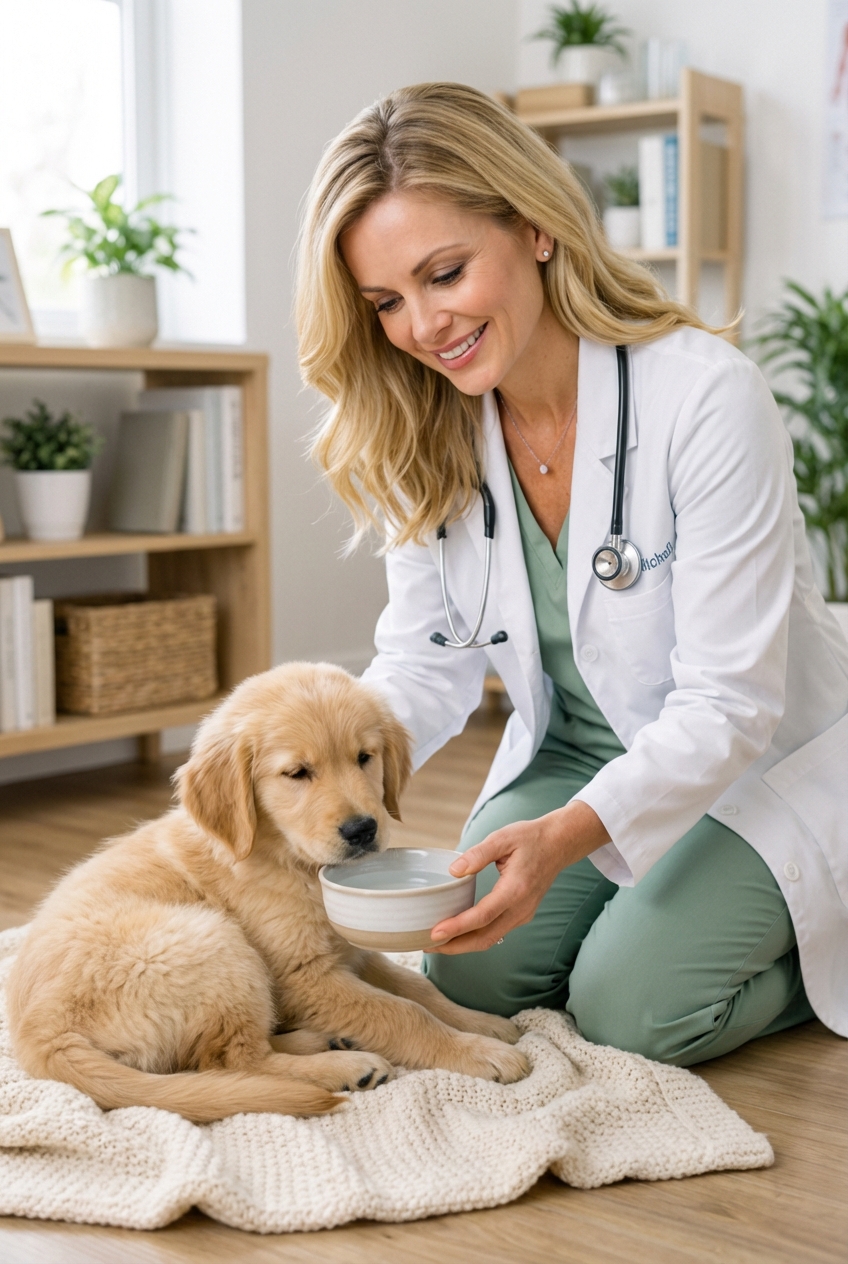
What parvo is and why it’s serious
Canine parvovirus is a highly contagious virus that most commonly causes severe gastrointestinal disease. It attacks rapidly dividing cells, especially in the intestinal lining and bone marrow. That combination can lead to:
- Severe vomiting and diarrhea, causing dangerous dehydration
- Damage to the gut lining, allowing bacteria to enter the bloodstream
- Low white blood cell counts, weakening the immune system
Puppies and unvaccinated dogs are at highest risk, but any unprotected dog can get sick.
Incubation period
After exposure, signs typically show up in about 3 to 7 days (sometimes sooner or later). This is one reason parvo can feel like it “came out of nowhere,” especially if a puppy was recently at a shelter, breeder, pet store, or around many dogs.
How dogs catch parvo
Parvo spreads through contact with infected feces and contaminated environments. Dogs can pick it up on paws, fur, shoes, leashes, floors, grass, and even shared bowls. The virus is tough and can survive in the environment for a long time, often months under the right conditions.
If you have a young puppy, think of parvo risk the way you would think of toddler hygiene in flu season: prevention and smart exposure choices matter.
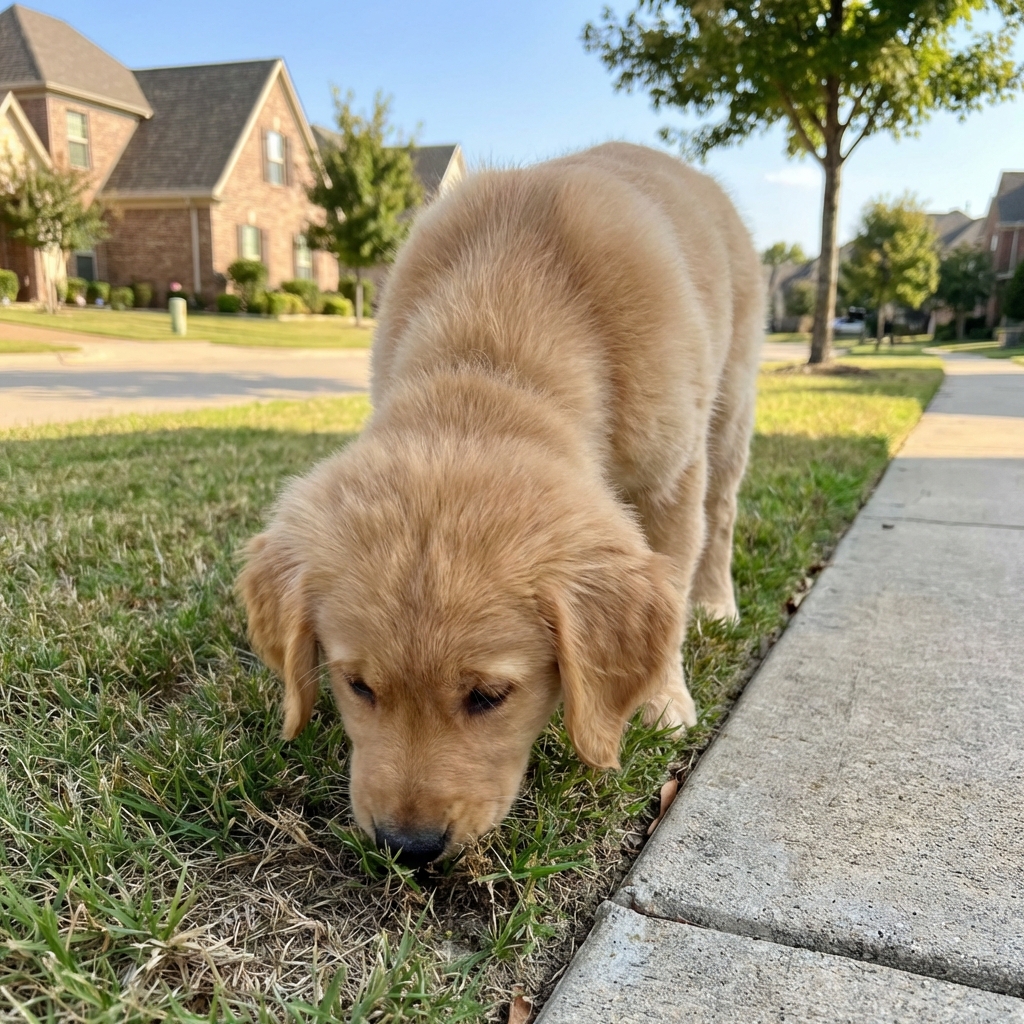
Early signs (first red flags)
Early parvo can look like “just an upset stomach” at first, which is why it gets missed. Watch closely for a cluster of symptoms and a dog who is worsening, not improving.
Common early signs
- Sudden lethargy (your dog seems unusually tired, withdrawn, or weak)
- Decreased appetite or refusing food entirely
- Nausea (lip smacking, drooling, swallowing repeatedly)
- Fever or sometimes a low body temperature later in illness
- Soft stool that can quickly progress to diarrhea
If your puppy is not acting like themselves and also is not eating, that is your cue to take it seriously, especially if vaccines are incomplete.
Classic symptoms
As the disease progresses, signs are often unmistakable. In many cases, symptoms can become severe within 24 to 48 hours, but timing varies from dog to dog.
Most common classic signs
- Repeated vomiting (often frequent and hard to control)
- Profuse diarrhea that may be watery
- Bloody diarrhea (bright red blood or dark, tarry stool)
- Strong, foul odor to the stool (many owners notice this right away)
- Rapid dehydration (dry gums, tacky saliva, sunken eyes, skin “tents”)
- Abdominal pain (tense belly, hunched posture, crying when picked up)
Important: Not every dog has obvious blood in the stool at first. A very sick puppy with vomiting and diarrhea should be treated as urgent even if you do not see blood yet.
Behavior changes at home
Parvo does not just cause GI symptoms. Many owners tell us, “Something is off.” That instinct is worth listening to.
- Hiding or avoiding family members
- Not wanting to play, even with favorite toys
- Weakness when standing or walking
- Shivering or looking uncomfortable
- Drinking less or vomiting after drinking
If your dog cannot keep water down, dehydration can become life-threatening quickly.
Puppies vs. adult dogs
Puppies
Puppies often decline faster. They have smaller fluid reserves, and many are not fully vaccinated yet. Any vomiting plus diarrhea in a young puppy should be treated as an emergency, or at minimum a same-day urgent evaluation.
Adult dogs
Healthy vaccinated adult dogs are much less likely to get parvo, but unvaccinated or under-vaccinated adults can still become seriously ill. Some adults show milder signs at first, which can delay care.
Parvo vs. stomach upset
You cannot diagnose parvo at home with certainty, but you can watch for patterns that make parvo more likely.
Parvo is more likely when
- Your dog is a puppy or has unknown vaccine history
- There is vomiting and diarrhea together, especially if severe
- Symptoms are worsening quickly
- Your dog seems depressed, weak, or painful
- There is blood in stool or vomit
- There has been exposure to dog-heavy areas like parks, pet stores, shelters, or daycare
Plenty of other illnesses can cause similar signs, including parasites, dietary indiscretion, pancreatitis, foreign body obstruction, and other viral or bacterial infections. That is exactly why a vet visit is so important.
When it’s an emergency
Please seek immediate veterinary care if you notice any of the following:
- Repeated vomiting or vomiting plus diarrhea
- Blood in the stool (even a small amount)
- Signs of dehydration (dry gums, weakness, sunken eyes)
- Collapse, severe weakness, or pale gums
- A puppy who is not eating and is lethargic
Parvo is not a “wait and see” situation. Early treatment can reduce complications and improve survival.
What the vet will do
Most clinics start with a combination of history, exam findings, and a quick stool test. You may hear about:
- Fecal antigen test (a common in-clinic parvo test)
- Bloodwork to check white blood cell count, electrolytes, and organ function
- Additional testing if needed to rule out parasites or other causes
No test is perfect at every stage of illness. If a test is negative but your dog looks like parvo and has risk factors, your vet may still recommend treatment or repeat testing.
One more real-world note: in some cases, a recent parvo vaccine can complicate interpretation of certain stool tests. Your clinic will factor vaccine timing into the full picture.
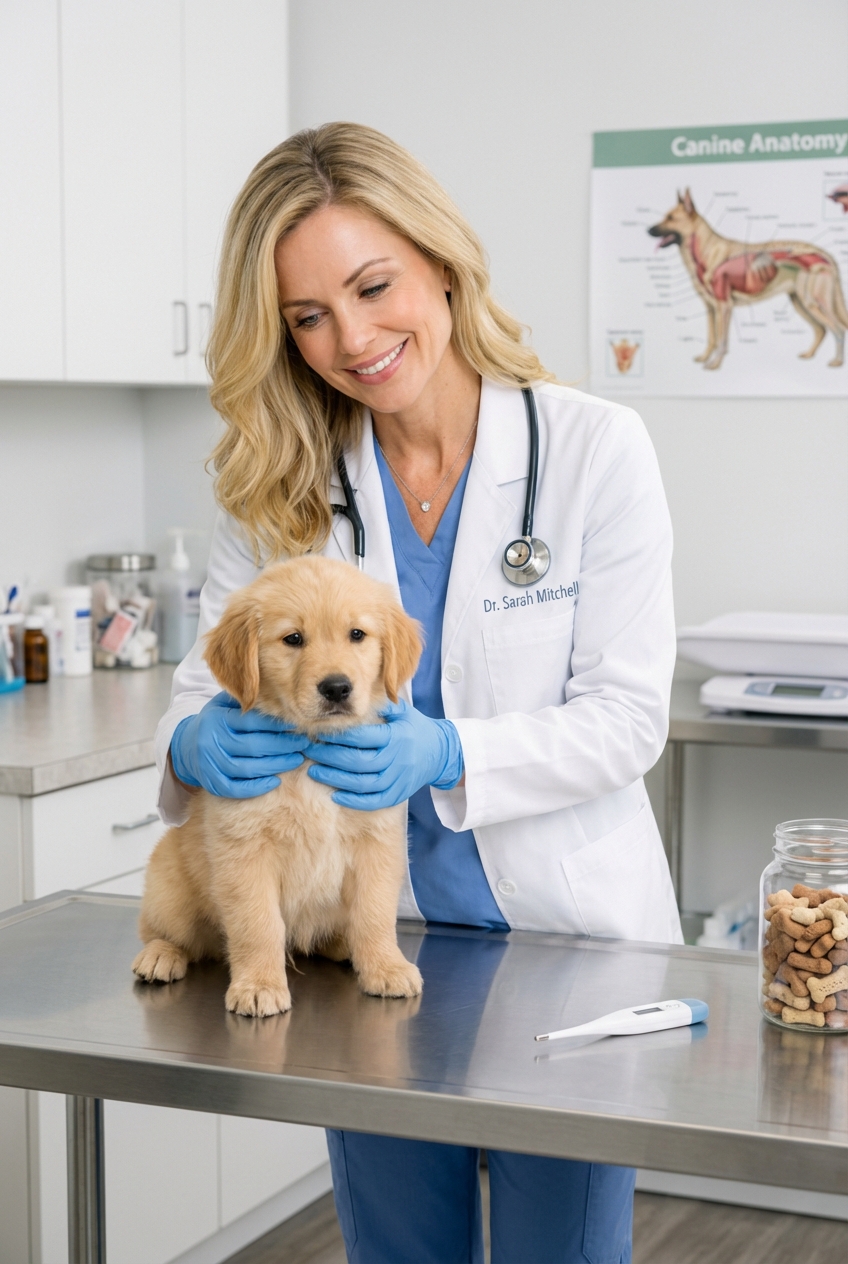
What treatment involves
There is no medication that instantly “kills” parvo. Treatment is supportive care while the body fights the virus and the intestines heal.
Common components of treatment
- IV fluids to correct dehydration and electrolyte imbalances
- Anti-nausea medications to control vomiting
- Pain control when abdominal pain is present
- Antibiotics to reduce the risk of secondary bacterial infection due to gut damage
- Nutritional support once vomiting is controlled
Some dogs can be treated as outpatients depending on severity and the clinic’s protocols, but many require hospitalization. Your veterinarian will recommend the safest option for your dog’s condition.
Prognosis varies based on how early treatment starts, how sick the dog is at presentation, and underlying risk factors. The earlier you get care, the better your odds.
What to do before the vet visit
If you are on your way to the clinic or waiting for guidance, here are safe, practical steps:
- Isolate your dog from other dogs immediately.
- Call ahead (your veterinarian or ER) and tell them you suspect parvo, so they can guide you and protect other patients. Many clinics will have you wait in the car and bring your dog in a specific way.
- Do not force food or water if your dog is actively vomiting. For some dogs, repeated drinking can trigger more vomiting.
- Bring vaccine records if you have them.
- Bring a fresh stool sample in a sealed bag if possible.
Avoid giving over-the-counter human medications. Some can be dangerous for dogs, and they can also mask symptoms your vet needs to evaluate.
What not to do
- Do not bring a vomiting or diarrheic puppy straight into a crowded lobby without calling first.
- Do not take your dog to dog parks, pet stores, daycare, or group training while sick or while you are “waiting to see.”
- Do not give leftover antibiotics, dewormers, or anti-diarrheal meds unless your veterinarian specifically instructed you to.
- Do not attempt aggressive “rehydration” at home if your dog cannot keep water down or is weak. That is when IV fluids and monitoring matter.
Protect other dogs at home
If one dog is suspected or confirmed to have parvo, protect the others aggressively.
Isolation
- Keep the sick dog in a separate area with separate bowls and bedding.
- Do not allow nose-to-nose contact.
- Use dedicated shoes or shoe covers when entering the isolation area.
Cleaning and disinfection
Parvo is resistant to many household cleaners. Your veterinarian can recommend appropriate disinfectants and dilution ratios for your setting.
If you want a practical starting point to discuss with your clinic: diluted bleach is commonly used on hard, non-porous surfaces when it is safe for the material, with enough contact time to work (follow product and veterinary directions carefully). Many veterinary facilities and shelters also use parvo-effective disinfectants designed for this virus. Porous items (like carpet, untreated wood, some fabrics, and soil) are harder to disinfect reliably.
Always follow label directions, ensure good ventilation, and keep pets away until the area is fully dry and safe.
Prevention
Vaccination is the most effective prevention tool we have. Puppies need a series of vaccines, and timing matters because maternal antibodies can interfere early on. Your vet will set a schedule based on your puppy’s age and risk level.
Smart exposure while vaccines are in progress
- Skip dog parks and high-traffic pet areas until your vet says it is safe.
- Choose controlled socialization with healthy, vaccinated dogs.
- Keep your yard clean and pick up stool promptly.
You do not have to keep a puppy in a bubble, but you do want to be intentional about where their paws go.
Common questions
Can a dog have parvo without diarrhea?
Most dogs develop diarrhea, but very early cases may start with lethargy and vomiting before diarrhea becomes obvious. If your puppy is vomiting and extremely tired, do not wait for diarrhea to appear.
Does parvo always cause bloody stool?
No. Blood can show up later, and some dogs never have dramatic visible blood even when they are very sick.
How fast does parvo progress?
It can progress quickly, especially in puppies, but there is variability. That is why early evaluation and treatment are so important.
The bottom line
Parvo is a true veterinary emergency because dehydration, electrolyte shifts, and infection risk can escalate fast. If your dog has vomiting plus diarrhea, seems unusually tired, or you see bloody stool, trust your gut and call a veterinarian right away.
And if you are in the middle of puppyhood right now, please know this: building protection is absolutely doable. With vaccines, smart socialization choices, and quick action when something feels wrong, you are giving your dog a safer, healthier start.
Publication note: The images in this draft are placeholders with empty source fields. For publication, please add valid image sources or remove the image tags to avoid broken media.