Chicken and rice can soothe mild stomach upset and help dogs transition back to normal food. Learn safe recipes, portions, how long to feed it, and when to c...
Article
•
Designer Mixes
Signs of Pain in Dogs

Shari Shidate
Designer Mixes contributor
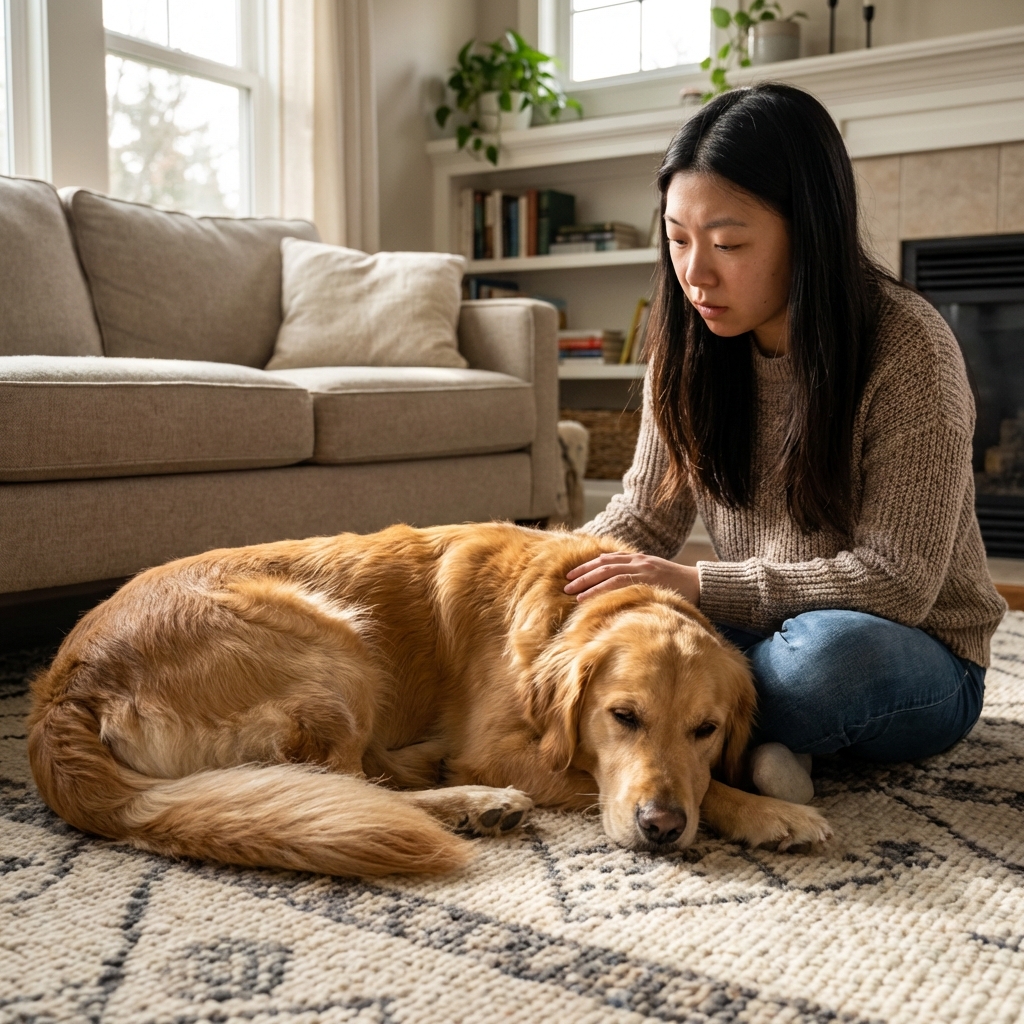
Many dogs are incredibly good at hiding pain. In the clinic, I have seen sweet, tail-wagging pups who were quietly dealing with dental pain, arthritis, or gastrointestinal upset. The tricky part is that pain does not always look like crying or limping. More often, it shows up as small behavior shifts that are easy to brush off as “getting older” or “being stubborn.”
This overview will help you spot the subtle and not-so-subtle signs of pain in dogs, understand what may be causing it, and know what to do next.
What pain can look like
Pain is usually grouped into a few broad categories. Knowing the category helps you describe what you are seeing to your veterinarian.
Acute pain
This comes on suddenly, often from injury, surgery, pancreatitis, a bite wound, or a foreign body (something swallowed). Acute pain tends to cause more obvious changes like yelping, sudden limping, or refusing to move.
Chronic pain
This builds slowly over time, like arthritis, dental disease, allergies with skin infections, or chronic ear problems. Chronic pain often shows up as mood changes, less interest in play, or stiffness that is worst after rest.
Visceral pain
This is pain from internal organs, such as gastrointestinal upset, urinary issues, or reproductive disease. Dogs may not limp, but they might pant, pace, stretch repeatedly, or seem unable to get comfortable.
Neuropathic pain
This can be related to nerve injury or spinal disease. Signs can include unusual sensitivity to touch, sudden yelps when picked up, weakness, knuckling, or a wobbly gait.
Subtle signs people miss
These are the little “tells” that make me pause as a veterinary assistant because they often mean a dog is compensating.
- Slowing down on walks or stopping more often.
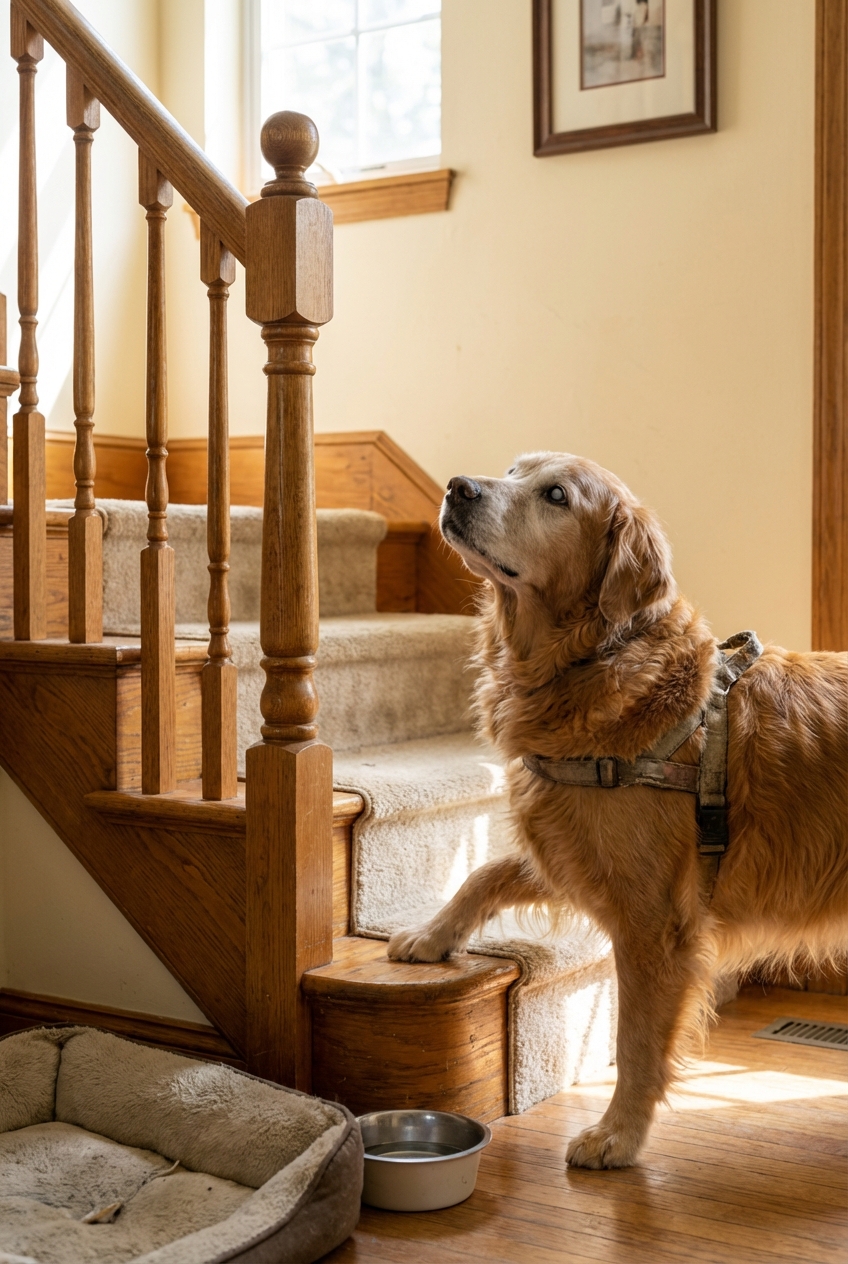
- Hesitating at stairs, jumping into the car, or getting onto furniture.
- Restlessness at night, switching positions frequently, or sleeping in odd places.
- Less enthusiasm for play, greeting you, or going outside.
- Changes in grooming, like licking one paw repeatedly or not wanting to be brushed.
- “Grumpy” behavior such as moving away, hiding, or seeming less patient.
- Appetite changes, especially chewing more slowly or dropping kibble (think dental pain).
- Head shyness or not wanting their collar touched.
- New accidents in the house, which can happen with urinary pain or mobility trouble.
If your dog is not acting like themselves and it is lasting beyond 24 hours, worsening, or paired with any urgent signs below, trust that instinct and contact your vet. You know their normal best.
More obvious signs
These signs are easier to recognize, but they are not always present.
- Limping, toe-touching, or holding a leg up.
- Stiffness when rising, especially after naps.
- Hunched posture or a tucked abdomen.
- Reluctance to move or refusing to lie down or get up.
- Panting when it is not hot and your dog is not excited.
- Trembling or shaking.
- Whining, growling, or yelping when touched or when moving.
- Guarding a body area.
- Swelling, heat, or visible wounds.
One important note: some dogs in significant pain can still eat treats and wag their tail. A wag is not a medical clearance.
Also keep in mind that panting and lethargy are not pain-specific. Heat, fever, anxiety, and breathing issues can look similar. If your dog seems overheated, has trouble breathing, or is collapsing, treat it as urgent.
Pain by body area
Mouth and teeth
- Bad breath, drooling, pawing at the mouth
- Chewing on one side
- Preferring soft food, eating slower, or avoiding hard treats
- Reluctance to let you look at their mouth
Ears
- Head shaking, scratching, rubbing the ear on carpet
- Odor, redness, discharge
- Pain when the ear flap is touched
Eyes (often urgent)
- Squinting, excessive tearing, or holding the eye closed
- Pawing at the eye or rubbing the face on carpet
- Sudden redness, cloudiness, or visible swelling
- Unequal pupils or a sudden change in vision (bumping into things)
Tip: Eye issues can go downhill quickly. If you see these signs, call your vet the same day.
Joints and muscles
- Stiffness, limping, bunny-hopping gait
- Difficulty squatting to potty
- Muscle loss in the back legs over time
- Slipping on floors that never bothered them before
Back or neck
- Yelping when picked up
- Reluctance to turn head, lowered head carriage
- Tense back, trembling, tucked tail
- Weakness, dragging toes, knuckling
Belly or internal organs
- Pacing, restlessness, repeated stretching
- “Prayer position” with front legs down and rear up
- Vomiting, diarrhea, loss of appetite
- Swollen abdomen or obvious discomfort
Urinary tract
- Frequent attempts to urinate, producing only small amounts
- Accidents, licking the genital area
- Blood in urine
Urgent: If your dog is straining to urinate and nothing is coming out, treat it like an emergency.
Quick pain check at home
You do not need to poke and prod. A calm observation often tells you more.
Step 1: Watch movement
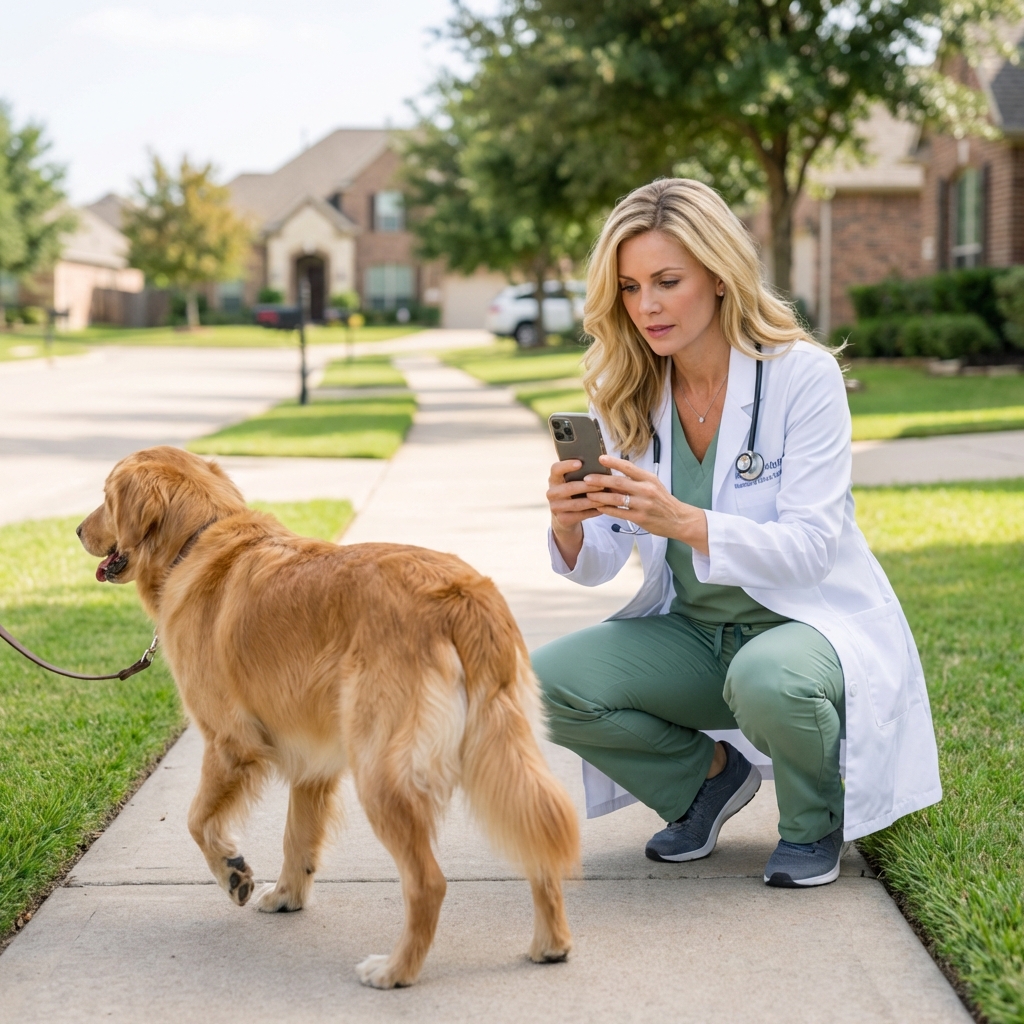
- Have your dog walk away from you and back on a flat surface.
- Notice limping, head bobbing, toe-dragging, or a “bunny hop.”
Step 2: Look at posture
- Are they standing with weight shifted off one leg?
- Are they repeatedly changing positions when resting?
Step 3: Gentle touch only
- Pet slowly and stop if they flinch, turn to look, move away, or tense.
- Do not force range-of-motion tests at home.
Step 4: Track the pattern
Write down what you see: when it started, what makes it worse or better, appetite, bathroom habits, and energy level. A short video of the gait at home is one of the most helpful things you can bring to an appointment.
When to call the vet today
Some pain signs can signal a serious problem where time matters.
- Sudden inability to stand, walk, or use a limb
- Labored breathing, pale gums, collapse
- Bloated abdomen, repeated unproductive retching, or extreme restlessness (possible bloat)
- Straining to urinate with little or no urine produced
- Severe vomiting or diarrhea, especially with weakness or blood
- Uncontrolled bleeding, deep wounds, or suspected broken bone
- Yelping with a painful, tense back or sudden paralysis
- Eye pain signs like squinting, sudden redness, cloudiness, or pawing at the eye
- Any pain in a very young puppy or a senior dog with other health issues
If you are unsure, call. Veterinary teams would rather answer “it is okay to monitor” than have you wait through something dangerous.
Safe care while you wait
There are simple steps that can make your dog more comfortable without masking important symptoms.
Limit activity
Leash walks for potty only, no running, jumping, or stairs if possible. Use rugs or yoga mats for traction on slippery floors.
Make a cozy space
A supportive bed, easy access to water, and a quiet room can help.
Warmth vs cold
For chronic stiffness, gentle warmth can be soothing. For a fresh injury with swelling, cold packs are often used early on. If you are not sure which is appropriate for your dog, or if the area is very painful, call your vet before applying heat or cold. Avoid heat over a hot, swollen area or an open wound.
Use supportive tools
- A harness instead of a neck collar for dogs with neck pain or coughing.
- A sling (or towel under the belly) to help a weak dog outside.
- Baby gates to block stairs.
Do not give human pain medications
This is worth repeating because it is such a common emergency. Ibuprofen, naproxen, aspirin, and many other human meds can be toxic to dogs. Even acetaminophen can be dangerous at the wrong dose or for certain conditions. Only use medication your veterinarian has prescribed for your dog.
Treatment options to discuss
Pain management is not one-size-fits-all. The goal is comfort plus function, with the safest plan for your dog’s age and health history.
Medical options
- Dog-specific anti-inflammatory medications when appropriate
- Pain-modulating medications for nerve pain
- Antibiotics or ear medications if infection is driving pain
- Dental treatment for oral pain
- Weight management for joint relief
Rehab and home supports
- Physical therapy and therapeutic exercise
- Laser therapy, acupuncture, or hydrotherapy, when available
- Orthopedic beds, ramps, non-slip flooring
Nutrition and supplements (ask first)
Evidence is strongest for a few joint-support options, but quality varies widely. Common vet-recommended options include omega-3s (EPA and DHA), prescription joint diets, and injectable joint protectants in some cases. Supplements like glucosamine and chondroitin have mixed evidence, and they are not right for every dog. Your veterinarian can help you choose brands and dosing that fit your dog, especially if they have liver, kidney, or bleeding concerns.
Helping your dog feel safe
Pain can make dogs anxious or reactive, even if they have always been gentle. Give them space and predictable routines.
- Let them choose when to be touched.
- Keep kids and other pets from climbing on them.
- Use a calm voice and slow movements.
- Reward cooperation with soft treats if chewing is comfortable.
My favorite mindset: your dog is not “being difficult.” They are communicating the only way they can.
What to tell your vet
- When the change started and whether it was sudden or gradual
- Any recent falls, jumps, rough play, or new exercise
- Where you suspect the pain is (mouth, ear, eye, leg, belly, back)
- Appetite, water intake, vomiting or diarrhea
- Bathroom changes (frequency, straining, accidents, blood)
- Current medications and supplements
- Videos of walking, sitting, and getting up
Good notes lead to faster answers, and faster answers lead to relief.
The bottom line
Dogs do not always limp or cry when something hurts. Often, the earliest signs are quieter: a change in sleep, a hesitation at the stairs, a shift in mood, or a dog who suddenly seems “not themselves.” If you notice patterns, capture a quick video and call your veterinarian. Pain is not just uncomfortable. Untreated pain can slow healing and reduce quality of life.
You are doing the right thing by paying attention. Small clues add up, and you do not have to solve it alone.