A practical guide to homemade cat food during cancer treatment: high-protein meal frameworks, calorie and hydration strategies, omega-3 guidance, foods to av...
Article
•
Designer Mixes
Signs of Lymphoma in Cats

Shari Shidate
Designer Mixes contributor
Why early signs matter
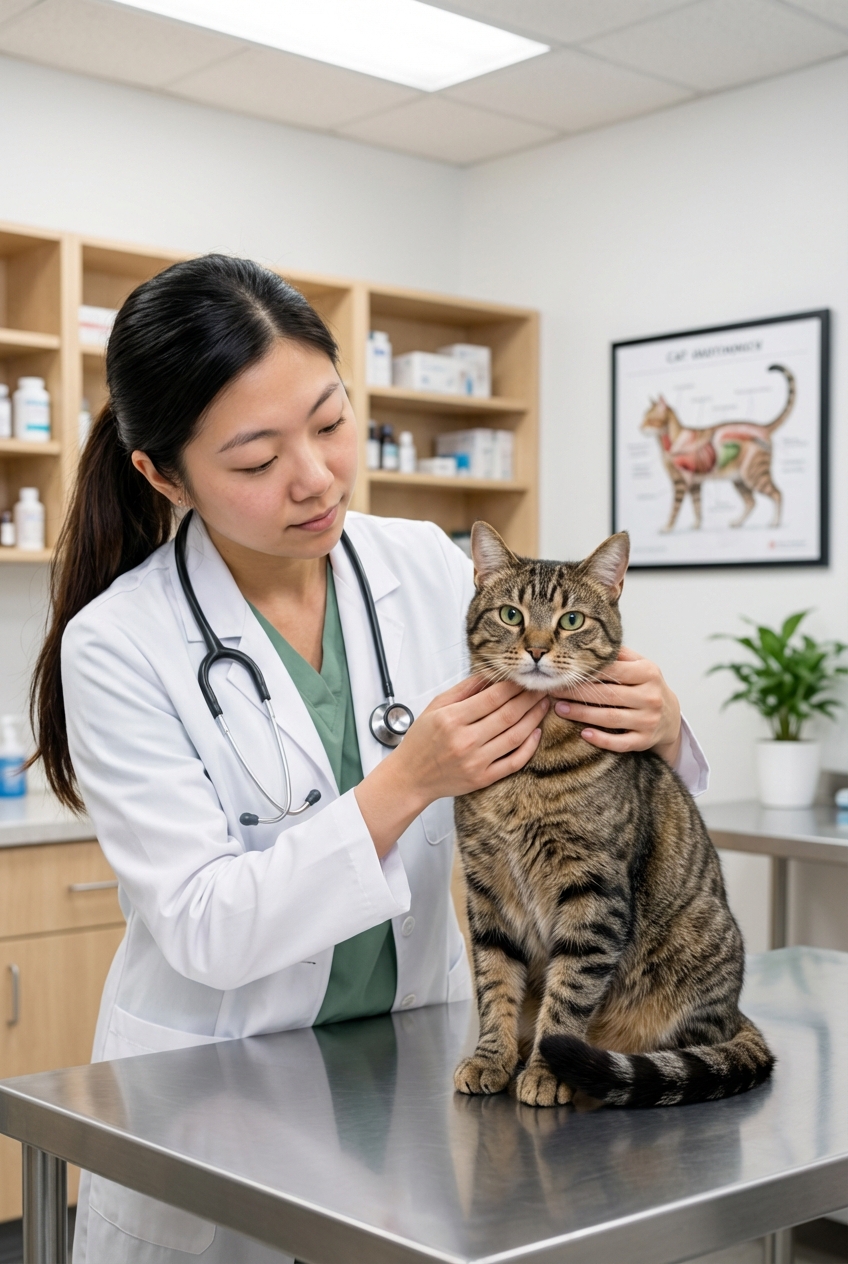
As a veterinary assistant, I have seen how quietly lymphoma can start in cats. Lymphoma is a cancer of lymphocytes, a type of white blood cell. Because lymphocytes live throughout the body, lymphoma can show up in the lymph nodes, digestive tract, chest, kidneys, skin, or even the nose. The tricky part is that early symptoms can look like common issues such as a mild stomach bug, dental discomfort, or “just getting older.”
The goal of this guide is simple: help you recognize the essential signs, know what to track at home, and understand when to call your veterinarian. Early evaluation often means more options and better comfort for your cat.
The essential signs to watch for
Lymphoma does not look the same in every cat. Many cats have a few vague signs at first, then symptoms become more persistent over time. If something is “not quite right” for more than a couple of days, trust your instincts and start tracking details. Keep in mind that many of these signs can also be caused by other common conditions (like IBD, hyperthyroidism, kidney disease, or infections), so the goal is not to diagnose at home. It is to notice patterns early and get the right help.
1) Weight loss and decreased appetite
Unexplained weight loss is one of the most common red flags. Some cats still seem interested in food but eat less, walk away earlier, or become picky. Others stop eating enough to maintain weight.
- Noticeable ribs or hip bones, loss of muscle along the spine
- Eating less than normal for more than 48 to 72 hours
- Begging at the bowl but taking only a few bites
2) Vomiting, diarrhea, or chronic GI upset
Gastrointestinal lymphoma is one of the most common forms. It can mimic inflammatory bowel disease and food sensitivity, so patterns matter. A one-off hairball is not the same as recurrent vomiting, appetite changes, and weight loss together.
- Recurrent vomiting (for example, more than once a week), especially if it continues for more than a few days
- Diarrhea that persists, comes and goes, or looks like soft “pudding” stool
- Straining, mucus in stool, or blood in stool
3) Lethargy and lower activity
Many cats become less playful, sleep more, and stop greeting family members. This can be subtle, especially in older cats, so compare to your cat’s normal routine.
- Less climbing, jumping, or play
- Hiding more than usual
- Reduced grooming or a coat that looks dull or unkempt
4) Enlarged lymph nodes (lumps)
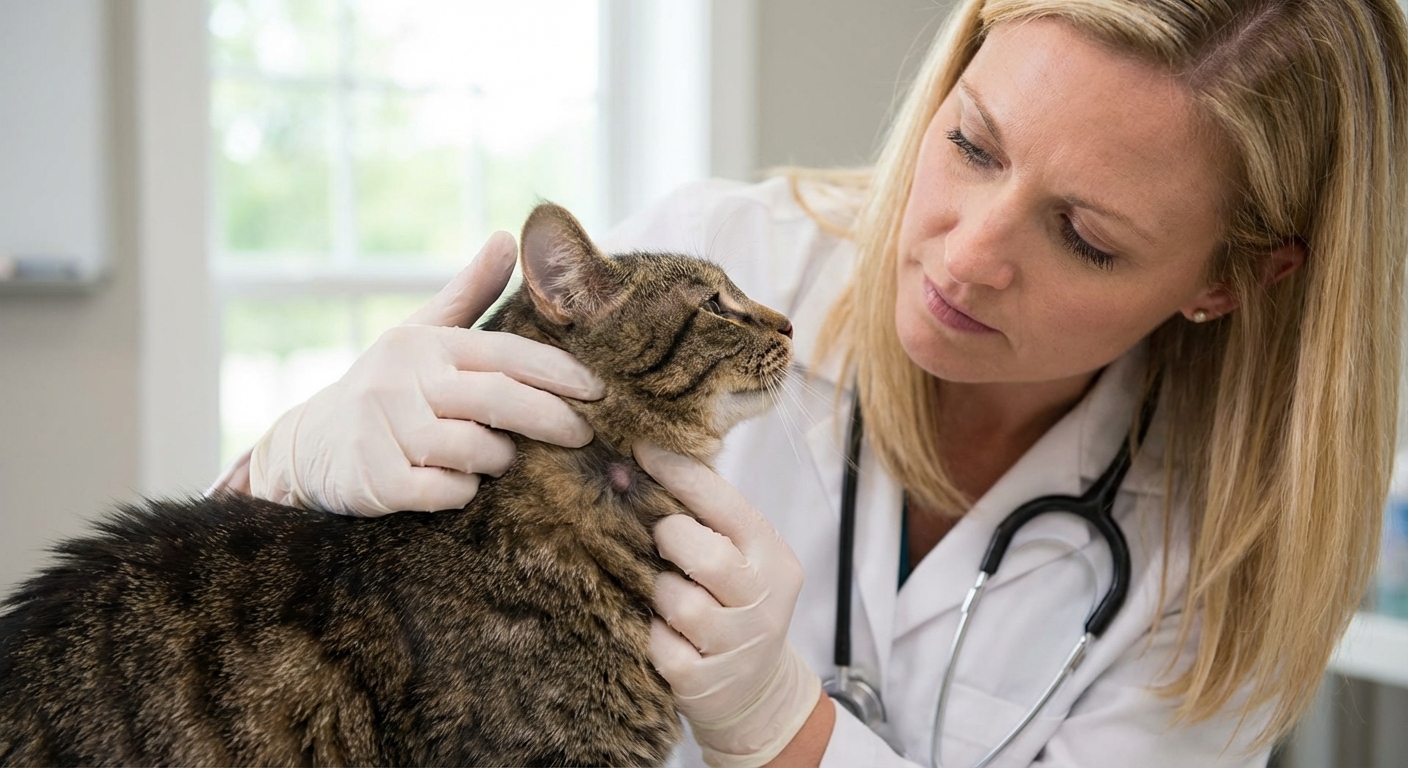
Lymph nodes can enlarge under the jaw (submandibular), in front of the shoulders (prescapular), behind the knees (popliteal), or in the groin area (inguinal). They may feel like firm, movable “marbles” under the skin. Not all cats with lymphoma have noticeable lumps, but if you feel new swelling, it deserves a veterinary exam soon.
5) Breathing changes or coughing
If lymphoma affects the chest (mediastinal lymphoma) or causes fluid around the lungs, you may see faster breathing, open-mouth breathing, or a cat that sits with the neck extended to breathe easier. These signs can become urgent quickly.
- Increased respiratory rate at rest
- Effortful breathing, belly moving a lot with each breath
- Open-mouth breathing (treat as an emergency)
6) Increased thirst and urination
Lymphoma can involve organs such as the kidneys. Increased drinking and urinating can also occur with diabetes, kidney disease, and hyperthyroidism. The point is not to guess the cause at home, but to recognize that the change matters.
7) Nasal signs, oral discomfort, or skin changes
Less common forms may show up as persistent sneezing or nasal discharge, mouth pain, drooling, bad breath, or non-healing skin lesions. If something looks “stuck” and does not respond to basic care, get it checked.
How to do a simple at-home check
You do not need special equipment to gather helpful information. Think of yourself as your cat’s detective. Your notes can guide your veterinarian toward the right tests sooner.
Step 1: Track appetite and weight
- Write down how much your cat eats each day and what type of food.
- Weigh weekly if possible. A baby scale works well for many cats.
- Note vomiting episodes, hairballs, or food refusals.
Step 2: Observe the litter box
- Take note of stool consistency, frequency, and any blood or mucus.
- Watch for increased urine clumps, accidents, or straining.
Step 3: Feel for lymph node swelling (gently)
With your cat relaxed, use light pressure under the jaw and along the neck. If you find a new lump, do not squeeze it. Simply note the location and size and call your veterinarian.
Step 4: Count resting breaths
When your cat is asleep or very relaxed, count breaths for 30 seconds and multiply by 2. A normal sleeping resting respiratory rate is typically under 30 breaths per minute. If your cat is calm and you consistently count over 30, contact your veterinarian for guidance. If you get a number over 40 at rest, or you see any breathing effort, treat it as urgent. Heat, stress, and purring can skew counts, so try again when your cat is truly resting.
When to call the vet (and when it is urgent)
Many lymphoma signs overlap with other treatable conditions, so the safest move is to get your cat examined rather than waiting it out.
Call your veterinarian within 24 to 48 hours if you notice:
- Vomiting or diarrhea lasting more than 24 to 48 hours, or recurring episodes paired with weight loss or appetite changes
- Weight loss, reduced appetite, or picky eating that persists for more than 48 to 72 hours
- New lumps, especially under the jaw or in the neck
- Persistent lethargy or hiding with no clear reason
Seek urgent or emergency care now if you notice:
- Open-mouth breathing or obvious breathing distress
- Collapse, extreme weakness, or gums that look pale
- Not eating at all for 24 hours, especially in overweight cats due to fatty liver risk (kittens, seniors, and cats with medical conditions should be seen even sooner)
- Repeated vomiting with inability to keep water down
If you are unsure, it is always appropriate to call and describe symptoms. A quick phone triage can help you decide if your cat needs urgent care.
How lymphoma is diagnosed
Diagnosis usually requires a combination of history, physical exam, and lab work. Your veterinarian may recommend:
- Bloodwork and urinalysis to assess organ function and look for anemia or other changes
- FeLV and FIV testing because these viruses can influence lymphoma risk and care decisions
- X-rays or ultrasound to evaluate chest, abdomen, and organs
- Fine needle aspirate of an enlarged lymph node or mass, often a quick first step
- Biopsy (or endoscopic biopsies for GI concerns) for definitive diagnosis and typing
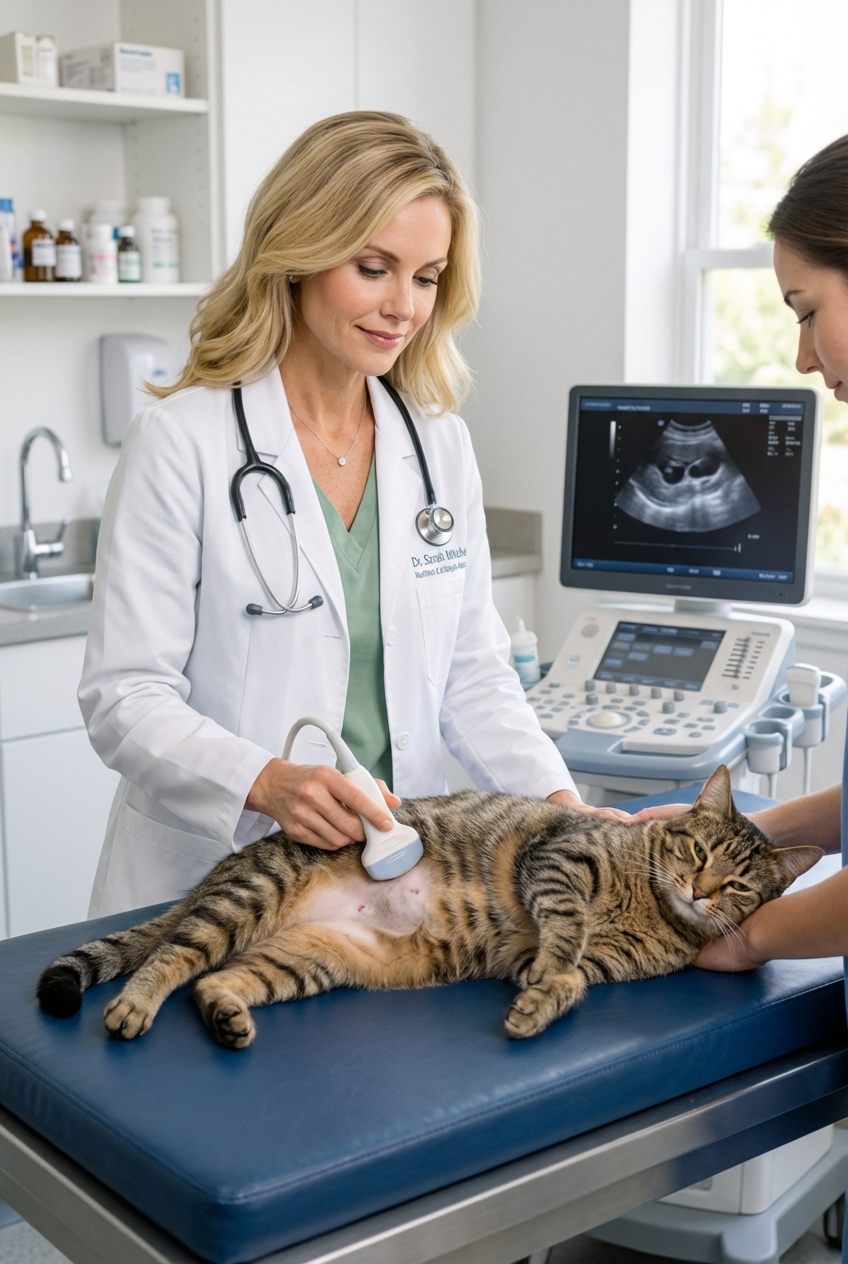
If gastrointestinal lymphoma is suspected, your veterinarian may discuss the difference between small-cell and large-cell lymphoma. These types can behave differently and may have different treatment approaches.
Important note: Steroids like prednisolone can sometimes reduce the diagnostic yield of aspirates or biopsies. Do not start steroids at home unless your veterinarian specifically instructs you to, especially if diagnostics are planned.
What treatment can look like
The word “chemotherapy” scares many families, but cats often tolerate cancer treatment better than people expect. The goal in veterinary oncology is typically quality of life, with side effects managed carefully.
Depending on the type and location of lymphoma, treatment may include:
- Chemotherapy protocols tailored to cats
- Steroids such as prednisolone (often part of therapy and symptom relief)
- Surgery in select cases (for example, a localized intestinal mass)
- Nutritional support and anti-nausea or anti-diarrheal medications
If you are considering treatment, ask your veterinarian about referral to a veterinary oncologist. Even one consultation can help you understand options, expected outcomes, and costs.
Prognosis varies widely based on the lymphoma type, location, and how your cat responds to therapy. That is why getting a clear diagnosis and staging plan matters.
Supportive care you can start today
While you are scheduling diagnostics or treatment, supportive care can make a real difference in comfort and hydration. Always check with your veterinarian before starting supplements or changing medications.
- Keep meals appealing: warm wet food slightly, offer smaller frequent meals, and prioritize calories if appetite is low.
- Hydration matters: provide fresh water, consider a fountain, and ask your vet if subcutaneous fluids are appropriate.
- Reduce stress: quiet resting spots, predictable routines, and easy access to litter boxes.
- Track symptoms: appetite, weight, vomiting, stool, energy, and breathing rate.
Quick checklist
If your cat has two or more of these signs, especially with weight loss, it is time to schedule a veterinary visit. Also, remember that a single serious sign (like breathing difficulty, a fast drop in weight, or a new firm lump) is enough to call.
- Unexplained weight loss
- Reduced appetite or sudden pickiness
- Vomiting or diarrhea that persists or keeps returning
- Lethargy, hiding, or reduced grooming
- New lumps or enlarged lymph nodes
- Breathing changes or cough
- Increased thirst or urination
Your cat cannot tell you what feels off, but their body language and daily habits speak volumes. If you are worried, you are not overreacting. You are advocating.