Spot early signs of feline liver disease—loss of appetite, vomiting, jaundice, lethargy. Learn common causes like fatty liver, vet diagnostics, treatment o...
Article
•
Designer Mixes
Signs of Liver Failure in Cats

Shari Shidate
Designer Mixes contributor
As a veterinary assistant, I can tell you this with a lot of care and respect: liver failure in cats can look subtle at first, then escalate quickly. The liver is a powerhouse organ that helps with detoxification, digestion, and nutrient storage. When it struggles, the whole body feels it.
The good news is that early action can make a real difference. Below are the most important warning signs, what they may mean, and what you can do right now to help your cat get the care they need.
What liver failure means in cats
Liver failure happens when the liver can no longer do its essential jobs well enough to keep the body stable. In cats, liver disease may develop from infections, toxins, inflammation, cancer, bile duct problems, or a very common emergency called hepatic lipidosis, also known as fatty liver disease.
Cats are especially vulnerable to fatty liver when they stop eating for more than a couple of days, and the risk is higher in overweight cats. That is why appetite changes are never something to brush off.
If your cat is eating noticeably less, call your veterinarian within 24 hours for guidance. If your cat is not eating at all, is vomiting, seems painful, or is very young, senior, diabetic, or already ill, it may need urgent care sooner.
One more important note: many of the signs below are not exclusive to liver disease. Kidney disease, pancreatitis, diabetes, hyperthyroidism, and other conditions can look similar at home. The difference is that liver failure can become serious quickly, so testing matters.
Key signs of liver failure
Not every cat will show every sign. Some cats hide illness until they feel very unwell. If you notice more than one of the symptoms below, it is time to contact your veterinarian as soon as possible.
1) Jaundice (yellow gums, eyes, or skin)
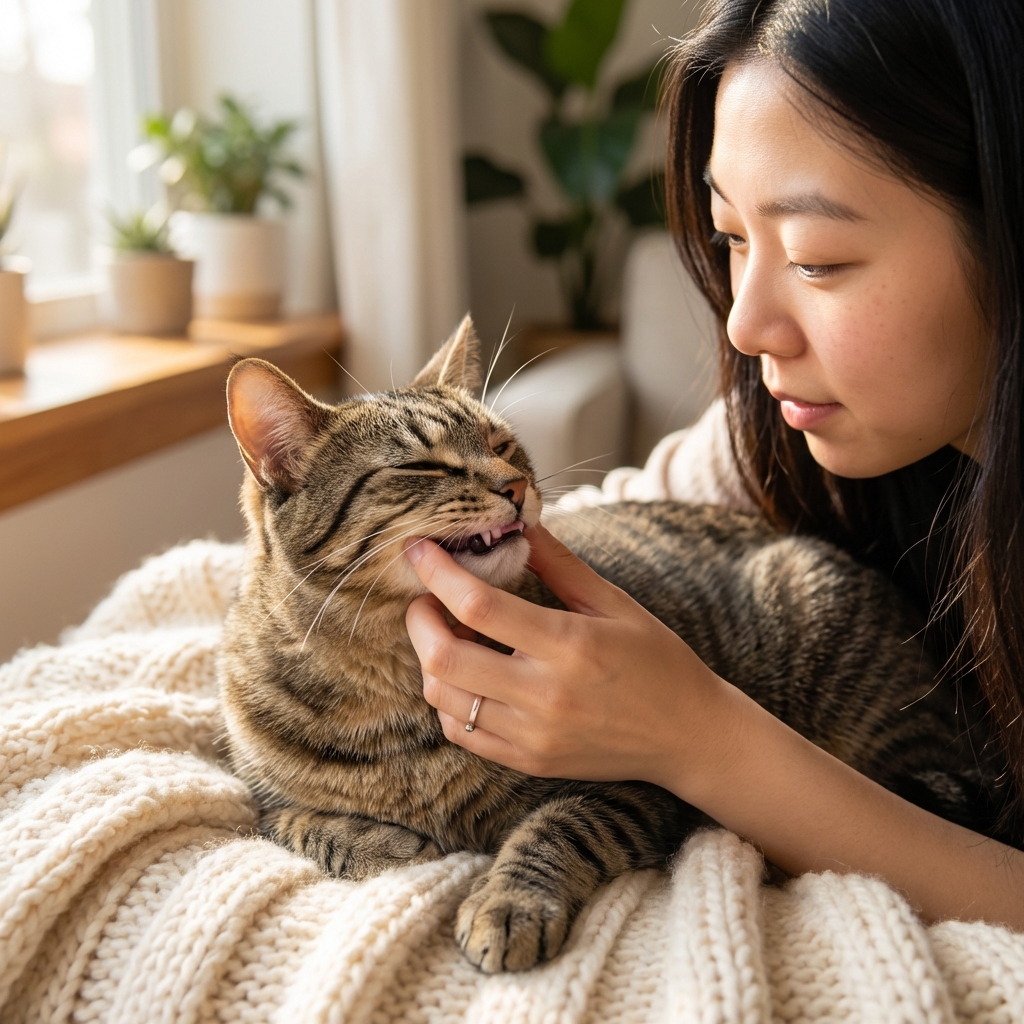
This is one of the most classic red flags. Yellowing often shows up first in the whites of the eyes, on the gums, or on the ear pinnae (the hairless skin of the ear flap).
- What it can indicate: bile buildup, severe liver dysfunction, or bile duct obstruction.
- What to do: take a clear photo in good lighting and call your vet the same day.
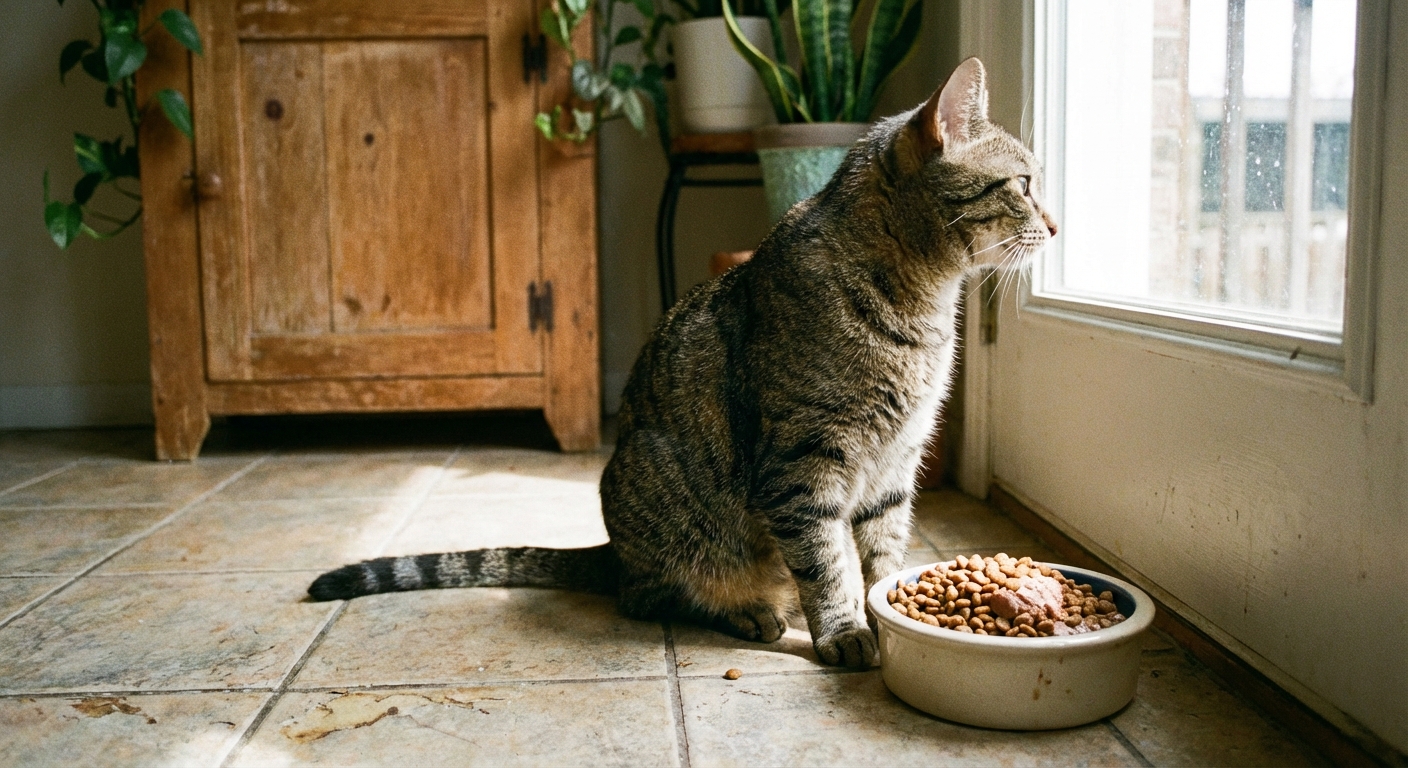
2) Loss of appetite or refusing food
Appetite changes are a big deal in cats. Liver disease can cause nausea, altered smell perception, and discomfort.
- What you may see: sniffing food then walking away, eating a few bites only, or refusing favorite treats.
- Why it matters: poor intake for several days can trigger hepatic lipidosis (fatty liver), which can become life-threatening, especially in overweight cats.
3) Vomiting, nausea, or drooling
Liver dysfunction can change how the body processes bile acids and toxins, and that can go along with nausea and gastrointestinal upset. These signs are still nonspecific, so they need veterinary follow-up.
- What you may see: lip smacking, excessive drool, hiding, vomiting yellow fluid, or gagging.
- What to do: note frequency and what was vomited, then contact your vet.
4) Lethargy and weakness
A cat with liver failure may sleep much more, stop jumping up, or seem "not themselves."
- Watch for: reluctance to move, decreased grooming, and isolating in quiet places.
5) Weight loss or muscle wasting
Chronic liver disease can cause gradual weight loss. You may notice the spine or hip bones becoming more prominent.
- Tip: feel along the back and shoulders weekly. Cats can lose muscle even if their belly looks round.
6) Diarrhea or pale stools
The liver produces bile, which helps digest fats. When bile flow is disrupted, stools can change. Stool changes can also come from intestinal disease, parasites, pancreatitis, or diet changes, so it is worth mentioning to your vet either way.
- What you may see: diarrhea, lighter-colored stool, or unusually foul odor.
- Bring: a fresh stool sample to your appointment if your clinic requests one.
7) Increased thirst and urination
Some liver conditions can cause changes in thirst and urination, but this sign is more commonly linked with kidney disease, diabetes, or hyperthyroidism. It is still a meaningful clue that your cat needs a workup.
- What to do: track water intake if possible and note litter box changes.
8) Abdominal swelling or fluid buildup
A swollen belly can be from an enlarged liver, fluid in the abdomen (ascites), or other serious disease.
- Urgency: abdominal distension plus lethargy or breathing changes should be treated as urgent.
9) Behavior changes and disorientation (hepatic encephalopathy)
When the liver cannot filter certain toxins effectively, they can affect the brain.
- What it can look like: staring into space, circling, stumbling, unusual vocalizing, seeming "spacy," or seizures.
- Urgency: this is an emergency. Seek veterinary care immediately.
10) Bleeding or easy bruising
The liver helps produce clotting factors. Severe liver dysfunction can lead to abnormal bleeding.
- Watch for: bleeding gums, nosebleeds, blood in vomit or stool, or tiny red dots on skin (petechiae).
When to seek emergency care
Please do not wait and see if you notice any of the following:
- Yellow gums or yellow whites of the eyes
- Not eating at all, especially with vomiting, weakness, or known health issues
- Repeated vomiting or inability to keep water down
- Collapse, severe weakness, or trouble breathing
- Disorientation, tremors, or seizures
- Abdominal swelling that is new or worsening
- Any sign of poisoning (possible toxin exposure)
If you suspect toxin exposure, call your veterinarian or a pet poison hotline immediately. Time matters.
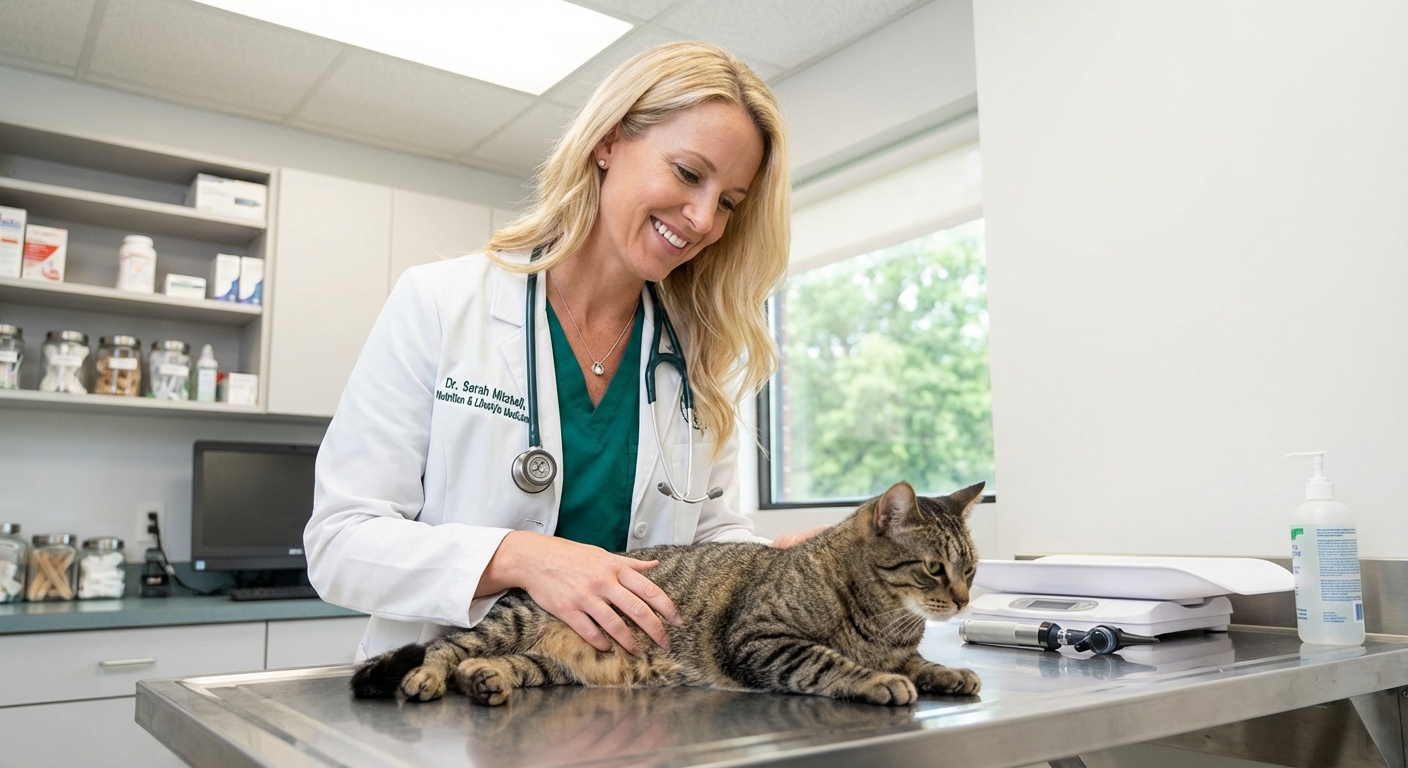
What your veterinarian may do
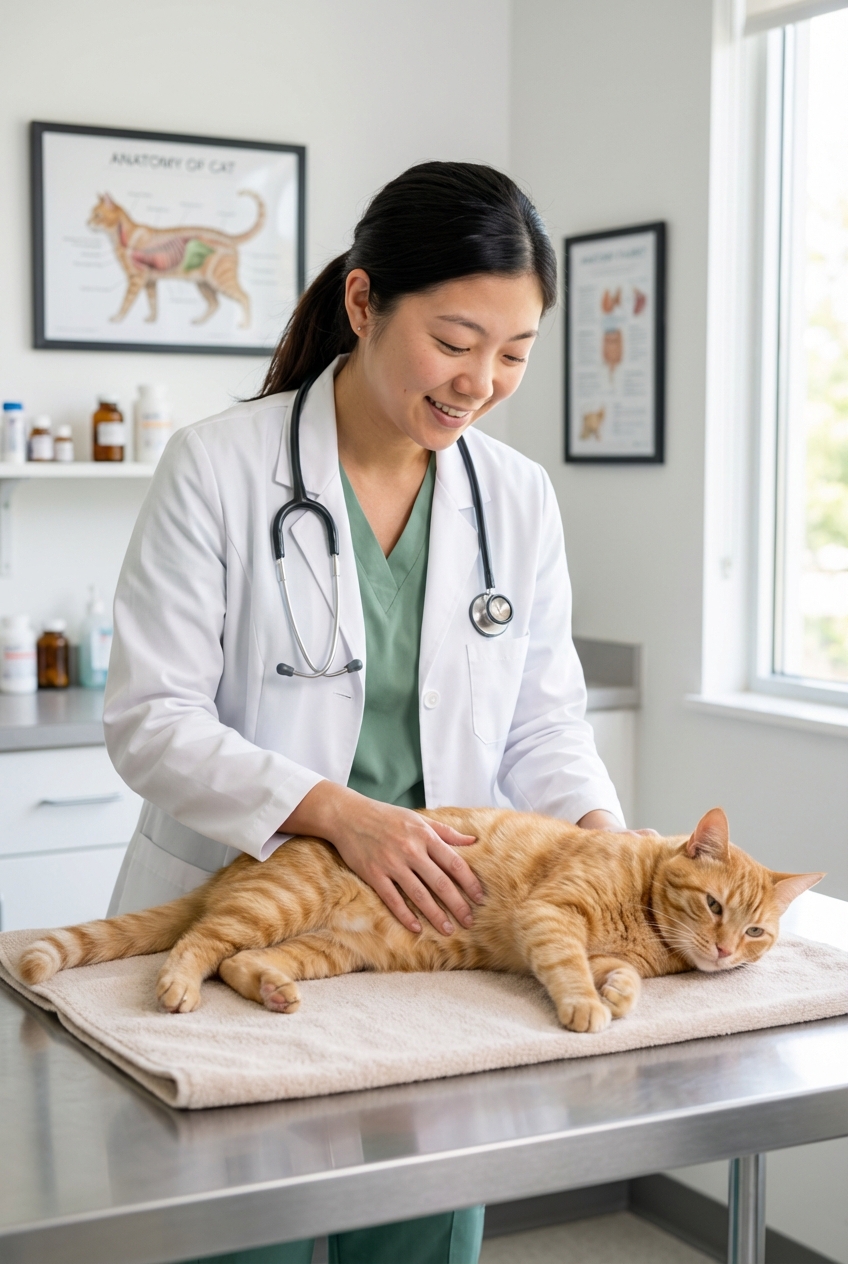
Diagnostics help determine whether this is liver inflammation, infection, bile duct obstruction, hepatic lipidosis, toxin exposure, or something else. In cats, veterinarians commonly consider conditions like cholangitis or cholangiohepatitis and pancreatitis. Sometimes these occur together (often called triaditis), which is one reason symptoms can overlap.
- Physical exam: hydration, gum color, abdominal palpation, temperature.
- Bloodwork: CBC, chemistry panel, electrolytes, liver enzymes (ALT, AST, ALP), bilirubin, albumin, glucose, cholesterol.
- Coagulation testing: clotting times such as PT and aPTT when indicated, especially if bruising or bleeding is a concern.
- Urinalysis: hydration status, bilirubin, infection clues.
- Imaging: abdominal ultrasound and sometimes X-rays.
- Additional tests: bile acids testing, ammonia in some cases, infectious disease testing, fine needle aspirate or biopsy when appropriate.
Treatment varies widely. It may include fluids, anti-nausea medication, appetite support, antibiotics if infection is suspected, liver support medications, and nutritional support. In cases of hepatic lipidosis, a feeding tube can be life-saving and is often temporary.
Care tips you can start today
Support eating safely
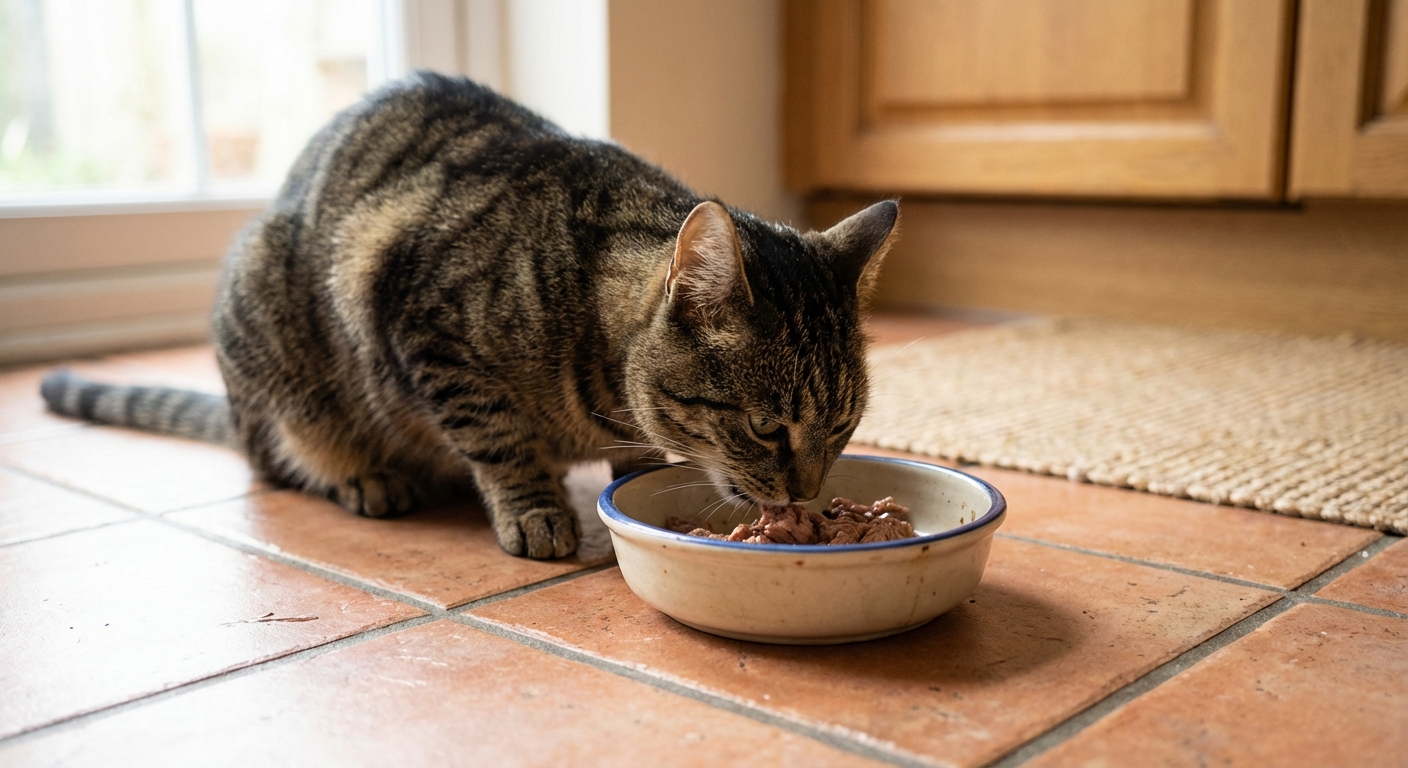
Nutrition is often the turning point for cats with liver disease. If your cat is mildly nauseated but still interested in food, these gentle strategies may help while you arrange veterinary care:
- Warm wet food slightly to boost aroma.
- Offer small portions more often rather than one big meal.
- Try a bland, vet-approved gastrointestinal diet if your veterinarian recommends it.
- Reduce stress around meals by feeding in a quiet, familiar spot.
Important: Do not force-feed by syringe unless a veterinarian specifically instructs you. It can increase stress and the risk of aspiration.
Hydration matters
- Provide multiple water bowls in easy-to-reach areas.
- Consider a cat fountain if your cat prefers running water.
- Ask your vet whether subcutaneous fluids are appropriate at home.
Remove potential toxins
Livers work overtime when exposed to toxins. Common risks include:
- Sago palm (highly toxic and can cause severe liver failure)
- Human medications like acetaminophen and ibuprofen
- Essential oils and diffusers (some are unsafe for cats)
- Rodenticides, insecticides, and certain flea products not labeled for cats
Safety note: Lilies are also extremely dangerous to cats, but they primarily cause acute kidney failure rather than liver failure. Either way, lily exposure is an emergency.
Use medications and supplements only with veterinary guidance
Some supplements can be helpful, but others can be harmful or interact with prescribed medications. Your veterinarian may recommend specific liver support options based on the diagnosis, such as SAMe, silybin, or vitamin support, but dosing and product quality matter.
Quick do not list
- Do not give human medications unless your veterinarian explicitly directs you.
- Do not delay care if your cat is jaundiced or acting neurologic.
- Do not start new supplements without checking for safety and interactions.
- Do not make abrupt diet changes if your cat is already refusing food, call your vet for a plan.
How to monitor your cat at home
If your cat is stable and you are monitoring while waiting for an appointment, keep notes. This helps your veterinary team make faster, better decisions.
- Appetite: what was offered, what was eaten, and when.
- Vomiting and stool: frequency, color changes, and any blood.
- Energy level: normal activities versus hiding or weakness.
- Water intake and urination: any increase or decrease.
- Gum and eye color: look for yellowing or paleness.
Prevention and long-term support
Not every liver condition is preventable, but many risk factors can be reduced.
- Keep cats eating: address dental pain, stress, and diet transitions early.
- Maintain a healthy weight: gradual weight loss only, never crash diets for cats.
- Annual wellness exams: senior cats often benefit from routine bloodwork.
- Safe home environment: avoid toxic plants and store medications securely.
If your cat has been diagnosed with chronic liver disease, ask your vet about follow-up bloodwork schedules and a nutrition plan. Consistency, hydration, and early intervention with flare-ups can make a meaningful difference in quality of life.
A gentle final note
If you are reading this because you are worried about your cat, trust that instinct. Cats are masters at masking illness. You do not need to have every symptom figured out to call your veterinary clinic. A quick check and basic lab work can save precious time and help your cat feel better sooner.
Reminder: This article is for education and is not a substitute for veterinary diagnosis. If your cat is worsening or showing urgent signs, seek emergency care.