Learn kidney-friendly homemade meal templates for dogs, including phosphorus control, right-sized protein, omega-3s, hydration tips, and foods to avoid—plu...
Article
•
Designer Mixes
Signs of Kidney Failure in Dogs

Shari Shidate
Designer Mixes contributor
As a veterinary assistant here in Frisco, Texas, I can tell you one thing with total confidence: when it comes to kidney failure in dogs, the signs are not always dramatic. They are often quiet, easy to explain away, and unfortunately easy to miss until a dog is truly sick.
This article covers the subtle clues that can point to kidney trouble, plus what to do next. I will keep it practical, evidence-based, and doable for real life. And just to be clear up front: I cannot diagnose your dog from symptoms alone. Your veterinarian will confirm what is going on with an exam and lab work.
What kidney failure means
Your dog’s kidneys are like full-time housekeepers for the body. They filter waste, balance hydration and electrolytes, help regulate blood pressure, and support red blood cell production through hormones.
Kidney failure can be:
- Acute kidney injury (AKI): sudden loss of kidney function, sometimes over hours to days. Common triggers include toxins (like antifreeze), severe dehydration, certain medications, infections, or urinary obstruction.
- Chronic kidney disease (CKD): gradual loss of function over months to years, often seen in senior dogs.
Either way, the earlier we catch it, the more we can do to support quality of life.
Surprising signs people miss
These can look quirky, harmless, or unrelated. They are not harmless for your dog, but they can be incredibly useful clues.
1) Drinking more water, then needing to pee all the time
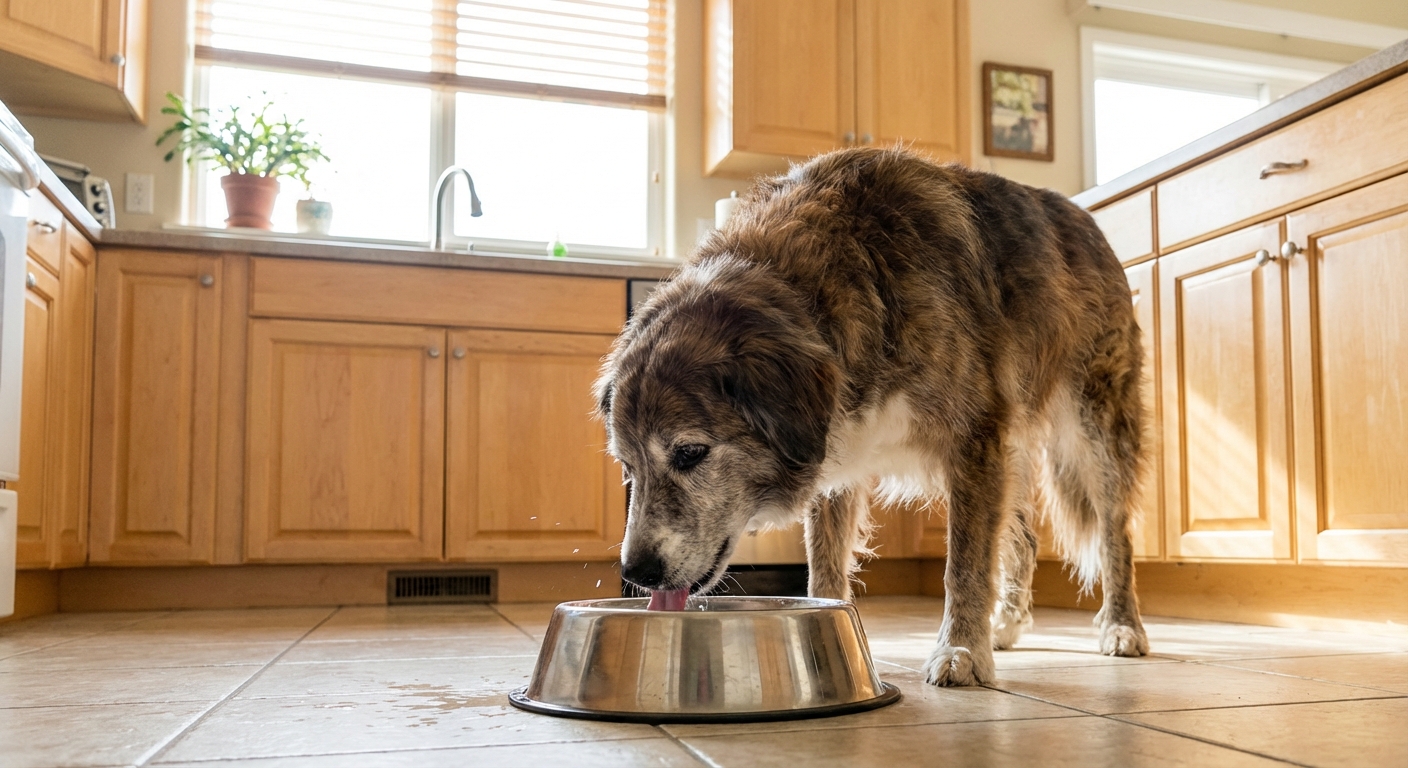
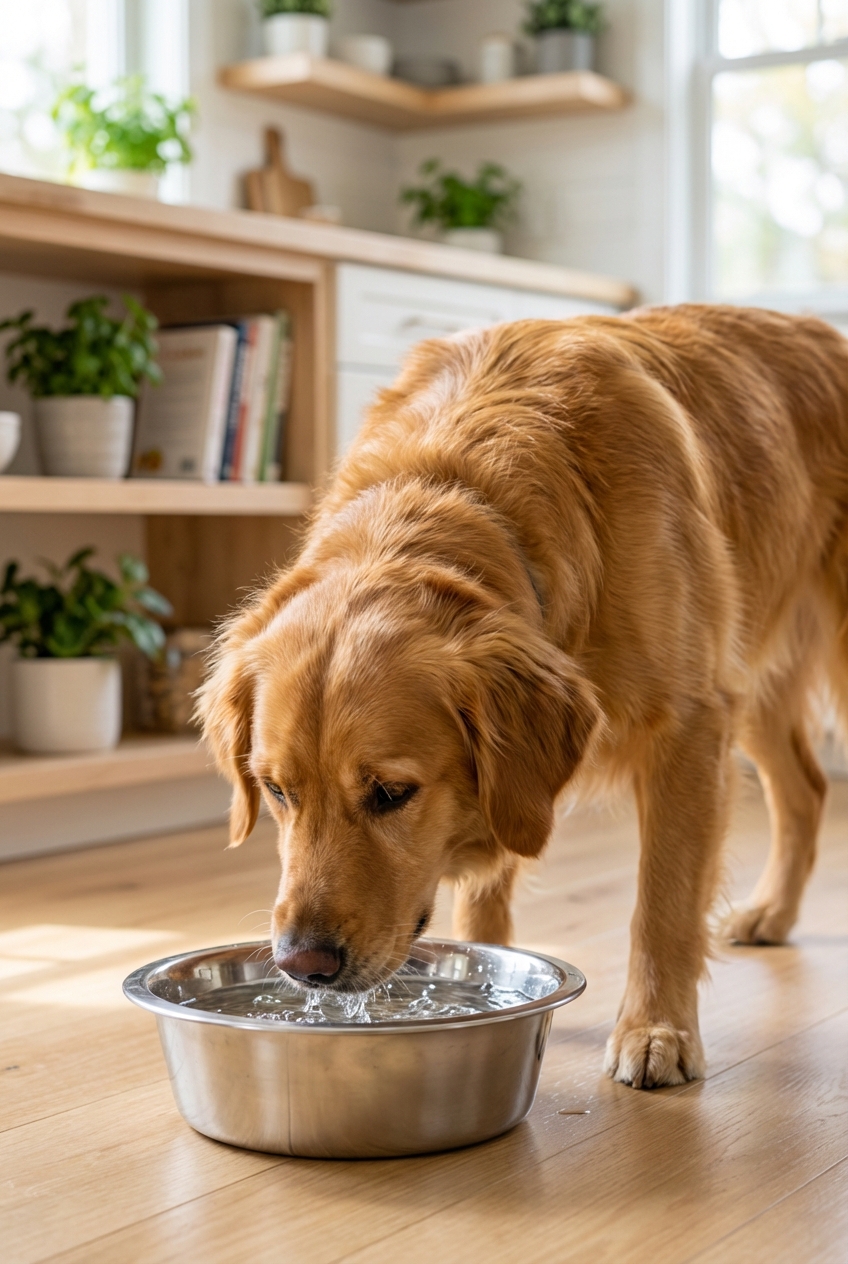
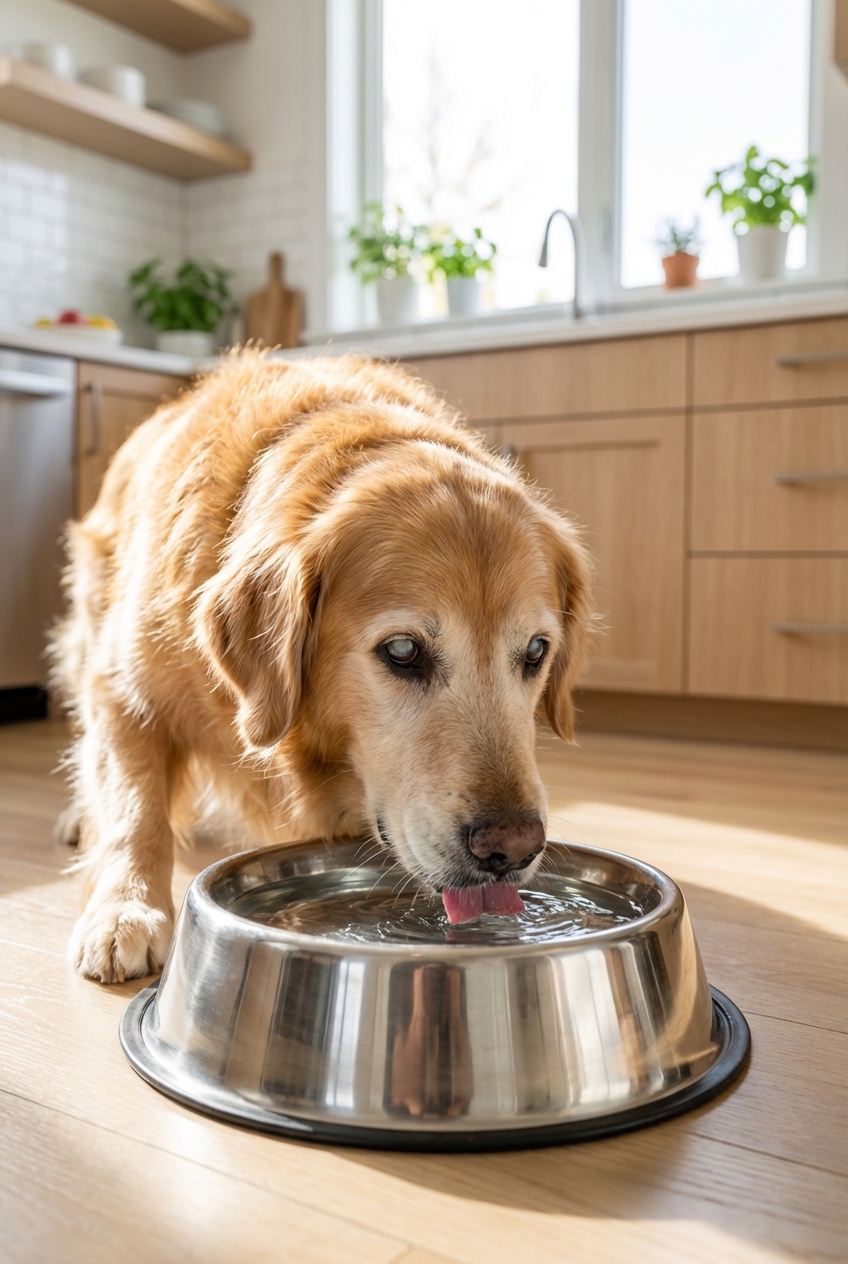
This is one of the earliest and most common signs. Owners often say, “She is just being good and hydrated.” In kidney disease, your dog may drink more because the kidneys cannot concentrate urine properly, so more water is lost in the urine.
- Water bowl emptying faster than usual
- Asking to go out at night
- Sudden indoor accidents in a previously house-trained dog
Helpful tip: If you want a simple number to bring to your vet, measure how much water you pour in a 24-hour period (include top-offs), then subtract what is left the next day. Many clinics consider sustained intake above roughly 100 mL per kg per day as increased, but normal varies by diet (wet vs. dry), temperature, activity, and meds. Your vet will interpret this with lab work.
Important: Increased thirst and urination can also be caused by things besides kidney disease, including diabetes, Cushing’s disease, certain infections (including uterine infection/pyometra in unspayed females), high calcium, liver disease, and medications like steroids or diuretics. That is another reason testing matters.

2) Bad breath that smells unusual (ammonia-like)
Most bad breath in dogs is still caused by dental disease. That said, kidney-related breath may smell sharp, metallic, or ammonia-like when waste products build up in the bloodstream (uremia). If the odor is new or odd and it is paired with increased thirst, appetite changes, or vomiting, it is a big reason to run labs.
3) Mouth sores or drooling that seems out of character
Uremia can irritate the mouth and stomach. Some dogs develop oral ulcers, lip smacking, drooling, or pawing at the mouth. It can look like nausea or a dental problem, but it can also be kidney-related.
4) Picky eating that comes and goes
A dog who normally eats well may start walking away from meals, sniffing food then leaving, or only eating “the good parts.” This is a classic pattern with chronic kidney disease because nausea and stomach irritation can fluctuate day to day.
5) Weight loss even though your dog is still eating some
Kidney disease can cause muscle wasting and weight loss. Owners will sometimes say, “He is eating, just not as much,” and the weight quietly slides down over a few weeks.
6) Low energy that looks like aging
This is a big one. Slower walks, more naps, less interest in play can absolutely happen with age, but kidney disease is one reason we never want to assume. If “slowing down” is paired with increased thirst or appetite changes, it is worth investigating.
7) Vomiting that is random or more frequent
Occasional vomiting happens in many dogs, but recurring vomiting, especially with appetite changes and lethargy, can be a kidney red flag. Uremic toxins can trigger nausea.
8) Poop changes are not the main sign, but they can show up
Kidney disease is not primarily a diarrhea condition, but dehydration, nausea, diet changes, or medications can cause constipation or looser stools.
9) Coat changes and the “not thriving” look
Some dogs develop a dull coat, flaky skin, or a general unkempt appearance. It is subtle, but when you see it alongside thirst and appetite changes, it matters.
Red flags: call today
If your dog has any of these, do not wait and watch:
- Not eating for about 24 hours (sooner if your dog is very small, very young, very old, has other medical conditions, or is also vomiting or lethargic)
- Repeated vomiting or vomiting with lethargy
- Severe weakness, collapse, or disorientation
- Dehydration (tacky gums, sunken eyes, skin tenting)
- No urine output, straining to urinate, or crying while trying to pee (this can be a urinary obstruction emergency and can quickly lead to kidney injury)
- Suspected toxin exposure (antifreeze, grapes or raisins, certain rodenticides, certain human medications including NSAIDs, and other poisons)
Kidney problems can move fast, especially with acute injury. Early treatment can be life-saving.
How vets confirm kidney disease
Symptoms are clues, but we diagnose kidney disease with testing. Here is what your veterinary team commonly checks.
Bloodwork
- Creatinine and BUN: waste products that rise when filtration decreases
- SDMA: can increase earlier than creatinine in some dogs
- Phosphorus: often increases in kidney disease and needs management
- Electrolytes: sodium, potassium, and others can shift
- Red blood cell count: chronic kidney disease can contribute to anemia
Urinalysis
- Urine specific gravity: tells us if the kidneys are concentrating urine
- Protein in urine: can indicate kidney damage and affects treatment choices
- Signs of infection: urinary tract infections can worsen kidney problems
If infection is suspected, your vet may recommend a urine culture. Also, a “free-catch” sample from home can be useful, but it can be contaminated. Some clinics prefer a sterile sample collected in-clinic, so ask what they want.
Blood pressure
High blood pressure is common with kidney disease and can damage eyes, brain, heart, and kidneys further.
Imaging (as needed)
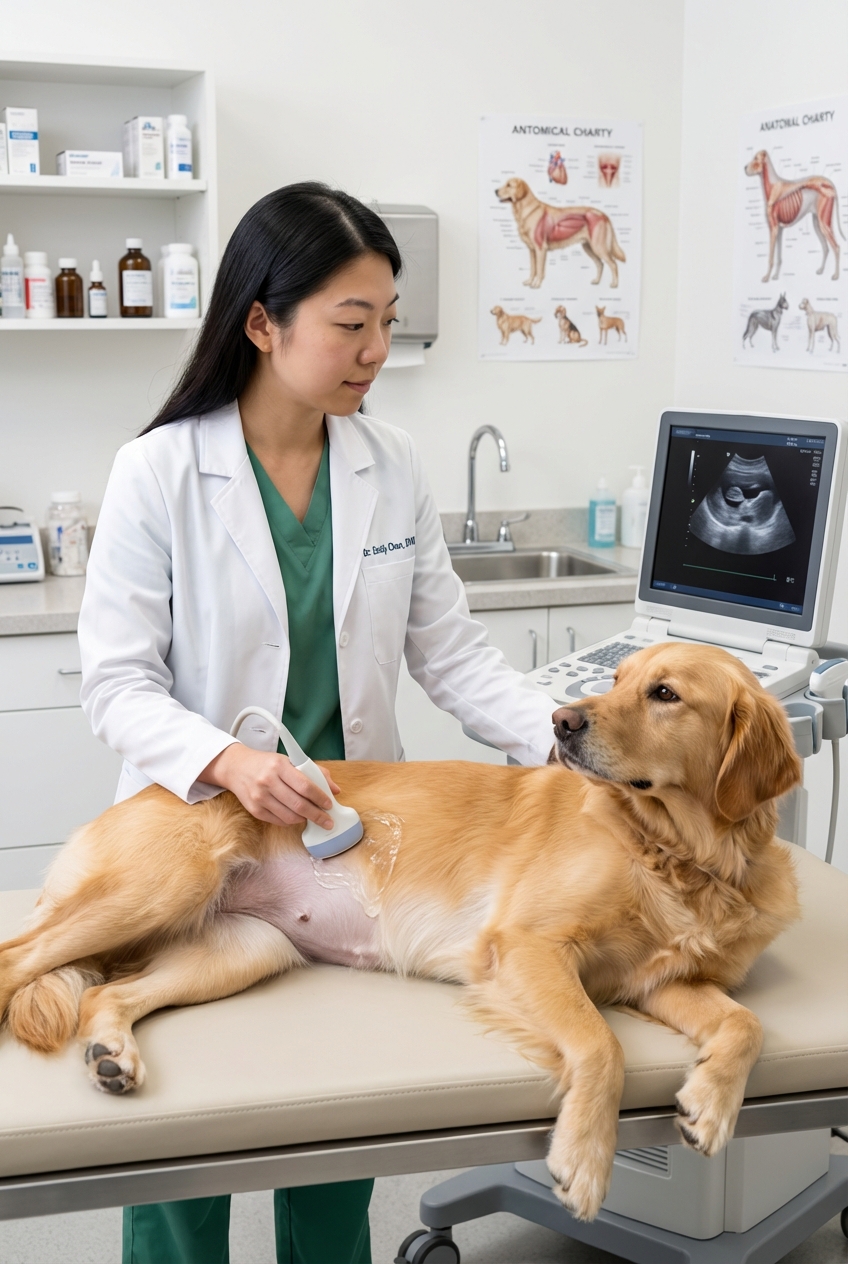
X-rays or ultrasound can help assess kidney size, stones, urinary obstruction, or structural issues.
Staging and monitoring
If chronic kidney disease is diagnosed, your veterinarian may talk about IRIS staging (a common staging system) and monitoring items like phosphorus, blood pressure, and urine protein (often reported as a UPC). Staging helps guide treatment and how often rechecks are needed.
What to do before the appointment
You do not need to diagnose your dog at home, but you can collect helpful information that makes the vet visit more efficient.
Track water and pee habits for 24 to 48 hours
- Note how often you refill the bowl
- If possible, measure how much water you add in a day
- Estimate how often your dog urinates
- Write down any accidents, urgency, or nighttime potty trips
Bring a fresh urine sample if your clinic requests it
Call first for their preferred method. Many clinics prefer a sample that is less than a few hours old.
Do not change foods aggressively right away
If kidney disease is suspected, diet changes should be guided by your veterinarian because factors like phosphorus, protein quality, calories, and sodium matter. A sudden diet switch can also worsen appetite in a nauseated dog.
Avoid common kidney stressors
- No ibuprofen, naproxen, or other human pain meds unless specifically prescribed by a vet
- Keep grapes, raisins, antifreeze, and household toxins out of reach
- Encourage hydration, but do not force water if your dog is actively vomiting
Treatment basics
Treatment depends on whether this is acute injury or chronic disease, how advanced it is, and what your dog’s lab work shows. Common tools include:
- Fluids: IV fluids for acute cases or dehydration; sometimes subcutaneous fluids for chronic management
- Anti-nausea support: to help appetite and comfort
- Appetite stimulants: when appropriate
- Kidney-support diet: usually controlled phosphorus, balanced protein, adequate calories
- Phosphate binders: if phosphorus stays high despite diet changes
- Blood pressure medication: if hypertension is present
- Treating underlying triggers: infection, obstruction, toxin exposure, dental infection, and more
Many dogs with chronic kidney disease can do well for months to years with consistent support and regular monitoring.
Early detection
We cannot prevent every kidney issue, but we can lower risk and catch problems earlier.
- Annual or twice-yearly wellness labs, especially for dogs over 7 years old
- Prompt dental care, which supports overall health and comfort
- Maintain hydration with fresh water access and wet food options if appropriate
- Keep toxins locked away and clean antifreeze spills immediately
- Ask your vet about SDMA and urine protein testing if your dog is a senior
Quick checklist
If you notice two or more of these together, it is time to schedule a vet visit soon:
- Drinking more water
- Peeing more often or accidents
- Picky appetite or skipping meals
- Weight loss
- New breath that smells unusually sharp or ammonia-like
- Vomiting more than once, or recurring nausea signs
- Low energy that is new or worsening
If your gut is telling you “this is not my dog,” trust that instinct. You are not overreacting. You are advocating.
One last note
Kidney failure sounds terrifying, and it can be serious. But knowledge truly helps here. Catching it early, getting the right labs, and building a simple home routine can make a meaningful difference in how your dog feels day to day.
If you are in doubt, call your veterinarian and ask for a kidney-focused workup (typically bloodwork, urinalysis, and blood pressure). It is one of the most helpful, straightforward next steps you can take.