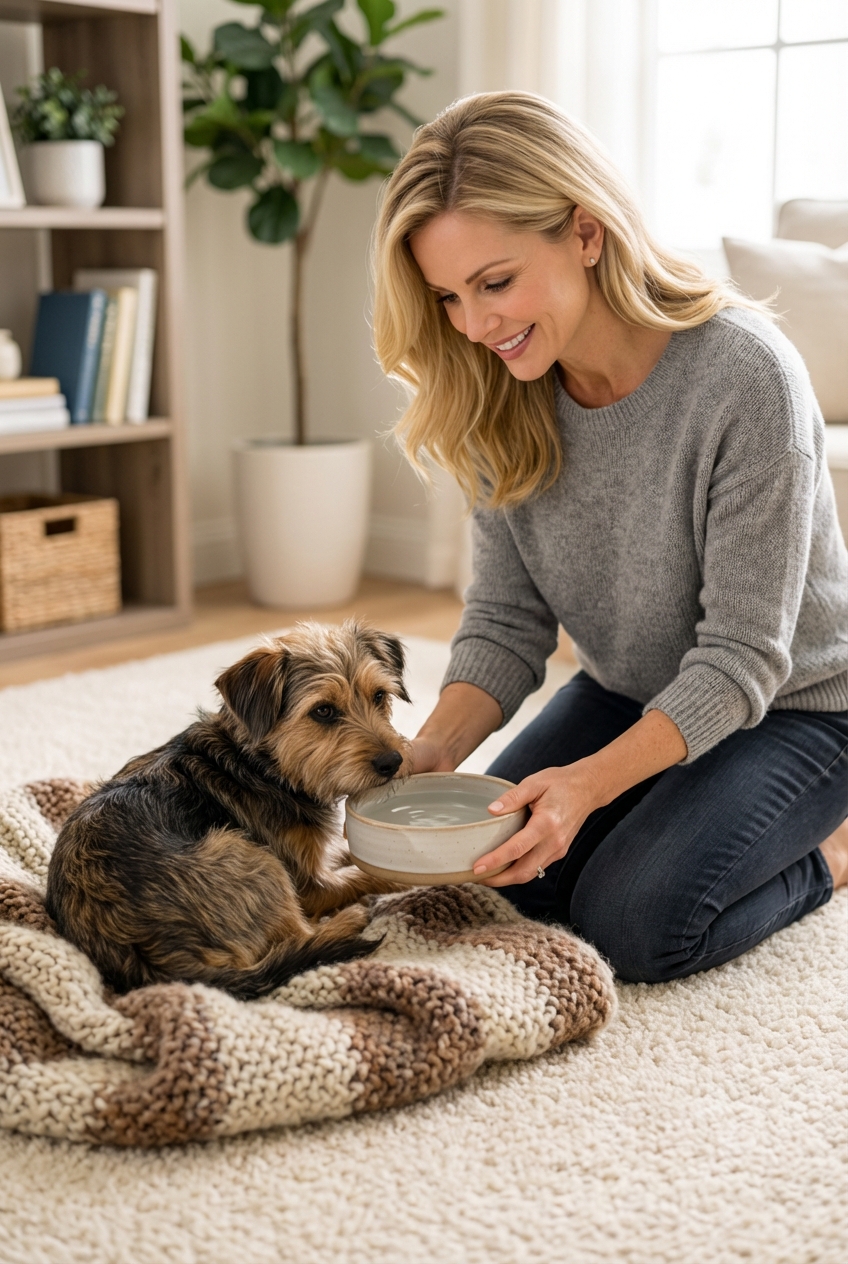
Help your dog feel better with vet-approved home care for mild kennel cough—rest, harness walks, humidity, fluids, and honey—plus when to stop DIY and ca...
Article
•
Designer Mixes
Signs of Kennel Cough in Puppies

Shari Shidate
Designer Mixes contributor
Kennel cough is one of those puppy illnesses that sounds scarier than it usually is, but it still deserves your attention. As a veterinary assistant here in Frisco, Texas, I have seen many families mistake kennel cough for “something stuck in the throat,” allergies, or even a gagging habit. That “choking” sound is often just an irritated airway causing a dramatic cough.

The good news is that most puppies recover well with supportive care and guidance from your veterinarian. Let’s walk through family-friendly signs to watch for, what’s normal versus what’s not, and a few fun facts and practical tips to help you feel confident.
What kennel cough is
“Kennel cough” is the common name for a contagious respiratory syndrome in dogs. Veterinarians often call it infectious tracheobronchitis. It can be caused by several germs, including the bacteria Bordetella bronchiseptica and a variety of viruses. Puppies can catch it anywhere dogs share air space or have close contact, like boarding facilities, grooming salons, dog parks, training classes, puppy daycare, shelters, and other high-traffic areas where lots of dogs have recently been.
Think of it like the “common cold” of the dog world: it spreads easily, tends to be self-limiting in many cases, but can become more serious in very young puppies or pups with other health issues.
Signs in puppies
Most families notice the cough first. It often comes on suddenly, even if your puppy was playful and eating normally the day before.
1) The classic honking cough
This is the hallmark sign. Many owners describe it as a dry, harsh “goose honk”. It can sound dramatic and sometimes ends with a gag.
2) Gagging or retching after coughing
Puppies may cough and then act like they are trying to bring something up. Sometimes they produce a small amount of white foam or clear fluid. That can still be kennel cough, not necessarily vomiting.
3) Cough triggered by excitement or pulling on the leash
Because the trachea is irritated, coughing often flares up when your puppy gets excited, barks, runs around, or pulls against a collar. This is one reason many vets recommend a harness during recovery.
4) Sneezing, runny nose, or watery eyes
Some puppies also have mild upper respiratory signs, especially when viruses are involved. You may see a little clear discharge from the nose or eyes.
5) Low energy (sometimes)
Many puppies with uncomplicated kennel cough still want to play. But if your puppy is more tired than usual, wants to nap more, or seems “off,” that matters. Monitor closely.
6) Mild fever or decreased appetite (less common)
These can happen, but they are not always present. A puppy who is not eating well, has a persistent fever, or seems unwell should be checked by a veterinarian.

If your puppy looks bright and is eating, drinking, and playing, kennel cough is often mild. If your puppy is struggling, breathing fast, not eating, or acting lethargic, it is time to call your vet promptly.
When it is more serious
Puppies are adorable and also more vulnerable than adult dogs. While kennel cough is frequently mild, you should seek veterinary care quickly if you notice any of the following:
- Labored breathing, belly effort to breathe, or open-mouth breathing
- Blue or gray gums or tongue
- Severe lethargy or your puppy seems weak
- Refusing food or water, especially for more than a meal
- Persistent vomiting or repeated coughing fits that do not stop
- Thick yellow or green nasal discharge (can suggest a secondary infection and higher pneumonia risk)
- Very young age (especially under 12 weeks), or incomplete vaccinations
These signs can indicate complications like pneumonia or a different condition entirely, such as canine influenza, parainfluenza, a foreign body, parasites, or congenital airway issues.
Diagnosis and treatment
How vets diagnose it
In many cases, your vet can diagnose kennel cough based on your puppy’s symptoms and recent exposure history (like boarding, daycare, grooming, or a new puppy class). If symptoms are severe, lingering, or there is an outbreak, your veterinarian may recommend chest x-rays and or lab testing to look for specific organisms and rule out pneumonia.
What treatment looks like
Many mild cases are treated with rest and supportive care at home. Antibiotics are not automatically needed because many kennel cough cases are viral. Your vet may prescribe antibiotics when a bacterial component is suspected (or if your puppy is very young or higher risk), and may recommend a cough medication in select cases. Cough suppressants are usually avoided if pneumonia is suspected, because coughing helps clear the lungs.
Fun facts
It spreads like a cold
Kennel cough can spread through airborne droplets when dogs bark or cough, and also through shared surfaces like water bowls, toys, and hands. That is why it can move quickly through groups of dogs.
The cough can linger
The airway lining needs time to heal. It is common for the cough to last 1 to 3 weeks, sometimes longer, even when your puppy has normal energy and appetite again.
Vaccines help, but do not make it impossible
The Bordetella vaccine and other respiratory vaccines can reduce severity and help protect your pup, but kennel cough has multiple causes. A vaccinated puppy can still catch a respiratory bug, but symptoms are often milder.
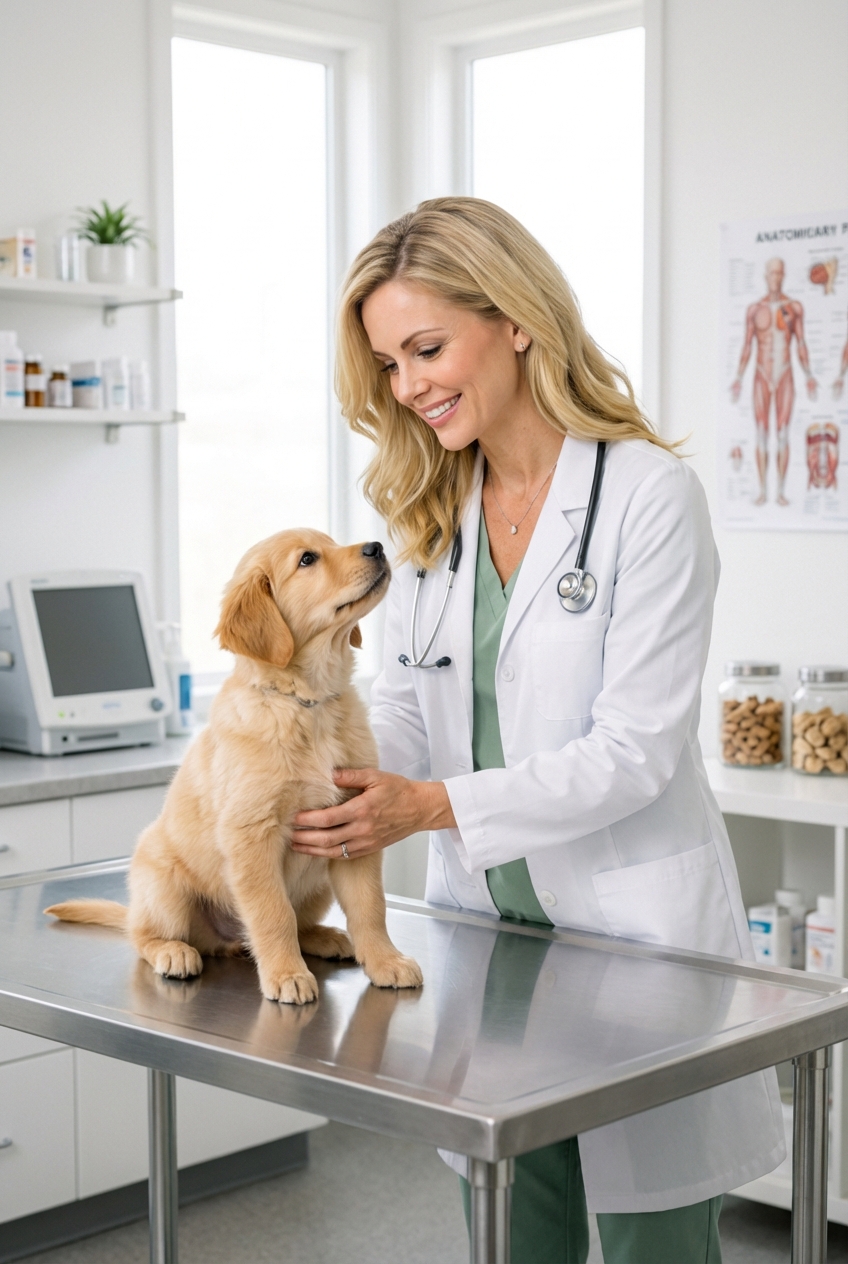
At-home tips
Always follow your veterinarian’s guidance first, especially for puppies. Here are supportive steps that are commonly recommended and family-friendly.
Use a harness, not a collar
Pressure on the throat can trigger coughing. A well-fitted harness helps reduce irritation while your puppy heals.
Prioritize rest
Hard running, wrestling, and intense play can kick up coughing fits. Gentle sniff walks and calm enrichment games are better for a week or two.
Keep your puppy hydrated
Offer fresh water often. Hydration helps keep secretions thinner and more comfortable to clear.
Try bathroom steam for comfort
Some families find that sitting with the puppy in a steamy bathroom for 10 to 15 minutes may help them feel more comfortable. Use common sense: keep it warm, not hot, and never leave your puppy unattended. Skip essential oils and strong scents, which can irritate airways.
Avoid smoke and strong fragrances
Secondhand smoke, heavy air fresheners, and strong cleaning fumes can irritate airways and worsen coughing.
Ask your vet before using human cough products
Many over-the-counter medications are not safe for dogs, especially puppies. If your puppy needs medication, your veterinarian will prescribe the right option and dose.
How long it is contagious
This varies based on the cause, but many dogs are contagious for at least 1 to 2 weeks. Some puppies can spread germs for 2 to 3+ weeks depending on the organism and their individual case. Your veterinarian can help you decide when it is safe to return to daycare, training class, or playdates.
In the meantime, it is kind and responsible to:
- Skip dog parks and group play
- Do potty breaks away from other dogs
- Disinfect bowls, toys, and frequently touched surfaces
- Wash hands after handling your puppy, especially before touching other dogs
Many clinics recommend limiting contact with other dogs until your puppy is cough-free for a few days, but follow your veterinarian’s guidance since timelines vary.
Prevention tips
Plan vaccines around your puppy’s lifestyle
If your puppy will be boarding, grooming regularly, attending daycare, or taking training classes, talk with your veterinarian about the right timing for Bordetella and other respiratory protection. Some facilities require proof of vaccination.
Choose reputable facilities
Good airflow, thoughtful cleaning routines, and screening policies help reduce spread. No facility can remove all risk, but management quality matters.
Support immune system basics
The evidence-based “boring stuff” is powerful: quality nutrition, adequate sleep, low stress, and keeping up with parasite prevention.
Quick checklist
- Call your vet if your puppy is very young, unvaccinated, or has other health concerns
- Call your vet if there is lethargy, fever, poor appetite, thick discharge, or any breathing difficulty
- Call your vet if the cough is worsening, not improving over several days, or disrupting sleep
- Call for guidance even if the cough is mild but you want peace of mind
If you are unsure, call. A quick conversation with your veterinary team can help you decide on next steps and keep your puppy safe.