A practical, vet-informed guide to dog arthritis care: recognize signs, confirm diagnosis, improve traction and comfort at home, use joint supplements, and k...
Article
•
Designer Mixes
Signs of Dementia in Dogs

Shari Shidate
Designer Mixes contributor
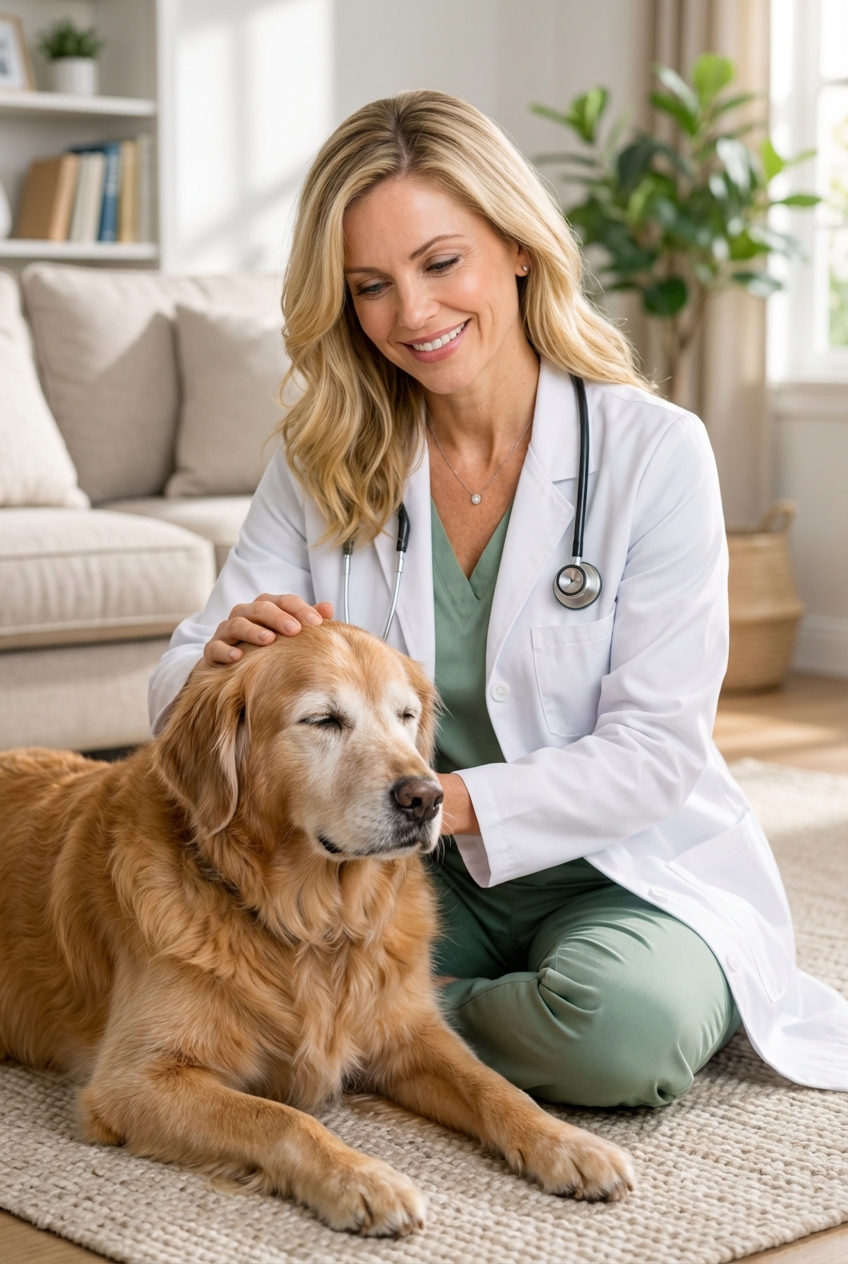
Caring for a senior dog is one of the sweetest seasons of pet parenting, but it can also bring new worries. One of the most common age-related conditions many families struggle to understand is canine cognitive dysfunction (CCD), often called “dog dementia.”
CCD is not just “getting old.” It is a brain-based syndrome that can change how your dog remembers routines, navigates familiar spaces, and interacts with you. The encouraging news is that when signs are recognized early, supportive care can often improve comfort, sleep, and day-to-day function, even though the condition itself is typically progressive.
What dog dementia is (and what it is not)
Canine cognitive dysfunction is a progressive decline in brain function most often seen in older dogs. Research suggests changes may involve oxidative stress, reduced blood flow, inflammation, and age-related protein changes observed in some studies. The outward result can look like confusion, sleep changes, anxiety, or “forgetting” learned behaviors.
It is important to separate CCD from other medical problems that can look similar. Arthritis pain, vision loss, hearing loss, urinary tract infection, kidney disease, hypothyroidism, brain tumors, and even medication side effects can all cause behavior changes that mimic dementia.
Takeaway: Behavior changes in senior dogs deserve a medical workup. Do not assume it is “just aging.”
Common signs of dementia in dogs (DISHA framework)
Veterinary teams often group CCD signs into a helpful acronym: DISHA. Your dog does not need to have every sign to be affected.
D: Disorientation
- Gets stuck behind furniture or in corners and seems unsure how to back out
- Stares at walls, floors, or into space more than usual
- Seems lost in familiar rooms or the yard
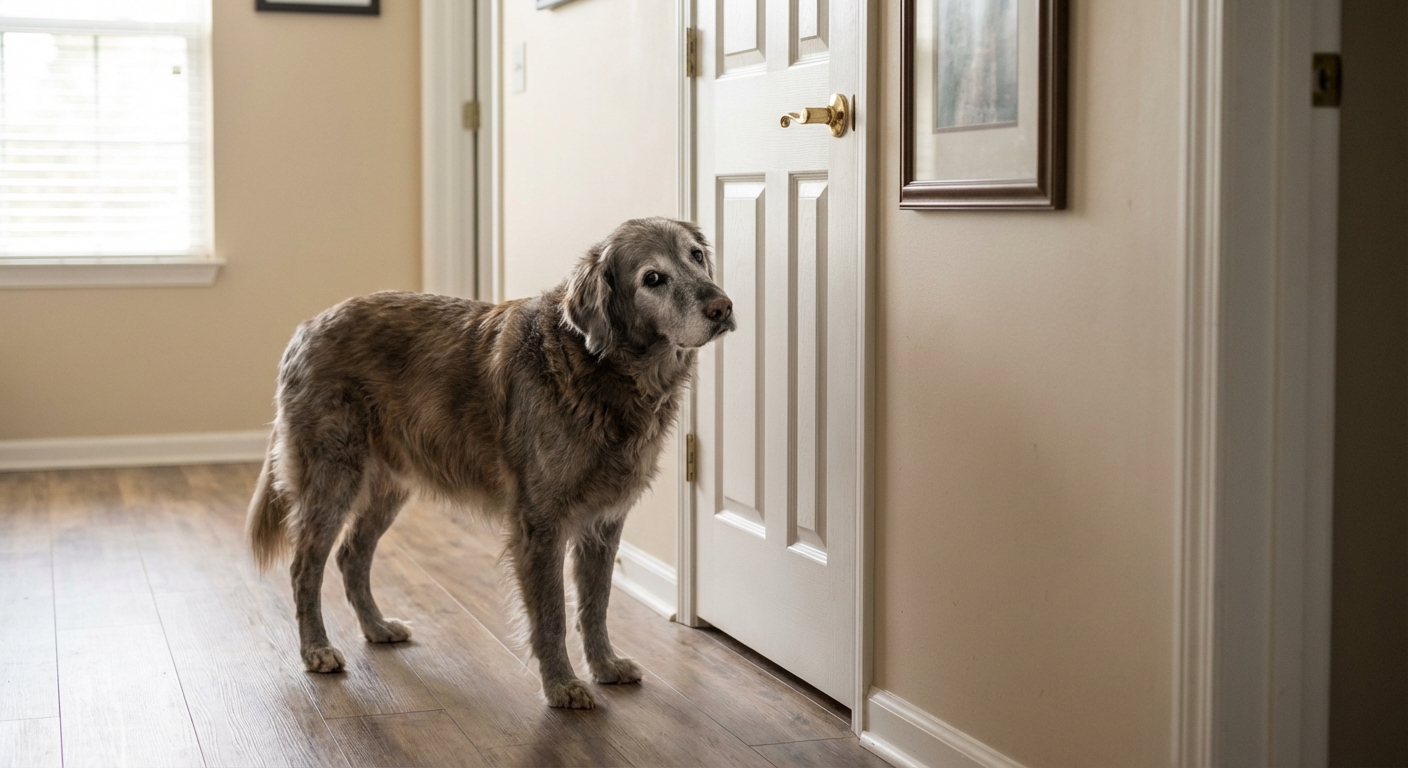
- Hesitates at doors, as if forgetting which side opens
I: Interaction changes
- Less interest in greeting family or seeking affection
- Clingier behavior, following you room to room
- New irritability or reduced tolerance with handling
- Confusion around other pets, such as briefly seeming not to recognize a housemate
S: Sleep-wake cycle changes
- Paces, pants, or wanders at night
- Wakes up frequently and cannot settle
- Sleeps more during the day and is restless after sunset. Many owners notice this “sundowning” pattern
H: House soiling or changes in learned habits
- Accidents indoors after being reliably house-trained
- Seems to forget to ask to go out
- Stands near the door but does not signal clearly
- Urination or defecation in unusual places
A: Activity level and anxiety changes
- Less interest in play or walks, beyond what you would expect from arthritis alone
- Repetitive behaviors like pacing the same route or circling
- Increased anxiety, especially when alone or at night
- New noise sensitivity or startle responses
If you are seeing a few DISHA changes together, it is a good time to schedule a vet visit and start tracking patterns at home.
Other subtle symptoms owners miss
Some changes are gentle at first and easy to explain away. These often show up months before more obvious confusion.
- Reduced responsiveness: slower to follow cues like “sit,” “come,” or their name (not always hearing loss)
- New picky eating: may walk away from food or seem uncertain about bowls or feeding location
- Routine mix-ups: looks uncertain on walks, pauses at stairs, forgets the route
- Grooming changes: less self-care, coat looks duller, more mats in long-haired mixes
- Changes in thirst or appetite: not a classic CCD sign on its own, but it can signal a medical issue that mimics or worsens cognitive signs if untreated
When it might be something else
Because CCD is a diagnosis made after ruling out other causes, your veterinarian will often recommend lab work and possibly additional testing. These are some common look-alikes:
- Arthritis or chronic pain: pacing at night, irritability, reluctance to settle
- Vision loss: bumping into objects, hesitant movement in dim light
- Hearing loss: not responding to voice cues, startled when touched
- Urinary tract infection: accidents, urgency, licking the genital area
- Kidney or liver disease: restless nights, appetite changes, increased thirst
- Endocrine disease (like hypothyroidism): mental dullness, weight changes, skin and coat issues
- Neurologic disease: seizures, head tilt, weakness, sudden personality shift
If your dog’s change is sudden, severe, or paired with vomiting, collapse, seizures, or trouble walking, treat it as urgent.
What to track at home
One of the most helpful things you can do is bring clear notes to your appointment. You do not need to be perfect. You just need a pattern.
Simple weekly checklist
- Sleep: how many nights per week are restless?
- Accidents: how often, and at what time of day?
- Confusion episodes: stuck behind furniture, staring, wandering
- Anxiety: pacing, whining, new clinginess
- Appetite and thirst: any change from normal?
- Mobility: slipping, hesitation on stairs, trouble rising
If you can safely capture a short video of concerning behaviors, it can be incredibly useful at the clinic.

How CCD is diagnosed
There is no single quick test for CCD. Diagnosis typically involves:
- History and behavior review: what changed, when it started, what times of day it happens
- Physical and neurologic exam
- Basic labs: bloodwork and urinalysis to screen for common medical causes
- Blood pressure check in many seniors
- Additional tests when indicated: thyroid testing, imaging, or referral to a veterinary neurologist
Your vet may also use a cognitive screening questionnaire to score changes over time, such as the CCDR (Canine Cognitive Dysfunction Rating scale) or CADES.
What helps
CCD is progressive, but many dogs experience meaningful improvement in comfort and function with a well-rounded plan. Think in layers: medical care, environment, enrichment, and nutrition.
1) Medical options
Depending on your dog’s health and symptoms, your veterinarian may discuss medications that support brain chemicals, reduce anxiety, or improve sleep. In some cases, vets may prescribe selegiline for cognitive signs, or targeted anti-anxiety and sleep support when nighttime restlessness is a major issue. Pain control is also a huge piece, because untreated arthritis pain can look like dementia and can make cognitive signs harder to manage.
2) Make the home easier
- Add non-slip rugs or runners on slick floors
- Use night lights for hallways and near water bowls
- Block off stairs if vision or stability is declining
- Keep furniture layout consistent
- Use baby gates to prevent getting trapped in tight spaces
3) Keep routine steady
- Feed, walk, and potty at consistent times
- Add an extra potty break before bedtime
- Use calm, simple cues and reward small successes
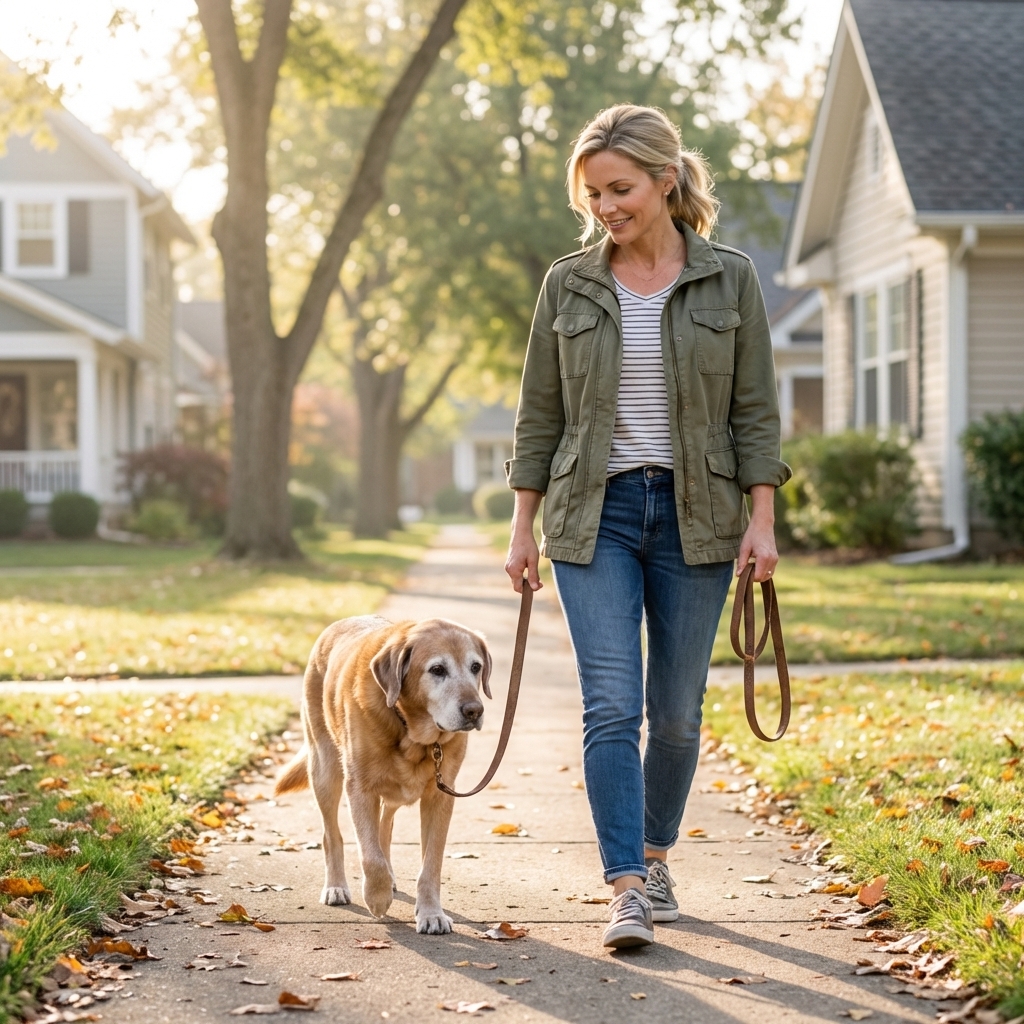
- Choose familiar walking routes when possible
4) Gentle enrichment
- Food puzzles that are easy to solve (frustration is not helpful)
- Sniff walks where your dog sets the pace
- Short training refreshers using rewards, 2 to 5 minutes at a time
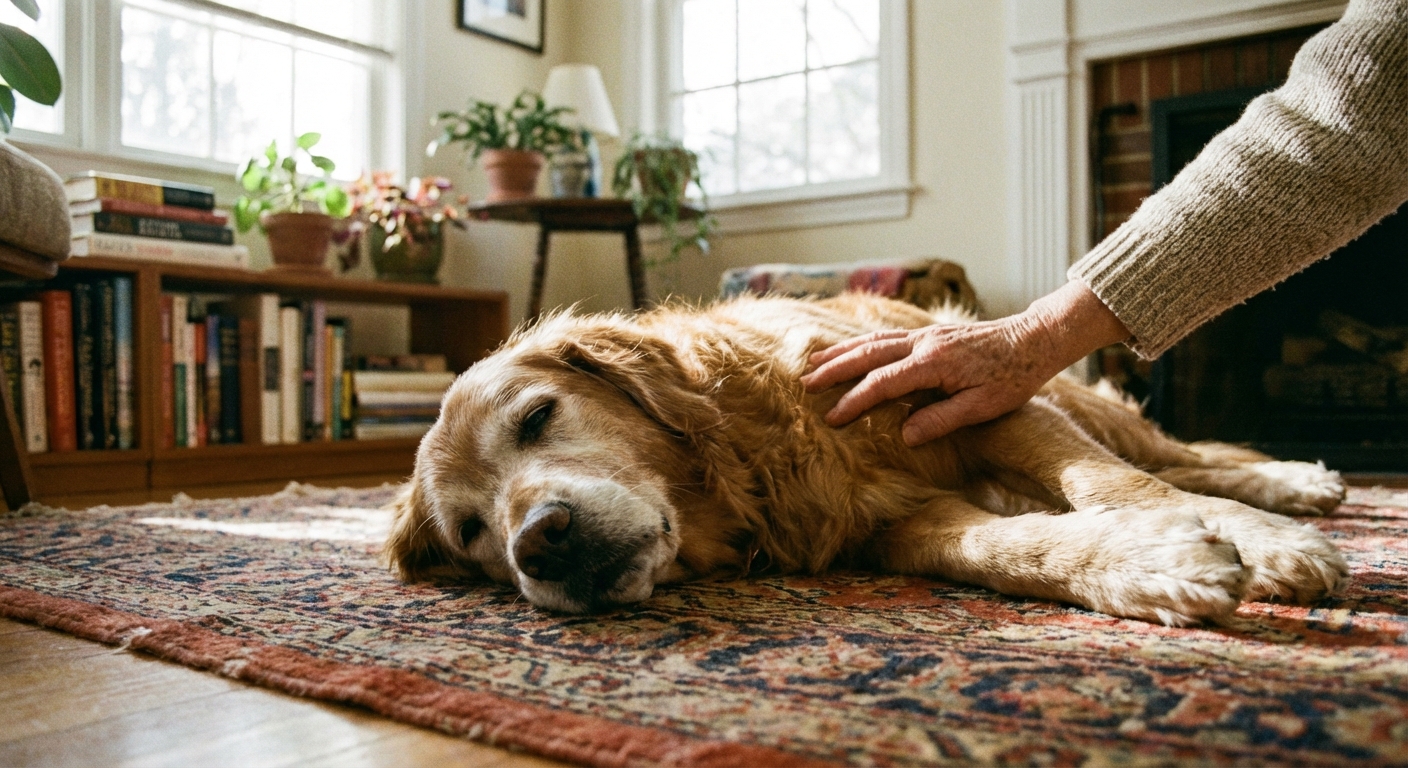
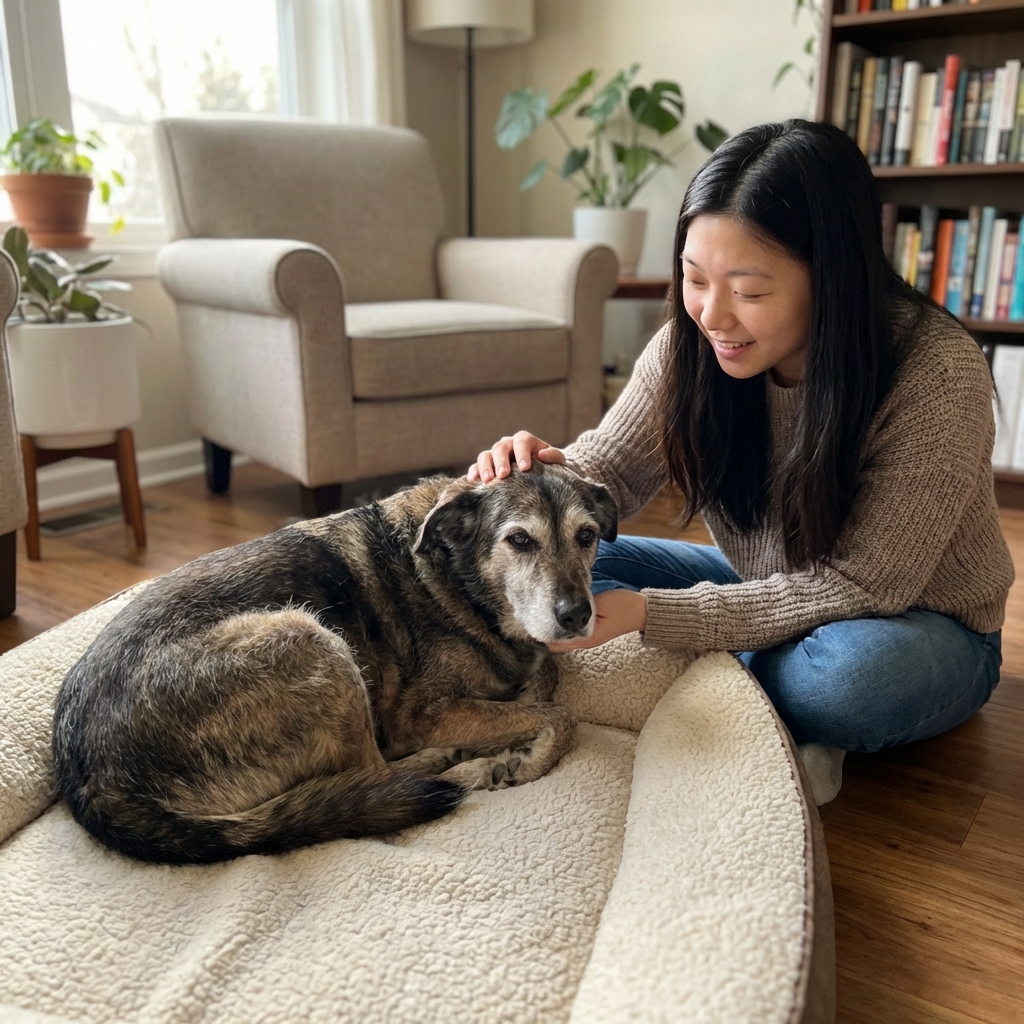
- Massage, brushing, and calm connection time
Overstimulation can worsen anxiety, so go slow and keep sessions short.
5) Nighttime help
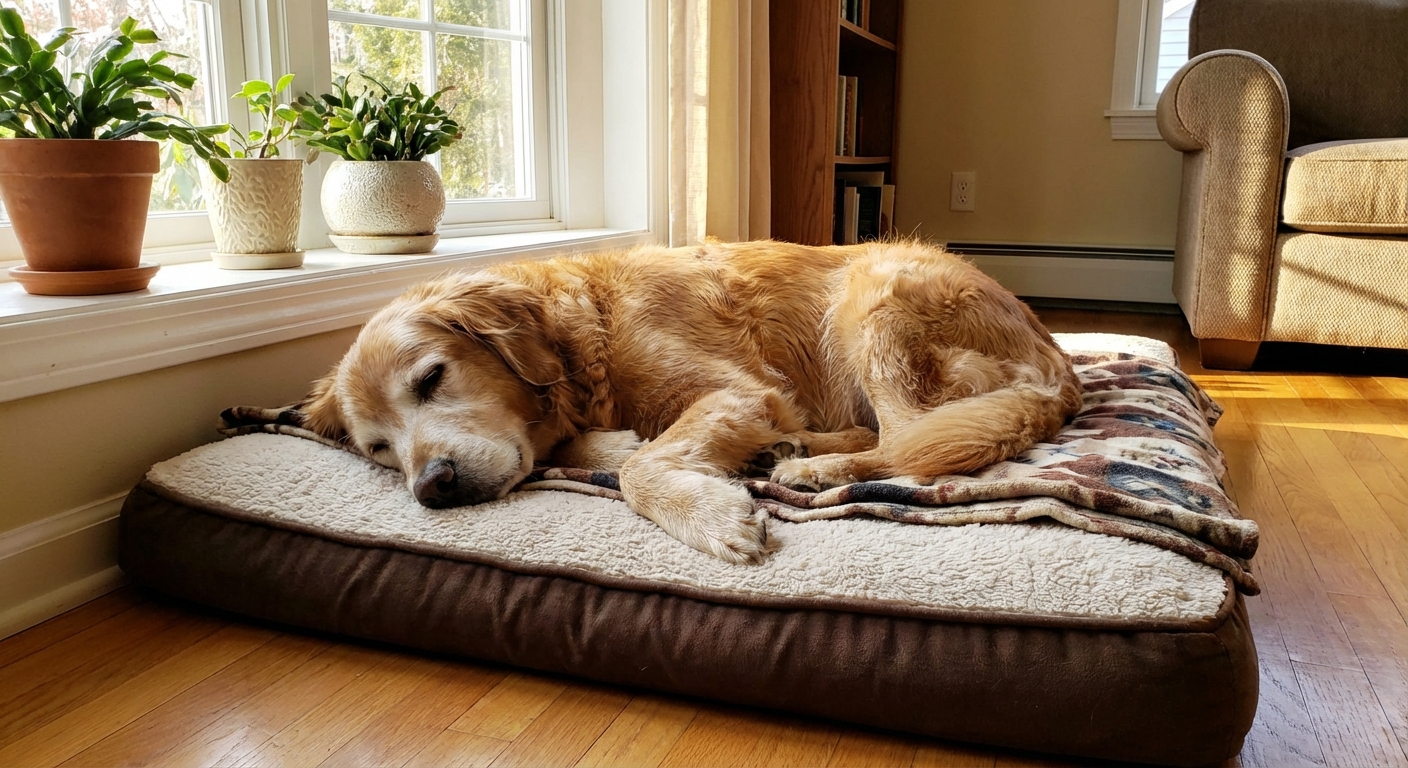
- Create a safe, familiar sleep space with easy footing and access to water
- Consider white noise or a fan if your dog startles easily at night
- Ask your vet about pheromone diffusers or calming supports that fit your dog’s medical history
- If wandering is risky, use a comfortable confinement setup (like a pen or gated area) so your dog cannot get stuck
Nutrition and supplements
Nutrition will not “cure” dementia, but brain aging is thought to be influenced by inflammation and oxidative stress. Some veterinary diets are formulated specifically for cognitive support (for example, prescription cognitive-support diets such as Hill’s b/d). There is also growing interest in supplements such as omega-3 fatty acids (DHA and EPA), antioxidants, and certain nutraceutical blends.
Because seniors often take multiple medications and may have kidney, liver, or pancreatitis risks, it is safest to ask your veterinarian before starting supplements. Bring the product label or a photo so they can review ingredients and dosing.
One of my favorite senior-dog strategies is simple: improve the basics first. Great sleep, good pain control, and steady routines often make the biggest visible difference.
Prognosis and progression
CCD usually progresses gradually, and it is common to see good days and harder days. Some dogs stay stable for a while with the right support, then need adjustments as their needs change. Regular check-ins help your veterinary team fine-tune pain control, anxiety support, sleep strategies, and home setup so your dog can stay comfortable and safe.
If you are ever unsure how your dog is truly doing overall, ask your vet about a quality-of-life tool (many families use the HHHHHMM scale) to guide decisions and reduce the feeling of guessing.
Red flags
Reach out to your veterinarian quickly if you notice:
- Sudden confusion that appears overnight
- Seizures, collapse, or fainting
- Head tilt, circling to one side, or loss of balance
- Rapid vision changes
- Not eating for more than 24 hours, vomiting, or severe diarrhea
- Straining to urinate, blood in urine, or repeated accidents with discomfort
Living with a dog who has dementia
If your dog is showing signs of CCD, please hear this: you are not failing. This condition is common, and it can be emotionally heavy because it changes the way your dog moves through the world.
Focus on comfort, safety, and connection. Celebrate the good moments. And lean on your veterinary team for medication adjustments, pain control, and quality-of-life discussions as the disease progresses.
With early recognition and a thoughtful plan, many dogs continue to enjoy their families, their snacks, their sunny nap spots, and their walks for a long time.