Learn kidney-friendly homemade meal templates for dogs, including phosphorus control, right-sized protein, omega-3s, hydration tips, and foods to avoid—plu...
Article
•
Designer Mixes
Signs of Bladder Infection in Dogs

Shari Shidate
Designer Mixes contributor
As a veterinary assistant here in Frisco, Texas, I have seen how quickly a simple bladder infection can turn a happy dog into an uncomfortable, restless one. The good news is that most uncomplicated urinary tract infections (UTIs) are very treatable when you catch them early, but resistant bacteria or underlying health problems can make some cases more complicated. This guide will help you recognize the most common signs of a bladder infection in dogs of all ages, understand what might be causing them, and know when it is time to call your veterinarian.
What is a bladder infection?
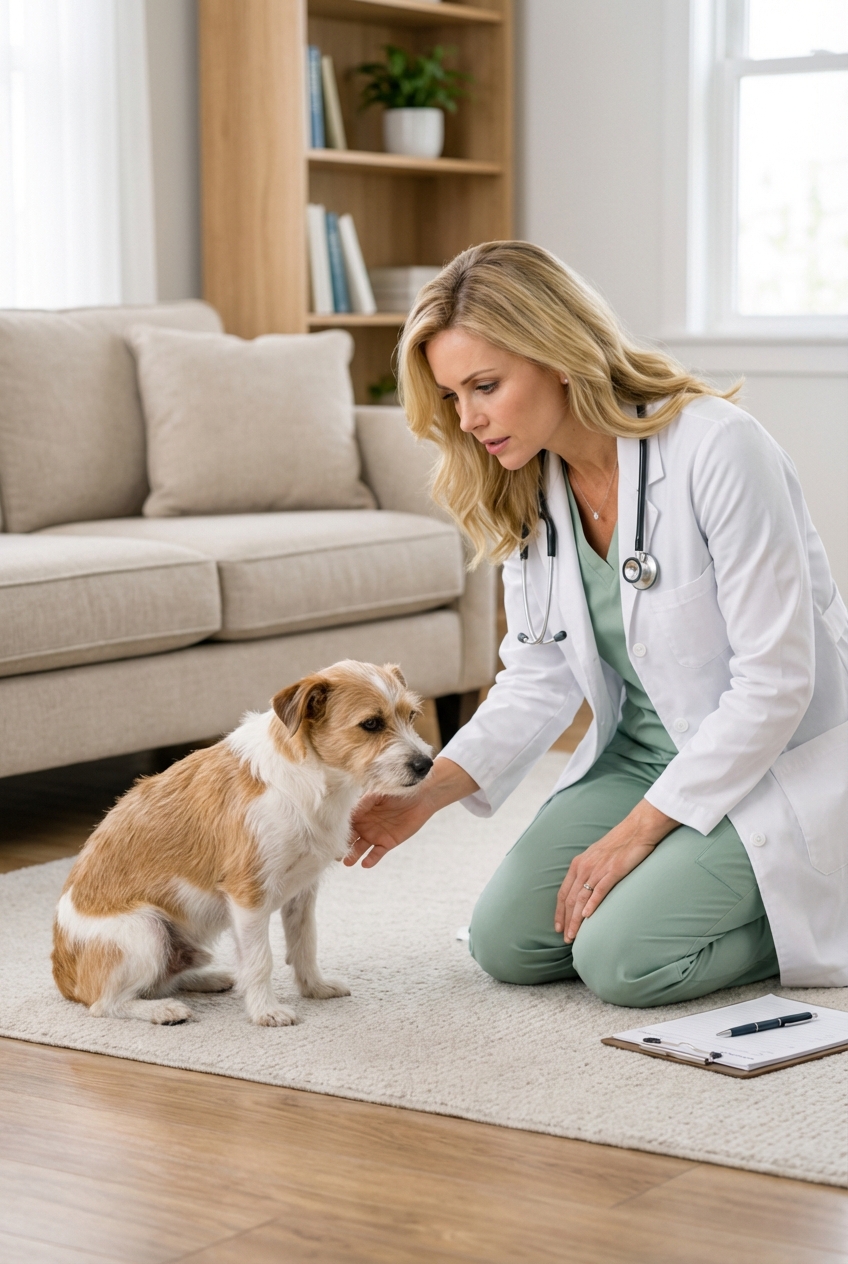
A bladder infection usually means bacteria have moved up the urethra and into the bladder, causing inflammation and irritation. Many people use the term UTI, but in dogs, infections can be limited to the lower urinary tract (bladder and urethra) or, less commonly, travel upward to the kidneys. Kidney infections are more serious and can make a dog very sick.
Because urinary problems can look similar, it is important not to assume it is “just a UTI.” Bladder stones, prostate issues, tumors, anatomical changes, and even stress-related inflammation can mimic infection. A proper veterinary exam and urine testing are how we separate these conditions.
Early signs pet lovers notice first
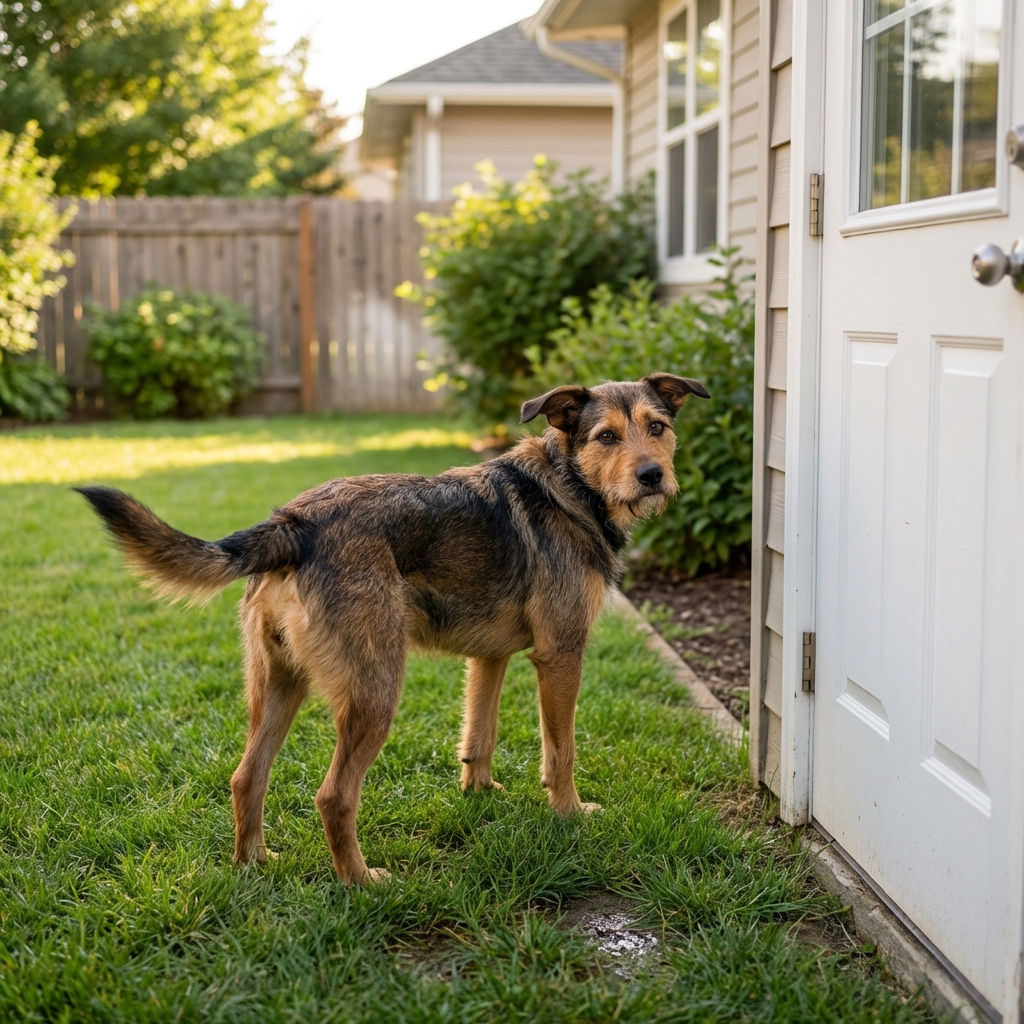
Many dogs try to hide discomfort. Often, the first clues are subtle changes in routine. If your dog is normally house-trained and suddenly has accidents, that is your red flag to pay attention.
- Frequent potty trips or asking to go outside more often
- Straining to urinate or taking longer than usual to pee
- Small amounts of urine even though they try repeatedly
- Accidents in the house in an otherwise reliably trained dog
- Licking the genital area more than normal
- Restlessness, pacing, or difficulty settling down
Classic bladder infection symptoms
As irritation builds, the signs tend to get more obvious and more uncomfortable. When the bladder lining is inflamed, urination can become painful, urgent, and messy.
- Painful urination (whining, flinching, or looking back while peeing)
- Blood in the urine (pink tint or red drops, sometimes only seen on snow or light surfaces)
- Strong-smelling urine or a sudden change in odor
- Cloudy urine or visible sediment
- Urinating in unusual places like a bathtub, tile floor, or near a door
A quick note on odor and cloudiness: those changes can happen with UTIs, but they can also be caused by concentrated urine, diet changes, or contamination. They are a reason to check in with your vet, but they do not confirm an infection by themselves.
Some dogs also seem “off” overall, especially if the infection is progressing.
Signs in puppies
Puppies are still learning house training, which can make infection harder to spot. What makes me suspicious is a puppy who is trying hard but cannot seem to stay dry, or one who suddenly regresses after doing well.
- Frequent squatting with very little urine produced
- Accidents that increase suddenly, especially overnight
- Crying or acting startled when starting to urinate
- Lethargy or decreased appetite in more advanced cases
If a puppy seems sick, dehydrated, or not eating, do not wait it out. Young dogs can decline faster than adults.
Signs in adult dogs
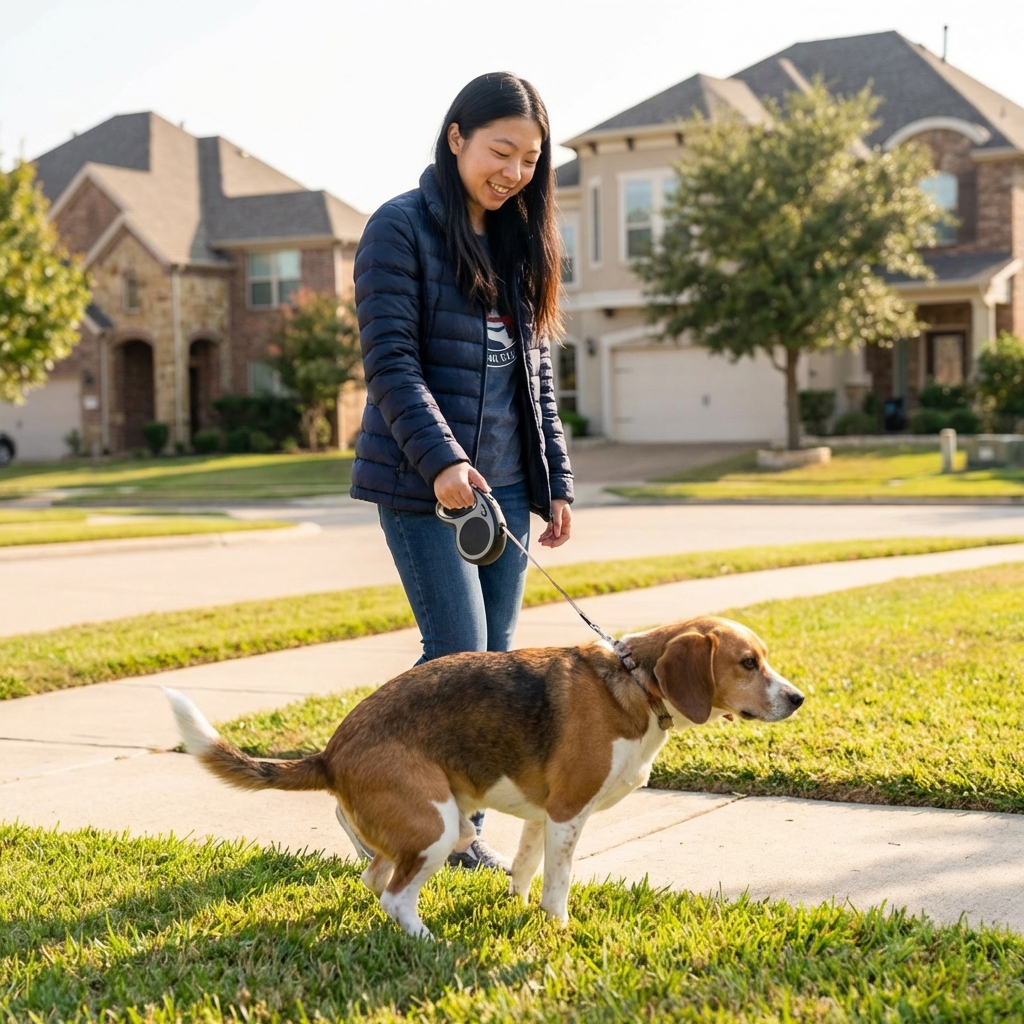
In adult dogs, bladder infections often show up as a sudden behavior change: frequent requests to go outside, or a normally tidy dog having indoor accidents. Some dogs become clingy, others become irritable because they are uncomfortable.
- New accidents despite normal training
- Increased licking around the vulva or prepuce
- Urinating more often during walks, sometimes with urgency
- Mild decrease in energy
Signs in senior dogs
Senior dogs can have UTIs for longer before anyone notices, especially if they already have mobility issues, kidney changes, or mild incontinence. This age group is also more likely to have underlying conditions that make infection more likely.
- Worsening incontinence or dribbling
- Accidents that occur when resting or sleeping
- Increased thirst along with urinary changes
- Confusion, pacing, or sudden behavior shifts (sometimes seen when they feel unwell)
In seniors, it is especially important to confirm the diagnosis rather than guessing, because problems like bladder stones or tumors become more common with age.
When it is an emergency
Some urinary signs require same-day care. Urinary blockage is far more common in male cats, but dogs can still experience obstruction. Also, kidney involvement can become serious quickly.
- Straining and producing no urine or only a few drops
- Vomiting, marked lethargy, or collapse
- Swollen or painful belly
- Fever or shaking
- Blood clots or heavy bleeding in the urine
If your dog cannot pass urine, treat it as urgent and seek veterinary care immediately.
One more practical tip: straining can look like constipation. If you are not sure whether your dog is trying to poop or pee, it is still worth calling. In male dogs, straining can also be tied to prostate problems or obstruction, not just infection.
Why bladder infections happen
Most bladder infections involve bacteria entering the urinary tract through the urethra. Some dogs are simply more prone due to anatomy or health conditions.
Common risk factors
- Female anatomy (shorter urethra can increase risk)
- Diabetes (sugar in urine can promote bacterial growth)
- Cushing’s disease or medications that suppress immune function
- Bladder stones or crystals that irritate the bladder lining
- Incomplete bladder emptying due to pain, arthritis, or neurologic issues
- Obesity (may contribute by reducing mobility and making it harder to fully posture and empty)
Also, recurrent UTIs are a clue that something deeper may be going on. It does not mean you did anything wrong, but it does mean your vet may want to look for underlying causes.
How vets diagnose a bladder infection
At the clinic, we typically start with a urinalysis. This checks for evidence of infection and inflammation (like bacteria, white blood cells, blood, pH changes, and crystals that may indicate stone risk). For many dogs, the next best step is a urine culture and sensitivity, especially if infections are recurring or if antibiotics have been used recently.
- Urinalysis: fast, helpful screening tool
- Urine culture: confirms bacteria and tells us which antibiotics work best
- Imaging (x-rays or ultrasound): checks for stones, masses, or anatomical issues when indicated
Urine collection can be done a few ways. A home sample (often called a free-catch sample) can be useful for screening, but for a culture, your vet may recommend a sterile collection, such as cystocentesis (a quick needle collection from the bladder). Sterile samples help us avoid confusing skin or environmental contamination with true infection.
One helpful tip: if your veterinarian asks for a urine sample, do not be embarrassed if you cannot collect one at home. Many clinics can collect a sample safely.
Treatment and what to expect
Treatment depends on the cause and severity. For a straightforward bacterial bladder infection, a veterinarian may prescribe an antibiotic along with pain relief if needed. If stones, crystals, or another condition is present, treatment may shift to diet changes, medications, or procedures.
Please do not give leftover antibiotics (even if they “worked last time”) or human over-the-counter medications unless your veterinarian tells you to. The wrong drug or dose can delay proper treatment and, in some cases, make things worse.
What pet parents can do during recovery
- Give all medications exactly as prescribed, even if your dog seems better after a day or two
- Increase potty breaks so your dog can urinate comfortably and more often
- Encourage hydration (fresh water, adding water or broth to meals if approved by your vet)
- Monitor urine for blood, straining, and frequency changes
Some dogs need a recheck urine test after treatment, especially if symptoms were severe, the infection keeps returning, or a culture was performed.
Home care that supports urinary health
I love practical steps that make a real difference without replacing medical care. Think of these as supportive habits that help your dog’s urinary system stay resilient.
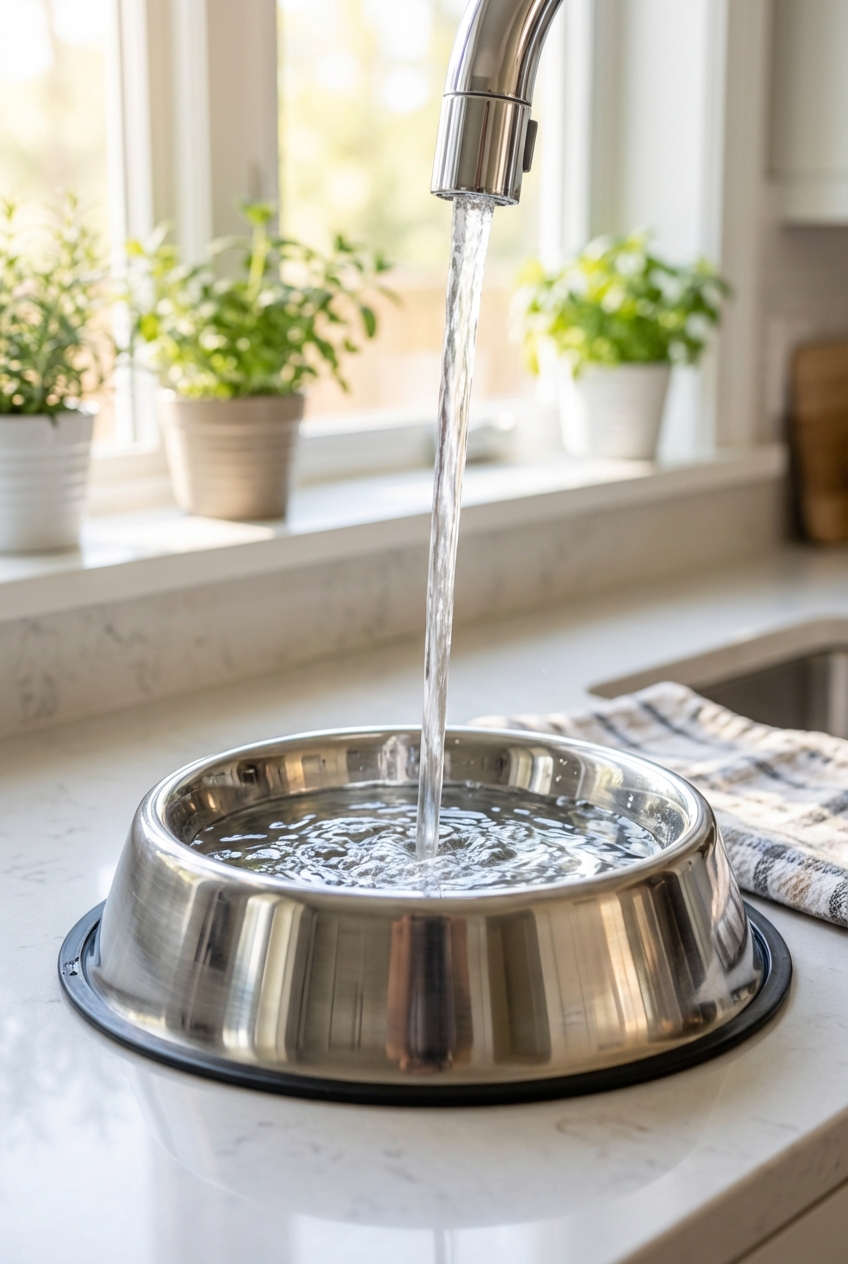
- Keep water appealing: clean bowls daily, consider a pet fountain, refresh water often
- Offer more potty opportunities: holding urine too long can worsen discomfort and urgency
- Maintain a healthy weight: extra weight can reduce mobility and make it harder for some dogs to fully posture and empty
- Nutrition matters: discuss diet if your dog has crystals or stones, because the “right” diet depends on the type
- Hygiene for long coats: keep fur around the vulva or prepuce trimmed and clean to reduce contamination
Questions to ask your veterinarian
If you are feeling overwhelmed, you are not alone. These questions can help you leave the appointment with clarity.
- Was the diagnosis based on urinalysis, a culture, or both?
- Do you suspect bladder stones or crystals?
- Should we do a follow-up urine test after antibiotics?
- Is my dog at risk for recurrent infections, and if so, why?
- Are there diet or supplement changes you recommend for my dog’s specific case?
Bottom line
Bladder infections are common, uncomfortable, and usually very manageable with prompt veterinary care. Trust your instincts. If your dog is urinating more often, straining, having accidents, or you notice blood, it is time to call your veterinarian and get a urine test. Catching it early can prevent days of discomfort and lower the risk of more serious complications.
This article is for education and does not replace veterinary diagnosis or treatment. If your dog is unable to urinate, vomiting, or acting very ill, seek emergency care.