A practical, vet-informed guide to dog arthritis care: recognize signs, confirm diagnosis, improve traction and comfort at home, use joint supplements, and k...
Article
•
Designer Mixes
Signs of Arthritis in Dogs

Shari Shidate
Designer Mixes contributor
Arthritis is one of those conditions that can sneak up on dogs and families. Many pups do not cry out. Instead, they quietly change their habits, avoid certain movements, and compensate in ways that can look like “slowing down” or “being stubborn.” The good news is that when you know what to watch for, you can get help sooner and protect your dog’s ease, mobility, and joy.
As a veterinary assistant, I always tell pet parents this: arthritis is common, but untreated pain should never be considered normal aging. Your veterinarian can confirm what is going on and tailor a plan to your dog.
What arthritis is (and why it hurts)
Most chronic arthritis in dogs is osteoarthritis, a long-term condition where joint cartilage wears down and inflammation builds up. Cartilage is meant to act like a smooth cushion. When it thins or becomes damaged, the joint moves less comfortably, and the body responds with inflammation that can create a painful cycle.
Arthritis can be triggered or worsened by:
- Age (wear and tear over time)
- Genetics and body structure (some breeds and mixes are more predisposed)
- Past injuries (cranial cruciate ligament, or CCL, rupture, which is similar to the ACL in people; fractures; repetitive strain)
- Hip or elbow dysplasia
- Excess weight (more load on every step)
Osteoarthritis is often progressive, but with a thoughtful plan, many dogs stay active and happy for years.
Common signs of arthritis in dogs
Arthritis symptoms can be obvious, but they are often subtle at first. Here are the most common signs I see in real households and in the clinic.
Movement and mobility changes
- Stiffness, especially after naps or first thing in the morning
- Limping or favoring one leg, which may come and go
- Slower on walks or stopping more often
- Reluctance to jump into the car, onto the couch, or up stairs
- Trouble with stairs or avoiding them entirely
- “Bunny hopping” with the back legs (often seen with hip discomfort)
- Slipping on floors and needing more traction
- Difficulty standing up, especially on smooth surfaces
Behavior and mood shifts
- Irritability, especially when touched near hips, shoulders, or knees
- Less interest in play or shorter play sessions
- Restlessness at night or trouble getting comfortable
- More licking at a joint area (a common self-soothing behavior)
- Hiding or seeking isolation (some dogs do this when they hurt)
Changes in posture and muscle
- Muscle loss, especially in the thighs or shoulders, from using the limb less
- Weight shifting to the front end or the “good” leg
- Arched back or guarded posture
- Swelling around a joint (not always present)
If you are seeing even a few of these signs, it is worth a vet visit. Early support can slow the cycle of pain and compensation.
Subtle early signs people often miss
These are the “quiet clues” that often show up before a clear limp:
- Taking longer to sit down or sitting with one leg kicked out
- Hesitating at thresholds or stepping over curbs slowly
- Turning the head instead of the body (possible neck or back discomfort)
- Lagging behind near the end of a walk rather than the beginning
- Reluctance to be brushed or to have nails trimmed (positioning can hurt)
- Less enthusiasm for greeting at the door
A helpful tip: take a short video of your dog walking toward you and away from you on a flat surface. Bring it to your appointment. Dogs are masters at “acting fine” in the exam room.
Which dogs are at higher risk?
Any dog can develop arthritis, including young dogs after an injury, but risk is higher in:
- Senior dogs
- Large and giant breeds (and many large-breed mixes)
- Overweight dogs
- Dogs with prior orthopedic injuries (like a CCL rupture)
- Dogs with hip or elbow dysplasia
Designer mixes can inherit risk factors from either parent breed. If your mix is prone to joint issues, the best time to start prevention is before symptoms show up.
When to call the vet (and when it is urgent)
Schedule a veterinary appointment if you notice stiffness, hesitating to jump, recurring limping, or changes in mood or activity. You do not have to wait until it is “really bad.”
Seek urgent care if you see:
- Sudden inability to use a leg or severe limping
- Crying out in pain, trembling, or rapid breathing at rest
- Swollen joint with heat and severe tenderness
- Dragging a limb or weakness in the back end
- Loss of appetite plus lethargy and pain
Those signs can indicate injuries, neurologic issues, or conditions beyond osteoarthritis.
How arthritis is diagnosed
Your veterinarian may use a combination of:
- History (what you are noticing at home)
- Physical exam (range of motion, joint thickening, pain response, muscle loss)
- Gait evaluation (watching your dog walk and turn)
- X-rays to look for bony changes consistent with osteoarthritis
- Additional testing when needed to rule out injuries or other diseases
Sometimes dogs have significant pain with only mild X-ray changes. That is why your observations matter so much.
Real help: evidence-based support
There is no one perfect arthritis plan. The best approach is usually multi-modal, meaning several supportive steps working together.
1) Weight management (the most powerful lever)
If your dog is even a little overweight, losing weight can dramatically reduce joint load and pain. Ask your vet for an ideal weight target and a realistic weekly plan.
2) Vet-prescribed pain relief
For many dogs, appropriate pain control is life-changing. Your vet may discuss options such as:
- NSAIDs made for dogs
- Adjunct pain medications when needed
- Injectable therapies for osteoarthritis pain control (your vet may talk with you about options like monoclonal antibody therapy or polysulfated glycosaminoglycans, depending on your dog)
Important: never give human pain medications unless your veterinarian specifically instructs you to. Some are toxic to dogs.
Another important safety note: if your dog starts an NSAID, your veterinarian may recommend baseline bloodwork and rechecks over time to monitor organ health and keep treatment as safe as possible.
3) Joint supplements (support, not a replacement)
Many dogs benefit from a trial of well-studied joint ingredients, commonly including:
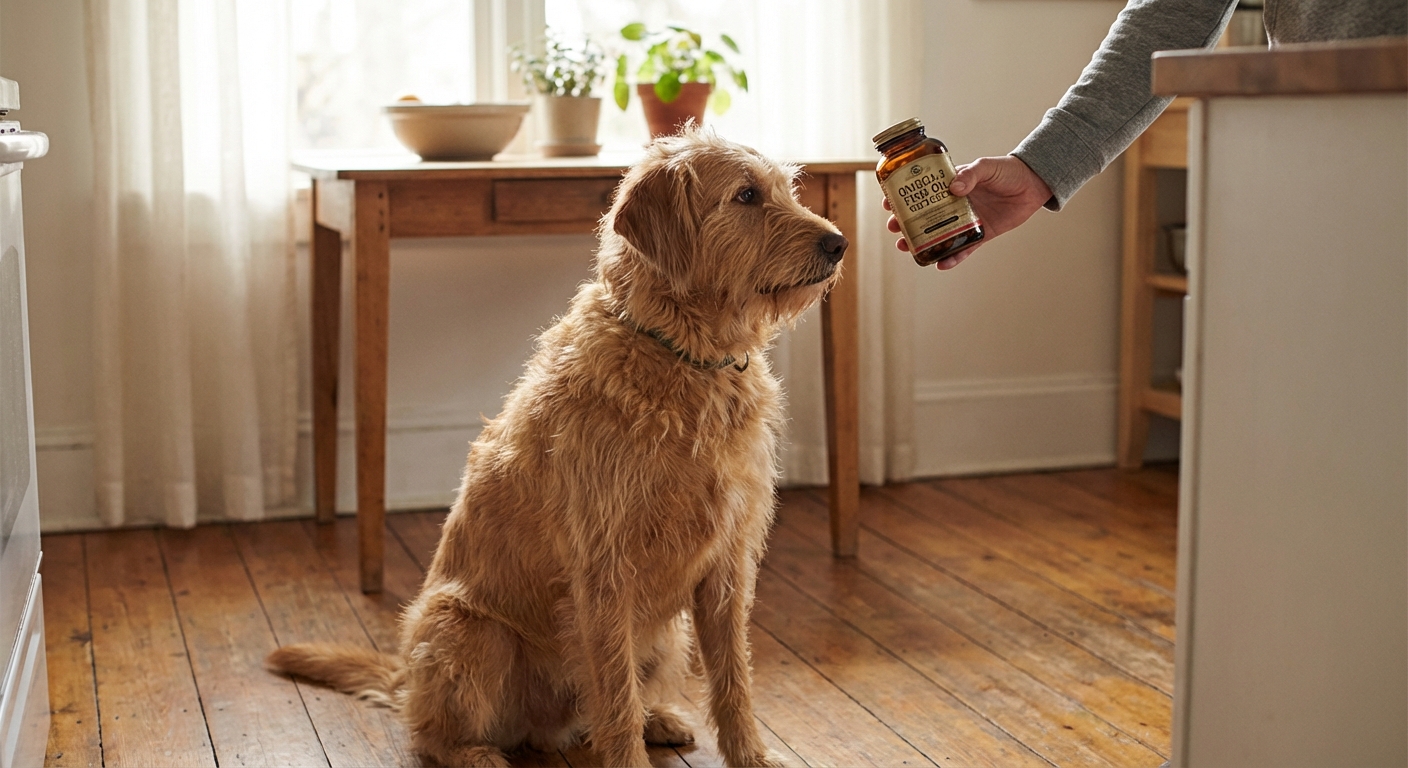
- Omega-3 fatty acids (EPA and DHA) for inflammation support
- Glucosamine and chondroitin
- Green-lipped mussel
- Undenatured type II collagen
It is worth knowing that supplement evidence is mixed for some ingredients, and response varies by dog. Quality and dosing matter, so choose veterinary-recommended products when possible and give them enough time. Many take 4 to 8 weeks to judge response.
4) Physical rehabilitation and safe exercise
Movement is medicine, but it has to be the right kind of movement.
- Short, consistent walks are often better than long weekend hikes
- Warm-ups (a few minutes slow) help stiff dogs
- Swimming or underwater treadmill can build muscle with less joint impact
- Strength exercises prescribed by a rehab professional can stabilize joints
5) Home setup changes that make a huge difference
- Non-slip rugs on slick floors
- Ramps or steps for couch and car
- Supportive orthopedic bed (especially for larger dogs)
- Food and water setup: some dogs do better with raised bowls, but ask your vet if it is appropriate for your dog
- Nail and paw care for traction and joint alignment
What not to do
A few common mistakes can make sore joints flare:
- Do not push intense exercise on “good days”. Overdoing it can lead to a painful rebound.
- Avoid repetitive high-impact games on hard or slippery surfaces (like nonstop fetch with sharp turns).
- Do not use human pain meds unless your veterinarian tells you exactly what to give and how to dose it.
- Do not ignore traction. Slipping forces dogs to tense up and can worsen soreness.
Other therapies you can ask about
Some families also explore supportive modalities like acupuncture, therapeutic laser, or massage. These can help some dogs, but results vary and evidence is stronger for some conditions than others. If you are curious, talk to your veterinarian about what is appropriate and how to combine it safely with medications and rehab.
Nutrition tips that support joint health
Food cannot reverse arthritis, but nutrition can absolutely support inflammation balance, healthy weight, and muscle maintenance.
- Prioritize lean, high-quality protein to protect muscle that supports joints
- Include omega-3s through vet-approved fish oil or appropriate foods
- Aim for a healthy body condition with measured portions and smart treats
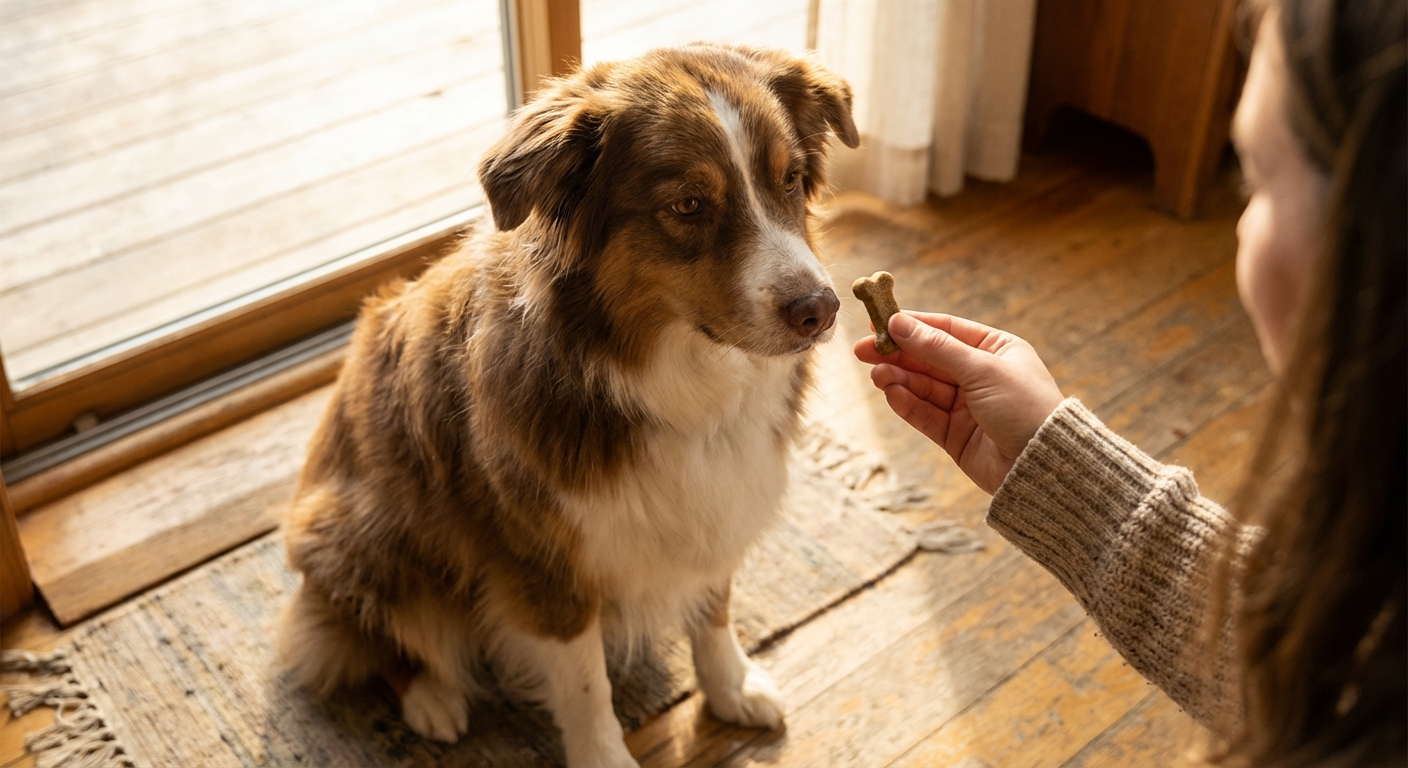
- Choose whole-food treats (like small pieces of cooked lean meat or dog-safe fruits and veggies) instead of high-calorie processed treats
If you are interested in adding fresh foods or homemade meals, go slowly and work with your veterinarian to keep the diet complete and balanced, especially for growing dogs or dogs with other medical conditions.
A simple at-home check-in
Try tracking these for 7 to 10 days and bring your notes to your vet:
- Time to get up after rest (quick, slow, needs help)
- Stair confidence (normal, hesitant, refuses)
- Jumping ability (normal, hesitant, refuses)
- Walk tolerance (minutes before slowing)
- Sleep quality (settled, restless)
- Comfort when touched (enjoys petting, flinches, moves away)
If your dog is changing their routine to avoid a movement, that movement probably hurts.
Hope for arthritic dogs
Arthritis can feel discouraging at first, especially if you are used to a dog who could run forever. But I have seen so many dogs regain their spark with the right mix of pain control, healthy weight, strength-building, and a few home modifications.
You do not have to do everything at once. Start with one or two changes, track how your dog responds, and build from there. Small improvements add up.