Spot sudden stroke-like signs in dogs—head tilt, wobbliness, one-sided weakness, nystagmus, confusion, collapse or seizures. Learn what to do fast, how vet...
Article
•
Designer Mixes
Signs of a Stroke in Dogs

Shari Shidate
Designer Mixes contributor
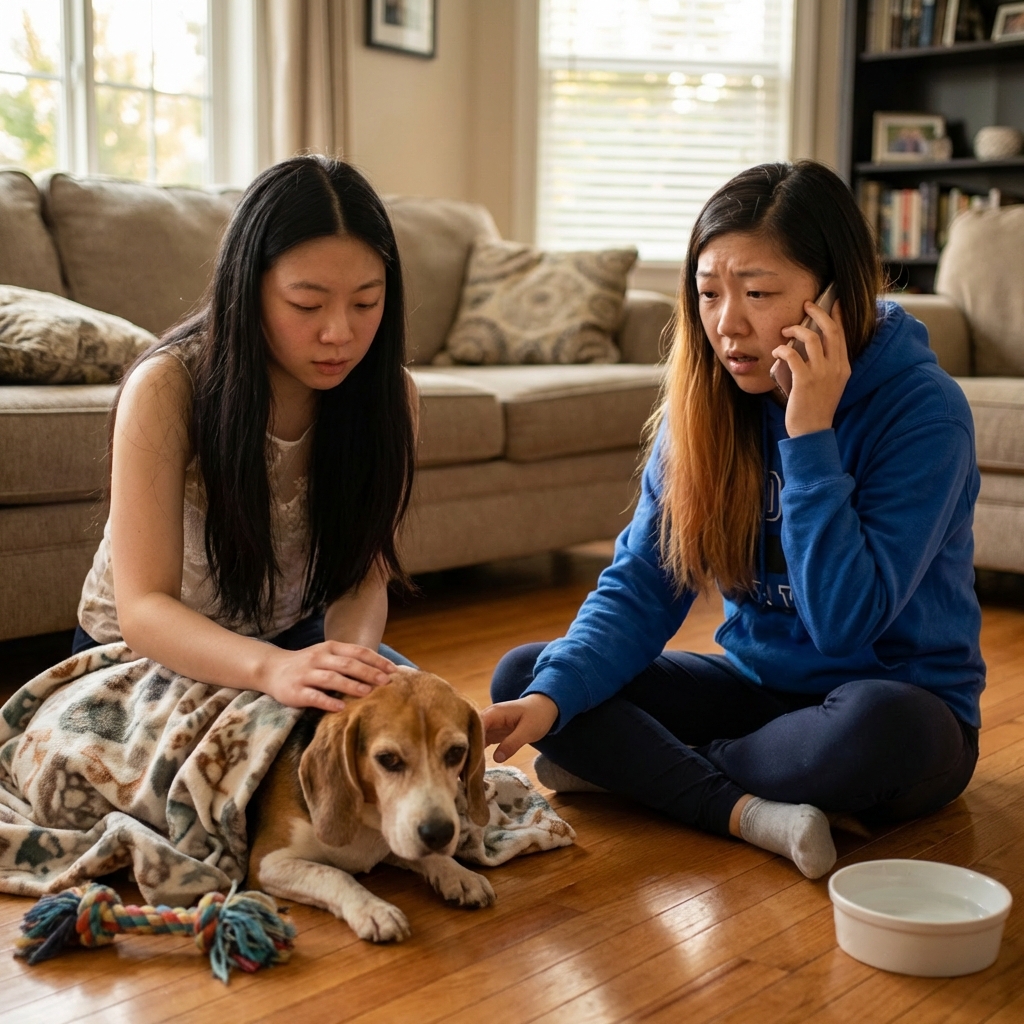
As a veterinary assistant here in Frisco, Texas, I can tell you one thing with total confidence: when it comes to strokes in dogs, time matters. The tricky part is that “stroke-like” signs can also be caused by other emergencies, like vestibular disease, seizures, toxin exposure, very low blood sugar, or a brain tumor. So if you see sudden neurologic changes, it is safest to treat it like an emergency until a veterinarian says otherwise.
This article is for education only and does not replace veterinary care. If your dog has sudden weakness, collapse, head tilt, trouble walking, abnormal eye movements, or seizures, call an emergency vet right away.
What is a stroke in a dog?
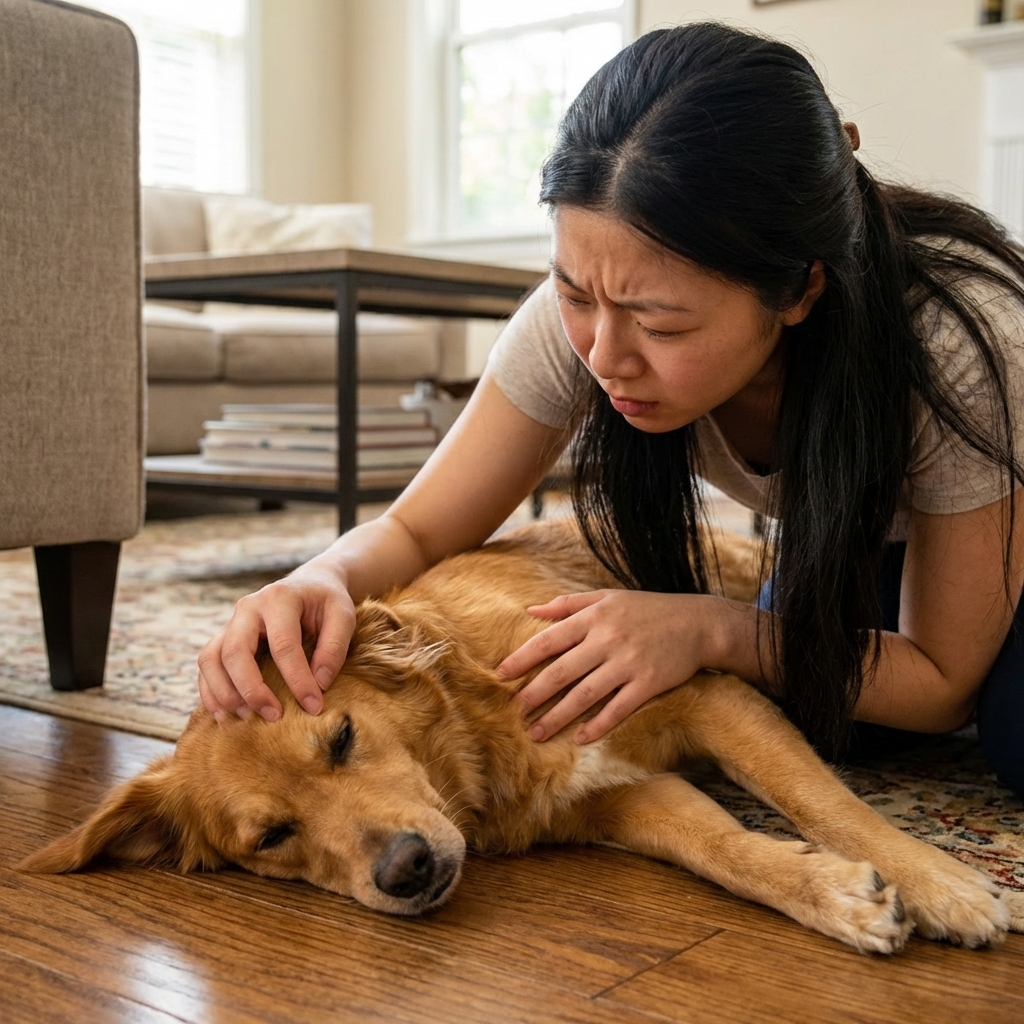
A stroke happens when blood flow to part of the brain is interrupted or when bleeding occurs in the brain. Veterinarians may call this a cerebrovascular accident (CVA).
- Ischemic stroke: a blockage (often a clot) reduces blood flow.
- Hemorrhagic stroke: bleeding in or around the brain.
Dogs can survive strokes, and some recover well, especially when they get prompt medical evaluation and supportive care. That said, prognosis can vary a lot based on the area of the brain affected, how large the event is, and what underlying disease is driving it.
Also important: many events that owners call a “stroke” at home end up being something else, especially vestibular disease. The signs can look very similar.
Key signs of a stroke in a dog
Strokes in dogs usually look like a sudden neurologic event. Many owners describe it as “my dog was fine, and then within minutes something was very wrong.” Here are the red-flag signs to watch for.
1) Sudden loss of balance
- Stumbling, falling, or acting “drunk”
- Walking in circles or leaning to one side
- Unable to stand up or keep footing
2) Head tilt
A new, obvious head tilt can happen with stroke, but it also commonly occurs with inner ear and vestibular disorders. Either way, it is a sign your dog needs prompt evaluation.
3) Abnormal eye movements
- Eyes flicking side-to-side, up-and-down, or rotating
- Looks like the dog cannot “focus” visually
Owners often miss this at first, so take a quick video if you can do so safely. That video can be incredibly helpful for your veterinarian.
4) One-sided weakness
- Dragging one leg
- One-sided facial droop
- Falling consistently to the same side
5) Disorientation
- Staring into space
- Getting stuck in corners
- Not recognizing familiar people or spaces briefly
6) Seizures
Seizures can occur with strokes, but they can also indicate epilepsy, toxin exposure, metabolic disease, or brain inflammation. If your dog is actively seizing or has multiple seizures close together, this is an emergency.
Seizure safety: Keep your hands away from your dog’s mouth, move furniture or other hazards out of the way, and time the seizure if you can. Do not try to “hold” your dog still.
7) Collapse
Collapse can be neurologic, cardiac, or metabolic. Even if your dog “comes to” quickly, sudden collapse needs immediate veterinary attention.
Stroke vs vestibular disease
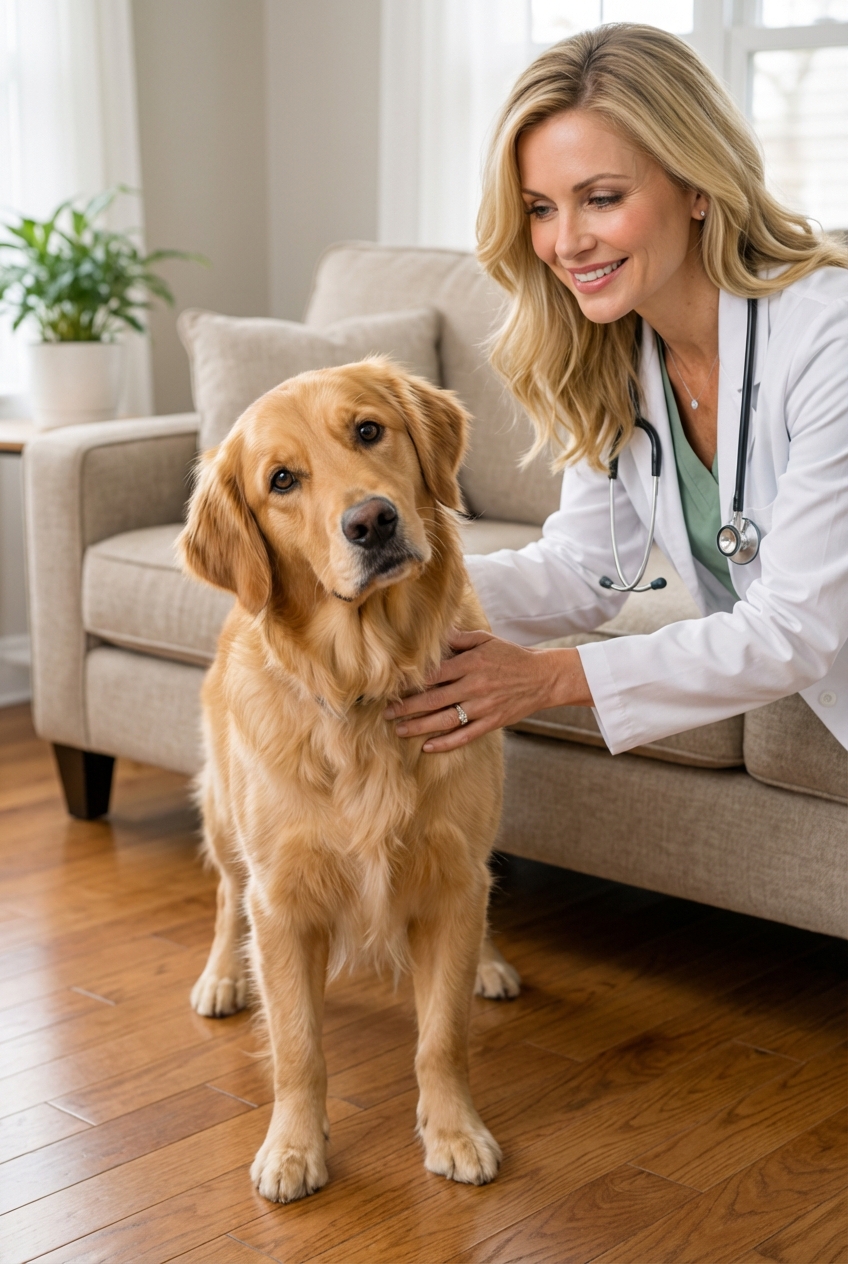
One of the most common look-alikes is idiopathic vestibular disease, sometimes called “old dog vestibular.” It can cause sudden head tilt, nystagmus, and severe imbalance that looks dramatic, but it is not a stroke in many cases.
Here is the honest truth: you cannot reliably tell the difference at home. Both can present suddenly, and both warrant a same-day veterinary exam. Your vet will use neurologic findings, vitals, and history, and sometimes imaging to narrow down the cause.
What your vet may look for
Without getting too far into the weeds, veterinarians often pay close attention to things like mental alertness, postural reactions (proprioception), and whether there are deficits beyond balance and eye movement changes. These details help guide next steps, but they are not something most owners can accurately test at home.
What to do right now
Step 1: Treat it as an emergency
Call your veterinarian or the nearest emergency clinic and tell them you are coming in for sudden neurologic signs. If it is after hours, go to an ER.
Step 2: Keep activity minimal
- Prevent falls: block stairs and slippery floors.
- Keep the room quiet and dim if your dog seems nauseated or dizzy.
- Avoid forcing your dog to walk if they are unsteady.
- Use a blanket as a stretcher for large dogs that cannot stand.
Step 3: Do not give human medications
Please do not give aspirin, ibuprofen, acetaminophen, or “blood thinners.” If the event is hemorrhagic (bleeding), certain medications can worsen outcomes. Only medicate under veterinary guidance.
Step 4: Be careful with food and water
If your dog seems very disoriented, cannot sit up normally, or you suspect trouble swallowing, do not offer food or water until your veterinarian advises you. Aspiration (inhaling food or water) can create a second emergency.
Step 5: Capture a quick video
A 10 to 20 second video of the walking, eye movements, or head tilt can help your veterinarian tremendously, especially if signs improve on the way to the clinic.
Step 6: Note the time and what you saw
- When did it start?
- Any vomiting, collapse, seizure, toxin exposure, or trauma?
- Any history of heart disease, kidney disease, diabetes, Cushing’s disease, or high blood pressure?
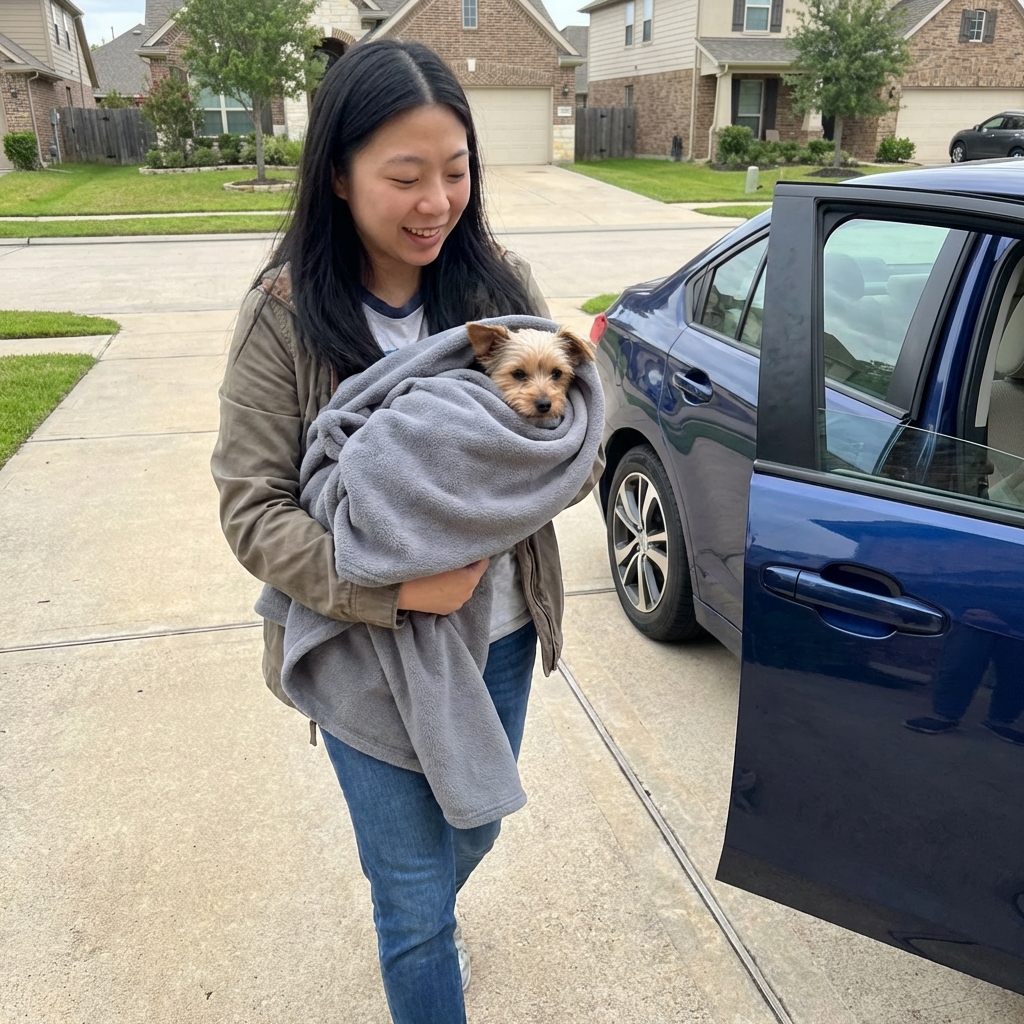
Step 7: Transport tips
- Use a crate if it keeps your dog from falling and rolling.
- Keep your dog warm, but avoid overheating. A light blanket is often enough.
- Drive carefully and have someone ride with your dog if possible.
How vets diagnose stroke
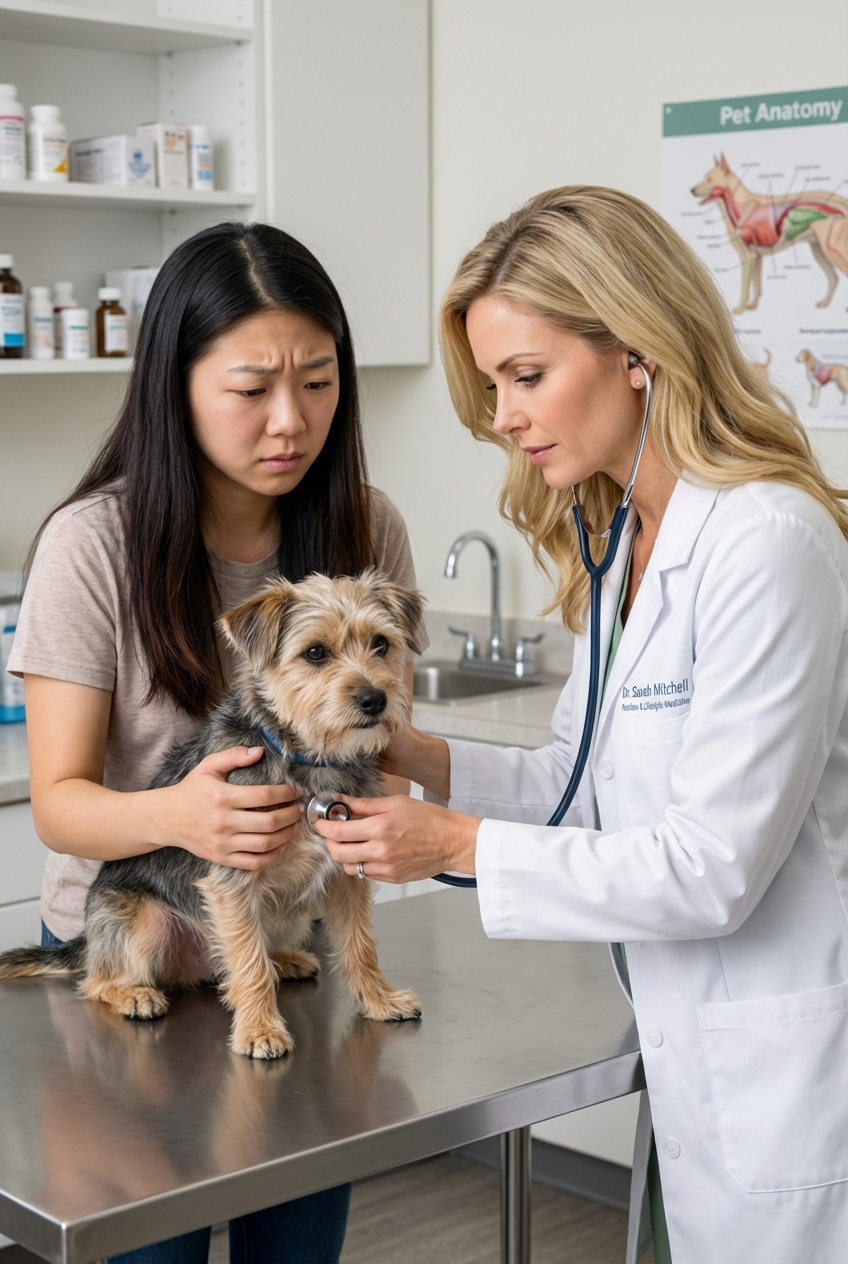
In-clinic, your vet will typically start with a full physical exam and neurologic exam. Diagnostics depend on severity, your dog’s age, and what conditions are suspected.
- Bloodwork and urinalysis to check organ function, glucose, electrolytes, inflammation, and clotting concerns.
- Blood pressure measurement, since hypertension can contribute to brain bleeding and other complications.
- Imaging such as MRI or CT, which may be needed to confirm stroke and rule out tumors or inflammation. Strokes are often not definitively diagnosed without advanced imaging.
- Heart testing if a clotting risk or cardiac issue is suspected. This may include an ECG, echocardiogram, and sometimes chest X-rays as part of a broader workup.
Some dogs do not get advanced imaging right away due to availability or cost, and your veterinarian may focus first on stabilization and supportive care.
Treatment and recovery
There is no single at-home cure for a stroke. Treatment is tailored to what your veterinarian finds and may include:
- Supportive care (fluids, anti-nausea medications, pain control if needed)
- Oxygen support if breathing is affected
- Managing underlying causes (blood pressure control, treating endocrine disease, addressing clotting risk)
- Nursing care for dogs who cannot stand, including help eating, drinking, and staying clean and comfortable
- Physical rehab and assisted walking as your dog improves
Many dogs show improvement over days to weeks, especially if the event is mild or if the signs were caused by a vestibular episode rather than a true stroke. Some dogs have lasting deficits, and a small number can have repeat events depending on the underlying cause.
Risk factors
Strokes can occur in any dog, but veterinarians may be more suspicious when these factors are present:
- Older age
- High blood pressure
- Cushing’s disease (hyperadrenocorticism)
- Kidney disease
- Diabetes
- Heart disease
- Clotting disorders
- Hypothyroidism (may be associated in some dogs)
- Cancer
If your dog has one of these conditions, ask your veterinarian what home monitoring makes sense, especially for blood pressure and medication follow-up.
Home care after an episode
If your dog is discharged with home care instructions, these practical steps can make recovery safer and less stressful.
Low-slip recovery area
- Use rugs or yoga mats for traction.
- Block stairs and limit furniture jumping.
- Keep water and food close so your dog does not have to walk far.
Help with mobility
- Use a harness or a towel sling under the belly for support.
- Take short, calm potty breaks.
- Keep a routine. Predictability reduces anxiety for disoriented dogs.
Watch for relapse
Call your vet immediately if you notice:
- Worsening weakness or inability to stand
- New seizures
- Repeated vomiting
- Severe lethargy or collapse
- Difficulty breathing
Keep rechecks
Follow-up is not optional. It is how your veterinarian checks neurologic progress and manages underlying risks, like hypertension.
When to go to the ER
Go to an emergency veterinary clinic now if your dog has any of the following:
- Seizure activity or multiple seizures
- Collapse, unresponsiveness, or severe disorientation
- Cannot stand, keeps falling, or is at risk of injury
- Sudden one-sided weakness or facial droop
- Abnormal eye movements with severe nausea or distress
If your gut says, “This is not normal,” you are probably right. Call and go in. Quick action gives your veterinarian the best chance to stabilize your dog and identify the cause.
Quick FAQ
Can a dog survive a stroke?
Yes, many dogs survive and improve, especially with prompt veterinary care and supportive treatment. The outcome depends on the stroke type, location, severity, and the underlying cause.
Are strokes painful for dogs?
Not always, but they can be distressing and can involve nausea, confusion, or secondary discomfort. Your veterinarian will address comfort as part of treatment.
Can I treat a stroke at home?
No. Sudden neurologic signs need veterinary evaluation to confirm what is happening and to rule out other emergencies. Home care may be part of recovery, but only after a vet exam and plan.