Your cat in heat? Learn common signs, how long estrus lasts, and practical at-home steps to reduce stress, prevent escape and pregnancy, and know when to cal...
Article
•
Designer Mixes
Signs of a Cat in Heat and How to Care for Her

Shari Shidate
Designer Mixes contributor
Starting your morning right sets the tone for the entire day. I tell pet parents something similar about feline health: small, consistent habits make the biggest difference, especially during high-disruption times like a heat cycle. If your female cat suddenly becomes louder, clingier, or more determined to get outside, she may be in heat. Understanding what is normal, what is not, and how to keep her comfortable can protect both her well-being and your household peace.
What it means when a cat is in heat
A cat is “in heat” when she is in estrus, the fertile part of her reproductive cycle. During this time, hormones shift dramatically and her behavior changes in ways designed to attract a mate. Unlike dogs, most cats do not bleed during heat. The biggest signs are behavioral.
Heat cycles are most common in unspayed female cats once they reach puberty, often around 4 to 6 months of age, though it varies by individual cat, breed, and environment. Many cats are seasonally polyestrous, meaning they can cycle repeatedly during seasons with longer daylight, but indoor lighting can sometimes make cycling happen year round. Cats are also induced ovulators, meaning ovulation is typically triggered by mating. If they do not mate, they often return to heat again and again during the breeding season.
Common signs your cat is in heat
Most owners notice a cluster of changes rather than a single symptom. The signs below are typical and can range from mild to very intense.
Behavior and vocal cues
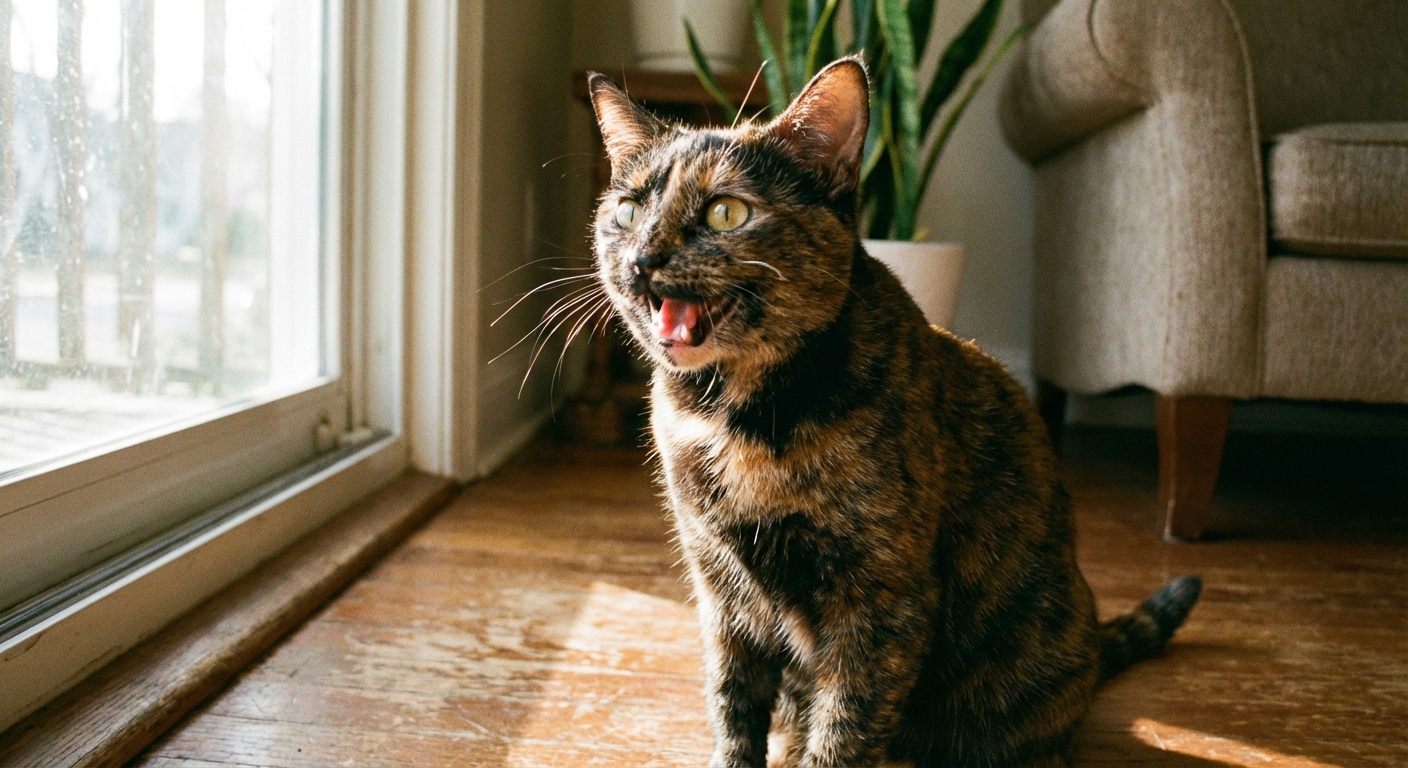
- Loud, frequent vocalizing that can sound like yowling, crying, or moaning, especially at night.
- Extra affection, including rubbing on people, furniture, doorways, and rolling on the floor.
- Restlessness, pacing, or seeming unable to settle.
- Attention seeking and increased clinginess, following you from room to room.
Posture and physical signs
- Lordosis posture, where she lowers her front end, raises her hindquarters, and shifts her tail to the side when petted along the back.
- Increased grooming around the genital area.
- Subtle vulvar changes may occur in some cats, but noticeable swelling is not a hallmark sign.
- Little to no vaginal bleeding is expected. Visible blood is uncommon and should be discussed with a veterinarian.
Escape behavior
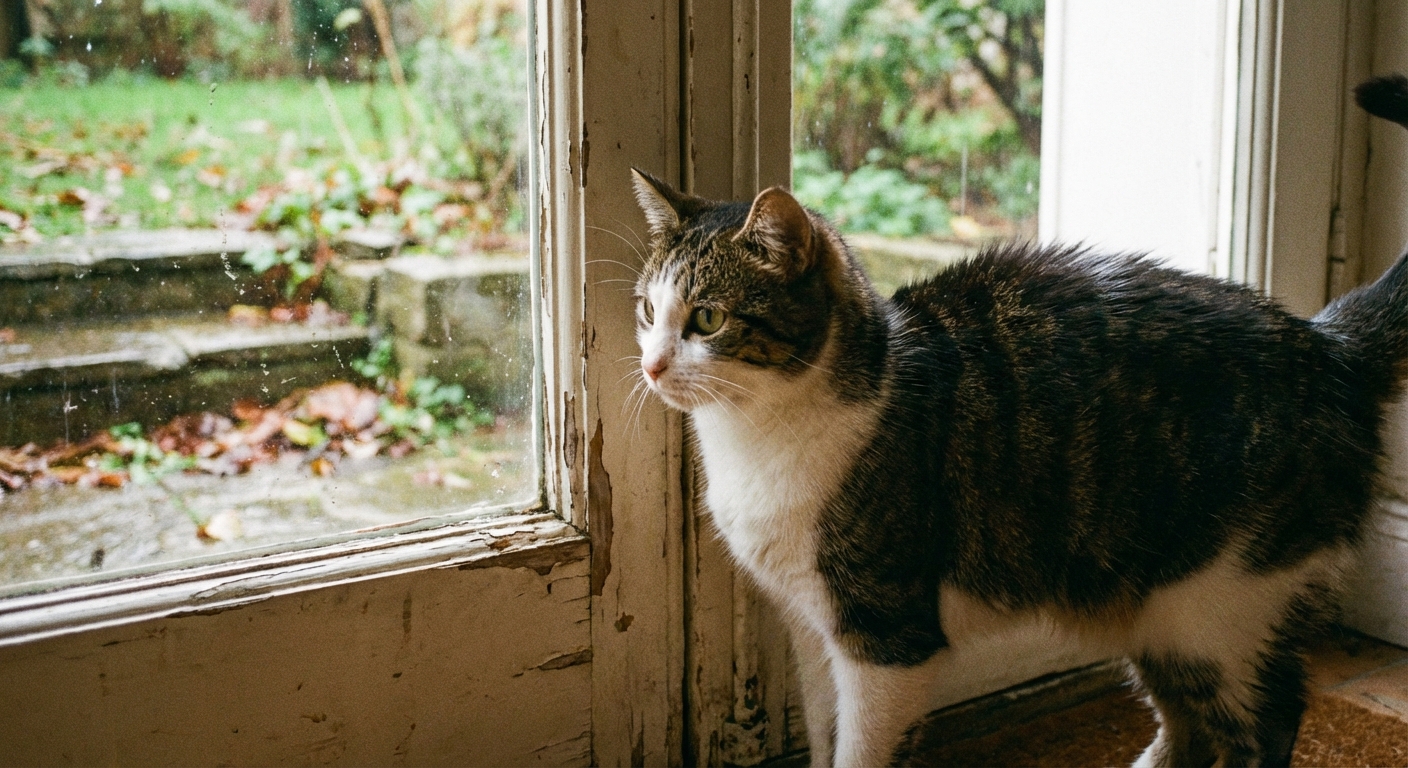
- Strong desire to get outside, including door dashing, window checking, or trying to slip through small openings.
- Spraying or marking can happen, even in females, as a signal to tomcats.
How long heat lasts
Estrus often lasts about 3 to 10 days, but it can be shorter or stretch longer in some cats. If she does not mate and ovulate, she may cycle again after a brief break, commonly about every 2 to 3 weeks during her cycling season.
Because cats can cycle frequently, the disruption can feel ongoing for both you and your cat. This is why comfort care and prevention matter so much.
How to care for a cat in heat
Your goal is to reduce stress, prevent pregnancy, and keep the environment calm. These steps can help right away.
Keep her indoors and secure
- Double check windows, screens, and door latches.
- Use a two-step entry if possible, like keeping her in a room before opening an exterior door.
- Remember that cats are quick and persistent escape artists. Even a brief door opening can be enough.
- If you have intact male cats nearby, keep them separated and be extra vigilant.
Pregnancy risk note: If an unspayed female gets outside and has access to an intact male, pregnancy can happen quickly. If you think there was any chance of mating, call your veterinarian as soon as possible to discuss options and timing.
Support calm with routine and enrichment
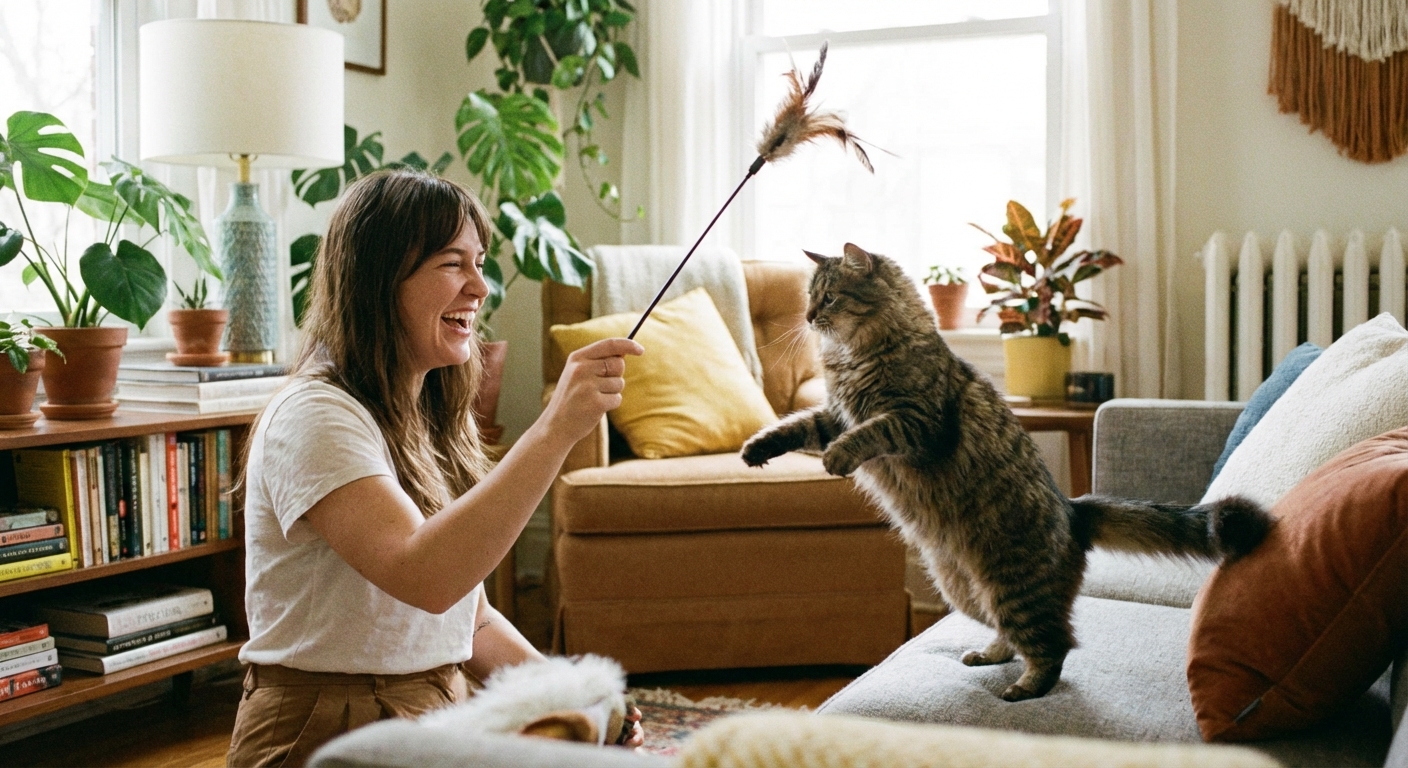
- Offer play sessions 2 to 3 times daily using wand toys or chase games to burn nervous energy.
- Use food puzzles or treat balls for mental stimulation.
- Provide a cozy, quiet resting space away from busy areas of the home.
Try gentle comfort strategies
- Warmth: A pet-safe heating pad on a low setting under a blanket, or a microwavable heat pack, can be soothing. Use supervision, prevent direct skin contact, and always allow your cat to move away freely.
- Extra litter box hygiene: Scoop more often. Some cats are more sensitive to smells during heat.
- Soft petting: Many cats enjoy gentle attention. If she becomes overstimulated, pause and let her reset.
Consider pheromone support
Some households find feline pheromone diffusers or sprays helpful for reducing stress behaviors. Results vary, but it is a low-risk option for many cats.
What to avoid: Do not give human medications, sedatives, or herbal supplements without veterinary guidance. Many common products are unsafe for cats, and dosing errors can be dangerous.
Is heat normal
Being in heat is normal for an intact female cat, but it can look a lot like discomfort. Trust your instincts. If something seems off for your cat, especially if you see illness signs along with heat behaviors, it is always appropriate to call your veterinarian.
Spaying during heat
Spaying is the most effective way to prevent future heat cycles and unwanted litters. It also reduces the risk of certain health problems later in life. Many veterinary clinics can spay a cat even if she is currently in heat, although some prefer to wait because increased blood flow can make surgery slightly more complex. The best choice depends on your cat’s health and your veterinarian’s protocols.
If you are not planning to breed your cat, spaying is typically the kindest long term plan for her comfort and for population control. If mating may have occurred, your veterinarian can also discuss time-sensitive options that may include spay-abort depending on timing and local practice.
When to call the vet
Heat itself is not an emergency, but certain signs deserve professional guidance. Contact your veterinarian if you notice:
- Visible bleeding from the vulva or persistent discharge
- Loss of appetite lasting more than 24 hours, or signs of dehydration
- Lethargy, fever, vomiting, or diarrhea
- Repeated straining to urinate or crying in the litter box (urinary issues can look like heat behaviors)
- Heat signs that seem continuous for weeks with no breaks
If your cat is unspayed and seems sick, especially if you notice discharge plus lethargy or fever, your veterinarian may want to rule out more serious problems such as uterine infection (pyometra) or other illness.
If your cat might have had access to an intact male, ask your vet about next steps as soon as possible. Timing matters.
Quick checklist for today
- Secure doors and windows and keep her fully indoors
- Add 2 to 3 play sessions to reduce restlessness
- Offer a quiet comfort zone and keep the litter box extra clean
- Avoid unsafe medications and do not punish heat behaviors
- Schedule a spay consult if she is not intended for breeding
Heat cycles can be intense, but they are temporary. With calm routines, safe boundaries, and a plan for spaying, most cats and owners get through this phase much more smoothly.