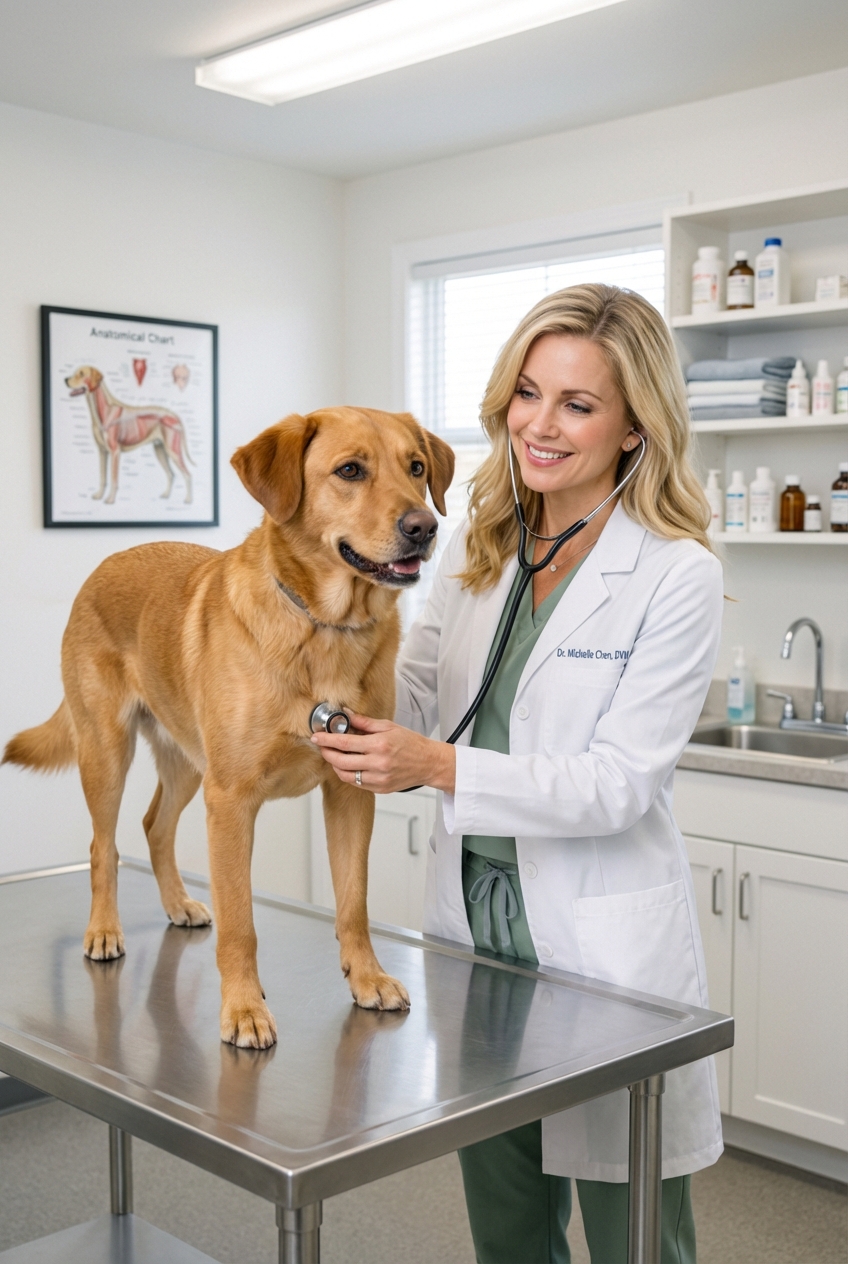
Homemade dog food often lacks calcium, throwing off the calcium-to-phosphorus ratio. Learn safe calcium sources like eggshell and supplements, plus practical...
Article
•
Designer Mixes
Signs Homemade Dog Food Is Missing Nutrients

Shari Shidate
Designer Mixes contributor
If you are making homemade dog food, I want to start by saying this plainly: you are already doing something wonderful for your dog. Homemade meals can be fresh, high-quality, and tailored to your pet. The tricky part is that nutrition is not just about “good ingredients.” It is about balance over time.
Dogs can look fine for a while even if a diet is missing key nutrients. Then small, easy-to-miss clues start showing up in their coat, energy, stool, and even behavior. In this article, we will walk through common signs a homemade diet may be missing something, what those signs might mean, and what to do next.
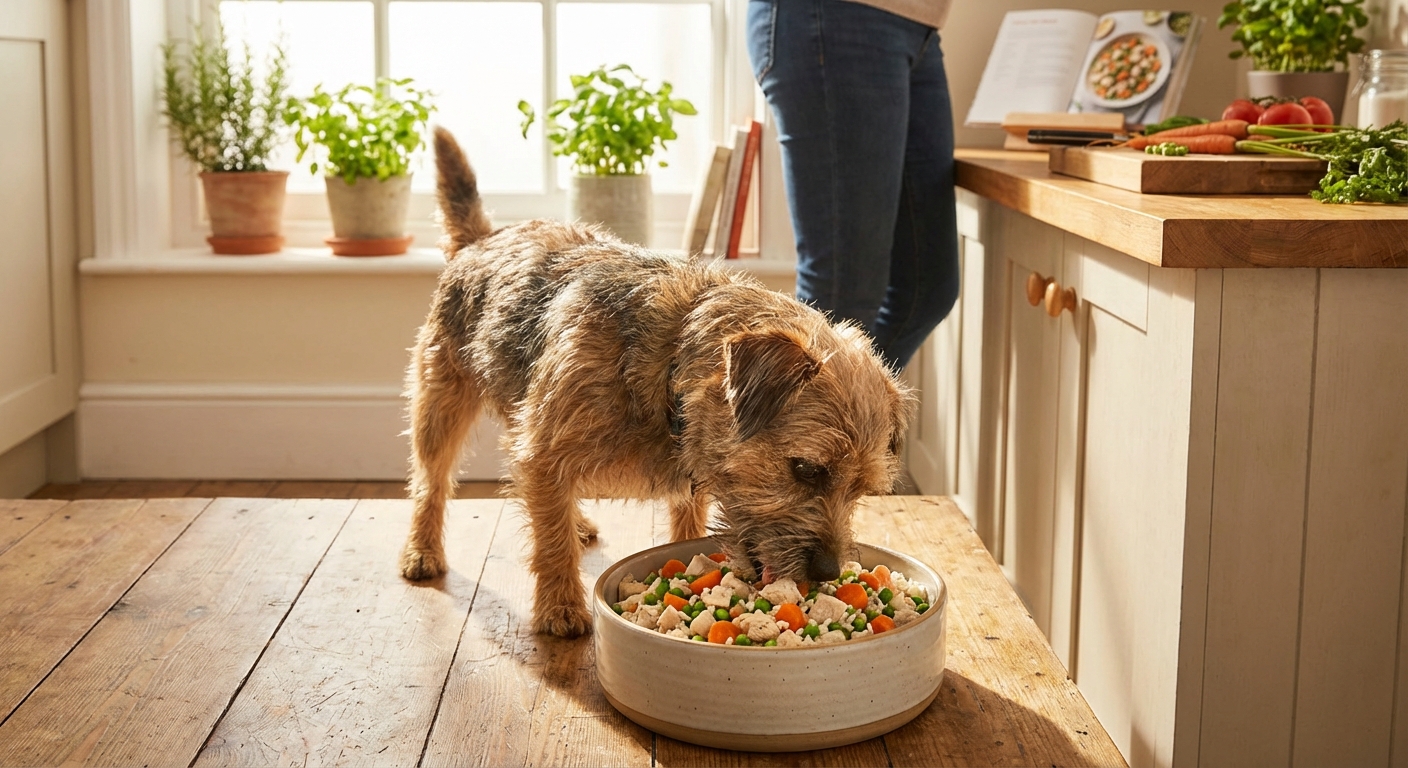
Why gaps happen
Most nutrient gaps happen for three reasons:
- Too much repetition. The same protein, the same carb, the same veggie blend week after week.
- Missing key categories. Many recipes forget calcium, omega-3s, iodine, zinc, or vitamin D, and sometimes other trace minerals.
- Portions are guessed. Humans can get away with looser portions. Dogs do better with consistency and measured recipes.
Also, some nutrients take months to show outward signs. That is why evidence-based planning matters, even if your dog seems to be thriving today. (If you want a standard to compare against, most “complete and balanced” commercial foods are formulated to meet AAFCO or FEDIAF nutrient profiles.)
Share Your Experience
Coat and skin clues
Skin and coat are a common place for nutrition issues to show up, although allergies, parasites, and infections can look very similar. Think of these signs as prompts to evaluate the whole picture, not proof of a deficiency.
Dull coat, shedding, or dry fur
This can be linked to low essential fatty acids (including omega-3s and linoleic acid), too little total fat, or low-quality fats. It can also happen with low zinc or inadequate protein, depending on the recipe.
Itchy skin, flaking, or recurring ear issues
Itchiness is not always an allergy. Nutrition can play a role when the skin barrier is not getting enough support. Common suspects include low omega-3s, low vitamin E (needed to protect fats in the body), low zinc, or a recipe that simply is not providing the right mix of animal-based nutrients and fats for your dog.
Slow hair regrowth
Hair regrowth relies on adequate protein, zinc, and multiple vitamins and minerals working together. Slow regrowth is a gentle nudge to evaluate the full recipe, not just one ingredient.
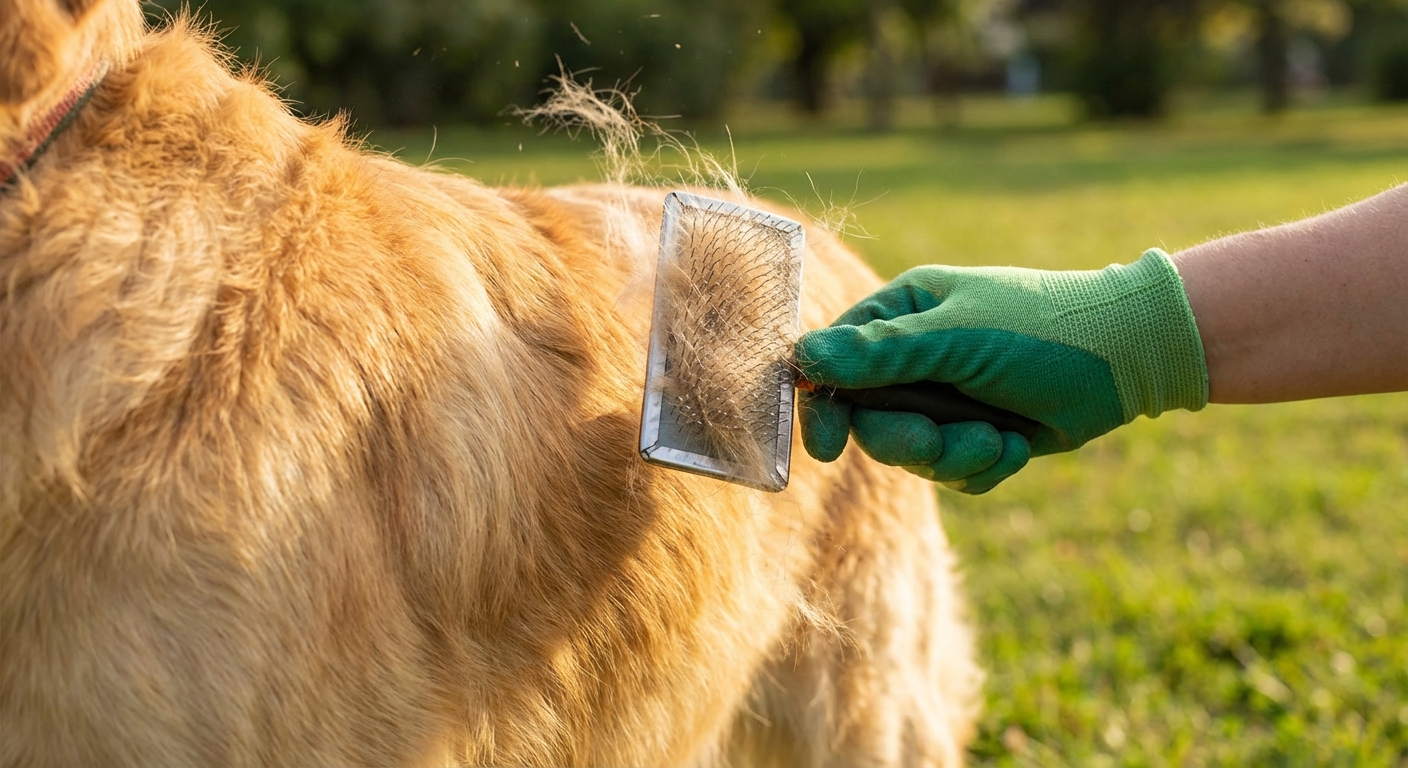
Energy and muscle changes
Once you have looked at coat and skin, the next big category is how your dog feels and moves day to day.
Low energy or low stamina
Fatigue can come from a diet that is too low in calories, too low in fat, or missing nutrients involved in energy metabolism, such as B vitamins and iron. It can also be medical, so this is one to take seriously.
Muscle loss despite eating
Homemade diets sometimes under-deliver on protein or overall calories, especially for active dogs. Seniors may also benefit from highly digestible protein to help maintain muscle. If your dog is losing muscle along the spine or hips, ask your veterinarian about a body condition score and a muscle condition score.
Restlessness or mood shifts
Not every behavior issue is nutrition-related, but some dogs do seem “off” when meals are not meeting their needs. If you notice new restlessness, irritability, or changes in sleep alongside other physical signs, it is worth reviewing the recipe and checking in with your vet. (Behavior changes are also common with pain, endocrine disease, and anxiety, so do not assume food is the only factor.)
Digestive clues
Large stools or inconsistent poop
Bulky stool can mean the diet has too much insoluble fiber, ingredients that are not digesting well, or a sudden change in ingredients. Homemade diets can accidentally become “veggie heavy,” which sounds healthy to us, but does not always work for canine digestion.
Constipation
This can happen if the diet is too low in moisture, too low in fat, or not providing the right kind of fiber. It can also happen if bone or calcium sources are overused. Balance matters both ways.
Greasy stool or frequent upset stomach
Some dogs do not tolerate high-fat meals or sudden fat changes. If you recently added oils or switched proteins, slow down and consider working with a veterinary professional to dial in the recipe.
Action step: If stool quality changes after you switch recipes, write down what you changed and when. That timeline is incredibly helpful for your vet or a nutritionist.
Weight and appetite changes
Weight gain on “healthy” food
Homemade food can be calorie-dense, especially with oils, fattier meats, rice, pasta, and peanut butter treats. Weight gain is not necessarily a nutrient deficiency, but it can indicate the recipe is unbalanced in calories and macronutrients.
Weight loss or constant hunger
Persistent hunger can mean the meal is too low in calories, too low in fat, or lacking enough protein to be satisfying. It can also indicate parasites or disease, so it deserves a prompt check if it does not improve quickly.
Teeth, bones, and mobility
Weak or splitting nails
Weak nails can be associated with low protein, low zinc, or overall mineral imbalance. If your dog’s nails suddenly become brittle, treat it like a nutrition clue and a health clue.
Stiffness, limping, or reluctance to jump
Joint pain is not always about aging. Omega-3s have evidence behind them for joint support, and overall protein and mineral balance matter for musculoskeletal health. Vitamin D is important too, but it is also a nutrient where DIY dosing can be risky, so avoid supplementing vitamin D unless your veterinarian recommends it.
Calcium balance (a big one)
One of the most common homemade-diet mistakes reported by veterinary nutritionists is missing calcium or using an inconsistent calcium source. Dogs need the right calcium-to-phosphorus balance. Meat-heavy diets without a measured calcium plan are a common setup for deficiency over time.
What a “calcium plan” looks like: not “a sprinkle,” not “some bone,” and not rotating random calcium products. It means using a consistent, measured source (for example, a veterinary-formulated recipe that specifies a calcium supplement such as calcium carbonate or eggshell powder by weight). If you do not have a recipe with exact amounts, that is your sign to pause and get one.

What signs can point to
These signs can have multiple causes, and many overlap with allergies, endocrine disease (like hypothyroidism or Cushing’s), parasites, and GI disorders. Still, these patterns are commonly discussed when homemade diets are missing key nutrients.
- Dull coat, dry skin: omega-3s, vitamin E, zinc, protein, linoleic acid
- Weak nails: zinc, protein, overall mineral balance
- Low stamina: calories, fat, B vitamins, iron
- Slow growth in puppies: calcium, phosphorus, vitamin D, adequate energy and protein
- Frequent infections: may be associated with zinc, vitamin A, protein, overall balance, but infections are multifactorial and need a medical workup
- Thyroid concerns: iodine can be too low or too high, especially if seaweed is used casually
This is why I recommend thinking in terms of patterns, not a single symptom.
Common missing pieces
Calcium, omega-3s, and iodine are big ones, but they are not the only “gotchas.” Homemade diets often fall short (or go over) on:
- Trace minerals: copper, selenium, manganese, zinc
- Vitamins: vitamin D, vitamin E, vitamin A (especially if liver is overused)
- Choline (important for many body functions)
- Essential fats: not just omega-3s, but also enough omega-6 (linoleic acid) in the right balance
This is why many balanced homemade plans use a veterinary-designed vitamin and mineral mix or a complete recipe formulated to meet AAFCO or FEDIAF targets.
High-risk situations
Puppies (especially large breed)
Growth is where nutrient imbalance can do the most harm. Calcium, phosphorus, vitamin D, and total calories must be carefully managed. Homemade puppy diets should be formulated with professional guidance.
Pregnant or nursing dogs
Nutrient demands rise dramatically. A “normal adult” homemade recipe is not enough for this life stage.
Senior dogs
Seniors often benefit from digestible protein, targeted omega-3 support, and careful calorie control to maintain muscle.
Dogs with kidney disease, pancreatitis, allergies, or GI disease
These cases are absolutely doable with homemade food, but they should be planned with your veterinarian and ideally a board-certified veterinary nutritionist.
What to do next
1) Audit your recipe
Ask yourself:
- Is there a consistent, measured calcium source included?
- Is there a reliable omega-3 source (like fish oil) plus vitamin E as needed?
- Are you rotating proteins and plant foods appropriately?
- Are organ meats used carefully and intentionally, rather than randomly?
- Is iodine provided in a controlled way (not guesswork with kelp or seaweed)?
- Is there a plan for trace minerals and vitamins (often via a vetted supplement or premix)?
2) Do not DIY “fixes” with random supplements
I know it is tempting to patch a recipe with whatever is in the cupboard, but a few nutrients are easy to overdose. Be especially careful with vitamin D, iodine/kelp, and liver/organ meats. More is not better here. If you are going to supplement, use a product designed to balance homemade diets or a plan made by a professional.
3) Track for 2 to 3 weeks
Write down meals, treats, stool quality, itchiness, energy, and weight. This helps separate “a bad week” from a real trend.
4) Bring the full recipe to your vet
Share exact ingredients, amounts, and how many days the batch lasts. If needed, ask for a referral to a board-certified veterinary nutritionist (DACVN in the U.S.) who can formulate or balance a recipe for your dog’s needs. (You can also search professional directories such as the American College of Veterinary Nutrition.)
5) Consider lab work if symptoms persist
Your vet may recommend a physical exam, fecal test, and basic bloodwork. Nutrition problems and medical problems can look alike, and it is always best to rule out illness.
6) Safe options if you want simpler
If balancing feels overwhelming right now, you have options that still honor your “fresh food” goal:
- Use a veterinary-formulated homemade recipe and follow it exactly.
- Use a complete and balanced commercial diet and add fresh toppers in moderation.
- Use a vetted supplement or premix designed to balance homemade diets, but only as directed and matched to the recipe.
A gentle reminder
You do not have to be perfect to make a big difference for your dog. You just need a plan that is consistent, balanced, and adjusted as your dog changes over time.
If your dog is showing multiple signs on this list, or if you are feeding a homemade diet for a puppy or a medically complex dog, reach out for professional guidance. The goal is not just homemade. The goal is homemade and complete.